Graduate Student Loans Canada: How to Fund Your Advanced Studies

Explore how graduate student loans in Canada work, compare government and private options, and learn how to fund your advanced degree with confidence.

Graduate Student Loans Canada

Pursuing a graduate degree can open up exciting career opportunities — but it often comes with a high price tag. That’s why many Canadians consider graduate student loans Canada options to help cover tuition, living costs, and research expenses. In this guide you’ll learn about government and private loan opportunities, how to qualify, how to manage your borrowing smartly, and how to compare alternatives. Use this information to secure the best financing for your graduate studies in Canada.

If you’re also exploring non-loan options or alternate funding, check out our pages: Personal Loans and Bad Credit Loans for flexible alternatives.

What Are Graduate Student Loans Canada?

“Graduate student loans Canada” refers to the financing options available to students pursuing postgraduate degrees (like masters or Ph.D.) in Canada. These loans may originate from federal or provincial governments, or from private lenders when public funding doesn’t fully cover costs.

Key points about graduate student loans Canada:

  • They can help fund tuition, research, living expenses, books and supplies.
  • Government-backed loans often have favourable terms (interest-free while studying, grace periods) but may not cover everything.
  • Private lenders fill in the gap when government aid falls short.
  • It’s critical to understand the terms, interest rates, repayment start dates and total borrowing amounts.

Funding Options for Graduate Student Loans Canada

When you’re looking into “graduate student loans Canada,” you’ll typically explore three main routes: government loans, scholarships/grants, and private student loans.

Government-Backed Loans

Federal and provincial student loan programs offer primary support for graduate students. For example:

  • The federal Canada Student Loan Program (CSLP) provides financial aid and may offer interest-free status while enrolled full-time.
  • Provincial programs such as Ontario Student Assistance Program (OSAP), StudentAid BC and Alberta Student Aid support graduate funding in their jurisdictions.

These programs often have favourable terms but may not fully cover all costs of graduate study—especially if your program is expensive, your institution is abroad, or you need additional living support.

Scholarships & Grants

Before taking on debt, you should explore scholarships and grants—because these don’t need to be repaid. Some options:

  • National merit-based scholarships like the Canada Graduate Scholarships (CGS) for Masters and PhD students.
  • University-specific graduate awards.
  • Online databases such as ScholarshipsCanada or Yconic to search for available opportunities.

Private Student Loans and Supplement Funding

When public funding and scholarships cannot fully meet your costs, you may turn to private lending. For graduate students, these are the “graduate student loans Canada” you’ll want to compare carefully:

  • Interest rates are typically higher than government loans.
  • Terms may vary in when repayment begins (during study, after, or with a grace period).
  • Might require a co-signer or strong credit history.
  • Use cases: bridging gaps, covering expensive programs, or managing living costs.

How Much Can You Borrow? Typical Costs for Graduate Student Loans Canada

Graduate study often involves not just tuition but also living expenses, research costs, and extensions. Understanding likely borrowing amounts helps you plan smartly.

Typical Cost Breakdown

Cost Component Approximate Canadian Cost* Notes
Tuition & fees (2-year Masters) CA$20,000 – CA$40,000 Varies widely by institution & program
Living expenses (per year) CA$15,000 – CA$25,000 Housing, food, transport, supplies
Research/fieldwork & other costs CA$5,000 – CA$10,000 Labs, travel, data collection
Estimated total cost CA$40,000 – CA$75,000+ May be higher for PhD or special programs

*Ballpark figures for planning purposes.
If your funding falls short, “graduate student loans Canada” may bridge the gap — but borrowing wisely is essential.

Private Loan Terms Example

Loan Amount Rate* Term Monthly Payment Estimate
CA$50,000 8.99% 10 years ~CA$636
CA$75,000 10.99% 12 years ~CA$662
CA$100,000 9.49% 15 years ~CA$918

*Example rates for illustration. Actual rates vary by borrower profile and lender.
These examples show how “graduate student loans Canada” can translate into significant repayment commitments — plan accordingly.

How to Qualify for Graduate Student Loans Canada

To increase your chances of approval and better terms, consider these eligibility factors:

  • Enrollment in an approved graduate program: Lenders or public loan offices will check that your program qualifies for funding.
  • Canadian residency or citizenship (or eligible status) may be required for public loans—private lenders may have other criteria.
  • Credit history & co-signer: Especially for private “graduate student loans Canada,” a strong credit score or co-signer helps.
  • Repayment plan readiness: Be realistic about your post-graduate income and how much debt you’ll carry.
  • Existing debt load: A high debt-to-income ratio may limit private loan eligibility.

If your credit history is challenged, you may explore options on our Bad Credit Loans page for alternative solutions.

Smart Strategies for Borrowing Graduate Student Loans Canada

1. Borrow only what you need

Because graduate student loans in Canada can accumulate fast, borrow conservatively. Use scholarships, part-time work and assistantships to minimize debt.

2. Understand when repayment begins

Some loans begin repayment while you’re still studying; others let you defer until after graduation. Know your terms before borrowing.

3. Plan for income expectations

If you’re pursuing a degree that may not yield high income soon, your “graduate student loans Canada” strategy should include realistic budgeting and avoidance of excess debt.

4. Consider loan consolidation after graduation

If you took multiple loans or plan to consolidate, you may explore options like our Consolidation Loans page for combining “graduate student loans Canada” balances into one repayment plan.

5. Manage finances while studying

Use part-time jobs, research assistantships, or teaching assistant roles to reduce borrowing. Also track expenses and build budgeting habits early.

Risks to Consider Before Taking Graduate Student Loans Canada

  • Higher borrowing amounts than expected: Graduate programs often exceed initial cost estimates.
  • Variable interest rates (for private loans) can increase payments.
  • Delayed entry into the workforce or lower earnings than projected can lead to repayment strain.
  • Collateral or co-signer risk: If your loan is secured or backed by someone else, repayment defaults can impact others.
  • Opportunity cost of debt: Carrying large debt can delay other financial goals (home purchase, starting a family, etc.).

Understanding these risks helps you treat “graduate student loans Canada” not just as a funding source—but as a long-term financial commitment.

Graduate loans Canada up to $50,000

Frequently Asked Questions About Graduate Student Loans Canada

Are graduate student loans Canada available for any graduate program?

Not always. Government loans typically require programs to be eligible and your university to be recognized. Private lenders may have stricter criteria.

Can international students get graduate student loans Canada?

International students usually can’t access Canadian government loans. Some private lenders may allow it but often require Canadian co-signers.

What’s the difference between federal and private loans for graduate school?

Federal loans often come with lower rates and more favourable terms (grace periods, income-based repayment). Private loans (the “graduate student loans Canada” in the private market) fill in gaps but usually cost more.

How long will I have to repay a graduate student loan?

Repayment terms vary—commonly 5–15 years for private loans in Canada, depending on amount borrowed and lender terms.

Can I consolidate multiple graduate student loans in Canada?

Yes, you can look into consolidation or refinancing options post-graduation.

Conclusion

Navigating graduate student loans Canada is a critical step for any advanced-degree aspirant in Canada. While funding your learning is an investment in your future, it’s important to borrow with strategy, compare your options, and manage your debt responsibly. By using government loans where possible, supplementing with private funding only when needed, and planning for repayment from day one, you’ll set yourself up for financial success after graduation.

Ready to explore your financing options? Visit FatCat Loans and click Get My Quote to compare trusted lenders supporting “graduate student loans Canada.” Make smart borrowing decisions and fund your graduate studies with confidence today.

Financing U.S. Universities from Canada: Loans & Options

Canadian students can still finance U.S. universities through government student aid, scholarships, and private loans. This guide explains the key funding options available and how to choose the right mix for your education goals.

Canadian Student Loans US Schools

Updated February 2026

Studying in the United States can be an exciting step for many Canadians. American universities offer excellent programs, global networks, and life-changing opportunities. However, the cost of studying abroad can be high. Thankfully, there are many ways to manage these expenses. Canadians studying in the United States may be eligible for certain federal and provincial student aid programs, depending on the school. When government funding isn’t enough, some students explore private student lines of credit or personal loans to bridge the gap.

These include federal and provincial loans, scholarships, and private lenders that support Canadians who want to study in the U.S.

FatCat Loans is a loan comparison platform, not a student loan provider, but some borrowers compare personal loan options when additional funding is required.

This guide explains each option in simple terms. You’ll learn how to apply, how to combine aid, and how to find extra funding so you can study without financial stress.

1. What Are Canadian Student Loans US Schools?

Canadian student loans US schools programs are designed for Canadians who attend approved universities in the United States. They help cover tuition, housing, travel, and other school expenses.

These programs are available from several sources. For example, federal loans come from the Government of Canada. Provincial aid is offered by programs like OSAP and StudentAid BC. In addition, private banks and online lenders provide student lines of credit for those who need more support.

Because each option has different terms, it’s important to compare carefully. Doing so helps you borrow only what you need and choose the loan that fits your goals.

2. Provincial Programs Offering Canadian Student Loans US Schools

Many provinces make it possible for Canadians to receive student loans while studying in the U.S. These programs recognize select American universities. Therefore, always check if your school is approved before applying.

Provincial Programs That Support Canadian Student Loans US Schools

Province Program Eligible for U.S. Schools? Key Benefits
Ontario Ontario Student Assistance Program (OSAP) ✅ Yes Offers both grants and loans for designated U.S. schools
British Columbia StudentAid BC ✅ Yes Combines loans, grants, and bursaries
Alberta Alberta Student Aid ✅ Yes Provides funding for full-time study abroad
Saskatchewan Student Financial Assistance ✅ Yes Includes federal + provincial support
Nova Scotia NS Student Assistance ✅ Yes Offers loans and non-repayable grants

Because these programs vary, always review the eligibility rules before applying. Furthermore, make sure to apply early, as funding is limited each year.

🔗 Tip: You can confirm your school’s status by visiting your province’s student aid website. Doing this first saves time and prevents mistakes in your Canadian student loans US schools application.

3. Federal Canadian Student Loans US Schools

The Canada Student Loans Program (CSLP) also helps Canadians study at designated American universities. This federal program often works alongside your provincial loan.

Main Advantages

  • No interest while you study full-time
  • Six-month grace period after graduation
  • Option for income-based repayment
  • Choice of fixed or variable interest rates

In addition, you can apply for federal and provincial funding together. This simplifies the process because one application covers both programs. As a result, you save time and reduce paperwork.

4. Scholarships and Grants for Canadian Student Loans US Schools

Scholarships and grants reduce how much you need to borrow. They can make a big difference, especially if you study in a high-cost U.S. program.

Popular Scholarships for Canadians Studying in the U.S.

Scholarship Who Can Apply Source Award Amount
Canada-U.S. Fulbright Program Graduate students Government of Canada & U.S. Up to US $25,000
Canada Graduate Scholarships (CGS) Masters and PhD Federal government $17,500–$35,000
University Merit Awards Academic excellence U.S. universities Varies by school
RBC, TD, Scotiabank Awards Canadian students Private sector $1,000–$20,000

Because scholarships are competitive, it’s best to apply early. In addition, combining scholarships with Canadian student loans US schools means you’ll need to borrow less, which keeps future payments manageable.

5. Private Canadian Student Loans

When government aid doesn’t cover your total cost, private loans can fill the gap. These are often faster to access and come with flexible repayment terms.

Private Lenders Supporting Canadian Student Loans US Schools

Lender Loan Range Interest Rates Repayment Options
RBC Royal Bank Up to $80,000 Prime + 1%–3% Pay interest while in school
Scotiabank Up to $100,000 Prime + 0.5%–3% Start repayment after graduation
TD Canada Trust $5,000 – $60,000 Prime + 2%–4% Flexible terms available
BMO $5,000 – $50,000 7%–12% Choose fixed or variable rates

Some students also explore personal loan comparison platforms if they need additional funding beyond student lines of credit.

Because private loans can vary, always compare offers before applying. Moreover, check for fees or early payment penalties.

6. Comparing Canadian Student Aid for US Schools vs U.S. Federal Loans

It’s helpful to understand how Canadian and American loans differ before choosing your funding path.

Feature Canadian Student Loans (US Schools) U.S. Federal Loans
Eligibility Canadian citizens or PRs U.S. citizens only
Interest Rates Lower, fixed or prime-linked Often variable, higher
Grace Period 6 months after graduation Depends on program
Income-Based Repayment Yes Limited availability
Currency CAD USD
Co-signer Needed Sometimes Often required

Because Canadian loans are often more flexible, they’re a better choice for most students. In addition, repayment options are clearer, and interest rates tend to stay lower.

Currency & Exchange Rate Considerations

Studying in the United States means most expenses are billed in U.S. dollars. Exchange rate fluctuations can increase your effective tuition cost over time. Students borrowing in Canadian dollars should plan for potential currency shifts when budgeting for tuition and living expenses.

7. How to Apply for Canadian Student Loans to US Schools

Applying for these programs is simple when you stay organized and plan ahead.

  1. Confirm your school’s eligibility. Check the government’s list of approved universities.
  2. Apply through your province. Use portals like OSAP or StudentAid BC.
  3. Gather your documents. Collect proof of citizenship, admission letters, and income records.
  4. Apply early. Start 4–6 months before classes begin to ensure funding arrives on time.
  5. If government aid and bank student lines of credit do not fully cover your costs, you may explore private lending options or personal loans depending on eligibility.

Because timing is crucial, applying early prevents delays and guarantees funds are ready before your first semester begins.

8. Documents Required for Canadian Student Loans US Schools

Gathering documents ahead of time makes the process smoother.

Checklist:

  • Canadian passport or birth certificate
  • Proof of residency for your province
  • Admission confirmation from a U.S. university
  • Recent financial information
  • Co-signer details (if needed)

Keep scanned copies in a secure folder. This saves time if you need to reapply or submit updates later.

9. Managing Canadian Student Loans Wisely

Good planning helps you avoid financial stress while studying abroad.

  • Borrow less whenever possible. Small loans mean smaller payments later.
  • Create a monthly budget. Track spending and adjust as needed.
  • Watch exchange rates. Currency changes can affect your total costs.
  • Pay interest early. Even small payments now can reduce long-term debt.
  • Explore part-time work. Many campuses offer assistantships or tutoring jobs.

Because small choices add up, responsible borrowing today means financial freedom tomorrow.

Frequently Asked Questions About Canadian Student Loans to US Schools

Can Canadians apply for U.S. federal loans?

No. U.S. loans are only for American citizens. Canadians must use Canadian student aid for U.S. schools programs.

Do all U.S. universities qualify for Canadian aid?

Not all. Only designated schools approved by the Government of Canada are eligible.

How much can I borrow?

Amounts depend on your province, income, and study program. Government aid can reach up to $210 per week of study.

Do I need a co-signer for private loans?

Yes, often. Lenders may ask for one if you have limited credit history.

When does repayment start?

Usually six months after graduation, though private lenders may differ.

Apply button for $50,000 Loan

Conclusion

Need funding beyond government student aid? Some Canadians explore personal loans or alternative financing to help bridge tuition and living expense gaps. FatCat Loans is a loan comparison platform that allows you to review personal loan options from trusted lenders.

👉 Compare personal loan options to see what may be available based on your profile.

Student Loans for Trade Schools in Canada (Apprenticeships)

Trade school and apprenticeships can lead to strong careers — but training costs money. Here’s how Canadian student loans and grants can help fund skilled trades education.

Student Loans for Trade Schools

Updated February 2026

The increasing demand for skilled workers in Canada has made trade schools an appealing alternative to traditional colleges. With over 700,000 skilled trade job vacancies projected by 2028, these programs offer a pathway to stable, well-paying careers.

However, like any educational pursuit, trade schools come with costs, from tuition to tools and materials. Thankfully, student loans can help make trade school more affordable. This guide covers funding options, application processes, and tips for financing your education effectively.

Trade programs are typically shorter than university degrees, but they still involve tuition, certification fees, books, safety equipment, and specialized tools. In some cases, students must relocate temporarily for block training. Understanding all potential costs helps you determine how much funding you may need before starting your program.

Key Highlights for Trade School Student Loans

→ Trade school loans are accessible through federal, provincial, and private sources.
→ Federal aid requires program accreditation and citizenship/residency status.
→ Private loans can fill funding gaps, but they may have higher interest rates.
→ Explore grants and scholarships first to minimize debt.→ A repayment strategy should align with your expected post-graduation income.

How Much Does Trade School Cost in Canada?

Trade school costs vary depending on the program and province. On average:

  • Tuition: $3,000–$10,000 per year
  • Tools & equipment: $500–$5,000+ depending on trade
  • Certification & exam fees: $100–$500
  • Living expenses during training blocks: varies by location

Apprentices in Red Seal trades may attend in-class technical training in shorter blocks, which can temporarily reduce income during that period.

Understanding Student Loans for Trade Schools in Canada

In Canada, financial aid for trade school is available through federal, provincial, and private sources. These loans cover tuition and other essential expenses.

Federal and Provincial Loans

The Canada Student Loans Program (CSLP) is the cornerstone of government-funded financial aid. Eligible students can access low-interest loans with favourable repayment terms. The amount of funding available through federal and provincial programs depends on your financial need, program length, and province of residence. Check your provincial student aid website for the most up-to-date limits.

Canada Apprentice Loan (CAL)

The Canada Apprentice Loan offers interest-free loans of up to $4,000 per period of technical training for registered apprentices in Red Seal trades. Funds are available during in-school training blocks, helping apprentices manage living expenses while temporarily off the job.

Repayment typically begins six months after completion of training.

Provinces also offer targeted programs to support workforce development. For example, Alberta’s Apprenticeship Training Award offers up to $1,500 to eligible apprentices in financial need.

Eligibility Criteria

To qualify for federal or provincial loans, applicants must:

→ Be a Canadian citizen, permanent resident, or protected person.

→ Enrol in an accredited trade school or apprenticeship program.

For apprentices, the Canada Apprentice Loan provides interest-free funding during Red Seal trade training, easing the financial burden of certification.

Private Loans for Trade Schools

When government aid falls short, private loans bridge the gap. Banks and credit unions offer tailored loan products, though they often come with higher interest rates and stricter repayment conditions.

What to Look for in Private Loans

When exploring private loans, prioritize:

Interest Rates: Fixed rates offer stability, while variable rates may fluctuate.

Loan Terms: Assess repayment flexibility and deferment options.

Additional Costs: Watch for fees like origination charges.

When Government Aid Isn’t Enough

Some trade students may need additional funding for tools, transportation, or living expenses during training. In those cases, students sometimes explore personal loans or installment loans to cover short-term gaps.

FatCat Loans is not a student loan provider, but it allows Canadians to compare personal loan options that may be used for education-related expenses depending on eligibility.

Apply button for loans up to $50,000

Applying for Trade School Loans

Follow these steps to secure funding:

  1. Start with government loans: Apply via the National Student Loans Service Centre.
  2. Research provincial aid: Check programs like the Ontario Student Assistance Program (OSAP) or BC Student Aid.
  3. Consider private loans: Compare rates, terms, and lender reviews before applying.

Ensure you have essential documents like proof of enrolment and government-issued ID to streamline the application process.

Example: Borrowing for Trade School

If you borrow $8,000 at 9% interest over 5 years:

Monthly payment ≈ $166
Total repaid ≈ $9,960

Choosing shorter repayment terms can reduce total interest costs.

Conclusion

Trade schools provide a practical route to in-demand careers, and student loans can help make this path accessible. With funding options ranging from government programs to private lenders, students can find solutions that suit their financial needs. Prioritize accredited programs and weigh loan terms carefully to build a stable financial future.

Frequently Asked Questions

Are private loans worth considering for trade school funding?

Private loans can supplement government aid, but they often have higher interest rates. Exhaust scholarships and grants first.

Do all trade schools qualify for federal loans?

No, only accredited programs are eligible. Verify your school’s status before applying.

Can I get funding for trade school tools?

Yes. Some provincial programs include tool grants, and apprentices may qualify for tax deductions on required tools.

Are apprenticeship grants still available in Canada?

Grant programs may change over time. Check Government of Canada apprenticeship incentives for the most up-to-date information.

Can I use a personal loan for trade school?

Personal loans may be used for education expenses depending on lender terms. Always compare rates and repayment conditions before borrowing.

Conclusion

Trade school can lead to stable, well-paying careers in high-demand industries across Canada. By combining federal aid, provincial support, apprenticeship funding, and—if necessary—carefully chosen private financing, you can reduce financial stress and focus on building valuable skills.

Borrow only what you need, understand your repayment obligations, and take advantage of grants and interest-free options whenever possible.

Need additional funding beyond government programs? You can compare personal loan options through FatCat Loans to explore flexible financing solutions.

Loans for International Schools: Study Without Financial Stress

Studying abroad is exciting — but financing it can be challenging. Learn how loans for international schools can help cover tuition and living costs so you can focus on your education, not financial stress.

Loans for International Schools

Updated February 2026

Studying abroad can be a life-changing experience, offering access to top universities, international career opportunities, and unique academic programs. However, the cost of tuition, housing, travel, and currency exchange rates can make international education expensive for Canadians.

That’s why many students explore loans for international schools to help cover tuition and living costs while studying outside Canada. Depending on the country and institution, funding options may include provincial student aid, scholarships, student lines of credit, and private financing.

This guide explains how Canadians can finance international schools, what loan options are available, and what to consider before borrowing.

Key Takeaways About Financing International Schools

  • Canadians may qualify for provincial and federal student aid if their international school is designated.
  • Private student loans can fund education and living expenses abroad.
  • Eligibility and requirements differ by lender.
  • Loans without a co-signer are available but rare.
  • Understanding repayment terms and interest rates is crucial.
  • Researching and comparing options ensures better choices.

What Counts as an International School?

For Canadian students, an international school typically refers to a university, college, or professional program located outside Canada. This could include studying in the United States, the United Kingdom, Australia, Europe, Asia, or the Caribbean.

International programs often come with additional costs beyond tuition, including travel, visas, and higher living expenses depending on the city and country.

How Much Does Studying Abroad Cost?

The cost of international education depends on the country, school, and program type. In addition to tuition, students should plan for housing, food, transportation, travel, and insurance.

  • Tuition: $10,000–$60,000+ per year (depending on country and program)
  • Housing: $800–$2,500+ per month
  • Flights and travel: $1,000–$4,000 per year
  • Student visa and immigration fees: varies by country
  • Health insurance: $500–$2,000+ per year

Because most expenses are billed in foreign currency (USD, GBP, EUR, AUD), exchange rates can significantly impact the total cost over time.

Financing Options for Canadians Studying at International Schools

Canadian students financing education abroad typically rely on a combination of government student aid, scholarships, student lines of credit, and private loans. The right option depends on your province, your school’s eligibility status, and whether you have access to a co-signer or established credit history.While many international institutions do not qualify for Canadian government student loans, some designated schools may still be eligible depending on the program and province.

Can Canadians Use Government Student Loans for International Schools?

In some cases, yes. Canadian students may still qualify for provincial and federal student aid if their international school is considered a designated or approved institution. Each province maintains its own eligibility list, so it’s important to confirm whether your school qualifies before applying.

Programs such as OSAP (Ontario), StudentAid BC, and Alberta Student Aid may offer funding for select international universities and professional programs. If your school is not approved, you may need to rely on private financing or alternative borrowing options.

Before applying, visit your provincial student aid website and search the designated school list to confirm eligibility.

Government Student Loans vs Private Loans for International Schools

Federal Student Loans

Canadian government student loans are typically limited to Canadian citizens and permanent residents, and eligibility depends on whether the international school is designated. These loans offer benefits like:

  • Lower fixed interest rates.
  • Flexible repayment options.

Private Student Loans

Private loans can help Canadians cover tuition and living costs when government aid and scholarships are not enough. These loans often come with higher interest rates than government programs and may require a co-signer.

  • Higher interest rates than federal loans.
  • Both fixed and variable rate options.
  • Additional requirements, such as proof of enrolment and a co-signer.

Some lenders, like Prodigy Finance, specialize in loans without co-signers but often impose higher interest rates or stricter terms.

Student Lines of Credit for Studying Abroad

Some Canadian banks offer student lines of credit that can be used to help fund international education. These are commonly used for professional programs such as medicine, dentistry, law, and graduate studies.

Student lines of credit often require a co-signer, especially for younger borrowers without established credit history. Depending on the lender, you may only be required to pay interest while in school, with full repayment beginning after graduation.

Eligibility Criteria for Loans for International Schools

Loan eligibility depends on the lender, but financing international education often requires:

  • Proof of enrolment at an eligible institution
  • Canadian citizenship or permanent residency
  • Proof of income or a co-signer (depending on the lender)
  • Acceptable credit history (or a co-signer with strong credit)

While a co-signer is usually necessary, certain lenders waive this requirement for select applicants.

Can You Get a Loan Without a Co-Signer?

In many cases, lenders require a co-signer for international school financing because students may have limited credit history or income. However, some specialized lenders offer loans without co-signers for certain programs, especially graduate-level degrees.

For example, lenders like Prodigy Finance may offer international education loans without a co-signer, but approval requirements can be strict and interest rates may be higher.

Apply for help with loans for international schools at FatCat Loans.

Navigating the Loan Application Process

Follow these steps to streamline your loan application:

  1. Research Lenders: Evaluate interest rates, terms, and eligibility.
  2. Confirm School Eligibility: Ensure your institution qualifies for loans.
  3. Submit Documentation: Provide financial records, proof of enrolment, and other essentials.
  4. Await Approval: Review loan terms upon approval.

Required Documentation for Loans for International Schools

Typical documentation includes:

  • School enrolment proof.
  • Academic transcripts.
  • Financial documents, such as bank statements.

Currency and Exchange Rate Risk

One major challenge of studying abroad is that tuition and living expenses are often charged in foreign currency. Even if you borrow in Canadian dollars, a weaker Canadian dollar can increase your real cost over time.

To avoid financial surprises, build a buffer into your budget and consider exchange rate fluctuations when calculating how much you need to borrow.

Repayment Plans and Interest Rates

Repayment Terms

Lenders often provide a grace period post-graduation, allowing students to secure employment before repayments start. Note that interest typically accrues during this period.

Interest Rates

Interest rates influence the total loan cost. Options include:

Fixed Rates: Ideal for predictable budgeting.

Variable Rates: These may offer lower initial costs but can fluctuate.

Example: Cost of Borrowing for International School

If you borrow $20,000 to help cover tuition and living expenses and repay it over 5 years at 11% APR, your estimated monthly payment would be approximately $435 per month.

Always compare interest rates, repayment terms, and total repayment cost before choosing a financing option.

Conclusion

Securing loans for international schools requires planning, budgeting, and careful comparison. By exploring scholarships, confirming whether your school qualifies for Canadian student aid, and reviewing private loan options, you can reduce financial stress and focus on your studies.

If government funding and scholarships don’t fully cover your education costs, some Canadians explore personal loans or alternative financing to bridge the gap.

Always borrow conservatively and prioritize scholarships and government student aid first before taking on private debt.

FatCat Loans is a loan comparison platform, not a student loan provider, but it helps Canadians compare personal loan options that may be used for education-related expenses.

Learn more about loans for international schools available to Canadians with FatCat Loans.

Frequently Asked Questions About Loans for International Schools

Can Canadians get loans for international schools without a co-signer?

Yes, some specialized lenders may offer loans without a co-signer for certain international programs (especially graduate degrees). However, these loans often have stricter approval requirements and higher interest rates.

What expenses do loans for international schools typically cover?

These loans cover tuition, housing, books, and other essentials.

Can Canadians use OSAP or provincial loans for international schools?

Sometimes. Many provinces offer student aid for approved international institutions, but eligibility depends on your program and whether the school is designated. Always check your province’s approved school list before applying.

Do loans for international schools cover living expenses?

Yes. Many private lenders and financing options allow you to borrow enough to cover housing, food, transportation, and other living costs in addition to tuition.

🎓 Need help covering international school expenses? Compare personal loan options through FatCat Loans to explore flexible financing solutions.

Bathroom Renovation Loans Canada: How to Finance Your Dream Remodel

Bathroom renovation loans in Canada can help you finance your remodel without draining savings. Learn your best borrowing options, costs to expect, and how to choose the right loan for your renovation budget.

Bathroom Renovation Loans Canada

Is your bathroom overdue for a makeover, but the cost is a hurdle? Bathroom renovation loans Canada can help you bring your vision to life without overstretching your finances. From personal loans to home equity lines of credit (HELOCs), Canadians have access to diverse financing solutions tailored for home improvement projects. Here’s how you can fund your bathroom upgrade smartly and affordably.

Key Takeaways for Bathroom Renovation Loans Canada

→ Bathroom renovations can increase the value of your home in Canada.

→ Financing options like personal loans, lines of credit, and home equity loans make upgrades affordable.

→ Assessing interest rates, terms, and your financial situation is key to finding the right option.

→ This guide outlines the top bathroom renovation loan options in Canada.


Understanding Bathroom Renovation Loans Canada

Bathroom renovations are a high-impact improvement, boosting both your comfort and property value. Yet, costs can quickly escalate depending on the project’s scope. Thankfully, various financing options can make your dream bathroom attainable.

Common Financing Options

Personal Loans: Lump-sum loans with fixed terms and predictable monthly payments.

Lines of Credit: Flexible funds for ongoing or unforeseen expenses.

Home Equity Loans: Lower interest loans secured by your home’s equity.

Selecting the right option depends on your renovation scale and financial circumstances.

Apply for Bathroom Renovation Loans Canada through FatCat Loans.

Budgeting for Your Bathroom Renovation

Before diving into renovations, establish a clear budget. Include key costs such as:

→ Materials (tiles, fixtures, counters).

→ Contractor fees.

→ Permits or inspections.

→ A contingency fund for surprises.

Get multiple quotes to compare costs and avoid overspending. Remember, quality renovations not only enhance your space but also increase your home’s resale value.

Bathroom Renovation Loans Canada Options

1. Personal Loans

Personal loans are ideal for those seeking straightforward terms and predictable payments.

Advantages:

→ Fixed interest rates for consistent payments.

→ No collateral required.

Considerations:

→ Requires good credit and stable income for favourable terms.

→ Higher interest rates compared to secured loans.

2. Home Equity Lines of Credit (HELOC)

HELOCs let you borrow against your home’s equity, offering flexibility for phased or large renovations.

Advantages:

→ Lower interest rates.

→ Borrow and repay as needed.

Considerations:

→ Requires collateral (your home).

Variable interest rates may increase over time.

3. Lines of Credit

Lines of credit are great for smaller or incremental renovations without tapping into home equity.

Advantages:

→ Borrow only what you need.

→ Pay interest only on the borrowed amount.

Considerations:

→ Higher interest rates than HELOCs.

For budgeting tips, check out our Tips to Improve Your Credit Score blog.

Benefits of Bathroom Renovation Loans

Spread Costs Over Time: Manageable monthly payments make renovations feasible without a large upfront investment.

Increase Home Value: Updated bathrooms enhance resale value and appeal.

Modern Comfort: Turn your bathroom into a relaxing, functional retreat.

Conclusion

A bathroom renovation loan can turn your vision into reality while keeping costs manageable. With options like personal loans, HELOCs, and lines of credit, you can find the financing that suits your project. Plan your budget, research loan terms, and explore the possibilities for your dream bathroom—one smart step at a time.

Frequently Asked Questions About Bathroom Renovation Loans Canada

What’s the best financing option for bathroom renovations?

Personal loans work for mid-sized projects, while HELOCs suit larger renovations backed by home equity.

Can I use a credit card for bathroom renovations?

You can, but credit cards often carry high-interest rates and are better for smaller, short-term costs.

How do I qualify for a renovation loan?

Most lenders require good credit, proof of income, and a manageable debt-to-income ratio.

🛁 Ready to start your bathroom remodel? Compare personal loan options in Canada through FatCat Loans and find affordable financing that fits your budget.

Window Replacement Financing Canada: Smart Solutions for Homeowners

Explore window replacement financing options in Canada and find smart, affordable solutions to upgrade your home without straining your budget.

Window Replacement Financing Options in Canada

Window Replacement Financing Canada helps homeowners manage the cost of upgrading to energy-efficient windows while improving their home’s comfort and value.

Replacing your home’s windows is one of the best ways to boost energy efficiency, enhance curb appeal, and reduce long-term utility bills – but the upfront expense can be a challenge.

That’s why FatCat Loans offers flexible financing options, making it easier for Canadians to invest in quality window replacements without financial stress.

How Much Does Window Replacement Cost in Canada?

In Canada, the cost of replacing windows typically ranges from $300 to $1,500 per window, depending on size, materials, and installation complexity. Full home window replacement projects can cost anywhere from $5,000 to $20,000+.

  • Basic vinyl windows: $300–$800 per window
  • Energy-efficient upgrades: $800–$1,500+ per window
  • Installation costs: Vary based on labour and accessibility

If upfront costs are a concern, many homeowners explore personal loan options in Canada to spread payments over time.

Key Financing Options for Window Replacement in Canada

  • Learn practical ways to finance window replacement projects in Canada.
  • Discover government rebates, grants, and payment plans tailored for home improvements.
  • See how energy-efficient windows can lower long-term expenses.
  • Explore budgeting strategies and tips for selecting reliable installers.

Best Ways to Finance Window Replacement in Canada

Homeowners in Canada have several financing options depending on their budget and credit profile:

  • Personal loans: Fixed monthly payments with predictable terms
  • Installment loans: Flexible repayment options for larger renovation costs
  • Contractor financing: Offered directly by window companies
  • Home equity financing: Lower rates if you have sufficient equity

Compare installment loan options in Canada to find a solution that fits your budget and timeline.

Government Rebates and Grants for Window Replacement in Canada

Canadian homeowners may qualify for rebates and incentives when upgrading to energy-efficient windows. Programs vary by province but can significantly reduce overall costs.

  • Canada Greener Homes Grant: Offers rebates for eligible energy-efficient upgrades
  • Provincial programs: Additional incentives may be available depending on your location
  • Energy Star rebates: Encourages high-efficiency window installations

Learn more about available government rebates for windows in Canada to maximize your savings.

Why Replace Your Windows?

Energy Efficiency Saves Big

Older windows are often a significant source of energy loss, resulting in higher utility bills. Upgrading to energy-efficient windows helps keep your home comfortable year-round while lowering heating and cooling expenses.

Did you know?
Switching to energy-efficient windows can reduce heat loss by up to 30%.

Maximize Long-Term Value

Modern windows aren’t just a functional upgrade — they’re an investment. Features such as triple glazing and low-emissivity coatings boost comfort while minimizing wear and tear over time.

Boost Resale Appeal

If you’re planning to sell, new windows improve curb appeal and market value. Buyers often prioritize homes with recent energy-efficient upgrades.

Budget-Friendly Window Replacement Financing Options

1. Cash Payments

Using savings is the simplest way to avoid interest charges. Consider setting aside a dedicated renovation fund.

2. Flexible Payment Plans

Many Canadian window companies offer financing to spread costs into manageable monthly payments. Look for 0% or low-interest options.

3. Government Rebates and Grants

The Canada Greener Homes Grant offers

rebates for Energy Star-certified windows
.You may qualify for up to $250 per window.


Looking for Window Replacement Financing Canada options? Check out FatCat Loans.

Preparing for Window Replacement

  • Assess Your Needs: Look for drafts, condensation, or stuck windows.
  • Plan Your Budget: Get estimates from multiple contractors.
  • Choose Energy-Efficient Models: Prioritize Energy Star certification.

Best Times to Replace Windows

Spring and fall are ideal seasons. Contractors may offer discounts during off-peak periods.

Finding the Right Installer

  • Check Credentials: Ensure the installer is licensed and insured.
  • Compare Quotes: Get at least three quotes.
  • Read Reviews: Look for verified customer feedback.

Is Window Replacement Financing Worth It?

Financing window replacement can be a smart decision if it helps you upgrade to energy-efficient windows sooner and reduce long-term utility costs. However, it’s important to compare interest rates, repayment terms, and total borrowing costs before committing.

If you need flexible financing, explore bad credit loan options in Canada if your credit score is less than ideal.

Frequently Asked Questions

Can you finance window replacement in Canada?

Yes, many Canadian homeowners finance window replacement through personal loans, installment loans, contractor payment plans, or home equity financing. The best option depends on your budget, credit profile, and how quickly you want to complete the upgrade.

How much does window replacement cost in Canada?

Window replacement costs in Canada typically range from $300 to $1,500 per window, depending on the size, frame material, energy-efficiency features, and installation complexity. Full-home projects can cost significantly more.

Are there government rebates for new windows in Canada?

Yes, some homeowners may qualify for rebates or incentives for installing eligible energy-efficient windows. Available programs vary by province and may also include federal or utility-based incentives.

Is window replacement financing worth it?

Window replacement financing can be worth it if it helps you spread out upfront costs, improve energy efficiency sooner, and manage cash flow more comfortably. It is important to compare rates, terms, and total borrowing costs before choosing a financing option.

What is the best way to pay for new windows?

The best way to pay for new windows depends on your financial situation. Paying cash avoids interest, while financing can make larger projects more manageable through fixed monthly payments. Some homeowners also combine rebates with financing to reduce total costs.

Can I get window financing with bad credit in Canada?

Some lenders and financing platforms may still offer window replacement financing to borrowers with bad credit, although rates and terms may differ. Comparing multiple options can help you find a solution that fits your budget.

Conclusion: Upgrade Smarter

Upgrading to energy-efficient windows enhances comfort, boosts value, and lowers energy costs.

With FatCat Loans, finding flexible Window Replacement Financing Canada homeowners can trust is simple.

Don’t wait — apply today and upgrade without financial stress.

Flight Ticket Loans Canada (Plane Ticket Financing Options 2026)

Flight costs can add up fast — especially for last-minute trips. This guide covers flight ticket loans in Canada and financing options for 2026 to help you spread out airfare costs with manageable payments.

Flight Ticket Loans Canada

Updated February 2026

Airfare prices can be unpredictable — and sometimes you need to book quickly for a family emergency, a last-minute trip, or a limited-time deal. If you don’t have the cash available upfront, flight ticket loans in Canada can help you spread the cost of your trip into manageable monthly payments.

Important: Borrowing for travel is a financial commitment. Before taking out a loan, make sure the monthly payment fits your budget and that you’re not sacrificing emergency savings or taking on unnecessary high-interest debt.

In this guide, we’ll explain how flight ticket loans work, the best financing options available in Canada, how to compare interest rates and repayment terms, and safer alternatives if you want to avoid borrowing altogether.

Key Highlights for Flight Ticket Loans in Canada

  • Flight ticket loans are usually personal loans used to pay for airfare (and sometimes other travel costs).
  • Financing options include personal loans, installment plans, travel credit cards, and buy-now-pay-later programs.
  • Comparing APR, repayment terms, and fees is essential to avoid expensive borrowing.
  • Borrowing for travel can be useful in emergencies, but may not be ideal for non-essential trips.
  • Budgeting for travel insurance and unexpected costs is important when financing airfare.

How Flight Ticket Loans Work in Canada

Most flight ticket loans are not a special loan product — they are simply unsecured personal loans that can be used to pay for airfare. Once approved, you receive a lump sum deposit into your bank account and can book your flight immediately. Personal loans in Canada can provide a lump sum deposit into your bank account, allowing you to book flights and repay the amount over time in fixed installments.

You then repay the loan in fixed monthly payments over a set term, usually between 6 and 60 months, depending on the lender.

Your interest rate and approval odds typically depend on your credit score, income, and debt-to-income ratio.

How Much Do Flights Cost in Canada?

The amount you need to borrow depends on your destination, season, and whether you’re booking last-minute. Here are typical estimated airfare ranges for Canadians:

Destination Estimated Round-Trip Cost (CAD)
Domestic (Toronto to Vancouver) $300 – $900
USA (Canada to New York/Florida) $350 – $1,200
Mexico / Caribbean $600 – $1,800
Europe $900 – $2,500+
Asia / Australia $1,200 – $3,500+

Prices increase significantly during holidays and peak travel seasons, which is why some travellers explore financing when flights are unexpectedly expensive.

Best Flight Ticket Financing Options in Canada

Canadians can finance flight tickets in several ways depending on credit score, urgency, and repayment preference. Here are the most common options:

1. Personal Loans (Most Flexible Option)

A personal loan is one of the most common ways to finance airfare because it provides a lump sum that can be used for flights, hotels, travel insurance, and other trip costs.

  • Best for: larger trips, international flights, or bundled travel expenses
  • Repayment: fixed monthly payments

2. Installment Loans (Structured Monthly Payments)

Installment loans are similar to personal loans, but may have different eligibility requirements. They can be useful for borrowers who want predictable repayment schedules. Learn more about how installment loans in Canada work before choosing this option.

Note: Interest rates vary widely based on credit score and lender policies. Always request a full loan disclosure showing APR and total repayment before signing.

3. Buy Now, Pay Later (PayBright or Similar Providers)

Some booking sites offer point-of-sale financing that allows travellers to split the cost of airfare into smaller payments.

  • Best for: short-term financing and smaller purchases
  • Watch out for: late fees or high rates if payments are missed

4. Credit Cards (Convenient but Higher Interest)

Credit cards can work for smaller airfare purchases, especially if you can pay the balance quickly. Travel credit cards may also offer points or insurance benefits.

5. Travel Agency Payment Plans

Some travel agencies and tour operators offer payment plans that allow travellers to pay in installments before departure. This can be helpful if you’re booking months in advance.

Example: Flight Ticket Loan Monthly Payment Breakdown

If you borrow $2,000 to cover airfare and repay it over 12 months at 11% APR, your estimated monthly payment would be about $176 per month. The total repayment cost would be around $2,110.

Tip: Always compare the total repayment amount, not just the monthly payment. Longer loan terms lower monthly payments but increase total interest paid.

How to apply for Flight Ticket Loans Canada with FatCat Loans.

When Flight Ticket Loans Make Sense (and When They Don’t)

Borrowing may make sense if:

  • You need to travel urgently for a family emergency.
  • You found a limited-time airfare deal and can afford the repayment.
  • You need predictable monthly payments instead of carrying credit card debt.

You may want to avoid borrowing if:

  • The trip is non-essential and you don’t have an emergency fund.
  • You already carry high-interest debt.
  • You would struggle to make payments if your income changes.

Financing travel can be helpful, but it should not create long-term financial strain for a short-term experience.

Benefits of Financing Your Flight

  • Spread out the cost: Avoid paying the full airfare cost upfront.
  • Book flights sooner: Helpful when prices rise quickly or seats are limited.
  • Fixed repayment schedule: Easier to budget than revolving credit card debt.
  • May offer lower interest than credit cards: depending on your credit profile.

Tips for Approval

1. Prepare Documents

Ensure you have valid ID, proof of income, and bank statements ready.

2. Check Your Credit Score

Your credit score determines loan terms. Free tools like Borrowell can help you monitor and improve your score.

Pro Tip: Regularly reviewing your credit report ensures accuracy and can help identify improvement areas.

Common Mistakes to Avoid When Financing Airfare

  • Borrowing more than needed: only finance what’s required for your flight.
  • Ignoring travel insurance: cancellations and emergencies can create unexpected costs.
  • Focusing only on monthly payments: longer terms cost more overall.
  • Missing payments: late payments can harm your credit score and increase fees.
  • Using high-interest loans for non-essential trips: consider saving instead.

Alternatives to Financing Airfare

If you want to avoid borrowing, here are some alternatives that may reduce travel costs:

  • Travel rewards credit cards: use points for flights and hotels.
  • Set price alerts: Google Flights and Hopper can help track deals.
  • Book off-season: flights are often cheaper outside holiday periods.
  • Split costs with family: if travelling for a group event.
  • Save in advance: even small monthly savings can reduce the need to borrow.

If you’re financing travel for a wedding celebration, you may also want to explore honeymoon loans in Canada to compare options designed for newlyweds.

Conclusion

Flight ticket loans can make travel more accessible, especially for emergencies or expensive last-minute bookings. However, borrowing for airfare should be done carefully — always compare APR, fees, repayment terms, and total repayment cost before committing.

If you decide that financing is the right choice, FatCat Loans is a loan comparison platform (not a lender) that helps Canadians compare personal loan options that may be used for travel expenses.

Flight Ticket Loans Canada – Frequently Asked Questions

What are Flight Ticket Loans Canada?

Flight Ticket Loans Canada are personal loans that can be used to cover airfare and other travel-related expenses. Instead of relying on high-interest credit cards, you can compare personal loan options through FatCat Loans Canada to make flying more affordable.

Can I get a loan to pay for my flight tickets?

Yes. Many lenders in Canada offer personal loans that can be used to pay for flight tickets, whether for vacations, family visits, or emergencies. These loans can help you spread out the cost of your trip with fixed, manageable payments.

Can I get Flight Ticket Loans Canada with bad credit?

It’s possible. Some lenders specialize in bad credit personal loans that can be used for travel expenses, including flight tickets. By comparing offers through FatCat Loans, you can find a lender that suits your credit profile and budget.

Are Flight Ticket Loans Canada a good alternative to credit cards?

Yes. Personal loans often have lower interest rates and fixed repayment terms, making them easier to budget for than revolving credit card debt. This makes them a smart option for managing travel costs responsibly.

How much can I borrow for a flight ticket loan in Canada?

Loan amounts typically range between $500 and $15,000, depending on your credit score and income. This allows flexibility for both domestic and international flights.

Do flight ticket loans require good credit?

Not always. Borrowers with strong credit typically qualify for lower interest rates, but some lenders may approve borrowers with fair or bad credit at higher rates.

Can I use a personal loan for flights and hotels?

Yes. Personal loans are flexible and can usually be used for airfare, accommodations, travel insurance, and other travel-related expenses.

Can I repay a flight ticket loan early?

Some lenders allow early repayment without penalties, while others may charge fees. Always review prepayment terms before accepting a loan.

✈️ Ready to book your next flight?

If you choose to finance your travel, compare personal loan options through FatCat Loans to review rates and repayment terms before making a decision.

Financial & Travel Disclaimer: This content is for informational purposes only and does not constitute financial or travel advice. Loan terms, rates, and eligibility vary by lender. Always review lender disclosures before borrowing.

Plastic Surgery Financing Canada: Loans & Payment Options (2026 Guide)

Plastic surgery can be costly, but financing options can help make it manageable. Learn how plastic surgery financing works in Canada and compare loan and payment options to fit your budget.

Plastic Surgery Financing Canada

Updated February 2026

Considering cosmetic or reconstructive surgery but worried about the cost? Plastic Surgery Financing Canada solutions can make procedures more accessible by breaking expenses into manageable monthly payments. Whether you’re planning rhinoplasty, a facelift, body contouring, or reconstructive surgery, financing options allow you to focus on confidence — not cost.

Many Canadians choose financing to spread the cost of cosmetic procedures into fixed monthly payments instead of paying thousands upfront. Depending on your credit profile, you may qualify for unsecured personal loans, medical financing plans, or installment-based repayment options.

This guide explains how plastic surgery financing works, what procedures you can finance, and how FatCat Loans Canada helps you compare trusted lenders to find the best loan for your budget and goals.

If you prefer to explore personal loan options immediately, you can review flexible personal loans for elective surgery through our Personal Loans Canada page.

Key Highlights for Plastic Surgery Financing in Canada

  • Explore financing options for plastic surgery, including personal loans, medical loans, and third-party financing.
  • Understand how savings, credit cards, and financing plans compare.
  • Learn when insurance may cover reconstructive procedures deemed medically necessary.
  • Get budgeting strategies to help manage costs without financial strain.

How Plastic Surgery Financing Works in Canada

Plastic surgery financing typically works like an unsecured personal loan. Once approved, you receive a lump sum to pay your clinic, and you repay the amount over time in fixed monthly installments.

Loan terms in Canada commonly range from 6 to 60 months, with interest rates depending on your credit score, income stability, and debt-to-income ratio.

Some clinics also partner with third-party medical financing companies that approve patients directly at the clinic.

What Are Plastic Surgery Financing Canada Options?

The cost of plastic surgery varies based on the procedure, surgeon expertise, and clinic location. Common ways Canadians pay include:

  • Personal savings
  • Credit cards
  • Medical loans
  • Third-party financing companies

Choosing the right approach ensures you achieve your goals while maintaining your financial health.

How Much Does Plastic Surgery Cost in Canada?

Costs vary widely depending on the procedure and province. Approximate ranges include:

  • Rhinoplasty: $8,000–$15,000
  • Breast augmentation: $8,000–$12,000
  • Tummy tuck: $10,000–$18,000
  • Liposuction: $4,000–$10,000
  • Facelift: $12,000–$25,000

Because most procedures are elective, full payment is typically required before surgery — which is why many patients explore financing options.

Personal Savings vs. Financing Plans

Personal Savings

Paying upfront avoids interest, but dipping heavily into savings can put you at risk for emergencies.

Pro Tip: Always try to keep 3–6 months of living expenses untouched before using savings for elective surgery.

Financing Plans

Medical loans and installment plans allow you to pay over time. This reduces immediate financial pressure and improves affordability.

For example, some patients prefer structured repayment through installment loans, which you can read more about via our Installment Loans Canada page.

Third-party companies like Beautifi and Medicard also offer flexible medical financing tailored specifically for cosmetic and plastic surgery procedures.

Using Credit Cards for Plastic Surgery Financing Canada

Credit cards can work for smaller procedures or partial payments.

Pros

  • No extra application required
  • Ability to earn rewards points or cash back

Cons

  • High interest rates if not fully repaid
  • Large balances may reduce your credit score

If you use a card, look for low-interest or promotional 0% APR offers to minimise cost.

Medical Loans: A Flexible Solution

A dedicated medical loan can provide predictable monthly payments and wider eligibility than bank financing.

How to Apply for a Medical Loan

  • Gather documents (income proof, ID, cost estimate)
  • Apply online through a lender or comparison platform
  • Review the loan terms carefully: repayment period, interest rate, and fees

Third-party financing, such as those offered by major Canadian providers, is often approved within 24–48 hours and can be accessible for borrowers with fair or even poor credit.

If you want to compare plastic surgery financing options from trusted Canadian lenders, FatCat Loans allows you to review offers side-by-side before choosing a repayment plan.

Plastic Surgery Financing Canada for Bad Credit

If your credit score is below 650, traditional bank loans may be difficult to secure. However, some alternative lenders focus more on income and affordability than credit history.

While interest rates may be higher, financing may still be possible. Comparing multiple lenders can help you find manageable repayment terms without resorting to high-cost payday loans.

Example: Monthly Payment Breakdown

If you finance $10,000 over 36 months at 12% APR, your estimated monthly payment would be approximately $332 per month.

Always review the total repayment amount, not just the monthly payment, before committing to financing.

Insurance Coverage for Plastic Surgery Financing Canada

Most cosmetic procedures are elective and not covered by provincial health plans.
However, reconstructive surgeries may be covered if medically necessary.

Examples That May Qualify

  • Breast reconstruction following mastectomy
  • Cleft palate repair

For accurate details, check your provincial health authority’s official medical coverage guidelines.

Most purely cosmetic procedures are not covered by provincial health plans. Financing is therefore commonly used for aesthetic treatments such as liposuction, facelifts, or rhinoplasty performed for cosmetic purposes rather than medical necessity.

Apply now for Plastic Surgery Financing Canada with FatCat Loans.

Budgeting Tips for Plastic Surgery Costs

  • Set a savings goal: Calculate procedure cost + follow-up care.
  • Use budgeting apps: Tools like Mint or YNAB help track expenses and find extra room in your budget.
  • Plan for aftercare: Medication, consultations, and potential revisions can add unexpected expenses.

Smart planning helps you finance your procedure without compromising financial stability.

Conclusion: How to Pay for Plastic Surgery Financing Canada

If you’re wondering how can I pay for plastic surgery in Canada, the good news is that you have options. Many Canadians use a combination of savings, personal loans, and medical financing to cover cosmetic and reconstructive procedures.

By comparing lenders, reviewing repayment terms, and budgeting properly, you can achieve your beauty goals without financial stress.

Frequently Asked Questions: Plastic Surgery Financing Canada

Can I get plastic surgery financing Canada with bad credit?

Yes — some lenders specialise in bad credit loans, though interest rates may be higher. You can explore flexible options through our Bad Credit Personal Loans Canada guide.

Are financing agreements transparent?

Reputable lenders explain rates, fees, and terms clearly. Always read your agreement thoroughly.

Do clinics offer installment plans?

Yes. Many Canadian plastic surgery clinics partner with financing companies to offer structured payment plans.

How quickly can I get approved for plastic surgery financing?

Many lenders provide approvals within 24–48 hours, especially for online applications.

Is financing plastic surgery a good idea?

It depends on your financial stability. If you have steady income and manageable monthly payments, financing may be preferable to depleting emergency savings.

Can I finance multiple procedures at once?

Yes. Many lenders allow you to borrow enough to cover bundled procedures if approved.

Ready to Move Forward?

If you’re considering financing, you can compare trusted Canadian lenders through FatCat Loans.

Apply for Plastic Surgery Financing through FatCat Loans to explore flexible, secure loan options tailored to your procedure and budget.

Dental Work Financing Canada – 2025 Guide

Dental treatment in Canada can be expensive — but you have options. This guide covers average procedure costs, government programs, and smart financing solutions to help you plan your dental care confidently.

Dental Work Financing Canada

Dental care is essential – but for many Canadians, the cost of treatment can be a real obstacle. From cleanings to implants, costs add up quickly, which is why Dental Work Financing Canada solutions are becoming increasingly popular. By understanding typical procedure costs, government support programs, and your financing options, you can plan for dental care without straining your budget.

If you’re looking specifically for loan options and approval requirements, read our full guide on Dental Loans in Canada.

Typical Dental Procedure Costs in Canada

Dental work financing Canada options are often based on your treatment type and province. Here’s a look at average costs nationwide:

Procedure Average Cost (CAD)
Dental Cleaning $150 – $300
Fillings (per tooth) $100 – $300
Root Canal (anterior tooth) $900 – $1,500
Root Canal (molar) $1,200 – $2,200
Simple Tooth Extraction $150 – $300
Surgical Extraction $200 – $400
Dental Implant (per tooth) $1,000 – $3,000
Full Dentures $1,500 – $3,500
Braces (full treatment) $4,000 – $8,000

These costs vary by province, dentist, and procedure complexity.

What Impacts the Cost of Dental Work in Canada?

Dental costs can vary widely depending on your province, dentist fees, and the complexity of treatment. Prices are often higher in major cities, and advanced procedures like implants or surgical extractions may require specialist care. If you need sedation dentistry or multiple visits, the final cost may increase significantly.

This is why many Canadians look for dental work financing options when planning larger treatments.

Government and Provincial Support Programs

If you’re exploring Dental Work Financing Canada, it’s important to know which public programs may reduce your out-of-pocket costs.

Canadian Dental Care Plan (CDCP)

The Canadian Dental Care Plan (CDCP) offers subsidized dental care for eligible Canadians without existing dental insurance. You can review eligibility, coverage, and application timelines on the official Canadian Dental Care Plan (CDCP) page from the Government of Canada.

Healthy Smiles Ontario

The Ontario government provides free dental services for eligible children under 17 through its Healthy Smiles Ontario program, which supports low-income families with essential care.

Non-Insured Health Benefits (NIHB)

For eligible First Nations and Inuit individuals, the federal Non-Insured Health Benefits (NIHB) dental program covers a wide range of dental services at no cost to the patient.

Employer Dental Insurance and Health Spending Accounts (HSA)

Many Canadians have partial dental coverage through employer benefits. Even if insurance doesn’t cover the full cost of implants, orthodontics, or cosmetic procedures, it may reduce your out-of-pocket expense significantly. Some employers also provide Health Spending Accounts (HSA), which can help cover eligible dental costs.

How to Budget for Dental Work Before You Borrow

Before choosing financing, estimate your full treatment plan cost, including follow-up visits, X-rays, prescriptions, and any required specialist referrals. If you’re receiving multiple procedures, ask your dentist for a written treatment plan and total quote so you can compare financing options accurately.

If your procedure is urgent, you may need faster funding, but if it is elective, saving a portion upfront can reduce the amount you need to borrow.

Dental Work Financing Options in Canada

There are several ways Canadians can finance dental work depending on their needs and credit profile.

1. In-Office Dental Financing

Many dentists offer instalment plans, often with 0% interest for 6–18 months.

2. Third-Party Medical Financing

Companies like iFinance Canada offer dental-specific loans with set terms and fixed rates.

3. Credit Cards & Personal Loans

Useful for quick access, though interest rates can be high if the balance isn’t paid off quickly.

If you want to compare lenders before applying, you can explore a range of options on our Personal Loans Canada page, where you’ll find flexible offers from trusted Canadian lenders.

For borrowers who prefer predictable, fixed repayment schedules, our Installment Loans Canada page provides a clear overview of structured loan options that can be used for dental treatments.

4. Installment Loans for Dental Work

Installment loans are a structured form of personal loan where you borrow a fixed amount and repay it through predictable monthly payments. This can be helpful for larger dental treatments like braces, implants, dentures, or emergency surgery.

Borrowers who want fixed terms and stable payments may prefer installment loans over revolving credit options like credit cards.

How Interest Rates Affect the Cost of Dental Financing

Here’s an example of how financing affects the total cost of a $2,000 procedure over 12 months:

Interest Rate Term Total Interest Total Repaid
0% 12 months $0 $2,000
9.99% 12 months ~$120 ~$2,120
19.99% 12 months ~$240 ~$2,240

These figures are estimates and may vary depending on the lender, repayment structure, and whether interest is calculated as APR or promotional deferred interest.

Always compare rates and read terms carefully before committing.

How to apply for dental work financing Canada with FatCat Loans.

FAQs About Dental Work Financing Canada

What is the average cost of common dental procedures in Canada?

Cleanings range from $150–$300, molar root canals $1,200–$2,200, and implants $1,000–$3,000 per tooth.

Are government programs available to help with dental work financing Canada?

Yes, programs like Healthy Smiles Ontario, CDCP, and NIHB offer partial or full coverage depending on eligibility.

Can I finance dental work without insurance?

Absolutely. Options include in-office payment plans, third-party medical financing, and personal loans. If you want to compare lenders and loan options, visit our full guide on Dental Loans in Canada.

How do interest costs vary across financing options?

0% plans cost nothing extra, while loans with 9.99–19.99% interest add $120–$240 on a $2,000 procedure over 12 months.

Are payment plans available for major treatments like implants and braces?

Yes, many dentists and medical lenders offer structured payment plans, sometimes interest-free.

How can I avoid predatory financing?

Stick to licensed lenders, review all fees, avoid high-pressure sales tactics, and read agreements carefully. For credit tips, you can also visit our guide on how to Improve Your Credit Score Canada

Does dental insurance cover implants and braces in Canada?

Some plans cover a portion of orthodontics and restorative work, but implants and cosmetic procedures are often only partially covered or excluded. Always check your plan limits and annual maximums.

What is the best dental financing option in Canada?

The best option depends on your credit score, how quickly you need treatment, and whether your dentist offers payment plans. For larger procedures, comparing personal loan rates may provide lower long-term costs than carrying a balance on a credit card.

Conclusion

Understanding Dental Work Financing Canada options can help you access the care you need without overwhelming your budget. By comparing procedure costs, checking eligibility for government programs, and reviewing payment plan options, Canadians can make informed decisions about dental treatment.

If you’re ready to explore loan-based financing, FatCat Loans can help you compare personal loan options from trusted Canadian lenders and choose a repayment plan that fits your budget.

👉 Compare personal loan options through FatCat Loans to finance your dental care.

Dental Surgery Loans Canada: How to Afford Your Smile

Dental surgery loans in Canada can help cover costly procedures like extractions, implants, and root canals. Learn how they work, what they cost, and how to choose the right financing option.

Dental Surgery Loans Canada

Dental surgery can be stressful — and the high cost makes it even tougher. Whether you need dental implants, wisdom tooth extraction, oral surgery, or reconstructive procedures, prices often run into the thousands. That’s where Dental Surgery Loans Canada options can help you manage the expense without delaying essential care.

This guide explains how dental surgery financing works, how to compare lenders, and how FatCat Loans helps Canadians access trusted personal loan options tailored for dental procedures. You’ll also discover alternatives, government programs, and smart ways to reduce out-of-pocket costs.

To understand broader financing options, you can also review our main guide on Financing Dental Work Canada

Typical Dental Surgery Costs in Canada

Dental surgery often comes with significant costs. Here are approximate estimates across Canada:

Procedure Estimated Cost (CAD)
Wisdom Tooth Extraction $200 – $500 per tooth
Root Canal (molar) $1,200 – $2,200
Gum Surgery $500 – $3,000
Dental Implant $1,000 – $3,000+
Full Mouth Reconstruction $10,000 – $60,000+

⚠️ Always request a written treatment plan and fee breakdown before committing.

What Are Dental Surgery Loans Canada?

Dental Surgery Loans Canada are financing options that break major dental costs into manageable monthly payments.

Key Features of Dental Surgery Loans Canada

Unsecured: No collateral required
Credit-based approval: Lenders review income + credit
Flexible repayment: Choose term lengths that fit your budget
Fast funding: Many lenders deposit funds within 24–48 hours

Some private financing providers (like medical credit lenders) may offer fast approval but charge higher interest.

If you’re looking for a full overview of personal loan options, then check out Installment Loans in Canada

Types of Financing for Dental Surgery Loans Canada

1. Personal Loans for Dental Surgery

Banks, credit unions, and online lenders offer fixed-rate personal loans you can use for dental surgery. They’re predictable and ideal for large, one-time procedures.

2. Credit Cards

Useful for small procedures or temporary financing — but interest rates can spike if the balance isn’t paid off quickly.

3. Lines of Credit

Ideal for multi-stage treatments like implants, orthodontics, or gum surgery. You only pay interest on what you borrow.

4. Dental Office Payment Plans

Some clinics offer 0% in-house financing for several months, though approval usually requires a credit check.

How to Choose the Right Dental Surgery Loans Canada

Before applying, take these steps:

✔ 1. Get a Detailed Cost Estimate

Ask for a written treatment plan and breakdown of all fees (surgery, anesthesia, X-rays, follow-up care).

✔ 2. Compare Interest Rates & Terms

Evaluate multiple lenders to find the lowest rate.
If you need help comparing, check out FatCat Loans Dental Financing Options

✔ 3. Check Monthly Affordability

Ensure the payment schedule fits your budget so you don’t add financial stress.

✔ 4. Review Fees

Watch for:

  • Origination fees
  • Late payment fees
  • Prepayment penalties (rare but possible)

Alternatives to Dental Surgery Loans Canada

1. Government & Provincial Dental Programs

Some Canadians qualify for assistance depending on age, income, and health status.

Examples include:

Canadian Dental Care Plan (CDCP) — Federal subsidy program

Healthy Smiles Ontario — Free dental care for eligible children

NIHB (Non-Insured Health Benefits) — For First Nations & Inuit

2. Insurance Coverage

Some extended health plans cover part of surgical costs. Coverage varies, so check your plan’s major dental benefits.

3. Dental Schools

Dental schools offer reduced-cost procedures performed by supervised students — often 30–50% cheaper.

4. Payment Plans Through Dental Clinics

Some clinics allow instalment payments, especially for orthodontics and implant procedures.

Tips for Managing Dental Surgery Loans Canada

✔ Ask about in-house financing or staged treatment
✔ Compare several loan offers before committing
✔ Build a small dental emergency fund
✔ Use two insurance benefit years for multi-stage procedures
✔ Keep receipts for potential CRA medical tax credits

Apply for dental surgery loans Canada here with FatCat Loans.

Dental Surgery Loans Canada — FAQs

What are Dental Surgery Loans Canada?

They are personal loans or specialized medical loans that allow you to pay for dental surgery upfront and repay over time.

Can I get dental surgery financing with bad credit?

Yes — some lenders offer bad credit loans, though rates may be higher.
If you’re working on rebuilding credit, read:
👉 How to Improve Your Credit Score in Canada

How fast can I get approved?

Most online lenders approve within 24–48 hours.

Does insurance cover dental surgery?

Only partially — major dental insurance varies and may exclude implants or cosmetic procedures.

Are dental surgery payment plans interest-free?

Some dental offices offer 0% plans, but terms vary widely.

Conclusion

Dental surgery doesn’t have to delay your health or drain your savings. With Dental Surgery Loans Canada, government programs, and smart budgeting strategies, you can find affordable ways to manage treatment costs. Whether you’re facing urgent oral surgery or long-term restorative work, financing options are available to help you move forward confidently.

Ready to finance your dental surgery?

Explore personal loan options with FatCat Loans and find flexible, secure solutions that fit your budget today.

Top Emergency Auto Repair Loan Providers in Canada

Emergency Auto Repair Loans in Canada

An unexpected car breakdown can be both stressful and costly. Thankfully, Emergency Auto Repair Loans Canada programs help you manage repair expenses quickly and get back on the road without disrupting your budget. These loans provide flexible funding for engine repairs, brake replacements, or tire services, helping Canadians handle urgent vehicle costs with confidence. For a complete breakdown of borrowing options, you can read our full guide to auto repair financing in Canada, which explains how these loans work and how to compare terms effectively.

Explore Personal Loans for Auto Repairs from FatCat Loans to find financing options tailored to your needs.

Key Highlights for Emergency Auto Repair Loans

  • Manage unexpected car repairs with quick-access emergency auto repair loans.
  • Canadians can choose from personal loans, title loans, credit cards, and repair shop financing.
  • Compare providers based on rates, loan terms, and flexibility for the best match.
  • Act quickly and make informed choices to prevent financial stress during emergencies.

What Are Emergency Auto Repair Loans?

Emergency auto repair loans are designed to give you rapid access to funds, helping you manage critical vehicle repairs without tapping into your savings.

Key Benefits:

→ Quick funding for urgent repair needs.

→ Flexible repayment terms suited to your budget.

→ Accessible options for a range of credit profiles.

If you’re comparing loan structures or repayment plans, our guide on auto repair financing Canada offers a deeper explanation of terms, eligibility, and lender expectations.

Tip: Whether you’re facing minor or major repairs, choosing the right loan type ensures financial stability.

Secured vs. Unsecured Loans: What’s Right for You?

Feature Secured Loan Unsecured Loan
Collateral Requires vehicle title or another asset No collateral required
Interest Rates Lower due to reduced lender risk Higher, especially for bad credit borrowers
Loan Amounts Higher limits available Smaller amounts based on creditworthiness
Approval Chances Easier if collateral is offered Dependent on credit history
Risk Collateral is repossessed if you default No asset loss, but higher borrowing costs

Pro Tip: Secured loans may suit larger repair expenses, while unsecured options work well for smaller, short-term needs.

Top Canadian Options for Emergency Auto Repair Loans

1. Banks and Credit Unions

  • Offer competitive rates and longer repayment terms for good credit borrowers.
  • May require longer approval times.

2. Online Lenders

  • Provide fast funding and lenient credit checks.
  • Typically have higher interest rates.

3. Repair Shop Financing

  • Convenient financing directly from the repair shop.
  • Be cautious of post-promotional interest rate increases.

4. Auto Title Loans

  • Quick cash based on your vehicle’s value.
  • High risk of losing your car if you default.

Apply with FatCat Loans for Emergency Auto Repair Loans.

How to Apply for Emergency Auto Repair Loans

  1. Gather Documentation: Proof of ID, income, and vehicle details (for secured loans).
  2. Compare Lenders: Search for competitive rates and favourable terms from trusted providers.
  3. Submit an Application: Online forms make this step quick and easy.
  4. Review Loan Terms: Understand interest rates, fees, and repayment timelines before signing.
  5. Receive Funds: After approval, you’ll often receive money within 24-48 hours.

You can also review our detailed guide to auto repair financing in Canada to learn how lenders calculate rates and what to look for before applying.

Conclusion

An emergency auto repair loan provides the financial relief you need to handle unexpected car repair costs without jeopardizing your budget. By comparing lenders, understanding your options, and borrowing responsibly, you can address urgent repairs with confidence. For a full comparison of loan types and repayment strategies, our main guide to auto repair financing Canada is a helpful next step.

Whether it’s a personal loan, credit card, or shop financing, the key is making informed decisions. Get your vehicle back on the road without the financial hassle—explore your options with FatCat Loans today.

Emergency Auto Repair Loans — FAQ Section

What are Emergency Auto Repair Loans?

Emergency Auto Repair Loans are short-term financing options that help you cover unexpected vehicle repair costs. They allow you to fix your car immediately and pay over time with flexible repayment terms.

Can I get Emergency Auto Repair Loans with bad credit?

Yes. Many lenders offer Emergency Auto Repair Loans to Canadians with bad credit. While interest rates may be higher, options like installment loans or bad credit auto repair financing can still help you get back on the road.

How quickly can I get approved for an Emergency Auto Repair Loan?

Most lenders can approve and fund Emergency Auto Repair Loans within 24–48 hours. With online applications through FatCat Loans, you can often get same-day approval for urgent repairs.

What types of car repairs can Emergency Auto Repair Loans cover?

You can use these loans for any essential vehicle repair, including brakes, transmission, tires, engine repairs, and electrical work. Some lenders also allow coverage for towing or replacement parts.

Do I need to provide my mechanic’s estimate to apply?

Some lenders may ask for a repair estimate or invoice to confirm the amount needed. However, many online lenders offering Emergency Auto Repair Loans simply require proof of income and vehicle ownership.

Are Emergency Auto Repair Loans better than using a credit card?

It depends on your situation. Emergency Auto Repair Loans often offer fixed payments and predictable terms, while credit cards may have higher interest rates and variable balances.

Can I repay my Emergency Auto Repair Loan early?

Yes — most lenders allow early repayment without penalties. Paying your loan off sooner can save you money on interest and help improve your credit score.

What documents do I need to apply for Emergency Auto Repair Loans?

Typically, you’ll need:

  • Proof of income (pay stubs or bank statements)
  • Government-issued ID
  • Vehicle details or repair invoice

Online applications make it fast and easy to submit these documents digitally.

Are there Emergency Auto Repair Loans available in all provinces of Canada?

Yes, most online lenders serving through FatCat Loans provide Emergency Auto Repair Loans across Canada, including Ontario, Alberta, and British Columbia.

Auto Repair Financing Canada: Costs, Options & Approval

Auto repair financing in Canada helps drivers cover unexpected vehicle repair costs without paying everything upfront. This guide explains common financing options, typical repair costs, how to qualify, and smart ways to manage auto repair expenses without disrupting your budget.

Auto Repair Financing Canada

Unexpected car repairs can disrupt your budget in an instant — especially when you rely on your vehicle to get to work, take your kids to school, or manage daily life. That’s why Auto Repair Financing Canada has become a practical and widely used solution for Canadians facing sudden repair costs. These financing options allow you to pay for repairs upfront and then repay the amount over time with predictable instalments that fit your budget.

Whether it’s a sudden transmission failure, brake replacements, engine issues, or urgent diagnostics, Auto Repair Financing Canada helps you get your car fixed quickly without draining your savings. In this guide, you’ll learn how it works, what lenders look for, and how FatCat Loans helps you compare trusted lenders so you can get back on the road with confidence.

Key Highlights for Auto Repair Financing

  • Get financing for unexpected car repairs with tailored loan options.
  • Quick funding for timely vehicle repairs.
  • Manageable repayment plans that fit your budget.
  • Available even for those with imperfect credit scores.
  • Handle repair costs without exhausting your savings.

What Is Auto Repair Financing Canada?

Auto repair financing is designed to help you cover the cost of vehicle repairs, from minor fixes to major mechanical work. Loan amounts vary based on your income, credit profile, and the lender’s requirements.

Common repairs financed through these loans include:

  • Engine repairs
  • Transmission work
  • Brake and suspension repairs
  • Electrical issues
  • Diagnostics and parts replacement
  • Emergency breakdown repairs

For smaller repairs, a lower loan amount may be enough. Larger repairs may require more substantial financing, so understanding loan terms, interest rates, and repayment schedules is essential to choosing the best option.

For a broader overview of borrowing options, you can also explore our guide to online personal loans in Canada.

How to apply for Auto Repair Financing Canada with FatCat Loans.

How Auto Repair Financing Canada Works

Auto repair loans generally function like unsecured personal loans, giving you flexibility and fast access to funds.

Here’s how the process works:

→ Flexibility

You can choose any repair shop — no lender restrictions.

→ Fast Processing

Many lenders provide approval within minutes and funding within 24–48 hours.

→ Predictable Payments

You repay the loan through fixed instalments on a schedule that fits your paycheck cycle.

→ Eligibility Based on Multiple Factors

Lenders review credit scores, income level, employment history, and debt-to-income ratio.

📌 Internal Link:
If you’re trying to understand what lenders look for, see our guide: How to Get a Loan When Self-Employed in Canada.

Secured vs. Unsecured Auto Repair Loans

Feature Secured Loan Unsecured Loan
Collateral Required Not required
Interest Rates Lower Higher
Approval Chances Higher Lower
Risk Vehicle or asset at risk if you default No collateral required

👉 Takeaway:
If you’re comfortable using collateral, a secured loan can offer better terms. If not, an unsecured loan still provides a flexible option without risking your vehicle.

Eligibility Requirements for Auto Repair Financing Canada

Most lenders will look at these key factors:

✔ Credit Score

Higher scores improve approval, but options exist for fair or rebuilding credit.

✔ Proof of Income

Pay stubs, benefits statements, or tax returns are commonly required.

✔ Debt-to-Income Ratio

Shows lenders you can manage payments responsibly.

📌 Internal Link:
Worried about credit? See our guide to bad credit personal loans in Canada.

How to Apply for Auto Repair Financing Canada Online

1. Compare Lenders

Evaluate interest rates, repayment terms, fees, and reviews.

2. Submit the Application

Provide your personal details, employment information, and banking data for deposits and payments.

3. Upload Documents

Proof of income and ID are typically required.

4. Receive Funds

Approved funds are usually deposited within 1–2 business days so you can pay your mechanic without delay.

📌 Internal Link:
If you want a complete walkthrough, read our guide on fast emergency personal loans in Canada.

Benefits of Auto Repair Financing Canada

1. Fast Access to Cash

Emergency repairs can’t wait — financing ensures you can fix your vehicle quickly.

2. Flexible Repayment Options

Choose weekly, biweekly, or monthly schedules based on your income.

3. Options for All Credit Profiles

Even if your credit isn’t strong, some lenders offer solutions tailored to your situation.

4. Prevents Financial Strain

Avoid draining your savings or using high-interest credit cards.

Comparing Costs: What to Watch For

When evaluating lenders, pay attention to:

→ APR (not just interest rate)

APR includes interest + fees, giving you the real cost.

→ Fees

Look for:

  • Origination fees
  • NSF fees
  • Late fees
  • Prepayment penalties (some lenders still charge these)

→ Loan Terms

Shorter terms = higher payments but less interest
Longer terms = lower payments but more interest over time

For a breakdown of borrowing costs, see the FCAC guide on loans and lines of credit.

FAQs About Auto Repair Financing Canada

1. What interest rates can I expect?

Rates vary based on credit score, income, and lender policies. Comparing multiple lenders gives you the best chance at affordable rates.

2. Can I qualify with bad credit?

Yes. Some lenders specialize in borrowers with fair or rebuilding credit. You may be offered a smaller amount or higher rate, but approval is still possible.

3. How fast can I get approved?

Many online lenders offer instant decisions and funding within 24–48 hours.

4. Do lenders pay the mechanic directly?

Most lenders deposit funds into your bank account, and you pay the mechanic yourself. Some secured financing programs may pay shops directly.

5. Can I repay my auto repair loan early?

Some lenders allow early repayment with no penalties. Always check your loan agreement.

Conclusion: Is Auto Repair Financing Canada Right for You?

When your vehicle breaks down, you don’t always have time to wait or save up thousands of dollars. Auto Repair Financing Canada helps you cover urgent repair costs with predictable payments and quick funding—so you can get back on the road without added financial stress.

If you’re ready to explore options from trusted Canadian lenders, FatCat Loans makes it easy to compare rates, terms, and loan amounts in one place.

👉 Start your online loan application with FatCat Loans today and get the financing you need for stress-free vehicle repairs.

Disclosure:  This article is for informational purposes only and does not constitute financial advice. Loan terms, rates, and eligibility vary by lender and province. FatCat Loans is a loan comparison platform, not a lender. Always review lender agreements carefully before accepting a loan

Loans for Moving in Canada: How to Relocate Stress-Free

Moving can be expensive, but loans for moving in Canada can help cover relocation costs like deposits, movers, and transportation. Learn your financing options and how to relocate stress-free without draining your savings.

Loans for Moving in Canada

Loans for Moving in Canada can help you manage the high costs of relocating. Loans for Moving in Canada allow you to cover movers, deposits, transportation, and last-minute expenses without draining your savings. With the right financing options, your move becomes easier, more affordable, and less stressful, especially with support from FatCat Loans.

How to apply for Loans for Moving in Canada with FatCat Loans.

Benefits of Loans for Moving in Canada

Financial Flexibility: A loan for moving expenses provides immediate access to funds, so you can pay for services like movers and truck rentals upfront.

Predictable Payments: Fixed interest rates and clear repayment terms help you manage your budget effectively. Trusted platforms like FatCat Loans allow you to find tailored loan options that suit your credit profile.

Protect Your Savings: Keep your savings intact for future needs while ensuring your move stays on track.

How to Choose the Right Loans for Moving in Canada

1. Compare Interest Rates and Loan Terms

Explore lenders offering competitive rates. FatCat Loans makes it easy to compare trusted Canadian lenders in one place. Before borrowing, review estimated moving expenses so you know how much you’ll need to finance — the Canadian Association of Movers (CAM) provides helpful cost guides and moving checklists to plan your relocation budget accurately.

2. Review Loan Fees

Look out for hidden fees, such as origination charges or early repayment penalties, to avoid unnecessary costs. For a full picture of average moving expenses in your province, you can also visit MoneySense, which breaks down how costs vary for local and long-distance moves.

3. Check Your Credit Score

Your credit score plays a significant role in determining loan terms. Use tools like FatCat Loans to check your score and find loans that match your financial situation. Before committing to a lender, read consumer advice from the Financial Consumer Agency of Canada to understand borrowing responsibilities and repayment best practices.

Preparing for Your Loan Application

What You’ll Need:

ID: Government-issued identification.

Income Proof: Recent pay stubs or proof of consistent income.

Bank Statements: To demonstrate financial stability.

Having these documents ready ensures a smoother, faster application process.

Frequently Asked Questions (FAQs) About Loans for Moving in Canada

What are loans for moving in Canada?

Loans for moving in Canada are short-term or personal financing options that help cover relocation expenses such as movers, transportation, deposits, and setup costs. They’re ideal for households looking to manage expenses without dipping into savings or relying on high-interest credit cards.

How do I qualify for a moving loan?

To qualify, lenders usually look for a steady income, good credit score (typically 600+), and a reasonable debt-to-income ratio. Some lenders also offer options for borrowers with less-than-perfect credit, though interest rates may be slightly higher.

What can I use a moving loan for?

You can use your moving loan to cover nearly any relocation-related expense, including:

  • Hiring professional movers
  • Paying rental deposits or security fees
  • Purchasing moving supplies
  • Covering transportation or fuel costs
  • Temporary accommodation or storage fees

Are there loans for moving in Canada with bad credit?

Yes. Many lenders, including FatCat Loans, offer bad credit moving loans to help borrowers with lower credit scores access financing. You might pay a slightly higher interest rate, but it’s a great way to build positive payment history and improve your credit over time.

How quickly can I get a moving loan approved?

Approval times vary by lender, but many online loan providers can approve and fund loans for moving in Canada within 24–48 hours after receiving your documentation and verifying your details.

What are typical interest rates for moving loans?

Interest rates generally range from 6% to 18%, depending on your credit score, income, and the loan amount. Comparing multiple lenders can help you find the best rate for your situation.

Conclusion

Relocating can be stressful, but it doesn’t have to strain your finances. With the right loans for moving in Canada, you can manage your expenses smoothly, from professional movers to new deposits, without dipping into emergency savings.

Before applying, take time to compare lenders, review interest rates and repayment terms, and ensure the financing option fits your budget. With flexible and fast approval options available through FatCat Loans, you can plan your move confidently and focus on the excitement of starting fresh in your new home.

💡 Ready to get started? Apply for a Moving Loan Today and discover simple, affordable financing designed to make your move stress-free.

Pet Surgery Loans Canada: Afford Care for Your Pet

Vet surgery can be expensive and unexpected. Pet surgery loans in Canada can help cover urgent veterinary costs so you can get your pet the care they need without overwhelming financial stress.

Pet Surgery Loans Canada

When an unexpected vet emergency happens, many pet owners quickly discover how expensive urgent care can be — and how unprepared most households are for sudden costs. That’s why pet surgery loans Canada have become an essential financial option for Canadians who need fast help covering veterinary bills. Whether it’s an emergency procedure, imaging, hospitalization, or follow-up care, vet expenses in Canada can easily range from $1,000 to $10,000 or more, depending on the situation.

If you don’t have that kind of money available, pet surgery loans Canada can help you spread the cost over time, so your pet gets the treatment they need without delay. In this guide, you’ll learn how these loans work, what they cover, and how to compare safe and flexible personal loan options through FatCat Loans to help manage unexpected veterinary expenses.

How Much Does Pet Surgery Cost in Canada?

Pet surgery loans Canada costs vary widely, but it’s helpful to understand the main factors that affect the final bill:

  • Type of surgery:
    Routine procedures (like minor lump removals) are usually cheaper than emergency abdominal surgery, orthopedic procedures, or complex soft-tissue operations.
  • Emergency vs. planned:
    Emergency surgeries often include after-hours fees, intensive care, and diagnostic tests, which can significantly increase the total cost.
  • Size and species of pet:
    Larger animals may require more medication, fluids, and anesthesia, which adds to the bill.
  • Location and clinic:
    Urban clinics, 24/7 emergency hospitals, or specialist centres usually charge higher fees than small local practices.
  • Additional care:
    Diagnostics (X-rays, bloodwork, ultrasound), hospitalization, and follow-up visits all add to the overall cost.

Because of these variables, many Canadian pet owners turn to personal loans or structured vet payment plans when an unexpected surgery is needed. Articles on vet bill assistance in Canada note that emergency vet bills can often fall in the $1,000–$10,000 range, especially for serious conditions. If you’re comparing ways to manage the cost, you can also review our guide to personal loans in Canada for a deeper look at how interest, terms, and repayment schedules work with general-purpose financing.

What Are Pet Surgery Loans Canada?

Pet surgery loans Canada are usually unsecured personal loans that you use specifically to pay vet bills, including:

  • Emergency and planned surgeries
  • Anesthesia and hospitalization
  • Diagnostic tests (X-rays, ultrasound, bloodwork)
  • Follow-up visits, medications, and post-op care

Rather than being a special “vet-only” product, most pet surgery loans Canada are simply personal loans that you apply for and then use to pay the clinic. To learn more about how personal loans work in Canada — including interest, fees, and repayment terms — you can review the Financial Consumer Agency of Canada’s guide to personal loans.

How Pet Surgery Loans Canada Work

Although each lender is different, pet surgery loans in Canada generally follow a few simple steps:

1. Get an Estimate from Your Vet

Ask your vet for a written estimate that includes:

  • Surgery cost
  • Pre-op tests
  • Hospitalization
  • Medications and follow-up care

This gives you a realistic borrowing amount and helps you avoid taking out a loan that’s either too small or unnecessarily large.

2. Compare Personal Loan Options

Next, compare personal loan options in Canada:

  • Interest rate (APR)

To see how different instalment options compare, you can explore our full guide to online personal loans in Canada, which explains how to evaluate interest rates, terms, and fees.

  • Loan term (how long you’ll make payments)
  • Fees (origination, late payment, etc.)
  • Funding speed — important for emergencies

You can also look at lenders that offer flexible veterinary payment plans, such as Petcard by iFinance Canada, which works directly with many vet clinics to help spread the cost of treatment.

Most loan applications are completed online and ask for:

  • Government-issued ID
  • Proof of income (pay stubs, benefits, or tax returns)
  • Banking details (for deposits and repayments)

Approval is usually based on your income, existing debts, and credit profile.

4. Receive Funds and Pay Your Vet

If approved, funds are typically sent directly to your bank account. You then pay the vet bill using those funds, which can be crucial when the clinic needs payment before or shortly after surgery.

5. Repay the Loan Over Time

You’ll make regular instalment payments (weekly, bi-weekly, or monthly) until the loan is repaid in full. To better understand the true cost of borrowing, including interest and fees, the FCAC overview of loans and lines of credit in Canada is a useful reference.

Pros and Cons of Using Pet Surgery Loans Canada

Before you borrow, it’s important to weigh the benefits and risks.

Benefits

  • Fast access to funds for urgent surgical care
  • Fixed repayments that make budgeting easier
  • No need to delay treatment while you save up
  • ✅ Can help avoid the heartbreaking choice of surrendering or euthanizing a pet purely for financial reasons

Risks

  • ⚠️ Interest and fees increase the total cost of the surgery
  • ⚠️ Monthly payments add to your overall debt load
  • ⚠️ Missing payments can hurt your credit score
  • ⚠️ Borrowing more than you can afford may create financial stress

Responsible borrowing is key. The FCAC offers tools and education on managing debt, which can help you understand warning signs and strategies if you’re worried about taking on new payments.

Alternatives to Pet Surgery Loans Canada

A loan isn’t your only option. It’s wise to explore other resources too, especially if you have limited income or a tight budget.

1. Pet Insurance (Before an Emergency Happens)

Pet insurance can significantly reduce the cost of many surgeries and emergency treatments, depending on your policy. For a helpful overview of what pet insurance typically covers — and how to choose the right plan — you can read this guide on the basics of pet insurance in Canada

Tip: Pet insurance usually needs to be in place before your pet becomes ill or injured, so it’s best considered as a long-term prevention strategy.

2. Charities and Veterinary Assistance Programs

Some organizations offer financial help to low-income pet owners needing essential vet care, including surgeries:

  • Farley Foundation – Helps low-income pet owners in Ontario access necessary veterinary treatment.
  • National Pet Care Fund – Provides grants for non-elective veterinary procedures across Canada, based on income eligibility.

Many local humane societies and clinics also maintain emergency support funds or subsidy programs. It’s worth asking your vet if they know of regional assistance options.

3. Crowdfunding and Community Support

Some pet owners turn to crowdfunding for help with large vet bills. GoFundMe has a guide specifically for Canadian pet owners looking for financial help with vet costs.

While crowdfunding isn’t guaranteed, friends, family, and your local community may be willing to help when they understand the urgency.

4. In-Clinic Payment Plans or Credit Cards

Some clinics may offer:

  • In-house payment plans
  • Third-party financing options
  • The ability to split payments over a short period

If you have a low-interest credit card, it might be an option — but always compare the card’s interest rate to personal loan options and consider how quickly you can realistically pay off the balance.

Check out FatCat Loans for Pet Surgery Loans Canada

How FatCat Loans Can Help with Pet Surgery Loans Canada

At FatCat Loans, we understand that your pet is family — and that vet emergencies don’t wait for bonuses, tax returns, or other income cycles.

Through our online platform, you can:

You can use a personal loan from one of our trusted Canadian lending partners to cover:

  • Emergency pet surgery
  • Diagnostic testing
  • Hospitalization and medications
  • Follow-up visits and rehabilitation

Important: Always review the APR, fees, and total cost of borrowing before you sign. Borrow only what you need, and make sure the monthly payment works with your overall budget. If you’re unsure which type of borrowing fits your situation, our resource on bad credit personal loans in Canada can help you understand eligibility and approval factors beyond your credit score.

FAQs: Pet Surgery Loans Canada

What exactly is a pet surgery loan?

A pet surgery loan Canada is usually a personal loan that you use to pay veterinary bills related to surgery, hospital stays, and aftercare. The lender deposits funds into your account, and you repay the loan over time with interest.

Can I get pet surgery loans Canada with bad credit?

Yes, some lenders may consider applications from borrowers with fair or damaged credit, especially if you have sufficient income and manageable existing debts. However:

  • Rates may be higher
  • You may qualify for smaller amounts
  • Approval is never guaranteed

If your credit is a concern, look for lenders that advertise bad credit personal loan options and always compare total costs before you commit.

For more details, you can read our guide on how to get a loan with bad credit in Canada, which breaks down lenders, approval tips, and borrowing expectations.

3. How much can I borrow for pet surgery?

The amount you can borrow will depend on:

  • Your income and existing debts
  • Your credit profile
  • The lender’s policies

Some Canadian lenders offer personal loans from a few hundred dollars up to several tens of thousands of dollars. It’s usually best to borrow only what you need, based on the vet’s written estimate.

How fast can I get the money?

Many online lenders can provide a decision within minutes and, if approved, may deposit funds as soon as the next business day. Funding times vary by lender and bank, but pet surgery loans are often designed to be fast, given the urgency of many vet emergencies.

Will the lender pay my vet directly?

In most cases, the lender sends funds to your bank account, and you then pay the vet clinic. Some third-party veterinary financing providers may pay the clinic directly, but this depends on the program and the clinic’s participation.

Is it better to use a loan or a credit card for vet bills?

It depends on:

  • The interest rate on your credit card vs. the personal loan
  • How quickly you can pay off the balance
  • Whether your card has a promotional 0% or low-interest period

A personal loan offers fixed payments and a defined end date, which can make budgeting easier. A credit card may be more flexible but can become expensive if you only make minimum payments.

Does applying for pet surgery loans Canada affect my credit score?

Most lenders will do a credit check, which may result in a small, temporary drop in your score. Making on-time payments can help your credit over the long term, while missed or late payments can damage it. Always ensure the monthly payment fits comfortably in your budget before you agree to a loan.

What if I can’t afford the repayments?

If you’re worried you might struggle to keep up with payments:

  1. Talk to your lender early — some may offer hardship options.
  2. Contact a non-profit credit counselling agency for help with budgeting and debt management.
  3. Consider whether there are charities or assistance funds that could reduce how much you need to borrow in the first place.

Final Thoughts: Getting Your Pet the Care They Deserve

Facing an unexpected pet surgery is stressful — emotionally and financially. Pet surgery loans Canada can be a lifeline, helping you access urgent care while spreading the cost over time.

Before you borrow, compare options, understand the total cost, and explore alternatives such as insurance, assistance funds, and in-clinic payment plans. When you’re ready to review personal loan options for vet bills, FatCat Loans is here to help you connect with trusted Canadian lenders so you can focus on what matters most: your pet’s recovery.

👉 Ready to explore pet surgery loan options?
Start your online personal loan application with FatCat Loans today and see what might be available for your situation.

Bill Consolidation Loans Canada: Simplify Your Finances

Bill consolidation loans in Canada can help you combine multiple debts into one simple monthly payment, often with a lower interest rate. Learn how consolidation works, who qualifies, and how it can reduce financial stress while helping you regain control of your budget.

Bill Consolidation Loans Canada

Managing multiple bills can quickly become overwhelming, especially when high-interest rates and varying due dates make it hard to stay on track. That’s where Bill Consolidation Loans Canada can help. By combining all your outstanding debts into one manageable monthly payment, you can lower your interest rates, simplify your finances, and reduce stress. Whether you’re dealing with credit card balances, personal loans, or other expenses, a bill consolidation loan is a smart step toward financial freedom.

Key Highlights to Bill Consolidation Loans Canada

  • Bill consolidation loans merge multiple bills into one payment, simplifying finances.
  • Lower interest rates help save money and reduce monthly payments.
  • Knowing credit score and debt-to-income requirements is crucial before applying.
  • Comparing lenders ensures the best loan terms and rates.
  • Responsible budgeting and avoiding new debt are key to success.

What Are Bill Consolidation Loans and How Do They Work?

A bill consolidation loan allows you to combine multiple debts—such as credit cards, personal loans, or other outstanding balances—into a single, easy-to-manage monthly payment.

The biggest benefit is often a lower interest rate, which means you can reduce your overall borrowing costs, simplify your budget, and pay off your debt faster.

How Bill Consolidation Loans Canada Improves Cash Flow

Consolidation loans improve your financial outlook by:

  • Reducing Monthly Payments: A lower interest rate can significantly cut monthly costs.
  • Simplifying Finances: One payment makes budgeting easier and minimizes late fees.

This added cash flow gives you room to build savings or address other financial goals.

Benefits of Bill Consolidation Loans Canada

Simplified Payments

Managing one monthly payment eliminates the hassle of juggling multiple due dates and tracking different creditors.

Lower Interest Rates

High-interest credit card debt can be replaced with a single loan at a lower rate, saving you money over time.

Financial Clarity

With one loan, you’ll have a clearer picture of your repayment timeline, helping you stay on track toward financial freedom.

Evaluating Your Eligibility

Assessing your financial situation is key to securing the best loan terms.

Credit Score Requirements

In Canada, lenders generally prefer a credit score of 660 or higher for favourable terms.

Debt-to-Income Ratio (DTI)

A DTI below 36% indicates strong financial health and increases approval chances. Use tools like a debt calculator to assess your DTI accurately.

How to Apply for Bill Consolidation Loans Canada

Step 1: Compare Lenders

Use online platforms like FatCat Loans to evaluate loan terms, interest rates, and fees.

Step 2: Prepare Your Documents

Commonly required documents include:

  • Proof of income (pay stubs, tax returns).
  • Recent bank statements.
  • A complete list of debts.

Step 3: Submit Your Application

Fill out your application accurately online or in person. Many lenders offer quick approvals.

Step 4: Review Loan Terms

Ensure the interest rate, fees, and repayment schedule align with your financial goals before accepting.

Managing Your Loan Responsibly

Stick to a Budget

Include the new loan payment in your monthly budget to ensure you stay on track.

Avoid Additional Debt

Commit to using the loan for consolidation only and resist taking on new debt.

Set Payment Reminders

Use calendar alerts or automatic payments to avoid late fees.

Apply for Bill Consolidation Loans Canada with FatCat Loans

Frequently Asked Questions

What credit score is needed for bill consolidation loans Canada?

A score of 660 or higher is ideal for the best terms, though some lenders may accept lower scores with higher rates.

Can bill consolidation improve my credit score?

Yes. On-time payments and reducing credit utilization positively impact your credit score over time.

How fast can I get a consolidation loan?

Most lenders process approvals within a few days, with funds disbursed shortly afterward.

Are there alternatives to bill consolidation loans Canada?

Yes, alternatives include balance transfer credit cards, home equity loans, or credit counselling.

Conclusion:  Take Control of Your Finances with Bill Consolidation Loans Canada

If juggling multiple payments and high-interest rates has become overwhelming, Bill Consolidation Loans Canada from FatCat Loans can help. Our flexible loan options make it easy to combine your debts into one manageable monthly payment, reduce stress, and take back control of your finances. It’s a simple, effective way to move toward lasting financial stability and peace of mind.

🚀 Take control of your finances today with FatCat Loans. Apply now for Bill Consolidation Loans Canada and enjoy fast approvals, flexible terms, and one easy payment that fits your budget. Start simplifying your debt the smart way—apply with FatCat Loans today!

Emergency Loans Canada: Fast, Reliable Funding for Urgent Expenses

Emergency loans Canada guide: learn how fast funding works, who qualifies, common uses, and how to apply safely for an emergency loan in Canada.

Emergency Loans Canada

Updated February 2026

Life doesn’t always go according to plan. A sudden car repair, an unexpected medical bill, or a utility that’s about to be disconnected can create immediate financial pressure. That’s where Emergency Loans Canada can help — offering fast, short-term funding for Canadians who need money quickly and securely.

At FatCat Loans, full-time employed Canadians can access fast approvals, transparent terms, and secure online applications — without long waits or complicated paperwork. For guidance on borrowing safely, the Financial Consumer Agency of Canada provides helpful consumer resources. Emergency loans in Canada — sometimes called Canada emergency loans or instant emergency loans — are designed to provide fast financial relief when unexpected expenses can’t wait.

What Are Emergency Loans in Canada?

Emergency loans in Canada are short-term personal loans designed to cover urgent expenses that can’t wait. Unlike traditional personal loans that may take days or weeks to approve, emergency loans prioritize speed, accessibility, and minimal documentation.

Through FatCat Loans, you can apply online in minutes and often receive funds within 24 hours, depending on the lender.

How Fast Are Emergency Loans in Canada?

Speed is the defining feature of emergency loans in Canada.
Many lenders prioritise fast decisions and funding to help borrowers manage urgent expenses.

  • Application time: Often completed online in just a few minutes
  • Approval time: Ranges from instant decisions to same-day approval
  • Funding speed: Funds are commonly deposited within hours or by the next business day

While some lenders advertise instant emergency loans in Canada, exact funding time depends on your bank, application accuracy, and lender review process.

Common Uses for Emergency Loans:

  • Urgent vehicle repairs
  • Home repairs (e.g., furnace, plumbing issues)
  • Medical or dental expenses
  • Overdue bills or utilities
  • Short-term cash flow gaps
  • Emergency travel

If you need funding for other types of short-term borrowing, explore our guide on Quick Personal Loans in Canada.

Why Employment Matters for Emergency Loans Canada

Most lenders prioritise income stability, not perfect credit. Full-time work shows lenders that you have reliable income to support repayment.

If you want to learn how lenders evaluate borrowers, the Government of Canada’s borrowing guide explains how income and credit influence loan approval decisions.

How Emergency Loans Canada Work — Step-by-Step

1. Online Application

Submit a secure online form with basic personal, employment, and banking details.

2. Eligibility Review

Lenders verify income sources, work status, and account activity. Some may complete a soft credit check.

3. Instant or Same-Day Approval

Many borrowers receive a decision within minutes.

4. Fast Funding

Once approved, funds are typically deposited within the same or next business day.

5. Repayment Begins

Loans are repaid through fixed instalments — weekly, biweekly, or monthly.

Need faster funding? See our full guide on Instant E-Transfer Loans in Canada.

Eligibility Requirements for Emergency Loans Canada

To qualify through FatCat Loans, most lenders require:

  • Age 18+ and Canadian residency
  • Full-time employment or stable income
  • Valid Canadian chequing account
  • Government-issued ID
  • Proof of income

Even if your credit isn’t perfect, you may still qualify. For guidance, visit our blog on How to Improve Your Credit Score in Canada.

Benefits of Emergency Loans Canada

✅ Fast Approval & Funding

Get decisions in minutes and funding as fast as the same day.

✅ Easy Online Application

No branch visits, long forms, or complex paperwork.

✅ Transparent Terms

Fixed payments and no hidden fees.

✅ Accessible Options

Income and employment matter more than perfect credit.

To compare lenders fairly and avoid high-cost borrowing, MoneySense offers reputable, unbiased financial guidance.

Emergency Loans vs Traditional Personal Loans

Feature Traditional Personal Loan Emergency Loan (FatCat Loans)
Approval Speed Days or weeks Minutes to same-day
Funding Time Several days Same or next business day
Credit Requirement Higher More flexible
Best For Large purchases, long-term needs Urgent, short-term expenses

If your situation isn’t urgent, you may want to consider a longer-term option like Personal Loans Canada.

Loan Amounts — How Much Can You Borrow?

Emergency loan amounts generally range from $500 to $5,000, depending on your income, province, and lender policies. FatCat Loans focuses on short-term, manageable loan sizes to help you avoid unnecessary long-term debt.

Unsure what you can afford? Use our guide:
What’s the Payment on a ,000 Loan?

Typical Interest Rates for Emergency Loans in Canada

Emergency loan interest rates in Canada vary based on income, province, lender, and loan structure. Rates may also be influenced by repayment term length and borrowing amount.

  • Short-term emergency loans: Often have higher interest rates due to speed and accessibility
  • Installment-style emergency loans: May offer more manageable repayment schedules

Borrowers should always review the annual percentage rate (APR), repayment terms, and total borrowing cost before accepting an offer. Choosing a loan amount you can comfortably repay helps reduce long-term financial stress.

Provincial Availability

FatCat Loans serves borrowers across:

  • Ontario
  • Alberta
  • British Columbia
  • Quebec
  • Nova Scotia, PEI, New Brunswick
  • Newfoundland & Labrador

Always check your province’s consumer protection rules through its official Consumer Affairs Office.

Managing Repayment & Avoiding Risks

Smart borrowing protects your finances. Here’s how:

  • Set up auto-payments to avoid missed payments
  • Review all terms before signing
  • Ensure repayment dates match your pay schedule
  • Avoid borrowing more than you need
  • Contact your lender early if you anticipate repayment issues

Learn more about responsible borrowing in our guide to Manage Short-Term Loans in Canada.

Why FatCat Loans Is a Trusted Option

  • Fully Canadian and licensed
  • Transparent terms, no hidden fees
  • Fast online approvals
  • Income-based approvals
  • Secure application process
  • Access to multiple trusted lenders

For more short-term options, explore Bad Credit Loans Canada.

Need help with Emergency Loans Canada - click here with FatCat Loans.

Frequently Asked Questions — Emergency Loans Canada

How fast can I get an emergency loan in Canada?

Many borrowers receive approval within minutes and funding within the same business day or by the next business day, depending on the lender and bank processing times.

Do I need perfect credit to qualify?

No. Many emergency loan lenders prioritise income and employment stability over perfect credit, though rates and terms may vary based on credit profile.

Will applying for an emergency loan affect my credit?

Some lenders use soft credit checks during pre-approval, which do not impact your score. A hard credit check may occur if you accept a final loan offer.

What happens if I can’t repay my emergency loan on time?

If you anticipate repayment issues, contact your lender as soon as possible. Early communication may help you explore revised payment options and avoid additional fees.

Are emergency loans legal in Canada?

Yes. Emergency loans are legal in Canada when offered by licensed lenders who comply with federal and provincial consumer protection laws.

Ready to Get an Emergency Loan in Canada?

If you’re full-time employed and need fast, reliable financial support, FatCat Loans is here to help.
👉 Apply Now — Fast decision, secure application, trusted Canadian lenders

Utility Bill Assistance Canada — How to Manage Rising Energy Costs

Utility Bill Assistance Canada

Updated April 2026

Energy prices and living costs continue to rise, leaving many households struggling to keep up with monthly bills. For Canadians balancing rent, groceries, and transportation, utility costs can easily stretch a budget too thin. That’s where Utility Bill Assistance Canada programs and financial support options come in — helping you manage essential utilities like electricity, heating, and water without falling behind.

In this guide, FatCat Loans explains the different ways Canadians can access financial help, payment programs, and short-term loan solutions to stay current with utility bills.


Key Highlights on Utility Bill Assistance

  • Utility Bill Assistance Canada programs provide relief for households struggling with energy or water costs.
  • Options include government assistance, energy company hardship programs, and short-term loans from trusted lenders.
  • A good budget and repayment plan help avoid disconnection or late fees.
  • FatCat Loans offers flexible personal loans to cover essential living costs when emergencies arise.

Understanding Utility Bill Assistance Canada

Utility Bill Assistance Canada refers to financial aid and support programs designed to help low- and middle-income households manage essential utilities. These include electricity, natural gas, water, and heating costs.

Assistance can come from:

  • Provincial government programs (e.g., Ontario Energy Support Program).
  • Utility company hardship programs.
  • Short-term personal loans for temporary relief.

Rising inflation and energy costs have increased demand for these supports, particularly during winter months.


Government Programs for Utility Bill Assistance in Canada

Several government-backed initiatives offer targeted help.

1. Ontario Energy Support Program (OESP)

Helps low-income households reduce electricity bills through on-bill credits.
👉 Learn more about the Ontario Energy Support Program

2. Alberta Utilities Consumer Advocate (UCA)

Provides advice and consumer protection resources for Alberta residents.
👉 Visit the Alberta Utilities Consumer Advocate website

3. BC Hydro Customer Assistance Program

Offers flexible payment plans and grants for those facing financial hardship.
👉 Explore BC Hydro customer assistance options

4. Low Income Energy Assistance Program (LEAP) — Ontario

A one-time emergency grant to help pay overdue energy bills.
👉 Learn about Ontario’s LEAP emergency energy assistance

Each program has its own eligibility criteria, so it’s worth visiting your province’s utility regulator or the Government of Canada website to learn more.


Short-Term Financial Relief Through FatCat Loans

If you don’t qualify for government aid or need immediate funding, short-term loans can help cover utility bills before disconnection or penalties occur.

FatCat Loans provides flexible, transparent personal loans designed for emergencies, such as:

  • Overdue utility or rent payments.
  • Unexpected household repairs.
  • Medical or transportation costs.

Unlike short-term loans, FatCat Loans offers clear repayment terms, no hidden fees, and approval based on income and employment, not just credit score.

To get started, visit Apply Now and submit your application in minutes.


When to Consider Utility Bill Assistance Canada

You might benefit from utility bill assistance if you:

  • Have fallen behind on monthly bills.
  • Received a disconnection notice from your energy provider.
  • Are facing seasonal income gaps or temporary job loss.
  • Need time to catch up before the next billing cycle.

Combining assistance programs with responsible borrowing ensures you stay connected to essential services while protecting your credit score.


Tips to Reduce Utility Costs

Reducing your overall energy consumption can help lower bills and reliance on loans or assistance. Try these practical steps:

  • Use programmable thermostats to manage heating costs.
  • Unplug electronics when not in use.
  • Switch to LED bulbs for long-term energy savings.
  • Seal windows and doors to prevent heat loss.
  • Wash clothes in cold water whenever possible.

For more home efficiency tips, visit Natural Resources Canada’s Energy Efficiency Hub.


Eligibility for Utility Bill Assistance Canada

Most assistance programs and lenders will ask for:

  • Proof of Canadian residency
  • Recent utility bill or disconnection notice
  • Proof of income or employment
  • Valid government-issued ID

FatCat Loans also considers applicants with less-than-perfect credit, focusing on income stability instead of credit score alone.

To learn about managing your credit responsibly, check Equifax Canada or Financial Consumer Agency of Canada for borrower resources.


Benefits of Utility Bill Assistance Canada

✅ Prevents service disconnection during financial hardship

✅ Protects your credit score from missed payments

✅ Provides emergency relief during high-cost months

✅ Offers peace of mind while budgeting for essentials

When used responsibly, Utility Bill Assistance Canada programs and short-term loans can provide real breathing room in your monthly budget.

Click here to learn more about Utility Bill Assistance Canada with FatCat Loans.


Frequently Asked Questions (FAQs)

What is Utility Bill Assistance Canada?

It’s a combination of government, utility company, and private lender programs that help Canadians cover essential household utility bills.

Who qualifies for utility bill assistance in Canada?

Eligibility depends on income, province, and utility provider. Most programs focus on low- to moderate-income households.

Can I get assistance if I have bad credit?

Yes. FatCat Loans offers bad credit loan options to help you cover urgent bills even if your credit isn’t ideal.

How quickly can I receive funds from FatCat Loans?

Many applicants are approved the same day, with funds deposited within 24–48 hours after approval.

Will applying affect my credit score?

Submitting an application may result in a soft or hard inquiry. A single loan application typically has minimal impact.


Conclusion

Managing rising energy and household costs is challenging, but help is available. Whether you qualify for a Utility Bill Assistance Canada program or need a short-term loan from FatCat Loans, the key is acting quickly before small bills become major financial stressors.

With transparent terms, fast approvals, and support for all credit types, FatCat Loans helps Canadians stay connected — and stay in control of their finances.

💡 Need help covering utility bills this month?
Apply for fast, secure Utility Bill Assistance Canada support through FatCat Loans — and take the next step toward financial peace of mind.

Debt Consolidation vs Consumer Proposal Canada: Which Is Best?

Struggling with debt? Learn the differences between debt consolidation and consumer proposals in Canada. Understand the pros, cons, and how each affects your financial future.

Debt Consolidation vs Consumer Proposal Canada

Searching for Debt Consolidation vs Consumer Proposal Canada is one of the most common things Canadians do when overwhelmed by debt. With rising interest rates, multiple payments, and increasing financial pressure, choosing the right debt-relief solution can significantly affect your future.

Both debt consolidation and consumer proposals can help Canadians regain control — but they work differently, impact credit differently, and serve different types of borrowers.

This guide breaks down how each option works, who qualifies, the pros and cons, and how to decide which path best supports your financial goals.

To explore additional solutions, visit our Debt Relief & Consolidation Canada resource.

Key Takeaways — Debt Consolidation vs Consumer Proposal Canada

  • Debt consolidation combines debts into one loan but does not reduce the total amount
  • Consumer proposals legally reduce what you owe and stop collections
  • Consolidation has a lighter credit impact than a proposal
  • A Licensed Insolvency Trustee (LIT) must file a consumer proposal
  • Your best option depends on income, debt size, and credit score

What Is Debt Consolidation in Canada?

Debt consolidation is a financial strategy that combines multiple unsecured debts — such as credit cards, installment loans, or retail cards — into one structured loan with a single monthly payment.

The goal is to simplify repayment and reduce interest, making debt more manageable.

How Debt Consolidation Works

  1. Apply for a personal or consolidation loan
  2. Get approved based on income, credit score, and debt levels
  3. Use loan funds to pay off existing creditors
  4. Make one consistent monthly payment moving forward

Debt consolidation is ideal for borrowers who:

  • Have fair to good credit (typically 650+)
  • Want lower interest than their current debts
  • Prefer a non-legal, private debt solution
  • Can afford full repayment over time

To compare options, explore our Consolidation Loans Canada guide.

Advantages of Debt Consolidation

✅ One predictable monthly payment
✅ Lower interest compared to credit card debt
✅ Faster repayment with disciplined budgeting
✅ No insolvency on public record
✅ Can improve credit over time with on-time payments

Disadvantages of Debt Consolidation

❌ Does not reduce your principal debt
❌ Requires satisfactory credit and income
❌ Risk of accumulating new debt if cards remain open
❌ Missed payments can harm your credit score

If you’re unsure whether you qualify, visit our Personal Loans Canada page for lending options.

What Is a Consumer Proposal in Canada?

A consumer proposal is a legally binding insolvency agreement under the Bankruptcy and Insolvency Act. It lets you settle unsecured debts by repaying only a portion – usually between 30% and 70% – over a fixed schedule.

A Licensed Insolvency Trustee (LIT) must administer the process.

How a Consumer Proposal Works

  1. Meet with an LIT for a financial assessment
  2. The trustee negotiates a repayment proposal with creditors
  3. Creditors vote to accept or reject
  4. If approved, interest stops and collection efforts end
  5. You make one monthly payment for up to five years

This option protects you from:

  • Wage garnishment
  • Collection calls
  • Legal judgments
  • Interest accumulation

For official guidelines, visit the Office of the Superintendent of Bankruptcy Canada.

Advantages of a Consumer Proposal

✅ Reduces total debt owed
✅ Stops creditor harassment, lawsuits, and garnishments
✅ Protects your home, car, and personal assets
✅ Structured, predictable repayment plan
✅ Better long-term outcome than bankruptcy

Disadvantages of a Consumer Proposal

❌ Significant credit impact (R7 rating)
❌ Remains on your credit report up to 6 years
❌ Must be filed and monitored by an LIT
❌ Some lenders may decline future credit temporarily
❌ Public insolvency record

If you’re considering a proposal, also review Credit Counselling Canada as a non-insolvency alternative.

Debt Consolidation vs Consumer Proposal Canada — Side-by-Side Comparison

Feature Debt Consolidation Consumer Proposal
Reduces Debt No Yes
Stops Collection Actions No Yes
Legal Process No Yes
Credit Impact Mild, short-term Significant (R7 rating)
Interest Lower, still charged Eliminated
Qualification Good income & credit Income + insolvency
Repayment Length Varies by lender Up to 5 years
Public Record No Yes

Credit Score Impact — Debt Consolidation vs Consumer Proposal Canada

Debt Consolidation

  • Small temporary decrease from credit inquiry
  • Credit improves with consistent repayment
  • Lower utilization may increase score faster

Consumer Proposal

  • Assigned an R7 rating
  • Appears up to 6 years from filing
  • Credit can be rebuilt through secured cards, savings habits, and responsible borrowing once completed

For detailed reporting rules, see TransUnion Canada or Equifax Canada.

When to Choose Debt Consolidation

  • You have good or improving credit
  • Your income supports full repayment
  • You want lower interest — not debt forgiveness
  • You want to avoid insolvency or public records
  • Your debt-to-income ratio is manageable

When to Choose a Consumer Proposal

  • You cannot realistically repay full debt
  • Creditors are threatening or taking legal action
  • You need protection from collections or garnishment
  • Your credit score is already low
  • You want partial debt forgiveness but not bankruptcy

If debt feels truly unmanageable, explore our Consumer Proposal Canada guide.

Click here to find out more about Debt Consolidation vs Consumer Proposal Canada with FatCat Loans.

FAQs:  Debt Consolidation vs Consumer Proposal Canada

Will a consumer proposal stop collection calls?

Yes. Once a consumer proposal is filed, creditors must stop collection calls, and most legal actions and wage garnishments are paused as part of the stay of proceedings.

Can I consolidate debt with bad credit?

Yes, debt consolidation may still be possible with bad credit, but approval depends on factors like your income, current debts, and ability to make consistent payments. If a consolidation loan isn’t an option, a consumer proposal may be an alternative to consider.

Can CRA tax debt be included in a consumer proposal?

Yes. CRA tax debt can be included in a consumer proposal, and CRA often considers proposals based on your overall financial situation and repayment plan.

Which option helps rebuild credit faster?

Debt consolidation can help rebuild credit faster if you make on-time payments consistently and avoid taking on new high-interest debt.

Do I need a Licensed Insolvency Trustee for consolidation?

No. A Licensed Insolvency Trustee is not required for debt consolidation. An LIT is required only for formal insolvency options like consumer proposals and bankruptcies.

Final Thoughts — Choosing the Best Debt Solution

When comparing Debt Consolidation vs Consumer Proposal Canada, the right solution depends on:

  • Your credit score
  • Monthly income stability
  • Total debt amount
  • Urgency of financial pressures
  • Whether you need legal protection

Debt consolidation works best when repayment is still realistic.
A consumer proposal offers deeper relief when debt has become overwhelming.

Either way — taking action now prevents debt from growing further.

Take Control of Your Debt — Starting Today

At FatCat Loans, we help Canadians explore loan options that fit their budget, credit score, and financial goals — without pressure or confusion.

✅ Compare lenders in minutes
✅ No-obligation loan assessments
✅ Secure, transparent borrowing guidance

Apply Now for a Consolidation Loan and start rebuilding your financial  confidence.

Home Construction Loan Canada: Build or Renovate with Confidence

Looking to fund a major home renovation? Discover how a construction loan can help finance your project with flexible options and benefits in Canada.

Build Your Dream Home with Flexible Financing

Whether you’re building a new home or transforming your current one, a home construction loan Canada can help you turn your plans into reality — without the financial strain of paying everything upfront.

Through FatCat Loans, Canadians can easily compare lenders offering affordable and flexible home construction loans designed for every stage of building or renovating. From the foundation to the finishing touches, FatCat Loans connects you with financing that fits your goals, timeline, and budget.

What Is a Home Construction Loan Canada?

A home construction loan Canada provides short-term financing to cover the cost of building or significantly renovating a property. Unlike traditional mortgages, these loans release funds in stages (called draws) based on your project’s progress.

Each draw is paid directly to your builder or contractor as construction milestones are completed — ensuring transparency and control throughout the process.

💡 Example: You may receive 25% upfront for materials, 50% midway through, and the remainder after final inspection.

How Home Construction Loans Work in Canada

When you apply for a home construction loan Canada, lenders review your:

  • Credit score and income stability
  • Estimated construction budget
  • Building plans and timelines
  • Appraised value of the finished home

Once approved, the loan covers project expenses during construction. You typically make interest-only payments while the home is being built, then switch to regular repayments (or convert to a mortgage) once construction is complete.

Through FatCat Loans, you can compare lenders that specialise in construction loans — making it easier to secure the right rate and repayment terms.

What You Can Use a Home Construction Loan Canada For

These loans are perfect for major projects such as:

  • 🏠 Building a new home from the ground up
  • 🧱 Adding a second storey or major extension
  • 🛠️ Full home remodels or structural upgrades
  • 🔌 Plumbing, electrical, or HVAC installations
  • 🪟 Roof, window, or foundation replacements
  • 🌳 Outdoor additions like garages or decks

If your project involves significant construction work, a home construction loan gives you the flexibility to finance it efficiently.

Types of Construction and Renovation Financing Available

Loan Type Best For Key Features
Home Construction Loan New builds or major remodels Funds released in stages (draws)
Home Renovation Loan Interior or exterior improvements Lump-sum or instalment payments
Home Equity Loan / HELOC Using home equity as collateral Lower rates, flexible use
Personal Loan Smaller projects Fast approval, no collateral needed

💡 Tip: You can explore personal loans or debt consolidation loans through FatCat Loans for smaller renovation needs.

The Benefits of a Home Construction Loan Canada

Benefit Why It Matters
💰 Access Large Funds Finance complete home builds or big renovations.
🏗️ Structured Payments Funds released as each stage is completed.
💵 Interest Savings Pay interest only on what’s been disbursed.
🏠 Increase Home Value Construction can boost property equity.
🔒 Safe and Secure FatCat Loans only partners with licensed Canadian lenders.

With FatCat Loans, you can find a construction loan that suits your project — quickly, securely, and with full transparency.

How to Apply for Home Construction Loan Canada Through FatCat Loans

Step 1: Visit FatCat Loans

Start your journey by visiting FatCat Loans and selecting “Apply Now”.

Step 2: Provide Your Details

Share your location, project details, and budget. Our system uses this to match you with trusted lenders.

Step 3: Compare Your Offers

View competitive loan options from top Canadian lenders — all in one place.

Step 4: Choose the Best Fit

Compare interest rates, loan terms, and draw schedules, then complete your application online.

Step 5: Start Building

Once approved, funds are released in stages as your project moves forward. You’ll stay in control every step of the way.

Who Can Qualify for a Home Construction Loan Canada

You may qualify for a construction loan if you:

  • Are a Canadian citizen or permanent resident
  • Have a credit score of 600+ (some lenders accept lower)
  • Own or are purchasing land for construction
  • Provide approved building plans and cost estimates
  • Have stable employment or income

Even if your credit isn’t perfect, FatCat Loans can help you connect with lenders offering flexible solutions for your project.

Tips for Managing a Construction Loan Successfully

1️⃣ Plan carefully — Include every cost: materials, permits, and labour.
2️⃣ Hire licensed contractors — Lenders prefer insured professionals.
3️⃣ Stay on schedule — Delays can affect disbursements.
4️⃣ Keep documentation organised — Save contracts, invoices, and receipts.
5️⃣ Compare lenders early — FatCat Loans helps you find competitive rates before construction begins.

Apply for a Home Construction Loan Canada with FatCat Loans

Frequently Asked Questions (FAQs) About a Home Construction Loan Canada

How is a home construction loan Canada different from a mortgage?

A construction loan funds your project during the build phase, while a mortgage finances your home after it’s complete.

Can I get a construction loan with bad credit?

Yes, some lenders in the FatCat Loans network offer options for borrowers with fair or bad credit.

Are funds released all at once?

No. Payments are released in phases (draws) as construction progresses.

How long does approval take?

Usually 24–72 hours once you’ve submitted your documents.

What happens when construction is complete?

Your loan can convert into a regular mortgage or be paid off using long-term financing.

External Resource: Government Guidance

For official information on home-building permits, inspections, and financial programs, visit the Government of Canada’s Home Improvement and Financing page.

This resource offers valuable guidance on renovation grants, permits, and energy-efficiency programs.

Conclusion: Build Confidently with FatCat Loans

Building or renovating your dream home doesn’t have to be complicated. With a home construction loan in Canada, you can access the funding you need — when you need it — to complete your project smoothly.

Through FatCat Loans, you can compare trusted lenders, find affordable rates, and apply online in minutes.

👉 Start your home construction loan application today with FatCat Loans — and turn your plans into a place you’ll love to call home.

The Best Home Renovation Loans Ontario: A Comprehensive Guide

Looking to fund your home renovation in Ontario? Explore the best home renovation loans, including HELOCs, personal loans, and government grants.

Finding the Best Home Renovation Loans Ontario

If you’re ready to update your space but wondering how to afford it, the best home renovation loans Ontario can help bring your project to life—whether it’s a kitchen remodel, a new roof, or energy-efficient upgrades.

At FatCat Loans, we make it easy for Ontario homeowners to explore financing options that fit their needs and budgets. With flexible loan types, competitive rates, and access to trusted lenders, you can start renovating now and pay over time—without financial strain.

Key Highlights on Home Renovation Loans

✅ Discover the best home renovation loans Ontario to fund your next project with confidence.
✅ Renovations can boost home value, comfort, and energy efficiency.
✅ Choose between home equity loans, HELOCs, or personal loans.
✅ Access government grants and tax incentives to reduce costs.
✅ Learn how to apply strategically for fast approval and maximum savings.

What Are Best Home Renovation Loans Ontario?

A home renovation loan provides funding for remodeling, upgrades, or essential repairs. You can use these funds for materials, labour, permits, or unexpected costs that arise during your project.

These loans typically fall into two categories:

  • Secured loans, backed by your home’s equity.
  • Unsecured loans, based on your income and credit score.

Renovation loans are one part of a broader financing landscape covered in our guide to home and renovation loans in Canada, which explains how different options support buying, improving, and owning a home.

Pro Tip: Before applying, check your credit score for free through FatCat Loans — a strong score can help you qualify for better rates and terms.

Get your free credit report before applying for the Best Home Renovation Loans in Ontario.

Types of Best Home Renovation Loans Ontario

When choosing among the best home renovation loans in Ontario, understanding each loan type helps you make the right decision.

1. Home Equity Loan (Second Mortgage)

A home equity loan allows you to borrow a lump sum against the equity in your property. This is ideal for larger renovations like basement finishes or home additions.

✅ Pros:

  • Fixed interest rates provide payment stability.
  • Larger borrowing limits based on your home’s equity.

⚠️ Cons:

  • Uses your home as collateral (risk of foreclosure if payments are missed).
  • Upfront costs, such as appraisal and legal fees.

2. Home Equity Line of Credit (HELOC)

A HELOC is a revolving line of credit tied to your home’s equity—perfect for ongoing or phased renovation projects. You can withdraw funds as needed during the draw period.

✅ Pros:

  • Flexible borrowing and repayment options.
  • Interest-only payments during the draw period.

⚠️ Cons:

  • Variable interest rates may increase your payments.
  • Discipline is needed to avoid overborrowing.

💡 Learn more: Explore how HELOC loans in Canada compare to personal loans for flexible renovation funding.

3. Personal Loans for Best Home Renovations Loans Ontario

If you prefer not to use your home as collateral, an unsecured personal loan is a fast and flexible choice. These loans are ideal for smaller projects such as bathroom remodels or new flooring.

✅ Pros:

  • No home equity required.
  • Quick approval and predictable fixed payments.

⚠️ Cons:

  • Higher interest rates compared to secured loans.
  • Smaller loan amounts may limit large-scale projects.

Tip: Visit the personal loans page on FatCat Loans to compare top lenders in Ontario.

Government Grants and Incentives in Ontario

Ontario homeowners may qualify for federal and provincial grants to make home upgrades more affordable — especially for energy-efficient renovations.

1. Canada Greener Homes Grant

Offers up to $5,000 toward energy-saving home improvements like insulation, windows, and heat pumps.

2. Ontario Seniors Home Safety Tax Credit

Provides a 25% refundable tax credit on up to $10,000 for seniors making safety upgrades such as grab bars or ramps.

💡 Related Reading: Learn more about Home Renovation Grants in Nova Scotia — many principles apply across provinces.

How to Apply for the Best Home Renovation Loans Ontario

Here’s a step-by-step guide to securing your loan successfully:

Step 1: Check Your Credit Score

A higher credit score often means better rates. Request a free report from Equifax or TransUnion, or check it through FatCat Loans.

Step 2: Compare Lenders

Use online tools like FatCat Loans to compare multiple lenders at once—saving time and ensuring you get competitive rates.

Step 3: Prepare Your Documents

You’ll typically need:

  • Proof of income and employment
  • Homeownership documents
  • Renovation plans or quotes

Step 4: Submit and Review Your Offer for Best Home Renovation Loans Ontario

After applying, carefully review loan terms, including interest rates, repayment schedules, and any associated fees.

Maximizing Your Home Renovation Investment

To get the most out of your renovation financing:

  • Focus on high-value upgrades (like kitchens, bathrooms, and energy efficiency).
  • Create a detailed budget and leave room for unexpected costs (10–20%).
  • Work with licensed contractors to ensure quality and compliance.

Apply with FatCat Loans for best home renovation loans in Ontario.

Conclusion: Start Your Renovation Journey with Confidence

Finding the best home renovation loans in Ontario can help you turn your house into your dream home without financial stress. By comparing options, exploring government support, and planning strategically, you can fund your upgrades smartly and efficiently.

At FatCat Loans, we help Canadians find the right financing—fast. Whether you need a HELOC, home equity loan, or personal loan, we’ll connect you with trusted lenders that suit your needs.

Ready to get started? Explore your renovation financing options with FatCat Loans today and take the first step toward your dream home.

Frequently Asked Questions (FAQ) About Best Home Renovation Loans Ontario

Can I get the best home renovation loans Ontario with bad credit?

Yes. Some lenders work with borrowers who have lower credit scores, though rates may be higher.

How much can I borrow for a renovation?

Most lenders allow borrowing up to 80% of your home’s appraised value minus any mortgage balance.

Are renovation loans tax-deductible?

Generally, no — but energy-efficient upgrades may qualify for government credits or grants.

What’s better: a HELOC or personal loan?

It depends on your project. A HELOC suits ongoing work; a personal loan works best for smaller, one-time expenses.

How fast can I get approved?

Personal loans can be approved within 24–48 hours. Secured options like HELOCs may take longer due to appraisal requirements.

Disclosure:  This article is for informational purposes only and does not constitute financial advice. Loan terms, rates, and eligibility vary by lender and province. FatCat Loans is a loan comparison platform, not a lender. Always review lender agreements carefully before accepting a loan.

Unsecured Loans Bad Credit Canada – Instant Decision for Canadians

Looking for unsecured personal loans with bad credit and instant decision in Canada? Get funds quickly without collateral. Learn how to qualify and choose the best lender.

Unsecured Loans Bad Credit Canada

If you’re in Canada and your credit score isn’t where you’d like it to be, it can feel impossible to secure financing. Fortunately, unsecured loans bad credit Canada provide an option: loans without collateral designed for borrowers with poor or limited credit history. In this article we’ll walk you through how these loans work, what to watch for, how to apply, and whether they’re the right fit for your situation.

What Are Unsecured Loans Bad Credit Canada?

Unsecured loans bad credit Canada are personal loans that don’t require collateral and are available to Canadians with weak credit histories. These loans rely on factors like income, employment, and repayment ability rather than solely the credit score.

For example, the Canadian Financial Consumer Agency notes that unsecured personal loans do not require assets as security.

Such loans give you access to funds even when traditional lenders decline you, making them a key tool in Canada for rebuilding credit or managing a cash-flow gap.

How Unsecured Loans Bad Credit Canada Work

The process for unsecured loans bad credit Canada typically involves:

  • Completing an online application through a lender’s website.
  • Submitting proof of income, residence, and identity.
  • Receiving an instant decision or within a very short timeframe.
  • Upon approval, being funded quickly—sometimes within 24 hours.

Some Canadian lenders specialise in bad credit personal loans and emphasise fast funding and minimal credit-score barriers.

When you apply for an unsecured loan in Canada with bad credit, be sure to check the interest rate, term length, repayment schedule, and total cost of borrowing.

Benefits of Choosing Unsecured Loans Bad Credit Canada

No collateral required: You won’t risk your home or car as part of the loan.

Accessible with less-than-perfect credit: These loans are designed for people with weak credit histories.

Fast funding: Many lenders provide quick decisions and rapid deposit of funds.

Opportunity to rebuild credit: Making on-time payments on an unsecured loan can help improve your credit history.

Risks & Things to Consider for Unsecured Loans Bad Credit Canada

Higher interest rates: Because lenders take on more risk, rates and fees tend to be higher than for prime-credit borrowers.

Potential for high total cost: Longer terms or high rates can make the loan very expensive overall.

Repayment risk: Missing payments can worsen your credit, and unsecured means you still are responsible for the debt (even without collateral).

Temptation to borrow more than needed: The ease of access may lead to borrowing more than your budget can sustain.
Before taking out an unsecured loan for bad credit in Canada, ensure you have a realistic plan to repay.

How to Apply for Unsecured Loans Bad Credit Canada

  1. Check your financial needs: Determine how much you need and why you’re borrowing.
  2. Gather documentation: Typical requirements include proof of income, ID, bank statements, and residency.
  3. Compare lenders: Look at APR, fees, repayment term, prepayment penalties, and reputation.
  4. Apply online: Fill out the application, submit documents, and await decision.
  5. Review the offer: Ensure you understand the repayment schedule, interest rate, and total cost.
  6. Accept and receive funds: If you agree with the terms, sign the loan contract and receive the funds.

Alternatives to Unsecured Loans Bad Credit Canada

If unsecured bad-credit loans don’t seem ideal, you may consider:

  • Secured personal loans: Use collateral (e.g., vehicle, savings) to access lower rates.
  • Credit union bad-credit loan options: Some credit unions specialise in borrowers with lower credit scores.
  • Payment plans or lines of credit: With manageable debt, you may access alternate borrowing with less cost.
    ➡ For flexible debt-management, review our installment loans section.
    Choosing the right option can save you money and risk in the long run.

Apply for Unsecured Loans Bad Credit Canada with FatCat Loans

FAQs – Unsecured Loans Bad Credit Canada

Can I get an unsecured loan in Canada with bad credit?

Yes. Many lenders in Canada offer unsecured loans for bad credit borrowers, based on income and affordability rather than only credit history.

What is the typical interest rate for unsecured loans bad credit Canada?

Rates vary widely depending on lender, amount, term, and credit profile. Be prepared for higher rates than prime credit loans because the risk for the lender is greater.

How quickly can I receive funds from an unsecured loan with bad credit in Canada?

Many lenders aim for a decision within minutes or hours, and funding may be within 24 hours after approval—though this depends on documentation and banking details.

Will taking an unsecured loan improve my credit in Canada?

If the lender reports to credit bureaus and you make on-time payments, yes—this can help rebuild your credit. However, missed payments will have negative effects.

What happens if I default on an unsecured loan in Canada?

Since the loan is unsecured, there is no collateral. But lenders may take collection actions, you may incur additional fees, and your credit report will be impacted.

Conclusion

For Canadians facing credit challenges, unsecured loans bad credit Canada offer a way to access funds quickly without pledging collateral. While the flexibility is valuable, it’s essential to select a reputable lender, compare offers, and commit to a realistic repayment plan. By doing so, you can address your financial need and potentially improve your credit outlook over time.

💡 Ready to Apply?

At FatCat Loans, we make it easy to compare and apply for unsecured loans for bad credit in Canada.
✅ Fast online application
✅ Trusted Canadian lenders
✅ Options tailored for bad credit borrowers

👉 Apply Now for an Unsecured Loan Bad Credit Canada and get the support you need—when you need it most.

Dental Loans in Canada: Best Dental Financing Options (2026 Guide)

Wondering, ‘Can I get a loan for dental work?’ Discover financing options and strategies to cover dental expenses in Canada, even with bad credit.

Dental Loans in Canada

Updated February 2026

Dental care is essential for maintaining your health and confidence — but treatments like implants, crowns, or surgery can be expensive. That’s where Dental Loans in Canada come in. These financing options help you manage dental costs over time, so you don’t have to delay important care due to high upfront expenses. Many Canadians use dental loans to spread the cost into manageable monthly payments, especially when insurance doesn’t cover major procedures. In many cases, you can get approved online quickly and receive funds within 24–48 hours.

In this guide, we’ll break down how Dental Loans in Canada work, the types of procedures you can finance, and how FatCat Loans helps you compare trusted personal loan options to find the right fit for your budget and dental needs.

Understanding Dental Loans in Canada: Can I Really Get One?

Absolutely! You can secure a loan tailored for dental expenses in Canada. These loans are designed to help cover everything from regular check-ups to extensive treatments like orthodontics, oral surgery, or even cosmetic dental procedures.

Dental loans work similarly to personal loans: you receive a lump sum upfront and repay it in fixed installments over a specified period. This type of loan can cover the entire treatment cost or just the portion not covered by insurance.

Orthodontics: Braces, retainers, Invisalign

Dental implants: Implants and bridges

Cosmetic procedures: Veneers, teeth whitening

Oral surgeries: Wisdom teeth extraction

Restorative treatments: Root canals and fillings

How Dental Loans Work in Canada

Dental loans typically work the same way as an unsecured personal loan. Once approved, you receive a lump sum deposited into your bank account, and you repay the loan in fixed monthly payments over a set term.

Most Canadian lenders offer repayment terms ranging from 6 months to 60 months, depending on your credit profile and loan amount. The better your credit score, income stability, and debt-to-income ratio, the more likely you are to qualify for lower interest rates.

How Much Do Dental Loans Cost in Canada?

The cost of dental financing depends on your credit score, loan term, and the lender you choose. In Canada, dental loans (personal loans used for dental work) typically range from:

  • Loan amounts: $1,000 to $50,000
  • Loan terms: 6 to 60 months
  • Interest rates (APR): approximately 6% to 35%

For example, a $5,000 dental loan at 12% APR over 36 months would result in payments of roughly $166 per month.

Before choosing a loan, always compare the total repayment amount, not just the monthly payment.

What Are My Financing Options for Dental Work?

Dental loans aren’t your only option. Depending on your credit score, treatment urgency, and the clinic you visit, you may be able to finance dental work through personal loans, clinic payment plans, or medical financing programs.

1. Personal Loans for Dental Work

A personal loan offers flexibility when financing dental procedures in Canada. These loans often come with fixed interest rates and predictable monthly payments, simplifying budgeting. Major banks like TD Bank, RBC, and BMO provide personal loans that can be used to pay for dental treatments.

Benefits: No need to use property as collateral, with fixed interest rates resulting in steady monthly payments.

Cons: Good credit is generally required for the best interest rates, and some loans may come with origination fees.

To explore your options, check out our guide on personal loans for more details.

2. Dental Financing Plans Through Your Dentist

Many dental clinics in Canada provide in-house financing options, allowing patients to pay for treatments over time. Often, these plans feature low or zero interest rates if paid off within a set promotional period.

Pros: Simple application process through your dentist, with potential for interest-free promotional periods.

Cons: Missing payments can trigger high-interest rates, limited to participating dental offices.

3. Medical Credit Cards for Dental Expenses

Medical credit cards, like PayBright or CareCredit, are designed specifically for healthcare-related expenses, including dental treatments. These cards often come with a 0% introductory APR for a limited time, making them suitable for short-term financing.

Pros: Quick approval process for urgent dental needs, with the flexibility to use the card for various healthcare services.

Cons: High-interest rates if the balance isn’t cleared during the promotional period, and approval requires a good credit score.

4. Bad Credit Loans for Dental Work

If your credit score is lower, you may still qualify for a dental loan through alternative lenders that focus more on income and affordability than credit history. These loans often come with higher interest rates, but they can be helpful if you need urgent treatment and don’t have other options.

If you have bad credit, it’s especially important to compare multiple lenders to avoid unnecessary fees or overly expensive loan terms.

Tip: If you’re not sure which option is best, comparing personal loan offers can help you see estimated interest rates and payment amounts before committing.

Factors That Affect Loan Approval for Dental Work

Credit Score: Higher scores improve your chances of approval and securing lower interest rates.

Income: Proof of stable income reassures lenders that you can meet monthly payments.

Debt-to-Income Ratio: A lower ratio increases your approval odds as it shows responsible debt management.

Co-signer: If you have bad credit, a co-signer with good credit can strengthen your application.

Emergency Dental Loans in Canada

Dental emergencies like broken teeth, infections, abscesses, or urgent extractions often can’t wait. If you need treatment immediately, some lenders offer fast online applications with approvals in as little as 24 hours.

Emergency dental loans may be useful for:

  • emergency tooth extractions
  • dental infections requiring immediate treatment
  • cracked crowns or broken teeth
  • urgent root canals
  • emergency dentures

If you need money quickly, avoid payday loans whenever possible. A personal loan or clinic financing plan is usually a safer and lower-cost solution.

Dental Loan vs Dentist Payment Plan — Which Is Better?

Some Canadian dental clinics offer in-house payment plans, while others work with third-party medical financing providers. These plans can be convenient, but they may include deferred interest offers that become expensive if you miss a payment.

A personal loan for dental work can be a better choice if you want:

  • a fixed interest rate
  • predictable monthly payments
  • flexibility to choose any dentist
  • the ability to finance multiple procedures at once

A dentist payment plan may be a better fit if you qualify for a short-term 0% promotional offer and can repay the balance quickly.

When Dental Financing Makes the Most Sense

Dental loans are most useful for expensive treatments that are difficult to pay for upfront, including:

  • dental implants and implant-supported bridges
  • orthodontics (braces or Invisalign)
  • wisdom tooth removal and oral surgery
  • crowns, veneers, and cosmetic restorations
  • emergency root canals and major restorative work

For smaller treatments like cleanings or minor fillings, a payment plan or savings may be more cost-effective than taking out a loan.

Common Mistakes to Avoid When Financing Dental Work

Borrowing More Than You Need: Only take out what’s necessary to avoid accumulating debt.

Ignoring Fine Print: Review loan agreements carefully to avoid surprise fees or interest rates.

Missing Payments: Late payments can damage your credit score and incur extra fees.

Best Alternatives to Taking Out Dental Loans in Canada

→ Dental payment plans from your dentist may offer low-interest rates for shorter repayment periods.

→ Use your dental insurance to cover part of the cost; review your plan for eligible procedures.

→ Leverage a Health Spending Account (HSA) if you have one through your employer.

→ Crowdfunding can be a viable option for extensive procedures—platforms like GoFundMe are popular in Canada.

Apply for Dental Loans in Canada with FatCat Loans.

Dental Loans in Canada – Frequently Asked Questions

What are Dental Loans in Canada?

Dental Loans in Canada are personal loans designed to help cover the cost of dental treatments such as cleanings, fillings, crowns, braces, or cosmetic procedures. They allow patients to manage high dental expenses through fixed, affordable monthly payments.

Can I get Dental Loans in Canada with bad credit?

Yes. Some lenders specialize in Dental Loans in Canada for borrowers with bad or fair credit. While rates may be higher, comparing multiple lenders through FatCat Loans can help you find flexible and affordable options for your dental care needs.

How quickly can I get approved for a dental loan?

Most lenders offering Dental Loans in Canada provide quick online applications with approvals in as little as 24 to 48 hours. Through FatCat Loans, you can compare trusted lenders and secure financing before your next dental appointment.

Does FatCat Loans offer Dental Loans directly?

No — FatCat Loans Canada is not a direct lender. We help Canadians compare personal loan options from reputable lenders that can be used to pay for dental work, including emergency care or elective procedures.

What credit score do I need for dental loans in Canada?

Many traditional lenders prefer a credit score of 650+, but some alternative lenders may approve borrowers with lower credit if income and affordability are strong.

Can I use a dental loan for cosmetic dentistry?

Yes. Many Canadians use dental loans to pay for cosmetic procedures like veneers, teeth whitening, and Invisalign, as long as the lender allows personal loan use for medical expenses.

Can I pay off a dental loan early?

Many lenders allow early repayment without penalties, but it depends on the lender. Always review the loan agreement for prepayment terms.

Are dental loans tax deductible in Canada?

In most cases, dental loan interest is not tax deductible. However, dental expenses may qualify for the Medical Expense Tax Credit, depending on your situation.

Is it better to use a credit card or a dental loan?

Credit cards can be convenient for smaller expenses, but they often carry higher interest rates. A dental loan usually offers fixed payments and lower rates for larger procedures.

Conclusion

Securing a loan for dental work in Canada can help you achieve a healthier smile without overwhelming your finances. By researching your options, comparing interest rates, and planning for repayment, you can streamline the process and minimize stress. Be sure to consider all financing avenues, such as in-house dental plans or insurance, before committing to a loan.

Ready to move forward with your dental treatment?

FatCat Loans helps Canadians compare personal loan options that can be used for dental work, including implants, orthodontics, oral surgery, and emergency procedures. Compare lenders, review estimated rates, and find a financing option that fits your budget — without delaying the care you need.

Disclosure:  This article is for informational purposes only and does not constitute financial advice. Loan terms, rates, and eligibility vary by lender and province. FatCat Loans is a loan comparison platform, not a lender. Always review lender agreements carefully before accepting a loan.

How to Get a Loan for Travel in Canada (And Avoid Expensive Mistakes)

Thinking about financing a vacation? Learn how travel loans work in Canada, compare personal loans vs credit cards, and borrow responsibly with payment examples.

How to Get a Loan for Travel in Canada

Travel can be one of the best investments you make in yourself. Whether you’re planning a tropical getaway, visiting family overseas, or finally booking that Europe trip you’ve been dreaming about, travel creates memories that last a lifetime.

But let’s be real: vacations aren’t cheap.

Flights, hotels, excursions, food, rental cars, travel insurance—it adds up fast. And not everyone has thousands of dollars sitting in a savings account ready to go.

That’s why many Canadians ask:

Can you get a loan for travel?

Yes, you absolutely can. In fact, travel loans are becoming increasingly common for Canadians who want to spread vacation costs into manageable monthly payments rather than paying everything upfront.

This guide covers the best ways to finance a vacation, how to compare your borrowing options, what to watch out for, and how to borrow responsibly so your trip doesn’t turn into long-term debt stress.

If you want to explore available options quickly, you can see what lenders may offer you using the loan lookup tool.

Can You Get a Loan for Travel in Canada?

Yes. A travel loan is typically a personal loan or line of credit that you use to pay for vacation expenses such as:

  • flights and airfare packages
  • hotel stays or Airbnb bookings
  • cruises and tours
  • travel insurance
  • rental cars and transportation
  • food and entertainment
  • emergency expenses abroad

Instead of paying everything upfront, a travel loan lets you repay the cost in fixed monthly installments.

For many borrowers, this feels easier to manage—especially if the trip is time-sensitive (like a wedding, family emergency, or milestone event).

That said, travel is a non-essential expense for most people, which makes it extra important to borrow smart.

Apply button to apply for a travel loan up to $50,000

When Does Taking a Travel Loan Make Sense?

A travel loan can be reasonable if:

  • you have stable income and can afford the monthly payment
  • you’re traveling for something important (family, medical travel, work, etc.)
  • you can repay the loan quickly without relying on future borrowing
  • you’re using the loan strategically (for example, avoiding high-interest credit card debt)

A travel loan may not be a good idea if:

  • you’re already struggling with debt
  • you don’t have a clear repayment plan
  • you’re borrowing purely for lifestyle spending
  • your budget is tight and unexpected costs would cause missed payments

The goal is simple: enjoy your trip without coming home to financial chaos.

Best Ways to Finance a Vacation in Canada

There are several ways to borrow money for travel, but some are far cheaper than others.

1. Personal Loans for Travel

A personal loan is one of the most common ways Canadians finance travel because it comes with:

  • a fixed loan amount
  • a fixed term (example: 12, 24, or 36 months)
  • predictable monthly payments

Most personal loans are unsecured, meaning you don’t need collateral like a vehicle or home equity.

Benefits of a Personal Loan for Travel

  • fixed payments make budgeting easier
  • lower interest rates than most credit cards
  • you can borrow enough to cover the full trip
  • repayment timeline is clear

Downsides of a Personal Loan for Travel

  • approval depends on credit and income
  • borrowing too much can lead to long-term debt
  • missed payments can hurt your credit score

If you want to understand the basics, it helps to learn what a personal loan typically includes.

2. Line of Credit (LOC)

A line of credit gives you flexible access to funds up to a limit. You only pay interest on what you use.

This can be useful if you’re traveling for a long period and costs may change as you go.

Benefits of a Line of Credit

  • borrow only what you need
  • interest applies only to the amount used
  • can help cover unexpected travel costs

Downsides of a Line of Credit

  • variable interest rates can rise
  • payments may fluctuate
  • easy to keep borrowing and stay in debt longer

Lines of credit are best for borrowers with strong financial discipline.

3. Travel Credit Cards

Travel credit cards are popular because they offer rewards like:

  • points or cash back
  • travel insurance coverage
  • free checked bags (some cards)
  • airport lounge access

But they come with a major downside: high interest rates if you carry a balance.

Benefits of Travel Credit Cards

  • rewards on travel purchases
  • potential travel perks and insurance
  • may offer promotional low interest for a short period

Downsides of Travel Credit Cards

  • interest rates often exceed 20%
  • easy to build debt quickly
  • minimum payments can drag debt out for years

Credit cards are best when you can pay the balance off quickly.

What Interest Rate Can You Expect for a Travel Loan?

Interest rates in Canada vary widely depending on your credit profile and the lender.

Most travel loans (personal loans) fall somewhere between:

  • 7% to 29% APR

Borrowers with strong credit typically qualify for the lowest rates, while those with poor credit may see higher APR offers.

Your interest rate depends on factors like:

  • credit score and credit history
  • income and employment stability
  • current debt obligations
  • loan amount requested
  • repayment term length

If you’re not sure where you stand, it’s worth checking your credit first and comparing lenders before committing.

Travel Loan Payment Examples (Realistic Scenarios)

Here are some example payment estimates to help you plan. These numbers are estimates, but they show what monthly payments could look like.

Loan Amount APR Term Estimated Monthly Payment Total Interest
$3,000 6.5% 12 months ~$259/month ~$113
$5,000 7.5% 24 months ~$225/month ~$408
$10,000 8.0% 36 months ~$313/month ~$1,281

The longer your term, the lower your monthly payment—but the more interest you pay overall.

If you want a faster estimate, you can plug your numbers into a loan calculator.

How to Get Approved for a Travel Loan in Canada

Getting a loan for travel is similar to applying for any personal loan. Lenders want to know two things:

  1. Can you repay the loan?
  2. Will you repay the loan on time?

Here are practical steps to improve your approval odds.

Step 1: Check Your Credit Score First

Your credit score has a major impact on:

  • approval odds
  • interest rate
  • loan terms offered

In Canada, you can check your credit report through Equifax or TransUnion.

If you spot errors, fixing them can make a real difference.

If your score needs work, here’s a guide on steps that can help raise your credit score.

Step 2: Choose a Realistic Loan Amount

It’s tempting to borrow extra “just in case,” but that can lead to unnecessary interest and higher monthly payments.

Instead, build a realistic travel budget including:

  • airfare
  • accommodations
  • transportation
  • food and entertainment
  • travel insurance
  • emergency buffer (10–15%)

Borrow only what you need to cover the planned costs.

Step 3: Gather the Documents You’ll Need

Most lenders will request:

  • proof of identity (driver’s license or government ID)
  • proof of income (pay stubs or bank statements)
  • employment information
  • banking details for deposits and payments

Having these ready makes approval faster.

Step 4: Consider a Co-Signer (If Needed)

If your credit is fair or poor, a co-signer with strong credit may help you qualify for a better interest rate.

However, co-signing is a serious commitment because the co-signer is legally responsible if you miss payments.

Only use this option if both parties fully understand the risk.

Step 5: Compare Loan Offers Before Accepting

Never take the first offer without comparing.

Even a small difference in APR can cost you hundreds over time.

To speed things up, you can check what loan options you may qualify for.

Learn more about travel loan Canada with FatCat Loans.

Alternatives to Taking a Travel Loan

If you’re on the fence about borrowing, here are a few alternatives that may be cheaper.

Use Savings (If Possible)

If you can delay your trip and save up, this is usually the best option.

Even saving for 3–6 months can reduce how much you need to borrow.

Use Travel Rewards or Points

Many Canadians use credit card points to reduce vacation costs by covering:

  • flights
  • hotels
  • car rentals

This can dramatically lower the amount you need to finance.

Budget-Friendly Travel Planning

You can reduce travel costs by:

  • flying mid-week
  • traveling in off-season
  • booking earlier
  • choosing lower-cost destinations

Sometimes adjusting the trip slightly can eliminate the need for a loan.

Common Mistakes to Avoid When Getting a Travel Loan

A travel loan can be helpful, but it can also create problems if you borrow carelessly.

Borrowing More Than You Can Repay

A vacation should not cause long-term financial stress.

Before borrowing, calculate whether you can comfortably make payments even if life gets more expensive.

Ignoring Hidden Travel Costs

Many travelers forget to budget for:

  • baggage fees
  • foreign exchange rates
  • resort fees
  • tipping
  • emergency medical costs
  • phone roaming charges

A good travel budget prevents borrowing extra later.

Choosing a Loan Term That’s Too Long

Stretching a travel loan across 5 years might lower the payment, but you could still be paying off a vacation long after it’s over.

In many cases, a shorter term is better if you can afford it.

Using Credit Cards Without a Payoff Plan

Credit cards can be useful for rewards and insurance perks, but carrying a balance at 20%+ APR can become expensive quickly.

Borrowing Responsibly: What to Know Before You Apply

Travel is exciting, but borrowing money should always be approached carefully—especially for non-essential expenses.

Before accepting any loan offer, it’s important to:

  • confirm the APR and repayment schedule
  • understand all fees and penalties
  • choose a monthly payment you can comfortably afford
  • avoid borrowing more than you need
  • have a clear plan to repay the loan on time

This content is for informational purposes only and does not constitute financial or credit advice. Loan approvals, rates, and terms vary depending on lender policies and borrower qualifications.

If you’re unsure whether borrowing is the right decision, consider speaking with a qualified financial professional.

Conclusion: Travel Loans Can Work (If You Plan Smart)

Yes, you can get a loan for travel in Canada—and for many borrowers, it’s a convenient way to spread vacation costs into manageable monthly payments.

The key is to borrow responsibly.

A travel loan can be a good solution when you:

  • compare rates
  • borrow only what you need
  • choose a term you can repay comfortably
  • avoid turning a vacation into long-term debt

If you’re planning a trip soon, you can get a quick payment estimate using the calculator.

And if you want to compare available lenders, you can explore loan options based on your situation.

Learn more about travel loan Canada with FatCat Loans.

Frequently Asked Questions

Can I get a travel loan with bad credit?

Yes, you can get a travel loan with bad credit in Canada, although your options may be more limited. Some lenders specialize in working with borrowers who have lower credit scores. However, you should expect higher interest rates and possibly stricter approval requirements.

Improving your income stability, lowering existing debt, or applying with a co-signer can increase your approval odds and help you qualify for better loan terms.

What documents are needed for a travel loan?

When applying for a travel loan or vacation loan, most lenders require:

  • Government-issued photo ID (driver’s license or passport)
  • Proof of income (recent pay stubs or bank statements)
  • Bank account details for deposits and automatic payments

Depending on your credit profile, some lenders may also request employment verification or additional financial documentation. Having these documents ready can speed up approval.

Is a personal loan better than using a credit card for travel?

In many cases, a personal loan is better than using a credit card for travel expenses. Personal loans typically offer:

  • Lower interest rates
  • Fixed monthly payments
  • A clear repayment timeline

Credit cards may be useful if you qualify for a 0% promotional rate and can repay the balance quickly. However, for larger vacation costs, a travel loan often provides more predictable payments and can be more affordable long term.

How much can I borrow for a vacation?

The amount you can borrow for a vacation depends on your income, credit score, and the lender’s approval criteria. In Canada, most travel loans range from $1,000 to $20,000, though higher amounts may be available for borrowers with strong credit and stable employment.

Your debt-to-income ratio and repayment capacity will ultimately determine your approved loan amount.

Can I pay off a travel loan early?

Yes, many lenders allow early repayment on travel loans, which can help you save money on interest. You may be able to make extra payments or pay off the full balance before the loan term ends.

Before signing your agreement, always check for prepayment penalties or fees. Choosing a lender that offers flexible repayment options gives you more financial control.

Easy Furniture Financing Canada: Buy Now, Pay Later Guide

Furnishing your home doesn’t have to strain your budget. With flexible furniture financing options in Canada, you can buy the pieces you love now and pay over time in affordable monthly installments. Whether you’re exploring in-store promotions, buy now pay later plans, or a simple personal loan, FatCat Loans helps you choose financing that fits your lifestyle and long-term goals.

Furniture Financing Canada

Furnishing your home should be exciting—not stressful. Whether you’re moving into a new space or giving your home a much-needed refresh, the cost of furniture can add up fast. Many Canadians find themselves stuck choosing between quality and affordability. But there’s a smart solution: furniture financing Canada options that let you buy now and pay later.

This guide breaks down every financing option available to Canadians today, from in-store credit plans to flexible personal loans like those offered at FatCat Loans. With the right plan, you can enjoy your new furniture now while making manageable monthly payments that fit your budget.

Key Highlights: Furniture Financing Canada

  • Flexible payment plans help you buy now and pay later with ease.
  • Many Canadian retailers offer 0% interest financing during promotions.
  • Always review interest rates, fees, and payment terms before signing.
  • Compare financing options to secure the best deal.
  • Smart financing starts with understanding your budget and credit.

What Is Furniture Financing Canada?

Furniture financing is a payment solution that allows you to take home the furniture you need today and pay for it over time. Instead of paying the entire amount upfront, a lender—such as a furniture store, bank, or trusted provider like FatCat Loans—covers the cost and lets you repay it in monthly installments.

For many Canadians, furniture financing is a practical way to:

✔ Spread payments over time
✔ Improve cash flow
✔ Avoid draining savings
✔ Upgrade quality without overspending

It works similarly to a loan. You choose your furniture, the lender pays the store, and you repay the lender—sometimes with interest, sometimes interest-free depending on the plan.

Common Furniture Financing Canada Options

Canadians looking for furniture financing Canada have several choices. Understanding each type helps you make the best decision for your situation.

1. In-Store Financing

Many Canadian furniture retailers offer in-store financing to help customers afford big-ticket items. These programs often feature:

  • Deferred payments
  • “Buy now, pay later” promotions
  • 0% interest offers
  • Flexible terms

Pros:
✔ Convenient and fast approval
✔ Promotional interest rates available

Cons:
✘ High interest rates once promotions end
✘ Penalties for missed payments

While in-store financing may seem appealing, always read the fine print. Some stores apply retroactive interest if you don’t pay the full amount before the promotional period expires.

2. Personal Loans

A personal loan is one of the most flexible ways to finance your furniture purchase. Providers like FatCat Loans offer simple, fast, and transparent loans geared toward Canadians who want predictable monthly payments.

Why choose a personal loan for furniture?

  • Fixed interest rates
  • Consistent monthly payments
  • No surprise fees
  • Funds can be used at any furniture store

Personal loans are ideal if you’re furnishing multiple rooms or making large purchases like sectionals, bedroom sets, or dining tables.

3. Lines of Credit

A line of credit—such as a traditional bank line or a Home Equity Line of Credit (HELOC)—offers revolving credit you can use as needed.

Pros:
✔ Borrow only what you need
✔ Interest applies only to the amount used

Cons:
✘ Variable interest rates
✘ Requires good credit

Lines of credit are best suited for homeowners or individuals with strong credit profiles who expect to make ongoing purchases.

4. Buy Now, Pay Later (BNPL) Services

Apps like PayBright, Affirm, and Afterpay are gaining popularity in Canada. They allow customers to split payments into smaller bi-weekly or monthly installments.

Pros:
✔ Quick approval
✔ Often interest-free for small purchases

Cons:
✘ Limited borrowing amounts
✘ Can hurt credit if payments are missed

Benefits of Financing Your Furniture Purchase

Financing isn’t just about convenience—it can be a strategic financial choice. Here’s how furniture financing Canada can work in your favor.

1. Manageable Monthly Payments

Large upfront payments can strain your finances. Financing breaks the cost into smaller installments, helping you:

  • Keep your monthly budget balanced
  • Avoid dipping into savings
  • Plan long-term expenses

Many Canadians prefer predictable payments instead of lump-sum spending.

2. Immediate Access to Furniture

With financing, you don’t have to wait months to save enough money—you get your furniture right away. This is especially helpful when:

  • Moving into a new home
  • Expecting guests
  • Replacing broken furniture
  • Furnishing a nursery

Life happens fast, and financing keeps you prepared.

3. Improve or Build Your Credit

Responsible financing can be a powerful credit-building tool. When you make payments on time, your credit score can gradually improve, helping you qualify for future:

However, missing payments can harm your credit score—so always borrow responsibly.

How to Choose the Right Furniture Financing Canada Option

Choosing the best financing solution isn’t just about getting approved—it’s about picking an option that supports your long-term financial health.

Assess Your Monthly Budget

Before applying for furniture financing Canada, calculate what you can comfortably afford. Consider:

  • Monthly income
  • Current financial commitments
  • Emergency savings
  • Interest and fees

A good rule of thumb is to keep financing payments under 10% of your monthly income.

Understand Interest Rates

Interest rates can vary widely between stores, banks, and lenders.

  • Fixed vs. variable rates
  • Promotional 0% periods
  • Retroactive interest rules
  • Minimum purchase requirements

A slightly higher rate with a reputable lender may still be better than a risky 0% store offer with strict penalties.

Review All Terms and Conditions

Always check:

  • Late payment fees
  • Annual fees
  • Payment deadlines
  • Loan length
  • Early repayment options

FatCat Loans prides itself on transparent terms with no hidden surprises.

Popular Furniture Financing Canada Options

Below is a deeper look at the top financing solutions available across the country.

1. In-Store Financing Programs

Canadian retailers like Leon’s, IKEA, and The Brick often promote financing deals. Typical features include:

  • Deferred payments for 6–24 months
  • Interest-free periods
  • Store-branded credit cards

While convenient, interest rates after the promo period can reach 29.99% or more. Be cautious.

2. Personal Loans Through FatCat Loans

At FatCat Loans, Canadians can apply for personal loans designed to make furniture financing simple and stress-free.

Why FatCat Loans Stands Out:

✔ Fast online approval
✔ Clear repayment schedules
✔ Fair interest rates
✔ Flexible loan amounts
✔ No hidden fees

A personal loan gives you freedom to shop anywhere in Canada—from local boutiques to major retailers.

3. Understanding No-Interest Financing

No-interest deals sound great, but here’s what retailers don’t always highlight:

  • Interest may pile on retroactively
  • Minimum spend thresholds apply
  • Set-up fees may be included
  • Missing one payment can void the offer

Always ask for a written copy of the agreement.

How Furniture Financing Canada Affects Your Credit Score

Your credit score can benefit from responsible financing—but mistakes can have long-term consequences.

Positive Impacts

✔ On-time payments build good credit
✔ Reduces credit card usage
✔ Helps you demonstrate creditworthiness

Negative Impacts

✘ Missed payments lower your score
✘ High credit utilization may hurt your profile
✘ Too many financing applications can trigger multiple credit checks

Monitoring your credit with Equifax Canada helps you stay informed and prepared.

Frequently Asked Questions (FAQs) About Furniture Financing Canada

Is furniture financing Canada a good idea?

Yes—when used responsibly. It allows you to spread payments over time while keeping cash flow stable. Just compare terms carefully.

Does furniture financing affect my credit score?

Yes. On-time payments help build credit, while missed payments lower your score.

What credit score do I need to finance furniture in Canada?

Most lenders approve borrowers with fair credit, though rates may vary. FatCat Loans works with a wide range of credit profiles.

Is no-interest furniture financing really free?

It can be—but only if you meet all terms. Otherwise, interest may be added retroactively.

Can I get furniture financing Canada with bad credit?

Yes. Some lenders, including FatCat Loans, offer options for borrowers with less-than-perfect credit.

Is a personal loan better than store financing?

Often, yes. Personal loans usually have clearer terms, fixed rates, and no hidden penalties.

Conclusion

Furniture financing can be an excellent way to furnish your home without overwhelming your budget. With so many options available—from in-store plans to personal loans—Canadian shoppers have more flexibility than ever before. When comparing furniture financing Canada solutions, always review interest rates, payment schedules, and fees to choose the plan that works best for you.

Choosing the right financing option can make all the difference in your home and your budget. If you’re looking for a flexible, trustworthy option, FatCat Loans provides clear terms and quick approvals tailored to Canadian borrowers.

You can also explore general financial education tools through the Consumer Financial Protection Bureau.

Can You Get a Loan for Furniture? Financing Options Explained

Wondering if you can get a loan for furniture? Discover how to finance your furniture purchases with options like personal loans, in-store financing, and lines of credit in Canada.

Can You Get a Loan for Furniture?

Furnishing your home can be a costly endeavour, especially if you’re aiming for high-quality pieces. If you’ve ever asked yourself, “Can you get a loan for furniture?”—the answer is yes. Financing options are available to help you spread out payments, enabling you to buy what you need now without draining your savings. In this guide, we’ll explore the various furniture financing options available in Canada, so you can make informed decisions that align with your budget.

If you’re considering financing furniture, you’re likely weighing convenience against cost. Furniture loans can be helpful for large purchases, but not all financing options are created equal. Understanding how these loans work — and when they make sense — can help you avoid unnecessary interest and long-term debt.

Key Highlights for Furniture Loans

  • Flexible Financing: Yes, you can get a loan for furniture to spread out payments over time.
  • Multiple Options Available: Choose from in-store financing, personal loans, or lines of credit.
  • Interest Rates and Terms Matter: Review terms carefully to avoid paying high interest or fees.
  • Impact on Credit: Financing can affect your credit score positively or negatively, depending on how well you manage payments.
  • Plan Ahead: Assess your financial situation to choose the best financing option for your needs.

Can You Get a Loan for Furniture?

Yes, getting a loan for furniture is possible, and there are several ways to finance your purchase. Whether you’re looking to furnish a new home or update your current space, financing options let you buy the items you need now and pay over time.

Common Furniture Financing Options Include:

  • In-Store Financing Plans
  • Personal Loans from Banks or Credit Unions
  • Lines of Credit (HELOC or Personal Lines of Credit)

Each option has its pros and cons, so it’s essential to choose one that aligns with your financial goals and comfort level.

The Basics of Furniture Loans

Furniture loans are installment loans designed to help you pay off your purchases over time. These loans typically come with fixed monthly payments, making budgeting easier.

Fixed vs. Variable Rates:

Fixed Interest Rate: Payments stay consistent throughout the loan term.

Variable Rate: Payments can fluctuate, impacting your budget if rates increase.

Pros and Cons of Financing Furniture

Pros:

  • Manageable monthly payments help spread the cost over time.
  • Immediate access to furniture allows you to furnish your space right away.
  • Timely payments can build your credit history positively.

Cons:

  • Interest charges can significantly increase the overall cost.
  • Potential fees, such as late payment penalties, may apply.
  • Mismanagement could lead to increased debt and financial strain.

💡 Important for Canadian Borrowers

In Canada, furniture financing may be offered through retailers, banks, or third-party lenders. While these options are legal and widely used, borrowers should be aware that consumer protection rules, interest disclosures, and repayment terms vary depending on the lender.

Reviewing loan agreements carefully and understanding your rights as a borrower can help you avoid hidden fees or unexpected interest charges.

Different Furniture Financing Options in Canada

1. In-Store Financing

Many furniture stores in Canada offer financing plans to attract customers, often with promotional offers like 0% interest for a limited time. However, interest rates can skyrocket after the promotional period ends.

  • Promotional periods can last between 6 to 12 months. Ensure you pay off the balance before the promotion ends.
  • Some plans include fees for early repayment or payment protection insurance.

2. Personal Loans for Furniture

Personal loans from banks or credit unions can be a reliable way to finance furniture purchases. These loans usually come with fixed interest rates, allowing for predictable monthly payments.

  • Fixed monthly payments provide stability, making budgeting easier.
  • Use online loan calculators to estimate your monthly payments and total interest costs.

If you’re considering this option, you can compare rates and eligibility on our personal loans page to see what fits your budget.

3. Lines of Credit

Lines of credit, such as a Home Equity Line of Credit (HELOC), can also be used to finance furniture purchases. These offer flexibility but come with variable interest rates.

  • Borrow only what you need and pay interest on the amount used.
  • Variable rates can lead to unpredictable payments, making budgeting challenging.

What to Consider Before Financing Furniture

  • Assess your financial situation, including income, expenses, and existing debt.
  • Review interest rates and terms carefully. Compare rates to secure the best deal.
  • Financing can impact your credit score. Consistent payments can boost your score, while missed payments can hurt it.

Is Financing Furniture a Good Idea?

Financing furniture can make sense in certain situations — especially if you’re furnishing a new home or replacing essential items. However, it’s important to balance convenience with long-term affordability.

Financing furniture may be reasonable if:

  • You need essential items immediately
  • You can comfortably afford the monthly payments
  • You understand the total cost, including interest

It may not be ideal if:

  • The interest rate is high
  • You’re already carrying significant debt
  • The purchase is non-essential or easily delayed

Making a thoughtful decision upfront can help ensure your furniture purchase improves your home — not your financial stress.

Find out if you can get a loan for furniture in Canada with FatCat Loans.

Conclusion

Financing your furniture purchase can be a smart option if planned carefully. By understanding the available options—whether through in-store financing, personal loans, or lines of credit—you can choose a method that suits your budget. Always compare interest rates, loan terms, and fees before committing to avoid financial surprises. Remember, your furniture should enhance your living space, not become a source of financial stress.

Ready to explore your financing options? Visit our homepage to get started!

Frequently Asked Questions About Furniture Loans

Can you get a loan for furniture in Canada?

Yes. Canadians can finance furniture through in-store financing, personal loans, or lines of credit, depending on credit history and lender requirements.

Is it better to finance furniture or pay cash?

Paying cash avoids interest, but financing can help spread costs. The best option depends on your budget and ability to repay comfortably.

Do furniture loans affect your credit score?

Yes. On-time payments can help build credit, while missed payments may negatively impact your score.

What interest rates apply to furniture financing?

Rates vary by lender and credit profile. Promotional in-store rates may be low initially but increase after the promo period ends.

Are personal loans better than in-store financing for furniture?

Personal loans often offer clearer terms and fixed payments, while in-store financing may include deferred interest or fees. Comparing both helps you choose wisely.

Disclosure:  This article is for informational purposes only and does not constitute financial advice. Loan terms, rates, and eligibility vary by lender and province. FatCat Loans is a loan comparison platform, not a lender. Always review lender agreements carefully before accepting a loan.

Disadvantages of Consumer Proposals in Canada

Considering a consumer proposal? Discover the disadvantages, including credit score impacts, emotional stress, and financial limitations. Learn if it’s the right debt relief option for you.

Disadvantages of Consumer Proposals in Canada

Dealing with overwhelming debt can push many Canadians to consider a consumer proposal. While it offers an alternative to bankruptcy, allowing you to keep your assets while making manageable payments, it’s important to understand the potential drawbacks. In this guide, we’ll explore the disadvantages of consumer proposals to help you determine if it’s the right solution for your financial situation.

Key Highlights on the Disadvantages of a Consumer Proposal

Credit Score Impact: A consumer proposal affects your credit score for several years, making future borrowing challenging.

Limited Debt Coverage: Not all types of debt are included in a consumer proposal.

Emotional Stress: Managing a consumer proposal can lead to anxiety and affect your mental well-being.

Restricted Future Borrowing: Lenders may hesitate to offer credit or may only provide loans at higher interest rates.

Professional Guidance: Consulting with a Licensed Insolvency Trustee is crucial before deciding.

What Is a Consumer Proposal?

A consumer proposal is a legally binding agreement where you negotiate with your creditors to repay a portion of your debt over a set period, typically up to five years. This option allows you to avoid bankruptcy while keeping your assets, but it comes with certain challenges.

Key Features:

Managed by a Licensed Insolvency Trustee (LIT): An LIT oversees the process, including negotiating with creditors.

Stops Creditor Actions: Filing a proposal halts wage garnishments and collection calls.

Requires Approval: Creditors must accept the proposal terms before it proceeds.

Disadvantages of a Consumer Proposal

1. Long-Term Impact on Your Credit Score

One of the most significant drawbacks of a consumer proposal is its impact on your credit score. When you file a proposal, it is recorded on your credit report with an R7 rating, indicating that you negotiated a partial repayment plan with your creditors.

How Long It Stays: A consumer proposal remains on your credit report for up to three years after completion or up to six years from the filing date.

Consequences: This can make it difficult to secure new credit, rent an apartment, or even get certain jobs.

2. Restrictions on Future Borrowing

Filing a consumer proposal significantly impacts your ability to borrow money. Even after completing the proposal, lenders may hesitate to offer you new credit.

Higher Interest Rates: If you do qualify for loans, expect higher rates and less favourable terms.

Limited Access to Credit: Securing larger loans, such as a mortgage, can be especially challenging.

3. Not All Debts Are Covered

A consumer proposal does not include all types of debt. While it can help reduce unsecured debts like credit cards and personal loans, certain debts are excluded:

Excluded Debts: Secured debts, student loans (if less than seven years old), court fines, alimony, and child support.

Explore alternative solutions on our personal loans page.

4. Emotional and Psychological Stress

Filing a consumer proposal can take a toll on your mental well-being. The process of dealing with debt and adhering to a repayment schedule can create significant stress.

Social Stigma: There may be a stigma attached to debt relief measures, leading to feelings of shame.

Emotional Strain: Sticking to a tight budget during the repayment period can be stressful.

5. Long and Rigid Payment Terms

Consumer proposals usually have a repayment term of up to five years. This extended period means you could be locked into a restrictive budget for several years.

No Flexibility: Missing payments can lead to the cancellation of the proposal, potentially worsening your financial situation.

Alternatives to Consumer Proposals

Before opting for a consumer proposal, consider exploring other debt relief options:

Debt Consolidation Loan: Combine multiple debts into a single loan with a lower interest rate.

Credit Counselling: Work with a certified credit counsellor to create a debt management plan.

Conclusion

While a consumer proposal can provide relief from unmanageable debt, it also has significant disadvantages that can affect your financial future. From damaging your credit score to causing emotional stress, it’s essential to weigh these factors before making a decision. Always consult with a Licensed Insolvency Trustee to explore all your options and choose the best solution for your financial health.

Ready to explore debt relief options? Visit our homepage to learn more.

Home Renovation Loan Canada: Upgrade Without Stress

Looking to fund your home improvement project? Learn how to get a home renovation loan easily. Discover types, benefits, and steps to secure the best financing in Canada.

Make Your Dream Home a Reality

Thinking about updating your kitchen, finishing the basement, or adding a new deck? A home renovation loan Canada can turn your dream project into reality — without draining your savings.

Through FatCat Loans, Canadians can compare multiple renovation loan options from trusted lenders and find affordable financing for projects big or small. Whether you’re tackling essential repairs or planning a major upgrade, the right loan can make it possible — and stress-free.

What Is a Home Renovation Loan?

A home renovation loan Canada is a type of financing designed to help homeowners pay for upgrades, repairs, or remodels. It allows you to borrow a lump sum and repay it over time in manageable monthly payments.

Depending on your financial situation, a renovation loan could be:

With FatCat Loans, you can explore all these options online and find the one that best fits your needs and budget.

Home renovation loans are just one part of a broader financing landscape, which we break down in our guide to home and renovation loans in Canada.

How Home Renovation Loans Work in Canada

When you apply for a home renovation loan Canada, lenders look at factors such as:

  • Your credit score
  • Income and employment stability
  • Existing debt and monthly expenses
  • The amount you need to borrow

Once approved, you’ll receive the funds upfront and can use them for materials, labour, or even to pay off high-interest credit cards used for home improvements.

Pro Tip: Apply through FatCat Loans to compare multiple lenders — and find lower interest rates tailored to your financial profile.

Common Uses for a Home Renovation Loan Canada

Canadians use home renovation loans Canada for all kinds of upgrades, including:

  • Bathroom and kitchen remodels
  • Basement finishing or suite additions
  • Roof, window, or insulation replacements
  • Landscaping and exterior improvements
  • Energy-efficient upgrades (solar panels, heat pumps)

Whether you’re boosting comfort, functionality, or resale value, renovation loans make your projects more affordable.

Types of Home Renovation Loans Available in Canada

Loan Type Best For Features
Personal Loan Mid-sized projects ($5,000–$50,000) Fixed payments, quick approval, no collateral
Home Equity Loan Large renovations ($20,000+) Secured by your home, lower interest rate
Line of Credit Ongoing renovations Flexible access to funds as needed
Government-Backed Programs Energy upgrades Rebates and low-interest incentives for eco improvements

You may also qualify for Government of Canada home improvement programs that offer rebates or low-interest incentives for energy-efficient upgrades.

💡 Explore personal loans or debt consolidation loans through FatCat Loans if you need flexible funding for your home improvements.

Why Get Your Home Renovation Loan Through FatCat Loans

FatCat Loans simplifies the process of finding and applying for a home renovation loan in Canada. Here’s why Canadians trust us:

  • Compare multiple lenders at once — save time and money
  • Competitive rates from trusted Canadian lenders
  • Flexible loan amounts to match your project size
  • Fast approvals — no endless paperwork
  • Secure online application to protect your information

You don’t have to visit multiple banks or fill out endless forms. With FatCat Loans, you can compare your renovation financing options in just a few clicks.

Benefits of Using a Home Renovation Loan Canada

Benefit Why It Matters
Boost Property Value Renovations can increase your home’s resale price.
Spread Out Costs Pay for big projects over time instead of upfront.
Lower Interest Rates Often cheaper than using credit cards or store financing.
Improve Comfort & Efficiency Make your home more liveable and energy-efficient.
Increase Equity Well-planned upgrades can grow your property’s value.

Who Can Apply for a Home Renovation Loan Canada

You can qualify for a renovation loan through FatCat Loans if you:

  • Are a Canadian citizen or permanent resident
  • Are at least 18 years old
  • Have a steady source of income
  • Maintain a reasonable debt-to-income ratio

Even if you have less-than-perfect credit, FatCat Loans partners with lenders who offer options for all credit types — including bad credit and secured loans.

Tips for Getting the Best Home Renovation Loan Canada

1️⃣ Know your budget – Estimate your total project cost, including permits and materials.
2️⃣ Improve your credit score – Pay off small debts before applying.
3️⃣ Compare multiple offers – FatCat Loans helps you find the best rate easily.
4️⃣ Avoid overborrowing – Only borrow what you truly need.
5️⃣ Plan for contingencies – Leave 10–15% of your budget for unexpected expenses.

For budgeting guidance and renovation planning tools, visit the CMHC’s home renovation resource.

Apply for a Home Renovation Loan Canada with FatCat Loans.

Frequently Asked Questions (FAQs) About Home Renovation Loan Canada

Can I get a home renovation loan with bad credit?

Yes! FatCat Loans partners with lenders who offer renovation loans for all credit profiles.

How much can I borrow?

Depending on your credit and income, loans typically range from $5,000 to $50,000.

How fast can I get the money?

Most applicants receive funds within 24–48 hours of approval.

Do I need to own my home to qualify?

Not always. Unsecured renovation loans don’t require collateral, but secured options may offer better rates.

Will a home renovation loan Canada increase my home’s value?

Yes — smart renovations like kitchens, bathrooms, and energy-efficient upgrades often raise resale value significantly.

Conclusion: Build, Upgrade, and Improve with FatCat Loans

A home renovation loan Canada gives you the power to upgrade your space, boost your property’s value, and spread out costs comfortably over time.

Through FatCat Loans, you can compare multiple lenders, find the best rates, and apply securely online — all in just a few minutes.

👉 Start your home renovation journey today with FatCat Loans — and turn your house into the home you’ve always imagined.

Disclosure:  This article is for informational purposes only and does not constitute financial advice. Loan terms, rates, and eligibility vary by lender and province. FatCat Loans is a loan comparison platform, not a lender. Always review lender agreements carefully before accepting a loan.

Unsecured Loans Ontario – Easy Approval, Fast Funding Guide

Discover how to get easy approval unsecured loans in Ontario. Learn about eligibility, credit score requirements, and the application process for quick financing.

Unsecured Loans Ontario

If you’re living in Ontario and need financing without putting up collateral, unsecured loans Ontario could be your solution. These loans require no asset to secure the debt, making them accessible for many borrowers. In this guide we’ll explain how unsecured loans in Ontario work, their benefits and risks, how to apply, and whether they’re the right choice for your situation.

What Are Unsecured Loans Ontario?

Unsecured loans Ontario are personal loans provided to residents of Ontario that don’t require collateral such as a car or home. Because the lender takes on more risk, eligibility may focus on your income, employment, and creditworthiness rather than relying solely on secured assets.
For many Ontario residents seeking flexible financing, unsecured loans offer faster access compared to traditional secured options.

How Unsecured Loans Ontario Work

Here’s a look at how the process typically works for unsecured loans Ontario:

  • Fill out an online application with lender-specific requirements.
  • Provide proof of income, identity, and banking details.
  • Receive a decision (some lenders offer near-instant or same-day decisions).
  • Upon approval, funds are deposited into your bank account quickly, often within one business day.
    This swift process makes unsecured loans Ontario popular for timely financial needs.

Key Benefits of Unsecured Loans Ontario

  • No collateral required: You don’t risk your home, vehicle or other major asset.
  • Accessible to many borrowers: Especially helpful if you prefer avoiding secured debt.
  • Fast funding possible: Many Ontario lenders advertise quick approval and deposit.
    These advantages make unsecured loans Ontario an appealing choice for borrowers seeking flexibility.

Risks & Things to Consider for Unsecured Loans Ontario

While unsecured loans Ontario have several advantages, you should also be aware of the following:

  • Higher interest rates: Because the loan is unsecured, lenders generally charge more to offset risk.
  • Shorter/less favourable terms: Some unsecured loans may have shorter repayment periods or stricter terms.
  • Potential for debt if mismanaged: Without proper planning, easy access may lead to borrowing beyond your budget.
    Understanding these risks is key before proceeding with an unsecured loan in Ontario.

How to Choose the Right Unsecured Loan Ontario

When evaluating unsecured loans Ontario, consider these factors:

  • Interest rate (APR) – Compare offers to find the most competitive rate.
  • Loan term & repayment schedule – Ensure monthly payments are affordable.
  • Fees – Watch out for origination fees, early-payment penalties, late-payment costs.
  • Lender reputation – Especially important when borrowing unsecured in Ontario.
  • Affordability – Only borrow what you can realistically repay without stress.

Step-by-Step: Applying for Unsecured Loans Ontario

  1. Determine how much you need and why you’re borrowing.
  2. Check your income, expenses, and credit profile in Ontario.
  3. Compare multiple Ontario-based lenders offering unsecured loans.
  4. Gather documentation (proof of income, ID, bank statements).
  5. Submit your application and review the loan offer carefully (rate, term, fees).
  6. Accept and receive funds, then follow the repayment schedule responsibly.

Alternatives to Unsecured Loans Ontario

If you’re considering unsecured loans Ontario but want to explore other options, consider:

  • Secured loans – With collateral, you may get lower interest rates.
  • Credit union personal loans – Credit unions in Ontario sometimes offer competitive terms.
  • Lines of credit or credit cards – If you have access, they may be more flexible.
  • Payment plans or borrowing from trusted sources – For smaller amounts, avoid high-cost loans.
    ➡ If you’re interested in unsecured options with flexible repayment, check our installment loans page.

Unsecured loans in Ontario up to $50,000

FAQs – Unsecured Loans Ontario

What credit score do I need for unsecured loans in Ontario?

Credit score requirements vary. Some Ontario lenders emphasise income and employment over credit alone, meaning you may qualify even with less-than-perfect credit.

How quickly can I get approved and funded for an unsecured loan Ontario?

Many lenders in Ontario offer near-instant decisioning and fund deposits within one business day once approved.

Can I use an unsecured loan Ontario for any purpose?

Yes — most unsecured loans in Ontario allow you to use the funds for a wide range of purposes: unexpected bills, debt consolidation, home repairs, etc.

Are unsecured loans in Ontario safer than short-term loans?

While both options may offer fast funding, unsecured loans typically come with longer repayment terms and higher borrowing limits than short-term, lump-sum products. That said, it’s still important to review rates, fees, and repayment terms carefully before borrowing.

What happens if I default on an unsecured loan in Ontario?

Since the loan is unsecured, there is no collateral at risk, but the lender may pursue collection efforts and your credit report may be negatively impacted.

Conclusion

If you live in Ontario and need fast, collateral-free financing, unsecured loans Ontario offer a practical alternative. While the convenience and accessibility are significant benefits, you’ll want to compare lenders, assess terms, and borrow responsibly. With the right choice and repayment plan, an unsecured loan in Ontario can help you meet your needs without tying up your assets.

Ready to Apply?

At FatCat Loans, we help connect you with trusted lenders for unsecured loans Ontario — fast, straightforward, and secure.
✅ Easy online application
✅ No collateral required
✅ Funding fast, flexible terms

👉 Apply Now for an Unsecured Loan Ontario and get started on securing your funds today.

Wedding Loans in Canada (Rates, Costs & Financing Options 2026)

Learn how wedding loans can help you finance your big day responsibly in Canada. Explore eligibility, budgeting tips, and smart loan choices.

Wedding Loans in Canada

Updated February 2026

Your wedding day is meant to be one of the happiest milestones of your life — but planning it can bring significant costs that many couples find challenging to manage. That’s where wedding loans in Canada come into play: they provide the funds you need upfront for your celebrations, and allow you to repay over time with a personal loan.

In this guide, we’ll walk through how wedding loans work, what expenses you can cover, alternative strategies to borrowing, and how FatCat Loans enables you to compare trusted personal-loan offers to keep your finances on track as you say “I do.”

Important: Wedding loans are a form of unsecured debt. While financing can make planning easier, it also adds monthly payments after your wedding. Before borrowing, review your budget, emergency savings, and long-term goals to make sure repayments are affordable.

Key Highlights: Wedding Loans in Canada

  • The average Canadian wedding can cost between $25,000 and $35,000+, depending on location and guest count.
  • A wedding loan is usually an unsecured personal loan used to cover wedding-related expenses.
  • Loan amounts may range from $1,000 to $35,000+ depending on income and credit score.
  • Interest rates vary widely based on your credit profile, lender, and repayment term.
  • Comparing multiple lenders helps you find a lower APR and avoid unnecessary fees.

What Are Wedding Loans?

A wedding loan is not a separate product tucked away in a bank branch — it is simply a personal loan you use for wedding-related expenses such as your venue, catering, outfit, decorations, honeymoon, and more.

Unlike credit cards, personal loans often feature fixed interest rates and set repayment terms, offering clearer budgeting for you and your partner. It’s essential, however, to shop around for the best rate and terms — which is where FatCat Loans Canada’s comparing service is helpful.

What Can Wedding Loans Cover?

Wedding loans are flexible in how you use them. Common uses include:

  • Venue rental, reception and catering
  • Wedding attire (dress, tux, accessories)
  • Photography/videography, flowers, décor
  • Honeymoon and travel
  • Transportation for guests or wedding party

For example, a lender like Fairstone advertises wedding-loan amounts that cover everything from rings to receptions.

Typical Wedding Costs in Canada

Wedding costs can vary depending on province, venue type, and guest count. Here’s a general estimate of common wedding expenses in Canada:

Wedding Expense Estimated Cost (CAD)
Venue + catering $10,000 – $20,000+
Photography/videography $2,000 – $5,000+
Wedding attire $1,500 – $6,000+
Flowers + décor $1,000 – $5,000+
Entertainment (DJ/band) $800 – $3,500+
Transportation $300 – $1,500
Rings $1,000 – $8,000+
Honeymoon $4,000 – $12,000+

Because many of these costs require deposits upfront, some couples choose wedding financing to spread expenses into manageable monthly payments.

How Much Can You Borrow and What Rates Should You Expect?

Borrowing amounts and rates vary depending on your credit score, income, and the lender’s terms. In Canada:

  • Borrowing amounts for wedding financing can stretch up to $35,000 or more.
  • Interest rates for wedding loans vary depending on the lender and your credit profile. Borrowers with strong credit may qualify for lower APRs, while borrowers with fair or poor credit may face higher rates.
  • Loan terms in Canada often range from 12 to 60 months, though some lenders offer longer repayment options. Always review fees, repayment flexibility, and total interest cost before choosing a term.

When comparing loans, use the tools on FatCat Loans Canada to evaluate APR, origination fees, early repayment options, and repayment term length.

Example: Wedding Loan Monthly Payment Breakdown

If you borrow $15,000 for wedding expenses at 10% APR over 4 years, your estimated monthly payment would be approximately $381 per month. The total repayment amount would be around $18,300.

Shorter loan terms reduce total interest costs, while longer terms lower monthly payments but increase the total amount repaid.

Tip: Always compare the APR and total repayment cost — not just the monthly payment — before accepting a loan offer.

Pros & Cons of Wedding Loans

✅ Pros:

  • Allows you to fund your special day without depleting savings.
  • Fixed monthly payments help budgeting.
  • Can make high-cost weddings more accessible financially.

❌ Cons:

  • You start your married life with debt — this may impact future borrowing or financial goals.
  • Those with weaker credit may face higher interest rates — increasing total cost.
  • Potential temptation to overspend when funding is available.

When a Wedding Loan May Not Be the Right Choice

Wedding loans can be helpful, but borrowing isn’t always the best decision. You may want to avoid financing your wedding if:

  • You don’t have an emergency fund (3–6 months of expenses).
  • You already carry high-interest debt (credit cards, payday loans).
  • Your budget is already stretched by rent, childcare, or other major costs.
  • You expect major upcoming expenses like a home purchase or maternity leave.

In many cases, a smaller wedding, longer engagement, or delayed honeymoon may be a better financial move than taking on debt.

Alternatives to Taking Out a Loan for Your Wedding

Before committing to debt, consider these options:

  • Save ahead: Extend your engagement and build a dedicated wedding fund.
  • Cut costs: Opt for fewer guests, off-peak dates or more modest décor.
  • Employer or family contributions: Sometimes relatives or employers will help with a gift or bonus.
  • Use a lower-interest product: If you qualify, a HELOC (if you own a home) or a well-structured credit-union loan may be better.
    These alternatives can reduce the amount you need to borrow, or might avoid borrowing altogether.

Related Wedding Financing Guides

How to Choose the Right  Wedding Loans  For Your Big Day

When you’re ready to compare wedding financing options, keep these steps in mind:

  1. Use FatCat Loans Canada to compare multiple personal-loan offers and find competitive APRs.
  2. Check your credit score — many lenders allow a soft inquiry to estimate your rate.
  3. Review fees and terms: origination fee, late fees, early repayment penalties.
  4. Choose a loan term you can afford: shorter terms = less interest but higher monthly payment.
  5. Borrow only what you need: stick to your budget and avoid re-borrowing last-minute.
  6. Remember: even if your partner co-borrows, both parties are equally liable.

Learn more about wedding loans in Canada with FatCat Loans.

FAQ: Wedding Loans in Canada

What are wedding loans in Canada?

Wedding loans in Canada are typically unsecured personal loans used to pay for wedding expenses such as venues, catering, attire, photography, and honeymoon travel.

How much can I borrow for a wedding loan?

Many lenders offer personal loans ranging from $1,000 to $35,000+ depending on your income, credit score, and debt-to-income ratio.

Can I get a wedding loan with bad credit?

Yes. Some lenders approve borrowers with fair or poor credit, but interest rates may be higher. Comparing multiple lenders can help you find better terms.

Are wedding loans better than using a credit card?

In many cases, yes. Personal loans often offer lower interest rates than credit cards and fixed monthly payments, which makes budgeting easier for large expenses.

How long does it take to get approved for a wedding loan?

Approval timelines vary, but many online lenders provide decisions within 24 hours. Funding can often be deposited within 1–2 business days.

Can I repay a wedding loan early?

Many lenders allow early repayment without penalties, but this depends on the loan agreement. Always check prepayment terms before accepting an offer.

Does FatCat Loans provide wedding loans directly?

No. FatCat Loans is a loan comparison platform, not a direct lender. We help Canadians compare personal loan offers from reputable lenders that may be used for wedding expenses.

Conclusion

Financing your dream wedding doesn’t have to mean drowning in debt. With smart planning, comparison using FatCat Loans, and disciplined budgeting, a wedding loan can provide the funds to bring your vision to life — without starting your married life with a financial burden.

💍 Ready to start comparing personal loan options for your wedding?

Visit FatCat Loans today and explore trusted lenders, flexible terms and rates that help you plan your special day with confidence.

Disclosure: This article is for informational purposes only and does not constitute financial advice. Loan approval, interest rates, and terms vary by lender and applicant profile. Always review the full loan agreement before borrowing.

2025 Loans for Christmas: Fast Funds for the Holidays

Learn how Christmas loans provide fast funds for the holidays, covering seasonal expenses with manageable repayments.

Loans for Christmas

The holiday season is a time for joy, but it often brings financial stress with expenses for gifts, decorations, travel, and gatherings. When budgets are tight, Christmas loans can provide temporary financial relief for managing these extra costs. However, before borrowing, it’s essential to understand how these loans work, their pros and cons, and their potential impact on your financial health.

Key Highlights On Christmas Loans

  • Christmas loans offer quick access to cash for holiday expenses. These loans are a type of personal loan with fixed interest rates and repayment terms.
  • Compare lenders to secure the lowest interest rates and fees.
  • Review your budget to ensure you can handle the repayments comfortably.
  • Consider alternatives, like saving, credit cards, or rewards programs for holiday spending.

Understanding Christmas Loans in Canada

Christmas loans are essentially personal loans that can be used to manage holiday expenses. They provide a lump sum with a fixed repayment plan, helping you spread the cost over time. But remember, interest will accumulate, so reviewing terms, rates, and fees carefully is important.

Definition and Purpose of Christmas Loans

A Christmas loan is a type of personal loan aimed at covering holiday expenses, from gifts and travel to event costs. By spreading out holiday expenses over manageable installments, these loans can ease financial strain. However, they still add to your debt, so it’s vital to borrow responsibly to avoid unnecessary financial stress down the line.

How Christmas Loans Differ from Other Personal Loans

While similar to standard personal loans, Christmas loans often come with:

  • Seasonal promotional interest rates or holiday-specific offers.
  • Shorter repayment terms to help borrowers pay off holiday debt sooner.
  • Smaller loan amounts aimed at covering immediate, short-term needs.

Some online lenders may offer special holiday promotions with flexible terms on small personal loans. For more details on typical options, see our personal loans page.

Christmas loans Canada up to $50,000

Evaluating the Pros and Cons of Christmas Loans

Advantages of Christmas Loans

  • Quick Access to Funds: Many lenders disburse funds within a day or two, making these loans helpful for last-minute holiday expenses.
  • Debt Consolidation Opportunity: Some people use Christmas loans to consolidate high-interest debt, resulting in a single, more manageable monthly payment.
  • Manageable Holiday Spending: Spreading holiday costs over several months can make budgeting easier during this busy season.

Potential Drawbacks and How to Mitigate Them

  • High-Interest Rates: Interest rates for short-term loans can be high, especially for borrowers with lower credit scores. Rates can range from 6% to over 46%, depending on creditworthiness. Improving your credit score before applying can help you secure a better rate. Learn about loans for bad credit for more information on improving loan eligibility.
  • Carrying Debt into the New Year: Holiday debt can impact your finances for months. Choosing a loan term that fits your budget can help prevent a prolonged repayment period.
  • Interference with Financial Goals: Borrowing for holiday expenses can shift focus from your broader financial objectives. Evaluating whether holiday spending fits within your overall financial plans is key.

Key Factors to Consider Before Applying for a Christmas Loan

Interest Rates and Fees Explained

Interest rates determine the cost of borrowing, while additional fees, like origination fees, add to the overall cost. Comparing lenders can help you find the lowest rate and avoid hidden charges. Resources like FatCat Loans can be valuable for finding competitive rates.

Assessing Your Repayment Capacity

Examine your budget, monthly income, and other obligations to ensure you can afford the added payments. Responsible borrowing will help prevent financial strain later. Using an online loan calculator to estimate monthly payments based on your loan amount, term, and interest rate can help you plan accordingly.

Navigating the Application Process for Christmas Loans

Applying for a Christmas loan in Canada is generally straightforward, with many lenders offering easy online applications. Personal loans for holiday expenses are available from traditional banks, credit unions, and online lenders.

Required Documentation and Eligibility Criteria

Standard requirements typically include:

Proof of Income: Recent pay stubs or tax returns.

Government-Issued ID: Such as a driver’s license or passport.

Banking Information: For disbursement and repayment purposes.

Eligibility varies, but most lenders in Canada consider your credit score and income level. Those with lower credit scores may still qualify but may face higher interest rates.

Tips for a Smooth Application Process

Check Your Credit Score: Review your credit report through Equifax or TransUnion to check for errors and make any necessary corrections.

Compare Offers from Multiple Lenders: Shopping around can help you find the best rates and terms.

Provide Accurate Information: Completing your application accurately and responding quickly to document requests can speed up the approval process.

Alternatives to Christmas Loans

Saving Early for Holiday Expenses

Starting a holiday savings plan early can help cover holiday costs without borrowing. Even small, regular deposits throughout the year can add up, allowing you to enjoy the season without the worry of debt.

Utilizing Credit Card Rewards and Offers

Credit card rewards can provide an alternative to holiday loans. Cashback, points, or travel rewards may offset holiday costs. Additionally, some Canadian credit cards offer 0% APR promotional periods, providing interest-free holiday spending if you repay within the promotional period. However, be sure to pay off balances before the promotion ends to avoid high-interest charges.

Conclusion

Christmas loans can help with holiday expenses but come with responsibilities. It’s essential to understand loan terms, interest rates, and repayment obligations. Consider other options, like saving early or using credit card rewards, to minimize holiday debt. By evaluating your finances, borrowing only what’s necessary, and making informed choices, you can enjoy a financially stress-free holiday season.

Frequently Asked Questions

Can I Get a Christmas Loan with Bad Credit in Canada?

Yes, many Canadian lenders offer Christmas loans for those with bad credit, though interest rates may be higher. Consider improving your credit score or looking into options with specialized lenders.

How Quickly Can I Access Funds from a Christmas Loan?

Many online lenders disburse funds as quickly as the next business day, which is ideal for urgent holiday needs. However, traditional banks and credit unions might take longer to process.

Are There Specific Lenders for Christmas Loans in Canada?

Some lenders market personal loans as “Christmas loans,” but they are typically standard personal loans available from banks, credit unions, and online lenders during the holiday season.

What’s the Maximum Amount I Can Borrow with a Christmas Loan?

The maximum depends on factors like credit score, income, and the lender’s policies. Personal loan amounts in Canada typically range from $500 to $35,000, though limits vary by lender.

How Can I Avoid Overspending with a Christmas Loan?

Create a detailed holiday budget before borrowing. This can help you stay within your means and avoid unnecessary debt, fostering healthier financial habits.

Bad Credit Personal Loans Canada (Up to $5,000): Options

Discover guaranteed approval bad credit personal loans up to $5,000 in Canada, with tips for applying successfully and improving credit.

Bad Credit Personal Loans Canada

When life gets stressful and bills pile up, getting approved for credit can feel impossible — especially if past financial challenges have lowered your credit score. The good news? Bad credit personal loans Canada give you a realistic way to access funds, rebuild your credit, and regain financial control.

Through FatCat Loans, Canadians can compare trusted, licensed lenders who offer personal loans for bad credit — often with fast approvals and flexible repayment options. Whether you need up to $5,000 for car repairs, emergency expenses, overdue bills, or essential purchases, safe and regulated options are available.

This guide explains how bad credit loans work, how “guaranteed approval” really works in Canada, and everything you need to qualify in 2025.

Bad Credit Loans in Canada and the Reality of “Guaranteed Approval”

Many Canadians searching for bad credit personal loans in Canada come across phrases like guaranteed approval, 100% approval loans, or no credit check loans. These terms are commonly used online, but it’s important to understand what they actually mean in practice.

In Canada, no legitimate lender can guarantee loan approval to every applicant. All lenders must assess basic eligibility, including income and repayment ability. When lenders advertise “guaranteed approval,” they are usually referring to more flexible approval criteria, not a promise that every application will be accepted.

Bad credit loans are designed for borrowers who may have missed payments, collections, or a lower credit score. Instead of relying solely on credit history, many lenders focus on current income, employment stability, and overall affordability.

Understanding this distinction helps borrowers avoid misleading offers while still finding loan options that are realistic and responsible.

What Are Bad Credit Personal Loans Canada?

A bad credit personal loan Canada is designed specifically for borrowers with low, fair, or limited credit histories. These loans offer:

  • Flexible approval criteria
  • Longer repayment terms
  • Fixed monthly payments
  • No lump-sum repayment at once

Unlike high-fee short-term loans, these personal loans give you predictable payments and more time to repay.

Looking for alternatives? Compare options on our Personal Loans Canada page.

How “Guaranteed Approval” Works in Canada

You’ve probably seen ads claiming “100% guaranteed approval.”
Here’s the truth:

No legitimate Canadian lender can legally guarantee approval for every applicant.

Under FCAC lending regulations, lenders must assess affordability.

What lenders can offer is:

High-approval-rate loans

If you meet basic requirements such as income stability and residency, your likelihood of approval is very high — even with bad credit.

Through FatCat Loans, lenders focus on:

  • Income stability
  • Employment consistency
  • Ability to repay
  • Bank statement history

…not just your credit score.

⚠️ Avoid any lender asking for upfront fees or “insurance payments.” These are scam indicators.

Loan Amounts, Credit Checks, and What Approval Is Based On

Borrowers with poor credit often search for specific loan amounts, such as a $5,000 loan, or look for no credit check personal loans. While approval processes vary, most lenders offering bad credit personal loans take a broader view of an applicant’s financial situation.

Some lenders perform limited or alternative assessments rather than traditional credit checks. This does not mean credit is ignored entirely, but it may carry less weight than factors like income consistency and existing financial obligations.

Loan amounts can range from smaller emergency amounts to larger personal loans, depending on eligibility. For example, a borrower with steady income may qualify for a higher amount than someone with irregular earnings, even if both have similar credit scores.

For borrowers in specific provinces, such as those seeking options in Ontario or British Columbia, provincial regulations can influence loan terms and approval requirements.

How Much Can You Borrow? (Up to $5,000)

Most borrowers qualify for $500–$5,000, depending on income and debt load.

Loan Type Typical Amount Interest Range Terms
Bad Credit Personal Loan $500–$5,000 15%–29.99% APR 6–36 months
Fair Credit Loan $1,000–$15,000 9.99%–19.99% 6–60 months
Secured Loan $5,000–$50,000 6%–12% 12–84 months

Tip: If rebuilding credit, start with a smaller loan and repay it on time to increase your score.

Why Choose FatCat Loans for Bad Credit Personal Loans Canada

FatCat Loans partners only with licensed Canadian lenders who follow all FCAC lending standards.

You get:

🔹 Secure online applications

🔹 Same-day or next-day approvals

🔹 Loan amounts up to $5,000

🔹 No hidden fees

🔹 Soft credit checks that don’t lower your score

🔹 Only verified Canadian lenders

Compare offers instantly through our Bad Credit Loans Canada page.

Eligibility Requirements

Most lenders require:

  • Canadian citizenship or permanent residency
  • Age of majority in your province
  • Proof of stable income (employment, pension, or benefits)
  • Active Canadian bank account
  • No ongoing bankruptcy

If you meet these basics, approval odds are high.

Tips to Improve Your Approval Chances

You can boost your chances even with bad credit:

1️⃣ Check your credit report for errors
👉 Use our guide: How to Improve Your Credit Score Canada

2️⃣ Borrow only what you can afford
3️⃣ Show consistent income or employment
4️⃣ Avoid multiple applications in short periods
5️⃣ Consider a co-signer if available

Benefits & Risks of Bad Credit Personal Loans Canada

Benefits Risks
Accessible for poor credit Higher interest rates
Predictable monthly payments Missed payments hurt credit
Helps rebuild credit Potential for unregulated lenders
Fast access to funds Borrowing more than needed

For safe borrowing practices, review guidelines from the Financial Consumer Agency of Canada (FCAC)

Apply for bad credit personal loans Canada with FatCat Loans.

Who Bad Credit Personal Loans May Be Suitable For

Bad credit personal loans may be considered by Canadians who:

  • Have been declined by banks or credit unions
  • Are rebuilding their credit after past financial difficulties
  • Need access to funds for unexpected expenses
  • Have regular income but a low credit score
  • Prefer predictable repayment schedules

These loans are not intended to replace long-term financial planning. Borrowers should always review loan terms carefully, understand the total cost of borrowing, and ensure repayments fit within their monthly budget.

In some cases, alternatives such as installment loans or a debt consolidation loan may offer more structured repayment options, especially for borrowers managing multiple balances.

FAQs – Bad Credit Personal Loans Canada

Can I really get approved with bad credit?

Yes. Many lenders that offer bad credit personal loans focus on income, employment stability, and affordability rather than credit score alone. Borrowers with poor or limited credit histories may still qualify if they meet basic requirements.

How much can I borrow with a bad credit personal loan?

Loan amounts typically range from $500 to $5,000, depending on your income, existing debt, and the lender’s criteria. Some lenders may offer higher limits for stronger income profiles.

Will applying for a bad credit personal loan affect my credit score?

Not initially. Many loan comparison platforms, including FatCat Loans, use soft credit checks during the matching process, which do not impact your credit score. A hard credit check usually occurs only if you proceed with a full application.

How fast are funds deposited?

Funding times vary by lender, but many borrowers receive funds within 24 hours of final approval, with some lenders offering same-day or next-business-day deposits.

Are guaranteed approval loans real?

True guaranteed approval loans are rare. However, some lenders offer high-approval loans with flexible criteria. If you meet minimum income and residency requirements, your chances of approval can be strong.

Are there guaranteed approval loans for bad credit in Canada?

No. While many websites use the phrase “guaranteed approval,” no legitimate lender can approve every application. Bad credit loans usually have more flexible criteria, but approval still depends on income and repayment ability.

Can I get a bad credit loan with no credit check?

Some lenders use alternative or limited assessments instead of traditional credit checks. Approval criteria vary, so borrowers should review how each lender evaluates applications.

How much can I borrow with bad credit?

Loan amounts depend on income, affordability, and lender policies. Some borrowers may qualify for smaller amounts, while others may be eligible for larger personal loans if their income supports repayment.

Can bad credit personal loans help rebuild credit?

Making consistent, on-time payments may help improve your credit over time. Results depend on individual credit profiles and whether payments are reported to credit bureaus.

Are guaranteed approval online loans available in all provinces?

Bad credit personal loans are available across Canada, but loan terms, fees, and regulations can vary slightly by province.

Conclusion: Take Control of Your Finances with Bad Credit Personal Loans Canada

Finding bad credit personal loans Canada doesn’t need to be stressful. With FatCat Loans, you can safely compare lenders, secure up to $5,000, and take meaningful steps toward rebuilding your financial future.

👉 Apply today through FatCat Loans and get matched with trusted Canadian lenders – fast, safe, and secure.

Disclosure:  This article is for informational purposes only and does not constitute financial advice. Loan terms, rates, and eligibility vary by lender and province. FatCat Loans is a loan comparison platform, not a lender. Always review lender agreements carefully before accepting a loan.

Calculate Your Options: $5000 Car Loan Guide

Discover how to secure a $5000 car loan in Canada, with tips on applications, calculating payments, and improving credit for the best rates.

Calculate Your $5,000 Car Loan Options

Updated March 2026

The Canadian auto loan market may seem overwhelming, but securing a $5000 car loan can be simpler than you think. Whether this is your first car or an addition to your garage, this guide will help you understand the essential steps involved—from applying for the loan to managing your payments—making it easier to achieve vehicle ownership.

Key Highlights to Calculating a $5000 Car Loan

  • Securing a $5000 car loan in Canada is possible, even on a limited budget.
  • Understanding interest rates, loan terms, and how credit scores affect payments is crucial.
  • This guide offers insights into navigating the loan process, including tips for improving loan terms and finding the right lender.
  • Learn how to apply, calculate payments, and manage a $5000 car loan effectively.

Understanding $5000 Car Loans in Canada

A $5000 car loan may be a smaller loan, but it still requires attention to key factors like interest rates and credit scores. The interest rate you get directly affects your monthly payments and the total loan cost. Similarly, your credit score plays an important role, with a higher score typically leading to better rates. Checking and improving your score before applying can make a noticeable difference in the total amount you’ll repay.

Learn more about credit scores with how to build credit in Canada.

Key Factors Influencing Car Loan Terms

Several factors determine the terms you’ll get for your car loan:

  • Credit Score: A good credit score often leads to lower interest rates.
  • Loan Amount: Smaller loans like $5000 may come with favourable terms since they’re generally low-risk.
  • Loan Term: Longer terms decrease monthly payments but increase total interest, while shorter terms have higher monthly payments but save on interest overall.

Fixed vs. Variable Rates for Small Loans

When choosing a loan, you’ll often have two main interest rate options:

Fixed Rate: This rate remains constant throughout the loan term, making monthly payments predictable and easy to budget.

Variable Rate: This rate can fluctuate based on the market, which may lower your payments if rates drop but introduces more uncertainty.

For a smaller loan like $5000, fixed rates are often a safer choice if you prefer stable payments. However, if you’re comfortable with a bit of risk and believe interest rates might drop, a variable rate could work to your advantage.

How to Apply for a $5000 Car Loan

Applying for a $5000 car loan in Canada is straightforward. Begin by researching various lenders, comparing their interest rates, loan terms, and reviews to find the best fit for your needs. Then, gather essential documents such as proof of income and identification to simplify the process.

Documentation Needed for Loan Approval

Identification: Driver’s license, passport, or permanent resident card.

Proof of Income: Recent pay stubs, tax returns, or bank statements.

Credit Information: Having your Social Insurance Number (SIN) available can speed up the credit check, giving lenders insight into your creditworthiness.

Step-by-Step Application Process

  1. Select a Lender: Compare offers from banks, credit unions, and online lenders. Canadian lenders like CIBC and Scotiabank are popular options.
  2. Submit Your Application: Most lenders accept applications online, over the phone, or in person.
  3. Provide Details: Fill in your personal, financial, and vehicle information, including preferred loan amount and term.
  4. Await Approval: Some lenders offer instant decisions, while others may take a few days to process.
  5. Review Loan Agreement: Carefully read the loan terms before signing to ensure they meet your expectations.

Calculating Your Monthly Payments on a $5000 Loan

Using an online loan calculator can help estimate monthly payments. Input the loan amount, interest rate, and term to see how these factors influence your payments and the total loan cost. Playing around with the loan term can help you find the right balance between manageable monthly payments and minimizing interest costs.

Get preapproved for auto financing in Canada

Impact of Loan Term on Monthly Payments

Longer Term (e.g., 60 months): Reduces monthly payments but increases the total interest you’ll pay.

Shorter Term (e.g., 36 months): Increases monthly payments but lowers total interest significantly.

Pick a term that balances monthly affordability with keeping interest costs low.

Tips to Secure the Best Car Loan Deals in Canada

To secure the most favourable loan terms, follow these steps:

Check Your Credit Score: Higher scores often mean lower interest rates. Improve your score by paying bills on time and keeping a low credit utilization ratio.

Compare Offers: Shop around among banks, credit unions, and online lenders, as even a slight rate difference can lead to savings.

Negotiate with Lenders: Bring competitive offers to your preferred lender and see if they’re willing to match or beat them, especially if you have a strong credit history.

Importance of Credit Score and Strategies to Improve It

Your credit score has a major impact on the loan terms you can secure. A higher score signals financial reliability, making lenders more willing to offer lower interest rates.

→ Pay bills on time, including utility and credit card bills.

→ Keep credit card balances low to reduce your credit utilization ratio.

→ Consider using a secured credit card or credit-builder loan if you need to establish or rebuild credit.

Negotiating Lower Interest Rates with Lenders

Negotiating can be effective, especially if you have a strong credit history. Start by comparing rates from several lenders, then share the best offers with your preferred lender to see if they’ll match or improve upon them. Many lenders are open to negotiations, especially if it means keeping you as a customer.

Conclusion

A $5000 car loan can be a smart, manageable option, but it’s important to understand factors like interest rates, loan terms, and credit scores to make the best decision. By choosing the right type of interest rate, gathering your documents in advance, and negotiating with lenders, you can secure favourable terms. Use online calculators to plan payments, and work on maintaining a good credit score for the best rate. With the right approach, a $5000 car loan in Canada can be an affordable and effective way to achieve vehicle ownership.

Frequently Asked Questions

What is the average interest rate for a $5000 car loan in Canada?

Interest rates generally range from 5% to 12%, depending on factors like credit score, loan term, and market conditions.

Can I pay off my $5000 car loan early without penalties?

Many Canadian car loans allow early repayment without penalties, but it’s best to confirm with your lender, as some may have fees.

How do I find a lender for a small car loan amount?

Check with banks, credit unions, and online financial institutions. Many, including Scotiabank and Meridian Credit Union, offer loans for smaller amounts with flexible terms.

What credit score is needed for a $5000 auto loan?

A score of 650 or higher is typically favourable for a $5000 auto loan in Canada.

Are there specific car loans for electric or hybrid vehicles in Canada?

Yes, Canada offers incentives for electric and hybrid vehicles through programs like the Incentives for Zero-Emission Vehicles (iZEV) to encourage eco-friendly car purchases.

$20,000 Personal Loan Canada: Compare Rates & Get Approved

Learn how to get a $20,000 personal loan in Canada, compare lender options, interest rates, eligibility requirements, and repayment examples to find the best loan for your needs.

How to Get a $20,000 Loan Instantly in Canada

Updated February 2026

If you’re in need of quick financial support in Canada, understanding how to get a $20000 loan instantly could provide relief in times of urgent expenses. To improve your chances of getting approved, it’s helpful to understand the loan process and eligibility requirements. Canadian lenders assess factors like credit score, income, and existing debt before granting loans. This guide will walk you through each step, showing what’s needed to secure a $20,000 loan quickly and efficiently.

This guide is based on the latest 2026 Canadian personal loan data, including APR ranges collected from top financial comparison platforms and lenders to help you make informed borrowing decisions

This guide will walk you through each step, showing what’s needed to secure a $20,000 loan quickly and efficiently. For a broader understanding of how this amount fits within typical borrowing ranges, you can also review loan amounts in Canada and how lenders structure different loan sizes.

Requirements and Options for a $20,000 Loan in Canada

  • Discover Canadian lenders offering $20,000 personal loans, including banks, credit unions, and online lenders.
  • Learn about required documents and meeting eligibility criteria.
  • Get tips to improve your credit score and boost your approval chances.
  • Explore effective repayment strategies, including managing interest rates and monthly payments.
  • Consider alternative financing options, like secured loans and credit unions, for diverse financial needs.

Understanding $20,000 Loans in Canada

A $20,000 personal loan can be helpful for several situations, like consolidating debt, covering unexpected costs, or making a significant purchase. In Canada, lenders evaluate credit score, income, and financial stability before approving loans.

Your credit score is an important factor in loan approval. A higher score can reflect strong financial management, increasing your chances of approval at lower interest rates. It’s smart to review your credit report regularly with Equifax or TransUnion to ensure accuracy and identify areas for improvement.

Apply for a $20,000 personal loan Canada with FatCat Loans.

The Basics of Personal Loans

Personal loans are a flexible financing option, often offered without collateral (unsecured), making them suitable for various needs, from debt consolidation to home repairs. Once approved, the loan funds are deposited into your bank account, and you’ll make fixed monthly payments on the principal and interest until it’s paid off.

Understanding APR (Annual Percentage Rate) is crucial when comparing loan options, as it includes both the interest and any additional fees. Repayment terms vary, so choosing one that aligns with your budget is key to avoiding financial stress.

Why Choose a $20,000 Loan?

A $20,000 loan provides the flexibility to handle significant expenses like home renovations, consolidating high-interest debt, or covering medical bills. When deciding on a loan amount, consider your income, expenses, and repayment capacity to avoid excessive debt and minimize interest costs.

Many borrowers use a $20,000 personal loan as a debt consolidation loan to combine high-interest balances into a single monthly payment.

Preparing for Your Loan Application

Preparing for a loan application can improve your chances of getting approved quickly. Start by gathering essential documents, including proof of income, bank statements, and credit reports.

Assessing your finances—including income, expenses, and credit score—will help make the application process smoother and improve your eligibility.

If you have poor credit, exploring bad credit loan options in Canada may help you find lenders willing to work with your financial situation.

Assessing Your Financial Health

Lenders look at your debt-to-income ratio (DTI) to ensure you can handle the loan. A lower DTI typically reflects good financial health. To calculate your DTI, divide your total monthly debt by your gross monthly income. A DTI under 36% generally improves your chances of approval.

It’s also wise to review your credit history to catch any negative marks, like missed payments. Good financial habits, such as budgeting and paying on time, strengthen your profile and improve your loan prospects.

Knowing Your Credit Score Range in Canada

Credit scores in Canada range from 300 to 900, with higher scores reflecting strong creditworthiness. Both Equifax and TransUnion generate scores based on your financial history. Understanding your score can help you find loans with the most favourable terms and interest rates.

Regularly checking your credit report helps identify inaccuracies and provides opportunities to improve your score.

If your credit score needs work before applying, you can learn practical steps to improve your credit score in Canada and increase your chances of approval.

Step-by-Step Guide to Getting a $20,000 Loan

Securing a loan may feel complex, but following these steps can simplify the process. Here’s how to apply for a $20,000 personal loan in Canada in six steps:

Step 1: Research Potential Lenders

Start by exploring different Canadian lenders, including banks, credit unions, and online platforms. Here’s a quick comparison:

  • Traditional Lenders: Banks and credit unions may offer competitive rates but can have stricter criteria.

Before applying, it’s smart to compare personal loan lenders in Canada to find the best rates, terms, and approval requirements for your situation.

  • Online Lenders: Known for quick approval times and easy application processes.
  • Credit Unions: Member-owned organizations that often provide personalized services and competitive rates.

Step 2: Compare Loan Types and Offers

When comparing options, consider interest rates, fees, and repayment terms:

  • Interest Rates: Lower interest rates reduce monthly payments and overall costs.
  • Fees: Check for application fees, origination fees, or prepayment penalties.
  • Repayment Terms: Choose a term that fits your financial situation.Apply for a $20,000 personal loan Canada with FatCat Loans.

Interest & APR ranges for $20,000 loans

For a loan of $20,000 in Canada, interest rates can vary widely based on lender type and your credit score:

  • Good to Excellent Credit (660+) — often 7%-20% APR from banks and credit unions.
  • Fair Credit — alternative lenders may offer 15%-30% APR.
  • Bad Credit — some lenders provide options, but APRs can be 20%-35%+.

Always compare APR (not just interest rate) because it includes fees and gives a true cost.

Estimated Monthly Payments on a $20,000 Loan

Loan Term APR Approx. Monthly Payment
36 months 10% ~$645
48 months 12% ~$533
60 months 15% ~$476

(Examples for illustrative purposes — actual rates may vary by lender and credit profile.)

Note: A longer term lowers monthly payments but increases total interest paid over time.

Using a personal loan calculator can help you estimate monthly payments and understand how interest rates affect the total cost of a ,000 loan.

Top Loan Sources in Canada

Banks — Competitive rates, but stricter requirements; ideal if you have strong credit.

Credit Unions — Member rates can be favourable; often more personal service.

Online Lenders — Faster approval and funding, often more flexible eligibility.

Loan Aggregators — Platforms like Loans Canada and Smarter Loans help you compare multiple lenders from one application

Loan terms and APRs vary by credit profile, income, province, and lender policies. Always review individual lender terms before applying.

Conclusion

Knowing how to get a $20,000 loan instantly can provide financial relief when needed. By following a structured plan, preparing required documents, and exploring different options, you can improve your chances of approval and find a loan that meets your needs. Whether you’re consolidating debt or covering unexpected expenses, understanding loan terms, managing repayments, and maintaining good financial habits will ensure a smooth borrowing experience.

Frequently Asked Questions

What credit score do I need for a $20,000 loan in Canada?

Good credit usually starts at ~660+ for better rates, but options may exist for fair/bad credit with higher APRs.

Can I get a $20,000 loan with bad credit?

Some lenders consider bad credit, but expect higher APRs and stricter terms.

How fast can I get loan funds deposited?

Online lenders can often deposit funds within 1-2 business days after approval.

What income do I need to qualify for a $20,000 loan in Canada?

Most lenders prefer a minimum annual income of $35,000–$45,000, though requirements vary by lender and province. Higher income and stable employment improve approval odds and access to lower interest rates.

Is a $20,000 personal loan considered a large loan in Canada?

Yes, a $20,000 personal loan is considered a mid-to-large unsecured loan in Canada. Because of the amount, lenders typically apply stricter checks on income, credit score, and debt-to-income ratio compared to smaller loans.

Will applying for a $20,000 loan hurt my credit score?

Applying may cause a small temporary credit score drop due to a hard inquiry. However, making on-time payments can help rebuild and even improve your credit score over time. Using pre-qualification tools can reduce unnecessary credit checks.

Can I use a $20,000 personal loan for any purpose?

In most cases, yes. $20,000 personal loans can be used for debt consolidation, home improvements, medical expenses, or major purchases. However, some lenders restrict use for gambling, investments, or illegal activities.

Your Guide to Securing a $20,000 Car Loan in Canada (Step-by-Step)

Learn how to secure a $20,000 car loan in Canada with tips on credit scores, lender options, and monthly payment calculations to find the best deal.

How to Get a $20,000 Car Loan in Canada Quickly

Buying a car is exciting, but securing the right $20,000 car loan in Canada can seem challenging. The good news is that with the right approach, you can find affordable auto financing that fits your budget.

At FatCat Loans, we simplify the process by connecting Canadians with trusted lenders and transparent auto loan options. Whether you have good or bad credit, this step-by-step guide helps you apply with confidence.

What to Know Before Getting a $20,000 Car Loan in Canada

✅ Learn car loan basics to make informed choices.
✅ Keep your credit score strong for better interest rates.
✅ Compare Canadian lenders before applying.
✅ Use a loan calculator to estimate payments.
✅ Repay early when possible to save on interest.

Understanding Car Loans: The Basics

A car loan lets you borrow money to purchase a vehicle and repay it over time, usually with fixed monthly payments. In Canada, you can get car loans through banks, credit unions, and online lenders.

Key factors affecting your loan include:

    • Interest rate (APR)
    • Loan term length
    • Down payment size
    • Your credit score

How a $20,000 Car Loan Works

When you take out a $20,000 car loan in Canada, you agree to repay the loan plus interest over a set term — typically 36 to 84 months.

The Annual Percentage Rate (APR) shows the yearly cost of borrowing, including fees. A lower APR means paying less interest overall.

🧮 Example:
A $20,000 loan at 7% APR over 60 months results in payments of about $396/month, totalling $23,760.

Why Credit Score Matters When Getting a Car Loan

Your credit score significantly impacts approval and interest rates. In Canada:

  • 700+ = Excellent credit (lowest rates)
  • 600–699 = Fair credit (average rates)
  • Below 600 = Bad credit (higher rates)

💡 You can get a free copy of your credit report through FatCat Loans to understand your score before applying.

Get your free credit report here before applying for a $20,000 car loan in Canada.

To improve your credit:
✅ Pay bills on time.
✅ Keep credit balances low.
✅ Review reports regularly for errors.

If your credit needs work, explore tools like Koho, Nyble, or Neo — partners that help Canadians build stronger credit profiles.

Related Reading: Learn how to qualify with lower credit in Guaranteed Approval Bad Credit Personal Loans 20000 Canada.

Preparing Your Application for a $20,000 Car Loan

Before applying, gather:

  • Proof of ID (driver’s licence, passport)
  • Proof of income (recent pay stubs or tax returns)
  • Proof of residence (utility bill or bank statement)

Also, check your debt-to-income ratio (DTI). Keeping it below 36% improves your approval odds and helps you secure better loan terms.

Steps to Secure a $20,000 Car Loan in Canada

1. Compare Lenders Online

Save time by comparing offers on FatCat Loans. This helps you find competitive rates from multiple lenders in minutes.

2. Understand Interest Rates

Rates depend on:

  • Bank of Canadas prime rate
  • Your credit score
  • Vehicle type and age
  • Loan term length

Monitor rate changes regularly, since prime rate adjustments affect car loan pricing.

3. Negotiate Your Terms

If you get approved, don’t hesitate to negotiate interest rates or loan duration. Showing competing offers from other lenders can often lead to better deals.

Calculating Monthly Payments for Your $20,000 Car Loan in Canada

Knowing your monthly payments helps you budget wisely. Try different combinations of:

  • Vehicle price
  • Down payment amount
  • Interest rate
  • Loan term

A longer term reduces monthly payments but increases total interest; a shorter term costs more monthly but saves interest overall.

Smart Tips for Managing Your $20,000 Car Loan in Canada

1. Automate Your Payments

Set up automatic payments to avoid late fees and protect your credit.

2. Budget Beyond the Loan

Account for insurance, maintenance, and registration costs when planning your car expenses.

3. Review Regularly and Refinance if Needed

If your credit score improves, consider refinancing to get a lower rate or shorter term.

Early Repayment Strategies to Save on Interest

Paying off your $20,000 car loan early can help you save hundreds in interest.

✔️ Round up your monthly payments.
✔️ Make bi-weekly payments instead of monthly.
✔️ Check for prepayment penalties before paying extra.

Many lenders partnered with FatCat Loans offer no-penalty prepayment options, giving you flexibility to repay faster.

Handling Financial Hardships

If you experience financial strain, contact your lender early. Many offer:

  • Payment deferrals
  • Temporary hardship programs
  • Extended payment schedules

To explore flexible borrowing alternatives, read Quick Approval No Refusal Installment Loans in Canada.

Conclusion: Secure Your $20,000 Car Loan in Canada with Confidence

Securing a $20,000 car loan in Canada doesn’t have to be complicated. By comparing offers, maintaining good credit, and planning repayment strategically, you can drive away with confidence and financial peace of mind.

At FatCat Loans, we make the process simple — helping Canadians compare lenders, review rates, and find transparent financing options fast.

Start comparing car loans today on FatCat Loans and find the best way to finance your next vehicle safely and affordably.

Apply for a $20,000 car loan in Canada with FatCat Loans.

Frequently Asked Questions About a $20,000 Car Loan in Canada

How can I get the lowest interest rate on a $20,000 car loan in Canada?

Maintain a strong credit score, make a larger down payment, and compare rates using FatCat Loans.

Can I refinance my car loan later?

Yes. Refinancing is beneficial if your credit improves or if current rates drop.

Can I get approved for a car loan with bad credit?

Yes. Several FatCat Loans partners offer bad credit car loans in Canada with flexible terms.

How fast is approval?

Online lenders often approve within 24 hours of receiving all documentation.

$15,000 Debt Consolidation Loan Canada: Options & Tips

Explore a $15,000 debt consolidation loan to simplify payments, lower interest costs, and boost financial stability.

$15,000 Debt Consolidation Loan Canada

Updated January 2026

If you’re juggling multiple credit cards, bills, or personal loans, a $15,000 debt consolidation loan Canada could help simplify repayment, lower interest, and reduce financial stress. Many Canadians use consolidation loans to regain control — especially as borrowing costs fluctuate in 2026.

This guide breaks down how $15,000 consolidation loans work, where to get them, typical rates, approval requirements, and how to choose the right option for your financial situation.

What Is a $15,000 Debt Consolidation Loan?

A debt consolidation loan allows you to combine multiple debts — such as credit cards, short-term loans, car repairs, or personal loans — into one monthly payment, often at a lower interest rate.

Instead of managing several due dates and rates, you repay a single structured loan over a set term.

Learn more in our Consolidation Loans Canada guide.

Average Interest Rates for $15,000 Consolidation Loans (2026)

Your interest rate depends on your credit score, lender, income, and debt-to-income ratio.

Credit Score Typical APR
720+ 7.99% – 11.99%
650–719 12.99% – 19.99%
600–649 20.99% – 29.99%
Below 600 29.99% – 46.96%

Even a small rate drop can provide meaningful savings over time.

Monthly Payment Example — $15,000 Loan

Term APR Approx. Monthly Payment
3 years 10% $484
5 years 12% $334
7 years 17% $298

Longer terms reduce monthly payments — but increase total interest.

Where to Get a $15,000 Debt Consolidation Loan in Canada

You have several lending options:

✅ Banks & Credit Unions

Best for borrowers with strong credit and steady income.

✅ Online Lenders

Faster approvals, flexible requirements, ideal for convenience.

✅ Secured Loans

Lower rates using collateral like a home or vehicle.

See our Secured Loans Canada guide for details.

✅ Bad-Credit Consolidation Loans

Available through specialized lenders — higher rates but accessible.

Explore lenders through Bad Credit Loans Canada.

Eligibility Requirements

Most lenders look for:

  • Canadian residency & government-issued ID
  • Stable income or employment
  • Active chequing account
  • Manageable debt-to-income ratio
  • Fair to good credit score

Some lenders consider alternative income — pensions, EI, gig work, benefits.

Learn more about borrowing expectations from the Financial Consumer Agency of Canada.

Can You Get a $15,000 Consolidation Loan With Bad Credit?

Yes — but expect:

  • Higher interest rates
  • More documentation
  • Potential need for a co-signer or collateral

Some lenders prioritize income and affordability, not just credit score.

Pros & Cons of a $15,000 Debt Consolidation Loan

✅ Benefits

  • One monthly payment instead of many
  • Possible lower interest rate
  • Predictable payoff date
  • Can improve credit over time

❌ Considerations

  • May not solve root spending habits
  • Risk of accumulating new debt
  • Higher rates for poor credit borrowers

Should You Choose Debt Consolidation or a Consumer Proposal?

Debt consolidation works best when:
✅ You can still comfortably repay your debts
✅ You want to avoid insolvency
✅ You qualify for reasonable loan rates

A consumer proposal may be better when:
✅ Your debt exceeds affordability
✅ Collections or wage garnishment are involved

Compare both options in Debt Consolidation vs Consumer Proposal.

How to Apply for a $15,000 Debt Consolidation Loan

1️⃣ Add up all debts & interest rates
2️⃣ Check your credit score
3️⃣ Compare multiple lenders
4️⃣ Submit your application online
5️⃣ Review loan terms carefully
6️⃣ Use funds to immediately pay off existing debts

Then — avoid reusing paid-off credit cards until stable.

Alternatives to a $15,000 Consolidation Loan

  • Balance transfer credit cards
  • Debt management programs
  • HELOC or home equity loan
  • Consumer proposal
  • Snowball or avalanche repayment strategy

See repayment strategies in Effective Ways to Manage Debt.

Apply for a $15,000 Debt Consolidation Loan Canada with FatCat Loans.

FAQs — $15,000 Debt Consolidation Loan Canada

How long does approval take?

Many online lenders offer same-day decisions.

How fast will I receive the money?

Funding often arrives within 24–48 hours after approval.

Can consolidation loans improve credit?

Yes, if payments are made on time and credit utilization decreases.

Will lenders pay creditors directly?

Some do – others deposit funds into your bank account.

Final Thoughts

A $15,000 debt consolidation loan Canada can help streamline payments, lower interest, and provide a clearer path toward becoming debt-free — but only when paired with realistic budgeting and responsible borrowing.

Take time to compare lenders, rates, fees, and repayment terms before committing.

Ready to Compare Your Loan Options?

FatCat Loans makes it simple:

✅ Free, secure online application
✅ No impact on your credit score
✅ Trusted Canadian lenders
✅ Personalized loan matches in minutes

👉 Start your consolidation loan search at FatCat Loans today.

Disclosure:  This article is for informational purposes only and does not constitute financial advice. Loan terms, rates, and eligibility vary by lender and province. FatCat Loans is a loan comparison platform, not a lender. Always review lender agreements carefully before accepting a loan.

$15,000 Personal Loan in Canada: Fast Approval & Quick Funding Options

Need a $15,000 personal loan in Canada? This guide explains how fast approval works, what lenders look for, and how to compare rates, fees, and repayment terms so you can access funding quickly and responsibly.

Needing a $15000 personal loan urgently in Canada usually means getting a fast decision — not guaranteed same-day funding. Lenders still verify income, identity, and affordability, and funding timelines depend on processing and banking cut-offs. Borrowers should compare structured options through best personal loans in Canada and understand repayment commitments before applying.

How to Obtain a $15,000 Personal Loan

Updated January 2026

If you’re facing sudden expenses, dealing with unexpected bills, or looking to consolidate debt, a $15000 personal loan can provide access to funds quickly — especially when timing matters. Unlike smaller emergency loans, a $15,000 loan typically comes with more detailed verification, but approval can still be fast with the right lender and preparation.

This guide explains how to secure a $15,000 loan in Canada, what lenders look for, which loan types make the most sense, and how to compare offers so you don’t overpay. If you want to understand how this amount fits within the broader range of borrowing options, you can also review loan amounts in Canada to see how lenders structure different ranges.

Key Highlights on a $15,000 Personal Loan in Canada

  • Find quick loan options for a $15,000 personal loan.
  • Understand how eligibility and credit scores affect approval.
  • Discover tips to improve approval odds, even with poor credit.
  • Learn how to expedite your application for faster funding.
  • Gain insights on effective loan management for smart financial decisions.

What “Urgent” Really Means for a $15,000 Loan in Canada

When Canadians search for a “$15,000 loan urgently,” they’re usually looking for two things:

  • A fast decision (often within minutes to a few hours)
  • Funding as soon as possible (same day or next business day, depending on the lender and your bank)

It’s important to know that “urgent” rarely means “no checks.” Legitimate lenders still confirm:

  • your identity
  • your income and employment stability
  • your banking activity
  • affordability (to ensure you can realistically repay)

In many cases, online lenders can move faster than banks — while banks and credit unions may offer better rates if you qualify, even if the process takes longer.

Understanding a $15,000 Personal Loan in Canada

In Canada, a $15000 personal loan is commonly used for major expenses such as consolidating debt, covering home repairs, medical costs, or vehicle repairs. Many personal loans are unsecured, meaning you don’t have to provide collateral like a home or car. However, unsecured loans often carry higher interest rates than secured loans because they involve more risk for the lender.

Loan terms and interest rates vary based on your credit score, income, debt levels, and lender choice. Comparing multiple lenders is one of the simplest ways to find better terms. Online platforms like FatCat Loans are often chosen for faster processing, while traditional banks may offer more competitive rates for borrowers with strong credit.

Visit FatCat Loans online when you need a $15,000 personal loan in Canada.


The Basics of Personal Loans in Canada

A personal loan allows you to borrow a fixed amount and repay it over time with interest. Your credit score plays a major role in determining whether you qualify and what interest rate you’ll receive. Higher credit scores generally secure lower interest rates and better loan terms.

Canadian lenders include banks, credit unions, and online lending platforms. Credit unions often offer competitive terms to members because they operate as nonprofit institutions. No matter where you apply, always review the terms carefully and ask questions if something isn’t clear.

Eligibility Criteria for a $15,000 Personal Loan

To qualify for a $15000 personal loan, most lenders in Canada will typically require you to:

  • Be a Canadian citizen or permanent resident
  • Be at least 18 years old
  • Provide a Social Insurance Number (SIN)

Lenders usually review your credit history for missed payments, high balances, or recent collections. Proof of stable income — such as pay stubs, bank deposits, or tax returns — can strengthen your application. Some lenders also factor in employment history and overall affordability.

Affordability Checks: What Lenders Look at Before Approving $15,000

For a $15,000 loan, lenders focus heavily on whether the repayments fit comfortably into your budget.

They often review:

  • monthly income and deposit consistency
  • existing debt payments (credit cards, car loans, lines of credit)
  • rent, utilities, childcare, and recurring costs
  • overdrafts and NSF activity
  • debt-to-income ratio

Practical tip: If your income is stable, avoid overdrafts for at least a few weeks before applying and ensure your documents clearly show your income deposits.

Types of $15,000 Personal Loans Available

Secured vs. Unsecured Loans

A secured loan requires collateral (such as a vehicle or home equity). Because the lender has security, you may qualify for lower interest rates. An unsecured loan doesn’t require collateral, but approval can be stricter and interest rates are often higher.

Read more for a comprehensive comparison of secured and unsecured loans.

Fixed-Rate vs. Variable-Rate Loans

Fixed-rate loans keep your interest rate the same, which helps keep monthly payments predictable. Variable-rate loans can change based on market interest rates, which may lead to lower initial rates but less predictable payments. Choose based on your comfort level and long-term stability.

Applying for a $15,000 Personal Loan with Bad Credit

Obtaining a $15,000 loan with poor credit can be more challenging, but it’s still possible. Some lenders specialize in supporting borrowers with less-than-perfect credit, though rates may be higher and loan terms may be stricter.

If your credit score is low, lenders often place greater weight on your income stability, bank history, and overall affordability.

How Bad Credit Affects Loan Approval

Credit scores help lenders estimate risk. If your score is lower, you may face:

  • higher interest rates
  • smaller approved amounts
  • shorter repayment terms
  • more verification requirements

Improving credit over time can increase future borrowing options and reduce interest costs.

Tips to Improve Your Chances of Approval

Boost Your Credit Score: Pay bills on time and reduce current debt. Even small improvements can strengthen approval odds.

Consider Secured Loans: If you have poor credit, collateral may increase your chances of approval and reduce interest costs.

Debt Consolidation: Combining high-interest debt into one structured payment can simplify repayment and reduce interest if the loan rate is lower.

Fast-Track Your $15,000 Personal Loan Approval

Documents Needed for a Smooth Application Process

Having these documents ready helps avoid delays:

  • Government-issued ID
  • Proof of income (such as recent pay stubs)
  • Recent bank statements

Checking your credit report for errors before applying is also helpful. Canadians can access a free credit report from Equifax Canada or TransUnion Canada.

The Role of Credit Scores in Fast Approvals

Borrowers with higher credit scores often receive faster approvals because lenders view them as lower risk. If possible, improving your score before applying can help reduce wait times and may lower your APR.

Realistic Funding Timeline for a $15,000 Loan

Funding speed depends on lender processing and your bank’s cut-off times.

Here’s what most borrowers can expect:

  • Instant decision: minutes to a few hours
  • Same-day funding: possible if approved early and the lender supports fast transfer
  • Next business day: very common
  • 2–5 business days: common with banks or larger verification requirements

To avoid delays:

  • apply during business hours
  • upload documents immediately
  • ensure your bank statements show income clearly
  • double-check your bank details

Comparing Lenders for the Best $15,000 Personal Loan Deals

Online Lenders vs. Traditional Banks

Online lenders may provide faster approvals and more flexible criteria, while traditional banks may offer lower rates to borrowers with strong credit — but typically have longer processing times. Comparing both gives you a better chance of finding the right balance between speed and cost.

What to Look for When Comparing Lenders

  • Interest Rates: Lower APR generally means a lower overall loan cost.
  • Fees: Check for origination fees, late fees, NSF fees, or early repayment penalties.
  • Repayment Terms: Choose a term that fits your budget — longer terms lower payments but cost more in interest overall.
  • Approval Process: If timing is critical, confirm the lender’s typical decision and funding timelines.

How to Spot a Loan Scam in Canada

Be cautious if a lender:

  • asks for upfront fees before approving your loan
  • pressures you to act immediately
  • refuses to provide terms in writing
  • promises guaranteed approval without verifying income or affordability

Legitimate lenders verify identity and affordability before funding. If something feels off, pause and compare offers through trusted sources.

Managing Your $15,000 Personal Loan Repayment

Strategies for Effective Loan Management

Create a budget that prioritizes your loan payments alongside essential expenses. Setting up automatic payments helps avoid missed due dates, and consolidating other debts may help reduce overall interest.

Handling Financial Challenges During Repayment

If you experience financial difficulties, contact your lender quickly. Some lenders offer options like deferred payments or adjusted schedules, which can help prevent penalties and credit score damage.

Conclusion

A $15,000 personal loan can be a helpful tool when used responsibly — whether you’re consolidating debt, handling urgent repairs, or covering major expenses. The best approach is to compare lenders carefully, understand the total cost, and choose a repayment plan you can manage comfortably. Preparing your documents in advance and keeping your credit profile as strong as possible can help speed up approvals and improve your loan terms.

Frequently Asked Questions About $15,000 Personal Loan

Can I get a $15,000 personal loan with no credit check in Canada?

True no-credit-check loans for $15,000 are uncommon. Most lenders still verify income and affordability. If you need more flexibility, secured loans or credit unions may be better options.

What is the typical interest rate for a $15,000 loan?

Interest rates vary depending on your credit score, lender, and term length. Even a small difference in APR can significantly affect the total repayment amount.

How quickly can I get approved for a $15,000 loan?

Some online lenders can provide decisions quickly, while banks may take several business days. Funding usually depends on document verification and banking cut-offs.

Are there $15,000 loans with guaranteed approval?

No reputable lender can guarantee approval without reviewing your finances. Be cautious of any lender making this claim, as it may indicate a scam.

How can I use a $15,000 personal loan in Canada?

Personal loans are flexible and are often used for debt consolidation, home improvements, medical expenses, or emergency repairs.

Responsible Borrowing: When a $15,000 Loan Makes Sense (And When It Doesn’t)

A $15,000 loan can make sense when it supports essential needs or helps reduce high-interest debt. It may not be the best choice if you’re borrowing to cover repeated monthly shortfalls or expenses that could be reduced through budgeting or support programs.

If you’re borrowing regularly to stay afloat, consider alternatives such as credit counselling, a credit union loan, or negotiating payment extensions.

FatCat Loans is a loan comparison platform, not a lender. Loan approval and terms vary by lender and province.

Get Your $15,000 Personal Loan Fast with FatCat Loans
Apply online in minutes and compare trusted lenders ready to fund you today.

Disclosure:  This article is for informational purposes only and does not constitute financial advice. Loan terms, rates, and eligibility vary by lender and province. FatCat Loans is a loan comparison platform, not a lender. Always review lender agreements carefully before accepting a loan.

Can I Get Home Remodeling Tax Credits in Canada?

Discover Canadian tax credits for home remodeling. Save on renovations for accessibility and energy-efficient upgrades with government incentives.

Can I Get Home Remodeling Tax Credits in Canada?

Home renovations can be expensive, so many Canadians ask, Can I Get Home Remodeling Tax Credits to help offset costs? The good news is yes — there are several federal and provincial programs that reward homeowners for energy-efficient or accessibility upgrades.

In this guide, FatCat Loans explains how these tax credits work, who qualifies, and how to combine them with affordable home renovation loans to make your next project easier to manage.

Key Highlights to Home Remodeling Tax Credits

Can I Get Home Remodeling Tax Credits covers federal and provincial incentives for upgrades like insulation, HVAC, and accessibility improvements.

→ You may qualify for rebates up to $20,000, depending on your renovation type.

→ Combining tax credits with renovation financing from FatCat Loans can stretch your budget further.

→ Eligibility rules differ by province — always verify current CRA guidelines.

Understanding Can I Get Home Remodeling Tax Credits

Before starting your next project, it’s important to understand what qualifies under Can I Get Home Remodeling Tax Credits. These credits help reduce the cost of energy-efficient or accessibility-focused renovations.

They can appear as:

  • Refundable credits — providing a cash rebate.
  • Non-refundable credits — reducing the tax you owe.

You can claim these incentives through the Canada Revenue Agency or your provincial program office.

Federal Programs That Apply to Can I Get Home Remodeling Tax Credits

1. Canada Greener Homes Grant

Provides up to $5,000 for energy-efficient upgrades like heat pumps, windows, and insulation.
👉 https://natural-resources.canada.ca/greener-homes

2. Home Accessibility Tax Credit (HATC)

If your renovation improves accessibility for seniors or people with disabilities, you can claim up to $20,000 in eligible costs.
👉 CRA HATC Information

3. Multi-Generational Home Renovation Tax Credit

Helps families build secondary suites for seniors or adults with disabilities, offering up to $7,500 in tax relief.
👉 Finance Canada Program Details

Provincial Incentives Related to Can I Get Home Remodeling Tax Credits

Each province adds its own layer of rebates that complement Can I Get Home Remodeling Tax Credits:

  • Ontario: Home Efficiency Rebate Plus (HER+).
  • British Columbia: CleanBC and BC Hydro programs.
  • Alberta: Home Energy Retrofit Accelerator.
  • Quebec: Rénoclimat program.

👉 Full list: Natural Resources Canada – Energy Efficiency Programs

Eligibility for Can I Get Home Remodeling Tax Credits

You may qualify for Can I Get Home Remodeling Tax Credits if you:

  • Own and occupy your home as your principal residence.
  • Use approved contractors and energy-efficient materials.
  • Keep official invoices and receipts for CRA review.
  • Meet any required pre- and post-retrofit inspection rules.

For official guidance, visit the Financial Consumer Agency of Canada for renovation financing tips.

Financing Options to Support Can I Get Home Remodeling Tax Credits

Even with rebates, many homeowners still need up-front cash to start projects. FatCat Loans offers flexible secured lending and personal loan solutions so you can begin renovations now and claim your tax credits later.

Benefits include:

  • Quick online applications.
  • Clear, fixed repayment terms.
  • Approvals based on income, not just credit score.

Tips to Maximize Can I Get Home Remodeling Tax Credits

  1. Plan ahead – confirm eligibility before you renovate.
  2. Hire certified contractors – CRA may require proof.
  3. Stack programs – combine federal and provincial credits.
  4. Keep records – store all receipts and inspection reports.
  5. Consult professionals – a tax advisor can help ensure full claims.

Find out how Can I Get Home Remodeling Tax Credits across Canada with FatCat Loans.

Frequently Asked Questions (FAQs)

Can I Get Home Remodeling Tax Credits for all renovations?

No. Can I Get Home Remodeling Tax Credits typically apply to upgrades that improve energy efficiency or accessibility — not cosmetic work.

Can I combine multiple Can I Get Home Remodeling Tax Credits?

Yes. You can often claim both federal and provincial credits if your project meets all criteria.

How much can I save through Can I Get Home Remodeling Tax Credits?

You could save from $5,000 to over $20,000, depending on your province and the type of renovation.

Do renters qualify for Can I Get Home Remodeling Tax Credits?

Usually not. These credits are for homeowners, but landlords may qualify for specific accessibility or energy upgrades.

How can FatCat Loans help with Can I Get Home Remodeling Tax Credits?

We provide home renovation loans that help you start your project now — and you can apply your tax credit refund later to pay down the balance.

Conclusion

If you’ve been wondering, Can I Get Home Remodeling Tax Credits, the answer is yes — and the benefits can be substantial. From federal grants to provincial rebates, Canadians have multiple ways to save on renovations that improve comfort, accessibility, and energy efficiency.

With financing options from FatCat Loans, you can complete your remodel now, take advantage of government credits, and enjoy a more efficient home — all while managing costs responsibly.

Ready to start your renovation and claim your savings?

Apply for a Home Improvement Loan with FatCat Loans today and take full advantage of available Can I Get Home Remodeling Tax Credits programs across Canada.

Best Secured Line of Credit Rates in Canada: What to Know

Looking for the best secured line of credit rates in Canada? Learn how secured LOCs work, what affects your rate, and how to compare lenders and borrowing options.

Best Secured Line of Credit Rates in Canada

Updated March 2026

Written by the FatCat Loans Editorial Team

This guide was created by the FatCat Loans editorial team to help Canadians understand secured lines of credit, compare borrowing options, and make informed financial decisions. We focus on responsible lending, transparent loan comparisons, and practical guidance for borrowers across Canada.

FatCat Loans helps Canadians compare loan options from trusted lending partners, including flexible line of credit solutions tailored to different credit profiles and financial needs.

If you’re looking to borrow a larger amount at a lower rate, a secured line of credit can be one of the most flexible financing options available. Many Canadians compare the best secured line of credit rates in Canada when planning home renovations, consolidating debt, covering major expenses, or improving cash flow.

In this guide, FatCat Loans explains how secured lines of credit work, what affects your interest rate, and how to compare options across Canada. We’ll also cover how to qualify, what risks to consider, and how secured credit compares with other borrowing solutions.

Key Highlights: Secured Line of Credit Rates in Canada

  • Secured lines of credit usually offer lower interest rates than unsecured borrowing options because they are backed by collateral.
  • Rates vary based on the type of asset used as security, your credit score, income, and the lender’s risk criteria.
  • Home equity lines of credit often offer the lowest rates, while vehicle-secured and savings-secured products may have higher ranges.
  • Comparing lenders carefully can help borrowers find more competitive secured credit options and better repayment flexibility.
  • Borrowers should review all fees, rate terms, and collateral requirements before accepting a secured credit offer.

Note: Secured line of credit rates in Canada can change over time and may vary by lender, province, borrower profile, and the type of collateral used. The ranges below are general estimates and should not be considered guaranteed offers.

Understanding the Best Secured Line of Credit Rates in Canada

A secured line of credit (LOC) is a revolving loan backed by an asset you own, such as a home, vehicle, or investment account. Because lenders face less risk, secured credit products often come with lower interest rates than unsecured borrowing options such as credit cards or some personal loans.

Unlike a personal loan, a line of credit lets you borrow only what you need, when you need it — and pay interest only on the amount you use. Borrowers comparing revolving credit products can also explore how a line of credit works before deciding whether a secured option is the right fit.

Many Canadians choose secured LOCs for:

  • Home renovations or upgrades
  • Debt consolidation
  • Education expenses
  • Emergency funds or cash flow management

To see how secured options compare to other lending products, explore personal loan solutions from FatCat Loans.

Types of Secured Lines of Credit in Canada

1. Home Equity Line of Credit (HELOC)

This is the most common form of secured LOC in Canada. Your home’s equity acts as collateral.

  • Typical rates: Prime + 0.5% to Prime + 2%
  • Higher equity and credit = lower rate
  • Offered by major banks and credit unions

Learn more about HELOCs through the Financial Consumer Agency of Canada (FCAC).

2. Vehicle-Secured Line of Credit

Your car or truck serves as collateral. These are smaller but still flexible credit tools.

  • Typical rates: 8%–14% depending on vehicle value and age.
  • Best for borrowers without home equity but solid income.

3. Investment-Backed or Savings-Secured LOC

Some lenders let you secure credit against GICs, term deposits, or savings accounts.

  • Typically lower risk for lenders, offering interest rates near Prime + 1%.

Savings-secured and investment-backed lines of credit may appeal to borrowers who want lower-risk lending options without using home equity as collateral.

What Affects Secured Line of Credit Rates in Canada?

Several factors influence the rate you may qualify for on a secured line of credit. Lenders assess both your financial profile and the value of the asset used as collateral.

  1. Type of Collateral – Home equity usually qualifies for the lowest rates, while vehicles and other assets may carry higher risk.
  2. Credit Score – Stronger credit profiles generally qualify for more competitive rates and better borrowing terms.
  3. Loan-to-Value Ratio (LTV) – Borrowing less relative to the value of your asset may improve your rate.
  4. Income and Employment Stability – Lenders want to see reliable income and the ability to manage payments.
  5. Lender Type – Banks, credit unions, and alternative lenders may all use different underwriting and pricing models.

Before applying, it can help to review your credit profile, income documents, and the estimated value of your collateral so you can compare offers more effectively.

Get a copy of your free credit report through FatCat Loans.

How to Qualify for the Best Secured Line of Credit Rates in Canada

Getting approved with competitive rates depends on preparation. Follow these steps to strengthen your application:

  1. Evaluate Your Collateral
    Have your asset appraised or valued to determine its current worth.
  2. Improve Your Credit Score
    Pay bills on time, reduce credit balances, and limit new applications.
  3. Compare Lenders
    Don’t settle for the first offer. FatCat Loans helps you compare multiple lenders quickly.
  4. Review Terms Carefully
    Understand repayment flexibility, variable vs. fixed interest, and any potential fees.

You can find educational resources about secured lending from Canada Mortgage and Housing Corporation (CMHC).

What Are the Risks of a Secured Line of Credit?

While secured lines of credit can offer lower rates and flexible access to funds, they also come with important risks. Because the credit is backed by collateral, defaulting on payments could put your asset at risk. In the case of a home equity line of credit, that may mean risking your home equity. With vehicle-secured borrowing, it may put your vehicle ownership at risk.

Borrowers should also keep in mind that many secured lines of credit have variable interest rates. If rates rise, monthly interest costs can increase even if your balance stays the same. Before applying, make sure the repayment structure fits your budget and long-term financial goals.

Pros and Cons of Secured Lines of Credit

Advantages Disadvantages
Lower interest rates than unsecured loans Risk of losing collateral if you default
Flexible borrowing and repayment Variable interest rates may rise
Builds credit when used responsibly May include appraisal or legal fees
Suitable for large or ongoing expenses Requires asset ownership

Comparing the Best Secured Line of Credit Rates in Canada

Lender Type Typical Rate Range Collateral Type Notes
Major Banks 6%–9% Home equity Prime-based, stable lenders
Credit Unions 7%–10% Home or vehicle Competitive community rates
Alternative Lenders 8%–14% Vehicle or savings May offer more flexible approval criteria depending on collateral and borrower profile

Rate ranges shown are general estimates for educational purposes only. Actual offers vary based on the lender, your credit profile, income, province, and the value of the collateral used.

To explore current rate offers, visit FatCat Loans Apply Now for personalized options.

How to Compare Secured Line of Credit Offers

When comparing secured line of credit options, borrowers should look beyond the advertised interest rate. It is also important to review whether the rate is variable or fixed, whether there are setup or appraisal fees, how repayment works, and what happens if payments are missed.

Borrowers should also compare credit limits, collateral requirements, and whether the lender allows flexible prepayments. A lower rate may not always mean a better overall offer if fees or restrictions make the product less suitable for your financial situation.

Tips for Managing a Secured Line of Credit

  • Borrow only what you need.
  • Make payments early or above minimums to save on interest.
  • Track variable rates to anticipate payment changes.
  • Avoid using a LOC for non-essential purchases.
  • Keep collateral insured and in good condition.

Managing responsibly protects both your credit and your assets.

Learn more about the Best Secured Line of Credit Rates in Canada with FatCat Loans.

Compare Secured Line of Credit Options in Canada

If you are exploring secured borrowing options, comparing lenders can help you find a more suitable rate and repayment structure based on your credit profile and collateral.

FatCat Loans helps Canadians review borrowing options from trusted lending partners and apply online through a secure process.

Frequently Asked Questions (FAQs)

What are the Best Secured Line of Credit Rates in Canada right now?

Most rates range between 6% and 10%, depending on the type of collateral, your credit score, and lender.

Can I get a secured line of credit with bad credit?

Yes, alternative lenders like FatCat Loans may approve borrowers with lower credit if they have valuable collateral or steady income.

Is a secured line of credit better than a personal loan?

It depends on your needs. LOCs offer flexible borrowing, while personal loans provide fixed terms and predictable payments.

Does applying for a secured line of credit affect my credit score?

Yes, a hard inquiry may cause a small, temporary drop, but responsible use can improve your score over time.

Can I pay off and reuse my secured line of credit?

Yes. LOCs are revolving credit accounts — once you repay, you can borrow again up to your approved limit.

What collateral can I use for a secured line of credit?

Common types of collateral include home equity, vehicles, savings accounts, and certain investment assets. The type of collateral accepted depends on the lender and the product.

Is a secured line of credit risky?

A secured line of credit can be useful for lower-cost borrowing, but it does carry risk because the lender can claim the collateral if you default. Borrowers should make sure they can manage payments before using assets to secure credit.

Conclusion

Finding competitive secured line of credit rates in Canada starts with understanding your credit profile, the value of your collateral, and the type of lender you want to work with. Secured lines of credit can offer lower borrowing costs and flexible access to funds, but borrowers should compare offers carefully and understand the risks before applying.

Reviewing rate structure, repayment flexibility, fees, and collateral requirements can help you choose a product that fits your financial goals.

If you are ready to explore your options, you can apply online with FatCat Loans to compare secured borrowing solutions from trusted lending partners.

Secured Lending Canada – What It Means, How It Works & Loan Types

Learn what secured lending means in Canada, how collateral-based loans work, common loan types, benefits, risks, and how to choose the right secured borrowing option.

Secured Lending Canada

Updated March 2026

Written by the FatCat Loans Editorial Team

This guide was created by the FatCat Loans editorial team to help Canadians understand secured lending, compare borrowing options, and make informed financial decisions. We focus on responsible lending practices, transparent loan comparisons, and educational resources for borrowers across Canada.

FatCat Loans helps Canadians compare borrowing options from trusted lending partners, including flexible line of credit solutions and other secured lending products tailored to different financial situations.

When you need access to larger loan amounts or more competitive interest rates, secured lending can be a useful option. In Canada, secured lending allows borrowers to access funds by pledging an asset as collateral, which may unlock lower interest rates and higher borrowing limits.

This guide explains what secured lending means in the Canadian context, how it works, the common types of secured loans, and what to watch out for so you borrow wisely.

What Is Secured Lending in Canada?

Secured lending in Canada refers to loans where the borrower pledges an asset such as a home, vehicle, savings account, or investment portfolio as collateral. If the borrower fails to repay the loan according to the agreed terms, the lender may have the legal right to seize or sell the collateral to recover the outstanding debt.

Because the lender’s risk is reduced when collateral is provided, secured loans often offer lower interest rates and higher borrowing limits compared with unsecured lending products.

How Secured Lending Canada Works

Here is a step-by-step breakdown of secured lending in Canada:

  1. You identify an asset you’re willing to use as collateral (e.g., your home equity, vehicle, investment portfolio).
  2. You apply for a secured-loan product and provide documentation of asset ownership, value, income, and creditworthiness.
  3. The lender assesses the collateral and the borrower’s ability to repay; once approved, you receive a loan secured by the asset.
  4. You make regular repayments. If you fail to meet your obligations, the lender can enforce the security interest and seize the pledged asset.
  5. Once you have repaid the loan in full, the security interest is removed and you retain full asset control.

Borrowers comparing secured borrowing options may also want to explore products such as secured lines of credit or other flexible financing solutions available through Canadian lenders.

Are Secured Loans Regulated in Canada?

Yes. Secured lending in Canada is regulated through a combination of federal and provincial consumer protection laws. Lenders must follow rules related to disclosure, lending practices, and borrower protections.

Depending on the type of loan, lenders may also be subject to oversight from organizations such as the Financial Consumer Agency of Canada (FCAC) and provincial consumer protection authorities.

Before accepting a secured loan offer, borrowers should carefully review the loan agreement, understand the repayment terms, and confirm what rights the lender has regarding the pledged collateral.

Types of Secured Lending Canada

In Canada, secured lending takes many forms — here are several common ones:

  • Home equity loans / HELOCs: Borrowing against the equity in your home is a common type of secured lending Canada.
  • Auto loans or vehicle-title loans: Your vehicle acts as collateral — if you default, the lender may repossess the car.
  • Investment-secured loans: Using securities (stocks, bonds) as collateral to borrow.
  • Secured personal loans: A broader category where you pledge personal assets other than home or vehicle to obtain better terms. Learn more about personal loan options in Canada.

Benefits of Secured Lending Canada

Opting for secured lending in Canada can bring several advantages:

  • Lower interest rates: Because the lender has reduced risk, rates tend to be better than unsecured loans.
  • Higher borrowing limits: You can access larger sums because the collateral offers security.
  • Easier approval criteria for some borrowers: If you have weaker credit but ample collateral, secured loans may still be available.
  • Potential tax or investment advantages: In some cases, using investments as collateral can allow you to keep your portfolio while still accessing funds.

Risks & Key Considerations with Secured Lending Canada

While there are strong benefits, you must also understand the risks:

  • You risk losing the collateral: If you default, the lender can seize your asset (home, car, investment) to satisfy the debt.
  • Longer or more complex process: Because your asset must be valued and collateralised, approval may take longer than unsecured loans.
  • Potential hidden fees or costs: There may be appraisal fees, legal costs or early repayment penalties.
  • Could increase total debt or risk exposure: Borrowing against your home or assets may amplify your financial risk if markets change or income drops.

How to Choose the Right Secured Lending Canada Option

When selecting a secured lending product in Canada, keep these points in mind:

  • Compare the annual percentage rate (APR), not just the advertised interest rate, to understand the true cost of borrowing.
  • Understand what asset is pledged and what happens if you default.
  • Review loan term and repayment schedule—a longer term may mean more interest paid over time.
  • Check fees and other costs (appraisal, origination, legal).
  • Evaluate how comfortable you are with risk in offering your asset as collateral.
  • Read the fine print regarding repossession and asset seizure clauses.
    ➡ Also visit our personal loans Canada page for general considerations of borrowing in Canada.

Learn how to find secured lending Canada on FatCat Loans.

FAQs About Secured Lending Canada

Does secured lending Canada mean I will always get approved if I offer collateral?

No. While collateral reduces lender risk, you still need to meet income, credit, and affordability criteria. Collateral alone does not guarantee approval.

What happens if I default on a secured loan in Canada?

The lender can enforce the security interest: they may seize and sell the asset used as collateral, then apply proceeds to the outstanding debt. You may still owe a deficiency if the asset sale doesn’t fully cover it.

Are interest rates always lower for secured loans Canada?

Secured loans often offer lower interest rates because collateral reduces lender risk, but the rate still depends on your credit profile, loan term, and the type of asset used as security.

Can I release my asset once a secured loan is paid off?

Yes. Once you’ve repaid the loan in full, the security interest is typically discharged and you regain full, unrestricted use of your asset.

What types of assets can I use for secured lending Canada?

Commonly: homes (equity), vehicles, investment portfolios, savings accounts. The exact asset acceptable depends on the lender and the loan product.

Is secured lending safer than unsecured lending?

Secured lending can offer lower interest rates because collateral reduces lender risk. However, it may carry greater financial risk for the borrower because the pledged asset could be seized if the loan is not repaid.

What credit score do I need for secured lending in Canada?

Credit score requirements vary by lender and loan type. Some secured loans may be available to borrowers with lower credit scores if they have valuable collateral and stable income.

Conclusion

If you’re seeking funds and have valuable assets to offer, secured lending in Canada may provide a practical borrowing option — unlocking better rates, higher amounts, and more favourable terms. But with the increased benefit comes increased responsibility and risk: you’re putting your asset on the line. By understanding how secured loans work, comparing your options, and choosing carefully, you can borrow with confidence and safeguard your financial future.

Compare Secured Lending Options in Canada

If you are considering secured borrowing, comparing lenders can help you find better rates, flexible repayment options, and loan terms that suit your financial goals.

Apply Online to Compare Secured Lending Options

Exploring Alternatives to Bankruptcy: A Path to Financial Recovery

Explore alternatives to bankruptcy in Canada, including debt consolidation, consumer proposals, credit counselling, and other ways to manage overwhelming debt.

Exploring Alternatives to Bankruptcy

Updated March 2026

Struggling with debt can feel overwhelming, and many Canadians assume bankruptcy is their only option. In reality, there are several alternatives to bankruptcy in Canada that may help you reduce payments, protect assets, and regain control of your finances without the long-term consequences of filing bankruptcy.

This guide explains common debt relief options such as debt consolidation, consumer proposals, credit counselling, and debt settlement, along with when each option may be appropriate. If you’re trying to find the best path toward financial recovery, understanding these alternatives can help you make a more informed decision.

Financial Information Disclaimer: This article is for informational purposes only and does not constitute legal or financial advice. Debt relief options in Canada may affect your credit, assets, and future borrowing ability. Always consult a Licensed Insolvency Trustee or qualified financial professional before making a decision.

How Alternatives to Bankruptcy Work in Canada (Quick Overview)

If bankruptcy is not the right fit, Canadians may have several other debt relief options depending on their income, assets, and total debt.

  1. Review your finances: List your debts, monthly payments, income, and expenses.
  2. Compare debt relief options: Consider debt consolidation, consumer proposals, credit counselling, or settlement.
  3. Speak with a professional: A Licensed Insolvency Trustee or credit counsellor can explain which options may suit your situation.
  4. Choose a manageable repayment path: The right solution should reduce financial stress while helping you move toward long-term stability.

Key Highlights on Alternatives to Bankruptcy

  • Bankruptcy is not your only option: Many Canadians can address debt through consolidation, proposals, or structured repayment plans.
  • Each option works differently: Debt relief solutions vary in how they affect your credit score, assets, and legal protections.
  • Consumer proposals and credit counselling may reduce pressure: These options can help create more manageable repayment terms.
  • Debt consolidation may simplify repayment: Combining debts into one monthly payment can make budgeting easier.
  • Professional advice matters: A Licensed Insolvency Trustee or credit counsellor can help you compare the right path for your situation.

When to Consider Alternatives to Bankruptcy

Alternatives to bankruptcy may be worth exploring if you are still earning income, want to avoid surrendering assets, or believe you could repay some or all of your debt under revised terms.

You may want to consider alternatives if you:

  • Are struggling to keep up with minimum debt payments
  • Want to avoid the long-term credit impact of bankruptcy
  • Need protection from growing interest charges
  • Can afford a reduced or consolidated monthly payment
  • Want to explore formal and informal debt relief options before filing bankruptcy

Understanding Bankruptcy in Canada and Its Impact

The Basics of Bankruptcy in Canada

In Canada, personal bankruptcy is a legal process governed by the Bankruptcy and Insolvency Act (BIA), which allows individuals to eliminate most unsecured debts. When filing for bankruptcy, you work with a Licensed Insolvency Trustee (LIT), who assesses your financial situation, oversees the sale of non-essential assets, and distributes the proceeds to creditors. Protected assets typically include essentials like a primary residence up to a certain equity limit, basic household items, and necessary tools for work.

How Bankruptcy Affects Your Financial Future

Bankruptcy has a significant impact on your credit score, making it challenging to obtain loans, credit cards, or even housing. For a first bankruptcy, the record remains on your credit report for six to seven years, depending on the province, which can limit access to credit. This can also affect job prospects in roles that require financial responsibility.

Given these implications, it’s wise to consider other debt relief options before opting for bankruptcy. You can also read our guide on how to declare bankruptcy in Ontario to better understand how the process works and when it may apply.

Assessing Your Financial Situation Before Considering Bankruptcy

Before choosing bankruptcy, take a comprehensive look at your finances. By evaluating your income, expenses, assets, and debts, you can better understand your debt-to-income ratio and explore alternatives that may work for you.

Identifying Key Financial Stress Points

Start by listing all your debts, including outstanding balances, minimum payments, and interest rates, and compare this with your income and expenses. Recognizing high-interest debts and primary financial stress points can help guide you toward alternative debt solutions that may fit your needs.

Online resources, like our loan calculator, can help you estimate repayments and better assess your debt situation.

Best Alternatives to Bankruptcy in Canada

While bankruptcy can relieve debt, it’s essential to explore other options that may offer relief with fewer lasting effects. Here’s an overview of effective debt management strategies:

Debt Consolidation as an Alternative to Bankruptcy

Debt consolidation combines multiple high-interest debts into one loan with a lower interest rate, making repayment easier and reducing interest costs.

Benefits of Debt Consolidation

  • Lower Interest Rates: Consolidation loans usually have lower interest rates than credit cards, decreasing the total cost of debt. Learn more about personal loans or explore available loans in Ontario if you are comparing borrowing options.
  • Simplified Repayment: With one monthly payment, managing debt becomes more straightforward, potentially improving cash flow for other goals.

To qualify for a debt consolidation loan, you typically need a stable income and a good credit score. Always review loan terms to ensure they match your repayment capacity.

Credit Counselling and Debt Management Plans

Credit counselling can provide valuable support for those struggling with debt. Non-profit credit counselling agencies in Canada, like Credit Counselling Canada, help clients create budgets, negotiate with creditors, and develop debt management plans tailored to their situation. These agencies offer guidance on structuring a repayment plan with lower interest rates, providing an option that is less damaging to credit than bankruptcy.

If you want to compare this option in more detail, see our guide to debt management programs in Canada.

Consumer Proposals as a Bankruptcy Alternative

A consumer proposal is a legally binding agreement that allows you to pay back a portion of your debt over an extended period while protecting you from creditor actions.

How Consumer Proposals Work

To start a consumer proposal, you work with a Licensed Insolvency Trustee who negotiates the terms with your creditors. Once accepted, creditors are legally barred from taking further action, giving you peace of mind and a manageable payment plan.

Consumer proposals are often suitable for individuals who can afford partial debt repayment and want legal protection from creditors without filing bankruptcy. Learn more in our guide to consumer proposals in Canada.

Debt Settlement as a Bankruptcy Alternative

Debt settlement involves negotiating with creditors to pay a portion of the debt, often at a reduced amount. This approach can be effective if your debts are in collections or if you’re unable to meet the original terms.

Considerations for Debt Settlement

  • Potential Credit Impact: Settlement may affect your credit, so it’s essential to consider both pros and cons.
  • Written Agreements: Document all terms to avoid future issues.

Debt settlement can reduce your overall debt burden, but it’s crucial to approach it carefully and confirm all terms in writing.

Choosing the Right Debt Relief Option

Choosing the best debt relief option depends on your financial situation. Debt consolidation, consumer proposals, and credit counselling each offer unique benefits. Consulting with a Licensed Insolvency Trustee or credit counsellor can provide valuable insights into the option that best aligns with your goals for a stable financial future.

Evaluating the Effectiveness of Each Option

The ideal debt relief solution depends on factors like your total debt, income, expenses, and financial objectives. Debt consolidation may be effective for high-interest credit card debt, while consumer proposals are helpful for unmanageable monthly payments. Analyzing your financial picture and seeking expert guidance can help you find the right path.

Legal Implications and Long-Term Consequences of Debt Relief Options

Debt relief solutions, such as consumer proposals and bankruptcy, come with long-term legal and financial consequences. Knowing how each option affects your credit report and borrowing ability can help you make more informed choices. With professional advice, you can navigate debt relief confidently, aligning your choice with your financial goals.

Examples of How Bankruptcy Alternatives May Help

Example 1: Debt Consolidation

A borrower with multiple high-interest credit card balances may use a consolidation loan to combine those debts into one monthly payment with a lower rate, making repayment more manageable.

Example 2: Consumer Proposal

A self-employed borrower with reduced income may work with a Licensed Insolvency Trustee to create a consumer proposal that lowers total repayment while stopping further creditor action.

Conclusion

Exploring alternatives to bankruptcy can help you regain control of your finances while avoiding some of the longer-term consequences associated with filing bankruptcy. Depending on your situation, options such as debt consolidation, credit counselling, consumer proposals, or negotiated settlements may provide a more manageable path forward.

Before making a decision, it’s important to understand how each option may affect your credit, assets, and monthly budget. You may also want to compare this guide with our articles on how to declare bankruptcy in Ontario, consumer proposals in Canada, and debt management programs in Canada.

At FatCat Loans, we help Canadians explore borrowing and debt management options with more clarity and confidence. If you need to compare structured borrowing solutions, you can also review our personal loan options.

Learn more about alternatives to bankruptcy in Canada with FatCat Loans.

Frequently Asked Questions

Can Debt Consolidation Improve My Credit Score Over Time?

Yes, debt consolidation may improve your credit score over time if you make consistent on-time payments and reduce your overall credit utilization. However, results depend on your repayment habits and the terms of the new loan.

Are Consumer Proposals Visible on My Credit Report?

Yes. A consumer proposal appears on your credit report and can affect your borrowing ability while it remains there. However, for some Canadians, it may still have less long-term impact than bankruptcy.

Is Credit Counselling Better Than Bankruptcy?

Credit counselling may be a better option if you can still repay your debts over time and want to avoid bankruptcy. The best choice depends on your income, total debt, and ability to maintain a repayment plan.

Can I Use a Personal Loan Instead of Filing Bankruptcy?

In some cases, a personal loan may help consolidate high-interest debt into one more manageable monthly payment. This option is usually most effective for borrowers with stable income and the ability to keep up with repayments.

What Is the Best Alternative to Bankruptcy in Canada?

The best alternative depends on your financial circumstances. Debt consolidation, consumer proposals, credit counselling, and debt settlement can all be effective in different situations. A Licensed Insolvency Trustee or financial professional can help you compare your options.

When Should I Consider Bankruptcy Instead of an Alternative?

Bankruptcy may be worth considering when your debts have become impossible to repay, creditor pressure is increasing, and other solutions are no longer realistic. It is generally viewed as a last-resort debt relief option.

Disclaimer: This article is provided for informational purposes only and does not constitute legal, credit, or financial advice. Debt relief options may affect your credit report and future borrowing ability. Always review your situation with a qualified professional before choosing a debt solution.

Insolvency in Canada: What Happens + Alternatives

Learn what happens when you claim insolvency in Canada. Explore debt relief options, the insolvency process, and long-term impacts on credit and assets.

Explore What Happens When You Claim Insolvency

Updated February 2026

Managing overwhelming debt can feel daunting and leave you unsure about where to turn. In Canada, insolvency proceedings provide a legal, structured way for individuals and businesses to deal with debts they can’t repay as agreed. This guide explains what happens when you claim insolvency, outlines the steps in the process, and highlights alternatives that may help you avoid some of the long-term impacts.

Important: This article is for informational purposes only and does not constitute legal or financial advice. Your best option depends on your income, assets, debts, and province. For personalized guidance, speak with a Licensed Insolvency Trustee (LIT) or qualified professional.

Key Highlights on Claiming Insolvency

  • Declaring insolvency is a structured process in Canada for individuals or businesses facing unmanageable debt.
  • A Licensed Insolvency Trustee (LIT) can guide you through options like consumer proposals, which may reduce debt without the full impact of bankruptcy.
  • Insolvency can affect your credit rating and may limit borrowing for several years.
  • Alternatives like debt consolidation or negotiating with creditors may help avoid longer-term consequences.
  • Understanding the process and your options helps you make informed financial decisions.

What Is Insolvency?

Insolvency occurs when a person or business can no longer keep up with debt payments, often due to job loss, business closure, unexpected expenses, or a rising cost of living. Insolvency is a financial state—not a reflection of personal character. Recognizing insolvency early can help you take action sooner, reduce stress, and choose the most appropriate debt relief path.

Understanding Insolvency in Canada

Under Canada’s Bankruptcy and Insolvency Act (BIA), insolvency is generally associated with being unable to meet financial obligations as they come due. The BIA sets out the federal framework for proceedings such as bankruptcies and consumer proposals, helping ensure a consistent process across Canada for both debtors and creditors.

To read the legislation directly (a strong reference for E-E-A-T), you can review the Bankruptcy and Insolvency Act (Justice Laws Website).

Insolvency vs. Bankruptcy: Key Differences

Insolvency and bankruptcy are often confused, but they’re not the same. Insolvency is the financial condition of being unable to pay debts. Bankruptcy is a legal process used to resolve insolvency under the BIA.

If you’re weighing bankruptcy, it helps to understand how it works in detail. For example, this guide explains the steps involved in filing for bankruptcy. Before choosing bankruptcy, many Canadians also consider alternatives like a consumer proposal, which may offer a more balanced solution depending on your situation.

The Insolvency Process in Canada

Canada’s insolvency process typically follows a set of steps designed to provide relief while meeting legal requirements:

  • 1) Recognize the warning signs: Missed payments, collection calls, relying on credit to cover essentials, or juggling debts to stay afloat.
  • 2) Review your budget and debts: List what you owe, interest rates, due dates, and minimum payments.
  • 3) Consult a Licensed Insolvency Trustee (LIT): LITs assess your finances and explain formal options available under the BIA.
  • 4) Compare solutions: Depending on your situation, options may include a consumer proposal, bankruptcy, or informal arrangements with creditors.
  • 5) Follow the plan: If you proceed with a formal option, you’ll need to meet required steps and payment obligations.

Working with a Licensed Insolvency Trustee (LIT)

Licensed Insolvency Trustees (LITs) are regulated professionals who can administer consumer proposals and bankruptcies. They assess your financial circumstances, outline available options, and handle communication with creditors as required—helping streamline the process and keep it compliant.

Practical tip: Before meeting a trustee, gather a list of your debts, your last 2–3 months of bank statements, proof of income, and a summary of major household expenses. This helps the review move faster and leads to more accurate recommendations.

How Assets Are Handled During Insolvency

One of the biggest concerns people have is, “What happens to my assets?” The answer depends on your province, the type of proceeding, and the value of your assets.

  • Protected assets: In many provinces, certain essentials may be protected (within limits), such as basic household items, tools needed for work, and in some cases a vehicle or home equity up to exemption thresholds.
  • Assets that may be at risk: Secondary properties, luxury items, significant investments, and recreational vehicles may need to be sold to repay creditors in some scenarios.

In addition, if you have surplus income (income above certain thresholds), you may be required to contribute more toward repayment, depending on the proceeding and rules that apply.

Consequences of Declaring Insolvency

Insolvency can provide immediate relief from unmanageable debt, but it also comes with meaningful consequences. These may include impacts on credit, limits on borrowing, and potential effects on certain employment or licensing situations. It’s essential to weigh both short-term relief and the long-term financial implications before moving forward.

Impact on Credit Rating

Bankruptcy and consumer proposals can significantly affect your credit profile. For example, declaring bankruptcy can limit your access to borrowing and may remain on your credit report for years (timelines depend on your circumstances and credit bureau reporting).

Rebuilding credit afterward takes consistency. Start with the basics: pay bills on time, keep balances low, and avoid repeated credit applications. If you want practical steps, use our guide: beginner’s guide to raising your credit score.

Effects on Employment and Future Loan Opportunities

Insolvency may affect certain job opportunities—especially roles involving financial trust or security checks. It can also limit access to products like personal loans, car financing, and mortgages for a period of time. Some lenders may still consider applications, but terms may be stricter and interest rates may be higher.

If you do need financing while rebuilding, focus on affordability first. That means borrowing only what you need, ensuring the payment fits your budget, and prioritizing on-time repayment to rebuild trust over time.

Alternatives to Insolvency: Exploring Other Debt Solutions

Before declaring insolvency, it’s worth reviewing other debt relief options that may reduce financial and credit-related consequences.

  • Debt consolidation: Consolidation combines multiple debts into one payment—sometimes with a lower interest rate—so you can simplify repayment and potentially reduce costs. If you want to explore this path, compare debt consolidation loan options.
  • Consumer proposal: A formal arrangement administered by an LIT that may allow you to repay a portion of your debt over time, often with less severe impact than bankruptcy (depending on your situation).
  • Negotiating with creditors: In some cases, creditors may agree to reduced interest, a structured repayment plan, or temporary relief. Document everything in writing and ensure the plan is realistic for your budget.

If you’re unsure which option fits your situation, a practical first step is to get a clear view of what you may qualify for and what repayment could look like.

Find out what happens when you claim insolvency in Canada with FatCat Loans.

When Debt Consolidation May Be a Better First Step

If you’re not yet at the point of needing a formal insolvency proceeding, consolidation may be worth exploring first—especially if your main issue is managing multiple high-interest payments. One payment can be easier to manage, and a lower rate (if you qualify) can reduce total interest costs.

To explore this option in more detail, you can review debt consolidation loans and compare whether a single-payment approach may fit your budget.

Conclusion

Declaring insolvency is a serious decision that can provide relief, but it also carries lasting financial effects. By understanding the insolvency process—and considering alternatives like consolidation, creditor negotiation, or a consumer proposal—you can make more informed choices about managing debt.

For guidance tailored to your circumstances, consult a Licensed Insolvency Trustee. If you’re exploring borrowing options as part of your repayment plan, you can compare solutions through FatCat Loans to understand what may be available based on your profile.

Disclaimer: This content is for informational purposes only and does not constitute legal, financial, or insolvency advice. Insolvency outcomes vary based on province, income, assets, and creditor arrangements. Always review your options with a Licensed Insolvency Trustee or qualified professional before proceeding.

Frequently Asked Questions

Can all types of debt be cleared through insolvency?

No. Certain debts may not be discharged, including (in many cases) child support, alimony, some court fines/penalties, and student loans that are less than seven years old (subject to legal rules and exceptions).

How long does the insolvency process take in Canada?

Timelines vary. A first bankruptcy with no surplus income can be shorter, while a consumer proposal may last up to five years depending on the agreed repayment plan.

What happens to my home if I declare insolvency?

Whether you can keep your home depends on your province’s exemption rules and the equity in the property. If equity exceeds exemption limits, you may need to sell, refinance, or make arrangements to repay creditors, depending on the proceeding.

Home Renovation Rebates Ontario (2026): What’s Available

Looking for Ontario renovation rebates 2026? Discover our guide on programs for rebates on insulation, windows, air conditioners, & more. Plus, find alternatives methods & options to pay for your renovation.

Home Renovation Rebates Ontario 2026

Updated January 2026

Enhancing your home’s energy efficiency while managing costs remains a top priority for Ontario homeowners in 2026. Home renovation rebates Ontario have changed since their peak in 2024 and 2025, but understanding what programs have ended, what support still exists, and what alternatives are available can help you make smarter renovation decisions today.

This guide explores the top rebates available, eligibility requirements, and application tips to help you maximize these valuable benefits. We’ll also explore alternatives to help you complete non-covered renovations or home upgrades.

What You’ll Learn About Ontario Rebates

→ Discover the top home renovation rebate programs in Ontario for 2026.
→ Understand eligibility for rebates on energy-efficient home improvements.
→ Learn about federal, provincial, and local programs supporting eco-friendly renovations.
→ Access tips for maximizing rebate benefits through a smooth application process.

Discover home renovation loan options for projects in Ontario that are not eligible for grants or credits.

2026 Update: What Ontario Homeowners Need to Know

As of 2026, many of the most well-known home renovation rebate programs in Ontario — including the Canada Greener Homes Grant and Enbridge’s Home Efficiency Rebate Plus (HER+) — are no longer accepting new applications.

However, this does not mean homeowners are out of options.

Here’s what’s changed in 2026:

→ Federal and provincial direct cash rebates have largely wound down following record demand
Interest-free federal renovation loans remain available for qualifying energy-efficient upgrades
→ Ontario homeowners can still access municipal incentives, utility-based programs, and financing solutions
→ New climate and housing programs may be introduced — but timelines remain uncertain

This guide has been updated to reflect what’s still accessible in 2026, what can be claimed retroactively, and how homeowners can fund renovations when rebates no longer apply.

Comprehensive List of Home Renovation Rebates Ontario 2025

Ontario residents have access to several key rebate programs in 2024 and 2025, including:

Home Efficiency Rebate Plus (HER+)

About This Rebate: In partnership with Enbridge Gas and the Canada Greener Homes Grant, this rebate covers a variety of home upgrades, including insulation, air sealing, windows, doors, and more.

Program Status: As of February 5, 2024, Enbridge Gas is no longer accepting new applications for the HER+ program. Only pre-retrofit energy assessments completed on or before this date are eligible.

Eligibility Requirements: Homeowners who completed a pre-retrofit energy assessment by a registered energy advisor on or before February 5, 2024, may still qualify for rebates on upgrades such as insulation, air sealing, windows, and doors.

Canada Greener Homes Grant and Loan Program

About This Rebate:  Managed by the federal government, this program supports energy-efficient upgrades like heat pumps, smart thermostats, and solar panels. Homeowners can access grants of up to $5,000 for qualifying retrofits and apply for interest-free loans up to $40,000. Pre- and post-retrofit evaluations by a certified energy advisor are necessary for eligibility.

Program Status: The Canada Greener Homes Grant has stopped accepting new applications due to high demand. Existing applicants are encouraged to proceed with their retrofits to remain eligible for funding.

Eligibility Requirements: The Canada Greener Homes Loan remains open, offering interest-free loans of up to $40,000 for energy-efficient upgrades like heat pumps, smart thermostats, and solar panels. Pre- and post-retrofit evaluations by a certified energy advisor are required for eligibility.

What Home Renovation Support Is Still Available in Ontario in 2026?

While most grant-based rebate programs have closed, Ontario homeowners still have access to several important supports in 2026:

Canada Greener Homes Loan (Still Open)

Eligible homeowners can continue applying for interest-free loans up to $40,000 for approved energy-efficient upgrades such as heat pumps, insulation, solar panels, and windows.

Municipal & Utility Incentives

Some cities and utilities continue to offer localized rebates or credits, including:
→ Water efficiency programs
→ Energy audits
→ Heat pump incentives
→ Peak energy reduction programs

Availability varies by municipality and utility provider.

Home Renovation Financing Options

For renovations not covered by grants or loans, many homeowners turn to:
→ Personal renovation loans
→ Home equity loans or HELOCs
→ Installment financing for energy upgrades

These options allow homeowners to move forward without waiting for uncertain rebate programs.

Learn more about Home renovation rebates Ontario with FatCat Loans.

Eligible Renovation Types

Home upgrades that qualify for rebates in Ontario focus on improving energy efficiency and include:

Rebates for Air Sealing & Insulation

These improvements help control temperature and reduce energy waste, often resulting in lower heating and cooling bills.

Rebates for Smart Thermostats & HVAC Systems

These upgrades reduce energy consumption using advanced technology and often fulfill efficiency standards required by rebate programs.

Rebates for Solar Panels & Heat Pumps

These systems generate renewable energy and improve heating and cooling efficiency, and they are eligible for rebates under the Canada Greener Homes Program.

Rebates for Water Heaters & Efficient Windows

These upgrades help reduce energy waste, enhance home comfort, and deliver notable energy savings.

In general, renovations that aim to reduce energy use and boost home efficiency can qualify for rebates, making energy-saving improvements more affordable for eco-minded homeowners.

Rebate Amounts and Qualifications

The amount of the rebate varies depending on the program and type of upgrade. Typically, to qualify, homeowners need to:

Work with registered energy advisors for energy assessments: Most programs require energy advisors to evaluate the home’s current energy use and provide a roadmap for eligible upgrades.

Meet specific upgrade requirements: This includes proper installation and submitting all necessary documentation to qualify for the maximum available rebates.

These rebates are designed to cover part of the renovation costs, promoting sustainable home improvements. An energy advisor can ensure that your upgrades comply with program guidelines, maximizing your rebate potential.

Step-by-Step Guide to Applying for Rebates in Ontario

Applying for home renovation rebates can be a smooth process with the right preparation:

Gather Necessary Documents: Have proof of ownership, renovation receipts, and energy assessment reports ready.

Meet Program Deadlines: Each program has specific timelines, so staying organized can help avoid missed deadlines.

Consult an Energy Advisor: Working with a certified energy advisor ensures that your application meets all requirements, improving your chances for approval.

Tips for a Successful Application

To avoid delays or denials, double-check your application for completeness and accuracy. Ensure that your energy assessment and renovations meet program requirements, and submit all documents by the specified deadline. Consulting an energy advisor can further streamline the process and help you maximize rebate potential.

Why Home Renovation Rebates Still Matter in 2026

Even though many rebate programs have ended, understanding Ontario’s past and present renovation incentives remains important in 2026.

This information helps homeowners:
→ Claim retroactive rebates they may still be eligible for
→ Plan renovations that align with future incentive programs
→ Make informed decisions about energy efficiency vs. upfront costs
→ Budget smarter by combining loans, savings, and remaining incentives

With energy costs still elevated and housing affordability tight, energy-efficient renovations continue to offer long-term financial benefits — even without upfront rebates.

Conclusion

In 2025, Ontario homeowners have a unique opportunity to reduce the cost of energy-efficient renovations and make their homes more comfortable and sustainable. By taking advantage of these rebates and working with certified advisors, homeowners can save money, increase the comfort of their homes, and make a positive impact on the environment. Follow these steps to make your renovation rebate journey as rewarding as possible.

Program availability and eligibility are subject to change. Always confirm current rebate and loan details directly through official government or utility providers before starting renovations.

Frequently Asked Questions

What is the $5000 rebate program in Ontario?

The $5,000 rebate program in Ontario likely refers to the Canada Greener Homes Grant, a federal initiative that provided financial support to homeowners for energy-efficient home upgrades. This program has since stopped accepting applications due to high demand.

What is a pre retrofit EnerGuide evaluation?

A pre-retrofit EnerGuide evaluation is a comprehensive energy assessment of a home conducted before starting any energy-efficient upgrades. This evaluation is designed to help homeowners understand their home’s current energy performance and identify opportunities for improvement.

What are the most common renovations that qualify for rebates?

Common upgrades that qualify for rebates include energy-efficient insulation, windows, HVAC systems, and accessibility renovations for seniors or individuals with disabilities. Check specific programs for detailed eligibility requirements.

How long does it take to receive a rebate after application?

Processing times depend on the complexity of the project and program requirements. Submitting a complete application can help minimize potential delays.

How can I finance a renovation in Ontario?

Not all renovations are eligible for provincial or federal grants. Alternatively, you may want to consider a loan to help cover the costs of construction. You can always check your options for free with no obligation at FatCatLoans.

Related: Check out our article about home renovation grants in Nova Scotia if you’re located in the province or planning to move.

Disclosure:  This article is for informational purposes only and does not constitute financial advice. Loan terms, rates, and eligibility vary by lender and province. FatCat Loans is a loan comparison platform, not a lender. Always review lender agreements carefully before accepting a loan.

Installment Loans Ontario 2026 – Compare & Apply Online

We’ve rounded up the best options for installment loans Ontario guaranteed approval. Explore the most updated loan options for 2026.

Guaranteed Approval Installment Loans in Ontario

Updated January 2026

Installment loans can be a practical tool for managing finances, allowing for regular, predictable payments over time. Whether you’re looking to consolidate debt, finance a large purchase, or handle an unexpected expense, understanding your options for installment loans in Ontario can help you make an informed choice.

That’s why we’ve compiled the top 7 providers in Ontario. If you’re searching for guaranteed approval installment loans, you’ve come to the right place! This article will help you maximize your chances of finding the right lender for your unique needs.

💡 Reminder: True “guaranteed approval” does not exist. Reputable lenders always require certain eligibility requirements, and it’s important to evaluate these criteria ahead of time. Don’t worry- we’ll go over everything you need to know to maximize your chances of approval.

Apply for installment loans Ontario guaranteed approval with FatCat Loans

How We Selected the Best Installment Loans in Ontario

→ We researched Ontario’s leading installment loan providers for 2026 and provided the key information about each one.

→ These lenders cater to diverse credit profiles, enabling financial assistance even for those with poor credit.

→ We’ll go over eligibility, application processes, and responsible borrowing & financial management tips.

Top 7 Guaranteed Approval Installment Loans in Ontario for 2026

With numerous installment loan providers available, finding the right option can feel overwhelming. Here’s a curated list of Ontario’s top 7 installment loans for 2026, with a focus on competitive rates, flexible terms, and strong customer service.

It’s always important to get your own quote, since rates may vary depending on your situation. You can get started with a free quote here with zero obligation

1. FatCat Loans: The Best Choice For Comparing Options

FatCat Loans is the best first step towards getting an installment loan in 2026, allowing you to compare options without any obligation or a hard credit check.

⭐️ Customer Ratings: 4.3/5

🔑 Key Features: Quick application process, rapid funding, and customer-focused approach.

Why Choose: Ideal for borrowers who want to explore multiple options without committing to a single lender upfront.

2. iCash

iCash is a simple option with additional features that make the user experience better.

⭐️ Customer Ratings: 4.5/5

🔑 Key Features: Streamlined applications, e-Transfers for fast funding, and flexible repayment options.

Why Choose: iCash features a convenient app to manage your loan, 24/7 service, and a feature allowing you to get up to 20% cash-back when you repay your loan.

2. Borrowell

Borrowell offers features beyond just loan comparison, which may be helpful.

⭐️ Customer Ratings: 4.4/5

🔑 Key Features: Free credit score monitoring and personalized loan recommendations.

Why Choose: Borrowell is a helpful platform for those who want to build their credit and get access to additional tips. While not a direct loan provider, Borrowell’s platform allows users to get recommendations and check their approval chances for multiple lenders.

3. Loans Canada

Loans Canada is a top platform with high customer ratings.

⭐️ Customer Ratings: 4.8/5

🔑 Key Features: Comprehensive loan search platform connecting borrowers with a wide network of lenders.

Why Choose: Loans Canada is another reputable comparison tool, allowing applicants to compare rates from more than one lender at a time.

4. FlexMoney

FlexMoney is a basic installment loan provider that features no prepayment penalties.

⭐️ Customer Ratings: 3.9/5

🔑 Key Features: Offers installment loans with flexible amounts, customizable repayment terms, and transparent fees.

5. LoanConnect

LoanConnect may be a good place to check your options, but not the first and only place you should go.

⭐️ Customer Ratings: 2.5/5

🔑 Key Features: Matches borrowers with lenders offering competitive rates and high loan amounts.

Why Choose: Despite low customer rankings on Google, LoanConnect is an accredited company that may be a helpful tool for users with higher credit. Reviewers found that rates on LoanConnect were generally high for applicants with low credit scores.

6. Fairstone

Fairstone is known as a top provider of quick loans in Canada, but rates tend to be high.

⭐️ Customer Ratings: 2.6/5

🔑 Key Features: Wide range of loans with 250 branches across Canada.

Why Choose: Although not found on Google Reviews, Trustpilot indicates low customer satisfaction. Fairstone may be a suitable option for users who need an emergency loan or struggle to get accepted by other lenders.

7. SkyCap Financial

⭐️ Customer Ratings: 4.6/5

🔑 Key Features: Offers transparent lending terms and quick loan approvals.

Why Choose: SkyCap is a straightforward lending option that also features a free financial literacy course, ‘SkyCap Financial University’, and is known for giving back to their community.

Compare Ontario Installment Loan Options: Key Rates & Terms (2026)

Lender Loan Amount APR Range Term Best For
Loans Canada $500–$50,000 ~6.99%–35% 4–60 mo Large Network & Bad Credit Options
LoanConnect $500–$60,000 ~8.99%–35% 3–120 mo Wide Lender Matches
Spring Financial $300–$35,000 ~9.99%–34.95% 6–84 mo Quick Funding
easyfinancial $500–$150,000 ~9.99%–35% 9–240 mo Largest Canadian Lender
Cashco $500–$9,000 ~35% 6–60 mo Bad Credit
FatCat Loans $300–$50,000 ~6.99%–35.99% 3–84 mo Compare Multiple Offers

Understanding Installment Loans in Ontario

Installment loans provide a fixed amount with a structured repayment schedule, making them ideal for major expenses or debt consolidation. This type of loan spreads out repayments over several months or years, offering greater flexibility and predictability.

  • Installment loans for debt consolidation
  • For unexpected medical bills
  • Car repair expenses
  • Major purchases

Eligibility Criteria for Guaranteed Approval

While some lenders say they offer “guaranteed approval,” meeting the basic requirements is still necessary.

Key criteria generally include:

Proof of Income: Pay stubs or bank statements are commonly required.
Stable Credit History: Evidence of responsible financial management.
Age and Residency: Proof of Canadian residency and being at least 18 years old.

Meeting these requirements and providing accurate information can improve your chances of guaranteed approval for your installment loan.

You can enter your information today with no obligation to find out instantly if your loan will be accepted.

How Installment Loans Are Regulated in Ontario + Consumer Protections

Installment loans in Ontario are governed by Canadian federal and provincial consumer protection laws designed to ensure fair lending and transparent borrowing practices. These regulations help protect consumers by setting clear standards for how loans are offered and disclosed.

All legally operating lenders in Canada must comply with a maximum interest rate limit, which applies to installment loans and other personal loan products. Interest rates may still vary based on credit profile and loan terms, but lenders cannot exceed this legal cap.

Lenders are also required to clearly disclose all loan details upfront, including interest rates, fees, repayment schedules, and potential penalties. Borrowers should be cautious of offers advertising “guaranteed approval” or “no credit check,” as these loans often come with higher costs.

Ontario consumers can seek guidance and protection through Consumer Protection Ontario, which oversees consumer lending practices in the province.

Understanding your rights as a borrower helps you choose safer, more transparent installment loan options. Comparing lenders before applying can reduce unnecessary costs.

How to Apply for an Installment Loan in Ontario

Applying for an installment loan in Ontario, especially with online lenders, is usually a straightforward process.

Here’s a quick step-by-step guide:

Research: Compare lenders, interest rates, and loan terms. This is the most important step, as it will allow you to pick the best option for your needs!

Gather Documents: Collect proof of income, ID, bank details, and any other paperwork.

Complete Form: Fill out the application accurately and completely.

Review: Double-check loan terms before submitting your application.

Most online lenders will offer quick or even instant approval, so you’ll know right away if your application was accepted.

Conclusion

If you’re searching for installment loans with guaranteed approval in Ontario for 2026, taking time to compare installment loan options can help you find rates and terms that align with your financial situation. By understanding eligibility requirements, comparing lenders, and choosing a reputable provider, you can find a financing solution that aligns with your goals.

Frequently Asked Questions

What Makes an Installment Loan Different?

Installment loans provide a fixed repayment schedule, while other loans may require a lump-sum repayment within a short time period. Installment loans are suitable for larger expenses because they allow for payments over time, often aligning conveniently with your income.

Can I Apply for an Installment Loan with Bad Credit?

Yes, several Ontario lenders offer installment loans tailored for borrowers with poor credit. These lenders typically prioritize income and financial stability over credit scores alone, but rates still may be higher.

Are There Any Fees Associated with Installment Loans?

Fees vary by lender and can include origination fees, late payment penalties, and early repayment charges. The largest “fee” for any loan is the interest, which is crucial to understand before you get a loan. Review the loan terms and conditions to understand all potential fees.

Can I get an online installment loan in Ontario with no credit check?

Some lenders in Ontario offer installment loans that do not rely heavily on traditional credit checks, especially for smaller loan amounts. These lenders typically focus on factors like income, employment stability, and banking history instead. However, loans advertised as “no credit check” often come with higher interest rates or fees to offset the lender’s risk. It’s important to review the full cost of borrowing and compare multiple offers before accepting a loan.

What is a good interest rate on an installment loan in Ontario?

A good interest rate on an installment loan in Ontario varies depending on your credit profile, income, and loan term. Borrowers with strong credit may qualify for rates in the single digits or low-teens, while those with poor or limited credit often see rates closer to the higher end of the legal range. Comparing lenders and improving your credit profile where possible can help you secure more competitive rates.

Can installment loans improve my credit score?

Yes, installment loans can help improve your credit score when managed responsibly. Making consistent, on-time payments contributes positively to your payment history, which is one of the most important factors in credit scoring. Over time, responsible repayment can strengthen your credit profile, while missed or late payments may have the opposite effect.

Making consistent, on-time payments can positively impact your payment history, which plays a major role in your overall credit profile. If you’re looking to strengthen your credit long-term, learning how to improve your credit score in Canada can help you maximize the benefits of responsible borrowing.

How do online installment loans differ from traditional bank loans?

Online installment loans typically offer faster application and approval processes compared to traditional bank loans, with many lenders providing decisions within minutes and funding shortly after approval. They often have more flexible eligibility criteria, making them accessible to borrowers with less-than-perfect credit. Traditional bank loans, on the other hand, usually involve stricter credit requirements, longer approval timelines, and in-person documentation. While banks may offer lower interest rates to highly qualified borrowers, online lenders prioritize convenience and speed.

Disclosure:  This article is for informational purposes only and does not constitute financial advice. Loan terms, rates, and eligibility vary by lender and province. FatCat Loans is a loan comparison platform, not a lender. Always review lender agreements carefully before accepting a loan.

$3,000 Loan Today Canada: Instant Approval Options

Learn how to get a $3,000 loan today with instant approval in Canada. Discover flexible options, no credit check loans, and fast funding solutions.

Getting a $3,000 loan “today” in Canada usually means a fast lending decision after income and identity verification, not guaranteed same-day cash in hand. Funding speed depends on lender processing times, your bank, and how early in the day you apply. Borrowers should understand how instant approval loans work and compare no credit check loan options carefully before applying.

How to Get a $3,000 Loan

Updated March 2026

Unexpected expenses can stretch your budget thin, but a $3,000 loan with instant approval can offer quick financial relief. This guide covers how to secure a $3,000 loan in Canada with quick approval, even if you have a low credit score. We’ll walk you through eligibility requirements, application tips, and essential advice for managing your loan responsibly.

This guide covers how to secure a $3,000 loan in Canada with quick approval, even if you have a low credit score. For a broader view of how smaller loans compare to other borrowing options, you can also explore loan amounts in Canada and how different ranges are typically structured.

Key Highlights About $3,000 Loans With Instant Approval

  • Instant access: Some lenders may offer loans up to $3,000 with fast approval decisions, even if you have poor credit.
  • Simple online process: Complete your application easily from any device.
  • No credit check options: Some lenders may approve based on income and banking activity instead of a hard credit check.
  • Fast funding: Receive funds as soon as the next business day.
  • Flexible loan options: Choose from different loan products to fit your needs.

What “Instant Approval” Means for a $3,000 Loan in Canada (And What It Doesn’t)

When Canadians search for a $3,000 loan today with instant approval, they usually want two things:

  1. a decision quickly (often within minutes), and
  2. money deposited fast (same-day or next business day).

But “instant approval” usually refers to an instant lending decision, not guaranteed funding within minutes.

Most online lenders make fast decisions because they rely on:

  • identity verification
  • income checks
  • banking activity review
  • affordability checks (to ensure the loan is repayable)

Important: Approval is never guaranteed. Legitimate lenders must confirm your ability to repay, even if they advertise “no credit check” products.

How to Secure a $3,000 Loan with Instant Approval in Canada

In Canada, securing a $3,000 loan with instant approval—even if you have less-than-perfect credit—is achievable. With online lenders, you can explore multiple options and complete the application process quickly. Unlike traditional banks that may have stricter requirements, alternative lenders tend to offer more flexible solutions suited to diverse financial profiles.

Check Your Credit Score and Eligibility

It’s a good idea to check your credit score through platforms like Equifax or TransUnion Canada before applying. While many lenders don’t require a credit check, knowing your score can help you select the most suitable loan product. If your score is lower, working on small improvements—such as paying bills on time and disputing errors—can help.

Can You Get a $3,000 Loan With Bad Credit in Canada?

Yes, it’s possible to qualify for a $3,000 loan even with poor credit, but you may need to choose the right product and lender.

Many borrowers who explore bad credit loans in Canada find that lenders focus more on income stability and banking history than on credit scores alone.

Some lenders place more emphasis on:

  • stable income
  • consistent deposits
  • manageable debt levels
  • responsible banking habits

Competitors like Finder and Loans Canada highlight that “no credit check” loans for higher amounts are harder to obtain without strong verification, and that loan platforms can improve access by matching you with multiple lenders.

Practical tip: If your credit score is low, lenders often want reassurance that you can handle repayments. Showing stable income and fewer overdrafts can improve your odds.

Best Types of $3,000 Loans in Canada (Choose the Right One)

There isn’t one “best” $3,000 loan – the right option depends on your credit profile and urgency. Choosing the right loan type matters, because the fastest option isn’t always the cheapest – and the cheapest option isn’t always the fastest. If your priority is avoiding credit checks, you may want to review our full guide to $3,000 no credit check loans in Canada.

1) Personal Installment Loan (Most common)

Best for: predictable repayments

  • fixed payments over a set term
  • faster approval than banks
  • available for fair to bad credit

2) Traditional Personal Loan (Lowest cost, stricter approval)

Best for: good credit, lower APR

  • may take longer to approve
  • usually lower overall cost
  • ideal if you can wait a few days

3) Line of Credit (Flexible but not always instant)

Best for: ongoing access

  • borrow only what you need
  • interest charged only on what you use
  • often requires stronger credit

4) Secured Loan (Potentially lower rates)

Best for: borrowers with collateral

  • may help qualify if credit is weak
  • risk: asset could be impacted if you miss payments

Competitor pages rank well when they clearly explain these options and help users choose the right type based on urgency and affordability.

Basic Requirements Most Lenders Use for a $3,000 Loan

While criteria vary by lender and province, most Canadian lenders require:

  • age of majority in your province
  • Canadian residency
  • active chequing account
  • consistent income deposits
  • valid ID and contact information

Some lenders accept income from employment, self-employment, or certain benefit programs (depending on lender rules).

Note: Even if a lender advertises “no credit check,” they may still use banking verification tools or soft checks to confirm affordability.

Prepare Necessary Documents for a Smooth Application

Getting the right documents ready can speed up the approval process. Most lenders typically require:

Bank Statements: To demonstrate financial activity and income consistency.

Proof of Income: Pay stubs or employment letters showing steady income.

Government-issued ID: A valid ID, such as a driver’s licence or passport.

Proof of Address: A recent utility bill or bank statement to confirm residence.

Utilize Online Platforms for Fast Loan Comparison and Application

Thanks to technology, the loan application process is now simpler than ever, allowing you to compare and apply for loans online. Many online lenders offer instant decisions, and their customer support can help answer questions to streamline the process. Using online comparison tools can also help you explore no credit check loans in Canada while reviewing rates, terms, and eligibility criteria in one place.

Compare Loan Offers: Review interest rates and terms from various lenders to find the best deal.

Submit Online Applications: Conveniently apply from your computer or mobile device.

Receive Instant Decisions: Some lenders provide immediate approval for a $3,000 loan.

How to Compare $3,000 Loans Properly (So You Don’t Overpay)

Many borrowers focus on speed — but the best ranking Canadian competitor pages win because they help borrowers avoid expensive mistakes.

Before accepting any loan offer, compare:

  • APR or interest rate
  • total repayment amount (most important)
  • repayment schedule (weekly, bi-weekly, monthly)
  • fees (origination, late fees, NSF fees)
  • whether early repayment is allowed
  • funding method (direct deposit vs e-transfer)

Example monthly payments on a $3,000 installment loan (estimate)

Estimates below exclude fees and assume fixed monthly payments.

APR (example) 12 months 24 months 36 months
9.99% ~$263.73/mo ~$138.42/mo ~$96.79/mo
19.99% ~$277.89/mo ~$152.67/mo ~$111.48/mo
34.99% ~$299.87/mo ~$175.54/mo ~$135.69/mo

Always compare total repayment (not just the monthly payment), because longer terms can cost more overall.

A cheaper-looking loan can cost more overall if there are fees or high APRs. Editorial finance sites like Forbes Advisor Canada emphasize transparency and comparing total costs.

Cost tip: If two lenders offer the same monthly payment, check the total repayment amount and fees. A longer term can lower the monthly payment but increase the total cost you repay over time.

No Credit Check Loans for $3,000: What to Know Before You Apply

A “no credit check” $3,000 loan is often harder to qualify for than smaller loan amounts, because lenders may want additional verification or security.

Borrowers exploring $3,000 no credit check loans in Canada should understand that higher loan amounts often require additional verification, even when a lender does not perform a traditional credit check.

Reality check (Canada): A true “no credit check” $3,000 loan is uncommon unless the lender can reduce risk (for example, through collateral such as a vehicle, or deeper income/bank verification). Many lenders that advertise “no credit check” still verify affordability using bank-account activity or other checks, even if they don’t do a traditional hard credit pull.

Competitor research shows:

  • many true “no credit check” loans tend to be smaller amounts unless there is collateral involved
  • borrowers may have better success using comparison platforms to access multiple lenders
  • higher-risk loans typically come with higher APRs or fees

Before accepting a no credit check loan, confirm:

  • total repayment amount
  • whether the lender is legitimate and properly registered
  • customer service contact information
  • repayment rules and penalties

Avoid lenders that claim “guaranteed approval.” Reputable lenders can’t guarantee approval without checking affordability.

If you want to understand the differences between these products, see our guide to no credit check loans.

How to Spot a Loan Scam in Canada

Fast rule: If a lender asks for an upfront fee to “release” funds, it’s a major red flag—pause and verify legitimacy before sharing more personal info.

Be cautious of lenders that:

  • ask for upfront fees before approving your loan
  • pressure you to act immediately
  • have no verifiable business address or customer support
  • promise guaranteed approval without verifying income

Legitimate lenders will always verify identity and affordability before sending funds.

This builds trust and helps outrank weaker competitors.

Understand Loan Terms and Conditions Before Signing

Before finalizing any loan, carefully review the terms and conditions, including:

  • Interest Rate: This affects the overall cost of your loan.
  • Repayment Terms: Check the monthly payment amounts and loan duration.
  • Fees: Be aware of any early repayment penalties or additional fees.

Reading the loan agreement thoroughly can help you make an informed decision and avoid surprises.

Borrower protections in Canada (quick overview)

In Canada, lenders must provide clear cost-of-borrowing disclosures (including the interest rate, fees, and key repayment details) so borrowers can understand the true cost before signing.

It’s also important to know that Canada’s criminal interest rate limit changed effective January 1, 2025, reducing the criminal rate threshold to 35% APR (with certain exceptions). If a loan’s pricing or “fees as interest” seems unclear, treat that as a red flag and compare alternatives.

These rules are designed to help borrowers understand the true cost of a loan before committing.

Step-by-Step Guide to Applying for a $3,000 Loan Online

Applying for a $3,000 loan online is a quick and convenient option. Follow these steps to secure your loan:

1. Choose a Lender: Research and select a lender that offers terms suitable for your needs.

2. Complete the Application: Enter your details accurately.

3. Submit Documentation: Upload necessary documents, such as ID and proof of income.

4. Review and Submit: Double-check the loan terms before submitting.

5. Receive a Decision: Many lenders offer instant or same-day responses.

How Fast Can You Actually Get a $3,000 Loan?

Here’s what’s realistic in Canada:

  • instant decision: often within minutes
  • same-day funding: possible (depending on lender and your bank)
  • next business day: most common
  • 2–3 business days: possible if verification takes longer

To avoid delays:

  • apply early in the day
  • upload documents quickly
  • make sure income deposits are clear
  • double-check bank details

Borrowers comparing instant loans in Canada should confirm funding timelines upfront, as same-day deposits depend on both lender processing and bank cut-off times.

Tips for Quick Loan Approval

To boost your chances of fast approval, keep these tips in mind:

  • Provide Accurate Information: Complete your application with accurate details.
  • Consider a Co-signer: If possible, a co-signer with good credit can strengthen your application.
  • Request an Emergency Loan: Some lenders expedite processing for urgent financial needs.

Managing Your $3,000 Loan Effectively

Once you’re approved, responsible loan management is crucial to maintaining financial stability.

How a $3,000 Loan Can Affect Your Credit Score

If managed responsibly, installment loans may support long-term credit health, and learning how to improve your credit score in Canada can help borrowers qualify for better rates over time.

A properly managed loan can help rebuild credit by showing:

  • on-time payments
  • improved repayment history

But missed payments can lead to late fees, collections, and credit damage.

Many financial comparison competitors highlight this as a major reason borrowers should borrow only what they can afford.

Prioritize Timely Repayment

Making payments on time can help you maintain a positive credit record. Consider setting up automatic payments to avoid missed deadlines. Bi-weekly payments, if feasible, can also help reduce your loan principal faster.

Avoid Common Loan Management Pitfalls

  • Communicate with Your Lender: If financial challenges arise, reach out to discuss options.
  • Borrow Within Your Means: Only borrow what you can realistically afford to repay.

Comparing $3,000 Loan Options in Canada

Finding the right $3,000 loan with instant approval involves weighing different options. Here’s a quick look at two common choices:

  • Secured Loans: These require collateral, typically offer lower interest rates, but carry a risk to your assets if payments are missed.
  • Unsecured Loans: These do not require collateral, come with higher interest rates, and offer quicker approval.

Responsible Borrowing: When a $3,000 Loan Makes Sense (And When It Doesn’t)

A $3,000 loan may be a smart option for urgent costs such as:

  • car repairs
  • medical or dental bills
  • emergency travel
  • essential home repairs

But it may not be the best choice if you’re borrowing to cover:

  • ongoing monthly bills every month
  • repeated shortfalls in income
  • high-interest debt without a repayment plan

If you’re borrowing repeatedly, consider alternatives such as:

  • negotiating payment extensions
  • borrowing from a credit union
  • exploring hardship programs
  • credit counselling services

FatCat Loans is a loan comparison platform, not a lender. Loan approval depends on lender criteria and provincial regulations.

Find out about a $3000 loan instant approval in Canada through FatCat Loans.

Conclusion

Securing a $3,000 loan with instant approval in Canada has never been easier, thanks to online platforms and flexible loan options. By choosing the right loan type, understanding terms, and managing repayments, you can tackle financial challenges responsibly. Comparing lenders, planning your repayment, and borrowing within your means are all essential for a successful loan experience. Before accepting any offer, taking time to compare loan options can help ensure you choose a $3,000 loan that fits your budget and repayment ability.

Frequently Asked Questions

Can I really get a $3,000 loan today in Canada?

Sometimes. Many lenders offer instant decisions, but funding often happens the same day or next business day depending on verification and banking timelines.

Is “instant approval” guaranteed?

No. Legitimate lenders can’t guarantee approval without confirming affordability, income, and identity.

Can I get a $3,000 loan with bad credit?

Yes. Some lenders accept low credit scores if you have stable income and manageable expenses.

Can I get a $3,000 loan with no credit check?

Some lenders offer no credit check loans, but $3,000 amounts may require stronger verification or alternative criteria like collateral or banking history.

What documents do lenders typically require?

Usually ID, proof of income, proof of address, and recent bank statements.

Can I repay a $3,000 loan early?

Many lenders allow early repayment, but some include fees. Always check your agreement.

What is the cheapest way to borrow $3,000?

A traditional personal loan or line of credit is usually cheaper than short-term emergency loan products, but approval requirements can be stricter.

What if I can’t make a repayment?

Contact your lender immediately. Many lenders will offer options such as revised payment schedules or hardship adjustments.

Editorial note: This guide is written for informational purposes and reviewed to ensure accuracy and transparency. Loan costs and eligibility vary by lender and province, so always compare offers carefully before accepting a loan.

How to Secure a $3000 Loan in Canada (No Credit Check Guide)

Learn how to secure a $3000 loan in Canada even with poor or limited credit. This guide explains how no credit check loans work, eligibility requirements, and tips to improve approval chances.

Can You Get a $3,000 Loan With No Credit Check in Canada?

Updated April 2026

  • Access funds quickly: Some lenders may offer loans with minimal credit checks, even for borrowers with low credit scores.
  • Simple online applications: Many lenders provide a fast, streamlined process.
  • Receive funds promptly: Typically within one business day, directly to your bank account.
  • Flexible loan terms: Choose between secured and unsecured loans.
  • Key factors to consider: Interest rates, loan terms, and lender reputation are essential in selecting the right loan.

Borrowers comparing options may first want to read our complete guide to $3000 loan no credit check Canada to understand how lenders evaluate applications.

$3,000 No Credit Check Loans in Canada: What to Know

Financial emergencies can strike unexpectedly, and finding quick funds can be challenging, especially for those with low credit scores. In Canada, no credit check loans provide an alternative for people with poor or limited credit history, offering fast access to funds without the usual credit review hurdles. This guide will help you navigate the process of securing a $3000 loan with no credit check in Canada, covering loan types, application tips, and how to choose the right lender.

How No Credit Check Loans Work in Canada

In Canada, traditional lenders like banks and credit unions typically rely on credit scores to determine eligibility. For people with low or poor credit, this can make securing a loan difficult. No credit check loans, often provided by private lenders, bypass this requirement, focusing instead on other factors like income and employment. Due to the higher risk involved, these loans often come with higher interest rates. Learn more about no credit check loans.

Why Choose a $3000 Loan Without a Credit Check?

Life’s unexpected expenses—whether from medical bills, home repairs, or urgent personal needs—can strain your finances, especially if traditional lenders decline your loan applications due to credit issues. A $3000 no credit check loan offers quick access to funds without needing a credit review, making it a practical option for immediate relief. However, it’s essential to use these loans cautiously as they often carry higher interest rates.

Apply for a $3,000 Loan

How No Credit Check Loans Work and Who Benefits

No credit check loans primarily consider your current financial stability rather than your credit history. Applicants with steady income but poor credit can still qualify, as lenders prioritize your present ability to repay. These loans may be used to consolidate debt, cover unexpected expenses, or manage short-term financial needs. Explore options for loans with low credit scores.

Steps to Apply for a $3000 No Credit Check Loan in Canada

1. Prepare Essential Documents

Having the right documents ready can streamline your application and improve your chances of approval. Commonly requested items include:

  • Bank Statements: To show financial activity and income stability.
  • Proof of Income: Recent pay stubs or tax returns serve as evidence of a steady income.
  • Government ID: A valid ID (e.g., driver’s licence, passport) is required.
  • Proof of Address: A recent utility bill or bank statement can verify your residence.

2. Meet Basic Eligibility Requirements

Most no credit check lenders look for proof of stable income and current residency. Meeting these criteria helps to assure lenders of your ability to repay, strengthening your application.

3. Choose the Right Lender

Choosing the right lender can greatly impact your loan experience. Since traditional banks generally don’t offer no credit check loans, consider alternative options such as private or online lenders. Compare interest rates, loan terms, and repayment options to ensure you select a lender with reasonable terms for your situation.

4. Complete the Application Form

Fill out the application carefully, double-checking for accuracy. Providing clear, accurate responses helps lenders process your application faster and boosts approval chances.

Common Reasons $3000 Loan Applications Get Declined

Even when lenders place less emphasis on credit scores, loan applications can still be declined if borrowers do not meet certain financial criteria.

Common reasons include:

  • Insufficient or inconsistent income
  • Recent bank overdrafts or missed payments
  • High existing debt levels
  • Incomplete application information

Before applying, borrowers should review their financial situation and ensure they can comfortably manage the repayment schedule.

Types of $3000 Loans Available Without a Credit Check in Canada

There are two primary types of no credit check loans in Canada: secured and unsecured.

  • Secured Loans: Require collateral, like a vehicle or property. By offering collateral, you reduce the lender’s risk, which can result in lower interest rates. This option is best for those with assets who are willing to secure their loan against them.
  • Unsecured Loans: Don’t require collateral, though they often have higher interest rates. Unsecured loans are a good choice for those needing fast cash without risking personal assets.

Strategies to Boost Loan Approval Chances

Even without a credit check, demonstrating financial responsibility can improve your approval odds. Here are some helpful strategies:

  • Show Financial Responsibility: Having a clear repayment plan and providing accurate information can make your application stronger.
  • Avoid Multiple Applications: Repeated applications can trigger “soft” credit inquiries, which may impact your profile.
  • Explore Alternatives: Consider credit unions or secured loans if you can, as these may offer more favourable terms even if you have a low credit score.

Financial Management After Loan Approval

Once approved, managing your loan responsibly is crucial. Create a budget, prioritize your loan payments, and consider setting up automatic payments to avoid late fees. This disciplined approach can help you manage the loan effectively and build a positive borrowing history, which may benefit you in future financial decisions.

Exploring Alternatives to No Credit Check Loans

While no credit check loans are convenient, exploring other options that may offer better rates and terms can be beneficial:

    • Credit Unions: These often have more flexible lending criteria and lower rates for members.
    • Lines of Credit: These allow you to borrow as needed up to a specified limit, providing greater flexibility.
    • Secured Loans: If you have assets like a vehicle, using them as collateral could lower your interest rate significantly.

When a No Credit Check Loan Makes Sense

A no credit check loan is best reserved for true financial emergencies, such as urgent medical expenses or unexpected repairs. While these loans provide quick access to funds, their higher interest rates make them a less ideal choice for long-term borrowing. For ongoing financial needs, consider other loan options that may come with lower rates.

Are $3000 No Credit Check Loans Legal in Canada?

Yes. Loans offered to Canadian borrowers must follow federal and provincial consumer protection laws. Lenders must disclose interest rates, repayment terms, and any fees before a borrower accepts a loan agreement.

While some lenders advertise “no credit check” loans, legitimate lenders still verify identity, income, and banking information to confirm affordability.

Borrowers should review all loan documents carefully and avoid lenders requesting upfront fees or promising guaranteed approval.

Conclusion

A $3000 no credit check loan in Canada can provide fast financial relief for those with low credit scores. By understanding the eligibility requirements, selecting a reliable lender, and managing your loan responsibly, you can make the most of this financial option. Always explore alternative financing methods, create a clear repayment plan, and make well-informed decisions to support your financial stability.

Frequently Asked Questions

What are the interest rates for $3000 no credit check loans in Canada?

Interest rates vary based on the lender and loan terms. Generally, these loans have higher rates than conventional loans due to the added risk for lenders.

Can I get a loan without employment verification?

Some lenders may offer no credit check loans without strict employment verification, though proof of income is often required.

How quickly can I access funds after loan approval?

Typically, funds are deposited within one business day after approval.

Are there penalties for early repayment?

Many no credit check lenders don’t charge fees for early repayment, but it’s best to confirm with your lender. Early repayment can help reduce the total interest you pay.

Best Banks for Personal Loans in Canada: Top Choices for 2026

Discover which bank is good for a personal loan in Canada. Compare top options like RBC, TD, and Scotiabank to find the best rates and terms.

Finding the Best Banks for Personal Loans in Canada

Updated January 2026

Choosing the best banks for personal loans in Canada depends on your credit score, financial goals, and repayment preferences. While banks often provide stability and lower rates for qualified borrowers, their approval process can be stricter than that of online lenders.

At FatCat Loans, we help Canadians understand their financing options — whether that’s comparing bank loans, installment loans, or bad credit alternatives — so you can make an informed borrowing decision.

What You’ll Learn in This Guide

✅ Compare top Canadian banks for personal loans.
✅ Learn how credit scores affect loan approvals.
✅ See interest rate differences across lenders.
✅ Understand key loan terms before applying.
✅ Discover how FatCat Loans helps you compare offers.

Best Banks for Personal Loans in Canada (2026 Update)

Here’s a breakdown of Canada’s top five banks offering personal loans with competitive rates and flexible terms.

Bank APR Range (Approx.) Loan Term Key Feature
RBC (Royal Bank of Canada) 7.19%–12.99% 12–60 months Flexible repayment & variable/fixed options
TD (Toronto-Dominion Bank) 8.49%–13.99% 12–84 months Fast digital approval process
BMO (Bank of Montreal) 7.59%–11.99% 12–72 months Personalized loan solutions
CIBC (Canadian Imperial Bank of Commerce) 7.24%–13.49% 12–60 months Competitive rates & flexible plans
Scotiabank 7.99%–14.49% 12–84 months Custom payment frequency options

(Rates for illustration only — check each bank’s website or branch for current figures.)

RBC: Flexible Personal Loan Options for Every Need

RBC remains one of the most popular choices for personal loans in Canada. It offers both fixed- and variable-rate loans with repayment terms up to five years.

Highlights:

  • Competitive interest rates for existing customers
  • Customizable payment schedules
  • Online application and management tools

Pro Tip: Before applying, check your credit score for free through FatCat Loans to estimate your approval chances.

Get a copy of your credit report to find out which are the best banks for personal loans in Canada.

TD Bank: Digital Convenience and Quick Loan Approvals

TD Bank stands out for its efficient online loan process. You can apply, upload documents, and receive an approval decision in as little as one business day.

Highlights:

  • Simple online application process
  • Personalized loan amounts and repayment periods
  • Access to TD loan specialists for tailored guidance

If you’re looking for an even faster option, explore Quick Approval No Refusal Installment Loans in Canada for same-day approval possibilities.

BMO: Flexible Loan Terms and Personalized Service

BMO offers flexible personal loan structures suitable for debt consolidation, renovations, or large purchases. Borrowers can choose between fixed or variable interest rates and even set bi-weekly or monthly payments.

Highlights:

  • Fixed or variable interest options
  • Custom repayment frequencies
  • In-branch and online support

CIBC: Competitive Rates and Trusted Support

CIBC attracts many borrowers with its competitive interest rates and customer service. The bank also provides digital tools to calculate your payments and manage your loan efficiently.

Highlights:

  • Competitive fixed rates
  • Online calculators to preview loan costs
  • Support from certified loan advisors

If you have a lower credit score, consider reading our related article on bad credit loans in Canada.

Scotiabank: Flexible Repayment Options and Fast Service

Scotiabank offers diverse loan options to fit various financial goals — from debt consolidation to major purchases. Borrowers can select repayment frequencies (weekly, bi-weekly, or monthly) and take advantage of prepayment flexibility.

Highlights:

  • Multiple repayment frequencies
  • Competitive rates for strong credit profiles
  • Access to financial planning advice

How to Choose the Best Banks for Personal Loans in Canada

Even among the best banks for personal loans in Canada, the right choice depends on your financial situation. Consider:

  • Interest Rates: Compare both fixed and variable options.
  • Loan Term: Choose a duration that keeps payments affordable.
  • Credit Score: Higher scores typically mean lower rates.
  • Fees: Watch for origination or early repayment fees.
  • Customer Service: Access to digital tools and support matters.

For more flexible alternatives, compare online installment loans in Canada through FatCat Loans’ trusted partners.

What to Know Before Applying for a Bank Loan

Before you apply for a personal loan, understand these critical terms:

  • Interest Rate: Fixed rates ensure predictable payments, while variable rates can rise or fall.
  • Loan Term: Longer terms lower your payments but increase total interest.
  • Fees: Some banks charge processing or early repayment penalties.

For a better sense of market averages, visit the Bank of Canada’s official rates page for current consumer lending trends.

How to Apply for a Personal Loan from a Bank

Most Canadian banks follow a similar application process:

  1. Prepare Documents: ID, proof of income, recent bank statements.
  2. Apply Online or In-Branch: Most banks now support digital applications.
  3. Credit Check: The bank reviews your credit score and repayment history.
  4. Loan Offer: You’ll receive an approval decision within a few business days.
  5. Funds Disbursed: Once accepted, funds are typically deposited directly into your account.

If you prefer faster online options, use FatCat Loans to compare multiple lenders at once — without affecting your credit score.

Documents Required for Bank Personal Loans in Canada

To avoid delays, have these ready:

  • Valid government ID (driver’s licence or passport)
  • Proof of employment and income (recent pay stubs, tax returns)
  • Proof of residence (utility bill, bank statement)

Conclusion: Choosing the Best Bank for Personal Loans in Canada

Selecting the best banks for personal loans in Canada requires balancing interest rates, loan flexibility, and service quality. While banks like RBC, TD, BMO, CIBC, and Scotiabank all offer competitive options, the best fit depends on your personal credit and financial goals.

For a broader look beyond traditional banks, visit FatCat Loans to explore online lenders, installment loans, and bad-credit solutions across Canada — all in one place.

Start your comparison today and find a loan option that fits your needs, whether it’s through a major Canadian bank or a trusted FatCat Loans partner.

Apply with FatCat Loans for the best banks for personal loans in Canada.

Frequently Asked Questions

Which bank offers the lowest personal loan rates in Canada?

RBC, CIBC, and BMO are often known for competitive rates, though terms vary by credit score. Compare offers before applying.

Can I get a personal loan from a bank with bad credit?

Yes, but approval may be limited. You can explore bad credit installment loans through FatCat Loans’ online partners.

Are bank loans better than online loans?

Banks may offer lower rates for strong credit profiles, while online lenders provide quicker approvals and more flexibility.

How long does bank loan approval take?

Most banks provide a decision within 1–3 business days after submitting your application.

Disclosure:  This article is for informational purposes only and does not constitute financial advice. Loan terms, rates, and eligibility vary by lender and province. FatCat Loans is a loan comparison platform, not a lender. Always review lender agreements carefully before accepting a loan.

Window Replacement Grant: Save Money and Improve Energy Efficiency

Explore Canadian grants and loans for energy-efficient window replacements. Learn about eligibility, benefits, and application steps for greener home upgrades.

Window Replacement Grant

If you’re thinking about upgrading your home’s windows, you might be wondering if a Window Replacement Grant is available to help reduce the cost. The good news is that several federal and provincial programs across Canada offer financial assistance for energy-efficient window replacements.

In this guide, FatCat Loans explains what the grant is, how to qualify, and how combining government incentives with affordable financing can make your home more comfortable and energy-efficient — without draining your savings.

Key Highlights on Window Replacement Grants

→ The Window Replacement Grant helps Canadians reduce renovation costs and energy bills.

→ Federal and provincial programs support energy-efficient upgrades.

→ Replacing old windows can improve comfort and boost property value.

FatCat Loans offers home improvement financing to help you complete your project sooner.

What Is a Window Replacement Grant?

A Window Replacement Grant is a financial incentive provided by government or utility programs to help homeowners cover part of the cost of upgrading to energy-efficient windows.

These grants are designed to:

  • Lower household energy use.
  • Reduce greenhouse gas emissions.
  • Make home renovations more affordable.

Depending on where you live, grants can range from $125 to $325 per window, with additional funding available for full-home retrofits.

Federal Programs Offering a Window Replacement Grant

1. Canada Greener Homes Grant

The most recognized national Replacement Grant is part of the Canada Greener Homes Initiative, offering:

  • Up to $5,000 for eligible home upgrades, including window replacements.
  • Rebates for Energy Star–certified models that meet or exceed efficiency standards.
  • Mandatory pre- and post-retrofit energy audits.

👉 Learn more at https://natural-resources.canada.ca/greener-homes

Provincial Programs Related to the Window Replacement Grant

In addition to the federal program, several provinces offer their own Window Replacement Grant opportunities:

  • Ontario: Enbridge Home Efficiency Rebate Plus (HER+).
  • British Columbia: CleanBC Better Homes Rebate for energy-efficient windows.
  • Alberta: Energy Efficiency Alberta (home retrofit programs).
  • Quebec: Rénoclimat incentive program for energy upgrades.

👉 Find provincial details on Natural Resources Canada’s energy efficiency directory.

Who Qualifies for a Window Replacement Grant in Canada?

You may qualify for a Window Replacement Grant if you:

  • Own and live in your home as a primary residence.
  • Install new windows that meet Energy Star standards.
  • Complete required energy audits (before and after installation).
  • Use licensed contractors for installation.

Some programs also accept applications for rental properties or multi-unit homes, depending on the province.

For up-to-date details, visit the Canada Revenue Agency (CRA) or your provincial energy office.

Documents Needed to Apply for a Window Replacement Grant

  • Proof of home ownership (e.g., property tax bill).
  • Receipts and invoices for new windows and installation.
  • Pre- and post-retrofit energy audit reports.
  • Valid government ID.

Proper documentation ensures smooth processing and faster approval.

Combining a Window Replacement Grant with Financing

Even with grants, window replacement can still be costly — especially for larger homes. That’s where FatCat Loans can help.

Through home renovation loans or secured lending options, you can cover upfront costs and later apply your Window Replacement Grant rebate toward repayment.

Benefits include:

  • Fast online approval and flexible terms.
  • Competitive fixed interest rates.
  • Support for homeowners with all credit types.

Benefits of Applying for a Grant

Lower upfront costs — Grants reduce the total you pay.
Energy savings — Efficient windows can cut heating and cooling bills by 20–30%.
Increased property value — New windows boost curb appeal and resale value.
Environmental impact — Reduced carbon footprint and energy consumption.

By combining a Window Replacement Grant with smart financing, you can modernize your home and save money long term.

Tips for Maximizing Your Window Replacement

  1. Apply early — Some programs have limited funding.
  2. Use certified installers — Non-certified work may void eligibility.
  3. Choose Energy Star products — Always verify model numbers.
  4. Complete both energy audits — They’re required for the rebate.
  5. Keep copies of all receipts and audit results.

Check Efficiency Canada for more energy-saving renovation tips.

Find out if you qualify for a Window Replacement Grant with FatCat Loans.

Frequently Asked Questions (FAQs)

What is a Window Replacement Grant?

A Window Replacement Grant helps Canadians pay for energy-efficient window upgrades through federal or provincial incentives.

How much can I get from a Window Replacement Grant?

Depending on the program, you can receive up to $5,000 in total rebates for eligible window replacements.

Who qualifies for a Window Replacement Grant?

Homeowners who live in their primary residence and use approved Energy Star–rated products usually qualify.

Can I apply for a Window Replacement Grant if I already replaced my windows?

No. Most programs require a pre-retrofit energy audit before upgrades begin.

Can FatCat Loans help with window replacement costs?

Yes! FatCat Loans offers affordable renovation loans so you can complete your project now and use your grant rebate later to repay part of your loan.

Conclusion

If you’ve been wondering whether a Window Replacement Grant can help lower renovation costs — the answer is yes. These programs make energy-efficient home upgrades more affordable for Canadians, while helping you save on utility bills long term.

With FatCat Loans, you can combine government incentives with flexible financing to start your renovation right away. Get approved quickly, manage your payments easily, and enjoy a more efficient home — all without waiting for funding delays.

Ready to upgrade your home with energy-efficient windows?

Apply for a FatCat Loans Home Improvement Loan today and pair it with a Window Replacement Grant for maximum savings on your next renovation.

Discover Home Renovation Grants in Nova Scotia

Explore home renovation grants in Nova Scotia, and other options to help you finance your construction or remodelling.

Save More on Your Next Home Renovation

Updated January 2026

Home renovations can be expensive, but for homeowners looking for home renovation grants in Nova Scotia, there’s good news — several provincial and federal programs offer financial support to make upgrades more affordable.

Whether you live in Halifax or a rural community, these Nova Scotia home renovation grants can help reduce costs for energy-efficient upgrades, accessibility improvements, and essential repairs.

Pro Tip: If grants don’t cover everything, explore home renovation loans in Canada through FatCat Loans to find flexible and affordable financing options for larger projects.

Provincial Home Renovation Grants in Nova Scotia

Nova Scotia offers several provincial programs to help homeowners with upgrades, energy savings, and accessibility improvements.

1. Home Energy Assessment Program

This program offers homeowners a professional energy audit and rebates up to $5,000 for improvements like insulation or heat pumps. Qualified participants can also apply for an interest-free loan up to $40,000 for major upgrades.

Eligibility:

  • The home must be in Nova Scotia and at least six months old.
  • Renovations must not begin before the assessment.
  • Moderate-income households heating with oil may qualify for extra rebates up to $30,000.

2. Efficiency Nova Scotia Rebates

Efficiency Nova Scotia provides rebates and incentives for energy-efficient home improvements, such as insulation, heat pumps, and solar panel installations.

Eligibility:

  • Varies by rebate type.
  • Some programs target low- to moderate-income households.

👉 Learn more at Efficiency Nova Scotia.

3. Housing Nova Scotia Home Repair & Accessibility Programs

Housing Nova Scotia provides grants and low-interest loans to help low-income families, seniors, and persons with disabilities complete essential repairs and accessibility upgrades.

Eligibility:

  • Based on household income and home ownership.
  • Maximum funding limits vary by program.

4. HomeWarming Program

This initiative provides free energy assessments and upgrades such as insulation, draft-proofing, and heat pump installations to reduce home energy bills.

Eligibility:

  • Designed for low-income homeowners.
  • Based on total household income and energy consumption.

👉 Visit HomeWarming.ca for current eligibility criteria.

5. Your Energy Rebate Program

Nova Scotians receive a 10% rebate on the provincial portion of HST on home energy costs, automatically applied by energy providers.

Eligibility:

  • Available to all residents who pay for home energy, regardless of income or ownership status.

Federal Home Renovation Support for Nova Scotians

In addition to provincial programs, Nova Scotians can also access federal grants and tax credits for energy-efficient and accessibility-focused renovations.

1. Canada Greener Home Loan (Nova Scotia)

This federal loan, jointly managed by Natural Resources Canada and Efficiency Nova Scotia, offers interest-free loans from $5,000 to $40,000 for eligible energy-efficient retrofits.

Eligibility:

  • You must own and live in the home.
  • Requires a pre-retrofit EnerGuide home energy evaluation.

👉 Learn more on the Natural Resources Canada website.

2. Home Accessibility Tax Credit

This non-refundable federal tax credit supports seniors and individuals with disabilities who need to make accessibility improvements to their homes.

Eligibility:

  • Applicants must be 65 years or older or eligible for the Disability Tax Credit.
  • Renovations must improve accessibility or safety.

Eligibility Criteria for Homeowners

Eligibility for home renovation grants in Nova Scotia varies by program, but most require:

  • Proof of ownership and primary residence.
  • Income documentation (for low- and moderate-income programs).
  • Completion of an energy assessment before renovations begin.

Tip: Prepare your documents early — including proof of income, ownership, and contractor quotes — to streamline your application process.

Municipal Home Renovation Support in Nova Scotia

Some municipalities, including Halifax Regional Municipality (HRM), offer local grant programs for energy efficiency, historical preservation, or accessibility improvements.

To explore municipal options:

  • Visit your municipality’s website.
  • Search “housing” or “energy grants” under local development programs.

If your area doesn’t have municipal grants, you can still qualify for provincial and federal programs listed above.

How to Apply for Home Renovation Grants in Nova Scotia

Follow these simple steps for a successful application:

  1. Research Eligible Programs: Identify applicable provincial or federal options.
  2. Gather Documentation: Proof of ownership, income, and contractor quotes.
  3. Apply Online or by Mail: Review application timelines and deadlines.
  4. Await Approval: Processing times vary, so apply early.

Pro Tip: If you’re not eligible for a grant, consider personal loan options in Canada or installment loans in Canada through FatCat Loans for flexible financing alternatives.

Conclusion: Make Your Renovation Goals Affordable in Nova Scotia

From energy-saving upgrades to accessibility improvements, Nova Scotia’s range of home renovation grants and rebates can make your next project significantly more affordable.

If grants don’t cover everything, FatCat Loans helps you explore home renovation loans in Canada to bridge the gap — so you can complete your project confidently and cost-effectively.

💡 Start today: Check which renovation grants and financing options fit your home improvement goals in Nova Scotia.

Apply for Home Renovation Grants in Nova Scotia with FatCat Loans

Frequently Asked Questions About Home Renovation Grants in Nova Scotia

What is the Home Repair and Accessibility Program in Nova Scotia?

This program provides up to $18,000 for essential repairs and $16,000 for accessibility upgrades, helping residents live safely and independently.

What is the low-income heating rebate in Nova Scotia?

The Heating Assistance Rebate Program (HARP) offers a $600 rebate to low- and moderate-income households to help with heating costs from October to March.

What are the most popular home renovation grants in Nova Scotia?

The Canada Greener Homes Loan, Efficiency Nova Scotia Rebates, and HomeWarming Program are the most popular for Nova Scotia homeowners.

Can I combine multiple grants or rebates?

Yes, many programs allow you to combine provincial and federal incentives to maximize savings.

Disclosure:  This article is for informational purposes only and does not constitute financial advice. Loan terms, rates, and eligibility vary by lender and province. FatCat Loans is a loan comparison platform, not a lender. Always review lender agreements carefully before accepting a loan.

Government Rebates on Windows Canada (2026): What’s Still Available

Learn how Canadian homeowners can get government rebates for energy-efficient windows and save on energy costs while supporting sustainability.

Save More with Government Rebates on Windows

Updated January 2026

If you’re planning to replace your windows, you might be eligible for government rebates on windows in Canada. These incentives make upgrading to energy-efficient, ENERGY STAR-certified windows more affordable, helping homeowners cut energy costs while supporting Canada’s sustainability goals.

Pro Tip: If you’re completing multiple home upgrades, consider exploring home renovation loans in Canada through FatCat Loans to cover additional renovation costs not covered by rebates.

Key Highlights for Government Rebates on Windows

✅ The Canadian government offers rebates on energy-efficient windows to promote sustainability.
✅ Both federal and provincial rebate programs help offset installation costs.
ENERGY STAR-certified windows are required for most rebate programs.
✅ Pre-assessments and professional installation may be necessary for eligibility.
✅ Stay updated on rebate deadlines, as programs can change over time.

Important Update for 2026: What’s Changed With Window Rebates

As of 2026, many of the most popular government rebates on windows in Canada have been phased out or closed to new applicants due to high demand and shifting federal climate policy.

Most notably:

  • The Canada Greener Homes Grant is no longer accepting new applications
  • Some provincial window rebate programs have ended or paused
  • Interest-free federal loans and select provincial incentives may still be available
  • Retroactive claims remain possible only for homeowners who applied before program deadlines

Because rebate availability now depends heavily on when you applied, where you live, and which upgrades were completed, it’s more important than ever to verify eligibility before replacing your windows.

Understanding Government Window Rebates in Canada (2026 Update)

Government window rebates make it easier for homeowners to invest in energy-efficient window replacements, improving comfort and reducing heating and cooling bills. These programs often provide cash rebates, grants, or low-interest loans as part of Canada’s broader effort to reduce greenhouse gas emissions and energy consumption.

Upgrading to certified, energy-efficient windows can:

  • Reduce drafts and heat loss
  • Lower monthly utility bills
  • Improve home comfort and value

What Are Government Window Rebates?

Government rebates are financial incentives that cover part of the cost of installing energy-efficient windows. These are often offered through federal and provincial programs like the Canada Greener Homes Grant and regional initiatives such as those from Efficiency Nova Scotia or Enbridge Home Efficiency Rebate (Ontario).

By switching to ENERGY STAR windows, homeowners can qualify for hundreds—or even thousands—of dollars in rebates while making their homes more sustainable and efficient.

Are Government Window Rebates Still Available in 2026?

In most cases, new applications for federal window rebates are no longer being accepted in 2026. However, homeowners may still qualify for support in the following ways:

  • Canada Greener Homes Loan
    While the grant has closed, the interest-free loan (up to $40,000) remains available for qualifying energy-efficient upgrades, including windows, in many cases.
  • Provincial or Utility-Based Programs
    Some provinces and utilities periodically introduce limited-time incentives, especially for low-income households or energy efficiency pilots.
  • Retroactive Rebates
    If you completed a pre-retrofit energy assessment before program deadlines, you may still be eligible for rebates after installation.

Because programs change frequently, always confirm current eligibility through Natural Resources Canada or your provincial energy authority before committing.

Why Does the Government Offer Window Rebates?

These rebate programs are designed to:

  • Encourage homeowners to adopt energy-efficient upgrades
  • Reduce greenhouse gas emissions from heating and cooling
  • Promote sustainable building practices nationwide

For example, the Canada Greener Homes Grant provides funding for energy-saving retrofits like insulation, doors, and windows. Eligible homeowners can receive rebates of up to $5,000, plus interest-free financing options through the Greener Homes Loan.

👉 For more home upgrade opportunities, read Discover Home Renovation Grants in Nova Scotia or the Ultimate Guide to Home Renovation Rebates in Ontario.

Eligibility Criteria for Window Rebates

Each program has its own eligibility rules, but most require homeowners to meet the following:

1. Property Eligibility

  • Must be an existing residential home (single-family, townhouse, or condo).
  • The home must be your primary residence (not a new build or rental property).

2. Window Requirements

  • Must be ENERGY STAR-certified for your climate zone.
  • Typically requires a U-factor ≤ 1.22 W/m²•K and SHGC ≤ 0.40 (lower = more efficient).
  • Installation by a professional contractor is usually mandatory.

Getting Started: How to Apply for Window Rebates

Applying for government rebates on windows can seem overwhelming, but following a few structured steps will simplify the process.

Step 1: Evaluate Your Current Windows

Look for signs of inefficiency such as condensation, drafts, or damaged seals. These issues indicate that upgrading will likely improve both comfort and energy performance.

Step 2: Schedule a Home Energy Assessment

A Registered Energy Advisor conducts an EnerGuide assessment to identify energy-saving opportunities and confirm eligibility for rebate programs.

You can find approved advisors through Natural Resources Canada.

Step 3: Choose ENERGY STAR Windows

Select ENERGY STAR-certified windows that meet your regional requirements. Keep all labels and invoices — you’ll need them for your rebate claim.

Step 4: Apply for the Rebate

After installation, submit your rebate application with all required documents, including:

  • Proof of home ownership
  • ENERGY STAR window labels
  • Receipts/invoices
  • Energy assessment report

Finding ENERGY STAR Windows in Canada

When shopping for new windows, always look for the ENERGY STAR logo. Products certified for your local climate zone ensure maximum energy savings.

Provincial Programs Offering Window Rebates

While the Canada Greener Homes initiative covers all provinces, additional regional programs are available:

Province Program Name Key Feature
Nova Scotia Efficiency Nova Scotia Rebates Up to $200 per window replacement
Ontario Enbridge Home Efficiency Rebate Rebates up to $10,000 for home retrofits
British Columbia CleanBC Better Homes Rebate Rebates on ENERGY STAR-certified windows and doors

(Programs and amounts may change — always check current eligibility before applying.)

Learn how to apply for Government rebates on windows Canada through FatCat Loans.

What If Window Rebates Aren’t Available?

In 2026, many homeowners are upgrading windows without rebates — and financing the cost strategically instead.

Common alternatives include:

  • Home renovation loans for energy upgrades not covered by grants
  • Personal loans for smaller window replacement projects
  • Installment loans to spread costs into predictable monthly payments

This approach allows homeowners to move forward with efficiency upgrades without waiting on uncertain rebate programs, while still benefiting from lower energy bills over time.

Explore home renovation loans in Canada through FatCat Loans for flexible financing options.

Conclusion: Make Window Upgrades More Affordable

Upgrading to energy-efficient windows not only improves your home’s comfort but also helps reduce your utility bills — and government rebates make it easier than ever.

By understanding eligibility requirements and taking advantage of both federal and provincial programs, you can lower upfront costs and enjoy long-term savings.

If you need help financing what rebates don’t cover, explore personal loan options in Canada or installment loans in Canada through FatCat Loans for fast, flexible funding.

Frequently Asked Questions — Government Rebates on Windows Canada

Are government window rebates still available in Canada in 2026?

Most federal window rebate programs, including the Canada Greener Homes Grant, are no longer accepting new applications in 2026. Some provincial or utility-based incentives may still be available on a limited or temporary basis, and interest-free federal loans may remain an option.

Can I still receive a rebate if I applied before the program ended?

Yes. If you completed a pre-retrofit energy assessment and submitted an application before program deadlines, you may still be eligible for rebates after completing your window upgrades.

Is the Canada Greener Homes Loan still available in 2026?

In many cases, yes. While the grant portion has ended, the interest-free Canada Greener Homes Loan (up to $40,000) may still be available for qualifying energy-efficient upgrades, including windows, depending on eligibility.

Do ENERGY STAR windows still matter if rebates are no longer available?

Absolutely. ENERGY STAR-certified windows continue to reduce energy costs, improve comfort, and increase home value — even without rebates. Many lenders and loan programs also prioritize energy-efficient upgrades.

What are my options if no window rebates are available?

Homeowners often use home renovation loans, personal loans, or installment loans to finance window replacements when rebates aren’t available. These options allow upgrades to move forward without waiting for new government programs.

Do I still need an energy audit in 2026?

Energy audits are no longer required unless you’re pursuing retroactive rebate claims or applying for specific loan or provincial incentive programs.

Disclosure:  This article is for informational purposes only and does not constitute financial advice. Loan terms, rates, and eligibility vary by lender and province. FatCat Loans is a loan comparison platform, not a lender. Always review lender agreements carefully before accepting a loan.

Quick Approval Installment Loans in Canada

Quick approval, no refusal installment loans in Canada offer accessible financial support for Canadians, even with poor credit, ensuring fast funds.

Quick approval installment loans in Canada are personal loans assessed on income, banking activity, and affordability rather than credit score alone. Most lenders use instant bank verification to confirm repayment capacity, which is why decisions can come within minutes without a traditional credit check. “No refusal” is a marketing phrase, not a guarantee. Compare options through Canada-wide loan options and review installment loans for bad credit.

Easy, Fast, and Accessible Financing in Canada

Financial emergencies don’t wait for the right time. Whether it’s a car repair, medical expense, or overdue bill, finding quick cash with minimal barriers can be essential. That’s where quick approval installment loans in Canada come in — designed to provide immediate funds, even if your credit isn’t perfect.

Unlike traditional banks that rely solely on credit history, these installment loans consider your income, employment stability, and repayment ability. This flexibility gives many Canadians the chance to regain financial control without endless paperwork or fear of rejection.

At FatCat Loans, we make it simple to apply, get approved fast, and receive funds directly in your account — often within 24 hours.

What “No Refusal” Installment Loans Really Mean in Canada

Many Canadians search for no refusal installment loans in Canada because they’ve been declined by traditional banks or are worried about their credit score. While the phrase “no refusal” is common online, it’s important to understand how lenders actually use it.

In practice, no lender can legally guarantee approval to every applicant. Instead, no refusal installment loans usually refer to loans with more flexible approval criteria. These lenders often focus on income stability and repayment ability rather than relying solely on a credit score.

This approach is especially relevant for borrowers looking for no credit check installment loans in Canada or those with past credit challenges. Approval decisions are still made responsibly, but the requirements are often less strict than bank loans.

Understanding what “no refusal” really means helps borrowers set realistic expectations and avoid misleading offers.

Key Highlights

✅ Fast, secure installment loans with quick approval — ideal for borrowers with all credit types.
✅ Tailored loan options with flexible terms, amounts, and repayment schedules.
✅ Designed for Canadians seeking accessible, no-hassle borrowing solutions.
✅ Learn how to find trusted lenders, avoid high fees, and manage repayments responsibly.

What Are Quick Approval No Refusal Installment Loans in Canada?

A quick no refusal installment loan  is a type of personal loan where approval depends primarily on your current income and repayment capacity, not your past credit history. This approach provides a fair opportunity for Canadians who may have faced financial challenges before.

These loans are typically repaid in fixed monthly installments, making budgeting predictable and stress-free. Borrowers can select repayment terms ranging from a few months to several years, depending on their income and the lender’s criteria.

👉 Example: If you earn a steady income and can demonstrate consistent repayment ability, you can qualify — even if your credit score is below average.

No Refusal Installment Loans vs Short-Term Lump-Sum Loans in Canada

Borrowers searching for no-refusal installment loans in Canada are often comparing them with other short-term borrowing options that require repayment over a very short period.

Short-term lump-sum loans typically require the full balance to be repaid at once, often within a brief timeframe. While these products may offer fast access to funds, the repayment structure can be difficult to manage for some borrowers, especially if income timing is tight.

Installment loans work differently. They allow borrowers to repay the loan through scheduled payments over time, which can make budgeting more predictable. For this reason, many Canadians prefer installment loans with no credit check when available, as the repayment structure may feel more manageable.

For borrowers in specific regions, such as those looking for installment loans in BC, provincial regulations also play a role in how short-term lending products are structured and offered. Understanding these differences can help borrowers choose an option that better fits their financial situation.

Top Benefits of Quick Approval Installment Loans in Canada

Here’s why these loans are becoming a preferred choice across Canada:

1. Fast Approval and Payout

With online applications, approvals can happen in minutes. Many lenders, can transfer funds within the same business day.

2. Accessible for All Credit Types

Even with a poor or limited credit history, your application is still eligible. No refusal installment loans focus more on your ability to repay rather than past mistakes.

3. Credit-Building Opportunity

Making on-time payments can improve your credit score, enhancing your eligibility for larger or lower-interest loans in the future.

Before applying for Quick Approval No Refusal Installment Loans in Canada, get a copy of your free credit report with FatCat Loans.

4. Flexible Repayment Terms

Choose terms that fit your budget — whether it’s a short-term emergency loan or a larger loan with extended repayment options.

5. Transparent and Secure

Reputable lenders will clearly display all interest rates and fees upfront. No hidden charges, no surprises.

Eligibility Criteria for Quick Approval

Eligibility for quick approval no refusal installment loans in Canada is simple and inclusive. Most lenders require:

✔️ You must be 18 years or older and a Canadian resident
✔️ Proof of steady income or employment
✔️ A valid ID and active bank account

Meeting these requirements ensures a smoother, faster approval process — often with funds deposited within 24 hours.

What “No Refusal” Really Means

“No refusal” is a marketing phrase. It usually indicates broader eligibility criteria, not guaranteed approval.

How to Apply for No Refusal Installment Loans in Canada (Step-by-Step Guide)

Applying online for quick approval installment loans in Canada is easy and secure. Follow these simple steps:

Step 1: Choose Your Loan Amount & Term

Decide how much you need to borrow and how long you’ll need to repay it. Consider your income and monthly expenses carefully.

Step 2: Complete the Online Application

Provide your contact details, proof of income, and financial information using a secure online form (available on FatCatLoans.ca).

Step 3: Get Approved & Receive Your Funds

Once reviewed, you’ll receive an approval notice — often within minutes. Funds are then deposited into your account, ready to use.

💡 Pro Tip: Always double-check your information to avoid processing delays.

Types of No Refusal Installment Loans in Canada

Depending on your needs, you can choose from several loan types:

1. Personal Installment Loans

Ideal for larger expenses such as home repairs or education costs. These loans usually come with longer repayment terms and lower interest rates.

2. Emergency Loans

Designed for urgent, short-term needs such as medical bills or car breakdowns. Funds are available quickly to help you handle immediate expenses.

3. Lines of Credit

Offers a revolving borrowing option, giving you flexibility to withdraw funds as needed without reapplying every time.

💡 Related Reading: Looking for installment loan options tailored for Ontario? Check out our detailed guide on Quick Cash Solutions: Installment Loans in Ontario for region-specific insights and tips.

Installment Loans vs Payday Loans

Installment loans spread repayment over time, while payday loans require lump-sum repayment. Costs and risk levels differ significantly.

Comparing Interest Rates and Loan Terms on Quick Approval Installment Loans in Canada

Because lenders assume higher risk with no refusal loans, interest rates may vary. To find the best deal:

  • Compare APRs (Annual Percentage Rates) across multiple lenders.
  • Calculate total repayment costs to understand the true price of borrowing.
  • Avoid lenders with hidden fees or unclear terms.

FatCat Loans connects you with reputable lenders who clearly outline loan terms, helping you compare rates and choose the option that best fits your needs.

For reference, check resources from the Financial Consumer Agency of Canada (FCAC) to understand your borrowing rights and responsibilities.

Avoiding Common Pitfalls with No Refusal Loans

To make the most of your loan:

🚫 Avoid Overborrowing: Only borrow what you truly need and can comfortably repay.
🚫 Don’t Rely on Short-Term Loans Repeatedly: These should be for emergencies, not long-term financial management.
Choose Reputable Lenders: Always research lenders, read reviews, and ensure they are compliant with Canadian lending laws.

Smart Financial Planning Tips for Quick Approval Installment Loans in Canada

Here’s how to manage your loan efficiently and maintain financial health:

  1. Track Payment Dates: Set reminders or calendar alerts.
  2. Automate Payments: Many lenders allow you to set up auto-debits to prevent missed payments.
  3. Make Extra Payments: If possible, paying slightly more reduces your principal and saves interest.
  4. Reevaluate Your Budget: Regularly assess your spending to stay financially balanced.

Legal Protections for Borrowers in Canada

Canada has strong consumer protection regulations for installment loans.

Know Your Rights

Each province has laws that govern maximum allowable interest rates, disclosure requirements, and fair lending practices.

Stay Protected

If you suspect a lender is engaging in predatory or unfair practices, you can report it to your provincial consumer protection office or the Financial Consumer Agency of Canada (FCAC).

This ensures transparency and helps you borrow safely and confidently.

 Apply for Quick Approval No Refusal Installment Loans in Canada with FatCat Loans

Frequently Asked Questions

Can I get quick approval no refusal installment loans in Canada with bad credit?

Yes. Many lenders approve borrowers based on income rather than credit history.

How fast can I receive the money?

Most borrowers receive their funds within 24 hours after approval.

What’s the difference between a short-term loan and an installment loan?

Short-term loans are typically due in a single payment within a short period, often aligned with your next pay cycle, whereas installment loans are repaid through regular, manageable payments over a longer period of time.

Are these loans available in all provinces?

Yes, but loan terms and regulations vary slightly by province.

How do I ensure I’m dealing with a legitimate lender?

Verify the lender’s registration and read reviews. FatCat Loans is a trusted Canadian loan provider with transparent practices.

Can these quick approval no refusal installment loans in Canada help rebuild my credit?

Absolutely — making on-time payments consistently helps improve your credit score over time.

Are no refusal installment loans guaranteed approval?

No. While the term “no refusal” is commonly used, no lender can guarantee approval. These loans usually have more flexible criteria, focusing on income and repayment ability rather than credit score alone.

Are there truly no credit check installment loans in Canada?

Some lenders perform limited or alternative credit assessments instead of traditional credit checks. Approval criteria vary, so borrowers should always review the lender’s process carefully.

Can I get a no refusal loan online in Canada?

Yes. Many lenders offer online installment loan applications, allowing Canadians to apply remotely and receive decisions quickly, depending on eligibility.

Are no refusal loans available 24/7?

Applications may be available online at any time, but approvals and funding typically depend on lender processing hours and banking schedules.

Is an installment loan easier to manage than short-term loans?

For many borrowers, installment loans are easier to manage because repayment is spread over time rather than due in a single lump sum. The right option depends on your income stability, repayment ability, and overall financial situation.

Conclusion: Secure Your Financial Future with FatCat Loans

Quick approval no refusal installment loans in Canada are a lifeline for many — offering fast, accessible financial relief when it matters most.

By choosing a trusted, transparent lender like FatCat Loans, you gain access to:
✔️ Simple online applications
✔️ Fast approval (often within 24 hours)
✔️ Flexible repayment options
✔️ Safe, regulated lending practices

Whether you’re managing unexpected expenses or building your credit, FatCat Loans ensures your financial journey is secure, straightforward, and stress-free.

Disclosure:  This article is for informational purposes only and does not constitute financial advice. Loan terms, rates, and eligibility vary by lender and province. FatCat Loans is a loan comparison platform, not a lender. Always review lender agreements carefully before accepting a loan.

Installment Loans vs Credit Card Debt — Which Is Better for Canadians?

Installment loans and credit card debt work very differently. This guide compares costs, repayment structure, and credit impact to help Canadians decide which option makes more financial sense.

Installment loans and credit card debt differ in repayment structure and cost predictability. Installment loans use fixed payments over time, while credit cards have revolving balances and variable interest. Understanding payoff timelines helps borrowers choose responsibly. Learn about best installment loans in Canada.

Installment Loans vs Credit Card Debt

When it comes to borrowing money, Canadians often compare Installment Loans vs Credit Card Debt to decide which option makes the most financial sense. Both can help cover expenses or emergencies, but the long-term cost, repayment structure, and impact on your credit score differ significantly.

In this guide, FatCat Loans breaks down how each works, the pros and cons of both, and how to choose the right borrowing option for your goals.

Key Differences Between Installment Loans and Credit Cards

Installment Loans vs Credit Card Debt differ in repayment structure, cost, and flexibility.
→ Installment loans have fixed payments and clear payoff dates.
→ Credit cards offer revolving credit, but can lead to long-term debt.
→ Choosing the right option depends on your spending habits, income, and credit score.
FatCat Loans helps Canadians find affordable installment loan options to manage and consolidate debt responsibly.

How Installment Loans and Credit Cards Work

Before choosing between Installment Loans vs Credit Card Debt, it’s important to understand how each works.

Installment Loans

An installment loan provides a lump sum that you repay over a fixed term — usually with equal monthly payments.

  • Common types include personal loans, auto loans, and debt consolidation loans.
  • Interest rates are often lower than credit cards, especially for borrowers with good credit.

Explore personal loan options from FatCat Loans to see how structured payments can simplify your finances.

Credit Card Debt

Credit cards offer revolving credit, allowing you to borrow up to a limit, repay, and borrow again.

  • Payments can fluctuate depending on usage and balance.
  • Interest rates average around 19% to 24%, much higher than most personal loans.

Learn more about managing credit wisely at the Financial Consumer Agency of Canada.

Comparing Installment Loans vs Credit Card Debt

Feature Installment Loan Credit Card Debt
Repayment Fixed monthly payments Variable payments
Interest Rate Typically 6–15% Usually 19–24%
Loan Term Fixed (6–60 months) Ongoing
Purpose Large purchases, consolidation Everyday spending
Credit Score Impact Predictable, builds history Risk of high utilization
Flexibility Set amount Revolving limit

Both can serve a purpose, but installment loans are better for planned or large expenses, while credit cards suit short-term convenience.

Benefits of Choosing an Installment Loan

When comparing Installment Loans vs Credit Card Debt, installment loans often come out ahead for disciplined borrowers.

Lower interest rates: You’ll pay less over time.
Clear repayment schedule: Know exactly when you’ll be debt-free.
Improved budgeting: Fixed monthly payments simplify planning.
Debt consolidation: Combine multiple credit card balances into one manageable loan.

FatCat Loans offers debt consolidation loans to help you simplify payments and save on interest.

When Credit Card Debt Might Be Useful

Credit cards can still have advantages when used strategically:

  • Rewards programs for everyday purchases.
  • Short-term borrowing with grace periods (often up to 21 days interest-free).
  • Emergency flexibility for small expenses.

However, carrying a balance month to month can quickly lead to high-interest costs and growing debt.

How Credit Scores Affect Installment Loans vs Credit Card Debt

Your credit score determines the rates and limits you’ll receive for both products.

  • Installment loans: Responsible repayment can improve your credit by lowering utilization and adding positive payment history.
  • Credit cards: High balances can hurt your score by increasing credit utilization ratios.

Check your credit report through FatCat Loans before applying.

Get a copy of your free credit report with FatCat Loans.

Which Is Better — Installment Loans vs Credit Card Debt?

Choosing between Installment Loans vs Credit Card Debt depends on your goals:

  • Choose installment loans for debt consolidation, major purchases, or structured repayment.
  • Use credit cards for small, short-term expenses you can repay quickly.

For many Canadians, a combination of both works best — but if you’re struggling with credit card balances, consolidating them into a single installment loan can save money and reduce stress.

Learn the difference between Installment Loans vs Credit Card Debt with FatCat Loans.

Frequently Asked Questions (FAQs)

What’s the main difference between Installment Loans vs Credit Card Debt?

Installment loans have fixed payments and clear payoff dates, while credit card debt is revolving with variable interest.

Which option is cheaper – Installment Loans vs Credit Card Debt?

Installment loans generally cost less in interest over time because rates are much lower than those of most credit cards.

Can I consolidate my Credit Card Debt with an Installment Loan?

Yes, you can. FatCat Loans helps Canadians consolidate multiple credit cards into a single, easy-to-manage loan.

Will switching from Credit Card Debt to an Installment Loan hurt my credit?

No, in fact, if you make payments on time, it can improve your credit by reducing utilization and showing consistent repayment.

How fast can I get an Installment Loan?

FatCat Loans offers quick online applications with approvals often within 24–48 hours.

Conclusion

When comparing Installment Loans vs Credit Card Debt, the best choice depends on your financial habits and goals. Installment loans provide structure, lower rates, and predictable payments, while credit cards offer flexibility but come with higher costs.

If you’re ready to take control of your finances, FatCat Loans can help you find a loan solution that reduces your debt, simplifies payments, and saves money in the long run.

💡 Ready to lower your interest and simplify payments?
Apply for a FatCat Loans Installment Loan today to consolidate credit card balances and regain control of your finances.

Disclosure:  This article is for informational purposes only and does not constitute financial advice. Loan terms, rates, and eligibility vary by lender and province. FatCat Loans is a loan comparison platform, not a lender. Always review lender agreements carefully before accepting a loan.

Installment Loans Explained: A Beginner’s Guide for Canadians

Installment loans explained for beginners in Canada. Learn how installment loans work, how repayment is structured, when they make sense, and what to consider before borrowing.

Installment Loans Explained

Installment Loans Explained can feel confusing if you’re new to borrowing or trying to understand your options. Terms like APR, repayment schedules, and loan terms are often explained in technical language that doesn’t answer the most important question: how does this actually work for me?

This guide is written for first-time borrowers and Canadians at the early research stage. Rather than comparing lenders or promoting offers, it focuses on what installment loans are, how repayment works, when they make sense, and when they don’t.

If you later decide to compare lenders or apply, you’ll be in a much stronger position to do so responsibly.

What Is an Installment Loan?

An installment loan is a loan that you repay in regular, scheduled payments over a fixed period of time.

Each payment typically includes:

  • A portion of the amount you borrowed (the principal)
  • Interest charged by the lender

Once the final payment is made, the loan is fully repaid and closed.

Unlike credit cards, installment loans have a clear start date and end date, which makes them easier to plan for and budget around.

How Repayment Works With Installment Loans

When you take out an installment loan, the lender sets:

  • A fixed loan amount
  • A repayment term (for example, 12, 36, or 60 months)
  • A payment schedule (weekly, bi-weekly, or monthly)

A Simple Example

If you borrow $3,000 over 36 months:

  • Your payment amount stays the same
  • Payments are made on a regular schedule
  • You know exactly when the loan will be paid off

This predictability is one of the main reasons installment loans are often considered less stressful than short-term or revolving credit.

Why Lenders Use Installment Loan Structures

Installment loans reduce risk for both borrowers and lenders.

For borrowers, predictable payments make budgeting easier.
For lenders, spreading repayment over time reduces default risk.

Because of this structure, lenders often look beyond just credit score and assess:

  • Income stability
  • Existing debt obligations
  • Overall affordability

This is why installment loans are commonly used for emergency expenses, larger one-time costs, or consolidating multiple debts into a single payment.

Common Misunderstandings About Installment Loans

“Installment loans are the same as short-term loans”

They aren’t. Short-term loans typically require repayment in a single lump sum over a very brief period, while installment loans are repaid gradually through scheduled payments over months or even years.

“Lower payments always mean a better loan”

Lower payments often mean a longer term, which can significantly increase the total amount repaid.

“The interest rate tells me everything”

The annual percentage rate (APR) is more important because it reflects the total cost of borrowing, including mandatory fees.

The Financial Consumer Agency of Canada explains why APR gives borrowers a clearer picture of loan costs than interest rate alone.

When Installment Loans Can Make Sense

Installment loans may be appropriate if:

  • You need time to repay a larger expense
  • You want predictable, fixed payments
  • You are consolidating multiple debts
  • You have stable income and can commit to regular repayments

In these situations, installment loans often provide more structure than short-term borrowing options.

When Installment Loans May Not Be the Right Choice

They may not be suitable if:

  • You can repay the expense quickly without borrowing
  • You qualify for lower-cost credit through a bank or credit union
  • The payments would stretch your budget too tightly
  • You are borrowing for non-essential spending

Borrowing more than you need or choosing an unnecessarily long term can significantly increase total cost.

How Installment Loans Can Affect Your Credit

Installment loans can influence your credit profile in both positive and negative ways.

Positive impact

Making payments on time may help demonstrate responsible credit use and support credit rebuilding.

Negative impact

Late or missed payments can harm your credit score, and taking on too much debt can increase financial strain.

Borrowers who are rebuilding credit may benefit from reviewing options available to Canadians with bad credit before committing to any loan.

Installment Loans Compared to Other Borrowing Options

Feature Installment Loans Short-Term Loans Credit Cards
Repayment Fixed schedule Short window Revolving
Predictability High Low Medium
Term length Months to years Days to months Ongoing
Cost transparency High (APR) Often unclear Variable

This guide focuses on understanding installment loans, not ranking or comparing lenders.

What to Learn Next (Once You Understand the Basics)

Once you understand how installment loans work, your next step depends on what you’re trying to do.

If you want to compare lenders, rates, and terms, it may be helpful to read our guide on finding and comparing the best installment loan options in Canada.

If you’re specifically interested in how installment loans can be applied for online, you can learn more about how online installment loan applications work in Canada.

These pages go deeper into comparison and access — areas this beginner guide intentionally avoids.

Learn more about Installment Loans Explained in Canada with FatCat Loans.

Conclusion: Education Comes Before Application

Installment loans are neither good nor bad by default — they’re a financial tool. Understanding how they work, when they’re useful, and what risks they carry helps you decide whether they fit your situation.

Starting with education puts you in a stronger position to compare options responsibly and avoid unnecessary costs later.

FAQs — Installment Loans for Beginners

What is the main benefit of an installment loan?

The main benefit is predictable repayment. Fixed payments and a clear end date make budgeting easier.

Are installment loans only for people with bad credit?

No. Installment loans are used by borrowers with a wide range of credit profiles, depending on the lender and purpose.

Do installment loans always charge interest?

Most do, but the total cost varies based on APR, term length, and lender policies.

Can installment loans be repaid early?

Some lenders allow early repayment, which may reduce interest costs. Always check prepayment terms.

Disclosure: This article is for informational purposes only and does not constitute financial or credit advice. Loan terms, rates, and eligibility vary by lender and province. Always review loan agreements carefully before accepting a loan.

Quick Cash Solutions: Installment Loans Ontario

Explore accessible installment loans in Ontario for quick cash needs. Find credit-friendly options, manageable terms, and secure online applications.

Installment Loans Ontario

Unexpected expenses can disrupt your financial plans, creating a need for fast cash. In Ontario, installment loans can be a helpful solution, offering structured repayment terms with manageable monthly payments. Whether you need funds for home repairs, debt consolidation, or emergency expenses, installment loans provide a practical way to cover unexpected costs.

Key Highlights to Installment Loans Ontario

Accessible and Flexible: Installment loans in Ontario provide quick cash options with repayment terms that can suit various financial situations.

Credit-Friendly Options: Many lenders cater to borrowers with different credit backgrounds, including those with poor credit scores.

Convenient Application: Applications are often easy, with many lenders offering online platforms for quick access.

Comparison is Key: For the best terms, compare interest rates, fees, and loan terms from different Ontario lenders before committing.

Top Quick Cash Installment Loans in Ontario

Ontario has numerous installment loan providers, both from traditional banks and online lenders, offering loans tailored to various needs. Choosing the right lender involves more than just a quick search; it’s important to compare factors like interest rates, eligibility requirements, and repayment terms, as these will significantly influence the overall cost of your loan. With careful research, you can find the best fit for your financial situation.

1. Benefits of Installment Loans for Quick Financial Relief

Installment loans are popular for quickly accessing cash, with a few advantages over other forms of credit:

Flexible Qualification: Compared to traditional bank loans, installment loans are often available to people with a range of credit scores, which can make them a more accessible choice.

Manageable Repayment: Unlike other short-term loans, which must be repaid in full by the next paycheck, installment loans spread repayments over several months, making them easier to handle and budget for.

Fast and Easy Application: With many online lenders, the application process is quick, allowing you to apply from home and receive fast approval, ideal for urgent financial needs.

2. Choosing the Right Installment Loan in Ontario

Choosing an installment loan requires thoughtful consideration of several key factors:

Loan Amount: Borrow only what you need, and factor in any potential fees to ensure the loan meets your requirements.

Interest Rate: Even small differences in interest rates can impact your total repayment. Comparing rates across multiple lenders helps you find the best terms.

Repayment Terms: Choose a term that works with your budget to keep monthly payments manageable.

Using a loan calculator to test different interest rates and repayment terms can clarify the financial commitment involved and guide you to the right decision.

3. Understanding Interest Rates and Repayment Terms

Installment loans in Ontario typically offer fixed monthly payments that stay consistent throughout the loan term. Here’s what to keep in mind:

Interest Rates: Interest rates play a major role in your total loan cost. Rates are generally determined by factors like your credit score, income, and loan amount, with higher credit scores often leading to lower rates. For Ontario installment loans, rates can range from 6% to 46.96%, depending on the lender and credit profile.

Loan Terms: Pay attention to details like the annual percentage rate (APR) and any additional fees. Being clear on the repayment structure can help you manage the loan effectively and avoid surprises.

4. Installment Loans for Individuals with Bad Credit

Bad credit doesn’t necessarily prevent access to installment loans, as many lenders are willing to work with individuals with lower credit scores. However, there are a few things to keep in mind:

Higher Interest Rates: Loans for those with bad credit often come with higher interest rates to account for the increased risk.

Alternative Eligibility Factors: Some lenders focus on your income and debt-to-income ratio rather than just your credit score when determining loan approval.

If you have poor credit, seek out lenders who specialize in bad-credit loans and compare offers to find a rate that works for you. Read more about installment loans on our website.

5. How to Apply for an Installment Loan in Ontario

Applying for an installment loan in Ontario is typically straightforward and can be done online or in person. Here’s what the process generally looks like:

1. Complete the Application: Fill out a form with basic information, including income, employment details, and any existing debts.

2. Review and Approval: After submission, the lender will assess your application for eligibility.

With so many online options available, applying for an installment loan is easier than ever, with many lenders providing fast decisions and approval notifications.

Navigating Online Installment Loans in Ontario

Online installment loans have grown in popularity for their convenience and accessibility. These platforms offer quick applications with minimal paperwork, making it easier to apply whenever and wherever. When choosing an online lender, consider the following:

Research Lenders: Choose only reputable lenders. Look for indicators like “https” in the URL and a padlock icon to ensure the site is secure.

Data Protection: Check that the lender uses encryption and other security measures to protect your personal data.

Strategies for Managing Your Installment Loan Effectively

Effective loan management is essential for staying on track with repayment and reducing financial stress. Here are a few strategies:

Match Payments with Income: If you get paid bi-weekly, consider aligning loan payments with your paycheck schedule.

Track Your Loan Balance: Keep a close watch on your balance and payment dates. Many lenders offer autopay, which can help ensure timely payments and protect your credit score.

Budgeting Tips for Loan Repayment

Create a budget that includes your monthly installment payments. Monitor your spending and look for areas where you can cut back to comfortably cover loan payments.

Refinancing for Lower Rates

Refinancing can help lower your interest rate, especially if your credit score has improved. This could reduce monthly payments and overall costs, but check for any associated refinancing fees.

Conclusion

Installment loans in Ontario offer a flexible solution for immediate cash needs. By comparing lenders and understanding terms, you can find a loan that suits your requirements. Proper budgeting and regular payments will help you manage the loan effectively, supporting your financial goals with minimal stress. Whether applying online or in person, prioritize transparency, favourable terms, and security to ensure a smooth borrowing experience.

Frequently Asked Questions

What Are the Basic Requirements to Qualify for an Installment Loan in Ontario?

Most lenders require proof of income, a valid bank account, and proof of residence. A good credit score can improve eligibility, but some lenders are open to those with poor credit.

Can I Apply for an Installment Loan with Bad Credit?

Yes, several lenders in Ontario cater to people with bad credit. While approval is possible, interest rates and terms may vary based on your credit history.

How Quickly Can I Receive Funds?

After approval and signing the loan agreement, funds are typically deposited within a few business days, with some lenders offering same-day or instant transfers.

Are There Penalties for Early Repayment?

Many installment loans allow early repayment without penalties, but check the specific terms to avoid unexpected fees.

Related: We reviewed and rounded up some of the top installment loans in Ontario in this related article.

How to Qualify for a Debt Consolidation Loan: Expert Tips

Learn how to qualify for a debt consolidation loan with expert tips on credit score, income verification, and lender comparison. Get started today!

How to Qualify for a Debt Consolidation Loan

Struggling with multiple high-interest payments? You’re not alone. Many Canadians turn to debt consolidation loans to simplify finances, reduce interest, and regain control. But before applying, it’s important to understand how to qualify for a debt consolidation loan — because approval depends on your credit score, income, debt level, and lender requirements.

This guide explains what lenders look for, how to strengthen your application, what documents you need, and how to choose the best consolidation loan for your situation.

To explore other debt-relief solutions, visit our Debt Relief & Consolidation Canada resource.

Key Takeaways:  How to Qualify for a Debt Consolidation Loan

  • Consolidation loans merge multiple debts into one predictable monthly payment
  • Higher credit scores and steady income improve approval and interest rates
  • Lenders evaluate debt-to-income ratio, payment history, and total debt
  • Comparing lenders helps secure the best rates and repayment terms

What Is a Debt Consolidation Loan?

A debt consolidation loan is a new loan used to pay off existing unsecured debts – such as credit cards, personal loans, or retail store balances. Instead of juggling several due dates and interest rates, you make one fixed monthly payment, often at a lower interest rate.

There are two main types of consolidation loans:

Secured Consolidation Loan

Uses collateral (home equity, vehicle, savings) to reduce lender risk and interest rates.

Unsecured Consolidation Loan

Based on your credit and income – no collateral required, but may have higher interest rates.

To compare options, see our Consolidation Loans Canada guide.

For official consumer guidance, visit the Financial Consumer Agency of Canada.

Benefits of Debt Consolidation

✅ Lower interest rates compared to credit cards
✅ One manageable monthly payment
✅ Predictable repayment schedule
✅ Less financial stress and late-payment risk
✅ Can improve credit score over time

Remember, consolidation doesn’t erase debt. Responsible budgeting remains essential.

Step 1:  Evaluate Your Financial Situation

Before applying, take time to understand your current debt and repayment ability.

List Your Debts

Include balances, interest rates, and minimum payments.

Calculate Your Debt-to-Income Ratio (DTI)

Lenders prefer DTI under 40–43%.

Review Your Credit Report

Check for inaccuracies and identify areas for improvement.

Not ready to apply yet? Learn about alternative support in Credit Counselling Canada.

Step 2:  Understand Lender Qualification Requirements

Minimum Credit Score

Most lenders prefer a score of 650+, but options exist for lower credit.

Credit impacts:

  • Higher score → better rates
  • Lower score → higher interest or denial

If your score needs improvement, explore Bad Credit Loans Canada for flexible lenders or to understand how lenders assess credit, see TransUnion Canada’s credit score resources.

Income Verification

Lenders must confirm you can repay the loan. You may need:

  • Pay stubs
  • T4 slips or tax returns
  • Employer letter or contract
  • Business financials (if self-employed)

Stable Employment History

Longer employment increases approval odds.

Manageable Debt Load

Excessive existing debt may indicate repayment risk.

Step 3:  Prepare Your Application

Being organized improves approval speed and success.

✅ Credit report and score
✅ Proof of income and employment
✅ Government-issued ID
✅ List of current debts and creditors
✅ Monthly budget and financial history

Many lenders allow prequalification – letting you check estimated rates without affecting your credit score.

Step 4:  Compare Lenders Before Applying

Not all consolidation loans are equal. Compare:

  • Interest rates (APR)
  • Loan amounts
  • Repayment terms
  • Fees or penalties
  • Funding speed
  • Customer service and reviews

You can explore multiple lenders in one place through FatCat Loans.

Also consider alternatives like a Balance Transfer Credit Card Canada if your debt is short-term and interest-focused.

Step 5:  Submit Your Application

Once you’ve chosen a lender:

  1. Apply online or in person
  2. Undergo a credit check and lender review
  3. Receive approval decision and loan terms
  4. Accept the offer and fund the loan
  5. Pay off existing debts immediately

Pro Tip: Do not continue using old credit cards unless you can control spending – or you may end up deeper in debt.

How to Improve Your Chances of Approval

  • Pay bills on time — payment history matters most
  • Reduce credit utilization below 30%
  • Avoid multiple loan applications at once
  • Increase income or decrease expenses
  • Fix credit report errors with Equifax or TransUnion
  • Add a co-signer if necessary

When Debt Consolidation May Not Be the Best Option

Debt consolidation loans may not fit if you:

  • Can’t afford monthly payments
  • Have extremely high debt relative to income
  • Need creditor protection or debt reduction
  • Have very low credit and unstable finances

In these situations, compare alternatives like Consumer Proposal Canada or Debt Management Programs Canada.

Learn how to qualify for a debt consolidation loan in Canada with FatCat Loans.

Frequently Asked Questions — How to Qualify for a Debt Consolidation Loan

Can I get approved with bad credit?

Yes, some lenders specialise in bad credit consolidation loans, but expect higher interest rates.

Will applying hurt my credit score?

A hard inquiry may temporarily lower your score, but on-time payments can improve it long-term.

How much can I borrow?

Most lenders offer $1,000 to $50,000 depending on income, credit, and debt levels.

Does consolidation guarantee approval?

No, each lender has unique criteria and risk assessments.

Is home equity required?

No, but secured loans may offer better rates if you are a homeowner.

Final Thoughts:  Qualifying for a Debt Consolidation Loan

Understanding how to qualify for a debt consolidation loan can help you prepare, improve approval odds, and secure better interest rates. With the right financial documentation, budgeting habits, and lender comparison, consolidation can help simplify payments and support long-term financial stability.

Ready to Explore Your Consolidation Loan Options?

At FatCat Loans, we help Canadians find consolidation-friendly lenders based on credit score, income, and financial goals.

✅ Compare rates instantly
✅ Quick online applications
✅ Trusted Canadian lending partners

Apply Now and see your debt consolidation loan options today.

Can You Consolidate Tax Debt in Canada? Your Ultimate Guide

Learn how to consolidate tax debt in Canada, explore CRA repayment options, and find the best solution to manage what you owe.

Consolidate Tax Debt in Canada

Dealing with tax debt in Canada can feel overwhelming. The Canada Revenue Agency (CRA) has extensive powers to collect unpaid taxes, which can heavily impact your financial well-being if left unaddressed. In this guide, we’ll walk you through the essentials of consolidating and managing tax debt in Canada, including options that might make the process easier.

Key Highlights on Consolidating Tax Debt

→ Tax debt in Canada can impact your credit score and overall financial stability.→ Begin by understanding your total tax debt. Request a statement of account from the CRA for clarity on your outstanding balance.→ Canadians have several options for managing tax debt, including payment plans and debt relief options like consumer proposals.→ Certain taxpayers may qualify for relief from penalties or interest charges through taxpayer relief provisions.→ For customized guidance, consulting a licensed insolvency trustee can help you find a clear path to financial recovery.

Understanding Tax Debt in Canada

Tax debt accumulates when the taxes owed to the CRA are greater than the payments made by the filing deadline. This situation can happen for several reasons, such as filing errors, an unexpected rise in income, or new tax regulations. Addressing tax debt early is essential, as the CRA enforces strict penalties for unpaid taxes, adding daily interest to the outstanding amount. Inaction can lead to compounding issues, making the debt more challenging to resolve.

Consequences of Unpaid Taxes

Leaving tax debt unpaid has serious repercussions, including:

Credit Score Impact: Although the CRA doesn’t directly report unpaid tax debt to credit bureaus, it can still affect your credit if the CRA initiates legal actions, such as filing a lien against your property. Such public records may appear on credit reports accessed by lenders.

Wage Garnishment: The CRA has the power to garnish wages, meaning they can deduct a portion of your paycheck directly from your employer. This action can create a financial strain, as it reduces your monthly income significantly.

Legal Action: In severe cases, the CRA can freeze bank accounts, seize assets, or initiate other legal measures to recover outstanding tax debt.

How the CRA Handles Tax Debt

The CRA is determined to collect unpaid taxes but acknowledges that managing debt isn’t always straightforward for individuals. Here are a few options the CRA offers to help taxpayers:

Payment Arrangements: You can negotiate a payment plan with the CRA tailored to your financial circumstances. Although interest continues to accrue on the remaining balance, a structured payment plan can help you avoid more severe actions.

Open Communication: Proactively communicating with the CRA about your financial status can facilitate a manageable arrangement. Ignoring the CRA often leads to escalated collection measures, so staying in contact is essential.

First Steps to Tackling Tax Debt

Getting an accurate picture of your tax debt is the first step to addressing it. Gather your tax documents, such as income slips (T4, T4A) and CRA correspondence, and request a statement of account from the CRA. This statement will outline your total debt, including any penalties and interest charges.

Strategies for Consolidating Tax Debt

If you’re wondering, “Can you consolidate tax debt?” the answer is yes. There are several approaches to consider for consolidating tax debt:

1. Setting Up a Payment Arrangement with the CRA

A payment arrangement with the CRA lets you create a feasible payment schedule based on your income, expenses, and assets. While it doesn’t reduce the overall debt, it can prevent further collection actions and ease financial strain. However, note that interest charges on the outstanding balance will continue to accumulate until the debt is fully paid.

2. Considering a Consumer Proposal

A consumer proposal, managed by a licensed insolvency trustee, is a formal agreement that allows you to repay a portion of your debt. This approach can include CRA debt, potentially allowing you to settle for less than the full amount. Many Canadians facing financial hardship choose consumer proposals over bankruptcy since they allow individuals to retain their assets while paying down a reduced debt. For more information, learn about how a consumer proposal can help reduce debt.

3. Exploring Taxpayer Relief Provisions

In certain situations, you may qualify for taxpayer relief, which can reduce or eliminate penalties and interest on tax debt. This option is available for taxpayers facing extraordinary circumstances, such as severe illness, natural disasters, or errors on the part of the CRA. While taxpayer relief doesn’t erase the principal debt, it can make repayment more manageable by reducing additional charges.

How to Apply for Taxpayer Relief

To apply for taxpayer relief, submit a formal request to the CRA along with relevant supporting documents (e.g., medical records, proof of CRA errors). Below is a quick summary of common reasons for taxpayer relief:

Situation Relief Considerations
Serious illness May qualify for penalty and interest relief
CRA errors Potential adjustments or penalty removal
Financial hardship due to natural disaster Possible reduction in penalties and interest

Conclusion

Effectively managing tax debt is essential for preserving your financial stability. Start by assessing your total debt and requesting a statement of account from the CRA. Then, consider options such as payment arrangements, consumer proposals, or taxpayer relief to alleviate your tax debt burden. Taking proactive steps can help you regain control over your financial future. For tailored guidance, it’s wise to consult a licensed insolvency trustee, who can suggest the best strategies for consolidating tax debt based on your circumstances.

Frequently Asked Questions

Can you negotiate tax debt in Canada?

Yes, you can negotiate a payment plan with the CRA that aligns with your financial situation. While a payment plan won’t eliminate your debt, it can make the process of paying it off more manageable.

What if I can’t pay my taxes in full?

If you’re unable to pay in full, reach out to the CRA to discuss your situation. Options such as payment plans or taxpayer relief may help reduce penalties or interest.

Is it possible to consolidate different types of tax debt?

Yes, consolidating tax debts through methods like a consumer proposal or a consolidation loan can streamline payments. Consulting a licensed insolvency trustee will help you determine the best approach based on your individual needs.

When to Pay Credit Card Bill to Increase Score — Smart Timing Tips

Discover the best time to pay your credit card to improve your score—reduce reported utilization, avoid late payments, and build stronger credit with smart timing tips.

When to Pay Credit Card Bill to Increase Score

If you’re trying to boost your credit score, knowing When to Pay Credit Card Bill to Increase Score can make a huge difference. Many Canadians believe paying on time is enough — but when you make your payment during the billing cycle can actually raise your score faster.

In this guide, FatCat Loans explains how payment timing affects your credit utilization, reporting dates, and overall score. You’ll also learn how strategic payments can help you qualify for better loan and credit terms in the future.

Key Highlights on When to Pay Credit Card Bill to Increase Score

Paying before your statement closing date helps reduce reported balances.
Low credit utilization is key to improving your credit score.
Multiple smaller payments per month can speed up score growth.
FatCat Loans offers personal loans and credit-building resources for Canadians working toward financial stability.

Understanding When to Pay Credit Card Bill to Increase Score

Your credit score reflects how you manage credit — and payment timing plays a big role. Credit bureaus like TransUnion Canada collect data from your lenders monthly, including your balance at the time of reporting.

That means even if you pay in full after your due date, a high reported balance could make it appear as if you’re using more credit than you are.

Paying before your statement closing date (when your lender reports to the bureaus) ensures a lower balance is reported, improving your utilization ratio and, over time, your credit score.

Get a copy of your credit report, free with FatCat Loans.

When Exactly to Pay Credit Card Bill to Increase Score

To get the best results, follow these payment timing tips:

  1. Pay before the statement closing date

    • This reduces the balance that appears on your credit report.
    • Example: if your statement closes on the 25th, pay around the 22nd.
  2. Make multiple payments per month

    • Split your payments to keep your balance under 30% of your credit limit.
    • This signals strong credit management to lenders.
  3. Always pay the minimum by the due date

    • Even if you pay early, ensure the minimum payment clears before the deadline to avoid late fees or penalties.

Why Timing Matters in When to Pay Credit Card Bill to Increase Score

Credit utilization — how much of your available credit you use — accounts for about 30% of your credit score.
Paying strategically can lower your utilization and boost your score faster.

Credit Utilization Rate Impact on Score
0–30% Excellent
30–50% Fair
50%+ Negative impact

If you consistently pay before the closing date, your lender reports a smaller balance, improving your credit ratio and demonstrating responsible use.

For more insight into how credit scores work, visit the Financial Consumer Agency of Canada.

How When to Pay Credit Card Bill to Increase Score Helps You Borrow

A higher credit score can:

  • Qualify you for lower interest rates on personal or consolidation loans.
  • Improve approval odds for secured lending and mortgages.
  • Increase credit card limits and reward options.

Understanding When to Pay Credit Card Bill to Increase Score is one of the fastest ways to gain lender confidence — and build long-term financial stability.

Common Mistakes to Avoid

❌ Paying after the due date — causes interest and potential score drops.
❌ Letting balances hit 50% or higher — raises your utilization ratio.
❌ Ignoring statement closing dates — means your reported balance may look inflated.
❌ Making only the minimum payment every month — keeps debt high and progress slow.

Avoiding these pitfalls ensures consistent improvement over time.

Find out When to Pay Credit Card Bill to Increase Score with FatCat Loans.

Frequently Asked Questions (FAQs) About When to Pay Credit Card Bill to Increase Score

What’s the best day to pay my credit card bill to increase my score?

Pay 3–5 days before your statement closing date for the best results. This ensures a lower balance appears on your credit report.

Will paying early hurt my credit score?

No — early payments can only help. It shows lenders you’re proactive and lowers your reported utilization.

Can multiple payments per month improve my score faster?

Yes. Paying more than once per cycle keeps your balance consistently low, which positively impacts your credit profile.

What happens if I pay after the statement closes but before the due date?

You’ll avoid late fees, but the higher balance will still be reported, potentially lowering your score temporarily.

How can FatCat Loans help me improve my credit?

FatCat Loans offers personal and debt-consolidation loans to help Canadians rebuild credit responsibly while managing debt more effectively.

Conclusion

Learning When to Pay Credit Card Bill to Increase Score is one of the most effective ways to take control of your credit. Paying before the statement closing date, keeping balances below 30%, and staying consistent can significantly raise your score over time.

As your score improves, you’ll qualify for better rates, more loan options, and stronger financial opportunities.

💡 Ready to boost your credit and access better loan rates?
Apply for a FatCat Loans Personal Loan today — flexible, fast, and designed to support Canadians building a stronger credit future.

Disclosure:  This article is for informational purposes only and does not constitute financial advice. Loan terms, rates, and eligibility vary by lender and province. FatCat Loans is a loan comparison platform, not a lender. Always review lender agreements carefully before accepting a loan.

How Long to Raise Your Credit Score in Canada? (2026)

Raising your credit score in Canada takes time — but with the right steps, progress can start sooner than you think. This 2026 guide explains how long credit improvement typically takes, what factors matter most, and how Canadians can rebuild credit strategically for better loan approval and rates.

How Long It Takes to Improve Your Credit Score in Canada

Updated April 2026

If you’ve been asking, “How long does it take to raise your credit score?” — you’re not alone. In Canada, your credit score affects almost every financial decision, from getting approved for a loan to renting an apartment.

While improving your score isn’t an overnight process, the good news is that steady progress is possible. With responsible habits and a clear plan, you can start seeing positive changes in as little as a few months.

Pro Tip: Before beginning your credit-building journey, check your current score for free through FatCat Loans. It’s the best way to know where you stand and track your progress over time.

How Long Does It Take to Improve Your Credit Score in Canada?

In Canada, you can start improving your credit score within 30 to 90 days by making consistent on-time payments and reducing your credit utilization. However, significant improvements typically take 3 to 6 months, while rebuilding poor credit can take 6 to 24 months depending on your financial habits, debt levels, and credit history.

  • Minor improvements: 1–3 months
  • Moderate improvements: 3–6 months
  • Major credit rebuild: 6–24 months

Factors That Affect How Fast You Can Improve Your Credit Score

  • Your credit score reflects your financial behaviour and affects loan approvals, rental applications, and even employment checks.
  • The time it takes to raise your credit score depends on your starting point, financial habits, and credit report accuracy.
  • Small changes—like lowering your credit utilization and paying bills on time—can lead to visible improvements within months.
  • Building long-term credit strength requires consistency and smart financial management.
  • Payment history: Late or missed payments have the biggest impact.
  • Credit utilization: Keeping balances below 30% helps improve scores faster.
  • Credit history length: Older accounts improve stability.
  • Types of credit: A mix of loans and credit cards can help.
  • Recent applications: Too many hard inquiries can slow progress.

How Credit Scores Work in Canada

In Canada, credit scores range from 300 to 900. Higher scores show lenders that you’re financially responsible and lower-risk — meaning you’ll likely qualify for better loan terms and lower interest rates.

Your score is calculated by the two main credit bureaus: Equifax and TransUnion. Both track your borrowing and repayment activity, including credit cards, loans, and lines of credit.

Factor Impact on Score How It Affects Your Timeline
Payment History 35% On-time payments improve scores steadily every month.
Credit Utilization 30% Reducing balances can boost your score within 30–60 days.
Credit History Length 15% Takes 6–12 months or more to show growth.
Credit Mix 10% Responsible use of different credit types helps gradually.
New Credit Applications 10% Too many hard checks can temporarily lower your score.

How to Improve Your Credit Score Faster in Canada

  • Pay all bills on time, every time.
  • Reduce your credit card balances below 30% utilization.
  • Avoid applying for multiple loans or credit cards at once.
  • Check your credit report for errors and dispute inaccuracies.
  • Use a secured credit card or credit builder loan if needed.

If you’re struggling with approval due to low credit, you can explore bad credit loan options in Canada to rebuild your financial profile responsibly.

How Long It Takes to Raise Your Credit Score (By Scenario)

The time it takes to raise your credit score varies based on your starting point and habits. Here’s a general timeline to guide your expectations:

1. Quick Fixes (1–3 Months)

If your score is being held back by errors or high utilization, you could see faster results.

  • Dispute incorrect information on your credit report.
  • Pay down high balances — even small reductions help.
  • Avoid new credit inquiries to maintain score stability.

Related: Learn about how to improve your credit score in Canada for actionable long-term strategies.

2. Moderate Progress (3–6 Months)

If you consistently pay bills on time and manage debt wisely, expect moderate improvement within six months.

  • Set up automatic payments or reminders.
  • Keep credit utilization below 30% of your total limit.
  • Use a secured credit card or credit builder loan to rebuild trust with lenders.

3. Long-Term Growth (6–24 Months)

Building a strong, stable credit history takes time — usually six months to two years.

  • Maintain zero missed payments.
  • Avoid closing old accounts, as they add credit history length.
  • Continue monitoring your reports for accuracy.

Remember: consistency is key. Even small mistakes (like a late payment) can temporarily undo months of progress.

Credit Reporting in Canada: What to Know

Your credit report is the foundation of your score. Both Equifax and TransUnion maintain records of your accounts, balances, and payment history.

How Credit Reporting Works

Lenders regularly update these bureaus with your account activity. When you apply for credit, lenders review this data to assess risk.

You’re entitled to one free credit report per year from each bureau — and checking it does not affect your score.

Pro Tip: Get your free credit report through FatCat Loans — it’s a quick, safe way to monitor your progress.

Get a free copy of your credit report to see how long does it take to raise your credit score?

What to Look for in Your Report

  • Personal Details: Confirm your name, address, and SIN.
  • Account Accuracy: Verify balances, payment dates, and limits.
  • Negative Marks: Identify missed payments or collections.

If you spot errors, contact the credit bureau to dispute them. Correcting inaccuracies can sometimes boost your score within 30–60 days.

Steps to Raise Your Credit Score Faster

Even though improving your credit takes time, smart habits can speed things up:

Step 1: Pay On Time — Every Time

Payment history has the biggest impact on your score. Set up automatic payments or reminders so you never miss a due date.

Step 2: Lower Your Credit Utilization Ratio

Try to use less than 30% of your available credit. If possible, pay off balances early or request a credit limit increase (without adding new debt).

Step 3: Use a Mix of Credit Responsibly

Having a combination of revolving (credit cards) and installment credit (loans) shows lenders you can manage multiple account types.

Consider installment loans in Canada through FatCat Loans for responsible borrowing that builds positive history.

Step 4: Check Your Progress Regularly

Monitor your credit report to ensure your efforts are paying off. Many Canadians use free tools through FatCat Loans to track their credit-building journey.

How Long Does It Take to Recover from Bad Credit?

If your credit score has dropped due to missed payments or high debt, recovery depends on the issue:

  • Late payments: May take 6–12 months to rebuild with consistent on-time payments.
  • Collections or charge-offs: Can remain on your report for up to six years, but their impact lessens over time.
  • High utilization: Improvement is visible as soon as balances are reduced and reported (often 30–90 days).

For more on rebuilding from low credit, read Guaranteed Approval Bad Credit Personal Loans in Canada.

Why Credit Score Improvement Takes Time

Improving your credit score is not instant because lenders rely on consistent financial behaviour over time. Credit bureaus like Equifax and TransUnion update your profile based on payment activity, balances, and account history. Demonstrating reliability over several months is key to long-term improvement.

Maintaining a High Credit Score

Once your score starts to improve, keeping it high is about consistency and awareness:

    • Keep old accounts open to lengthen your credit history.
    • Pay more than the minimum when possible.
  • Limit new credit applications — multiple hard checks can lower your score temporarily.
  • Check your report regularly to catch errors early.

Compare your loan options with no obligation with FatCat Loans.

Conclusion: Building Credit Takes Time — But It’s Worth It

Raising your credit score in Canada is a process that rewards patience and discipline. Whether you’re just starting out or recovering from financial challenges, steady progress is possible with consistent effort.

By paying bills on time, keeping balances low, and checking your credit report regularly, you can see noticeable results within a few months — and lasting improvement over time.

If you’re working toward better credit to qualify for financing, explore personal loan options in Canada through FatCat Loans.

Start today — because every good decision brings you one step closer to stronger credit and greater financial freedom.

Frequently Asked Questions

How long does it take to raise your credit score in Canada?

Most people see noticeable improvements within 3–6 months, but significant changes can take up to a year of consistent effort.

Can I raise my credit score fast?

Yes, paying down high balances or correcting errors can boost your score in as little as 30–60 days.

How often should I check my credit score?

Check monthly to monitor progress. Use free credit monitoring tools through FatCat Loans to stay informed.

What’s the fastest way to rebuild from bad credit?

Make all payments on time, lower credit utilization, and consider secured or installment loans to demonstrate responsible repayment.

Disclosure: This article is for informational purposes only and does not constitute financial advice. Loan terms, rates, and eligibility vary by lender and province. FatCat Loans is a loan comparison platform, not a lender. Always review lender agreements carefully before accepting a loan.

Can You Refinance a Personal Loan Successfully?

Refinancing a personal loan can lower your interest rate, reduce monthly payments, or help you pay off debt faster — but timing matters. This 2026 guide explains when refinancing a personal loan makes sense, how the process works in Canada, and what to consider before switching lenders.

Understanding Personal Loan Refinancing in Canada

Updated January 2026

If you’ve been wondering whether you can refinance a personal loan, the short answer is yes — and it can be a smart move when done correctly. Refinancing allows you to replace your current personal loan with a new one, ideally with a lower interest rate, better terms, or smaller monthly payments.

Whether you want to reduce your debt load, free up cash flow, or pay off your loan faster, refinancing can help you achieve your financial goals.

Tip: Before you refinance, check your current credit score for free through FatCat Loans — a higher score can help you qualify for lower rates.

Key Highlights on Refinancing a Personal Loan

✅ Refinancing a personal loan can lower your interest rate or monthly payments.
✅ It’s possible to refinance even with fair credit — but lender terms vary.
✅ Comparing rates from multiple lenders helps you secure the best deal.
✅ Be aware of fees, early repayment penalties, and credit score impact.
✅ Responsible refinancing can save you money and simplify debt management.

What Does It Mean to Refinance a Personal Loan?

When you refinance a personal loan, you take out a new loan to pay off the balance of your existing one. This process can help you:

  • Lower your interest rate if your credit has improved.
  • Extend your loan term to reduce monthly payments.
  • Consolidate multiple debts into one manageable payment.
  • Switch lenders to access better customer service or flexibility.

Essentially, refinancing helps you reset your loan terms — giving you an opportunity to adjust your repayment plan to fit your current financial situation.

When Should You Consider Refinancing a Personal Loan?

Refinancing isn’t always necessary, but there are certain times when it makes sense.

1. Your Credit Score Has Improved

If your credit score has increased since you first took out your loan, you may now qualify for lower interest rates.

Read next: How Long Does It Take to Raise Your Credit Score?

2. Interest Rates Have Dropped

When market rates decline, refinancing could reduce your overall borrowing costs.

3. You Need to Lower Your Monthly Payments

Extending your repayment term spreads out payments, making them smaller each month — though you might pay more in interest over time.

4. You Want to Consolidate Multiple Loans

Refinancing can combine several debts into one simple monthly payment, which helps improve organization and may lower your utilization ratio.

How to Refinance a Personal Loan Successfully

Refinancing can save you money — but only if you approach it strategically. Here’s a step-by-step guide:

Step 1: Check Your Current Loan Terms

Review your existing loan agreement to see if there are any prepayment penalties or fees. You’ll need to compare these costs against your potential savings.

Step 2: Review Your Credit Score and Debt-to-Income Ratio

Lenders use your credit profile to determine eligibility. A credit score above 660 generally offers better terms, but some lenders work with lower scores.

💡 Tip: If your score isn’t where you want it to be, explore ways to improve your credit score in Canada before applying.

Step 3: Compare Offers from Multiple Lenders

Shop around to find the best rates and terms. FatCat Loans can help you compare multiple lenders in one place, making the process quick and transparent.

Step 4: Calculate the Costs

Refinancing can involve:

  • Origination fees (1–5%)
  • Early repayment charges
  • Administration costs

Make sure your new loan saves more than it costs. A simple rule: if the new loan’s APR and total interest paid are lower, refinancing is worth it.

Step 5: Apply and Use Funds to Pay Off Your Old Loan

Once approved, use your new loan funds to immediately pay off your existing one. Then, focus on making consistent payments on the new loan to avoid damaging your credit.

Pros and Cons of Refinancing a Personal Loan

Advantages Drawbacks
Lower interest rates Possible prepayment penalties
Lower monthly payments Extended term = more interest paid
Debt consolidation options Temporary drop in credit score
Flexible repayment terms Application or origination fees

Pro Tip: If your goal is to pay off debt faster, look for shorter-term refinancing options or consider an installment loan through FatCat Loans.

How Refinancing Affects Your Credit Score

Refinancing can have both short-term and long-term effects on your credit:

  • Short-term dip: A hard inquiry when applying may lower your score by a few points.
  • Long-term gain: Making timely payments on the new loan and lowering total debt improves your score over time.

👉 Related: Beginner’s Guide: Best Ways to Quickly Raise Your Credit Score

Alternatives to Refinancing a Personal Loan

If refinancing doesn’t suit your situation, consider these options:

Debt Consolidation Loan

Merge multiple high-interest debts into a single loan — often with better rates.

Balance Transfer Credit Card

For smaller balances, a low or 0% introductory APR card may save you on interest (if repaid within the promo period).

Negotiating with Your Current Lender

Sometimes, your lender may adjust your rate or extend your term without needing a refinance.

Tips for Successful Refinancing

✔ Compare multiple offers before deciding.
✔ Watch for hidden fees and penalties.
✔ Avoid extending your term unnecessarily — it can cost more long-term.
✔ Keep making payments on your old loan until the refinance is officially complete.
✔ Monitor your credit report after refinancing to confirm the old loan is closed.

Best ways to refinance a personal loan with FatCat Loans

Conclusion: Refinancing Can Be a Smart Financial Move

So, can you refinance a personal loan successfully? Absolutely — if you do your research, compare lenders, and understand the costs involved.

Refinancing can reduce your interest rate, lower your payments, and help you manage debt more effectively. However, success depends on timing, credit health, and choosing the right lender.

To explore your refinancing options and see what rates you may qualify for, visit FatCat Loans. Compare trusted Canadian lenders and find a refinancing solution that fits your budget.

Frequently Asked Questions

Can I refinance my personal loan with bad credit?

Yes, some lenders specialize in bad credit refinancing, though rates may be higher. Improving your credit before applying increases approval chances.

Does refinancing hurt my credit score?

You may see a small, temporary dip due to a hard inquiry. Over time, consistent payments on your new loan can improve your score.

Can I refinance more than once?

Yes, if rates drop or your financial situation improves, you can refinance multiple times, though it’s wise to weigh costs each time.

Is refinancing the same as debt consolidation?

Not exactly. Debt consolidation merges multiple debts, while refinancing replaces one loan with another for better terms.

What’s the best time to refinance?

When interest rates fall, your credit improves, or you find better terms than your current loan.

Disclosure:  This article is for informational purposes only and does not constitute financial advice. Loan terms, rates, and eligibility vary by lender and province. FatCat Loans is a loan comparison platform, not a lender. Always review lender agreements carefully before accepting a loan.

Debt Avalanche Method Canada: Pay Off Debt Faster & Save Interest

Learn how the debt avalanche method in Canada helps you pay off high-interest debt faster and save money by prioritising the balances that cost you the most in interest.

Debt Avalanche Method Canada

Updated January 2026

If you’re juggling credit cards, lines of credit, or personal loans, interest can quietly become the most expensive part of your debt. The debt avalanche method (sometimes called the avalanche budget method) is a proven strategy that helps you pay off debt more efficiently by targeting the balances with the highest interest rates first.

This is especially useful in Canada, where many credit cards have purchase interest rates commonly listed around 19.99%–20.99% (and can be higher). When rates are that high, getting strategic about where your extra payments go can make a real difference.

Quick takeaway: The avalanche method prioritizes the debt that costs you the most per day in interest—so you pay less overall and get debt-free sooner (assuming you stick with it).

Need a loan option instead? If you’re comparing alternatives like consolidation, start with our Best Loan Options Guide (and compare total cost, not just the monthly payment).

How the Debt Avalanche Method Works in Canada

  • Pay minimums on everything to protect your credit and avoid fees.
  • Put all extra money toward the highest interest rate debt.
  • Roll that payment to the next-highest rate once the top debt is gone (“payment snowballing,” but rate-focused).
  • It can feel slower early on—but it’s typically the lowest-cost repayment strategy.

What is the debt avalanche method?

The debt avalanche method is a debt payoff strategy where you:

  1. list all debts,
  2. rank them by APR (interest rate) from highest to lowest, and
  3. aggressively pay down the highest-rate balance first.

This differs from the debt snowball method, which focuses on the smallest balance first. The avalanche approach is often recommended when your priority is minimizing total interest paid over time (rather than maximizing quick psychological wins).

How the avalanche method works (step-by-step)

1) List every debt (with the numbers that matter)

Create a simple table with:

  • current balance
  • APR (interest rate)
  • minimum payment
  • due date

Include credit cards, lines of credit, personal loans, and student loans (with notes about special programs).

2) Rank debts by interest rate (highest → lowest)

Your top priority is the debt with the highest APR—even if its balance is not the largest.

3) Pay minimums on all debts (no exceptions)

Minimum payments keep accounts current and help protect your credit profile. Credit scores are generally based on information in your credit report such as payment history and debt levels, and in Canada they typically range 300–900.

If you want to strengthen your credit while repaying debt, see our Credit Building Tips.

4) Put every extra dollar on the highest APR debt

All “extra” money goes to the top-ranked debt until it’s paid off.

The Financial Consumer Agency of Canada recommends you pay off your highest-interest debt first to reduce the total interest you pay and get out of debt sooner.

5) Roll payments forward

When Debt #1 is paid, take the amount you were paying on it and add it to Debt #2’s payment. Repeat until you’re debt-free.

Debt avalanche vs. snowball

Here’s the practical difference most Canadians care about:

Feature Avalanche Snowball
Priority Highest interest rate Smallest balance
Best for Paying less interest overall Motivation + early wins
Early payoff “wins” Sometimes slower Often faster
Typical total cost Lower Often higher

Which should you choose?

  • If you’re analytical and want the best math: avalanche.
  • If you need momentum to stick with it: snowball.
  • If you’re human (most of us): start with 1 quick win, then switch to avalanche.

Example (simple, realistic numbers)

Let’s say you have:

  • Credit card A: $4,000 at 22%
  • Credit card B: $1,200 at 19.99%
  • Personal loan: $6,000 at 11%

With the avalanche method, you’d:

  1. pay minimums on everything, then
  2. put your extra cash toward Card A (22%) first,
  3. then Card B (19.99%),
  4. then the personal loan.

This tends to reduce interest faster because high APR debt accrues interest aggressively.

How to make the avalanche method work faster

Use an “interest kill switch” budget

Try these levers, in order:

  1. Cut one recurring expense (streaming, unused subscriptions, etc.)
  2. Redirect windfalls (tax refund, bonus, gifts) to the top APR debt
  3. Negotiate rates (ask your card issuer for a lower rate or product switch)
  4. Consolidation (only if it lowers total cost and you won’t re-borrow)

If you’re considering consolidation, compare offers using the total APR + fees + term (not just monthly payments). A longer term can lower monthly payments while increasing total interest paid.

Common challenges (and how to beat them)

“I’m not seeing progress—this is discouraging.”

That’s normal early on, especially if your highest-APR debt also has a large balance. Use these motivation tools:

  • Track total debt weekly (not just one balance)
  • Celebrate milestones: first $500, first $1,000, first card paid off
  • Visualize interest saved (even a simple note works)

“An emergency derailed my plan.”

Before going all-in on extra payments, consider building a small buffer (even $500–$1,000) so you don’t swipe a credit card during a surprise expense. If you’re already in the thick of repayment, stabilize first, then restart the avalanche.

When the avalanche method may NOT be the best fit

The avalanche method is great for most high-interest unsecured debt, but consider exceptions:

  • Mortgages: prepayment rules and rates may change the math
  • Student loans: repayment assistance or special terms may matter (Canada has federal and provincial programs—check your specific loan type and options).
  • Accounts in collections: strategy may differ; you may need to negotiate

If you’re unsure, consider speaking to a licensed professional (e.g., a non-profit credit counsellor) for guidance based on your specific situation.

Conclusion

The debt avalanche method in Canada is one of the most cost-effective ways to pay off debt because it attacks the highest interest first. It may feel slower at the start, but it typically saves more money over time—especially when credit card rates are high.

If you stick with it, automate payments where possible, and avoid adding new balances, the avalanche method can move you from “keeping up” to genuinely getting ahead.

Frequently Asked Questions

Is the avalanche method good for credit cards?

Yes. High-interest credit cards are often the best target because they typically cost the most in interest over time.

Should I pay off the highest APR or the smallest balance first?

Highest APR saves the most interest (avalanche). Smallest balance can feel more motivating (snowball). Many people do a hybrid.

Will the avalanche method improve my credit score?

It can help over time if it leads to lower utilization and consistent on-time payments. Credit scores reflect factors like payment history and debt levels.

Should I stop using my credit cards while paying them down?

If you can, yes—otherwise you’re refilling the bucket. If you must use a card (e.g., for a bill), pay it off immediately or keep it minimal.

Is debt consolidation better than the avalanche method?

It depends. Consolidation can help if it reduces APR and fees and you don’t re-borrow. Compare the total cost over the full term, not just the monthly payment.

What if my highest-interest debt has a promotional 0% APR?

Use the current APR and the end date of the promo. You may prioritize a 0% debt if the promo ends soon and will jump sharply.

Should I include student loans in the avalanche list?

Often yes, but confirm your loan type and eligibility for repayment assistance or special terms through official programs first.

What’s the biggest mistake people make with the avalanche method?

Not budgeting for irregular expenses—then using credit again. A small emergency buffer can keep you on track.

Disclosure:  This article is for informational purposes only and does not constitute financial advice. Loan terms, rates, and eligibility vary by lender and province. FatCat Loans is a loan comparison platform, not a lender. Always review lender agreements carefully before accepting a loan.

Beginner’s Guide to the 50/30/20 Rule in Canada (50 20 30 Budget)

A beginner-friendly guide to the 50/30/20 rule in Canada, including the 50 20 30 budget variant, simple examples, and a quick setup checklist you can follow in under 30 minutes.

Beginner’s Guide to the 50/30/20 Rule in Canada

Managing personal finances can feel overwhelming—especially when living costs keep rising. That’s why the 50/30/20 rule has become one of the most widely recommended budgeting methods in Canada. This simple framework helps you divide your income in a clear, practical way so you can cover essentials, enjoy life, and still make progress toward savings or debt reduction.

Also known as the 50/20/30 rule, 30/50/20, or even the 30/20/50 budget, this method is flexible enough to adapt to different income levels and financial goals. Whether you’re budgeting for the first time or looking for a more structured way to manage money, the 50/30/20 budgeting method provides a realistic starting point that actually works in everyday life.

Key Highlights to the 50/30/20 Rule

→ The 50/30/20 budgeting method divides your after-tax income into three categories: needs, wants, and savings.

→ It prioritizes essential expenses, allows for flexible spending, and encourages saving toward long-term goals.

→ This adaptable approach can be personalized to fit individual financial needs.

→ Tracking expenses and reviewing your budget regularly are essential for success.

→ By following this method, you can take control of your finances and make informed spending choices.

What Is the 50/30/20 Rule?

The 50/30/20 rule is a budgeting guideline that helps you manage your after-tax income by assigning clear percentages to three spending categories:

  • 50% for needs – essential living expenses
  • 30% for wants – discretionary spending
  • 20% for savings or debt repayment

Some people refer to this structure as the 50 20 30 rule, while others flip priorities and follow a 30/20/50 budget, especially when saving aggressively or paying off debt faster. All of these versions are built on the same idea: your money should be intentional, balanced, and aligned with your priorities.

The reason this method works so well is its simplicity. Instead of tracking dozens of spending categories, you focus on three big ones—making budgeting easier to stick with long term.

Understanding the 50/30/20 Budgeting Rule

The 50/30/20 budgeting rule is popular for its simplicity and balance. It allocates 50% of your income for needs, 30% for wants, and 20% for savings or debt repayment. This structure keeps things simple and makes it easier to manage present expenses while planning for the future. Plus, it’s flexible enough to adjust for individual goals, like saving for a down payment or paying down debt.

Basics of the 50/30/20 Rule

Follow these basic steps to get started with the 50/30/20 budgeting method:

1. Calculate Your Net Income

Start with your monthly after-tax income. This is the money you take home after taxes and deductions. Include other income sources, like freelance work or rental income, if applicable.

2. Divide Your Income

Split your monthly income into three parts:

  • Needs (50%): Essential expenses such as rent or mortgage payments, groceries, utilities, transportation, and minimum debt payments.
  • Wants (30%): Discretionary spending on dining out, entertainment, hobbies, and travel.
  • Savings and Debt Repayment (20%): Contributions to an emergency fund, retirement savings, or paying down loans and credit card debt.

Setting up automatic transfers for your savings and debt payments can simplify this process. Some Canadian banking apps allow for easy tracking and automated transfers, helping you meet financial goals with minimal effort — especially if you’re also working toward reducing balances through debt consolidation loans.

Why the 50/30/20 Budgeting Method Works for Beginners

This budgeting method is great for beginners because it provides structure without being overly complicated. Categorizing your expenses helps you see exactly where your money is going, ensuring that your essentials are covered while also setting aside money for things you enjoy and for long-term savings. Over time, following a structured budget like this can also support better borrowing habits and help you improve your credit score in Canada.

Does the 50/30/20 Rule Work for Everyone?

While the 50/30/20 rule is a great starting point, it isn’t a one-size-fits-all solution.

For example:

  • Rent in major Canadian cities may exceed 50% of income
  • Variable income earners may need more flexibility
  • Aggressive savers may prefer a 30/20/50 budget

The key is using the rule as a framework, not a rigid rulebook. Adjusting percentages slightly while keeping the overall balance intact is still considered successful budgeting.

Steps to Implement the 50/30/20 Budgeting Method

Step 1: Calculate Your After-Tax Income

Your after-tax income is the foundation of the 50/30/20 budget. Use your pay stubs or bank statements to determine your monthly take-home pay. If you have multiple income sources, add them together to get a complete picture of your available income.

Step 2: Categorize Expenses into Needs, Wants, and Savings

List your monthly expenses and organize them into the three categories:

  • Needs: This includes housing, groceries, utilities, transportation, and any necessary debt payments.
  • Wants: Non-essential expenses, like dining out, entertainment, and hobbies.
  • Savings: Goals like building an emergency fund, saving for retirement, or making extra debt payments.

Breaking Down the 50/30/20 Categories (With Real Examples)

Understanding what belongs in each category is key to using the 50/30/20 budgeting rule correctly.

Needs (50%)
These are expenses you must pay to live and work:

  • Rent or mortgage payments
  • Utilities and internet
  • Groceries
  • Transportation costs
  • Insurance
  • Minimum debt payments

Wants (30%)
These are lifestyle choices rather than necessities:

  • Dining out
  • Streaming subscriptions
  • Travel and entertainment
  • Shopping beyond essentials

Savings or Debt Repayment (20%)
This portion is where long-term financial progress happens:

  • Emergency fund contributions
  • Retirement savings (RRSPs, TFSAs)
  • Extra payments toward credit cards or personal loans

If debt is a major concern, many Canadians temporarily shift to a 30/20/50 budget, directing more income toward savings and debt reduction until finances stabilize.

(Internal link opportunity: naturally reference your debt consolidation or personal finance blog here)

Step 3: Allocate Budget According to 50/30/20 Percentages

With your expenses categorized, apply the 50/30/20 breakdown:

  • 50% to Needs: Cover essential costs like housing and groceries.
  • 30% to Wants: Set aside funds for discretionary items, keeping spending in check.
  • 20% to Savings and Debt Repayment: Use this portion to grow your savings and work on paying down debts.

Step 4: Adjust the Budget to Meet Your Personal Goals

The 50/30/20 rule is flexible, allowing you to adapt it based on your goals. For instance, if debt reduction is your priority, consider shifting some funds from “wants” to “savings” or debt repayment. If you’re building an emergency fund, having savings set aside can reduce the need for short-term borrowing options like emergency loans in Canada when unexpected expenses arise. Personalizing the budget to fit your goals is key to making it work effectively over time.

Tips for Success with the 50/30/20 Budgeting Method

Following a few simple strategies can help you stick to your budget:

Track Expenses Regularly: Keep an eye on your spending so that you stay within your set percentages. Budgeting apps, spreadsheets, or even pen and paper can work well for tracking. This step is essential for noticing spending trends and making adjustments as needed.

Review and Adjust Monthly: Income and expenses fluctuate, so revisiting your budget monthly ensures it stays aligned with your financial goals. Adjusting isn’t a setback—it’s a way to stay flexible and maintain control over your finances.

Why Financial Experts Recommend the 50/30/20 Budgeting Method

Financial planners often recommend the 50/20/30 rule because it encourages sustainable habits instead of extreme restrictions. Studies and real-world budgeting data consistently show that people are more likely to stick to a plan when it allows room for enjoyment alongside responsibility.

This approach is also commonly used as a starting framework by:

  • Credit counsellors
  • Financial advisors
  • Consumer finance educators

By building awareness around spending patterns and savings goals, the 50/30/20 method helps Canadians reduce financial stress and make more confident money decisions.

Conclusion

The 50/30/20 budgeting method offers a simple, powerful way to gain control over your finances. By dividing expenses into needs, wants, and savings, you gain a clearer understanding of your financial picture, enabling you to set priorities and work toward both immediate and long-term financial stability. Whether you’re new to budgeting or looking for an effective financial management tool, the 50/30/20 rule is a great starting point. Begin today to take the first steps toward financial security and peace of mind.

Frequently Asked Questions About the 50/30/20 Rule

What is the 50/30/20 rule in simple terms?

The 50/30/20 rule is a budgeting method that splits your after-tax income into needs (50%), wants (30%), and savings or debt repayment (20%).

Is the 50/20/30 rule the same as the 50/30/20 rule?

Yes. The terms 50/20/30 rule and 50/30/20 rule are often used interchangeably and describe the same budgeting concept.

What is a 30/20/50 budget?

A 30/20/50 budget prioritizes saving by allocating 50% of income toward savings or debt repayment. This approach is often used temporarily when focusing on financial recovery or major goals.

Can the 50/30/20 rule help with debt?

Yes. The savings portion can be used for extra debt payments. Many Canadians adjust the rule to accelerate debt repayment while still covering essentials.

Is the 50/30/20 rule good for beginners?

Absolutely. It’s one of the easiest budgeting methods to understand and maintain, especially for those new to managing money.

Disclosure:  This article is for informational purposes only and does not constitute financial advice. Loan terms, rates, and eligibility vary by lender and province. FatCat Loans is a loan comparison platform, not a lender. Always review lender agreements carefully before accepting a loan.

How Often Should You Check Your Credit Report: 2026 Guide

Wondering how often you should check your credit report? Here’s the best frequency for Canadians, plus when to check sooner and what to do if you spot fraud.

How Often Should You Check Your Credit Report

Updated January 2026

In this guide, we’ll explain how often should you check your credit report and what to look for each time you review it. Your credit report provides a comprehensive snapshot of your financial standing, offering insight into your credit history, borrowing behaviour, and financial reliability. Regularly reviewing this report is one of the best ways to catch potential errors, spot early signs of fraud, and stay in control of your financial profile. If you’re actively rebuilding credit, our guide on how to improve your credit score in Canada explains additional steps you can take to strengthen your financial standing.

Quick Answer: How often should you check your credit report?

Most Canadians should check their credit report at least once per year. If you’re rebuilding credit, planning a major application (like a loan), or worried about identity theft, checking every 3 to 6 months is a smart routine. Before applying for credit, it’s also helpful to estimate repayment costs using tools like our loan calculator.

Important note: This guide is for informational purposes and does not provide legal or financial advice. Credit report information and fraud response steps may vary depending on your province and situation.

Key Highlights on How Often Should You Check Your Credit Report

  • Regularly reviewing your credit report is essential for maintaining financial health and safeguarding against identity theft.
  • Understanding your credit report components empowers you to make informed financial choices.
  • Monitoring your report frequently helps you detect errors or signs of fraud early.
  • It’s important to find a balance between regular checks and over-monitoring.
  • Recognizing the warning signs of fraud helps you protect your finances proactively.

Understanding Your Credit Report

Your credit report summarizes your credit history, showing your payment records, credit accounts, and recent credit inquiries. It’s also the primary resource for calculating your credit score—a key measure that lenders use to assess your financial reliability. For official government guidance, the Financial Consumer Agency of Canada (FCAC) explains how credit reports work and how to review them safely. In Canada, credit reports may contain personal details like your Social Insurance Number (SIN), but unlike in the U.S., they do not include a Social Security number. Understanding your credit report is also essential before applying for borrowing products such as personal loans, since lenders rely heavily on your credit history when evaluating applications.

Regularly reviewing your credit report serves two essential purposes:

  • It keeps you up-to-date on your financial health and credit history.
  • It allows you to detect potential signs of fraud or identity theft early.

By understanding the structure and components of your credit report, you gain insights that can help you make better financial decisions and ensure your information is accurate.

Key Components of a Credit Report

A typical credit report includes the following elements:

  • Payment History: This section reflects your record of paying bills on time, which is a significant factor in your credit score.
  • Credit Accounts: Details about your open lines of credit, including mortgages, loans, and credit cards.
  • Credit Inquiries: Shows who has accessed your credit file, which can indicate how often you’re applying for credit.
  • Public Records: Any legal financial obligations, like bankruptcies or liens, appear here.

Each of these factors influences your credit score and affects how lenders perceive your financial stability. Being aware of these components allows you to manage your credit profile actively and responsibly.

If you’re planning to apply for financing soon, you may want to review options such as loans in Ontario after confirming that your credit report is accurate.

Why Checking Your Credit Report Matters

Keeping a close eye on your credit report lays the groundwork for a stable financial future. In Canada, credit bureaus such as Equifax and TransUnion compile credit reports that lenders rely on when assessing your eligibility for loans or credit and determining interest rates. Reviewing your report regularly enables you to spot inaccuracies, catch signs of identity theft, and confirm that your financial record accurately represents your history.

How Often Should You Check Your Credit Report?

Financial experts generally suggest checking your credit report at least once a year.

Recommended credit report check frequency (Canada)

Your situation How often to check your credit report Why it helps
You’re financially stable with no major credit plans Once per year Spot errors, track trends, prevent surprises
You’re rebuilding your credit Every 3–6 months Monitor progress and catch issues earlier
You plan to apply for a loan/mortgage soon Every 1–3 months (short-term) Identify errors before lenders check
You’ve been a fraud/identity theft victim Monthly for a while Detect new accounts or inquiries quickly
You recently lost your wallet / ID compromised Immediately + follow-ups Stop fraud early and document suspicious activity

However, if you’re actively working on improving your credit score or suspect fraud, a more frequent review every few months may be beneficial. Over-monitoring, though, can cause stress without providing much additional benefit, so finding the right balance is key.

Recommended Frequency

  • Annual Check: For most people, checking your credit report once a year is sufficient to catch errors and monitor trends in your credit profile.
  • Biannual or Quarterly Check: If you’re focused on rebuilding credit or worried about potential fraud, reviewing your report every three to six months provides extra security.

Balancing Regular Checks with Over-Monitoring

Regularly reviewing your credit report is wise, but there’s no need to check it excessively. Over-monitoring can lead to stress and may make it challenging to notice meaningful trends. To keep things manageable, set a routine that aligns with your financial goals and adjust your checking frequency as needed. For example, people working toward better financial stability often combine credit monitoring with strategies from our guide on improving your credit score in Canada. This approach allows you to stay informed without becoming overwhelmed by minor details.

Signs You Should Check Your Credit Report Sooner

Some situations may require you to check your credit report immediately:

  • You notice unusual charges on your credit card or bank statements.
  • You receive calls from debt collectors regarding accounts you don’t recognize.
  • You observe new credit cards or loans opened in your name without your application.
  • Your credit score unexpectedly drops without a clear reason.

These are all red flags that may indicate identity theft or errors on your report. By acting quickly, you can protect your finances and resolve issues before they become major problems.

Preventing Identity Theft and Fraud

One of the most effective ways to protect yourself from identity theft is through proactive credit monitoring. Checking your credit report on a regular basis enables you to spot unauthorized accounts or unfamiliar transactions early. If you find suspicious activity, it’s important to take immediate action by:

  • Contacting your creditors directly.
  • Setting up a fraud alert with the credit bureaus.
  • Considering a credit freeze if necessary.
  • Reporting the issue to the proper authorities, such as the Canadian Anti-Fraud Centre.

You can also report identity theft or scams directly through the Canadian Anti-Fraud Centre.

These steps help limit potential damage and reinforce the security of your financial information.

Recognizing Early Warning Signs of Fraud

Some common early indicators of fraud include unknown accounts on your report, unexpected drops in your credit score, and calls from creditors about unfamiliar debts. Additionally, if you see unrecognized credit inquiries or new addresses on your credit file, it’s wise to notify the credit bureaus and your financial institutions immediately. Prompt action can prevent further issues and safeguard your credit health.

Immediate Steps if You Suspect Fraud

If you suspect fraudulent activity on your credit report, follow these steps promptly:

  • Contact the Credit Bureaus: Place a fraud alert on your credit file to notify creditors of possible fraudulent activity.
  • Freeze Your Credit: Freezing your credit prevents unauthorized access to your credit report.
  • Inform Creditors and Authorities: Contact your creditors and report the suspected fraud to agencies like the Canadian Anti-Fraud Centre.Review Your
  • Reports Closely: Request copies of your reports from both major credit bureaus to identify additional suspicious activity.

Credit report checklist: what to review every time

When you check your credit report, look for:

✅ Your name, address, and employer info (correct and up to date)

✅ Accounts you recognize (credit cards, loans, phone contracts)

✅ Payment history accuracy (no false missed payments)

✅ Unfamiliar hard credit inquiries

✅ Accounts you didn’t open (possible fraud)

✅ Collections or judgments you don’t recognize

If anything looks wrong, act quickly—credit mistakes are easier to fix when they’re caught early.

Conclusion

Knowing how often to check your credit report is a critical part of maintaining financial health. Regular reviews allow you to catch errors or fraud before they escalate, giving you control over your credit profile. Developing a routine for credit monitoring—without becoming obsessive—enables you to stay vigilant and make sound financial choices for long-term security. Maintaining a healthy credit report also helps you qualify for better borrowing opportunities, including personal loan options with more favourable interest rates.

With the right balance, you can protect your finances, ensure accuracy in your credit report, and feel confident in your financial well-being.

Frequently Asked Questions

How Can I Check My Credit Report for Free in Canada?

In Canada, you’re entitled to a free credit report once a year from either Equifax or TransUnion. Several online services and apps also offer more frequent access to your report, making it easier to monitor your credit health. Learn more about getting your Free Credit report here on FatCat Loans.

Will Checking My Credit Report Affect My Credit Score?

No, checking your own credit report is considered a “soft inquiry” and does not impact your credit score. Regular monitoring demonstrates responsibility and helps you catch any errors or signs of fraud early on.

Should I check Equifax or TransUnion (or both)?

In Canada, it’s smart to check both Equifax and TransUnion, because your credit information can differ slightly between bureaus depending on what lenders report.

What should I do if I find an error on my credit report?

If you see an error, contact the credit bureau and request a correction. Keep records of your documents and follow up until the issue is resolved.

How do I know if someone is using my identity?

Common warning signs include unfamiliar accounts, unexpected drops in score, debt collection calls for unknown debts, or hard inquiries you didn’t authorise.

Does checking my credit report lower my score?

No. Checking your own credit report is a soft inquiry, which does not affect your credit score.

Soft vs. Hard Credit Check in Canada: What Is the Difference and Does It Matter?

Soft credit checks don’t affect your score, while hard checks may lower it slightly. Learn when each happens in Canada, how long they stay on your report, and how to shop for rates safely.

Understanding Soft and Hard Credit Checks in Canada

Last updated: July 2026

A soft credit check in Canada allows lenders, employers and other authorised organisations to review parts of your credit report without affecting your credit score. A hard credit check is different because it usually happens when you apply for new credit and may have a small temporary impact on your score. Understanding the difference helps you compare loans confidently, avoid unnecessary hard inquiries and protect your credit profile.

Editorial note: We created this guide to help Canadians understand credit inquiries (soft vs. hard checks) and protect their credit profile. This information is educational and not financial advice. If you’re unsure how a credit inquiry could affect your situation, consider speaking with a licensed professional.

Quick Answer: Soft vs. Hard Credit Checks

A soft credit check lets a lender or organisation review your credit information without affecting your credit score. It is commonly used for pre-qualification, account reviews and when you check your own credit report.

A hard credit check normally happens when you formally apply for credit, such as a personal loan, mortgage or credit card. Hard inquiries may reduce your credit score slightly, particularly if several occur within a short period.

Key Highlights: Soft Credit Check Canada

  • Distinguishing between different types of credit inquiries is essential for managing your credit health in Canada.
  • Soft credit checks don’t impact your credit score, whereas hard credit checks can.
  • Regularly monitoring your credit report helps you stay informed and proactive about your credit profile.
  • Practicing good credit habits can minimize the impact of hard credit checks and improve your overall financial wellness.

Exploring Credit Inquiries in Canada

A credit inquiry takes place when an individual or organization checks your credit report to assess your creditworthiness. Typical situations include applying for a loan, a credit card, or even renting an apartment. These inquiries allow lenders to gauge risk and assist individuals in monitoring their credit.

However, not all credit inquiries are the same, and each type impacts your credit score differently. Misunderstanding these differences can lead to decisions that unintentionally harm your credit. Here’s a deeper look at what separates soft and hard inquiries.

What is a Credit Inquiry?

A credit inquiry is essentially a request to access your credit report, which is compiled by credit bureaus like Equifax and TransUnion. This report reflects your credit behaviour and repayment history and serves as a key resource for lenders deciding on credit approvals.

Whether you’re applying for credit, signing a rental agreement, or seeking certain job roles, these inquiries can reveal how well you manage your finances. They help lenders assess your eligibility and determine loan terms.

Your rights: consent and “permissible purpose” in Canada

A hard inquiry is generally connected to an application for credit. Credit bureaus and lenders typically require a valid reason—often described as a permissible purpose—to access your report for lending decisions.

If you ever see a hard inquiry you don’t recognize, treat it as a potential red flag and investigate quickly (steps below). If you suspect fraud, here’s how to protect yourself from identity theft in Canada and take the right steps immediately.

Find out the difference between a soft credit check vs hard credit check in Canada with FatCat Loans.

Soft Credit Check vs. Hard Credit Check: Key Differences

Differentiating between soft and hard credit checks is important for managing your credit health.

Soft vs hard credit checks at a glance

Feature Soft credit check (soft inquiry) Hard credit check (hard inquiry)
When it happens Pre-approvals, account reviews, employment/tenant screening, checking your own report When you apply for credit (loan, card, mortgage, auto financing)
Score impact No impact on your credit score May lower your score slightly
Who can see it Generally only you (and in some cases certain industries) Lenders and others reviewing your report
How long it stays Can remain for a period of time depending on the type Can remain on your report for up to two years (impact fades over time)
Best use Monitoring and pre-qualifying Final credit decisions

Soft Credit Checks

Also called soft inquiries, these checks give a general view of your credit without affecting your score. Soft inquiries are common in pre-approvals and background checks. In Canada, a soft inquiry, like checking your own score or receiving pre-approved credit offers, does not impact your credit score. Learn more from the Financial Consumer Agency of Canada.

Hard Credit Checks

Hard inquiries are more detailed and occur when you actively apply for new credit, such as a mortgage or credit card. Unlike soft checks, hard inquiries can slightly lower your credit score, particularly if multiple checks happen within a short period.

Soft Credit Check: The Light Touch

A soft credit check is like a brief glance at your credit history—it doesn’t leave any marks or affect your score. Common reasons for soft checks include reviewing your own credit report, receiving pre-approval offers from lenders, or undergoing an employment background check.

These checks are generally invisible to lenders and are valuable for staying informed about your credit health without any risk to your score. Checking your credit regularly is a good habit that helps you stay on top of your financial profile.

When Soft Credit Checks Happen:

  • Personal Credit Check: Checking your own credit report from agencies like Equifax or TransUnion.
  • Pre-approval Offers: Lenders may conduct soft checks to identify potential candidates for credit offers.
  • Employment Background Checks: Some employers use soft checks to assess financial responsibility, especially for roles involving financial management.

Can You Get a Loan With Only a Soft Credit Check?

Some Canadian lenders use a soft credit check during the pre-qualification stage. This allows them to estimate whether you may qualify for a loan without affecting your credit score.

However, pre-qualification is not the same as loan approval. Before funding a loan, most lenders will carry out a hard credit check together with income, identity and affordability verification.

If you’re comparing multiple lenders, choosing those that offer soft credit check pre-qualification can help you explore your options before submitting a full application. If you’re ready to apply, compare our available personal loans in Canada to find a loan that suits your needs.

Hard Credit Check: The Full Review

Hard credit checks, also known as hard inquiries, give lenders a deeper look into your credit history. These checks occur when you actively seek new credit, and they can affect your credit score.

When Hard Credit Checks Happen:

  • Loan Applications: Applying for a mortgage or car loan triggers a hard inquiry, as lenders require an in-depth review.
  • Credit Card Applications: Credit card issuers perform hard checks before approving a new card.
  • Apartment Rentals: Some landlords conduct hard inquiries to assess a tenant’s financial reliability.

While a single hard inquiry usually has a minimal effect, several hard inquiries in a short timeframe may lower your score and signal financial strain. To avoid this, it’s wise to space out credit applications over time to maintain a healthy credit score.

Rate shopping in Canada: will multiple hard checks count as one?

If you’re comparing offers for a mortgage or auto loan, credit scoring models may treat multiple inquiries in a short window as a single inquiry—so you can shop for the best rate without taking a big hit for each application. For example, TransUnion notes that “bunching inquiries” for a mortgage within a short time frame may be counted as one, and cites 14 days as the tightest window under one common scoring approach.

Best practice: Do your mortgage/auto shopping in a short, focused period, and avoid applying for unrelated credit (like multiple new credit cards) at the same time.

Managing the Effects of Hard Credit Checks

Although hard inquiries may temporarily lower your credit score, following good credit habits can mitigate this impact. Here are some tips to manage hard inquiries effectively:

  • Space Out Credit Applications: Avoid applying for multiple credit accounts at once. This allows your credit score to recover from previous inquiries.
  • Apply Only When Necessary: Limit hard inquiries by applying for credit only when you genuinely need it. Excessive applications can lower your score and indicate potential financial instability to lenders.
  • Maintain Good Credit Habits: Building a strong credit history through timely repayments and low credit utilization can offset the effects of occasional hard inquiries.

If your score dropped after applying for credit, follow our Raise Credit Score Fast Checklist to help you recover faster.

Common Myths About Soft Credit Checks

Myth Reality
Soft credit checks lower your credit score. No. Soft inquiries never affect your credit score.
Checking your own credit hurts your score. No. Checking your own credit report is considered a soft inquiry.
Every lender performs a hard credit check immediately. Many lenders first use a soft inquiry during pre-qualification.
Soft credit checks guarantee approval. No. Final approval usually requires additional verification and often a hard inquiry.

How Long Credit Checks Stay on Your Report

The duration that credit inquiries remain on your credit report varies by type:

  • Hard Inquiries: Remain on your report for two years, though their effect on your score lessens over time. Lenders can still see these inquiries to evaluate recent credit activity.
  • Soft Inquiries: Typically stay on your report for a few months, but they’re not visible to lenders and do not affect your score.

Knowing how long inquiries stay on your report can help you manage your credit health better and time your applications wisely.

How to check your credit report and score in Canada (and spot issues early)

Regularly reviewing your credit report helps you catch errors, identity theft and unfamiliar inquiries early. The Financial Consumer Agency of Canada (FCAC) explains how to get your credit report and credit score, including the different ways you may be able to access them.

To make the process easier, here are a few helpful guides to keep your credit profile on track:

Tip: Checking your own credit is a soft inquiry, so it’s a safe habit for staying informed.

To keep your progress steady over time, use these habits to protect your credit score from dropping month to month.

If you spot a hard inquiry you don’t recognize: what to do next

An unfamiliar hard inquiry can be a sign of fraud or an error. TransUnion recommends contacting the lender listed on the inquiry first—your report should show the company name and contact details.

Step-by-step checklist:

  1. Confirm it’s really unfamiliar: Think back to any recent applications (phone plan, credit card, auto financing, etc.).
  2. Contact the company listed on the inquiry: Ask why the inquiry was made and request written confirmation.
  3. Dispute with the credit bureau if needed: If you suspect fraud or a mistake, file a dispute with the relevant bureau and keep copies of your documents.
  4. Monitor for additional activity: Consider setting up alerts/monitoring to catch new inquiries quickly.

If you’re borrowing with bruised credit, it’s also smart to compare responsibly and avoid repeated applications. You can learn how to do that in our guide to bad credit loans in Canada (and what “no credit check” marketing usually means in practice).

Conclusion

Understanding the difference between a soft credit check in Canada and a hard credit check can help you make better borrowing decisions. Soft inquiries let you monitor your credit or explore loan options without affecting your score, while hard inquiries are generally reserved for formal credit applications. The Bank of Canada also provides information on responsible borrowing and managing your finances.

If you’re planning to apply for credit, compare lenders carefully, avoid unnecessary applications and check your credit report regularly. Building good financial habits and applying only when needed can help you maintain a healthy credit profile over the long term.

Frequently Asked Questions

How Can I Check for Unauthorized Hard Credit Checks?

To watch for unauthorized hard checks, regularly review your credit report. If you see an unfamiliar hard inquiry, reach out to the credit bureau to report it. You can also contact the lender associated with the inquiry. In Canada, consider filing a dispute with Equifax or TransUnion to address any potential fraudulent activity and protect your credit score.

Do soft credit checks show up on my credit report?

Yes—soft inquiries can appear on your report, but they don’t affect your score. Hard and soft inquiries may both be listed, but only hard inquiries influence scoring.

What is a soft credit check in Canada?

A soft credit check allows a lender or authorised organisation to review parts of your credit report without affecting your credit score. It is commonly used for pre-qualification, account reviews and when you check your own credit.

Will comparing mortgage or car loan rates hurt my score?

It can if spread out over time. If you rate shop in a short window, multiple mortgage/auto inquiries may be treated as one inquiry under some scoring approaches—so shop in a focused time period.

Can I get a loan with only a soft credit check?

Some lenders use a soft credit check during pre-qualification to estimate whether you may qualify. However, most lenders perform a hard credit check before making a final lending decision.

How long do hard inquiries stay on my credit report in Canada?

Hard inquiries can remain visible on your report for up to two years, and their effect on scoring typically lessens over time.

How can I reduce the impact of hard credit checks?

Limit applications you don’t need, space out credit requests, and build strong fundamentals (on-time payments and low utilization). If you’re rebuilding, see how to improve your credit score in Canada.

Can Bankruptcy Clear CRA Tax Debt in Canada? Rules & Options

Bankruptcy can clear many CRA tax debts in Canada, but special rules apply—especially for high personal tax debt and situations involving fraud. Learn what’s dischargeable, what happens to refunds, and alternatives.

Can Bankruptcy Clear CRA Tax Debt in Canada?

Updated January 2026

If you’re wondering: can bankruptcy clear tax debt in Canada, the answer is often yes — but key exceptions and rules apply. Tax debt can be overwhelming, especially when other financial obligations add to the strain. For Canadians facing significant tax debt, bankruptcy might offer a path forward. This guide explores whether bankruptcy can clear tax debts, providing insight into the process, eligibility requirements, and possible alternatives.

Editorial note: This guide is for general information about bankruptcy and CRA tax debt in Canada. It’s not legal or financial advice. Bankruptcy and insolvency outcomes depend on your specific facts, and rules can differ for individuals vs. businesses. For personalised advice, speak with a Licensed Insolvency Trustee (LIT) or qualified professional.

Quick answer: can bankruptcy clear tax debt in Canada?

In Canada, bankruptcy can discharge many CRA tax debts (like personal income tax and other unsecured tax balances), as long as the debt isn’t connected to fraud and you complete your bankruptcy duties. However, special rules apply if you owe $200,000+ in personal income tax and it’s 75%+ of your unsecured debt, which may require a discharge hearing.

Key Highlights on Bankruptcy Clearing Tax Debt

Bankruptcy’s Role in Clearing Tax Debt: Bankruptcy can discharge many unsecured debts in Canada, including tax debts, providing relief for those struggling financially.

Eligibility Factors: Whether tax debts can be cleared through bankruptcy depends on various factors, like the amount owed, overall financial situation, and the type of tax debt.

Licensed Insolvency Trustee (LIT) Assistance: Filing for bankruptcy involves working with an LIT, who handles communication with creditors, including the Canada Revenue Agency (CRA).

Alternative Solutions: Options besides bankruptcy for managing tax debts include consumer proposals, CRA payment plans, and other tax relief programs.

Consultation Importance: Working with an LIT is essential to understand available options and make informed decisions for handling tax debt.

Understanding Bankruptcy and Tax Debts in Canada

Bankruptcy is a legal process governed by Canada’s Bankruptcy and Insolvency Act that helps individuals and businesses manage debts they can’t repay. Tax debts owed to the Canada Revenue Agency (CRA)—like income tax, HST/GST, and payroll deductions—are usually considered unsecured and can often be addressed through bankruptcy. However, certain conditions apply to ensure compliance with Canadian laws, so it’s important to understand how these rules affect your situation.

How Bankruptcy Works: The Basics

The Bankruptcy and Insolvency Act regulates bankruptcy to ensure that both debtors and creditors are treated fairly. When you file for bankruptcy, a Licensed Insolvency Trustee (LIT) is appointed to manage the process. The LIT handles the distribution of assets among creditors and ensures compliance with bankruptcy requirements. Typically, the process lasts between 9 and 21 months, after which a discharge clears eligible debts, including tax debts, as long as there is no fraud or tax evasion involved.

Why timelines vary: In a first-time bankruptcy, discharge timing commonly depends on whether you’re required to make surplus income payments. Under OSB guidance, a first-time bankrupt may be eligible for discharge after 9 months if surplus income isn’t required, or 21 months if it is.

Since bankruptcy is a significant decision, it’s often wise to consider other options first, like negotiating directly with creditors or exploring a consumer proposal.

If you’re not sure bankruptcy is the right fit, see alternatives to bankruptcy and compare the long-term credit impact.

Types of Tax Debts Bankruptcy Can Clear

What CRA tax debts are usually included in bankruptcy — and key exceptions

Type of debt Usually included in bankruptcy? Notes (important exceptions)
Personal income tax owing Often yes High tax debtor rules may apply at $200,000+ and 75%+ of unsecured proven claims.
GST/HST owing (personal / sole prop) Often yes Treatment can vary based on whether CRA has security or specific trust issues; confirm with an LIT.
Penalties/interest Often included Can be included with the underlying tax debt in many cases, but confirm based on your filing and CRA enforcement status.
Court fines / criminal penalties No Bankruptcy discharge generally doesn’t release court-imposed fines/penalties.
Debts involving fraud or misrepresentation No Bankruptcy discharge does not release debts tied to fraud/false pretences.
Student loans Sometimes Generally not dischargeable if bankruptcy occurs within 7 years of ceasing to be a student (with limited exceptions).

Reader-friendly note: If CRA has placed a lien or security against an asset, it may change how that portion is treated—an LIT can walk you through what’s secured vs. unsecured in your case.

Most tax debts owed to the CRA, such as personal income tax, corporate tax, HST/GST, and payroll deductions, can be discharged through bankruptcy. However, there are exceptions. For example, debts from court-ordered fines and penalties tied to criminal offenses, including fraud-related tax penalties, cannot be discharged. Additionally, student loans are only dischargeable if they are at least seven years old from your last date of attendance at school.

Eligibility for Clearing Tax Debts Through Bankruptcy

Not all tax debt qualifies for discharge through bankruptcy. Eligibility depends on factors such as the amount of tax owed, its relation to other unsecured debts, and any CRA liens on your assets. The CRA has certain collection rights, like the ability to register liens on properties, which may affect bankruptcy proceedings. Working with an LIT can help you determine if bankruptcy is the right choice for clearing your tax debts.

Special rule: high personal income tax debt ($200,000+) may require a discharge hearing

If your personal income tax debt is $200,000 or more and it represents 75% or more of your total unsecured proven claims, you may not be eligible for an automatic discharge. In these cases, the Bankruptcy and Insolvency Act sets a different process and timing for the discharge application.

Practical takeaway: if your tax balance is very large, talk to an LIT early—planning matters.

Criteria for Individuals and Businesses

For individuals and businesses, proving insolvency (the inability to pay debts as they become due) is essential to file for bankruptcy. Insolvency is assessed based on income, expenses, assets, and liabilities. Proof of income and assets must be provided, and you’ll be required to attend financial counselling sessions. These sessions help evaluate your situation and explore alternatives like consumer proposals before committing to bankruptcy.

Special Considerations for Tax Debts

The CRA has certain powers within bankruptcy proceedings. For instance, if there is evidence of tax fraud or evasion, the CRA can still pursue repayment even after bankruptcy is filed. This makes it essential to work closely with an LIT, who can help you understand your obligations and ensure compliance with the Bankruptcy and Insolvency Act. In some cases, the CRA may continue enforcing repayment through garnishments or liens, so an LIT can clarify how these rules may apply to your case.

Navigating the Bankruptcy Process for Tax Debt Relief

While the bankruptcy process may seem complex, understanding the steps can make it more manageable. Bankruptcy begins with an assessment by a Licensed Insolvency Trustee to determine eligibility. The LIT will guide you through the paperwork and other requirements. After filing, the LIT takes over your assets, manages distributions to creditors, and schedules mandatory financial counselling sessions to help improve your future financial management.

In most cases, bankruptcy lasts between nine and 21 months, depending on your circumstances and any surplus income requirements. Once the process is complete, a discharge typically clears you of eligible tax and other unsecured debts, offering an opportunity for a fresh financial start.

What happens to CRA collections when you file?

When you file a bankruptcy (or consumer proposal) through an LIT, Canadian insolvency law can pause many collection actions through a legal “stay of proceedings.” In practical terms, this may stop new collection steps on eligible pre-filing debts while the process runs—though exact outcomes depend on your circumstances and whether CRA has security registered.

If you’re trying to avoid bankruptcy, you may want to compare a consumer proposal in Canada with other options first.

Filing for Bankruptcy: A Step-by-Step Guide

Consult an LIT: Begin by meeting with a Licensed Insolvency Trustee who will review your financial situation and explain alternatives to bankruptcy.

Gather Documents: If bankruptcy is chosen, the LIT will collect necessary documents, such as proof of income and a list of creditors, and file paperwork with the Office of the Superintendent of Bankruptcy.

Complete Required Duties: During bankruptcy, you must meet certain obligations, like attending financial counselling, to qualify for discharge and clear your tax debts.

For a province-specific walkthrough, read how to declare bankruptcy in Ontario.

The Role of the Canada Revenue Agency (CRA) in Bankruptcy

The CRA is a central player in tax-related bankruptcy cases, as it oversees tax collection in Canada. During bankruptcy, the CRA works with your LIT to address outstanding tax debts according to the law. However, in cases involving fraud, the CRA may still retain certain rights during and after bankruptcy. Professional guidance is essential in these situations to ensure you understand your responsibilities and avoid complications.

What happens to your tax refund and tax filing during bankruptcy?

You still need to file tax returns during bankruptcy, and CRA distinguishes between pre-bankruptcy, in-bankruptcy, and post-bankruptcy returns for the year you file.

Also, many Canadians are surprised to learn that tax refunds for certain periods may be redirected or offset in bankruptcy, depending on the timing and balances owing. Because refund treatment can affect your monthly budget, bring this up early with your LIT.

Internal link (natural anchor text): If you’re weighing options, our guide on whether you can consolidate tax debt in Canada can help you compare bankruptcy vs. consolidation vs. legal alternatives.

Alternatives to Bankruptcy for Managing Tax Debts

Before filing for bankruptcy, consider other options that may allow you to manage tax debt with less impact on your credit:

Consumer Proposals: With a consumer proposal, you negotiate reduced payments with creditors, including the CRA. An LIT helps you establish a manageable repayment plan, making this option a potentially less disruptive alternative to bankruptcy.

CRA Payment Plans: You may be able to negotiate a payment plan directly with the CRA, setting up a monthly payment schedule that fits your budget. In some cases, the CRA may also consider reduced settlements for those facing severe financial hardship. CRA explains how to set up a payment arrangement and calculate what you can afford to pay over time.

Taxpayer relief (penalties/interest): In some situations, CRA allows you to request cancellation or waiver of penalties and interest under taxpayer relief provisions (for example, using Form RC4288).

Formal consumer proposal (up to 5 years): A consumer proposal is a legally binding alternative administered by an LIT, and the repayment term can’t exceed five years.

Compare it alongside bankruptcy using debt consolidation vs. consumer proposal in Canada.

Now that you understand can bankruptcy clear tax debt in Canada, the next step is comparing bankruptcy to alternatives like consumer proposals or CRA payment plans.

Can bankruptcy clear tax debt in Canada explained with FatCat Loans.

Conclusion

If you’re facing significant tax debt, understanding whether bankruptcy can clear these obligations is essential to make informed choices. While bankruptcy often clears CRA debts, certain conditions and eligibility requirements apply. Consulting with a Licensed Insolvency Trustee can help clarify your options, including alternatives like consumer proposals or CRA payment plans.

If you’re trying to avoid insolvency while managing tax debt, you may also consider debt consolidation vs. a consumer proposal depending on affordability and total cost. Professional guidance provides a clearer path toward resolving tax debts and rebuilding a stable financial future.

Frequently Asked Questions

Can all tax debts be cleared through bankruptcy in Canada?

Most CRA tax debts, including income taxes, can be cleared through bankruptcy. However, some debts—such as recent student loans and court fines—may not be eligible for discharge.

Will CRA penalties and interest be removed in bankruptcy?

Bankruptcy typically clears the main tax debt, but penalties and accrued interest may sometimes remain unless specifically discharged. Consulting an LIT can help clarify how this applies to your situation.

Can CRA tax debt be included in a consumer proposal instead of bankruptcy?

Yes. A consumer proposal is a formal, legally binding process administered by an LIT and can include CRA as a creditor, with a repayment term of up to five years.
You can learn the basics in our guide to consumer proposals in Canada.

What if I owe more than $200,000 in personal income tax?

If your personal income tax debt is $200,000+ and it’s 75%+ of your unsecured proven claims, special discharge rules apply under the Bankruptcy and Insolvency Act and a discharge hearing may be required.

Does bankruptcy stop CRA collection actions like wage garnishments?

Filing through an LIT can trigger legal protections that pause many collection actions on eligible pre-filing debts, but outcomes vary—especially if CRA has registered security (like a lien).

What happens to my tax refund if I file bankruptcy?

Refund treatment depends on timing and amounts owing. CRA provides specific guidance about filing returns during bankruptcy, and in many cases refunds for certain periods may be redirected/offset. Confirm the impact with your LIT early.

Can I set up a payment plan with CRA instead of filing bankruptcy?

Often yes. CRA explains how to arrange payments over time when you can’t pay your balance in full.

How Long Do You Pay for Bankruptcy in Canada? (9–21 Months Explained)

Wondering how long you pay for bankruptcy in Canada? Here’s the 9–21 month timeline, what surplus income changes, how long it stays on your credit report, and alternatives.

How Long Do You Pay for Bankruptcy in Canada

Updated: January 2026

Important: This article is for informational purposes only and does not provide legal, tax, or insolvency advice. Bankruptcy outcomes vary based on your income, assets, and filing history. Always speak with a Licensed Insolvency Trustee (LIT) or qualified professional for guidance.

If you’re overwhelmed by debt, you may be asking yourself how long do you pay for bankruptcy in Canada and what it means for your financial future. Bankruptcy can help you reset your finances, but the process has specific payment timelines, requirements, and long-term credit effects.

Quick Answer: How long do you pay for bankruptcy in Canada?

Most people pay for bankruptcy in Canada for 9 to 21 months in a first bankruptcy, depending on whether they have surplus income. A second bankruptcy can last 24 to 36 months, again depending on surplus income rules and your specific situation.

In this guide, FatCat Loans explains how long bankruptcy payments last, what determines your repayment term, and which alternatives could help you regain stability faster.

Key Highlights to How Long Do You Pay for Bankruptcy in Canada

How long do you pay for bankruptcy in Canada depends on your income and whether it’s your first or second filing.
→ The typical bankruptcy period lasts 9 to 21 months for first-time filers.
→ Second bankruptcies may extend to 24–36 months.
→ Bankruptcy affects your credit report for 6–14 years, depending on the case.
FatCat Loans offers debt relief options to help you rebuild without filing bankruptcy.

Understanding How Long Do You Pay for Bankruptcy in Canada

Bankruptcy in Canada is a legal process under the Bankruptcy and Insolvency Act (BIA) that helps individuals eliminate unsecured debts such as credit cards, short-term loans, and personal loans when they can’t afford to pay them back.

When you file, you must work with a Licensed Insolvency Trustee (LIT) who handles the process. You’ll make monthly payments for a set period, attend credit counselling, and report your income regularly.

👉 For official guidance, visit the Office of the Superintendent of Bankruptcy (OSB).

How Long Do You Pay for Bankruptcy in Canada — The Timeline

The payment period for bankruptcy depends on your income level, surplus income, and whether it’s your first or second bankruptcy.

Type Duration Conditions
First bankruptcy (no surplus income) 9 months Must attend counselling and report monthly income.
First bankruptcy (with surplus income) 21 months Extended due to higher income levels.
Second bankruptcy (no surplus income) 24 months For repeat filers with limited income.
Second bankruptcy (with surplus income) 36 months Longest period, based on financial situation.

Your surplus income (money above government-set thresholds) plays a major role in determining how long you pay for bankruptcy in Canada.

What determines how long you pay for bankruptcy in Canada?

Your bankruptcy payment timeline isn’t random — it’s mainly determined by:

  • Whether this is your first or second bankruptcy
  • Your monthly income and household size
  • Whether you have surplus income
  • Whether you complete your bankruptcy duties on time
  • Whether your discharge is automatic or requires a hearing (rare but possible)

In simple terms: if your income is higher (or you have surplus income), bankruptcy generally lasts longer because your monthly payment obligations increase.

You can view the official surplus income thresholds in the OSB surplus income guidelines.

What Happens During the Bankruptcy Period

Throughout the payment term, you must:

  • Make all required monthly payments.
  • File monthly income and expense reports.
  • Attend two mandatory credit counselling sessions.
  • Cooperate with your Licensed Insolvency Trustee.

Bankruptcy duties checklist (so you don’t delay discharge)

To avoid delays, make sure you:

  • submit income reports on time every month
  • attend both counselling sessions as scheduled
  • make payments before deadlines
  • respond to your trustee quickly if documents are needed

Missing duties can extend your bankruptcy timeline even if you’re making payments.

Once you meet these obligations, you’ll receive a Certificate of Discharge, officially releasing you from most debts.

How long does bankruptcy stay on your credit report in Canada?

Even after completing payments, bankruptcy stays on your credit record:

Filing Type Duration on Credit Report
First bankruptcy 6 years after discharge (Equifax), 7 years (TransUnion)
Second bankruptcy 14 years after discharge

Note: Credit reporting timelines can vary slightly depending on your bureau and province. Always confirm details directly with Equifax and TransUnion, and focus on rebuilding positive payment history after discharge.

Surplus income explained (simple): Surplus income is the amount the government considers “extra” after basic living costs. If you earn above the OSB threshold for your household size, you may be required to make higher payments and stay bankrupt for longer.

Checking your credit regularly helps monitor recovery. To stay on top of your recovery, learn how to get a free credit report in Canada and how to track changes safely.

Get a copy of your free credit report with FatCat Loans.

Alternatives to Bankruptcy in Canada

Before committing, consider alternatives that may shorten your financial recovery period.

1. Consumer Proposal

A legal alternative to bankruptcy that allows you to repay a portion of your debt over 3–5 years with protection from creditors.

✅ Avoids asset loss and long-term credit impact.

If you want to compare it side-by-side with bankruptcy, read our guide to consumer proposals in Canada.

2. Debt Consolidation Loan

Combine multiple debts into a single monthly payment at a lower rate.

✅ Simplifies repayment and helps rebuild credit faster.

Explore your options with a debt consolidation loan in Canada.

3. Credit Counselling or Debt Management Plan

Work with non-profit credit counsellors to negotiate lower payments and waived interest.

✅ Keeps bankruptcy off your record entirely.

Bankruptcy vs alternatives (quick comparison)

Option Typical time period Credit impact Best for
Bankruptcy 9–21 months (first filing) Highest When repayment isn’t realistic and debt is unmanageable
Consumer proposal Up to 5 years Medium When you can repay part of your debt and want legal protection
Debt consolidation loan Depends on loan term Lower (if paid on time) When you still qualify and want one manageable payment
Debt management plan Often 3–5 years Medium When you need reduced interest and structured repayment

How FatCat Loans Helps Canadians Avoid Bankruptcy

At FatCat Loans, we understand that life happens — and sometimes debt becomes overwhelming. That’s why we offer fast, flexible financial solutions designed to help you take control before bankruptcy becomes necessary.

With personal loans and debt consolidation options, you can:

  • Simplify your payments into one manageable plan.
  • Protect your credit rating.
  • Avoid the long-term effects of bankruptcy.

If you’re deciding between options, this breakdown of debt consolidation vs a consumer proposal can help you choose the least damaging path.

Learn How Long Do You Pay for Bankruptcy in Canada with FatCat Loans

Warning: watch out for bankruptcy and debt relief scams in Canada

If you’re under financial pressure, scammers may target you with “guaranteed debt removal” offers or ask for upfront fees.

To stay safe:

  • Only work with a Licensed Insolvency Trustee (LIT) for bankruptcy or consumer proposals
  • Avoid anyone promising “instant bankruptcy approval”
  • Don’t share banking logins, passwords, or OTP codes
  • Be cautious of pressure tactics or rushed decisions

If you’re unsure, check official resources through the Office of the Superintendent of Bankruptcy.

Frequently Asked Questions (FAQs) About How Long Do You Pay for Bankruptcy in Canada

How long do you pay for bankruptcy in Canada for first-time filers?

Usually 9 to 21 months, depending on your income and surplus payments.

What happens if I miss a bankruptcy payment?

Missing payments may delay your discharge or cause your bankruptcy to be extended. Always communicate with your trustee if you’re struggling.

Can I file bankruptcy twice in Canada?

Yes, but the second bankruptcy lasts longer (24–36 months) and affects your credit for up to 14 years.

Does bankruptcy clear all types of debt?

No. Student loans under 7 years old, fines, alimony, and child support are not discharged.

What’s the fastest way to recover from bankruptcy?

Pay all required amounts on time, rebuild credit with small loans, and monitor your credit report regularly.

Is bankruptcy always 9 months in Canada?

Not always. A first bankruptcy may last 9 months if you don’t have surplus income, but it can last 21 months if surplus income payments apply.

Can you pay off bankruptcy early in Canada?

Sometimes, but it depends on your obligations and trustee requirements. Even if you can pay sooner, you still need to complete all bankruptcy duties before discharge.

Does bankruptcy clear CRA tax debt?

Bankruptcy can clear many unsecured CRA tax debts, but special rules and exceptions can apply. See our guide on whether bankruptcy can clear tax debt in Canada.

Conclusion

Understanding how long do you pay for bankruptcy in Canada helps you prepare for what’s ahead and explore smarter ways to rebuild your financial future. While bankruptcy offers a fresh start, it comes with long-term effects — so it’s important to consider all your options before filing.

For many Canadians, a debt consolidation loan or consumer proposal offers a faster, less damaging alternative to bankruptcy — and FatCat Loans can help you find the right solution.

💡 Struggling with debt but want to avoid bankruptcy?
Apply for a FatCat Loans Debt Consolidation Loan today and explore faster, more flexible ways to manage debt and protect your financial future.

Home Renovation Financing Canada: Top Funding Options

Discover the best home renovation financing options in Canada, from HELOCs to government grants, to fund your next project affordably.

Top Home Renovation Financing Options in Canada

Planning a home upgrade? From kitchen remodels to new roofs, renovations can increase property value — but they often come with big price tags. Knowing the Top Home Renovation Financing Options in Canada helps you choose the best way to fund improvements without draining your savings.

In this guide, FatCat Loans breaks down the most popular financing solutions available to Canadian homeowners, including personal loans, home equity products, and government assistance programs.

Key Highlights for Home Renovation Financing Options

→ The Top Home Renovation Financing Options in Canada include personal loans, home equity loans, lines of credit, and government incentives.
→ Choosing the right option depends on your home equity, income, and renovation size.
→ FatCat Loans offers personal loans and secured lending to help fund upgrades quickly and affordably.
→ Some provinces provide rebates and tax credits for energy-efficient renovations.

1. Personal Loans for Top Home Renovation Financing Options in Canada

A personal loan is one of the most flexible Home Renovation Financing Options in Canada. It allows you to borrow a fixed amount and repay it in predictable monthly instalments.

Pros:

  • Fixed rates and terms
  • No collateral required
  • Quick online approval through FatCat Loans

Best for: Smaller renovations like bathroom upgrades, new flooring, or appliance replacements.

Learn more about personal renovation loans from FatCat Loans.

2. Home Equity Loans

A home equity loan lets you borrow against your property’s value. Because it’s secured by your home, you’ll often receive a lower interest rate.

Pros:

  • Larger borrowing limits
  • Lower rates than unsecured credit
  • Fixed payments for easier budgeting

Cons:

  • Requires sufficient equity
  • Your home serves as collateral

👉 Check eligibility with your lender or mortgage provider.

3. Home Equity Line of Credit (HELOC)

A HELOC is another popular option among the Top Home Renovation Financing Options in Canada. It’s a revolving credit line that lets you borrow as needed — ideal for long-term or phased renovations.

Pros:

  • Access funds only when you need them
  • Interest paid only on the balance used
  • Flexible repayment

Cons:

  • Variable rates can rise over time
  • Requires discipline to manage spending

For more information, visit the Financial Consumer Agency of Canada guide to HELOCs.

4. Government Home Renovation Programs

Federal and provincial governments offer grants and rebates to encourage energy efficiency and accessibility upgrades.

Examples include:

  • Canada Greener Homes Grant — up to $5,000 for insulation, windows, or heating improvements.
  • Home Accessibility Tax Credit (HATC) — up to $20,000 for seniors or those with disabilities.
  • Rénoclimat (Quebec) and CleanBC programs for regional incentives.

👉 Learn more at Natural Resources Canada.

These programs can be combined with a loan from FatCat Loans to cover upfront costs while you wait for rebate payments.

5. Credit Cards with Promotional Rates

Some homeowners use low-interest or 0% introductory APR credit cards to fund smaller renovations.

Pros:

  • No application delays
  • Useful for quick fixes

Cons:

  • Short promotional periods
  • Risk of high interest after expiry

Best for projects under $5,000 that can be paid off quickly.

Comparing the Top Home Renovation Financing Options in Canada

Option Loan Size Interest Range Best For
Personal Loan $5,000–$50,000 8–18% Medium projects
Home Equity Loan $20,000+ 6–10% Major renovations
HELOC $10,000–$200,000 Prime + 1–2% Long-term upgrades
Government Grant Varies N/A Energy-efficient or accessible upgrades
Credit Card Up to limit 0–24% Small purchases

Choosing the Best Option for You

When evaluating the Top Home Renovation Financing Options in Canada, consider:

  • Your budget: Know how much you can repay monthly.
  • Your equity: Homeowners with equity may access lower rates.
  • Project scope: Larger remodels may need secured financing.
  • Timing: Personal loans are fast; government grants take longer.

A loan expert at FatCat Loans can help you compare lenders and find a plan that fits your financial goals.

Learn about the Top Home Renovation Financing Options in Canada with FatCat Loans.

Frequently Asked Questions (FAQs) About Top Home Renovation Financing Options in Canada

What are the Top Home Renovation Financing Options in Canada?

The most common are personal loans, home equity loans, HELOCs, credit cards, and government rebate programs.

Which option offers the lowest interest rates?

Home equity loans and HELOCs generally have the lowest rates because they’re secured by your property.

Can I combine a government grant with a loan?

Yes. You can use a personal loan to start your project and apply for federal or provincial rebates afterward.

Do I need good credit to qualify for renovation financing?

Not always. FatCat Loans works with Canadians of all credit types.

What’s the fastest way to get approved?

Online lenders like FatCat Loans offer quick applications and decisions within 24–48 hours.

Conclusion

Choosing the Top Home Renovation Financing Options in Canada helps you transform your home without financial stress. From government grants to flexible personal loans, there’s a solution for every homeowner and every project size.

Whether you’re upgrading for comfort, efficiency, or resale value, FatCat Loans makes financing simple, transparent, and tailored to your budget.

If you’re planning renovations as part of a larger ownership journey, our guide to home and renovation loans in Canada explains how different financing options work together.

💡 Ready to start your renovation project?
Apply for a Home Improvement Loan with FatCat Loans today — fast approval, fair rates, and financing options to fit your goals.

Disclosure:  This article is for informational purposes only and does not constitute financial advice. Loan terms, rates, and eligibility vary by lender and province. FatCat Loans is a loan comparison platform, not a lender. Always review lender agreements carefully before accepting a loan.

Secured vs. Unsecured Loans in Canada: A Comprehensive Comparison

Compare secured vs unsecured loans in Canada. Learn key differences, interest rates, risks, and how to choose the right loan for your needs.

Secured vs Unsecured Loans in Canada

Updated February 2026

Trusted Financial Guidance for Canadians
This article is reviewed by licensed finance professionals and uses current Canadian lending data. FatCat Loans does not recommend any loan type universally — the best option depends on your unique financial goals and risk tolerance.

When researching borrowing options, many Canadians compare secured vs unsecured loans in Canada to determine which suits their financial goals. Although both loan types can provide access to funds, they differ significantly in eligibility, interest rates, approval requirements, and risk.

Understanding how secured and unsecured loans work in Canada can help you borrow confidently, avoid unnecessary costs, and protect your financial health. This guide breaks down both options clearly—so you can choose the loan type that aligns with your needs.

For flexible borrowing across Canada, explore personal loans with FatCat Loans.

Key Highlights — Secured vs Unsecured Loans in Canada

→ Secured loans require collateral such as a home, vehicle, or investments, while unsecured loans do not.→ Secured loans typically offer lower interest rates because lenders face less risk.→ Unsecured loans provide faster approval and greater spending flexibility.→ Borrowing amounts and eligibility often depend on credit score, income, and asset value.

→ Late or missed payments on both loan types can negatively impact your credit score.

→ Comparing secured vs unsecured loans in Canada can help you choose the right financial strategy.

What’s the key difference between secured vs unsecured loans?

A secured loan uses your assets as collateral, often offering lower rates and higher loan amounts. An unsecured loan doesn’t use collateral — you qualify based on creditworthiness, but may pay higher interest.

What Are Secured and Unsecured Loans in Canada?

In Canada, loans are generally categorized based on whether collateral is required:

✅ Secured Loans

A secured loan is backed by an asset — called collateral — which the lender can claim if the borrower defaults.
Common secured loans in Canada include:

  • Mortgages
  • Car loans
  • Home equity loans or HELOCs
  • Secured personal loans

Collateral reduces lender risk, which often results in lower interest rates and higher loan limits.

Unsecured Loans

Unsecured loans don’t require collateral. Instead, lenders evaluate:

  • Credit score
  • Income
  • Employment stability
  • Debt-to-income ratio

Examples include:

  • Personal loans
  • Credit cards
  • Student loans
  • Some lines of credit

Since lenders take on more risk, unsecured loans may have higher interest rates and stricter approval criteria.

Learn more about how personal loans work in Canada.

Typical Secured vs Unsecured Loan Ranges in Canada (2025–2026)

In Canada, secured loans usually allow larger amounts with lower interest, whereas unsecured loans offer smaller amounts but faster access:

  • Secured loans: Up to $700,000+ (e.g., mortgages), or $10,000–$50,000+ for secured personal loans backed by assets.
  • Unsecured loans: Commonly $500–$50,000, depending on creditworthiness.
  • Interest rates: Secured loans often range approximately ~1.5%–10% APR; unsecured loans typically range ~5%–35% APR — rates vary based on credit score, income and lender.

(These ranges reflect Canada-wide lender practices as of 2025/2026 and help set realistic expectations for borrowers.)

Secured vs Unsecured Loans in Canada: Key Differences

Feature Secured Loans Unsecured Loans
Collateral Required Not required
Interest Rates Lower Higher
Loan Amount Higher limits Lower limits
Approval Speed Slower Faster
Credit Score Importance Moderate High
Risk to Borrower Asset loss possible No collateral risk
Best For Large expenses Everyday borrowing

Pros and Cons of Secured Loans in Canada

✅ Benefits of Secured Loans

  • Lower interest rates, reducing total borrowing cost
  • Higher loan amounts available
  • Longer repayment terms
  • Easier approval for borrowers with average credit

❌ Drawbacks of Secured Loans

  • Risk of losing collateral (home, vehicle, etc.)
  • Longer approval timelines due to appraisals or documentation
  • May require insurance or additional fees

To understand collateral rules, see the Government of Canada’s guidance on secured lending.

Pros and Cons of Unsecured Loans in Canada

✅ Benefits of Unsecured Loans

  • No collateral required
  • Faster application and funding process
  • Flexible loan use — debt consolidation, emergencies, home repairs, etc.
  • Ideal for borrowers with strong credit

❌ Drawbacks of Unsecured Loans

  • Higher interest rates
  • Smaller loan amounts
  • More strict income and credit requirements

Compare lenders easily through FatCat Loans’ personal loan platform.

When to Choose Secured vs Unsecured Loans in Canada

Choose a Secured Loan If You:

✅ Own an asset such as a home or vehicle
✅ Want lower interest rates or long-term financing
✅ Need a large loan amount
✅ Feel comfortable using collateral

Choose an Unsecured Loan If You:

✅ Want fast access to funds
✅ Don’t want to risk personal property
✅ Have strong credit and stable income
✅ Need a smaller, flexible loan amount

If your credit score is low, you may still qualify — see bad credit loans in Canada.

Secured vs Unsecured Loans — Best Use Case Snapshot

Scenario Best Loan Type Why
Debt consolidation (high interest) Secured Lower rates & bigger amounts
Emergency cash need Unsecured Faster approval
Buying property Secured Collateral required
Small appliance or repair Unsecured No asset risk
Poor credit history but valuable assets Secured Easier to qualify

Impact on Your Credit Score

Both secured and unsecured loans affect your credit, including:

  • Hard inquiries during application
  • Payment history reporting
  • Credit utilization
  • Account age and mix of credit

Missing payments can damage your score, regardless of collateral. Visit Equifax Canada to learn about credit score calculation.

Understanding Risks & Default Consequences

Both secured and unsecured loans affect your credit score — but consequences differ:

  • Secured loan default: Lender may repossess collateral (e.g., car, home).
  • Unsecured loan default: Lender cannot take specific assets, but can pursue collections, legal action or report defaults — all damaging to credit scores.
  • Bankruptcy context: In insolvency, secured creditors are generally prioritised over unsecured ones, which affects recovery rights and your financial standing long-term.
    (This aligns with Canadian credit systems and insolvency law.)

How to Decide Which Loan Is Right for You

Ask yourself:

✅ Do I have collateral available?
✅ How quickly do I need funds?
✅ What interest rate can I realistically qualify for?
✅ How much do I need to borrow?
✅ What repayment term fits my budget?

You can compare secured and unsecured loan options from multiple Canadian lenders using FatCat Loans’ free matching tool.

Learn more about Secured vs Unsecured Loans Canada with FatCat Loans.

Frequently Asked Questions (FAQs) — Secured vs Unsecured Loans in Canada

Which type of loan has lower interest rates — secured or unsecured?

Secured loans generally have lower interest rates than unsecured loans in Canada. Because secured loans are backed by collateral, lenders face less risk and can offer more competitive rates. Unsecured loans rely entirely on creditworthiness, which typically results in higher interest rates for most borrowers.

Can I get an unsecured loan with bad credit in Canada?

Yes, it’s possible to get an unsecured loan with bad credit in Canada, but interest rates are usually higher. Approval depends on factors such as income, employment stability, and overall debt levels. Borrowers with lower credit scores may qualify through alternative or bad-credit lenders, though borrowing costs are typically higher.

What collateral can be used for a secured loan?

Common forms of collateral for secured loans in Canada include homes, vehicles, savings accounts, investment portfolios, and other valuable assets. The type and value of collateral help determine loan approval, interest rates, and borrowing limits, as the asset reduces risk for the lender.

Do secured loans affect credit differently than unsecured loans?

No — both secured and unsecured loans affect your credit score in similar ways. Payment history, credit utilization, and account status are reported to Canadian credit bureaus regardless of loan type. Missed or late payments can negatively impact your credit score for either option.

Are unsecured loans safer for borrowers?

Unsecured loans remove the risk of losing personal assets because no collateral is required. However, they often come with higher interest rates, which can increase long-term borrowing costs. While asset risk is lower, responsible repayment is still essential to protect your credit score.

Conclusion — Choosing Between Secured and Unsecured Loans in Canada

The best choice between secured vs unsecured loans in Canada depends on your financial situation, credit profile, borrowing needs, and risk tolerance.

  • Secured loans offer affordability and higher borrowing power but require collateral.
  • Unsecured loans provide flexibility and speed but often at higher interest rates.

Understanding both options ensures you borrow confidently and responsibly.

If you’re ready to compare loan offers from trusted Canadian lenders, start your application through FatCat Loans today — fast, secure, and obligation-free.

👉 Apply for a Loan Now

How Do I Finance Home Renovations in Canada? Options Explained

Wondering how do I finance home renovations in Canada? This guide breaks down the most common renovation financing options, including HELOCs, personal loans, government grants, and refinancing, and explains how to choose the best option based on your budget, credit, and renovation goals.

How Do I Finance Home Renovations in Canada?

If you’re asking “how do I finance home renovations in Canada?”, the answer depends on your budget, credit profile, home equity, and the scope of your project. From small upgrades to major remodels, Canadians have access to a wide range of financing options — each with different costs, risks, and flexibility.

This guide breaks down the most common ways to finance home renovations in Canada, including HELOCs, personal loans, government grants, and refinancing. It also explains how to choose the right option based on your financial situation and long-term goals.

For a broader overview of how renovation financing fits into the homeownership journey, see our guide to home and renovation loans in Canada.

Common Ways to Finance Home Renovations in Canada

1. Home Equity Line of Credit (HELOC)

A Home Equity Line of Credit (HELOC) is a popular option for homeowners looking to finance renovations. This type of loan uses the equity in your home as collateral, giving you a flexible credit line to access funds as needed, usually at a low interest rate. With a HELOC, you only pay interest on the amount you use, which is ideal for projects where costs can fluctuate over time. Homeowners often choose a HELOC for large or phased renovations because of the ongoing access to funds it provides.

2. Home Equity Loan

Home equity loans allow you to borrow a lump sum based on your home’s equity. Unlike a HELOC, this loan has a fixed interest rate and set monthly payments, which can make budgeting simpler. A home equity loan is beneficial if you know exactly how much your renovation will cost upfront and prefer predictable payments. It’s also a secured option, generally offering lower interest rates than unsecured loans.

3. Personal Loans for Renovations

For homeowners without enough equity in their property or those who prefer not to use it, personal loans are another viable option. These loans don’t require collateral, so approval is usually faster, though interest rates can be higher than for secured loans. If you have a strong credit score, you may be able to negotiate favourable terms. Personal loans are best suited for smaller renovation projects where flexibility is a priority. Visit our guide to personal loan options for more details.

If you’re comparing loan types, our detailed breakdown of home renovation loans in Canada explains when personal loans make sense versus secured options.

4. Personal Line of Credit

A personal line of credit offers a flexible borrowing option similar to a HELOC but does not require home equity as collateral. Interest rates may be higher compared to secured loans, but this option can be useful for projects with variable costs. Accessible and easy to use, personal lines of credit are suitable for ongoing renovations, provided you maintain careful budgeting.

If you are wondering "how do I finance home renovations in Canada" then read this blog through FatCat Loans.

5. Government Grants and Incentives

Various Canadian government programs provide grants and incentives, particularly for energy-efficient renovations. Notable options include:

Canada Greener Homes Grant: Offers grants of up to $5,000 for eco-friendly upgrades and interest-free loans of up to $40,000.

Provincial Tax Credits: In certain provinces, energy-efficient renovations may qualify for tax credits, so be sure to check your eligibility based on your region. Visit the following blogs to learn more about home renovation grants & rebates in your province:

Discover Home Renovation Grants in Nova Scotia

Ultimate Guide to Home Renovation Rebates in Ontario 2024

6. Retail Financing Programs

Many home improvement stores in Canada, including Home Depot and Lowe’s, offer financing options such as store credit cards or installment plans. These may include interest-free promotional periods, enabling you to pay off the balance over time with smaller payments. However, it’s important to repay the balance before the promotional period ends to avoid high-interest rates.

7. Mortgage Refinancing

Mortgage refinancing allows homeowners to replace their current mortgage with a new one, accessing additional funds by leveraging their home’s equity. This option is particularly beneficial for larger projects, especially if you can secure a lower interest rate in the refinancing process. Remember to account for potential fees, such as legal and appraisal costs, when considering this option.

8. Low-Interest Credit Cards for Small Projects

For smaller projects, low-interest credit cards provide quick access to funds without requiring collateral or lengthy approval processes. If you’re disciplined with repayments, using a low-interest credit card can be manageable. Many cards offer introductory low-interest periods, which can be advantageous if you plan to pay off the balance before the rates rise.

9. Borrowing from Friends or Family

Borrowing from friends or family can provide flexible, low-cost financing for renovations. To avoid misunderstandings, it’s essential to create a formal agreement outlining the loan’s terms, repayment schedule, and any applicable interest. This approach works well for smaller projects, especially when there’s clear communication and agreement between both parties.

10. Crowdfunding and Peer-to-Peer Lending

Crowdfunding and peer-to-peer (P2P) lending are alternative options for financing renovations. Crowdfunding allows you to raise funds from supporters, while P2P lending connects you with individual lenders. Be aware that both options often involve fees and interest rates, so it’s important to review the platform requirements and associated risks carefully.

How Lenders Decide Which Renovation Financing You Qualify For

When financing home renovations in Canada, lenders don’t just look at the project — they evaluate your overall financial profile.

Most lenders consider:

  • Credit score and payment history
  • Income stability and employment type
  • Existing debt and monthly obligations
  • Home equity (for secured options)
  • Total renovation budget

Borrowers with strong credit and equity typically qualify for lower rates, while unsecured options may cost more but offer faster access. Understanding how lenders assess risk can help you choose a financing option you’re more likely to be approved for.

Choosing the Best Financing Option for Your Home Renovation

Finding the right financing option depends on your financial status, credit history, and renovation goals. Here’s how to approach the decision:

Assess Your Financial Health

Start by evaluating your financial health. Reviewing your credit score, debt-to-income ratio, and monthly budget can help you determine what you can realistically afford. A higher credit score often translates into better loan terms, so consider improving your score if possible to expand your financing options.

Compare Interest Rates and Terms

Once you understand your budget, compare the interest rates, terms, and fees of each financing option. Secured options like HELOCs, home equity loans, and refinancing typically offer lower rates but may involve more paperwork. Carefully assess both short-term and long-term costs to find the most economical solution for your situation.

Navigating the Loan Application Process

After deciding on a financing option, prepare for the application process by gathering the necessary documents. Different lenders may require specific paperwork, but generally, you’ll need:

→ Proof of income (e.g., recent pay stubs or tax returns)

→ Proof of home ownership (e.g., mortgage statement or property tax assessment)

→ An outline of the renovation project with estimated costs

Tips for Managing Your Renovation Budget

Set a Realistic Budget

Develop a comprehensive budget that covers materials, labour, permits, and a contingency fund for unexpected expenses. Tracking your expenses throughout the renovation can help you stay within budget and make any necessary adjustments.

Prioritize High-Impact Projects

Focus on renovations that add significant value to your home, such as kitchen and bathroom remodels or energy-efficient upgrades. These types of improvements enhance both your living experience and your home’s resale value, making them worthwhile investments.

Conclusion

There’s no one-size-fits-all answer to financing home renovations in Canada. The best option depends on your credit, equity, renovation goals, and how quickly you need access to funds.

From HELOCs and personal loans to government grants and refinancing, each option comes with trade-offs. Taking the time to compare rates, understand total costs, and plan your budget carefully can help you renovate with confidence — without putting unnecessary strain on your finances.

For a full picture of how renovation financing fits into buying, improving, and owning a home, explore our guide to home and renovation loans in Canada.

Frequently Asked Questions

What makes a HELOC a good option for financing home renovations?

HELOCs provide flexible access to funds with low interest rates, allowing you to borrow as needed up to a set limit. You only pay interest on the amount you use, making them ideal for ongoing or phased renovations.

Are there government grants available for renovations in Canada?

Yes, programs like the Greener Homes Initiative offer grants and interest-free loans for energy-efficient home improvements. These programs vary by location and have specific eligibility requirements, so check what’s available in your area.

How do I choose the best way to finance home renovations in Canada?

The best option depends on your renovation budget, credit score, home equity, and repayment comfort. Secured options offer lower rates, while unsecured loans provide faster access and flexibility.

Disclosure:  This article is for informational purposes only and does not constitute financial advice. Loan terms, rates, and eligibility vary by lender and province. FatCat Loans is a loan comparison platform, not a lender. Always review lender agreements carefully before accepting a loan.

How to Declare Bankruptcy in Ontario (Step-by-Step Guide for 2026)

Learn how to declare bankruptcy in Ontario with this step-by-step guide, including eligibility, costs, and what to expect during the process.

How to Declare Bankruptcy in Ontario

Updated March 2026

If you’re dealing with unmanageable debt in Ontario, declaring bankruptcy may feel like a drastic measure, but it can also provide legal protection from creditors and a structured path toward financial recovery.

This guide walks you through each phase of the bankruptcy process to help you make well-informed decisions about your financial future.

Financial Information Disclaimer

This guide is for informational purposes only and does not constitute legal or financial advice. Bankruptcy laws in Canada are governed by the Bankruptcy and Insolvency Act and administered by Licensed Insolvency Trustees. Always consult a qualified professional before making financial decisions.

How Bankruptcy Works in Ontario (Quick Overview)

Declaring bankruptcy in Ontario follows a structured legal process administered by a Licensed Insolvency Trustee. Here’s a simplified overview of how it works:

1. Meet With a Licensed Insolvency Trustee
A Licensed Insolvency Trustee reviews your financial situation and explains whether bankruptcy or an alternative solution, such as a consumer proposal, may be appropriate.

2. File Bankruptcy Paperwork
If bankruptcy is the best option, the trustee prepares and files the required documents with the Office of the Superintendent of Bankruptcy.

3. Complete Required Duties
During bankruptcy, you must fulfill obligations such as reporting income, attending credit counselling sessions, and making surplus income payments if applicable.

4. Receive Your Bankruptcy Discharge
After completing all duties and meeting the required timeline (often around nine months for a first bankruptcy), you may receive a discharge that eliminates most unsecured debts.

Key Highlights on Declaring Bankruptcy in Ontario

  • Bankruptcy as a Fresh Start: Bankruptcy offers a way to manage overwhelming debt and reset your finances.
  • Work with a Licensed Insolvency Trustee: In Ontario, a Licensed Insolvency Trustee (LIT) will guide you through the process.
  • Asset Surrender and Responsibilities: Bankruptcy involves surrendering certain assets and fulfilling specific obligations.
  • Credit Impact: Bankruptcy affects your credit score, but recovery is possible with careful planning.
  • Knowledge of Steps Reduces Uncertainty: Understanding each step of the process can make the experience less overwhelming.

Alternatives to Bankruptcy in Ontario

Suggested content:

Many Canadians explore alternatives before declaring bankruptcy. Depending on your situation, these options may help reduce or restructure debt while avoiding bankruptcy.

Common alternatives include:

  • Consumer Proposal Canada – A legally binding agreement that allows you to repay a portion of your debt over time.
  • Debt Management Programs Canada – Credit counselling programs that consolidate payments and negotiate lower interest.
  • Personal Loans – Some borrowers use debt consolidation loans to combine multiple debts into one manageable payment.

Understanding Bankruptcy in Ontario

In Canada, declaring bankruptcy is a legal process governed by the Bankruptcy and Insolvency Act (BIA), designed to help individuals and businesses overwhelmed by debt. Before deciding on bankruptcy, you must consult a Licensed Insolvency Trustee (LIT). Licensed Insolvency Trustees are federally regulated experts authorized to handle bankruptcy proceedings and provide alternatives, such as consumer proposals.

For official information about bankruptcy laws in Canada, visit the Office of the Superintendent of Bankruptcy (OSB), the federal agency that regulates insolvency proceedings.

What Is Bankruptcy?

Bankruptcy is a structured legal process that assists individuals in managing severe financial difficulties while protecting both debtors and creditors. By declaring bankruptcy, you agree to transfer control of certain assets to a Licensed Insolvency Trustee. This trustee manages your estate according to federal regulations, relieving you of most debts but also impacting your credit history and future financial standing.

Why Consider Declaring Bankruptcy?

Bankruptcy can provide relief if your debts have become impossible to manage. One major protection is the stay of proceedings, which immediately stops most creditor actions once bankruptcy is filed.

This means creditors generally cannot:

  • Contact you for collection
  • Garnish your wages
  • Start or continue legal actions

For many first-time bankruptcies, the process may last about nine months before discharge, provided all obligations are met. You can learn more in our guide on how long you have to pay bankruptcy.

Signs You May Need to Consider Bankruptcy in Ontario

Bankruptcy is typically considered when debt becomes impossible to manage through regular payments or restructuring. Some common warning signs include:

  • Struggling to make minimum payments on credit cards or loans.
  • Using new credit to pay existing debt.
  • Receiving frequent collection calls or legal notices.
  • Facing wage garnishment or legal action from creditors.
  • Debt balances continuing to grow despite regular payments.

If these challenges sound familiar, speaking with a Licensed Insolvency Trustee can help clarify whether bankruptcy or an alternative debt solution may be appropriate.

What Debts Are Included in Bankruptcy in Ontario?

One of the main reasons people consider bankruptcy is that it can eliminate many types of unsecured debt. Once your bankruptcy is discharged, you are released from most eligible debts included in your filing.

Common debts that can be discharged through bankruptcy include:

  • Credit card debt
  • Personal loans and lines of credit
  • Payday loans
  • Tax debt owed to the Canada Revenue Agency (CRA)
  • Utility bills and other unsecured debts

However, some debts generally cannot be eliminated through bankruptcy under the Bankruptcy and Insolvency Act.

Debts That Are Not Usually Discharged

  • Child support or spousal support payments
  • Court fines or penalties
  • Debts arising from fraud or misrepresentation
  • Student loans if you have been out of school for less than seven years

Because every financial situation is different, a Licensed Insolvency Trustee can explain exactly which debts may be included in your bankruptcy and which obligations may remain afterward.

What Assets Can You Keep in Bankruptcy in Ontario?

Although bankruptcy involves surrendering certain assets, Ontario law allows individuals to keep many essential items through bankruptcy exemptions. These exemptions are designed to ensure you can maintain basic living standards while resolving your debts.

Common assets that may be protected under Ontario bankruptcy exemption rules include:

  • Household furnishings and appliances up to a certain value
  • Personal clothing and necessary items
  • A vehicle within the allowable exemption value
  • Tools of your trade used for employment
  • Registered retirement savings plans (RRSPs), with some limitations

If an asset exceeds the exemption limit, your Licensed Insolvency Trustee may arrange for the non-exempt portion to be paid to creditors while allowing you to keep the asset.

Because exemption rules can vary depending on your financial circumstances, your Licensed Insolvency Trustee will explain which assets you may be able to keep if you declare bankruptcy in Ontario.

Preparing to Declare Bankruptcy

Before officially declaring bankruptcy, certain preparations can help ease the process:

  • Assess Your Financial Situation:  Evaluate your overall financial picture, including income, outstanding debts, and monthly expenses. You can also read our guide on whether bankruptcy clears tax debts.

Before pursuing bankruptcy, some Canadians explore other ways to manage debt. In certain cases, a structured repayment option such as loans in Ontario may help consolidate existing debts into a more manageable monthly payment.

  • Gather Essential Documents:  Collect documents like recent pay stubs, tax returns, bank statements, and any loan or credit card statements. These records will give your Licensed Insolvency Trustee a full understanding of your financial commitments.

Step-by-Step Guide to Declaring Bankruptcy in Ontario

Step 1: Consult a Licensed Insolvency Trustee (LIT)

The first step is to consult a Licensed Insolvency Trustee, who will evaluate your financial situation and help you decide if bankruptcy is the best option, or if alternatives, like a consumer proposal, might work better. The initial consultation is generally free, allowing you to explore options with no upfront commitment. Choose an LIT you trust, as transparency and guidance are essential throughout the process.

Apply for a loan in Canada up to $50,000

Step 2: Complete and Submit Required Paperwork

If you decide to proceed with bankruptcy, your LIT will help you complete the required documents, including the Assignment in Bankruptcy (your official declaration of bankruptcy) and the Statement of Affairs (a comprehensive summary of your debts, assets, income, and expenses). Ensuring accuracy here is essential, as inaccuracies can cause delays.

Step 3: Attend Mandatory Credit Counselling Sessions

During the bankruptcy process, you are required to attend two financial counselling sessions led by certified credit counsellors. These sessions cover budgeting, debt management, and rebuilding financial habits. This education can help you develop financial skills to avoid similar debt challenges in the future.

Step 4: Fulfill Bankruptcy Duties

Throughout the bankruptcy period, you must fulfill certain duties outlined by the Bankruptcy and Insolvency Act. These may include:

Meeting with Creditors: Creditors may request a meeting to better understand your finances.

Surplus Income Payments: If your income exceeds a certain limit, you may be required to make extra payments to creditors. Your Licensed Insolvency Trustee will guide you through this process to ensure compliance.

Step 5: Obtain Your Discharge from Bankruptcy

Receiving a bankruptcy discharge means you are released from most of your debts, marking the completion of the bankruptcy process. For first-time bankruptcies, this usually occurs after nine months, provided you’ve met all obligations, including counselling sessions and any necessary surplus income payments. Some debts, like student loans under specific conditions or child support, may not be discharged.

How Much Does Bankruptcy Cost in Ontario?

The cost of filing for bankruptcy in Ontario varies depending on your income and financial situation. In many cases, the basic cost for a first-time bankruptcy starts around $1,800 to $2,400 and can be paid through monthly installments.

However, the total cost may increase if:

  • Your income exceeds the government surplus income threshold.
  • You are required to make additional payments to creditors.
  • Your financial situation involves more complex assets or obligations.

Your Licensed Insolvency Trustee will explain all fees and payment requirements before you proceed so you understand the full cost of bankruptcy.

Life After Bankruptcy

Although bankruptcy will impact your credit score, it also offers a valuable opportunity to start fresh financially. With this clean slate, you can establish healthier financial habits and work on rebuilding your credit.

Rebuilding Your Credit Score

After bankruptcy, tools such as secured credit cards, credit-builder loans, and responsible borrowing can gradually help rebuild your credit score. Regularly reviewing your credit report with Equifax Canada or TransUnion Canada will also help you monitor improvements and identify any inaccuracies.

For more strategies, read our guide on how to improve your credit score in Canada.

Managing Finances Moving Forward

The completion of bankruptcy is a chance to reset your financial habits. Setting a realistic budget, tracking your spending, and building an emergency fund can help you achieve stability. You may want to meet with a financial advisor to develop a plan for managing finances effectively in the future.

Conclusion

Declaring bankruptcy in Ontario is a structured legal process that can provide relief from overwhelming debt, but it should be considered carefully. Consulting a Licensed Insolvency Trustee is the first step to understanding your options and determining whether bankruptcy is the right solution for your situation.

Before filing for bankruptcy, many Canadians also explore alternatives such as consumer proposals, debt management programs, or other structured repayment options.

At FatCat Loans, we help Canadians compare responsible borrowing solutions and explore ways to manage financial challenges. If you’re facing unexpected expenses while working toward financial recovery, you can also review available personal loan options designed to help cover urgent costs.

Frequently Asked Questions

How Long Does Bankruptcy Stay on My Credit Report in Ontario?

Bankruptcy typically remains on your credit report for six to seven years after discharge, depending on the credit bureau. During this period, you can work on rebuilding your credit by making timely payments and managing finances responsibly.

Can I Keep My Home and Car After Filing for Bankruptcy in Ontario?

Whether you can retain certain assets like your home or car depends on their equity value and Ontario’s bankruptcy exemption rules. Some exemptions allow you to keep essential assets if their value falls within specific limits. Your Licensed Insolvency Trustee can explain how these exemptions might apply in your particular case.

Can I File for Bankruptcy Without a Licensed Insolvency Trustee in Ontario?

No. In Canada, bankruptcy must be administered by a Licensed Insolvency Trustee (LIT). Trustees are federally regulated professionals who manage the legal process, file your paperwork, and distribute assets to creditors according to the Bankruptcy and Insolvency Act.

Does Bankruptcy Stop Wage Garnishment in Ontario?

Yes. Once bankruptcy is filed, a legal protection called a stay of proceedings generally stops most collection actions, including wage garnishments and creditor lawsuits. Your Licensed Insolvency Trustee will notify creditors once the bankruptcy process begins.

How Much Debt Should I Have Before Considering Bankruptcy?

There is no minimum debt amount required to declare bankruptcy in Ontario. However, bankruptcy is usually considered when debts become impossible to repay through regular payments or other solutions such as consumer proposals or debt management programs.

Can I Get Credit Again After Bankruptcy in Ontario?

Yes. Many Canadians begin rebuilding their credit shortly after bankruptcy discharge. Tools such as secured credit cards, credit-builder loans, and responsible payment habits can help gradually improve your credit score over time.

Disclaimer:  This article is provided for informational purposes only and does not constitute legal or financial advice. Bankruptcy laws in Canada are governed by the Bankruptcy and Insolvency Act and administered by Licensed Insolvency Trustees. Always consult a qualified professional before making financial decisions regarding debt or insolvency.

How to Manage Debt Effectively in Canada: 9 Strategies

Learn how to manage debt effectively with budgeting tools, repayment methods, and trusted Canadian debt solutions—without falling into high-interest debt cycles.

How to Manage Debt Effectively in Canada

Updated January 2026

Important: This guide is for informational purposes only and does not provide financial, legal, or insolvency advice. Debt solutions vary by income, lender policies, and province. If you’re experiencing financial hardship, consider speaking with a qualified professional.

Debt is a common financial hurdle, especially in today’s economy. In Canada, household debt is among the highest in the world. Effective debt management can help you regain control of your finances. By assessing your financial situation, building a budget, and using proven strategies, you can take charge of your debt and work toward a more financially stable future.

Quick answer: how to manage debt effectively

The best way to manage debt effectively is to make a realistic budget, prioritize high-interest debt, choose a repayment method (snowball or avalanche), and stop new debt from replacing old debt. If repayment isn’t realistic, options like credit counselling or formal debt relief programs may help.

Key Highlights on How to Manage Debt Effectively in Canada

  • Debt Management: Involves budgeting, planning, and using effective methods to manage financial obligations.
  • Identify Debt Types: Distinguish between credit card debt, loans, and other debts to prioritize repayments effectively.
  • Budgeting Essentials: Create a realistic budget that helps you consistently manage and reduce debt.
  • Debt Reduction Strategies: Explore techniques like the debt snowball method, debt consolidation, or credit counselling.
  • Commitment to Debt-Free Living: Debt management requires discipline, patience, and a long-term focus on financial health.

Start here: a simple debt management checklist

Before you choose a strategy, make sure you know:

✅ your total debt balances (by lender and interest rate)

✅ your minimum monthly payments

✅ your take-home income and fixed expenses

✅ which debts are secured vs unsecured

✅ whether your debt is still affordable without borrowing more

This 10-minute step makes every debt plan more effective.

What Is Debt Management?

Debt management is the process of organizing and paying down debts through structured planning and budgeting. It goes beyond making monthly payments; it’s about forming a strategy to address all outstanding debt with the goal of improving your financial outlook. By actively managing your debt, you’re not only working toward becoming debt-free but also setting the foundation for long-term financial health.

Understanding Debt in Canada

Debt for Canadians typically includes credit card balances, personal loans, mortgages, and student loans. Proper debt management can boost your credit score and increase your access to better financial opportunities. High-interest debts, especially credit cards with rates often around 19-22%, should be prioritized since interest charges can quickly make repayment more difficult.

You can also review national household debt trends via Statistics Canada.

Types of Debt and Their Impact

Different types of debt can affect your finances in various ways, so it’s essential to understand how each debt type impacts your financial health:

Credit Card Debt: This debt usually has high interest, which can rapidly increase if payments aren’t managed, potentially impacting your credit score and financial flexibility.

Personal Loans and Auto Loans: These often have lower interest rates than credit cards but still contribute to your total debt balance.

Student Loans: Offered through programs like the Canada Student Financial Assistance Program, these loans tend to have lower interest and more flexible terms. However, they can still impact your ability to save and reach other financial goals.

Which debts should you pay first? (priority order for Canadians)

If you’re not sure where to start, this priority order works for most people:

  1. High-interest unsecured debt (usually credit cards and short-term loans)
  2. Debts that put your assets at risk (auto loans, secured loans)
  3. Lower-interest balances (some personal loans and student loans)

Tip: If you’re behind on essentials like rent, utilities, or groceries, stabilize those first. Debt repayment works best when your basics are covered.

Steps to Take Before Starting a Debt Management Plan

Assessing Your Financial Situation

Start by reviewing your current financial status. Collect recent bank statements, credit card bills, and loan documents to get an overview of your income, expenses, and outstanding debts. This review will help you see where you stand financially and guide your next steps.

Then, obtain your credit report from Canadian agencies like Equifax Canada or TransUnion Canada to check for any inaccuracies and understand your credit score. Regularly monitoring your credit helps you track your financial progress and identify areas for improvement.

Identifying the Causes of Debt

Pinpoint the root causes of your debt, whether it’s related to spending habits, sudden expenses, or changes in income. Identifying these factors is essential for preventing similar issues in the future. If you need help, consider working with a credit counsellor who can offer personalized guidance. Non-profit organizations like Credit Counselling Canada provide free or low-cost counselling to help Canadians manage their finances.

If you’re considering structured help, here’s what to expect from credit counselling in Canada.

For non-profit support, you can explore Credit Counselling Canada.

Crafting a Debt Management Strategy

Budgeting Techniques for Debt Reduction

A well-planned budget is the cornerstone of debt management. Here are a few popular budgeting techniques to consider:

50/30/20 Rule: Allocate 50% of your income for necessities, 30% for wants, and 20% for debt repayment and savings. You can learn more about this in our beginner’s guide to the 50/30/20 rule.

Zero-Based Budgeting: Assign every dollar a purpose so that your income minus expenses equals zero, ensuring no money is unaccounted for.

Expense Tracking: Use budgeting tools or spreadsheets to track spending, helping you spot areas where you can reduce costs and allocate extra funds to debt repayment.

Debt Repayment Methods

Consider these debt repayment strategies:

Debt repayment methods compared

Strategy How it works Best for Watch-outs
Debt snowball Pay smallest balance first, then roll payments upward Motivation and quick wins May cost more interest overall
Debt avalanche Pay highest interest rate first Paying less interest over time Takes longer to see early wins
Debt consolidation Combine debts into one payment (sometimes lower rate) Simplifying repayment and improving cash flow Must avoid re-borrowing or balances return
Credit counselling / DMP Counsellor negotiates reduced interest and structured payments When interest is the biggest problem Often requires closing credit cards

Debt Snowball Method: Pay off your smallest debts first, building momentum and motivation as each debt is eliminated.

Debt Avalanche Method: Focus on paying off high-interest debts first to reduce the total amount paid in interest over time. Learn how it works in our guide to the debt avalanche method.

Debt Consolidation: Combine multiple debts into a single loan with a lower interest rate, simplifying payments and potentially lowering overall interest costs. If you want one monthly repayment, learn how a debt consolidation loan in Canada may help simplify payments.

Debt Management Traps That Keep People Stuck

Even the best debt plan fails if these habits continue:

  • Only paying minimums on high-interest debt
  • Using credit to cover basics every month (groceries, rent, petrol)
  • Consolidating debt but keeping old cards maxed out
  • Applying for too much credit too quickly
  • Skipping payments and hoping the problem disappears

A real debt plan is both repayment and prevention.

Implementing Your Debt Management Plan

Setting Realistic Goals

Ensure that your financial goals are achievable based on your current financial circumstances. Breaking larger goals into smaller, more manageable steps can make them feel less daunting. For instance, aim to pay off one credit card or reduce a specific loan balance by a certain date. Celebrating these milestones can help you stay committed.

If your debt load feels too large to repay in full, it may help to compare formal options like a consumer proposal in Canada.

Tools and Resources for Staying on Track

Using resources and tools can streamline the debt management process:

Budgeting Apps: Apps like Mint and You Need a Budget (YNAB) help monitor spending and set financial goals.

Debt Calculators: Online calculators allow you to visualize how payments impact your debt over time. You can try our loan calculator to estimate how different payment amounts may affect your repayment timeline.

Credit Counselling Services: Professional guidance from certified counsellors can offer tailored strategies for your unique situation. Read more in our credit counselling guide.

For a full breakdown of solutions, visit our pillar guide on debt relief and consolidation in Canada.

Weekly debt routine (10 minutes)

✅ Track spending and update your budget

✅ Make one extra payment toward your priority debt

✅ Check upcoming expenses so you don’t rely on credit

✅ Review your balances and interest rates

✅ Celebrate progress (even small wins matter)

Consistency beats perfection.

Compare loan options with FatCat Loans

Conclusion

Managing debt effectively is a process that requires a clear plan, strong budgeting habits, and consistent commitment. By understanding the types of debt you have, using budgeting methods, negotiating with creditors, and setting realistic goals, you can gradually work toward a debt-free future. Take proactive steps now to regain control of your finances and build a more stable financial life.

Frequently Asked Questions

What Is the Most Effective Method to Manage Debt in Canada?

The most effective debt management approach depends on your individual situation. Debt consolidation can reduce interest rates, while the debt snowball method can offer motivational boosts. Personalized guidance from credit counselling services, such as those provided by Credit Counselling Canada, can be highly beneficial.

What is the fastest way to pay off debt in Canada?

The fastest method is usually the debt avalanche because it targets high-interest debt first. But the best method is the one you’ll stick to consistently.

Is debt consolidation a good idea?

It can be a good option if it reduces your interest rate and simplifies repayment. Learn more about debt consolidation loans.

What should I do if I can’t afford my payments anymore?

If repayment isn’t realistic, consider speaking to a credit counsellor or learning about formal debt relief tools like a consumer proposal. Start with consumer proposals in Canada.

Does credit counselling hurt your credit score?

It depends on how your accounts are managed during the plan. The benefit is structured repayment and reduced interest. A counsellor can explain the trade-offs.

What Is An Emergency Fund: Your Ultimate Guide for Canadians

An emergency fund helps Canadians manage unexpected expenses without relying on debt. Learn how much to save and how to build your financial safety net.

Emergency Funds in Canada

Updated March 2026

Financial Information Disclaimer: This article is for informational purposes only and does not constitute financial advice. Savings strategies may vary depending on your financial situation. Always consider speaking with a qualified financial professional before making major financial decisions.

Life is full of surprises, and some can be financially demanding. Emergencies like unexpected medical expenses, job loss, or sudden repairs can be overwhelming if you don’t have a financial backup plan. An emergency fund provides just that—a financial safety net that offers peace of mind and allows you to manage unplanned expenses without compromising your long-term financial stability.

Without savings, many people turn to borrowing to cover urgent costs. In those situations, Without savings, some Canadians may rely on borrowing options such as personal loans to cover urgent financial expenses.

Emergency Fund Explained (Quick Overview)

An emergency fund is money set aside to cover unexpected expenses without relying on credit cards or loans.

  1. Purpose: Provides a financial safety net during emergencies.
  2. Typical goal: Save three to six months of essential living expenses.
  3. Where to keep it: A high-interest savings account or accessible cash account.
  4. Why it matters: Helps prevent debt during financial shocks such as job loss or urgent repairs.

Key Highlights on Emergency Funds

  • Definition: An emergency fund is a reserve of money specifically set aside for unforeseen expenses, like medical bills, urgent home repairs, or job loss.
  • Purpose: It acts as a financial buffer, reducing the need to depend on loans or credit cards in tough times.
  • Goal: Aim to save enough to cover three to six months of essential living costs.
  • How to Start: Review your finances, make a savings plan, and find a suitable high-interest savings account.
  • Kickstarting Tips: Use bonuses, tax refunds, or automated savings to get started, and reduce optional expenses to boost your fund.

Why an Emergency Fund Matters

Imagine facing a costly car repair or suddenly losing your job. Without savings to fall back on, these situations can quickly become stressful, often leading to debt. Understanding how borrowing works can help you avoid unnecessary debt. If you’re rebuilding financially, our guide on how to improve your credit score in Canada explains strategies for strengthening your financial foundation.

This is particularly true in Canada, where approximately 53% of Canadians report living paycheck to paycheck. This reality highlights the importance of having a financial cushion for unforeseen expenses.

An emergency fund allows you to manage unexpected costs without sacrificing other financial priorities, giving you confidence and control over your financial future.

Beyond its practical benefits, having an emergency fund also provides emotional security. Knowing you have a safety net for unexpected events can bring significant peace of mind and help you move forward with greater assurance.

What Is an Emergency Fund?

An emergency fund is a sum of money specifically reserved for genuine emergencies—situations where immediate financial intervention is necessary, such as unforeseen medical expenses, crucial home repairs, or job loss. The idea is to avoid using credit cards or loans, which could lead to debt. This fund is for emergencies only, making it essential to resist any temptation to use it for non-essential expenses.

With this financial cushion in place, you can face unexpected costs with less stress, allowing you to maintain control over your finances even in difficult times.

What Counts as a True Financial Emergency?

An emergency fund should only be used for unexpected and necessary expenses. Using it for non-essential spending defeats its purpose.

Common emergencies include:

  • Unexpected medical expenses
  • Job loss or sudden income interruption
  • Urgent home or vehicle repairs
  • Emergency travel for family situations
  • Essential household repairs

Expenses like vacations, shopping, or entertainment generally should not come from your emergency savings.

Why Every Canadian Should Have an Emergency Fund

For Canadians, unexpected expenses can be financially challenging, whether due to a job loss, a sudden medical issue, or major vehicle repairs. While government programs like Employment Insurance (EI) provide some relief, they may not cover all necessary expenses, and accessing these funds can take time. Building an emergency fund with three to six months of essential expenses can help bridge the gap, giving you the time and financial breathing room you need to manage through challenging periods. This is especially important as inflation drives up the cost of basic needs, further stretching household budgets.

How Emergency Funds Work in Canada

For Canadians, building an emergency fund is especially important because financial shocks such as job loss or unexpected expenses can happen quickly. While programs like Employment Insurance (EI) may provide temporary support, benefits may not fully cover your regular expenses.

An emergency fund helps bridge the gap while you search for new employment or deal with unexpected costs. Many financial experts in Canada recommend starting with a small goal—such as $500 or $1,000—and gradually building toward three to six months of essential expenses.

Keeping your emergency savings in an accessible account ensures that funds are available immediately when needed without relying on credit cards or loans.

How Much Should Your Emergency Fund Be?

Financial experts generally recommend saving enough to cover three to six months of essential living expenses. This includes costs such as:

  • Rent or mortgage payments
  • Groceries
  • Utilities
  • Insurance
  • Transportation
  • Minimum debt payments

If saving several months of expenses feels overwhelming, start with a smaller goal such as $500 or $1,000. Even a modest emergency fund can help cover unexpected costs without forcing you to rely on credit.

How to Start an Emergency Fund

Step 1: Assess Your Financial Situation

Begin by evaluating your income, monthly expenses, and any debts you currently owe. This gives you a clear picture of how much you can realistically put aside each month. Start by listing essential expenses, such as rent, utilities, and groceries, to determine the minimum amount needed to cover these costs in case of an emergency.

Next, decide how much you want to save in your emergency fund. While three to six months of essential expenses is ideal, even a small, consistent contribution will build up over time. Financial experts recommend setting a modest initial goal, such as $500 or $1,000, to give you momentum as you work toward a more substantial emergency fund.

If you currently have several debts, tools like our loan calculator can help estimate repayment costs and better understand your financial commitments.

Step 2: Create a Savings Plan

Once you know your savings target, integrate it into your monthly budget. Look for small areas where you can cut back, such as dining out less often or cancelling unused subscriptions, and redirect those funds toward your emergency savings. Additional income sources, like tax refunds or work bonuses, are also great ways to boost your fund. Consistency is key—even saving small amounts on a regular basis will help you reach your goal over time.

To find more budgeting strategies, check out our budgeting tips blog for ideas on building your financial resilience.

Step 3: Choose the Right Savings Account in Canada

Choose a separate, high-interest savings account specifically for your emergency fund. This allows your fund to earn interest while remaining accessible. Many Canadian banks and credit unions offer high-interest savings options, so it’s worth comparing rates and fees to find the best fit for you. Popular high-interest accounts include EQ Bank’s Savings Plus Account, Tangerine’s Savings Account, and Simplii Financial’s High-Interest Savings Account. Opt for accounts that offer easy access and online management to ensure your funds are readily available when you need them.

Step 4: Automate Your Savings

Automating your savings simplifies the process and helps you stay on track. Setting up automatic transfers from your checking account to your emergency savings on a regular schedule can make saving effortless, allowing your fund to grow steadily without requiring manual effort. This “set it and forget it” approach ensures that you’re contributing to your fund consistently over time.

Where Should You Keep an Emergency Fund?

Your emergency savings should be easy to access while still earning some interest.

Many Canadians keep their emergency funds in:

  • High-interest savings accounts
  • Tax-Free Savings Accounts (TFSAs) with liquid holdings
  • Online savings accounts with quick withdrawal access

The key is balancing accessibility with safety. Avoid placing emergency funds in investments that fluctuate in value, such as stocks or long-term locked investments.

Find out more about what emergency funds are and how they can be used in Canada with FatCat Loans.

Frequently Asked Questions

How Much Should Ideally Be in an Emergency Fund?

The general recommendation is to aim for three to six months’ worth of essential living expenses. This creates a financial cushion, allowing you to handle sudden costs without needing to rely on loans or credit cards. Learn more about other savings strategies here.

How Long Does It Take to Build an Emergency Fund?

The timeline depends on your income and savings habits. Some Canadians reach an initial goal of $1,000 within a few months, while building a full three-to-six-month emergency fund may take a year or longer.

Should I Pay Off Debt Before Saving an Emergency Fund?

Many financial experts recommend building a small emergency fund first (such as $500–$1,000) before aggressively paying down debt. This helps prevent new debt when unexpected expenses arise.

Can an Emergency Fund Replace Insurance?

No. An emergency fund complements insurance but does not replace it. Insurance protects against large financial risks, while emergency savings cover smaller or short-term unexpected expenses.

How Do I Start an Emergency Fund If I Live Paycheck to Paycheck?

If your budget is tight, start with a small goal such as saving $10–$25 per week. Even modest contributions can build momentum over time. Look for small expenses you can reduce, such as unused subscriptions or dining out, and redirect those funds into a dedicated emergency savings account.

Should I Keep My Emergency Fund in Cash or a Savings Account?

Most financial experts recommend keeping emergency savings in a high-interest savings account rather than cash. This allows your money to earn interest while remaining easily accessible during emergencies. The key is choosing an account that offers quick withdrawals without penalties.

What Happens If I Need to Use My Emergency Fund?

If you need to use part of your emergency fund, treat it as a temporary safety net rather than a failure. Once the emergency has passed, focus on rebuilding the fund by gradually restoring the withdrawn amount through regular savings contributions.

Emergency Fund vs Borrowing During Financial Emergencies

An emergency fund is the first line of defence against unexpected expenses. When savings are not available, many Canadians rely on credit cards or borrowing options to cover urgent costs.

Having savings reduces the need to take on new debt. However, when emergencies arise before a fund is fully built, some people explore solutions such as personal loans to manage short-term financial gaps while working toward rebuilding their savings.

Conclusion

Building an emergency fund is one of the most important steps toward financial stability. By developing consistent savings habits and preparing for unexpected costs, Canadians can reduce financial stress and avoid unnecessary debt.

If you’re currently working on improving your financial situation, you may also want to explore strategies like rebuilding your credit score or reviewing borrowing options such as personal loans for short-term financial needs.

Disclaimer: This article is provided for informational purposes only and does not constitute financial advice. Financial strategies may vary depending on individual circumstances. Always review your financial decisions carefully before acting.

How Much of My Income Should I Save Each Month? (Canada Guide)

Not sure how much you should save each month? Learn the 20% rule, Canadian savings benchmarks, and realistic strategies to build an emergency fund and reach goals.

How Much of My Income Should I Save Each Month? (Canada Guide)

Updated February 2026

Saving money is one of the most important habits you can build for long-term financial stability. But if you’ve ever asked yourself “How much of my income should I save each month?”, you’re not alone.

In Canada, the “right” amount depends on your lifestyle, your income, your debt, and your goals. Some people can save 25% easily, while others are working hard just to set aside 5%. The key isn’t being perfect—it’s being consistent and realistic.

This guide will break down practical savings benchmarks, including the popular 20% rule, how to build an emergency fund, and how to adjust your savings rate based on your real financial situation.

Key Highlights: Monthly Savings Guidelines

  • A common recommendation is to save 20% of your monthly income, but your ideal amount depends on your goals and current expenses.
  • If 20% feels impossible, starting with 5% to 10% is still a strong move.
  • An emergency fund should typically cover 3 to 6 months of essential expenses.
  • Canadians can build savings faster using accounts like TFSAs, RRSPs, and high-interest savings accounts.
  • Saving consistently matters more than saving a large amount once in a while.
  • Your savings plan should be reviewed at least every 3 to 6 months.

Learn more about how much of your salary you need to save each month in Canada with FatCat Loans.

Why Saving Money Every Month Matters

Saving isn’t just about having extra money in the bank. It’s about creating options.

When you save regularly, you build financial stability that helps protect you from:

  • job loss or reduced hours
  • car repairs or emergency home expenses
  • medical or dental bills
  • rising interest rates
  • unexpected family responsibilities

Even small monthly savings can make a major difference over time. For additional guidance on saving money and building healthy financial habits, the Financial Consumer Agency of Canada provides a useful overview of saving strategies.

Saving also helps you avoid high-interest debt. Many Canadians end up relying on credit cards or payday loans when emergencies happen—not because they want to, but because they don’t have savings to fall back on.

The Simple Answer: How Much Should You Save Per Month?

A common rule of thumb is:

Save 20% of your monthly income

This is often recommended by financial experts because it balances saving and living expenses. It’s also the foundation of the popular 50/30/20 budgeting rule:

  • 50% for needs (housing, groceries, bills)
  • 30% for wants (fun spending, eating out, subscriptions)
  • 20% for savings and debt repayment

Example:

If your take-home pay is $4,000/month, then 20% would be:

$800/month saved

That could go toward:

  • emergency savings
  • TFSA contributions
  • RRSP savings
  • debt repayment
  • future down payment savings

But Here’s the Truth: 20% Isn’t Always Realistic

If you live in an expensive city, have childcare costs, or are paying down debt, saving 20% may feel impossible.

That doesn’t mean you’re failing. It means you need a realistic plan.

Even saving:

  • 5% of your income
  • 10% of your income

…can still build meaningful savings over time.

Consistency matters more than the number.

A Better Way to Think About Saving: Start With Your Priorities

Instead of aiming for one perfect percentage, ask yourself:

What am I saving for?

Your savings goals usually fall into three categories:

1. Emergency Fund (Most Important)

An emergency fund is your financial safety net. It protects you from having to borrow money when life throws a surprise bill at you.

Most Canadian experts recommend saving enough to cover:

3 to 6 months of essential expenses

Essential expenses include:

  • rent or mortgage
  • utilities
  • groceries
  • transportation
  • insurance
  • minimum debt payments

Example:

If your essential expenses are $2,500/month, your emergency fund goal should be:

  • $7,500 (3 months)
  • $15,000 (6 months)

Even saving $200/month adds up quickly over time.

2. Short-Term Savings Goals (Next 1–3 Years)

Short-term goals are things you want to accomplish soon, such as:

  • a vacation
  • a wedding
  • a new laptop or furniture
  • a car down payment
  • moving costs
  • holiday spending

For short-term goals, it’s usually best to use a high-interest savings account because your money stays safe and accessible.

3. Long-Term Savings Goals (3+ Years)

Long-term savings often includes:

  • retirement
  • a home down payment
  • investments
  • education savings
  • starting a business

For these goals, Canadians often use accounts like:

  • TFSA (Tax-Free Savings Account)
  • RRSP (Registered Retirement Savings Plan)

These accounts can provide tax advantages that help your money grow faster.

How Much Should You Save Based on Your Income?

Here are some realistic guidelines that work for most Canadians.

If you’re just starting out

Save 5% to 10% of your income.

This is ideal if:

  • you’re new to budgeting
  • you’re paying off debt
  • your income is tight

Even $100/month is progress.

If your finances are stable

Save 10% to 20% of your income.

This is a strong range if:

  • your bills are manageable
  • you have steady income
  • you’re building an emergency fund

If you’re focused on big goals

Save 20% to 30% of your income.

This range is common for people saving aggressively for:

  • retirement
  • a down payment
  • debt payoff + savings combined

If you’re high income or debt-free

Save 30%+ of your income.

If you’ve eliminated debt and your expenses are controlled, this is where wealth-building accelerates.

How Debt Changes Your Savings Plan

Debt plays a huge role in how much you can (and should) save.

If you have high-interest debt—especially credit cards—you may need to prioritize paying it down before investing heavily.

Why?

Because paying off a 20% interest credit card balance is basically like earning a guaranteed 20% return.

That’s hard to beat. If your savings plan is being slowed down by high interest rates, improving your credit score can help you qualify for better financial options.

A Practical Strategy: Save + Pay Debt at the Same Time

If you have debt, a balanced plan might look like:

  • Save $50–$200/month toward an emergency fund
  • Put the rest toward debt repayment

Once you have a small emergency fund (like $1,000–$2,000), you can shift more money toward debt.

Then, once debt is manageable, increase savings toward 15%–20%.

What If You’re Living Paycheque to Paycheque?

If you’re barely getting by, you may feel like saving is impossible. But even small savings can protect you from future financial stress.

Here’s what to do:

Start with a micro-goal

Try saving:

  • $25/week
  • $50/paycheque
  • $100/month

It doesn’t sound like much, but after 12 months, that’s $1,200.

That can cover a car repair or emergency bill without debt.

Automate your savings

Automation is one of the easiest ways to build consistency.

Set up automatic transfers to a savings account right after payday. Even if it’s small, it builds the habit.

Reduce spending without suffering

Instead of cutting everything, look for small wins like:

  • canceling unused subscriptions
  • reducing takeout by 1–2 meals per week
  • shopping sales for groceries
  • renegotiating phone/internet plans

Saving doesn’t need to feel like punishment.

Best Savings Accounts in Canada (And When to Use Them)

Different savings goals need different tools.

High-Interest Savings Account (HISA)

Best for:

  • emergency fund
  • short-term savings
  • easy access cash

Pros:

  • flexible
  • safe
  • earns interest

Cons:

  • not as strong for long-term investing

TFSA (Tax-Free Savings Account)

Best for:

  • medium to long-term goals
  • investments
  • saving without paying tax on growth

Pros:

  • withdrawals are tax-free
  • investment growth isn’t taxed
  • flexible access

Cons:

  • contribution limits apply

If you’re saving through a TFSA, the CRA explains contribution rules and limits so you can avoid penalties.

RRSP (Registered Retirement Savings Plan)

Best for:

  • retirement savings
  • tax reduction for higher income earners

Pros:

  • contributions reduce taxable income
  • tax-deferred growth

Cons:

  • withdrawals are taxed later
  • early withdrawals can trigger penalties

A Step-by-Step Plan to Start Saving Each Month

If you want a simple plan, follow these steps.

Step 1: Calculate your monthly take-home income

Use your after-tax income (what lands in your account).

Step 2: List your essential expenses

Include:

  • rent/mortgage
  • utilities
  • groceries
  • minimum debt payments
  • transportation

Step 3: Set a realistic savings percentage

Start with what feels doable:

  • 5%
  • 10%
  • 15%

Step 4: Automate it

Set up automatic transfers on payday.

Step 5: Increase every 3 months

If possible, increase your savings by 1% to 2% every quarter.

Small increases are easier than big lifestyle cuts.

Common Saving Challenges (And How to Overcome Them)

“Unexpected expenses keep ruining my savings.”

That’s exactly why emergency savings exists.

Start with a small emergency fund goal:

  • $500
  • then $1,000
  • then 1 month of expenses

“I don’t make enough money to save.”

Even small savings counts. The goal is building the habit.

Also, tracking spending for 30 days can reveal small areas where money leaks out.

“I save, but I keep spending it.”

Use separate accounts:

  • one for emergencies only
  • one for short-term goals

Some banks allow nickname labels like “Emergency Fund” to reduce temptation.

Real Examples: How Much Should You Save Each Month?

Here are realistic examples using Canadian income ranges.

Example 1: $3,000/month income

  • 5% savings = $150/month
  • 10% savings = $300/month
  • 20% savings = $600/month

Example 2: $5,000/month income

  • 5% savings = $250/month
  • 10% savings = $500/month
  • 20% savings = $1,000/month

Example 3: $7,000/month income

  • 5% savings = $350/month
  • 10% savings = $700/month
  • 20% savings = $1,400/month

Even saving 10% consistently puts you ahead of most people.

If you want to test different income levels and repayment scenarios, you can estimate your numbers using this loan calculator.

Borrowing Responsibly: Saving vs Using Credit

Saving is ideal, but sometimes Canadians need to borrow money for emergencies, consolidation, or unexpected expenses.

If you ever need to borrow money for an emergency, it helps to understand how personal loans work before making a decision.

If borrowing is necessary, it’s important to compare options and understand repayment terms so the cost doesn’t spiral.

This content is for informational purposes only and does not constitute financial advice. If you are unsure about your best financial strategy, consider speaking with a licensed financial advisor.

If you’re comparing borrowing options, you can check what lenders may offer based on your situation before committing.

Conclusion: The Best Amount to Save Is the Amount You Can Sustain

So, how much of your income should you save each month?

A strong goal is 20%, but the best plan is one that fits your real life.

If you can only save 5% right now, start there. Build the habit. Then increase slowly over time as your income grows or your expenses shrink.

Saving isn’t about perfection. It’s about progress.

By saving consistently and reviewing your plan regularly, you’ll build a stronger financial foundation and reduce future stress.

Learn how much of your salary should be saved each month in Canada with FatCat Loans.

Frequently Asked Questions

Is saving 20% of my income realistic in Canada?

It can be, but not for everyone. Housing, childcare, and debt can make 20% difficult. Many people start at 5%–10% and build up over time.

Should I save money or pay off debt first?

If your debt has high interest (like credit cards), it’s often smart to pay that down while still saving a small emergency fund. A balanced approach usually works best.

How much should I have in an emergency fund?

Most experts recommend 3–6 months of essential expenses. If that feels overwhelming, start with $500–$1,000 and grow from there.

Where should I keep my emergency fund?

A high-interest savings account is usually best because it’s safe and easy to access.

Should I use a TFSA or RRSP for savings?

A TFSA is flexible and tax-free, making it great for many goals. An RRSP is better for retirement and can reduce taxable income, especially for higher earners.

Debt Consolidation vs Debt Settlement Canada: Which Is Right?

Learn the differences between debt consolidation and debt settlement in Canada. Discover which option aligns with your financial goals.

Debt Consolidation vs. Debt Settlement in Canada

When comparing Debt Consolidation vs Debt Settlement Canada, it’s important to understand how each debt relief option affects your finances, credit score, and long-term stability. Two of the most commonly searched debt-relief strategies are debt consolidation and debt settlement — but they work very differently and produce very different long-term outcomes.

This guide breaks down Debt Consolidation vs Debt Settlement Canada, including how each option works, who qualifies, how they impact credit, and how to choose the approach that best supports your financial future.

Looking for more debt-relief education? Visit our Debt Relief & Consolidation Canada resource hub.

Key Highlights on Debt Consolidation vs Settlement

  • Debt consolidation combines multiple debts into one payment, usually with a lower interest rate
  • Debt settlement negotiates to reduce the total amount you owe, often through a lump-sum payment
  • Consolidation suits borrowers with steady income and fair-to-good credit
  • Settlement is typically a last-resort strategy for those in financial hardship
  • Settlement harms credit more severely than consolidation
  • Always consult a Canadian nonprofit credit counsellor before choosing a solution

What Is Debt Consolidation in Canada?

Debt consolidation involves taking out a new loan or credit product to pay off multiple existing debts. Instead of managing several balances with different interest rates and due dates, you make one structured payment, ideally at a lower rate.

This does not reduce your debt, but it may reduce interest, making repayment faster and more manageable.

To compare consolidation options, visit our Consolidation Loans Canada guide.

Debt Consolidation Options in Canada

Common consolidation methods include:

Debt Management Programs (DMPs) through nonprofit credit counselling
Balance transfer credit cards with promotional low-interest periods
Personal loans from banks, credit unions, or online lenders
Home equity loans or HELOCs for homeowners with available equity

Your best option depends on income, credit score, debt amount, and financial goals.

For official guidance, see the Financial Consumer Agency of Canada.

How Debt Consolidation Works

1️⃣ List your existing debts and balances
2️⃣ Apply for a consolidation loan, DMP, or balance transfer
3️⃣ Use the funds to pay existing creditors
4️⃣ Make one predictable monthly payment moving forward

This strategy works best if the new interest rate is lower than your current rates.

Learn more in How to Qualify for a Debt Consolidation Loan.

Pros of Debt Consolidation

✅ One monthly payment instead of several
✅ Potentially lower interest rate
✅ Easier budgeting and repayment planning
✅ Can improve credit score with on-time payments
✅ Less stressful than dealing with multiple creditors

Cons of Debt Consolidation

❌ Doesn’t reduce total debt owed
❌ Requires good or improving credit
❌ May increase total interest if term is extended
❌ Risk of re-accumulating debt if spending habits don’t change

What Is Debt Settlement in Canada?

Debt settlement — also called debt negotiation — involves asking creditors to accept less than the full amount owed, usually in exchange for a lump-sum payment. It is generally pursued when debt is overwhelming and repayment in full is unlikely.

Debt settlement is offered by private debt settlement companies, but caution is necessary — fees and outcomes vary.

For insolvency-regulated alternatives, see Consumer Proposal Canada.

How Debt Settlement Works in Canada

1️⃣ You stop or reduce payments to creditors
2️⃣ Funds accumulate in a settlement account
3️⃣ A settlement firm negotiates with creditors
4️⃣ Creditors may accept a reduced lump-sum settlement
5️⃣ Accounts are marked as “settled” — not fully paid

Important: creditors are not required to agree to settle debt.

Pros of Debt Settlement

✅ Can reduce total debt owed
✅ May resolve debt faster than long-term repayment
✅ Offers relief without filing bankruptcy
✅ May help when income has dropped suddenly

Cons of Debt Settlement

❌ Major negative impact on credit score
❌ Missed payments may lead to collections or legal action
❌ No guarantee creditors will accept settlement
❌ Settlement company fees can be high
❌ Forgiven debt may be taxable as income in Canada

Learn more about protected insolvency options through the Office of the Superintendent of Bankruptcy Canada.

Debt Consolidation vs Debt Settlement Canada: Key Differences

Feature Debt Consolidation Debt Settlement
Reduces Debt Owed ❌ No ✅ Yes
Interest Charges ✅ Lower ✅ Eliminated after settlement
Monthly Payments ✅ Yes ❌ Not always
Credit Impact Mild Severe
Approval Requirements Fair–good credit No credit requirement
Legal Protection ❌ No ❌ No
Best For Manageable debt Financial hardship
Time to Resolve Debt Longer Potentially shorter

Which Canadians Should Choose Debt Consolidation vs Debt Settlement?

Choose Debt Consolidation if:

✅ You have steady income
✅ You want structured repayment
✅ Your credit score is fair or good
✅ You want to avoid insolvency and long-term credit damage

Choose Debt Settlement if:

✅ Your debt is overwhelming
✅ You cannot maintain minimum payments
✅ You are considering bankruptcy
✅ You want partial debt forgiveness

If you’re unsure, start by exploring free advice through Credit Counselling Canada.

Steps Before Choosing Debt Consolidation vs Debt Settlement Canada

✅ Review your credit score & full debt picture
✅ Calculate what you can realistically afford monthly
✅ Get multiple consolidation rate quotes
✅ Speak to a reputable nonprofit credit counsellor
✅ Be cautious of aggressive settlement companies & upfront fees

Find out if Debt Consolidation vs Debt Settlement Canada is right for you with FatCat Loans.

FAQs — Debt Consolidation vs Debt Settlement Canada

Does debt settlement hurt your credit more than consolidation?

Yes, settlement indicates you paid less than owed, causing a significant score drop and long-term reporting.

Can I consolidate debt with bad credit?

Yes, some lenders offer Bad Credit Loans Canada, but interest may be higher.

Does debt settlement eliminate interest?

Yes, once a settlement is accepted, remaining interest is usually forgiven.

Can debt settlement stop collection calls?

Not automatically – only legal processes like consumer proposals guarantee creditor protection.

Is settlement cheaper than consolidation?

Short-term, sometimes, but long-term consequences (fees, credit damage) may cost more.

Is a consumer proposal safer than debt settlement?

Yes, proposals are legally regulated, supervised by Licensed Insolvency Trustees, and offer creditor protection.

Conclusion: Choosing Between Debt Consolidation vs Debt Settlement Canada

Deciding between Debt Consolidation vs Debt Settlement Canada depends on your debt level, income stability, credit score, and long-term financial goals. Debt consolidation is often the better fit if you want predictable monthly payments, lower interest rates, and a structured repayment plan. Debt settlement may be suitable when debt has become unmanageable, and partial forgiveness is necessary — but it comes with greater credit consequences.

Before committing, review your full financial picture, compare available options, and consider speaking with a licensed Canadian credit counsellor or financial professional. The right choice can help you regain control, rebuild confidence, and move toward long-term financial stability.

If you’re leaning toward consolidation, explore trusted lender options through FatCat Loans, where you can compare consolidation-friendly loans tailored to your needs.

Take the Next Step Toward Financial Stability

At FatCat Loans, we help Canadians explore consolidation-friendly lenders — without confusion, stress, or pressure.

✅ Compare lenders in minutes
✅ Transparent loan options
✅ Personalized support based on your situation

👉 Apply Today and explore your debt consolidation options confidently.

Raise Credit Score Fast Checklist (Canada): Quick Wins for 2026

Want fast progress? This raise credit score fast checklist covers quick wins you can do in 7–30 days, plus mistakes to avoid and habits that protect your score.

Checklist to Raise Your Credit Score

Updated January 2026

Important: This guide is for informational purposes only and does not provide financial advice. Credit score changes depend on your credit file, lender reporting timelines, and the scoring model used. Results vary by person.

In personal finance, your credit score is a crucial measure of your ability to manage debt responsibly. Lenders rely on this score to assess the risk of lending you money, and a high score can secure better loan terms, lower interest rates, and greater financial opportunities. This guide breaks down how to quickly improve your credit score in Canada, helping you take charge of your financial future.

Quick answer: raise credit score fast checklist (Canada)

If you want to raise your credit score fast in Canada, focus on on-time payments, reducing your credit utilization (aim under 30%), correcting credit report errors, and avoiding too many new credit applications. Small improvements can happen quickly, but consistent habits create the biggest long-term gains.

Key Highlights

→ A strong credit score opens doors to better financial products and terms.

→ Key factors, such as payment history and credit utilization, heavily influence score improvements.

→ Quick actions, like paying down credit balances and disputing report errors, can provide fast results.

→ Building positive habits, such as on-time payments, ensures long-term credit health.

→ Regular score monitoring allows you to track progress and make informed financial decisions.

Understanding Your Credit Score in Canada

In Canada, credit scores range from 300 to 900, with higher scores indicating stronger creditworthiness. Calculated by credit bureaus Equifax and TransUnion, your score is based on your credit history and used by lenders to evaluate credit or loan applications. A high credit score can benefit many areas of your financial life, such as securing a mortgage or a credit card, by demonstrating financial stability and strong debt management skills.

What is a Credit Score, and Why Does It Matter?

Your credit score is essentially a snapshot of your creditworthiness, showing how likely you are to repay borrowed money. Lenders, landlords, and sometimes even employers use it to gauge risk. A high score generally leads to lower interest rates, which can save you money on loans and credit lines. Building and maintaining good credit requires consistent, responsible financial habits, setting you up for a more secure financial future.

Key Components of Your Credit Score

Each part of your credit score contributes differently, with some factors holding more weight than others. Here’s a breakdown of the main components:

Payment History – Regular, on-time payments show reliability and significantly affect your score.

Credit Utilization Ratio – The amount of available credit you’re using; keeping this below 30% is ideal.

Credit History Length – A longer credit history typically boosts your score, showing consistent management.

Credit Mix – A variety of credit types (credit cards, loans) indicates well-rounded credit management.

New Credit Inquiries – Multiple hard inquiries can lower your score temporarily.

Preparing to Improve Your Credit Score

Before you start: 5-minute credit score quick checklist

✅ Know your current score range (approximate is fine)

✅ List your credit cards + limits + balances

✅ Confirm you can cover all minimum payments this month

✅ Check for any missed payments or collections

✅ Make a plan to avoid new debt while paying down existing balances

Before you start, gather your financial documents, including your credit report and bank statements, to spot areas for improvement. In Canada, you can request a free credit report once a year from both Equifax and TransUnion. Before you do anything else, get your free credit report in Canada so you know exactly what lenders see and what’s actually pulling your score down. Reviewing these reports helps you catch any errors that might be negatively affecting your score. Correcting inaccuracies promptly with the credit bureau is a key first step to improving your score.

Quick wins timeline: what helps in 7 days vs 30 days

Action 7-day impact 30-day impact Why it helps
Set up autopay or reminders ✅ Strong ✅ Strong Protects payment history
Pay down a card close to its limit ✅ Medium ✅ Strong Reduces utilization
Ask for a credit limit increase (if eligible) ✅ Low ✅ Medium Lowers utilization if balance stays stable
Dispute a credit report error ✅ Low ✅ Medium–High Removes inaccurate negative info
Stop applying for new credit ✅ Medium ✅ Strong Reduces inquiry pressure
Keep older accounts open ✅ Medium ✅ Medium Helps credit age + utilization

Step-by-Step Guide to Raising Your Credit Score

Improving your credit score requires targeted actions. Here are the best ways to quickly raise your credit score:

Step 1: Check Your Credit Report for Errors

Start by requesting your credit reports from Equifax and TransUnion. Carefully review each report for mistakes, such as incorrect addresses, misspelled names, or accounts that don’t belong to you. Disputing these errors can correct your credit history and may boost your score.

If you want a deeper breakdown of what impacts your score, read how to improve your credit score in Canada.

Bonus safety step: watch for identity theft and fraud

When you review your credit report, look for:

  • accounts you don’t recognize
  • new addresses you didn’t add
  • hard inquiries you didn’t authorize
  • collections you never owed

If you suspect fraud, report it to the Canadian Anti-Fraud Centre and contact your lenders immediately.

You can also review practical steps in our guide on how to protect yourself from fraud in Canada.

Step 2: Pay Bills on Time

Paying bills on time has a major impact on your score, particularly for credit cards, utilities, and loans. Set up payment reminders or automatic payments to avoid late payments. A solid payment history demonstrates reliability to lenders and strengthens your creditworthiness.

Step 3: Reduce Your Credit Utilization Ratio

Try to keep your credit utilization ratio under 30%. Here are some ways to do this:

Quick utilization formula: (total balances ÷ total credit limits) × 100
Example: If your total balance is $1,200 and your total limit is $4,000, your utilization is 30%.

Pay down high balances: Focus on lowering balances for a quick score boost.

Request a credit limit increase: Raising your credit limit while maintaining your balance lowers your utilization.

Keep old accounts open: Keeping unused cards active helps maintain a lower utilization rate.

Step 4: Limit New Credit Inquiries

Frequent credit applications can reduce your score due to hard inquiries. Instead of applying repeatedly, look for pre-qualification options and apply only when necessary to keep your score strong.

To avoid unnecessary score drops, understand the difference between soft credit checks vs hard credit checks in Canada.

Step 5: Increase Your Credit Mix

A mix of credit types can have a positive effect on your score. If you only have credit cards, consider adding a secured credit card or a credit-builder loan to show well-rounded credit management.

What NOT to do if you want to raise your credit score fast

Avoid these mistakes that can slow down progress:

  • Applying for multiple new credit cards in a short period
  • Closing old cards without a plan (can raise utilization and reduce history length)
  • Paying late even once while “focusing on paying down balances”
  • Falling for “guaranteed credit repair” scams
  • Using BNPL or new credit to cover essentials every month

Fast credit improvement comes from consistency, not shortcuts.

Building Long-Term Habits for a High Credit Score

Consistent positive habits are essential to maintaining a strong credit score over time. Once your score starts climbing, the next goal is keeping it stable — here are practical habits to protect your credit score from dropping.

Here’s how to keep your score high:

Monitor Your Credit Regularly

Keeping an eye on your credit score helps you catch any changes, errors, or signs of fraud. Many banks and online platforms offer free credit monitoring services, making it easy to review your credit score and act quickly if issues arise.

Here’s a simple routine on how often you should check your credit report to stay consistent without over-monitoring.

Make Financially Smart Decisions

Each financial decision, such as applying for a new credit card or closing an old one, can affect your score. For example, closing an old card reduces your credit history length and increases your credit utilization ratio, which may lower your score. Understanding these impacts helps you make decisions that support long-term credit health.

If you use credit cards regularly, the timing matters too — here’s when to pay your credit card bill to increase your score.

Raise your credit score fast: weekly checklist

✅ Pay at least the minimum on every account (on time)

✅ Put extra money toward the card with the highest utilization

✅ Avoid new applications unless necessary

✅ Check for errors or fraud flags (and if something looks off, follow how to protect yourself from identity theft in Canada)

✅ Keep older accounts open where possible

Conclusion

Raising and maintaining a high credit score is essential for financial stability and access to better credit terms. By following these steps and building strong credit habits, you can gradually improve your score and maintain it over time. Remember, boosting your credit is a process—consistent effort and patience are key. If you’re wondering what progress looks like over time, here’s how long it takes to raise your credit score in Canada. With the right actions, you can take control of your financial future, starting today.

Frequently Asked Questions

How long does it take to see improvements in my credit score?

Timeframes vary based on your credit history and the steps you take. Small improvements can happen quickly, but significant changes require ongoing positive actions.

Should I close unused credit cards?

In most cases, no. Keeping unused cards open helps lower your credit utilization and maintains your credit history length, both of which benefit your score.

How often should I apply for new credit?

Limit new credit applications to one or two per year to minimize the impact of hard inquiries on your score.

Is it better to pay off debt in full or make monthly payments?

Paying off debt in full is ideal as it lowers your utilization ratio and shows responsible credit management, both of which help improve your score.

Does checking my credit score lower it?

No. Checking your own credit score is a soft inquiry and does not impact your score.

What is the fastest way to increase a credit score in Canada?

For many people, the fastest improvements come from lowering credit utilization, making on-time payments, and fixing credit report errors.

Can paying twice a month improve my credit score?

It can help indirectly by keeping your balance lower throughout the month, which may reduce utilization when lenders report your statement balance.

Should I use a debt consolidation loan to improve my credit?

If you qualify and it lowers your interest rate, consolidation can simplify repayment and help you pay down debt faster. Learn more about debt consolidation loans in Canada.

Cheapest Way to Consolidate Debt Canada: Save & Pay Faster

Discover the cheapest ways to consolidate debt in Canada. Learn about your options and evaluate banks such as BMO and CIBC consolidation loans

The Cheapest Way to Consolidate Debt Canada

Managing several high-interest payments can feel overwhelming — especially when most of your payment goes toward interest instead of the principal. The good news? The cheapest way to consolidate debt Canada offers can help lower your costs, simplify repayment, and speed up your journey to financial stability.

In this guide, you’ll learn the most affordable consolidation options, how they work, who they’re best for, and how to choose the right one for your situation.

For more debt-relief solutions, visit our Debt Relief & Consolidation Canada hub.

Key Highlights for the Cheapest Way to Consolidate Debt Canada

  • Consolidation merges multiple debts into one monthly payment, making budgeting easier
  • Choosing the lowest-cost method can significantly reduce interest
  • Compare consolidation loans, balance transfers & HELOCs before deciding
  • Create a repayment plan and stick to it for long-term success
  • Professional guidance can help you make informed financial decisions

What Is Debt Consolidation?

Debt consolidation combines multiple unsecured debts — such as credit cards, personal loans or lines of credit — into one new payment, ideally at a lower interest rate. The goal is to simplify repayment and save money over time.

According to the Financial Consumer Agency of Canada, consolidation can help Canadians manage debt more affordably when used responsibly.

Debt Consolidation Loan Interest Rates in Canada

When comparing the cheapest way to consolidate debt in Canada, interest rates play the biggest role in determining long-term savings. Even a small difference in interest can mean paying thousands more over time.

In Canada, debt consolidation loan interest rates generally fall within the following ranges:

  • Good to excellent credit: approximately 7%–12%
  • Fair credit: approximately 12%–20%
  • Challenged credit: 20%+, depending on lender risk assessment

For comparison, most Canadian credit cards charge 19%–22% interest, which means that even a moderately priced consolidation loan can significantly reduce overall costs.

Rates vary based on several factors, including credit score, income stability, total debt amount, and the type of lender. Traditional banks often advertise the lowest rates but have stricter approval requirements, while alternative lenders may approve more applicants at higher rates.

If your goal is to secure the best consolidation loan Canada offers, it’s essential to compare actual interest rates — not just monthly payments — before choosing a lender.

To explore available options, visit our Consolidation Loans Canada page.

Why Consider Debt Consolidation?

  • Lower interest rates compared to credit cards
  • Fewer payments — less risk of missing due dates
  • Faster payoff, since more money goes toward principal
  • Reduced financial stress and better budgeting

Debt consolidation doesn’t erase debt — but it restructures it so repayment becomes more manageable.

Preparing for Debt Consolidation

Step 1:  Assess Your Finances

  • Check balances, interest rates & due dates
  • Determine how much debt is eligible for consolidation
  • Evaluate whether you can afford the new monthly payment

Tip: Review your credit report through Equifax or TransUnion to understand where you stand.

Step 2:  Identify Eligible Debts

Most unsecured debts qualify, including:

  • Credit cards
  • Personal loans
  • Retail store cards
  • Short-term cash loans

Secured debts (mortgages, car loans) require separate strategies like refinancing.

What is the Cheapest Way to Consolidate Debt in Canada

Which Debt Consolidation Option Is Cheapest for You?

The cheapest way to consolidate debt in Canada isn’t the same for everyone. The right option depends on your credit profile, debt size, repayment timeline, and comfort with risk.

Here’s how the most common options compare:

  • Debt consolidation loans are ideal for Canadians who want a predictable monthly payment, a fixed repayment timeline, and interest rates lower than credit cards.
  • Balance transfer credit cards can be the cheapest short-term option if the balance is paid off before the promotional period ends.
  • HELOCs typically offer the lowest interest rates overall, but they are only suitable for homeowners willing to use home equity as collateral.If your goal is to consolidate debt in Canada while reducing interest and protecting your credit, choosing the right structure matters just as much as the rate itself.

    1. Debt Consolidation Loan (Most Common)

    A consolidation loan replaces multiple debts with one structured loan — typically at a lower interest rate.

    Many Canadian banks offer these, including:


Ideal for borrowers with:

      • Steady income
      • Fair to good credit
      • Desire for clear payoff timeline

Compare multiple lenders — or explore options through Consolidation Loans Canada.

2. Balance Transfer Credit Cards (Lowest Short-Term Cost)

A balance transfer allows you to move high-interest credit card debt to a card offering 0% or low promotional interest for 6–12 months.

Banks like MBNA and Tangerine often offer promotional balance transfer rates.

Best for:

  • Smaller debt amounts
  • Strong discipline — must pay off before promo ends

Watch for:

  • Transfer fees
  • Higher interest after promo period

For more guidance, see Balance Transfer Credit Card Canada.

3. Home Equity Line of Credit (HELOC)

If you’re a homeowner, a HELOC may be the cheapest interest option, since it’s secured by your property.

Pros:

  • Very low interest rates
  • Flexible repayment

Cons:

  • Puts your home at risk if you default

Learn more in HELOC for Debt Consolidation Canada.

How to Find the Lowest Interest Debt Consolidation Option

1. Compare Interest Rates

A few percentage points can save thousands.

2. Factor in Fees

Balance transfer fees, origination fees & prepayment penalties can affect total cost.

3. Prequalify First

Some lenders allow soft-check prequalification – no impact on credit score.

4. Use a Debt Calculator

Many banks offer free tools to estimate savings.

How Lenders Evaluate Debt Consolidation Applications

Debt consolidation in Canada is evaluated differently than a standard personal loan. Lenders focus not only on credit score, but on whether consolidation improves long-term repayment stability.

Most Canadian lenders assess:

  • Total unsecured debt compared to income
  • Employment and income consistency
  • Payment history over the past 12–24 months
  • Whether consolidation replaces revolving debt with structured repayment

Applications that clearly demonstrate reduced interest costs and improved monthly affordability are more likely to receive competitive rates.

This is why comparing lenders and prequalifying where possible can make a meaningful difference — especially for borrowers aiming to secure the best consolidation loan in Canada.

After Consolidating – What Comes Next?

Build a Repayment Plan

Automate payments to avoid missed due dates.

Stick to a Budget

Track spending and adjust where needed.

Avoid Taking On New Debt

Keep old credit cards open for credit score health – but avoid using them.

Grow an Emergency Fund

Even $25–$50 per paycheck helps prevent future borrowing.

For budgeting support, explore Pay Off Credit Card Debt Loans Canada.

When Debt Consolidation May Not Be the Cheapest Choice

Consolidation may not work if:

  • Debt is extremely high
  • Income is unstable
  • Credit score prevents affordable interest rates
  • Legal protection is needed

In those cases, it may be worth comparing options like Debt Management Programs in Canada and Consumer Proposals in Canada to see which debt relief solution fits your situation.

Find the Cheapest Way to Consolidate Debt Canada with FatCat Loans.

FAQs — Cheapest Way to Consolidate Debt Canada

Is a balance transfer the cheapest consolidation method?

Yes, if you pay off the balance before the promotional period ends.

Can I consolidate debt with bad credit?

Yes, but interest may be higher. Explore options in Bad Credit Loans Canada.

Do consolidation loans hurt your credit?

Applying causes a temporary dip, but consistent payments improve scores over time.

How long does consolidation take?

Many lenders provide same-day or next-day approval.

Common Mistakes That Make Debt Consolidation More Expensive

Debt consolidation can lower costs, but only when done correctly. Some common mistakes can make consolidation more expensive than keeping existing debts.

  • Choosing a longer repayment term that increases total interest
  • Consolidating debt without changing spending habits
  • Closing all credit accounts immediately after consolidation
  • Ignoring fees such as balance transfer charges or loan origination costs

Avoiding these mistakes helps ensure that consolidation actually delivers the savings and financial relief Canadians expect.

Final Thoughts

Finding the cheapest way to consolidate debt Canada offers depends on your credit score, repayment timeline, lifestyle, and financial goals. Whether you choose a consolidation loan, balance transfer card, or HELOC, the goal remains the same — simplify payments, reduce interest, and regain financial control.

Ready to Explore Affordable Consolidation Options?

FatCat Loans helps Canadians compare consolidation-friendly lenders — quickly and confidently.

✅ Fast application process
✅ No-obligation matches
✅ Trusted Canadian lending partners

Get Your Free Consolidation Quote Today

Disclosure:  This article is for informational purposes only and does not constitute financial advice. Loan terms, rates, and eligibility vary by lender and province. FatCat Loans is a loan comparison platform, not a lender. Always review lender agreements carefully before accepting a loan.

Do Consolidation Loans Affect Credit Score in Canada?

Debt consolidation loans can impact your credit score in Canada depending on the lender inquiry, repayment history, and credit utilization. Learn what to expect and how to protect your score.

Do Consolidation Loans Affect Credit Score in Canada?

Updated March 2026

Debt consolidation loans are a popular option for Canadians juggling multiple debts. But how do consolidation loans affect credit scores in Canada? This guide explores how debt consolidation can impact your credit score in the short and long term, helping you make informed financial decisions.

How Your Credit Score Is Affected by a Consolidation Loan

  • Consolidation loans simplify debt repayment but may not boost credit scores right away.
  • Credit scores influence eligibility and interest rates for consolidation loans.
  • While consolidation can benefit long-term credit health, there are potential downsides.
  • Alternatives like debt management programs are worth exploring, especially if you have poor credit.
  • Understanding both the benefits and risks is essential before deciding on debt consolidation.
  • Seek guidance from reputable sources to avoid scams and find reliable options.
Understanding Consolidation Loans in Canada

In Canada, a debt consolidation loan can help simplify repayment by combining multiple debts into one monthly payment, often at a lower interest rate. While this can make debt easier to manage, it does not automatically lead to an immediate improvement in your credit score.

Definition and Purpose of Consolidation Loans

A consolidation loan combines different debts, such as credit card balances, student loans, or other personal loans, into one monthly payment, typically with a fixed interest rate. Its main purpose is to simplify repayment, potentially reduce interest costs, and help borrowers stay organized.

Your credit score also plays an important role in qualifying for a debt consolidation loan. A stronger score may help you secure a lower rate, while a lower score can lead to higher borrowing costs and reduce the overall benefit of consolidation.

Types of Debt That Can Be Consolidated

Consolidation loans can simplify different types of debt:

  • Credit Card Debt: High credit card interest rates make it hard to pay down balances. Consolidation can reduce interest costs, helping you pay off debt faster.
  • Student Loans: If you have several student loans, consolidation can simplify repayment and potentially lower interest rates. Note: Provincial and federal student loans may have specific restrictions.
  • Personal Loans: Consolidation can also be applied to other personal loans, providing a structured way to manage payments.

Button to apply for a loan of up to $50,000

Immediate Effects of a Consolidation Loan on Your Credit Score

A consolidation loan may cause a small, temporary drop in your credit score due to the hard inquiry lenders make and the addition of a new loan account.

Short-Term Impact on Credit Inquiries

When you apply for a consolidation loan, lenders perform a hard inquiry, which can slightly lower your score. This impact is generally minor and temporary, especially if you maintain good credit habits.

The Role of Debt-to-Income Ratio

Your debt-to-income (DTI) ratio is key to your creditworthiness, showing the balance between monthly debt payments and income. If consolidation lowers your monthly debt payments, it may improve your DTI, which indicates responsible debt management to lenders. Over time, an improved DTI can positively impact your credit score.

Long-Term Benefits of Debt Consolidation on Credit Health

While consolidation loans might temporarily impact your credit score, they offer long-term benefits if managed responsibly.

Improving Payment History

Payment history is a major factor in credit scores. By consolidating debts into a single monthly payment, it becomes easier to stay organized and avoid missed payments, which can positively impact your credit over time.

Reducing Credit Utilization Ratio

A consolidation loan can lower your credit utilization ratio, especially if you use it to pay down high credit card balances. Here’s how:

  • Lower Balances: Paying down credit card balances reduces your total credit card debt.
  • Increased Available Credit: Freeing up credit limits improves your utilization ratio.
  • Improved Credit Score: A lower utilization ratio reflects responsible credit use, boosting your score.

Potential Risks and Downsides

While debt consolidation can be helpful, there are some risks to consider.

The Danger of Accumulating More Debt

Debt consolidation can create a sense of financial freedom, especially if it frees up credit on your cards. However, without disciplined spending, you could build up more debt, negating the benefits of consolidation. Setting a clear budget and adjusting spending habits is essential to avoid this cycle.

Impact of Missed Payments on Credit Score

Although consolidation simplifies payments, missing any on the new loan can hurt your credit score. Late or missed payments are reported to credit bureaus and can stay on your credit report for years. To prevent this, set up a budget, reminders, or automatic payments. If issues arise, contact your lender to discuss options.
Conclusion

Consolidation loans in Canada offer a practical way to manage debt. While your credit score might dip slightly at first, long-term benefits include a stronger payment history and a lower credit utilization ratio. Staying cautious about accumulating new debt and making timely payments is key to staying on a positive credit path. Before choosing a consolidation loan, consider both its potential benefits and risks to ensure it aligns with your financial goals. If uncertain, consult financial experts or credit counselling services for tailored advice.

Frequently Asked Questions

Can consolidating debt improve my credit score?

Debt consolidation can positively impact your credit score over time if managed well by simplifying payments and potentially lowering your credit utilization ratio.

Is it possible to get a consolidation loan with a poor credit score in Canada?

Obtaining a consolidation loan with a low credit score can be challenging. Some lenders work with low-credit borrowers but may charge higher interest rates. Alternatives like credit counselling or debt management programs might be better suited for those with lower scores.

Gap Insurance in Canada: Coverage, Cost & Is It Worth It?

Gap insurance helps cover the difference between your vehicle’s depreciated value and what you still owe on a loan or lease if it’s stolen or written off. This guide explains how gap insurance works in Canada, what it covers, typical costs, and when it may be worth adding to your policy.

Gap Insurance in Canada

For Canadian drivers who lease or finance their vehicles, gap insurance is worth considering. This type of insurance covers the difference between your car’s actual cash value and the outstanding loan or lease balance if the vehicle is stolen or deemed a total loss. Understanding gap insurance in Canada can help you make informed choices to protect your vehicle investment. Learn more about car loans and financing options in Canada on FatCat Loans Canada.

Key Highlights for Gap Insurance

  • Gap insurance helps cover the difference between a car’s depreciated value and the amount you owe if the car is stolen or totalled.
  • It’s particularly useful for newer leased or financed vehicles, especially with longer loan terms.
  • Costs depend on factors like the car’s value, loan term, deductible, and the provider.
  • Available from dealerships, finance companies, or directly from insurance providers.
  • Review terms and costs carefully to see if gap insurance fits your needs.

What is Gap Insurance in Canada?

Also known as Guaranteed Auto Protection, gap insurance is optional coverage designed to protect you financially if your car is totalled or stolen, and you owe more than the car’s depreciated value. This insurance saves you from having to pay out-of-pocket to cover the difference between the pay-out from your primary insurance (the car’s market value) and the remaining balance on your loan or lease.

Why Gap Insurance Matters

When you finance or lease a vehicle, its market value starts to drop—sometimes significantly—within the first year. Standard auto insurance generally only covers this depreciated value, potentially leaving a gap if the car’s value is lower than your loan balance. Gap insurance covers this difference, helping to pay the loan amount beyond what your primary insurer would cover for the car’s current value. Check out our article on the best car loan options in Canada for more insights on managing financed vehicles.

How Gap Insurance Protects Against Negative Equity

Negative equity occurs when you owe more on your car loan or lease than the vehicle is worth. This situation is common with newer vehicles due to rapid depreciation, especially in the first few years of ownership.

Gap insurance is designed specifically to protect against negative equity. If your car is written off or stolen, standard insurance pays the vehicle’s market value, while gap insurance covers the remaining balance you still owe. Without this coverage, drivers may be responsible for thousands of dollars on a car they no longer have.

This protection is particularly relevant for borrowers with long loan terms, minimal down payments, or vehicles that depreciate quickly.

Learn more about gap insurance in Canada with FatCat Loans.

Key Differences: Gap Insurance vs. Standard Auto Insurance

Standard auto insurance covers damage or loss due to accidents, theft, vandalism, and other risks, typically including liability, collision, and comprehensive options. However, it only pays out the car’s market value at the time of the loss, factoring in depreciation. In contrast, gap insurance steps in to cover the difference between this value and the remaining balance on a loan or lease—making it especially valuable for newer, financed, or leased vehicles.
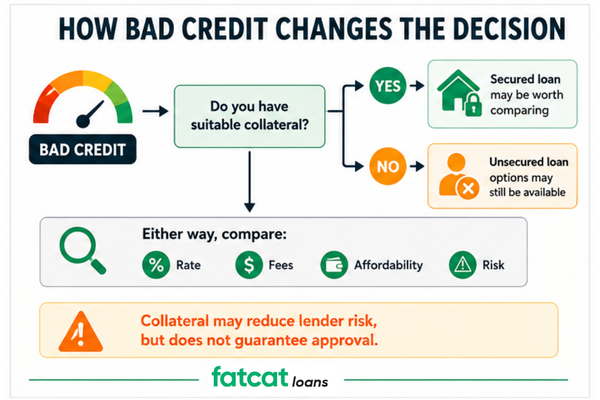
Do You Need Gap Insurance in Canada?

Gap insurance isn’t necessary for everyone, but it’s highly recommended for:

Leased or Financed Vehicles: Financing or leasing often creates a gap between the car’s value and the loan balance, particularly in the first few years.

Cars That Depreciate Quickly: Some car models lose value faster, potentially increasing the gap if they’re totalled.

Low Down Payments or Long Loan Terms: If you made a small down payment or opted for a long loan term, gap insurance can help provide peace of mind by reducing potential debt if the car is badly damaged or lost.

When Gap Insurance May Not Be Necessary

Gap insurance may not be the right choice in every situation. You may not need gap coverage if:

  • You made a large down payment
  • Your loan balance is already lower than the vehicle’s value
  • You have a short loan term

Reviewing your loan balance annually can help determine whether gap insurance is still useful or if it can be removed to reduce costs.

How to Purchase Gap Insurance in Canada

In Canada, you can purchase gap insurance from:

Car Dealerships: Often offered as an add-on when you buy or lease a vehicle. Although convenient, this option can sometimes be more expensive.

Insurance Companies: Gap insurance can also be added to a standard auto insurance policy, which is often more affordable and easier to manage. Companies like Desjardins and TD Insurance offer gap insurance as part of their auto insurance options.

Tip: Compare the prices and coverage options from both dealerships and insurance companies. Dealership plans may have different terms or exclusions than those offered by insurance providers.

Dealer Gap Insurance vs. Insurance-Provider Gap Coverage

Gap insurance can be purchased through a dealership or added to an auto insurance policy, but the two options differ in important ways.

Dealer-provided gap insurance is usually bundled into your financing agreement. While convenient, it often comes with higher upfront costs and limited cancellation flexibility.

Insurance-provider gap coverage is typically added to your existing auto policy. This option is often more affordable, easier to cancel, and may provide clearer terms.

Before choosing either option, review exclusions, total cost, and whether the coverage can be cancelled if your loan balance drops below the car’s value.

What Does Gap Insurance Cover?

Gap insurance covers the difference between your car’s market value (as determined by your primary insurance) and the remaining loan or lease balance if the vehicle is stolen or totalled. However, it generally does not cover:

→ Deductibles from your primary insurance

→ Late fees or fines on your auto loan or lease

→ Regular repairs or maintenance costs

It’s wise to review the terms of any gap insurance policy carefully to ensure it meets your needs.

Cost of Gap Insurance in Canada

The cost of gap insurance varies depending on factors like:

→ The car’s make and model

→ Loan or lease length and terms

→ The specific provider and policy you choose

Generally, gap insurance is a reasonably priced addition to a standard auto policy, costing a small percentage of your annual premium or a one-time fee at the dealership. On average, prices range from $20 to $40 per year if added to an insurance policy or $500 to $700 as a one-time fee at the dealership.

Gap Insurance in Ontario, British Columbia, and Alberta

Gap insurance availability and structure can vary slightly by province.

In Ontario, gap coverage is commonly offered through both insurers and dealerships, especially for financed vehicles.

In British Columbia, where auto insurance is publicly administered, gap coverage is typically purchased through private insurers or lenders rather than as part of basic auto insurance.

In Alberta, gap insurance is widely available through insurers and dealerships, with flexible options for leased and financed vehicles.

Because regulations and insurance structures differ by province, it’s important to confirm how gap coverage is offered where you live.

Filing a Claim with Gap Insurance

If your car is stolen or deemed a total loss, filing a claim with your gap insurance provider typically involves:

  1. Notifying Both Insurers: Inform both your primary auto insurance and gap insurance providers.
  2. Submitting Documentation: You’ll generally need a copy of your primary insurance policy, your vehicle’s financing or lease agreement, vehicle registration, and any relevant police reports.

Having these documents ready and keeping in contact with your gap insurance provider can help speed up the claims process.

Reviewing Gap Insurance Policies Carefully

Gap insurance terms can vary significantly between providers. Before purchasing coverage, review:

  • Policy exclusions
  • Maximum pay-out limits
  • Whether deductible coverage is included
  • Cancellation and refund rules

Consulting your insurer or financial advisor can help ensure gap insurance aligns with your broader financial plan and vehicle ownership goals.

Frequently Asked Questions About Gap Insurance in Canada

Is gap insurance mandatory in Canada?

No, gap insurance is optional in Canada, but it’s highly recommended for those with leased or financed vehicles to help protect against potential financial loss.

Can I transfer my gap insurance if I sell my vehicle?

Generally, gap insurance is non-transferable because it’s tied to a specific loan or lease agreement. However, some policies may offer a refund on any unused portion if the car is sold early, depending on the provider.

Does gap insurance cover deductible costs?

No, gap insurance typically does not cover deductibles. It primarily covers the difference between the insurance pay-out and the loan or lease balance.

How long does gap insurance last?

Gap insurance usually lasts for the term of your car loan or lease. Once the loan is paid off, gap insurance is no longer necessary.

Is gap insurance worth it in Canada?

Gap insurance can be worth it for drivers with financed or leased vehicles, especially when depreciation exceeds loan repayment early on. Its value depends on loan terms, down payment, and vehicle depreciation.

How long should I keep gap insurance?

Most drivers keep gap insurance until the loan balance is lower than the vehicle’s value. At that point, coverage may no longer be necessary.

Conclusion

Gap insurance in Canada is a valuable financial safeguard for drivers with leased or financed vehicles. By covering the gap between a car’s depreciated value and the remaining loan balance, gap insurance helps ensure that drivers aren’t left with debt if their vehicle is stolen or totalled. Carefully consider the cost, coverage options, and provider terms to make the best decision for your financial peace of mind.

Disclosure:  This article is for informational purposes only and does not constitute financial advice. Loan terms, rates, and eligibility vary by lender and province. FatCat Loans is a loan comparison platform, not a lender. Always review lender agreements carefully before accepting a loan.

[simple-author-box}

How Much Does Money Mart Charge to Cash a Cheque in Canada?

Money Mart charges fees—typically a percentage of your cheque amount—to cash cheques in Canada. This guide breaks down how much you can expect to pay and what affects the cost.

How Much Does Money Mart Charge to Cash a Cheque?

Updated February 2026

If you need cash quickly and don’t want to wait for a cheque to clear at a bank, cheque cashing services like Money Mart can feel like a convenient solution. Money Mart has locations across Canada and offers same-day access to funds for certain types of cheques.

However, this convenience comes with fees that can significantly reduce the amount you take home — especially if you cash cheques regularly.

Below, we’ll explain how Money Mart cheque cashing works, what fees you can expect, how much you’ll actually receive after fees, and what alternatives may cost less.

Money Mart Cheque Cashing Fees: What to Expect

  • Money Mart offers cheque cashing for payroll, government, and other eligible cheques.
  • Cheque cashing fees are typically charged as a percentage of the cheque amount, sometimes with minimum fees.
  • Costs may vary depending on location, cheque type, and verification requirements.
  • If you cash cheques frequently, fees can add up to hundreds of dollars per year.
  • Bank cheque deposits, direct deposit, and prepaid accounts may be cheaper alternatives.

How Does Money Mart Cheque Cashing Work?

Money Mart is a Canadian financial services provider offering cheque cashing, payday loans, money transfers, and other services. If you bring a cheque into a Money Mart location, they may cash it on the spot (if it meets eligibility requirements).

Here’s the general process:

  • Bring your cheque into a Money Mart location
  • Provide valid government-issued identification
  • Money Mart verifies the cheque and issuer
  • You receive cash (minus the cheque cashing fee)

Approval is not guaranteed, and Money Mart may refuse certain cheques depending on risk, amount, or verification issues.

How Much Does Money Mart Charge to Cash a Cheque?

Money Mart’s cheque cashing fees are usually charged as a percentage of the cheque amount, and the rate can vary based on your province, the cheque type, and the location.

In most cases, customers report that Money Mart cheque cashing fees are commonly in the range of:

  • 2% to 3% of the cheque amount
  • Plus a minimum service fee on smaller cheques (varies by branch)

Important: Fee structures can change, and some cheque types may require extra verification. Always confirm the total fee at your local Money Mart branch before accepting the transaction.

Example: Money Mart Cheque Cashing Fee Breakdown

To understand the true cost, here are examples based on common fee ranges:

Cheque Amount Fee at 2% Fee at 3% Cash You Receive (Approx.)
$500 $10 $15 $485 – $490
$1,000 $20 $30 $970 – $980
$2,500 $50 $75 $2,425 – $2,450
$5,000 $100 $150 $4,850 – $4,900

If you cash cheques regularly, these fees can become expensive over time — even if the percentage seems small.

Does Money Mart Charge Different Fees for Different Cheques?

Yes — the fee you pay may depend on the type of cheque you bring in.

Cheque types Money Mart may accept include:

  • Payroll cheques
  • Government cheques (such as benefit cheques)
  • Insurance settlement cheques
  • Some personal cheques (subject to approval)

Some cheques may come with additional restrictions or verification delays, especially if they are:

  • Large dollar amounts
  • Issued by an unfamiliar business
  • Foreign cheques or out-of-country cheques
  • Third-party cheques (signed over from someone else)

These types may be refused or cost more to cash due to fraud prevention checks.

Is Money Mart Cheque Cashing Worth It?

Money Mart can be useful if you need money immediately, but the service is often more expensive than depositing a cheque through a bank account.

Money Mart cheque cashing may be worth it if:

  • You need emergency cash right away
  • You don’t have a bank account
  • You cannot wait for a cheque hold period to clear

It may not be worth it if:

  • You cash cheques frequently (fees add up quickly)
  • You have access to mobile banking deposit
  • You can wait 1–5 business days for clearance

How Much Can Money Mart Cheque Cashing Cost Over a Year?

This is where many Canadians get surprised.

If you cash a $1,500 cheque twice per month and pay 3% each time:

  • $1,500 x 3% = $45 fee per cheque
  • $45 x 24 cheques per year = $1,080 per year in fees

That’s money that could have gone toward savings, rent, groceries, or paying down debt.

Cheaper Alternatives to Cashing a Cheque at Money Mart

1. Deposit the Cheque Through Your Bank

Most Canadian banks allow you to deposit cheques through an ATM, mobile app, or teller. You may face a hold period, but you typically avoid paying a percentage-based fee.

2. Set Up Direct Deposit

If your employer or benefits provider offers direct deposit, this is usually the cheapest and fastest long-term option.

3. Use a No-Fee or Low-Fee Online Bank Account

Some digital banks offer free chequing accounts, which can be a good alternative if you don’t want traditional banking fees.

4. Use a Prepaid Debit Card With Deposit Features

Some prepaid cards allow payroll deposits and bill payments without requiring a standard bank account.

5. Consider a Short-Term Personal Loan (If It’s a Cash Flow Emergency)

If you’re facing a one-time financial emergency, a small personal loan may sometimes be less expensive than repeated cheque cashing fees — depending on the lender and repayment term.

If you want to compare flexible borrowing options, you can explore personal loans in Canada through FatCat Loans.

Tips to Reduce Cheque Cashing Costs

  • Ask about the total fee upfront before agreeing to cash the cheque.
  • Avoid cashing cheques frequently if possible — batch deposits into a bank account.
  • Consider switching to direct deposit for payroll or benefits.
  • Build a small emergency fund so you don’t need instant cash services as often.

Learn how much Money Mart charges to cash a cheque in Canada with FatCat Loans.

Frequently Asked Questions

How much does Money Mart charge to cash a cheque in Canada?

Fees typically range from 2% to 3% of the cheque amount, depending on location and cheque type. Some branches may also apply minimum service fees.

Does Money Mart cash government cheques?

Money Mart may cash certain government cheques, depending on verification rules and local branch policies. Always bring valid ID.

Can Money Mart refuse to cash a cheque?

Yes. Cheques may be refused due to fraud concerns, cheque type restrictions, or verification issues.

Is it cheaper to cash a cheque at a bank?

In most cases, yes. Banks usually charge lower fees (or no fees) for deposits, though they may place a temporary hold on funds.

Is Money Mart cheque cashing safe?

Money Mart is a well-known provider in Canada, but customers should still review fee disclosures carefully before proceeding.

Conclusion

Money Mart cheque cashing can provide quick access to funds when you need cash immediately — but the fees can be expensive, especially if you use the service often.

Before cashing a cheque, consider cheaper options like depositing through your bank, setting up direct deposit, or using a low-fee banking alternative.

If you’re dealing with a cash flow gap and need financial flexibility, you can also compare personal loan options in Canada through FatCat Loans.

Disclaimer: This article is for informational purposes only and does not constitute financial advice. Fees and policies may vary by location and can change over time. Always confirm rates directly with Money Mart before cashing a cheque.

How to Get Instant Personal Loans in Canada (2026 Guide)

Instant personal loans in Canada offer fast access to funds when unexpected expenses arise, but speed doesn’t replace smart decision-making. This 2026 guide explains how instant personal loans work, what lenders look for, and how to prepare before applying so you can borrow confidently and responsibly.

How to Get Instant Personal Loans in Canada

Updated April 2026

Sometimes financial surprises require immediate cash, and understanding how to get instant personal loans in Canada can help you respond without panic. Thanks to advances in online lending, approval times are faster than ever — but speed doesn’t mean skipping smart decision-making.

This guide explains how instant personal loans work in Canada, what lenders look for, and how to prepare before applying, so you can make informed financial choices that fit your situation.

Instant Personal Loans in Canada: What You Need to Know

→ Personal loans provide a quick solution for consolidating debt, covering unexpected costs, or handling financial emergencies.

→ Many online lenders now offer near-instant approval and same-day funding, making it simpler to access loans when needed.

→ To boost your approval chances, check your credit score and compare rates, terms, and fees across various lenders.

→ Always review terms and conditions before committing to avoid pitfalls and ensure a manageable repayment plan.

How Instant Personal Loans Work in Canada

A personal loan provides a set amount of money to be repaid over a specified term, usually through fixed monthly payments. Most personal loans are unsecured, meaning you don’t need to put up collateral like a house or car to qualify. However, lenders will consider factors like your credit score and financial history when deciding on your approval.

In Canada, personal loans are available through banks, credit unions, and many online lenders, each offering different rates, repayment terms, and fees. Researching these options is crucial. Notable quick-loan providers in Canada include Borrowell, Loans Canada, and Mogo, each offering online applications and fast turnaround times.

How Instant Personal Loans Differ From “Instant Loan” Services

Instant personal loans refer to faster approval timelines, not guaranteed approval or automatic funding. While some lenders advertise “instant loans,” approvals still depend on income verification, banking activity, and identity checks.

Dedicated instant loan services often focus on speed-first lending, while personal loans with fast approval balance speed with structured repayment terms. Understanding this difference helps borrowers choose the right option and avoid high-cost, short-term debt.

👉 If you’re specifically looking to apply for instant loans with fast funding, see our Instant Loans Canada page for available options.

Types of Personal Loans to Consider

Two main types of personal loans can help with instant financial needs:

Installment Loans

Installment loans provide a fixed loan amount upfront, repaid over time with predictable monthly payments, making them easy to budget for.

Line of Credit

A line of credit gives flexibility by allowing you to borrow up to a set limit as needed, ideal for covering ongoing or unpredictable expenses. Lines of credit often have variable interest rates that can adjust with the prime rate.

The right loan type for you depends on your needs and repayment ability. For debt consolidation, a low-interest installment loan may work best, while a line of credit offers flexibility for unexpected expenses.

How to Get a Personal Loan Instantly: Step-by-Step Guide

Here are steps to help you secure a personal loan quickly and smoothly.

Step 1: Check Your Credit Score

Your credit score impacts approval odds and loan terms, showing lenders your financial reliability. Free services like Equifax and TransUnion Canada can help you check your score, giving you insight into where you stand. A good score boosts approval chances and could secure you better rates.

Step 2: Gather Required Documentation

Lenders usually require identification, proof of income (like recent pay stubs or bank statements), and bank details. Having these documents ready can speed up the application process.

Step 3: Compare Lenders and Interest Rates

Use comparison sites to review rates, terms, and fees across multiple lenders. Pay close attention to the Annual Percentage Rate (APR), which reflects the loan’s true cost, including fees. A lower APR can help reduce overall borrowing costs. FatCatLoans loan comparison tool is an excellent resource for finding competitive rates across various Canadian lenders.

Step 4: Apply Online for Fast Approval

Once you’ve found a suitable lender, complete the online application. Most applications ask for basic personal, employment, and financial information, with decisions often made within minutes. Some well-known Canadian platforms offer online personal loans with faster approval times, including Borrowell, Mogo, and other digital-first lenders. Approval speed, rates, and eligibility can vary significantly, which is why comparing options is essential.

Step 5: Review Terms Before Accepting

Before finalizing, thoroughly review all loan terms. Ensure the repayment schedule, fees, and interest rate are feasible. Address any uncertainties with the lender to avoid misunderstandings.

Tips to Avoid Common Pitfalls

While instant personal loans can be helpful, be cautious of these common mistakes:

High-Interest Rates

Instant loans, particularly for those with lower credit scores, often come with high-interest rates. Try to compare offers to avoid unnecessary debt. Some lenders may charge up to 46.96% APR, the maximum allowed in Canada for personal loans under federal regulations.

Read the Fine Print

Make sure you understand all loan details, including any penalties for late or early payments. Confirm that repayment terms match what you discussed with the lender.

Avoid Predatory Lenders

It’s important to be cautious of high-interest and predatory lenders. Stick with reputable options. Consider using FatCatLoans personal loan options for transparent terms and fair interest rates.

Learn how to get instant personal loans in Canada with FatCat Loans.

Conclusion

Securing a personal loan instantly in Canada involves a few key steps: understanding your financial position, checking your credit score, and comparing lenders. By following this guide and staying aware of common pitfalls, you can obtain a personal loan that fits your needs and budget, allowing you to manage unexpected expenses confidently. Remember, responsible borrowing is essential to maintaining financial health.

Frequently Asked Questions About Instant Personal Loans in Canada

Can I get a personal loan with bad credit in Canada?

Yes. Some lenders specialize in personal loans for borrowers with poor or limited credit history. These loans often come with higher interest rates, so it’s important to compare terms carefully before committing.

Does “instant” mean guaranteed approval?

No. “Instant” typically refers to faster application review and decision times. Lenders still verify income, identity, and banking activity before approving a personal loan.

How fast can I receive money from an instant personal loan?

Depending on the lender and verification process, funds may be deposited the same day or within 24–48 hours after approval.

What documents are required for an instant personal loan?

Most lenders require government-issued ID, proof of income, and an active Canadian bank account. Having these ready can speed up the process.

Are instant personal loans more expensive than traditional loans?

They can be. Faster approvals and flexible credit requirements often come with higher interest rates, especially for borrowers with lower credit scores.

Disclosure:  This article is for informational purposes only and does not constitute financial advice. Loan terms, rates, and eligibility vary by lender and province. FatCat Loans is a loan comparison platform, not a lender. Always review lender agreements carefully before accepting a loan.

Is Instant Funding Legit for Canadian Traders? — What You Should Know

Is instant funding legit for Canadian traders? While some proprietary trading programs are legitimate, many operate without regulation and come with hidden risks. This guide breaks down how instant funding works in Canada, common red flags to watch for, and safer alternatives for accessing capital.

Is Instant Funding Legit for Canadian Traders?

If you’ve seen social media ads promising “instant funding” for trading accounts, you’re probably wondering — is instant funding legit for Canadian traders or just another financial trap? With the rise of proprietary (prop) trading firms and instant-funded platforms, it’s easy to be tempted by quick access to capital.

In this guide, FatCat Loans explains how instant funding programs work, what makes them legitimate (or not), and how to protect yourself from scams — while exploring safer financing alternatives for traders in Canada.

Key Highlights to “Is Instant Funding Legit for Canadian Traders?”

Is instant funding legit for Canadian traders? It depends on the platform’s licensing, transparency, and payout structure.
→ Legitimate instant funding platforms often require performance verification.
→ Scams may promise unrealistic profits or guaranteed funding with no oversight.
FatCat Loans offers personal loan solutions for traders seeking legitimate capital access.
→ Always verify the platform’s background with CIRO for compliance.

Understanding “Is Instant Funding Legit for Canadian Traders?”

Instant funding programs give traders immediate access to simulated or funded accounts — often without passing multi-step evaluations. In return, traders share profits with the platform.

However, not all platforms offering instant funding are legitimate. Some operate outside Canadian financial regulations, creating risk for users’ funds and personal information.

If you’re researching is instant funding legit for Canadian traders, check whether the provider:

  • Operates under Canadian or international financial regulation.
  • Discloses transparent payout rules.
  • Requires risk management or performance verification.

How Legitimate Instant Funding Works

Reputable instant funding platforms operate similarly to proprietary trading firms. They provide traders with access to company capital in exchange for a share of profits — after the trader demonstrates skill and discipline.

Legitimate features often include:

  • Transparent profit-sharing structure.
  • Defined trading rules (drawdown limits, risk parameters).
  • Consistent, verified payout history.
  • Registration with financial authorities or legal presence in Canada.

Examples of legitimate trading firms that offer instant or fast-track funding models include FTMO, MyFundedFX, and Topstep — but traders should confirm regulatory coverage before participating.

Red Flags — When Instant Funding Isn’t Legit

If a platform guarantees profit, avoids regulation, or hides terms, it’s likely not legitimate.
Common warning signs include:

No regulation or registration in Canada or abroad.
Unrealistic profit guarantees or “risk-free” trading claims.
Hidden withdrawal rules or no clear payout structure.
Pressure tactics to pay fees immediately.
Poor online reputation or lack of verified trader reviews.

Before sending payment or trading, research the company through CIRO’s registrant search tool or the Canadian Securities Administrators database.

Is Instant Funding Legit for Canadian Traders? — The Short Answer

In short, instant funding can be legit, but only if:

  • The platform is transparent and verifiable.
  • It clearly outlines trading conditions and payout terms.
  • It doesn’t make unrealistic promises.
  • It’s registered or legally permitted to operate in Canada.

While instant funding sounds appealing, it’s not a substitute for proper financial planning or regulated investing.

Safer Ways to Access Trading Capital

If you want reliable funding without the risks tied to unregulated instant funding programs, consider these safer alternatives:

1. Personal Loan for Trading Capital

A FatCat Loans personal loan offers a transparent, regulated way to access capital.

  • Clear repayment terms.
  • No profit-sharing or surprise fees.
  • Protection under Canadian lending regulations.

2. Secured Lending

If you have assets such as a car or home equity, secured loans can provide lower interest rates and higher funding amounts.

3. Practice with Demo Accounts

Most brokers offer free demo accounts that allow you to refine strategies before risking capital.
👉 Visit CIRO resources for traders to learn more about safe trading practices.

Pros and Cons of Instant Funding for Canadian Traders

Pros Cons
Fast access to trading capital Many unregulated or offshore platforms
No personal financial risk (if simulated) Potential loss of fees or data
Flexible profit-sharing options Limited payout transparency
No credit checks No legal protection for Canadians

Understanding these trade-offs is key before deciding whether instant funding fits your goals.

Learn Is Instant Funding Legit for Canadian Traders with FatCat Loans

Frequently Asked Questions (FAQs) About “Is Instant Funding Legit for Canadian Traders?”

Is instant funding legit for Canadian traders?

Some programs are legitimate, but many operate without regulation. Always verify the company’s registration and reputation before signing up.

How do I know if an instant funding platform is safe?

Check whether it’s listed with IIROC, FINTRAC, or has a transparent legal presence in Canada.

Can I lose money with instant funding programs?

Yes. Even if the firm offers simulated accounts, fees and payouts can be lost to scams if the platform isn’t legitimate.

What’s the best alternative to instant funding in Canada?

A FatCat Loans personal loan offers a safe, regulated way to access funds with full repayment control.

Are instant funding profits taxable in Canada?

Yes — any trading profit is subject to income tax. Consult a CRA-certified tax professional.

Conclusion

So — is instant funding legit for Canadian traders?
It can be, but caution is key. While some proprietary trading firms offer genuine funding programs, others exploit traders with false promises and unregulated operations.

Before joining any platform, confirm registration, read reviews, and verify payout histories. And if you need reliable funding to trade or invest, choose a trusted source like FatCat Loans, where financing is transparent, secure, and fully Canadian-regulated.

💡 Want legitimate funding without the risks?
Apply for a FatCat Loans Personal Loan today — fast approval, clear terms, and secure lending for responsible traders.