Cashco Canada Review (2026)

Cashco offers flex loans and payday loans for Canadians with bad credit—but at a cost. In this review, we break down rates, approval, fees, and whether it’s the right choice for your situation.

Cashco Canada Review (2026): Rates, Approval, Pros & Cons Explained

Published April 2026

If you’re looking for bad credit loan options in Canada, you may have come across Cashco Financial. Known for offering installment loans to borrowers with less-than-perfect credit, Cashco positions itself as a flexible alternative to traditional banks.

But is Cashco actually a good option—or just another high-cost lender?

In this comprehensive review, we break down everything you need to know about Cashco in Canada, including interest rates, approval requirements, fees, real borrowing costs, and how it compares to other lenders. This guide is designed to help you make an informed and financially responsible decision.


What is Cashco Financial?

Cashco Financial is a Canadian lender that offers flex loans and payday loans, primarily targeting borrowers with bad or limited credit histories.

Cashco offers both longer-term flex loans and short-term payday loans, giving borrowers different options depending on how much they need and how quickly they can repay.

Funds from Cashco loans can typically be used for:

  • Emergency expenses
  • Rent or bills
  • Car repairs
  • Debt consolidation
  • Everyday financial needs

Cashco focuses on accessibility, making it a common option for borrowers who may not qualify for traditional personal loans in Canada.

Compare Cashco with other loan options.

Key Features at a Glance

Feature Details
Loan Types Flex loans; payday loans
Loan Amount Flex up to $9,000; payday up to $1,500
APR / Pricing Flex loan ~35% APR; payday fees vary
Term Length Flex 6–60 months; payday next pay
Provinces Served AB, BC, ON, SK
Approval / Funding Same day approval; funds within hours

Provinces Served

Based on the lender information reviewed for this article, Cashco serves borrowers in the following provinces:

  • Alberta
  • British Columbia
  • Ontario
  • Saskatchewan

Availability may vary by product type and location, so borrowers should confirm current eligibility directly before applying.

Types of Loans Offered

Flex Loans

Cashco offers flex loans for borrowers who need access to a larger amount of credit with repayment spread over time. Based on the lender information reviewed, flex loans are available for amounts up to $9,000 with terms ranging from 6 to 60 months.

Payday Loans

Cashco also offers payday loans, which are smaller, shorter-term loans intended to be repaid by your next pay period. Based on the information reviewed, payday loan amounts are available up to $1,500 and payday loan fees may vary.

Payment Terms Explained

Cashco’s repayment structure depends on the type of loan you choose. Based on the lender information reviewed for this article, flex loans may have terms ranging from 6 to 60 months, while payday loans are generally designed to be repaid by your next pay period.

This difference matters because repayment terms can have a major impact on affordability. Longer terms may reduce the size of each payment, but they can also increase the total amount you repay over time. Shorter terms may cost less overall, but they can create more pressure on your cash flow.

  • Flex loans: Better suited to borrowers who need more time to repay
  • Payday loans: Better understood as very short-term borrowing with faster repayment expectations

Before applying, it’s important to look beyond the speed of approval and focus on whether the repayment schedule realistically fits your budget.

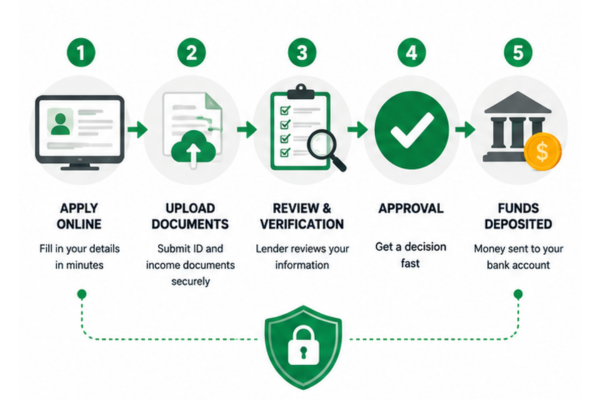
How Cashco Works (Step-by-Step)

Understanding the process helps you decide if this type of loan is right for you.

  1. Apply Online or In-Store
    Submit your personal, employment, and banking details
  2. Verification Process
    Cashco reviews your income and financial situation
  3. Approval Decision
    Many applicants receive a decision within 24 hours
  4. Receive Funds
    Funds may be deposited the same day or shortly after approval
  5. Repayment Schedule
    Payments are made bi-weekly or monthly over your loan term

How to Apply for Cashco

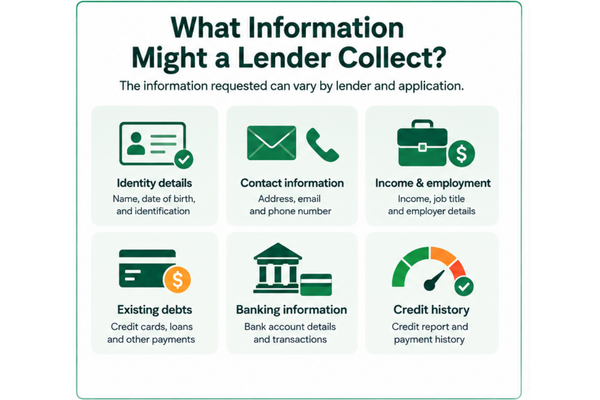
Borrowers can typically apply with Cashco online or in-store, depending on location and product availability. The application process usually involves providing basic personal details, proof of income, and banking information.

Before applying, it’s worth having the following ready:

  • Government-issued ID
  • Proof of income
  • Bank account information
  • Contact details and address information

Applying is usually quick, but approval should not be the only factor in your decision. It’s just as important to review the total borrowing cost and repayment schedule before accepting the loan.

Interest Rates, APR & Real Cost of Borrowing

Based on the lender information reviewed for this article, Cashco flex loans are advertised at approximately 35% APR, while payday loan fees vary depending on the product and province.

This is important because the total cost of borrowing can differ significantly depending on whether you choose a longer-term flex loan or a short-term payday loan.

Why This Matters

These rates are considered high-cost borrowing, though generally lower than payday loans.

Real Cost Examples

Example 1: $2,000 Loan (24 Months)

  • APR: ~39.99%
  • Monthly payment: ~$120
  • Total repayment: ~$2,800–$3,200

Example 2: $5,000 Loan (36 Months)

  • APR: ~44.99%
  • Monthly payment: ~$240–$270
  • Total repayment: ~$8,500–$9,700

Example 3: $1,000 Loan (12 Months)

  • APR: ~34.99%
  • Total repayment: ~$1,200–$1,400

In many cases, you may repay 40%–90% more than the amount borrowed

Total Cost vs Borrowed Amount

Loan Amount Estimated Total Paid Extra Cost
$1,000 $1,200 – $1,400 +20% to 40%
$2,000 $2,800 – $3,200 +40% to 60%
$5,000 $8,500 – $9,700 +70% to 90%

Compared to traditional personal loans, this represents a significantly higher cost.

Fees and Charges to Be Aware Of

In addition to interest, borrowers may encounter:

  • Late payment fees
  • NSF (non-sufficient funds) fees
  • Administrative/account fees

These fees can increase your overall borrowing cost if payments are missed.

How to Reduce the Cost of Borrowing

If you choose Cashco, you can reduce costs by:

  • Choosing the shortest term you can afford
  • Making payments on time
  • Avoiding unnecessary borrowing
  • Comparing multiple lenders

Approval Criteria: Who Gets Approved?

Cashco is designed for accessibility.

Typical requirements include:

  • 18+ years old
  • Canadian resident
  • Steady income
  • Active bank account

There is no strict minimum credit score, making it a common option for those seeking bad credit loans in Canada.

Questions to Ask Before Applying

Before taking out a loan, consider:

  • What is the total repayment amount?
  • Are there additional fees?
  • Can I repay early?
  • Will this impact my credit?
  • Can I afford the payments?

What to Review Before Signing the Agreement

Before accepting any loan offer, borrowers should carefully review the agreement and make sure they understand the full cost and repayment obligations.

  • Total repayment amount: Not just the amount borrowed, but the full amount you will repay over the life of the loan
  • APR or fee structure: Especially important if comparing flex loans with payday loans
  • Payment dates: Make sure they line up with when you are actually paid
  • Late or NSF fees: These can significantly increase the cost if you miss payments
  • Early repayment terms: Check whether you can repay sooner and reduce your total cost

If any part of the agreement feels unclear, it’s worth asking questions before signing. High-cost borrowing can become much more expensive when consumers focus only on approval speed rather than total cost.

Benefits of Cashco

✔ Accessible for Bad Credit

Cashco approves borrowers who may not qualify elsewhere.

✔ Larger Loan Amounts

Compared to some lenders, Cashco offers higher loan limits.

✔ Structured Repayments

Predictable payments help with budgeting.

Drawbacks and Risks

✘ High Interest Rates

Costs are significantly higher than traditional lenders.

✘ Long-Term Debt

Longer terms mean you may stay in debt longer.

✘ Fees for Missed Payments

Late or missed payments can increase costs quickly.

Cashco: Pros and Cons Summary

Pros Cons
Easy approval High APR
Larger loan amounts Long repayment terms
Flexible use of funds Additional fees possible

What Do Customers Say About Cashco?

Customer feedback is mixed.

Positive Feedback

  • Easy approval process
  • Helpful customer service
  • Access to funds when needed

Common Complaints

  • High total repayment cost
  • Long loan terms
  • Fees and penalties

Cashco vs Other Canadian Lenders

Feature Cashco easyfinancial Fairstone
Loan Type Installment Installment Personal loans
APR High Moderate-high Moderate
Loan Amount Medium-high Medium Medium-high
Approval Easy Moderate Moderate

Cashco vs easyfinancial: Which Is Better?

Feature Cashco easyfinancial
Loan Amount Flex up to $9,000; payday up to $1,500 $500 – $100,000
APR Higher Lower (on average)
Term Length Medium-long Longer
Approval Easier Moderate

Cashco may be better for easier approval
easyfinancial may offer better long-term value

Which Lender Should You Choose?

  • Choose Cashco for easier approval and mid-size loans
  • Choose easyfinancial for larger loans and longer terms
  • Consider personal loans if you qualify for lower rates

Alternatives to Cashco

Before applying, it’s worth comparing more than one lender. Exploring a broader lender network in Canada can help you review multiple borrowing options and find a loan that better fits your budget and credit profile.

Installment Loan Providers

Other lenders may offer structured repayment terms and lower effective borrowing costs, especially if you have stable income and slightly stronger credit.

Debt Consolidation Loans

If you are carrying multiple balances, debt consolidation loans in Canada may help simplify your payments and reduce overall financial pressure.

Personal Loans

If you qualify, traditional personal loans in Canada may offer lower interest rates and lower total repayment costs than high-cost lenders.

Credit Cards or Savings

For smaller expenses, using savings or a lower-interest credit card may be less expensive than taking out a high-cost loan.

Compare Cashco with other loan options

Does Cashco Help Build Credit?

Cashco loans may affect your credit, but the impact depends on how the account is handled and whether activity is reported to credit bureaus.

  • On-time payments may help: If your payment history is reported, consistently paying on time can support your credit profile over time
  • Missed payments can hurt: Late or missed payments may negatively affect your credit score and increase the risk of collections
  • Reporting is not guaranteed: Borrowers should confirm how the product is reported before assuming it will help build credit

If your main goal is credit improvement, it may also be worth comparing other bad credit loan options in Canada or products specifically designed for credit building.

Is Cashco Safe and Legit?

Yes, Cashco is a legitimate Canadian lender.

However, borrowers should:

  • Review agreements carefully
  • Understand full costs
  • Ensure affordability

What Happens If You Can’t Repay?

If you miss payments:

  • Fees may apply
  • Credit score may be impacted
  • Account could go to collections

If struggling, consider debt consolidation loans.

Is Cashco Right for You?

Good Fit:

  • Need access to credit with bad credit
  • Can manage payments

Not Ideal:

  • Qualify for lower-interest loans
  • Borrowing for non-essential spending

Cashco Flex Loans vs Payday Loans

One of the most important distinctions for borrowers is the difference between Cashco’s flex loans and traditional payday loans.

Feature Cashco Flex Loan Payday Loan
Repayment Term 6 to 60 months Usually next pay period
Loan Amount Up to $9,000 Up to $1,500
Repayment Style Structured payments over time Short-term repayment
Best For Larger borrowing needs with more time to repay Very short-term emergency borrowing

In general, flex loans may be easier to manage than payday loans because repayments are spread over a longer period. However, they can still be expensive compared with lower-interest borrowing options.

Frequently Asked Questions About Cashco Canada

Is Cashco legit in Canada?

Yes, Cashco is a legitimate Canadian lender that has been operating for many years. However, like many bad credit lenders, it charges higher interest rates than traditional banks, so it’s important to review the full cost of borrowing before applying.

What interest rates does Cashco charge?

Based on the lender information reviewed for this article, Cashco flex loans are advertised at approximately 35% APR. Payday loan fees may vary depending on the product and province, so borrowers should review the full terms carefully before applying.

What credit score do you need for Cashco?

Cashco does not have a strict minimum credit score. Many borrowers with bad or limited credit histories are approved, provided they have a steady income and meet basic eligibility requirements.

How fast does Cashco approve loans?

Cashco often provides approval decisions within the same day or within 24 hours. In many cases, funds are deposited shortly after approval, depending on your bank and verification process.

Can you pay off a Cashco loan early?

Some Cashco loans allow early repayment, but terms can vary depending on your agreement. It’s important to review your contract carefully to understand whether any conditions or fees apply.

Does Cashco affect your credit score?

Yes, your Cashco loan can impact your credit score. Making payments on time may help improve your credit, while missed or late payments can negatively affect it. Whether activity is reported to credit bureaus may vary.

Is Cashco better than a payday loan?

In most cases, yes. Cashco offers installment loans with structured repayments, which are generally more manageable than payday loans. However, the cost can still be relatively high, so it’s important to compare alternatives.

What types of loans does Cashco offer?

Based on the lender information reviewed for this article, Cashco offers flex loans and payday loans. Flex loans typically have longer repayment terms, while payday loans are designed to be repaid by your next pay period.

How much can you borrow from Cashco?

Based on the lender information reviewed, Cashco offers flex loans up to $9,000 and payday loans up to $1,500. Actual approval amounts may depend on your financial situation and the product you choose.

What happens if you miss a Cashco payment?

Missing a payment may result in late fees, impact your credit score, and could lead to collections if the loan becomes seriously overdue. It’s important to contact the lender as soon as possible if you’re having difficulty making payments.

When Cashco May Make Sense — and When It May Not

Cashco may be a reasonable option in some situations, but it is not the right choice for every borrower.

When Cashco may make sense

  • You need access to credit quickly and have limited approval options elsewhere
  • You understand the total repayment cost before signing
  • You can comfortably manage the scheduled payments
  • You are borrowing for a necessary expense rather than optional spending

When Cashco may not be the best choice

  • You qualify for lower-interest borrowing elsewhere
  • You are already struggling with multiple debt payments
  • You would need to borrow again to keep up with repayment
  • You are considering a loan for non-essential purchases

For many consumers, the most important question is not whether they can get approved, but whether the loan is affordable once interest, fees, and repayment timing are taken into account.


Final Verdict: Should You Use Cashco?

Cashco can be a useful option for borrowers who need access to credit and have limited alternatives.

However, due to higher interest rates, it’s important to compare options and ensure the loan fits your budget.

Lower-cost financing is usually the better long-term choice when available.


Editorial Disclaimer

This content is for informational purposes only and does not constitute financial advice. Always review lender terms carefully before applying.

Magical Credit Canada Review (2026)

Thinking about Magical Credit? This detailed review breaks down rates, costs, approval requirements, and whether it’s a smart option compared to other Canadian lenders.

Magical Credit Canada Review (2026): Rates, Approval, Pros & Cons Explained

Published April 2026

If you’re searching for bad credit loan options in Canada, you’ve likely come across Magical Credit. It’s often marketed as a fast, accessible lender for borrowers who may not qualify with banks or traditional financial institutions.

But is Magical Credit actually a smart financial choice—or just a costly short-term fix?

In this comprehensive, expert-level review, we break down everything you need to know: real APRs, total borrowing costs, approval criteria, fees, risks, and how Magical Credit compares to other lenders in Canada. This guide is designed to help you make an informed, financially responsible decision.

This review is based on publicly available information as of 2026 and may change depending on lender policies.


What is Magical Credit?

Magical Credit is a Canadian online lender that offers short-term installment loans, typically aimed at borrowers with bad or limited credit history.

Magical Credit focuses on short-term lending, which means repayment periods are typically much shorter than traditional personal loans.

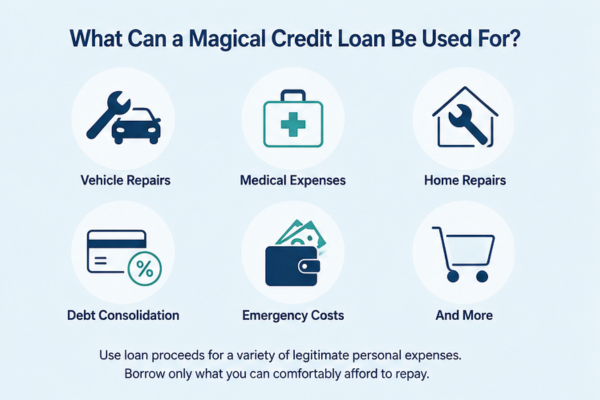
Unlike lease-to-own providers, Magical Credit provides cash loans, meaning you can use the funds for:

  • Emergency expenses (rent, utilities)
  • Car repairs
  • Medical costs
  • Debt consolidation

This flexibility makes it more versatile than retail financing, but also means borrowers must be cautious about how the funds are used.

Compare Magical Credit with other loan options

Key Features at a Glance

Feature Details
Loan Amount Up to $20,000 (smaller loans also available)
APR Range 19.99% – 35% (installment loans); may be higher for smaller short-term loans
Approval Time Within 24 hours (in most cases)
Term Length 12 to 60 months (shorter terms may apply for smaller loans)

Provinces Served

Magical Credit is available in most Canadian provinces, including:

  • Ontario
  • Alberta
  • British Columbia
  • Manitoba
  • Saskatchewan
  • Nova Scotia
  • New Brunswick

Availability may vary based on provincial regulations.

Types of Loans Offered

Short-Term Installment Loans

Magical Credit offers installment loans with repayment terms that can range from several months to multiple years, depending on the loan type and borrower profile.

Shorter-term loans may also be available for smaller amounts.

These loans function similarly to installment loans, where borrowers repay a fixed amount over time rather than a lump sum.

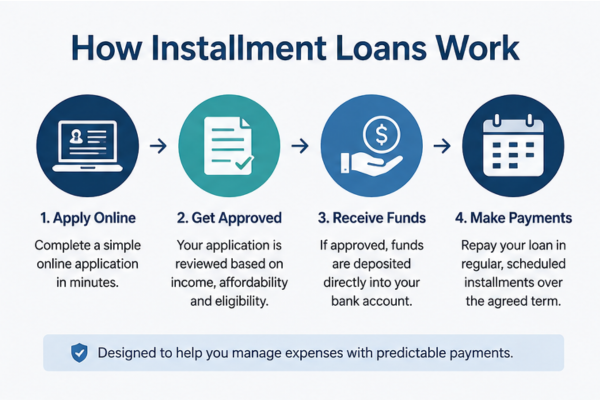
How Magical Credit Works (Step-by-Step)

Understanding how the process works can help you decide whether this type of loan is right for you.

  1. Apply Online: Complete a short application with your personal and financial details.
  2. Verification: The lender reviews your income, banking history, and eligibility.
  3. Approval Decision: Many applicants receive a decision within hours.
  4. Receive Funds: If approved, funds are typically deposited the same day or within 24 hours.
  5. Repay Over Time: Payments are made on a bi-weekly or monthly schedule until the loan is repaid.

Because these are short-term loans, repayment periods are relatively quick, which can result in higher payment amounts.

Interest Rates, APR & Real Cost of Borrowing

Magical Credit’s APR for installment loans typically ranges from 19.99% to 35%, depending on your credit profile and loan structure.

For smaller short-term loans, effective borrowing costs may be higher, particularly when shorter repayment periods are involved.

Why This Matters

While these rates are lower than payday loans, they are still considered high-cost borrowing in Canada.

The following examples reflect shorter-term borrowing scenarios, where effective costs may be higher than standard installment loans.

Real Cost Examples

Example 1: $1,000 Loan (6 Months)

  • APR: ~39.99%
  • Bi-weekly payment: ~$95
  • Total repayment: ~$1,200–$1,300

Example 2: $1,500 Loan (6 Months)

  • APR: ~44.99%
  • Bi-weekly payment: ~$135–$150
  • Total repayment: ~$1,700–$1,900

Example 3: $500 Loan (3 Months)

  • APR: ~49.99%
  • Total repayment: ~$540–$650

In many cases, you may pay 20% to 50% more than the amount borrowed.

At a Glance: Is Magical Credit Expensive?

Factor Assessment
Accessibility High
Interest Rates High
Repayment Flexibility Low to moderate
Total Cost Higher than traditional loans

Fees and Charges to Be Aware Of

Beyond interest rates, additional costs may apply depending on your agreement:

  • Late payment fees
  • NSF (non-sufficient funds) fees
  • Administrative/account fees

These fees can increase your total repayment amount, particularly if payments are missed.

How to Reduce the Cost of Borrowing

If you decide to use Magical Credit, there are a few ways to minimise the total cost:

  • Choose the shortest repayment term you can comfortably afford
  • Make payments on time to avoid additional fees
  • Consider early repayment if your agreement allows it
  • Compare multiple lenders before committing by using the FatCat Loans lender network to find better rates and terms based on your credit profile

Even small differences in interest rates or terms can significantly affect how much you repay overall.

Approval Criteria: Who Gets Approved?

Magical Credit is designed to be accessible.

Typical requirements include:

  • Minimum age of 18
  • Canadian residency
  • Steady source of income
  • Active bank account

If you’re comparing lenders, reviewing multiple bad credit loan options in Canada can help you find better rates and terms.

Questions to Ask Before Applying

Before taking out a loan with Magical Credit, consider asking:

  • What is the total repayment amount?
  • Are there any additional fees or penalties?
  • Can I repay the loan early without extra cost?
  • Will this loan be reported to credit bureaus?
  • Do the payments fit comfortably within my budget?

Taking the time to review these factors can help you avoid unexpected costs and make a more informed decision.

Benefits of Magical Credit

✔ Fast Approval and Funding

Many applicants receive approval within hours, with funds deposited quickly.

✔ Accessible for Bad Credit Borrowers

Magical Credit is designed for those who may not qualify for traditional loans.

✔ Flexible Use of Funds

Unlike retail financing, funds can be used for almost any purpose.

Drawbacks and Risks

✘ High Interest Rates

Rates can be significantly higher than traditional lenders.

✘ Short Repayment Terms

Short terms can result in higher bi-weekly payments.

✘ Additional Fees

Missed payments can lead to additional charges.

Magical Credit: Pros and Cons Summary

Pros Cons
Fast approval and funding High interest rates
Accessible for bad credit Short repayment terms
Flexible use of funds Additional fees possible

What Do Customers Say About Magical Credit?

Customer feedback is mixed, which is typical for high-risk lending products.

Positive Experiences

  • Quick access to funds
  • Easy online application
  • Helpful for urgent needs

Common Complaints

  • High overall repayment cost
  • Short repayment periods
  • Fees and penalties

Magical Credit vs Other Canadian Lenders

Feature Magical Credit easyfinancial Fairstone
Loan Type Short-term installment Installment Personal loans
APR Higher Moderate-high Moderate
Loan Amount Low Medium Medium-high
Approval Very easy Moderate Moderate

Compared to traditional personal loans in Canada, Magical Credit offers easier approval but at a higher cost.

Magical Credit vs easyfinancial: Which Is Better?

Magical Credit and easyfinancial are both popular options for Canadians with bad credit, but they serve slightly different needs.

Feature Magical Credit easyfinancial
Loan Amount Up to $20,000 $500 – $100,000
APR Range 19.99% – 35% ~19.99% – 46.96%
Term Length 12 – 60 months 6 – 120 months
Approval Difficulty Very easy Moderate
Best For Small, urgent loans Larger loans with longer terms

In general, Magical Credit is better for very short-term borrowing, especially if you need a smaller amount quickly and have limited credit options.

On the other hand, easyfinancial may be a better choice if you need a larger loan, longer repayment terms, or more manageable monthly payments.

If you qualify, choosing a lender with longer terms and lower effective costs can reduce the total amount you repay over time.

Which Lender Should You Choose?

If you’re deciding between Magical Credit and easyfinancial, the right option depends on how much you need to borrow, how quickly you need the funds, and what repayment schedule you can realistically afford.

  • Choose Magical Credit if you need a small loan quickly, have limited credit options, and can repay the balance over a short term without straining your budget.
  • Choose easyfinancial if you need a larger loan, want longer repayment terms, or prefer lower payments spread over more time.
  • Consider other options first if you qualify for lower-interest borrowing, such as traditional personal loans in Canada or other structured installment loan options.

As a general rule, shorter-term lenders like Magical Credit may work for urgent needs, but longer-term lenders can sometimes be more affordable overall—even if approval is a bit stricter.

Alternatives to Magical Credit

Before applying, consider:

Installment Lenders

Longer-term options with potentially lower rates.

Debt Consolidation Loans

If managing multiple debts, debt consolidation loans may reduce your overall payments.

Credit Cards or Savings

Lower-cost options if available.

Compare Magical Credit with other loan options

Does Magical Credit Help Build Credit?

In some cases, payment activity may be reported to credit bureaus.

  • On-time payments may help build credit
  • Missed payments can negatively impact your score

However, reporting is not guaranteed.

Is Magical Credit Safe and Legit?

Yes, Magical Credit is a legitimate lender operating in Canada.

However, borrowers should always:

  • Read the full agreement
  • Understand total repayment costs
  • Ensure payments are affordable

Red Flags to Consider Before Applying

  • High total repayment compared to loan amount
  • Short repayment timelines
  • Borrowing for non-essential expenses

Frequently Asked Questions About Magical Credit Canada

Is Magical Credit legit in Canada?

Yes, Magical Credit is a legitimate Canadian lender. However, like many bad credit lenders, it charges higher interest rates, so it’s important to understand the full cost before borrowing.

Is Magical Credit a payday loan?

No, Magical Credit offers installment loans, not payday loans. This means repayments are spread over time, but the overall cost can still be relatively high.

What interest rates does Magical Credit charge?

Magical Credit’s APR typically ranges from 19.99% to 59.99%, depending on your credit profile and loan terms.

What credit score do you need for Magical Credit?

There is no strict minimum credit score. Many borrowers with bad or limited credit histories are approved, provided they meet income and eligibility requirements.

How fast does Magical Credit deposit funds?

In many cases, funds are deposited the same day or within 24 hours after approval.

What happens if you miss a Magical Credit payment?

Missing a payment may result in additional fees, impact your credit score, and could lead to collections if the account becomes delinquent.

Can you pay off a Magical Credit loan early?

Some agreements allow early repayment, but terms vary. Always check your contract to see if any conditions or fees apply.

Is Magical Credit better than a payday loan?

In most cases, yes. Installment loans generally offer more manageable repayment structures than payday loans, but they can still be expensive.

Can you use a Magical Credit loan for anything?

Yes, Magical Credit provides cash loans, which can typically be used for any purpose, including bills, emergencies, or debt consolidation.

Does Magical Credit help build your credit?

It may help if your payments are reported to credit bureaus and made on time. However, reporting is not guaranteed, so results can vary.

What Happens If You Can’t Repay a Magical Credit Loan?

If you’re unable to make your payments, it’s important to act quickly.

  • Contact the lender as soon as possible to discuss your options
  • You may be charged late fees or NSF fees
  • Missed payments can negatively impact your credit score
  • Your account could be sent to collections if the loan becomes seriously overdue

If you’re already struggling with multiple debts, exploring options like debt consolidation loans may help simplify your payments.

Is Magical Credit Right for You?

Magical Credit may be suitable for certain borrowers, but it is not the best option in every situation.

  • Good fit: If you need quick access to funds, whether for smaller short-term needs or larger installment loans, and have limited access to traditional credit
  • Not ideal: If you qualify for lower-interest loans or can delay borrowing
  • Use caution: If the repayments would strain your budget

Taking time to compare alternatives can help you avoid higher borrowing costs over time.


Final Verdict: Should You Use Magical Credit?

Magical Credit can be a useful short-term solution for Canadians who need quick access to cash and have limited credit options.

However, due to higher costs and short repayment terms, it should be used carefully and only when necessary.

Comparing multiple lenders – either individually or through our trusted lender network – and understanding the full cost is essential before making a decision.

Editorial Disclaimer

This content is for informational purposes only and does not constitute financial advice. Always review lender terms carefully before applying.

MDG Canada Review (2026)

Thinking about using MDG in Canada? This in-depth review covers interest rates, approval criteria, repayment terms, and real costs—plus how MDG compares to lenders like easyfinancial and Fairstone.

MDG Canada Review (2026): Is MDG Financing a Smart Choice for Canadians?

Published April 2026

When you’re looking to finance essential purchases like furniture, appliances, or electronics in Canada, MDG (My Daily Gear) is one of the most visible names in the market—especially for consumers with less-than-perfect credit.

But is MDG actually a good option, or just an expensive convenience?

This in-depth, unbiased MDG Canada review is designed to help you make an informed decision. We’ll break down how MDG works, real costs, approval requirements, pros and cons, and how it compares to other financing options available in Canada.


What is MDG Canada?

MDG (My Daily Gear) is a Canadian retail financing company that specializes in lease-to-own, line of credit, and installment-based financing for consumer goods such as:

  • Furniture
  • Appliances
  • Electronics (TVs, laptops, gaming systems)
  • Home essentials

Unlike traditional lenders, MDG does not primarily offer cash loans. Instead, financing is tied directly to purchases made through its platform.

This makes MDG fundamentally different from personal loan providers and closer to a retail financing or rent-to-own model.

Compare MDG with other loan options


MDG Canada: Key Facts at a Glance

Feature Details
Financing Amount Line of credit up to $3,200
APR Range (Estimated) Varies by offer (effective costs can be high)
Approval Time Decision in minutes; funding within hours
Credit Requirement Flexible / bad credit accepted
Term Lengths Varies by offer
Payment Frequency Weekly, bi-weekly, monthly
Product Ownership After full repayment

Provinces Served by MDG

MDG operates across Canada, with availability depending on product selection and delivery logistics.


Types of Financing Offered by MDG

1. Lease-to-Own Financing

This is MDG’s core offering.

You agree to make fixed payments over time, and ownership of the product transfers to you after completing the agreement (or through an early buyout option).

Key characteristics:

  • No large upfront payment required
  • Higher overall cost than paying cash
  • Flexible approval criteria

2. Installment Financing (Retail Credit)

In some cases, MDG structures agreements similar to installment loans tied to purchases.

This provides more predictable repayment schedules but still tends to carry higher costs than traditional financing.

These agreements are similar in structure to installment loans, where payments are made over a fixed period with predictable amounts.

3. Line of Credit Financing

In some cases, MDG may offer a revolving line of credit, allowing you to finance purchases up to an approved limit (typically up to $3,200), with flexible repayment options.


MDG Interest Rates, Fees & True Cost

MDG does not consistently advertise a standardized APR, as costs are often built into lease-to-own agreements and financing structures.

However, based on market comparisons and customer disclosures, the effective cost of financing is typically considered high compared to traditional credit products.

In some cases, estimated equivalent APRs may fall in the higher-cost lending range, depending on the agreement structure and repayment timeline.

Why Costs Are Higher

  • Lease-to-own agreements include embedded financing costs
  • Risk-based pricing for lower-credit borrowers
  • Convenience and accessibility premiums

Example Cost Scenarios

Longer-Term Example

Let’s say you finance a $2,000 product:

  • Term: 36 months
  • Estimated APR: 39.9%
  • Monthly payment: ~$95–$110
  • Total paid: ~$3,400–$4,000+

Shorter-Term Example

Now consider a shorter 12-month term for a $1,200 purchase:

  • Estimated APR: 29.9%+
  • Monthly payment: ~$110–$130
  • Total paid: ~$1,350–$1,600

Even with a shorter term, the cost can still be significantly higher than paying upfront.

This means you could pay 70%–100% more than the retail price over time.

If improving your credit is an option, you may qualify for significantly lower rates. See our guide on how to improve your credit score in Canada.


How Much More Do You Pay with MDG?

One of the most important factors to understand is how much more you’ll pay compared to the retail price.

Because MDG uses a lease-to-own model, financing costs are built into your payments.

Example Comparisons

Retail Price Estimated Total Paid Difference
$1,000 $1,600 – $2,000 +60% to 100%
$2,000 $3,400 – $4,000 +70% to 100%
$2,500 $4,200 – $5,000+ +70% to 100%+

While this may be acceptable for urgent needs, it can significantly increase the long-term cost of purchases.

If cost is a concern, exploring lower-interest options or improving your credit profile may help reduce borrowing costs over time.


Fees and Charges to Be Aware Of

Beyond the base financing cost, there may be additional fees depending on your agreement.

Common Fees May Include:

  • Late or missed payment fees
  • Early buyout terms or fees
  • Delivery or setup charges
  • Administrative or account-related fees

Not all fees apply to every contract, but they can add to the total cost if not considered upfront.

Always review your agreement for a full breakdown of fees before committing.


Approval Criteria: Who Can Get Approved?

MDG is designed to be accessible, even if your credit profile isn’t perfect.

Typical requirements include:

  • Minimum age of 18
  • Canadian residency
  • Steady source of income (employment, benefits, etc.)
  • Valid ID and contact details

Credit Score Requirements

There is no strict minimum credit score, and many applicants with bad credit are approved.

However, approval is still based on risk assessment, including income stability and payment history.


What Do Customers Say About MDG?

Customer feedback on MDG is mixed, which is common for financing providers that serve borrowers with limited credit options.

Positive Feedback

Many customers highlight:

  • Fast and simple approval process
  • Ability to get essential items without upfront payment
  • Wide selection of products

For individuals who have been declined by traditional lenders, MDG is often seen as a convenient and accessible option.

Common Complaints

However, there are also recurring concerns:

  • Higher total repayment costs than expected
  • Lack of clarity around full agreement terms
  • Frustration with long-term payment commitments

This makes it especially important to review your contract carefully and understand the total cost before committing.


Benefits of MDG Financing

1. High Approval Rates

MDG is one of the more accessible financing options in Canada for individuals who may not qualify for bank loans.

2. Fast Access to Essential Goods

Applications are often processed within 24 hours, allowing you to get what you need quickly.

3. No Upfront Lump Sum Required

You can spread the cost over time instead of paying everything upfront.

4. Structured Payments

Predictable payment schedules help with budgeting.


Drawbacks and Risks to Consider

1. High Total Cost

This is the biggest downside. You will almost always pay significantly more than the retail price.

2. Not a Cash Loan

You cannot use MDG for emergencies, bills, or general expenses.

3. Ownership Delay

You do not fully own the product until all payments are completed.

4. Potential Fees and Penalties

Missed payments may result in additional fees or account actions.


How to Apply for MDG in Canada

The process is straightforward:

  1. Browse products on the MDG website
  2. Select the item you want
  3. Complete the online application
  4. Submit verification details
  5. Receive approval decision (often same-day)
  6. Choose your payment schedule

Payment Terms and Options

MDG offers flexible payment structures:

  • Weekly
  • Bi-weekly
  • Monthly

Typical term lengths:

Repayment terms vary depending on the financing structure, product, and borrower profile.

Payments are usually made via:

  • Pre-authorized debit
  • Credit card

MDG vs Other Canadian Financing Options

MDG vs easyfinancial vs Fairstone

Understanding how MDG compares to other major Canadian lenders can help you choose the right option for your situation.

Feature MDG easyfinancial Fairstone
Approval Difficulty Very easy Moderate Moderate to strict
APR Range ~29.9%–59.9% ~19.99%–46.96% ~19.99%–39.99%
Loan Type Lease-to-own / retail financing Installment loans Personal loans
Use of Funds Product purchases only Cash loans Cash loans
Best For Bad credit + essential goods Bad credit borrowers needing cash Larger loans with better rates

Compared to installment lenders like easyfinancial, MDG offers easier approval but typically comes with higher overall costs. If you need cash instead of products, easyfinancial may be more flexible. You can read our detailed easyfinancial review here.

Traditional lenders such as Fairstone may offer lower interest rates for qualified borrowers, especially for larger loan amounts. However, approval criteria can be stricter. See our full Fairstone review here.

MDG vs Traditional Personal Loans

Feature MDG Personal Loan
Credit Requirements Flexible Moderate to high
APR High Lower (typically 8%–35%)
Use of Funds Product-specific Cash (flexible use)
Approval Speed Fast Moderate

Compared to MDG, personal loans in Canada typically offer lower interest rates and more flexibility, since funds can be used for almost any purpose.

MDG vs Payday Loans

While MDG is expensive, it is generally less risky than payday loans, which can have extremely high short-term costs.

However, both should be approached cautiously.

Feature MDG Personal Loan
Credit Requirements Flexible Moderate to high
APR High Lower (typically 8%–35%)
Use of Funds Product-specific Cash (flexible use)
Approval Speed Fast Moderate

Alternatives to MDG in Canada

MDG is not the only option available, and it’s worth comparing alternatives before making a decision.

1. Installment Loan Providers

Lenders like easyfinancial or Fairstone offer:

  • Cash loans instead of product financing
  • Potentially lower APRs
  • More flexibility in how funds are used

2. Credit Cards

If you qualify, credit cards may offer:

  • Lower interest rates (depending on your profile)
  • Interest-free grace periods
  • More flexible repayment options

3. Buy Now, Pay Later (BNPL)

Some retailers offer:

  • Short-term installment plans
  • Lower or zero interest (in some cases)
  • Faster approvals

4. Saving or Delaying Purchases

If possible, saving upfront can:

  • Eliminate financing costs entirely
  • Reduce financial stress long-term

If you’re dealing with multiple debts, debt consolidation loans in Canada may be a better solution, allowing you to combine balances into a single lower-interest payment.


Does MDG Help Build Credit?

This is a common question—and the answer depends on your specific agreement.

In some cases, MDG may report payment activity to credit bureaus. If so:

It May Help Your Credit If:

  • You make all payments on time
  • You complete your agreement successfully

It May Hurt Your Credit If:

  • You miss payments
  • Your account goes into default

However, credit reporting is not guaranteed, so MDG should not be relied on as a primary way to build credit.

If your goal is improving your credit score, consider structured credit-building options alongside responsible borrowing.


Is MDG Regulated in Canada?

Yes, MDG operates legally in Canada, but it’s important to understand how regulation applies.

MDG’s agreements are typically structured as lease-to-own contracts rather than traditional loans, which means they may fall under different consumer protection rules depending on your province.

What This Means for You

  • Consumer protection laws vary by province
  • Disclosure requirements may differ from traditional lenders
  • Terms and conditions can be more complex

Because of this, it’s essential to:

  • Read your agreement carefully
  • Understand your total repayment amount
  • Ask questions before signing

Who Should Consider MDG?

MDG may be suitable if you:

  • Have bad or limited credit
  • Need essential household items urgently
  • Cannot access traditional financing

MDG may NOT be ideal if you:

  • Qualify for lower-interest credit options
  • Can afford to save and pay upfront
  • Need flexible cash rather than goods

MDG is often used by borrowers with limited credit history, but it’s not the only option. There are also bad credit loan options in Canada that may offer more flexible funding.


When Does MDG Make Sense? (Expert Insight)

When MDG May Be a Reasonable Option

From a financial perspective, MDG may make sense in limited situations:

  • You need essential household items urgently (e.g., fridge, bed, computer for work)
  • You have no access to traditional credit
  • You can comfortably afford the payments

When You Should Avoid MDG

In many cases, MDG is not the ideal choice:

  • Financing non-essential purchases (e.g., luxury electronics)
  • If you qualify for lower-interest loans elsewhere
  • If the monthly payments strain your budget

Responsible Borrowing Tips (Important)

Before applying for any financing product, especially high-cost options:

  • Calculate the total repayment amount, not just monthly payments
  • Ensure payments fit comfortably within your budget
  • Avoid financing non-essential purchases at high rates
  • Before committing, compare at least 2–3 alternatives through a trusted lender network so you can review different approval criteria, rates, and financing options in one place.

Financial decisions like this can impact your long-term financial health, so it’s worth taking the time to evaluate your options carefully.

Exploring structured options like installment loans or consolidation solutions may help reduce overall borrowing costs.

Compare MDG with other loan options


Frequently Asked Questions About MDG Canada

Does MDG check your credit?

Yes, MDG may perform a credit check, but approval is possible with poor or limited credit.

What is the interest rate for MDG?

MDG does not publish a standard APR, as costs are built into lease-to-own and financing agreements. However, the overall cost of financing is generally higher than traditional loans.

Can I pay off my MDG contract early?

Yes. Many agreements include early buyout options, which can reduce the total cost.

What happens if I miss a payment?

Missed payments may result in fees, negatively impact your credit, and could lead to repossession of the product.

Does MDG report to credit bureaus?

In some cases, payment activity may be reported. On-time payments could help your credit, while missed payments can hurt it.

Can I get cash from MDG?

No. MDG financing is strictly tied to product purchases.

Is MDG better than a payday loan?

In many cases, yes—but it is still a high-cost financing option and should be used carefully.

How long does approval take?

Most applications are processed within 24 hours, with some approved the same day.


Is MDG Safe and Legit?

Yes, MDG is an established Canadian company that has been operating for decades. It is not a scam.

However, legitimacy does not always mean affordability. The key is understanding the full cost and ensuring it aligns with your financial situation.


Red Flags to Consider Before Applying

Before committing to any financing agreement, it’s important to watch for potential risks.

Key Red Flags:

  • Focusing only on monthly payments instead of total cost
  • Financing non-essential or luxury items
  • Not fully understanding contract terms
  • Taking on payments that strain your budget

A Good Rule of Thumb:

If the total repayment amount feels significantly higher than expected, it’s worth pausing and comparing alternatives.


Final Verdict: Should You Use MDG?

MDG fills a specific gap in the Canadian market—providing access to financing for consumers who may not qualify elsewhere.

That accessibility comes at a cost.

For essential purchases and short-term needs, it may be a practical solution. But for long-term financial health, lower-interest alternatives are usually the better choice when available.

If you’re still exploring options, using the FatCat Loans lender network can make it easier to compare approval requirements, rates, and flexibility across multiple providers.


Editorial Note & Disclaimer

This review is based on publicly available information, industry comparisons, and typical consumer financing structures in Canada. Rates, terms, and approval criteria may vary.

This content is for informational purposes only and should not be considered financial advice. Always review the full terms and conditions of any lender before entering into an agreement.


For more comparisons, guides, and tools to help you find the right lender, explore additional resources on FatCatLoans.ca.

LendCare Review Canada: Rates, Approval & Alternatives

LendCare Canada review: rates, approval, fees & real costs explained. See pros, cons and better alternatives before you apply.

LendCare Review Canada

Published April 2026

LendCare Canada is one of the leading providers of consumer financing and buy now pay later options in Canada — but how does LendCare financing Canada actually work, and is it the right choice for your situation?

In this detailed LendCare review Canada, we break down how LendCare financing works, who qualifies, the fees involved, and whether there are better alternatives.

If you’re comparing lenders, you can also explore our full guide to the best payday loans in Canada for short-term options.

Quick answer: LendCare offers flexible financing for purchases and services with fast approvals, but interest rates and terms vary widely depending on your credit profile.

Compare LendCare with other loan options

Quick Verdict: Is LendCare Worth It?

Best for: Financing large purchases or services
Not ideal for: Borrowers looking for the lowest interest rates

Pros

  • Flexible financing options
  • Wide network of partner merchants
  • Fast approval process
  • Options for different credit profiles

Cons

  • Interest rates can be high for lower credit scores
  • Not a direct lender (merchant-based financing)
  • Terms vary significantly by provider
  • May include promotional financing with conditions

Bottom line: LendCare is a strong option for point-of-sale financing, but it’s important to compare rates and terms before committing.

What Is LendCare Canada?

Unlike traditional lenders, LendCare loans Canada are typically offered at the point of sale, making them a popular option for borrowers looking for flexible financing solutions.

LendCare Canada is a financing platform that connects consumers with lenders through partner merchants. It is commonly used for:

  • Home improvement financing
  • Automotive services
  • Retail purchases
  • Medical and dental financing

Rather than applying directly for a loan, borrowers typically access LendCare financing at the point of purchase.

How LendCare Financing Works

LendCare operates differently from traditional lenders.

Here’s how it works:

  1. You make a purchase through a partner merchant
  2. Apply for financing through LendCare
  3. Get approved (often within minutes)
  4. Choose a repayment plan
  5. Pay over time in instalments

This type of financing is often referred to as point-of-sale financing in Canada or buy now pay later, allowing borrowers to spread the cost of purchases over time.

LendCare Loan Details

  • Loan amount: Varies (often $500 – $50,000+)
  • Loan term: 6 to 84 months
  • Approval: Based on credit profile
  • Funding: Paid directly to merchant
  • Repayment: Monthly instalments

Because LendCare works through partners, terms can vary depending on the product and provider.

LendCare vs Other Financing Options Canada

To understand whether LendCare is the right option, it helps to compare it directly with other common financing options in Canada.

Feature LendCare Personal Loans Credit Cards
Loan size Medium–Large Medium–Large Small–Medium
Repayment Monthly Monthly Revolving
Approval Fast Moderate Instant
Best for Big purchases Flexible borrowing Short-term spending

Key takeaway: LendCare sits between credit cards and personal loans — offering structured repayments for larger purchases, but often with higher costs than traditional personal loans.

LendCare Interest Rates & Fees

Rates and terms vary by lender and are subject to provincial lending regulations in Canada.

Understanding LendCare interest rates is essential before applying.

Rates vary widely depending on:

  • Your credit score
  • The merchant or provider
  • The financing promotion (if applicable)

Typical ranges:

  • Prime borrowers: Lower rates
  • Subprime borrowers: Higher rates

Some offers include:

  • 0% promotional financing (limited time)
  • Deferred interest plans
  • Standard interest-bearing loans

Important: Always read the terms carefully — promotional offers may include conditions or retroactive interest.

Real Cost Example

  • Purchase: $5,000
  • Term: 36 months
  • Interest: ~9%–29% (varies)
  • Total repayment: ~$6,000–$8,000+

Key takeaway: Costs vary significantly based on your credit and loan terms.

Example Monthly Payments

Loan Amount Term Estimated Payment
$2,000 24 months $90–$110
$5,000 36 months $150–$250
$10,000 60 months $200–$350

How LendCare Compares to Payday Loans

LendCare is very different from payday lenders like Cash Money Canada.

Feature LendCare Payday Loans
Loan term Months–years Days–weeks
Repayment Monthly Lump sum
Cost Variable Very high APR
Use case Large purchases Emergency cash

Key takeaway: LendCare is generally more structured and lower-risk than payday loans.

If you’re comparing short-term options, reviewing payday lender differences can help you understand how structured financing compares.

When LendCare Financing Makes Sense

  • Large purchases like home improvements
  • Medical or dental procedures
  • Automotive repairs
  • Situations where upfront payment isn’t possible

LendCare is most useful when the purchase is necessary and the repayment plan fits your budget.

Who Should Avoid LendCare?

  • You qualify for lower-cost bank loans
  • You don’t fully understand the terms
  • You’re relying on financing for non-essential purchases

For borrowers who need more flexibility, installment loans in Canada may offer more predictable repayment structures compared to merchant-based financing.

Better Alternatives to LendCare

1. Personal Loans

Traditional lenders may offer lower interest rates and more flexible borrowing options. You can explore installment loans in Canada to compare structured alternatives.

2. Credit Cards

Useful for smaller purchases if managed responsibly.

3. Installment Loans

More flexible repayment structures for ongoing needs.

Is LendCare Canada Legit & Safe?

Yes — LendCare is a legitimate financing provider operating in Canada and works with regulated lenders.

However, as with any financial product, borrowers should:

  • Review terms carefully
  • Understand total cost
  • Avoid over-borrowing

From a financial planning perspective, financing products like LendCare should only be used when the repayment terms are fully understood and fit comfortably within your budget.

LendCare Review Canada: Final Verdict

LendCare offers flexible financing for Canadians looking to spread out the cost of large purchases.

However, rates and terms vary significantly — making it essential to compare options before committing.

Final Rating: 4/5

  • Best for: Structured financing
  • Not ideal for: Lowest-cost borrowing

Final Thoughts

LendCare can be a useful financing tool — but it’s not always the cheapest option.

Before applying, take the time to compare lenders through the FatCat Loans lender network to find better rates and safer alternatives.

Compare LendCare with other loan options

LendCare Canada FAQs

What is LendCare Canada?

LendCare is a financing platform that connects consumers with lenders through partner merchants, allowing you to pay for purchases over time with structured instalments.

Is LendCare Canada legit?

Yes, LendCare is a legitimate financing platform that partners with merchants and lenders across Canada. It operates within Canadian lending regulations and is commonly used for point-of-sale financing.

However, it’s important to understand that LendCare itself is not always the direct lender — it connects you with financing providers. This means loan terms, interest rates, and conditions can vary depending on the partner lender and your financial profile.

Does LendCare check credit?

Yes, LendCare typically performs a credit check as part of the approval process.

Your credit score, income, and overall financial situation are used to determine:

  • Whether you qualify
  • Your interest rate
  • Your repayment terms

Borrowers with stronger credit profiles usually receive lower rates, while those with lower credit scores may still be approved but at higher costs.

What credit score do you need for LendCare?

LendCare works with a range of credit profiles, but approval and rates depend on your credit score, income, and existing debt.

Borrowers with higher credit scores are more likely to:

  • Qualify for lower interest rates
  • Access better repayment terms

Those with lower credit may still be approved, but at a higher cost.

How fast is approval?

Many LendCare applications are approved within minutes, especially when applying through a participating merchant.

Once approved:

  • You can usually select your repayment terms immediately
  • Funds are paid directly to the merchant
  • The purchase can often be completed the same day

Processing times may vary slightly depending on verification requirements and the lender involved.

What can you use LendCare for?

LendCare financing is designed for specific purchases rather than general cash borrowing.

It is commonly used for:

  • Home improvement projects
  • Automotive repairs or services
  • Medical and dental procedures
  • Retail purchases (electronics, furniture, etc.)

Because funding is typically paid directly to the merchant, LendCare is best suited for planned or necessary expenses rather than flexible everyday spending.

Does LendCare offer 0% financing?

Yes, some LendCare offers include promotional 0% interest financing.

However, these offers often come with conditions, such as:

  • Limited promotional periods
  • Deferred interest if not paid in full within the term

It’s important to read the terms carefully to avoid unexpected charges.

Is LendCare better than payday loans?

In most cases, yes — LendCare is generally a safer and more structured option than payday loans.

Key differences include:

  • Repayment: Monthly instalments vs lump-sum repayment
  • Loan terms: Months or years vs days or weeks
  • Cost structure: More predictable vs very high short-term fees

That said, LendCare financing can still be expensive depending on your credit profile, so it’s important to compare it with other options like personal or installment loans before applying.

Can you pay off a LendCare loan early?

In many cases, LendCare financing can be paid off early, but this depends on the lender and agreement.

Before doing so, check:

  • Whether there are prepayment penalties
  • How interest is calculated
  • Any conditions tied to promotional offers

Paying off early can reduce the total cost, especially on interest-bearing loans.

Payday Loan Laws in Canada (Complete 2026 Guide)

Payday loans are legal in Canada but heavily regulated at both federal and provincial levels. This complete 2026 guide explains the $14 per $100 fee cap, borrower rights, cooling-off periods, rollover restrictions, and key differences between provinces.

Payday Loan Laws in Canada

Federal Limits, Provincial Fee Caps, Cooling-Off Periods & Borrower Rights Explained

Published March 2026

Reviewed by: FatCat Loans Editorial Team (Canadian consumer lending research specialists)

Editorial Note: This guide is for informational purposes only and does not constitute legal or financial advice. Payday loans are a high-cost form of borrowing. Always review your loan agreement carefully and confirm the total cost of borrowing before accepting funds.


Quick Summary

  • Payday loans are legal in Canada but regulated federally and provincially
  • Maximum fee is typically $14 per $100 borrowed
  • Most provinces cap loans at $1,500
  • Repayment is usually due within 14–21 days
  • Cooling-off periods and rollover restrictions apply in many provinces

Explore other payday loan options with FatCat Loans.


Are Payday Loans Legal in Canada?

Yes — payday loans are legal in Canada.

If you’re new to short-term borrowing, understanding what a payday loan is in Canada can help clarify how these loans work before reviewing regulations.

However, they are regulated at two levels:

  1. Federal law (criminal interest rate limits)
  2. Provincial legislation (fee caps, licensing, disclosures, borrower protections)

If you’re comparing lenders, you can also review the best payday loan options in Canada.


How Payday Loans Are Regulated in Canada

Federal Oversight: Criminal Interest Rate Limits

Canada’s Criminal Code sets a maximum allowable criminal interest rate. Recent reforms reduced this threshold for high-cost credit products.

However:

Payday lending is primarily regulated at the provincial level.

Each province determines:

  • Maximum fee per $100 borrowed
  • Maximum loan amount
  • Cooling-off rights
  • Rollover restrictions
  • Licensing requirements

Understanding both levels is essential before borrowing.


Provincial Payday Loan Fee Caps in Canada

In most regulated provinces, the maximum payday loan cost is:

$14 per $100 borrowed

(Equivalent to $0.14 per dollar borrowed)

Example Cost Breakdown

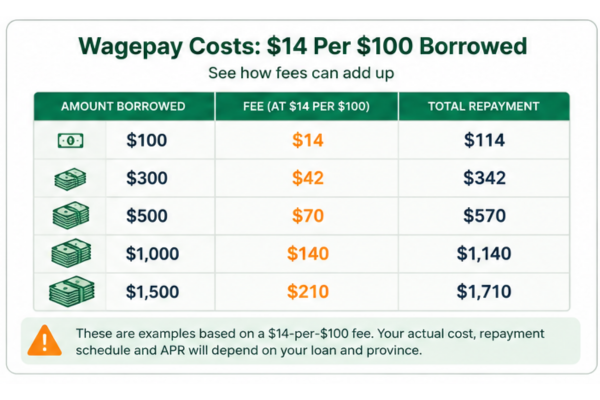
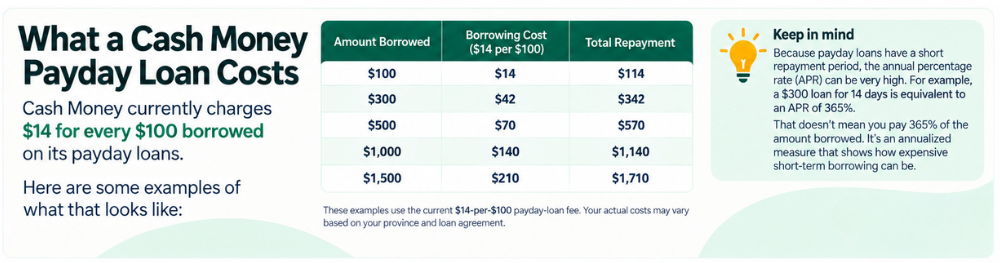
  • Borrow $300 → Fee: $42 → Total: $342
  • Borrow $750 → Fee: $105 → Total: $855
  • Borrow $1,500 → Fee: $210 → Total: $1,710

Even with regulation, payday loans remain one of the most expensive forms of credit due to short repayment terms.

Here is a simplified comparison of major regulated provinces:

Table 1: Provincial Payday Loan Fee Caps (2026)

Province Maximum Fee Typical Max Loan Cooling-Off Period Rollovers Restricted
Ontario $14 per $100 $1,500 Yes Yes
British Columbia $14 per $100 $1,500 Yes Yes
Alberta $14 per $100 $1,500 Yes Yes
Nova Scotia $14 per $100 $1,500 Yes Yes

Example calculation:

Borrow $500
Maximum fee: $70
Total repayment: $570

Even with regulation, payday loans remain one of the most expensive forms of credit due to short repayment terms.


Why Payday Loan Fees Can Translate to High APR

Payday loan fees may seem small, but the short repayment period increases the annualized cost significantly.

For example:

  • A $100 loan with a $14 fee over 14 days can translate to an APR of over 300%

This illustrates why payday loans are regulated differently from traditional credit products.


Maximum Payday Loan Amount in Canada

Most regulated provinces limit payday loans to:

  • $1,500 or less
  • Repayment due in a lump sum
  • Loan amount often tied to your net income

Lenders may limit advances to a percentage of your take-home pay to reduce over-borrowing risk.


Cooling-Off Periods: Can You Cancel a Payday Loan?

Many provinces provide a short cooling-off period.

This allows you to:

  • Cancel shortly after signing
  • Return the borrowed funds
  • Avoid penalties (if within the allowed window)

Always check your agreement immediately after signing.


Are Rollovers Allowed in Canada?

Most provinces restrict or prohibit rollovers.

A rollover means:

  • Extending an existing payday loan
  • Charging a new fee
  • Delaying repayment

While rollovers are restricted, borrowers may still take out new loans after repaying old ones — which can create repeat borrowing cycles that are difficult to exit.


What Happens If You Miss a Payday Loan Payment?

Missing a payment may result in:

  • NSF (non-sufficient funds) fees
  • Bank NSF charges
  • Collection activity
  • Additional permitted charges

If repayment becomes difficult:

  • Contact the lender immediately
  • Review provincial protections
  • Avoid ignoring the situation

Federal vs Provincial Regulation (Quick Comparison)

Table 2: Federal vs Provincial Payday Loan Regulation

Regulation Level What It Controls Example
Federal Criminal interest rate limits Caps extreme interest rates nationwide
Provincial Payday loan fee caps $14 per $100 borrowed
Provincial Licensing requirements Lenders must be provincially licensed
Provincial Cooling-off rights Borrower cancellation windows
Provincial Rollover restrictions Limits repeat extension fees

Understanding both levels helps you avoid confusion about legality and cost.


Payday Loan Laws by Province

Because payday lending is governed provincially, rules vary slightly by location.

Below are summaries of key provinces.

Ontario Payday Loan Laws

Ontario caps payday loan fees at $14 per $100 borrowed.

Additional protections include:

  • Licensed lenders only
  • Mandatory full cost disclosure
  • Cooling-off period
  • Rollover restrictions

Ontario has specific payday loan rules that cap fees and require full disclosure before signing.

British Columbia Payday Loan Laws

British Columbia also caps payday loan fees at $14 per $100 borrowed.

BC requires:

  • Licensed lenders
  • Transparent fee disclosure
  • Restrictions on repeat borrowing practices

Alberta Payday Loan Laws

Alberta regulates payday lenders through:

  • $14 per $100 fee cap
  • Licensing requirements
  • Disclosure obligations

Nova Scotia Payday Loan Laws

Nova Scotia caps payday loan fees at $14 per $100 borrowed and requires full disclosure of total repayment amounts.


Payday Loans vs Installment Loans in Canada

Understanding structure matters as much as regulation.
If you’re unsure how payday loans differ from other borrowing options, it may help to first understand how payday loans work in Canada.

Table 3: Payday Loans vs Installment Loans

Feature Payday Loan Installment Loan
Repayment Lump sum Monthly payments
Term Length 1–3 weeks typically Several months or years
Cost Structure Fee per $100 Interest rate
Budget Impact High short-term pressure Spread-out repayment
Best For True emergencies Larger or planned expenses

If you need longer than 2–3 weeks to repay, reviewing how installment loans in Canada work may help you compare repayment structures more effectively.


Pros and Cons of Payday Loans in Canada

Pros

  • Fast access to cash
  • Minimal credit requirements
  • Simple application process

Cons

  • High cost
  • Short repayment period
  • Risk of repeat borrowing

Alternatives to Payday Loans in Canada

Before applying, consider:

  • Installment loans
  • Credit union loans
  • Payment deferrals
  • Employer advances

Exploring alternatives can reduce borrowing costs and financial pressure.


How to Verify a Payday Lender is Licensed

To protect yourself:

  • Check your province’s licensing registry
  • Confirm lender disclosures
  • Avoid unlicensed lenders

Who Should Avoid Payday Loans?

Even with regulation, payday loans are not appropriate if:

  • You borrow every pay cycle
  • You are behind on rent or utilities
  • You need longer than 30 days to repay
  • The loan covers recurring monthly bills
  • You recently used multiple short-term loans

Repeated borrowing increases financial risk.

This pattern is often referred to as the payday loan debt cycle, where short-term borrowing leads to ongoing financial pressure.

Borrowers with lower credit profiles may also wish to review bad credit loan options to see if longer-term repayment structures are available.


Responsible Borrowing in Canada

Before signing any payday loan agreement:

  1. Confirm the total repayment amount (in dollars).
  2. Confirm the exact repayment date.
  3. Ensure repayment will not conflict with essential expenses.
  4. Review your provincial cancellation rights.
  5. Consider lower-cost alternatives.

Improving your credit score over time can unlock access to lower-cost borrowing options, including traditional personal loans.

The Financial Consumer Agency of Canada (FCAC) guidance encourages borrowers to understand their provincial payday loan rules and review full cost disclosures carefully before committing to high-cost credit.


Frequently Asked Questions

What is the maximum payday loan fee in Canada?

In most regulated provinces, the maximum fee is $14 per $100 borrowed.

Are payday loans legal in all provinces?

Yes, but they are regulated differently at the provincial level.

What is the maximum payday loan amount?

Typically $1,500 or less in regulated provinces.

Can payday lenders charge hidden fees?

No. All fees must be clearly disclosed in your loan agreement.

Can I cancel a payday loan after signing?

Many provinces provide a cooling-off period allowing cancellation shortly after signing.

Do payday loans affect your credit score?

Some lenders may report to credit bureaus, but not all payday loans impact your credit score directly.

Can you have more than one payday loan at a time?

This depends on provincial regulations and lender policies.

Are payday loans considered high-interest loans?

Yes. Due to short repayment periods, payday loans can carry a high effective annual percentage rate.


Final Thoughts: Understanding Payday Loan Laws in Canada

Canada’s regulatory framework includes:

  • Federal criminal interest rate limits
  • Provincial payday loan fee caps
  • Licensing requirements
  • Cooling-off protections
  • Rollover restrictions

These protections help limit excessive fees — but they do not eliminate cost.

Payday loans remain high-cost, short-term financial products.

Understanding your province’s laws — and your own financial situation — is essential before borrowing.


Considering Your Options?

If you’re exploring borrowing solutions, you can review the best payday loans in Canada or compare available loan options before making a decision.

Explore other payday loan options with FatCat Loans.

Payday Loan Debt Cycle in Canada: How It Works & How to Escape It

Struggling with repeated payday loans? Learn how the payday loan debt cycle works in Canada and discover practical ways to break free and regain control of your finances.

Payday Loan Debt Cycle in Canada

Published March 2026

Payday loans are designed to provide quick access to cash — but for many Canadians, they can lead to a cycle of repeated borrowing that becomes difficult to escape.

This is commonly known as the payday loan debt cycle, and it’s one of the biggest risks associated with short-term loans.

In this guide, we’ll explain how the payday loan cycle works, why it happens, and what you can do to break free.

Quick summary: The payday loan debt cycle happens when borrowers repeatedly take out loans to cover shortfalls after repayment. While payday loans offer fast cash, high fees and short terms can make them difficult to escape without a clear plan.


What Is the Payday Loan Debt Cycle?

The payday loan debt cycle occurs when a borrower takes out a payday loan, repays it on their next payday, and then needs to borrow again to cover everyday expenses.

Many borrowers use payday loans for same-day loan approval when facing urgent expenses.

Instead of solving a financial problem, the loan creates a repeating pattern of borrowing and repayment.


Simple Example of the Debt Cycle

  1. You borrow $500 to cover an emergency
  2. You repay ~$575 on your next payday
  3. You’re now short on rent, bills, or groceries
  4. You take out another payday loan
  5. The cycle repeats

Over time, this can result in:

  • Multiple loans in a row
  • Increasing fees
  • Ongoing financial stress

Real-Life Example: How the Payday Loan Cycle Builds

Let’s say you borrow $500 to cover an emergency expense.

  • You repay $575 on your next payday
  • That leaves you short on rent or bills
  • You take another $500 loan
  • You repay again — and the cycle continues

After just a few cycles, you could end up paying hundreds of dollars in fees without making real progress financially.

Key point: The issue isn’t just the loan — it’s the repeated borrowing.

For many borrowers, this cycle doesn’t feel obvious at first — it builds gradually over time.


How Much a Payday Loan Cycle Can Cost Over Time

While a single payday loan may seem manageable, repeated borrowing can quickly become expensive.

Example:

  • Loan amount: $500
  • Fee: $75
  • Number of cycles: 6

Total fees paid: $450
Total repaid: $3,450 (on repeated borrowing)

Even though you only borrowed $500 at a time, the total cost adds up significantly.

Key takeaway: The longer the cycle continues, the more expensive it becomes.


Why Payday Loan Cycles Happen

Payday loans aren’t inherently bad — but their structure makes them easy to rely on repeatedly.

1. Short Repayment Periods

Most payday loans must be repaid within 14–62 days.

This doesn’t leave much room in your budget.


2. High Fees

Payday lenders in Canada typically charge:

  • $14–$15 per $100 borrowed

This means even small loans become expensive quickly.

If you’ve read our Cash Money Canada review, you’ll see how these costs add up fast. You can also compare other lenders in our best payday loans in Canada guide.


3. Full Lump-Sum Repayment

Unlike installment loans, payday loans require full repayment at once.

This creates pressure on your next paycheck.


4. Easy Access to Credit

Many payday lenders:

  • Accept bad credit
  • Offer fast approval
  • Provide same-day funding

While convenient, this can lead to impulse borrowing.


Why Payday Loans Can Feel Like the Only Option

For many borrowers, payday loans aren’t a first choice — they’re a last resort.

Common reasons people turn to payday loans include:

  • Unexpected expenses with no savings buffer
  • Limited access to traditional credit
  • Urgent bills that can’t be delayed
  • Poor credit history

In these situations, the speed and accessibility of payday loans can make them seem like the only solution — even when they come with high costs.

This is why many borrowers fall into the payday loan cycle unintentionally.


How Common Is Payday Loan Debt in Canada?

Many Canadians use payday loans responsibly — but repeat borrowing is common.

Studies and financial reports have shown that:

  • A significant portion of payday loan users take multiple loans per year
  • Some borrowers rely on payday loans for ongoing expenses

This is why financial experts often classify payday loans as a short-term emergency solution, not a long-term strategy.

Many borrowers don’t plan to rely on payday loans — it often starts with a single emergency.

According to guidance from the Financial Consumer Agency of Canada, payday loans should be used cautiously due to their high cost and short repayment terms.


Warning Signs You’re in a Payday Loan Cycle

You may be stuck in a payday loan cycle if:

  • You take out a new loan right after repaying one
  • You rely on payday loans for regular expenses
  • You feel stressed about upcoming repayments
  • You’re using one loan to pay off another

If this sounds familiar, you’re not alone — and there are ways out.


How Long Does It Take to Break the Payday Loan Cycle?

The time it takes to escape a payday loan cycle depends on your financial situation, but most people can start seeing improvement within a few weeks to a few months.

Key factors include:

  • Your income stability
  • The number of loans you currently have
  • Whether you switch to lower-cost alternatives

The sooner you stop taking new payday loans, the faster you can break the cycle.


How to Break the Payday Loan Debt Cycle

Breaking the cycle isn’t always easy — but it’s possible with the right approach.

1. Stop Taking New Payday Loans

This is the hardest step, but also the most important.

Taking another loan may solve a short-term problem — but it keeps the cycle going.


2. Switch to Lower-Cost Alternatives

Instead of payday loans, consider:

Installment loans

These allow you to repay over time with smaller, manageable payments.


Compare better options

Explore our best payday loans in Canada guide to find lower-cost options.


3. Create a Simple Budget

Start by:

  • Listing your income
  • Tracking essential expenses
  • Identifying where you’re short

Even a basic budget can help you:

  • Avoid borrowing again
  • Regain control over your finances

4. Talk to Your Lender

Some lenders may offer:

  • Payment extensions
  • Alternative repayment options

It’s always better to communicate early than miss payments.


5. Look Into Financial Support Options

Depending on your situation, you may qualify for:

  • Government assistance programs
  • Non-profit credit counselling
  • Emergency financial aid

These options can provide relief without high fees.

Key takeaway: Payday loan cycles are driven by short repayment terms and high fees — not just poor financial decisions.


What Not to Do When Trying to Escape Payday Loan Debt

When trying to break the cycle, avoid these common mistakes:

  • Taking out a new payday loan to repay an old one
  • Ignoring repayment deadlines
  • Borrowing more than you need
  • Relying on payday loans for regular expenses

These actions can make the situation worse and extend the cycle.


Payday Loans vs Installment Loans (Key Difference)

Here’s a quick comparison of how payday loans differ from installment loans:

Feature Payday Loans Installment Loans
Repayment Lump sum Monthly payments
Cost Very high Lower
Loan term Short Longer
Risk of cycle High Lower

This is why many borrowers switch to installment loans to break the cycle.


Can You Use Payday Loans Safely?

Yes — but only under specific conditions.

Payday loans can be used responsibly if:

  • It’s a one-time emergency
  • You can repay the full amount on time
  • You have a clear repayment plan

If not, they can quickly become a long-term financial burden.


Key Takeaway

The payday loan debt cycle isn’t caused by one bad decision — it’s usually the result of tight finances and limited options.

Key takeaway: Payday loans can provide short-term relief, but repeated use can lead to a cycle that’s difficult to break.

If you’re currently comparing lenders, you can also read our detailed reviews of Cash Money, GoDay, and iCash to better understand your options and avoid high-cost borrowing.


Final Thoughts

If you’re currently stuck in a payday loan cycle, the most important thing is to take small, practical steps toward breaking it.

Start by exploring alternatives, reducing reliance on short-term loans, and building a plan that works for your situation.

The sooner you interrupt the cycle, the easier it becomes to regain control of your finances.

Explore other payday loan options with FatCat Loans.


When to Seek Financial Help

If payday loans are becoming a regular part of your finances, it may be time to seek support.

Consider reaching out for help if:

  • You’re unable to repay loans on time
  • You’re taking out multiple loans each month
  • You’re struggling to cover basic expenses

Options include:

  • Credit counselling services
  • Financial advisors
  • Government assistance programs

Seeking help early can prevent long-term financial stress and help you regain control.


FAQs About Payday Loan Debt Cycles

How do people get stuck in payday loan cycles?

Borrowers often get stuck by taking out a new loan immediately after repaying a previous one, usually because their paycheck isn’t enough to cover both the loan and everyday expenses.

This cycle is driven by short repayment terms and high fees, which can leave borrowers short on their next payday. Over time, this leads to repeated borrowing and increasing financial pressure.


Are payday loans illegal in Canada?

No, payday loans are legal and regulated in Canada. Each province sets rules on how much lenders can charge and how loans must be structured.

For example, most provinces cap fees at around $14–$15 per $100 borrowed. While these regulations help protect consumers, payday loans are still one of the most expensive forms of borrowing.


What is the best way to get out of payday loan debt?

The most effective way to break the cycle is to stop taking new payday loans and focus on repayment.

This often involves:

  • Switching to lower-cost alternatives like installment loans
  • Creating a realistic budget
  • Prioritizing essential expenses

Taking small, consistent steps can help you regain control over time.


Are there alternatives to payday loans in Canada?

Yes — there are several alternatives that may be more affordable and flexible.

These include:

  • Installment loans with structured repayment
  • Credit-building products
  • Government or community financial assistance programs

Exploring these options can help reduce reliance on high-cost payday loans.


Can payday loans affect your credit score?

Payday loans don’t always impact your credit score directly, as many lenders don’t report to credit bureaus.

However, missed payments or accounts sent to collections can negatively affect your credit. This is why it’s important to repay loans on time and avoid repeated borrowing.


How many payday loans can you have in Canada?

The number of payday loans you can have at once depends on provincial regulations and the lender’s policies.

Some provinces restrict borrowers to one loan at a time, while others allow multiple loans. Regardless of the rules, having more than one payday loan can increase financial risk and make repayment more difficult.


Is it better to use an installment loan instead of a payday loan?

In many cases, yes. Installment loans allow you to repay over time with smaller, predictable payments.

This makes them easier to manage and reduces the risk of falling into a debt cycle compared to payday loans, which require full repayment in a short period.


How quickly can you break a payday loan cycle?

The time it takes varies, but many borrowers can start making progress within a few weeks to a few months.

The key is to stop taking new loans and switch to more manageable repayment options. The sooner the cycle is interrupted, the easier it becomes to recover financially.

Cash Money Review Canada (2026): Fees, Rates & Alternatives

This Cash Money Canada review breaks down fees, loan terms, approval speed, and risks. Find out if it’s worth it — and compare better alternatives before you borrow.

Cash Money Review Canada

Updated April 2026

Cash Money Canada offers same-day payday loans for borrowers who need fast access to cash.

The cost of a Cash Money payday loan is regulated at the provincial level, but that doesn’t mean it’s inexpensive. Across Canada, payday lenders typically charge between $14 and $15 per $100 borrowed, which is the maximum allowed in many provinces.

While this fee may appear small, the short repayment period means the effective annual percentage rate (APR) can exceed 300% to 400%, according to standard APR calculations used by financial regulators.

If you’re comparing lenders, see our full list of the best payday loans in Canada to find safer alternatives.


Quick Verdict: Is Cash Money Canada Worth It?

Best for: Emergency cash with no other borrowing options
Not ideal for: Long-term borrowing or improving your finances

Pros

  • Fast access to emergency cash
  • High approval rates for bad credit
  • Available online and in-store
  • Simple and quick application process

Cons

  • Very high borrowing costs
  • Short repayment periods
  • Risk of repeat borrowing
  • Limited flexibility compared to installment loans

While Cash Money is convenient, the high cost means it should only be used for short-term emergencies.

What Is Cash Money Canada?

Cash Money Canada is a licensed payday lender offering short-term loans and financial services, including:

  • Payday loans
  • Installment loans
  • Cheque cashing
  • Money transfers

Cash Money operates both online and through physical locations across Canada, making it one of the most accessible payday loan providers.

Because it is regulated under provincial laws, Cash Money must follow strict payday lending rules — including fee caps and disclosure requirements.

However, even regulated payday loans can still be very expensive compared to other borrowing options.

What It’s Like to Apply for a Cash Money Loan

Many borrowers use Cash Money for same-day loan approval when facing urgent expenses.

Applying for a Cash Money payday loan is designed to be fast and straightforward, especially for borrowers who need funds quickly.

Here’s what the process typically looks like:

  1. Complete a short online application (5–10 minutes)
  2. Provide basic personal and banking information
  3. Submit proof of income
  4. Receive a decision within minutes

Once approved, funds are usually deposited the same-day or by the next business day.

Many borrowers choose Cash Money because of its simple application process and fast funding, particularly compared to traditional lenders.

How Cash Money Payday Loans Work

Cash Money specializes in payday loans in Canada, which are short-term loans designed to be repaid on your next payday.

Typical Cash Money loan details:

    • Loan amount: $100 – $1,500
  • Loan term: 14 to 62 days
  • Funding speed: Same-day or next business day
  • Repayment: Full amount + fees in one payment

If you’re new to payday lending, read our full guide on how payday loans work in Canada to understand fees, risks, and regulations.

Cash Money Canada Fees & Interest Rates

Understanding Cash Money fees is critical before applying.

Instead of charging traditional interest, payday lenders charge a fee per $100 borrowed.

Example of Cash Money payday loan cost:

  • Borrow: $500
  • Fee: $14–$15 per $100
  • Total fees: $70–$75
  • Total repayment: ~$570–$575
  • Term: ~14 days

What is the APR?

The annual percentage rate (APR) on a Cash Money payday loan can exceed:

300% to 400%+ APR

This is significantly higher than:

  • Personal loans (6%–47%)
  • Credit cards (19%–29%)
  • Lines of credit

Real Cost of a Cash Money Payday Loan

To better understand the true cost of borrowing, it helps to look at real-world examples based on typical payday loan fee structures in Canada.

Loan Amount Fee per $100 Total Fees Total Repayment Term
$300 $15 $45 $345 14 days
$500 $15 $75 $575 14 days
$1,000 $15 $150 $1,150 14 days

Even though the fee per $100 may seem small, the short repayment period means the effective cost of borrowing is extremely high.

Key takeaway: Even small payday loans can become expensive quickly due to high fees and short repayment terms.

The Biggest Risk: Payday Loan Debt Cycle

One of the most widely reported risks of payday loans — including those from Cash Money — is the potential for repeat borrowing.

Research from Canadian financial authorities and consumer advocacy groups has shown that many payday loan borrowers take out multiple loans per year, often due to the difficulty of repaying the full amount in a short period.

Here’s how borrowers get trapped:

  1. Take out a payday loan
  2. Repay it in full on payday
  3. Fall short on other expenses
  4. Borrow again

This pattern, often referred to as a “payday loan cycle,” is one of the main reasons financial experts recommend limiting payday loan use to rare, emergency situations only.

Cash Money Regulations in Canada

Payday lenders like Cash Money operate under provincial regulations designed to protect consumers, including limits on fees and strict disclosure requirements.

While regulations vary slightly by province, most Canadian jurisdictions have introduced caps on borrowing costs and rules to prevent abusive lending practices.

Key rules include:

  • Maximum cost per $100 (varies by province)
  • Limits on loan amounts
  • Cooling-off periods (in some provinces)
  • Restrictions on rollovers

For example:

  • Ontario: maximum $15 per $100 borrowed
  • British Columbia: maximum $15 per $100 borrowed
  • Alberta: maximum $14 per $100 borrowed

These regulations help standardize payday loan costs across lenders, which is why most payday lenders — including Cash Money — charge similar fees.

Cash Money Requirements & Approval Process

Cash Money is known for its easy approval process, even for borrowers with bad credit.

Requirements:

  • Canadian resident
  • Age of majority (18 or 19+)
  • Proof of income
  • Active bank account

Credit check:

  • Minimal or no traditional credit check
  • Focus on income and ability to repay

Application process:

  • Apply online or visit a Cash Money location
  • Submit personal and banking details
  • Get approved quickly (often within minutes)
  • Receive funds same-day or next day

This fast approval is helpful — but it also increases the risk of borrowing without fully considering the cost.

Cash Money approval requirements are relatively simple compared to traditional lenders, making it accessible for borrowers looking for loans for bad credit in Canada.

Customer Reviews & Reputation

Cash Money has built a strong presence across Canada and has accumulated thousands of customer reviews online.

Many borrowers highlight:

  • Fast access to funds
  • Easy application process
  • Convenient in-store locations

However, some users report concerns around:

  • High borrowing costs
  • Short repayment timelines
  • Limited flexibility

Overall, customer feedback reflects a mix of convenience and cost concerns, which is typical for payday lenders.

Is Cash Money Canada Legit & Safe?

Cash Money Canada is a licensed and regulated payday lender that operates in compliance with provincial consumer protection laws. This includes requirements around fee transparency, loan limits, and borrower disclosures, as outlined by regulators such as the Financial Consumer Agency of Canada.

They:

  • Are licensed in provinces where required
  • Follow payday loan regulations
  • Clearly disclose fees

However, “safe” doesn’t mean affordable.

Key risks:

  • High borrowing costs
  • Short repayment timelines
  • Potential for repeat borrowing

As a result, borrowers can expect clear terms and standardized pricing — although the overall cost of borrowing remains high compared to other financial products.

Cash Money vs Other Payday Loan Lenders

When comparing Cash Money vs other payday lenders, the differences are small — but important.

Feature Cash Money GoDay iCash
Loan speed Fast Very fast Fast
Fees High High High
Repayment flexibility Low Medium Medium
Access Online + in-store Online Online

Because payday loan fees are regulated in Canada, most lenders — including Cash Money, GoDay, and iCash — charge similar rates. The main differences come down to speed, flexibility, and user experience.

Cash Money vs Competitors (Canada Comparison)

To help you compare your options, here’s how Cash Money Canada stacks up against other popular payday lenders in Canada. While most payday loans have similar costs due to regulations, differences in speed, flexibility, and user experience can matter.

Cash Money vs GoDay vs iCash (2026)

Feature Cash Money Canada GoDay iCash
Loan Type Payday + installment loans Payday loans Payday loans
Loan Amount $100 – $1,500 $100 – $1,500 $100 – $1,500
Approval Speed Same-day Within minutes Same-day
Funding Time Same-day / next day Same-day Same-day
Credit Check Minimal Minimal Minimal
Fees (per $100) $14–$15 ~$14–$15 ~$14–$15
APR (estimated) 300%–400%+ 300%–400%+ 300%–400%+
Repayment Flexibility Low Medium Medium
Online Application Yes Yes Yes
Physical Locations Yes No No
Best For In-person access Fast online loans Quick approvals

When comparing Cash Money fees vs other lenders, the cost is generally similar due to regulation — but total repayment can still be significantly higher than other loan types.

Which lender is better?

  • Choose Cash Money if you prefer in-store service or need face-to-face support
  • Choose GoDay if you want a fast, fully online experience with slightly more flexibility
  • Choose iCash if speed and quick approvals are your top priority

For a deeper breakdown, read our full GoDay review Canada and iCash review Canada to compare features, costs, and approval speed.

Common Situations Where People Use Cash Money

Borrowers typically use Cash Money payday loans for short-term financial gaps, such as:

    • Emergency car repairs
    • Rent or bill shortfalls
  • Utility payments
  • Unexpected expenses

Payday loans are designed to cover temporary cash shortages between paycheques — not long-term financial needs.

Better Alternatives to Cash Money Canada

Financial experts generally recommend exploring lower-cost alternatives before using payday loans, particularly for expenses that are not immediate emergencies.

1. Installment Loans (Lower Cost Option)

Installment loans allow you to repay over time instead of in one lump sum.

Examples:

Benefits:

  • Lower effective APR
  • Fixed monthly payments
  • Reduced risk of debt cycle

2. Payday Loan Alternatives

Some lenders offer slightly more flexible options.

Example:

  • GoDay payday loans

See our full GoDay review Canada for details.

3. Credit-Building Options

If you want to avoid payday loans long-term:

  • Secured credit cards
  • Credit builder programs
  • Budgeting tools

These options help reduce reliance on high-interest borrowing.

Many borrowers look for cheaper alternatives to payday loans in Canada due to the high cost of borrowing.

When Should You Use Cash Money?

A Cash Money payday loan may make sense if:

  • You need emergency cash immediately
  • You cannot qualify for other loans
  • You can repay the loan on time

When to Avoid Cash Money Payday Loans

Avoid using Cash Money if:

  • You need ongoing financial support
  • You are already in debt
  • You are unsure about repayment

In these situations, payday loans can make financial problems worse. Instead, consider more flexible options like installment loans, which allow you to repay over time with structured payments.

Expert Tips Before Using Cash Money Canada

1. Only borrow what you need

Keep your loan amount as low as possible.

2. Plan repayment carefully

Make sure you can repay on your next payday.

3. Avoid repeat borrowing

This is how payday loan costs spiral.

4. Compare lenders first

Use our best payday loans in Canada guide before applying.

Explore alternatives to Cash Money in Canada with FatCat Loans.

Is Cash Money a Good Idea for You?

Cash Money may be a reasonable option if you need fast cash for an emergency and have no access to other credit.

However, it may not be the right choice if you:

  • Need ongoing financial support
  • Are already dealing with debt
  • Want a lower-cost borrowing option

In many cases, alternatives like installment loans provide a more manageable and affordable solution.

Is Cash Money worth it?

Cash Money may be worth it for short-term emergencies, but it is not a cost-effective solution for ongoing financial needs.

From a financial perspective, payday loans should only be used as a short-term solution, not a long-term borrowing strategy.

Cash Money Review Canada: Final Verdict

Cash Money is one of the most well-known payday lenders in Canada — offering fast access to cash with minimal requirements.

Compared to other payday lenders in Canada, Cash Money offers similar pricing due to regulation — but stands out for its in-store access and brand recognition.

However, the high fees and short repayment terms make it a costly option.

Final Rating: 3/5

Use Cash Money if:

  • You need fast cash urgently
  • You have no better borrowing options

Avoid Cash Money if:

  • You want affordable loans
  • You need flexibility
  • You want to improve your financial health

From a financial planning perspective, payday loans are best viewed as a short-term solution rather than a sustainable borrowing strategy.


Final Thoughts on Cash Money Canada

Cash Money payday loans are fast, accessible, and easy to get — but they come with serious financial trade-offs.

Before applying, take the time to compare lenders through the FatCat Loans lender network, understand the full cost, and explore safer alternatives.

Making an informed decision today can help you avoid financial stress tomorrow.


Cash Money Canada FAQs

Still have questions about Cash Money Canada? Here are answers to some of the most common questions borrowers ask.

Is Cash Money Canada legit?

Yes, Cash Money Canada is a legitimate and licensed payday lender. It operates under provincial regulations and must follow rules on maximum fees, loan amounts, and disclosures. However, while it is legal, payday loans remain one of the most expensive borrowing options available.

What is the maximum loan amount at Cash Money?

Cash Money payday loans typically range from $100 to $1,500, depending on your province and income level. Some locations may offer installment loans with higher limits.

Does Cash Money check your credit?

Cash Money does not rely heavily on traditional credit checks. Instead, approval is based mainly on your income and ability to repay the loan, making it accessible for borrowers with bad credit.

How fast can you get money from Cash Money?

Most applicants receive funds the same-day or within one business day. In-store applications can sometimes be funded immediately after approval.

What happens if you can’t repay a Cash Money loan?

If you miss a payment, you may face additional fees, collection activity, and potential damage to your financial situation. This is why it’s important to only borrow what you can repay on time.

Is Cash Money better than other payday lenders?

Cash Money offers similar fees to most payday lenders due to regulations. However, differences exist in speed, flexibility, and customer experience. You can compare options in our best payday loans in Canada guide.

Best Payday Loans in Canada | Comparison

Compare the best payday loans in Canada, including GoDay, iCash, and Money Mart. See fees, approval speed, and safer alternatives before you apply.

Best Payday Loans in Canada

Published March 2026

If you’re searching for the best payday loans in Canada, you’re likely trying to solve an urgent cash problem — but also avoid paying more than you have to.

Payday loans are fast and accessible, but they are also one of the most expensive borrowing options in Canada. Choosing the right lender — and understanding alternatives — can save you hundreds of dollars.

This guide compares the top payday lenders, explains real costs, outlines risks, and helps you choose the smartest option for your situation.

If you’re new to this type of borrowing, start with our guide to what is a payday loan in Canada to understand how these loans work, what they cost, and when they may or may not make sense.

Quick Answer: Best Payday Loans in Canada

The best payday loans in Canada depend on your priorities — speed, convenience, or support. However, most lenders charge similar fees due to provincial regulations, so the key differences are in how fast you get funded and how easy the process is.

  • Best for speed: iCash
  • Best for simplicity: GoDay
  • Best for in-person support: Money Mart
  • Best for brand familiarity: Cash Money

Because fees are regulated, the “best” payday loan is usually the one that gets you funds quickly while minimizing risk.

Best Payday Loans in Canada (Online & Same-Day Options)

Many borrowers search for payday loans based on speed and accessibility. In Canada, most lenders offer similar pricing, but differ in how quickly you can access funds and how easy the process is.

  • Best instant payday loans: iCash (fast automated approvals)
  • Best same-day payday loans: GoDay (quick funding options)
  • Best no credit check payday loans: Most lenders use soft checks and focus on income

Payday Loan Comparison Table (Canada)

The best payday loans in Canada offer similar pricing, so the key differences come down to speed, application method, and overall user experience. Here’s how the top lenders compare:

Lender Speed Application Funding Time Best For
GoDay Fast Online Same / next day Simple, fast approval
iCash Very fast Online Same day Automated approvals
Money Mart Moderate Online + In-store Same / next day In-person support
Cash Money Moderate Online + In-store Same / next day Established brand

Most lenders charge similar fees ($14–$17 per $100), so differences come down to speed, convenience, and experience.

Best Payday Loans in Canada (Detailed Reviews)

GoDay (Best for Simplicity)

GoDay is a fully online payday lender designed for speed and ease of use. The application takes just a few minutes, and approvals are often instant.

Requirements:

  • Canadian residency
  • Proof of income
  • Active bank account

Pros:

  • Fast and simple application
  • Same-day funding possible
  • Minimal credit requirements

Cons:

  • High borrowing cost
  • Full repayment required quickly

Best for: First-time borrowers needing fast, straightforward access to cash

Read our full GoDay review

iCash (Best for Speed)

iCash is one of the fastest payday lenders in Canada, using automation to approve applications quickly.

Pros:

  • Very fast approvals
  • Fully digital process
  • Minimal friction

Cons:

  • Similar high fees
  • Limited flexibility

Best for: Urgent situations where speed is critical

Read our full iCash review

Money Mart (Best for In-Person Support)

Money Mart is one of the largest payday lenders in Canada, offering both online and physical locations.

Pros:

  • In-store support
  • Established reputation
  • Multiple borrowing options

Cons:

  • Slightly slower than online-only lenders
  • High fees remain

Best for: Borrowers who prefer face-to-face service

Read our full Money Mart review

Cash Money (Best Known Brand)

Cash Money is a widely recognized payday lender with a strong retail presence.

Pros:

  • Trusted brand
  • Flexible application options

Cons:

  • Similar pricing to competitors
  • No major cost advantage

Best for: Borrowers who value brand familiarity

How Much Do Payday Loans Cost in Canada?

Payday loans typically cost:  $14–$17 per $100 borrowed

Real Cost Examples

Here’s what payday loan costs look like in real terms based on common borrowing amounts:

Loan Amount Fee Total Repayment
$300 $45 $345
$500 $75 $575
$1,000 $150 $1,150

Because repayment happens within weeks, the effective APR can exceed 300% to 600%+.

Cost Comparison: Payday Loans vs Alternatives

Are payday loans cheaper than personal loans?

Option Cost Level Repayment Style Best For
Payday Loan Very high Lump sum Emergencies only
Personal Loan Lower Installments Planned expenses
Credit Card Moderate Flexible Short-term borrowing
Overdraft Lower Flexible Small shortfalls

Want to avoid overpaying? Comparing multiple lenders and loan types can help you find a lower-cost option before you apply.

Real Example: How Payday Loan Costs Add Up

Let’s say you borrow $500 to cover an emergency expense:

  • Loan amount: $500
  • Fee: ~$75
  • Total repayment: $575

If you repay on time, the cost is high but manageable.

However, if you need to borrow again after repayment, those fees can stack quickly — which is how many borrowers end up paying hundreds of dollars in fees over time.

Are Payday Loans Worth It?

Payday loans can be worth it in specific situations, such as short-term emergencies when no lower-cost options are available. However, due to their high cost, they are not a good long-term financial solution.

In most cases, alternatives like personal loans, overdrafts, or credit cards are more affordable and sustainable.

Why Are Payday Loans So Expensive?

Payday loans are expensive because they are short-term and designed for quick access to cash. Lenders charge a fixed fee per $100 borrowed, which results in a very high annual percentage rate (APR).

Because repayment is due within weeks, even a small fee translates into an APR of 300% or more.

This pricing structure makes payday loans one of the highest-cost forms of borrowing in Canada.

What Happens If You Miss a Payday Loan Payment?

If you miss a payday loan payment in Canada, several things can happen:

  • NSF (non-sufficient funds) fees from your bank
  • Additional lender charges
  • Your loan may be sent to collections
  • Potential negative impact on your credit score

Missing a payment can quickly increase the total cost of borrowing and make it harder to stay financially stable.

Payday Loans vs Alternatives (Detailed)

Payday Loan vs Personal Loan

Personal loans offer lower interest rates and structured payments, making them a more sustainable option.

Payday Loan vs Credit Card or Overdraft

Credit cards and overdrafts provide more flexibility and lower costs, reducing the risk of debt cycles.

Payday Loan Laws in Canada

Payday lending in Canada is regulated at the provincial level, with each province setting limits on borrowing costs and consumer protections:

  • Ontario: ~$15 per $100, no rollovers allowed
  • British Columbia: ~$15 per $100, cooling-off period
  • Alberta: ~$14 per $100, strict disclosure requirements

These laws and regulations help protect borrowers by limiting fees and improving transparency, but payday loans remain one of the most expensive forms of credit.

Your province determines how much you can be charged and what protections you have, which is why comparing lenders is still important even within regulated limits.

Who Should Use Payday Loans?

Appropriate Use:

  • Emergency expenses
  • One-time shortfalls
  • Clear repayment plan

Risky Use:

  • Ongoing financial issues
  • Multiple loans
  • Uncertain repayment ability

Who Should Avoid Payday Loans?

Payday loans are not suitable for everyone. You should avoid them if:

  • You are already struggling with debt
  • You need long-term financial support
  • You are unsure how you will repay the loan
  • You rely on borrowing regularly

In these situations, lower-cost options like personal loans or credit counselling may be more appropriate.

Better Alternatives to Payday Loans

Personal Loans (Best Overall)

  • Lower rates
  • Fixed payments
  • More sustainable

Personal loans are often the most affordable and sustainable option, with lower rates and predictable payments. You can compare personal loans in Canada to find a lower-cost alternative.

Bad Credit Loans

  • Designed for lower credit scores
  • Often cheaper than payday loans

Because bad credit loans are designed for lower credit scores and typically cost less than payday loans, they can be a better option in many cases. Before applying, you can explore bad credit loans in Canada to compare alternatives.

Credit Card or Overdraft

  • Lower cost
  • Flexible repayment

Compare the best payday loans in Canada with FatCat Loans.

Can You Get a Payday Loan with Bad Credit?

Yes, you can often get a payday loan in Canada with bad credit. Most lenders focus on your income and ability to repay rather than your credit score.

However, just because you qualify does not mean it is the best option. Bad credit installment loans are often a more affordable alternative.

How to Choose the Best Payday Loan in Canada

When comparing payday lenders, focus on:

  • Total repayment amount (not just the fee)
  • Funding speed
  • Application process (online vs in-store)
  • Reputation and customer experience

Because pricing is similar across lenders, choosing the right provider comes down to speed, convenience, and how confident you are in repaying the loan on time.

How to Apply for a Payday Loan in Canada

Applying for a payday loan in Canada is typically quick and can often be completed in minutes:

  • Choose a licensed lender
  • Complete an online or in-store application
  • Provide ID, income, and banking details
  • Review the loan terms carefully
  • Accept the loan and receive funds (same day or next day)

Before applying, always compare lenders and confirm you can repay the loan on time to avoid additional fees.

FAQs About Payday Loans in Canada

What is the best payday loan in Canada?

There is no single best payday loan in Canada because most lenders charge similar fees due to provincial regulations. The best option depends on your situation — including how quickly you need funds, your preferred application method (online or in-store), and your ability to repay the loan on time.

Are payday loans legal in Canada?

Yes, payday loans are legal in Canada and are regulated at the provincial level. Each province sets limits on borrowing costs (typically $14–$17 per $100) and requires lenders to be licensed and transparent about fees and repayment terms.

How much can you borrow with a payday loan in Canada?

In Canada, payday loans typically range from $100 to $1,500, depending on the province and your income. Some provinces also limit borrowing to a percentage of your paycheque to reduce the risk of over-borrowing.

How fast can you get a payday loan in Canada?

You can often get a payday loan in Canada within minutes of approval, with funds deposited the same day or by the next business day. The exact timing depends on the lender, your bank, and how quickly your information is verified.

What do you need to apply for a payday loan in Canada?

To apply for a payday loan in Canada, you typically need valid identification, proof of income, and an active bank account. Most lenders also require you to be a resident of the province where you are applying.

Do payday loans affect your credit score in Canada?

Applying for a payday loan usually involves a soft credit check, which does not affect your credit score. However, missed payments or accounts sent to collections can negatively impact your credit history.

What happens if you don’t repay a payday loan in Canada?

If you don’t repay a payday loan, you may face NSF (non-sufficient funds) fees, additional lender charges, and collections activity. Unpaid loans can also be reported to credit bureaus, which may negatively impact your credit score.

Can you have more than one payday loan in Canada?

In most Canadian provinces, you cannot have more than one active payday loan at the same time. Regulations are designed to prevent borrowers from taking multiple loans and falling into a debt cycle.

Can you be denied a payday loan in Canada?

Yes, you can be denied a payday loan in Canada. Lenders typically require proof of income, a valid bank account, and identity verification. Applications may be rejected if your income is insufficient or your information cannot be verified.

Are payday loans better than personal loans?

No, payday loans are generally not better than personal loans. Personal loans typically offer lower interest rates, longer repayment terms, and more manageable payments, making them a more affordable option for most borrowers.

Final Thoughts

There is no true “best” payday loan — only the least risky option for your situation.

Payday loans can solve short-term problems, but they come at a high cost and should never be your first option.

We evaluate payday lenders based on cost, speed, transparency, and overall borrower experience — not just approval rates.

Compare Your Options First

Before you apply, take a few minutes to compare your options — choosing the right loan could save you hundreds in fees.

Compare loan options in Canada and find a lower-cost alternative today.

Compare loan options in Canada and find a lower-cost alternative today.

GoDay Review Canada (2026): Fees, Costs, Risks & Alternatives

GoDay offers fast payday loans in Canada — but at a high cost. This expert review breaks down fees, risks, real scenarios, and better alternatives so you can borrow smarter.

GoDay Review Canada

Updated April 2026

If you’re searching for a GoDay review in Canada, you’re probably not just curious — you’re trying to make a decision.

GoDay Review Canada: Quick Answer

GoDay is a legitimate payday lender in Canada that offers fast, short-term loans with same-day or next-day funding. However, these loans come with high fees (typically $14–$17 per $100 borrowed) and should only be used for emergencies when no lower-cost options are available.

Maybe you’re:

  • Short on rent
  • Dealing with an unexpected bill
  • Trying to avoid overdraft fees
  • Or simply need cash before your next payday

GoDay promises a simple solution:

Fast approval. Quick cash. Minimal hassle.

But here’s the reality most reviews don’t fully explain:

GoDay is designed for speed — not affordability.

This guide is built to be the most complete, transparent GoDay review in Canada, helping you understand not just how it works, but whether it’s actually the right choice for you.

Explore other payday loan options with FatCat Loans.

Is GoDay Legit in Canada?

Yes, GoDay is a legitimate and licensed payday lender in Canada that must follow provincial regulations on fees, disclosures, and consumer protections. However, being licensed does not mean it is the most affordable option.

It operates under provincial regulations that:

  • Cap borrowing costs
  • Require fee transparency
  • Provide basic consumer protections

However, there’s an important distinction:

“Legit” does not mean “good for your finances.”

Payday lenders can be fully legal while still being one of the most expensive borrowing options available.

What Is GoDay and How Does It Work?

GoDay is an online payday loan provider offering short-term loans (typically $100–$1,500) that must be repaid on your next payday.

Here’s a quick overview of how GoDay loans work:

Feature GoDay
Loan Amount $100 – $1,500
Approval Time Minutes
Funding Speed Same day or next day
Credit Check Soft check (typically)
Cost $14–$17 per $100
Best For Short-term emergencies

GoDay is designed for speed and accessibility, but comes with significantly higher costs than traditional loans.

Unlike banks, GoDay is built for:

  • Speed (approvals in minutes)
  • Accessibility (accepts bad credit)
  • Convenience (100% online process)

This makes it attractive if you:

  • Have poor credit
  • Need money urgently
  • Can’t qualify for traditional loans

If you’re new to this type of borrowing, it’s worth understanding the basics first. Our guide to what is a payday loan in Canada explains how these loans work and when they’re appropriate.

How GoDay Loans Work (Step-by-Step)

1. Apply Online (5 Minutes)

You fill out a short application including:

  • Personal details
  • Employment or income info
  • Banking details

2. Instant Approval Decision

Most applicants receive a decision within minutes.

3. Verification

You may need to verify your:

  • Bank account
  • Income
  • Identity

4. Receive Funds

If approved, funds are deposited:

  • Same day (early approvals)
  • Next business day

5. Automatic Repayment

The full amount is withdrawn on your next payday.

GoDay Loan Requirements

To qualify, you generally need:

  • Canadian residency
  • Age of majority in your province
  • A steady income source
  • An active bank account

Credit score requirements are minimal, which is why GoDay is often used by people exploring bad credit loans in Canada.

GoDay Fees Explained (The Real Cost)

This is the most important section — and where most borrowers underestimate the impact.

Standard Payday Loan Fees in Canada

GoDay typically charges:

👉 $14–$17 per $100 borrowed

Example Costs

Loan Fee Total Repayment
$300 $45 $345
$500 $75 $575
$1,000 $150 $1,150

At first glance, this may not seem extreme.

But here’s the key:

  • These loans are usually repaid in 2–4 weeks

That means the equivalent APR can exceed:

  • 300% to 600%+

Why Payday Loans Feel Worse Than They Look

The real problem isn’t just the fee — it’s timing.

When your payday arrives:

  • You repay the full loan
  • Your budget is immediately tight again
  • You may need to borrow again

This is how many borrowers fall into a cycle.

If you qualify, personal loans in Canada are almost always a lower-cost alternative.

GoDay by Province (Ontario, BC, Alberta)

Payday loan rules vary across Canada, which directly impacts what you pay.

Ontario

  • Max cost: ~$15 per $100
  • Rollovers prohibited
  • Strong consumer protections

British Columbia (BC)

  • Max cost: ~$15 per $100
  • Cooling-off period (you can cancel shortly after borrowing)

Alberta

  • Max cost: ~$14 per $100
  • Strict disclosure requirements

Before applying, it’s important to compare multiple lenders to find the lowest-cost option and avoid unnecessary fees. Even small differences in fees can add up quickly over time.

Real Borrowing Scenarios (What Actually Happens)

This is where real-world outcomes can differ significantly.

Scenario 1: Emergency Car Repair (Best Case)

You need $400 urgently to fix your car.

  • You borrow $400
  • Repay ~$460 on payday

Outcome:

  • Problem solved quickly
  • No repeat borrowing

Trade-off:

  • You paid a high fee for speed

This is the ideal payday loan use case.

Scenario 2: Rent Shortfall (High Risk)

You’re short $700 for rent.

  • You take a payday loan
  • Payday arrives
  • You can’t repay fully
  • You take another loan

Now you’re paying fees on top of fees.

This is known as the payday loan debt cycle, a well-documented risk where repeated borrowing leads to increasing fees and financial pressure.

Scenario 3: Smarter Alternative (Best Financial Outcome)

You need $600.

Instead of using GoDay:

  • You take an installment loan
  • You repay over time
  • You pay significantly less interest

This is why it’s important to compare lenders and consider alternatives before choosing a payday loan.

What Happens If You Miss a GoDay Payment?

If you miss a GoDay payment, you may be charged NSF fees, additional lender fees, and your account could be sent to collections, which may negatively affect your credit score.

Quick Answer

Missing a GoDay payment can lead to:

  • Bank fees
  • Additional lender charges
  • Collections activity
  • Credit damage

Full Breakdown

1. NSF (Non-Sufficient Funds) Fees

If your account lacks funds:

  • Your bank may charge $45+
  • The lender may also apply a fee

2. Additional Charges

Late or failed payment fees may apply.

3. Collections Activity

If unpaid:

  • Your loan may be sent to a collection agency

4. Credit Score Impact

Missed payments can affect your credit, especially if sent to collections.

5. Increased Borrowing Pressure

Many borrowers take another loan to cover the missed one.

This is how short-term borrowing becomes long-term debt.

Is GoDay Better Than an Overdraft?

In most cases, a payday loan like GoDay is not cheaper than an overdraft or credit card. Here’s how they compare:

Feature GoDay Payday Loan Overdraft Credit Card
Cost Very high Lower Moderate
Repayment Full on next payday Flexible Flexible
Speed Fast Instant Instant
Risk High Lower Lower

If you have access to an overdraft or credit card, they are usually the more affordable option.

GoDay vs Competitors (Detailed Comparison)

Here’s a quick comparison of how GoDay compares to other popular payday lenders in Canada based on speed, accessibility, and user experience:

Lender Speed Application Best For
GoDay Fast Online Quick, simple borrowing
Money Mart Moderate Online + In-store In-person support
iCash Very fast Online Automated approvals
Cash Money Moderate Online + In-store Brand familiarity

Most payday lenders offer similar pricing, so the main differences come down to speed, ease of use, and customer experience.

GoDay vs Money Mart

Money Mart is one of Canada’s largest payday lenders.

  • GoDay: Fully online, faster
  • Money Mart: Physical stores + online

Verdict:

  • Choose GoDay for convenience
  • Choose Money Mart for in-person support

GoDay vs iCash

iCash is known for fast digital approvals.

  • iCash: More advanced automation
  • GoDay: Simpler process

Verdict:

  • iCash may be slightly faster
  • GoDay is easier for first-time users

GoDay vs Cash Money

Cash Money has strong brand recognition.

  • Cash Money: Established brand
  • GoDay: Digital-first experience

Verdict:

  • Similar costs
  • Choice depends on preference (online vs brand familiarity)

Pros and Cons of GoDay

Pros

✔ Fast approval (minutes)
✔ Same-day funding possible
✔ Accessible with bad credit
✔ Fully online process

Cons

✘ Extremely high cost
✘ Short repayment period
✘ Risk of debt cycle
✘ Not suitable for long-term needs

Who Should NEVER Use GoDay

This is where most reviews fall short — but it matters for EEAT.

Avoid GoDay if:

  • You’re already struggling with debt
  • You rely on borrowing regularly
  • You don’t have a clear repayment plan
  • You’re using it for non-essential spending

Payday loans are not a solution — they’re a short-term tool.

Better Alternatives to GoDay (Smarter Options)

Before applying, explore these:

1. Personal Loans (Best Overall)

  • Lower interest rates
  • Flexible repayment
  • More sustainable

Personal loans are often a more sustainable option. You can compare personal loans in Canada to see lower-cost options.

2. Bad Credit Loans

  • Designed for lower credit scores
  • Often cheaper than payday loans

Bad credit loans are designed for borrowers with lower credit scores and are often more affordable than payday loans. You can compare bad credit loans in Canada to explore better options.

3. Payday Loan Comparisons

  • Compare multiple lenders
  • Find better terms

4. Overdraft or Credit Card

  • Often significantly cheaper
  • More flexible repayment

When Should You Use GoDay?

Use it only if:

  • You have a true emergency
  • You can repay in full on your next payday
  • No cheaper options are available

Avoid if:

  • You need ongoing financial support
  • You’re unsure about repayment

Expert Verdict (FatCatLoans)

GoDay delivers exactly what it promises:

Fast access to cash.

But that speed comes at a cost.

It should be treated as a last resort — not a default solution.

The smartest approach?

Compare all your options first and choose the lowest-cost solution available.

Before you apply, compare your options carefully — even small differences in fees can add up quickly.

Explore other payday loan options with FatCat Loans.

FAQs About GoDay Canada

Is GoDay legit in Canada?

Yes, GoDay is a legitimate payday lender in Canada and must follow provincial regulations, including licensing, fee limits, and consumer protection rules. However, like all payday lenders, it offers high-cost short-term loans that should be used carefully.

Does GoDay check your credit?

GoDay typically performs a soft credit check, which does not impact your credit score. However, missed payments or accounts sent to collections can negatively affect your credit.

How fast does GoDay deposit funds?

GoDay can deposit funds within minutes after approval in some cases, but most borrowers receive money the same day or by the next business day, depending on their bank and application time.

What happens if you miss a GoDay payment?

If you miss a GoDay payment, you may face NSF fees from your bank, additional charges, and possible collections activity. This can also negatively impact your credit if the account is reported or sent to collections.

Can you have more than one payday loan in Canada?

In most Canadian provinces, you cannot have more than one active payday loan at a time. Regulations are designed to prevent borrowers from taking multiple loans simultaneously.

Is GoDay better than an overdraft or credit card?

In most cases, GoDay is not cheaper than an overdraft or credit card. These options usually have lower interest rates and more flexible repayment terms, making them more affordable alternatives.

Is GoDay a good idea?

GoDay may be useful for short-term emergencies if you can repay on time, but it is generally not recommended for regular use due to its high cost.

Final Thoughts: Should You Use GoDay?

GoDay is built for one thing: speed.

But financial decisions shouldn’t be based on speed alone.

If used correctly, it can help in emergencies.

If used repeatedly, it can create long-term financial stress.

Compare Your Options First

Before you apply, compare your options through the FatCat Loans lender network — choosing the right loan could save you hundreds in fees.

This article is for informational purposes only and does not constitute financial advice.

What Is a Payday Loan in Canada? (2026 Complete Guide)

Payday loans in Canada are fast but expensive. This guide explains how they work, what they cost, the risks involved, and when they should (and shouldn’t) be used.

What Is a Payday Loan in Canada?

Last updated April 2026

If you’re searching for what a payday loan is in Canada or how payday loans work, you’re likely trying to make an important financial decision — not just learn a definition.

Maybe you’ve seen ads for fast cash, instant approvals, or “no credit check loans.” Or maybe you’re in a situation where you need money quickly and want to understand your options.

This guide will walk you through everything you need to know in a clear, practical way — including how payday loans work, what they really cost, the risks involved, and when (if ever) they make sense.

Key Facts About Payday Loans in Canada

  • Payday loans in Canada are short-term loans ($100–$1,500) repaid within 14–62 days
  • They typically cost $14–$17 per $100 borrowed
  • APR rates can exceed 300%, making them one of the most expensive borrowing options
  • Best used for emergencies only — not long-term financial needs
  • Cheaper alternatives like personal loans or overdrafts are usually better

How Payday Loans Work in Canada

A payday loan is a short-term, high-cost loan designed to help you cover expenses until your next payday.

In Canada, payday loans typically:

  • Range from $100 to $1,500
  • Must be repaid within 14 to 62 days
  • Include a fixed fee per $100 borrowed

The core idea is simple:
You borrow money now and repay it in full — plus fees — when your next paycheque arrives.

Typical Payday Loan Terms and Costs in Canada

Payday loans in Canada are short-term loans typically ranging from $100 to $1,500, with repayment due within 14 to 62 days. They are designed for quick access to cash and usually come with high fees and fast approval times.

Feature Payday Loan in Canada
Loan Amount $100 – $1,500
Repayment Term 14 – 62 days
Approval Time Minutes
Funding Speed Same day or next day
Credit Check Usually soft or minimal
Cost $14–$17 per $100
APR Equivalent 300%+

These terms make payday loans fast and accessible — but also significantly more expensive than other borrowing options.

How Payday Loans Work in Canada (Step-by-Step)

Understanding the process is key to avoiding surprises.

Step 1: Apply for the Loan

You can apply either:

  • Online (most common)
  • In-store (with some lenders)

You’ll typically need to provide:

  • Identification
  • Proof of income
  • Banking details

Step 2: Get Approved

Approval is usually fast — often within minutes.

Unlike traditional loans, payday lenders:

  • Don’t rely heavily on credit scores
  • Focus on your income and ability to repay

Step 3: Receive Your Money

If approved, funds are deposited:

  • Same day (in many cases)
  • Or the next business day

Step 4: Repayment

The full amount (loan + fees) is automatically withdrawn from your bank account on your next payday.

How Much Do Payday Loans Cost in Canada?

This is where payday loans become controversial.

Typical Fees

Most provinces allow lenders to charge:

$14–$17 per $100 borrowed

Real Example

If you borrow $500:

  • Fee: ~$75
  • Total repayment: ~$575

Why This Is Expensive

Because payday loans are short-term, the annual percentage rate (APR) can exceed:

300% to 600%+

For comparison:

  • Credit cards: ~20%
  • Personal loans: ~6%–46%

Example payday loan costs

Payday loans in Canada typically cost between $14 and $17 per $100 borrowed. While the fee may seem small, the short repayment period results in very high annual percentage rates, often exceeding 300%.

Amount Borrowed Fee (Avg) Total Repayment Approx APR
$200 $30 $230 300%+
$500 $75 $575 300%+
$1,000 $150 $1,150 300%+

Even small loans can become expensive quickly, especially if they are used repeatedly.

How to Apply for a Payday Loan in Canada

To apply for a payday loan in Canada, you usually need to complete an online or in-store application, provide identification, proof of income, and your banking details, then wait for approval. Many lenders offer decisions within minutes and funding the same day or the next business day.

Before applying, make sure you understand the total repayment amount, the due date, and whether you can realistically repay the loan on time.

  • Choose a licensed lender in your province
  • Complete the application form
  • Provide ID, income, and banking information
  • Review the loan agreement carefully
  • Accept the loan only if you can repay it on time

Payday Loan Rules by Province

Payday lending is regulated at the provincial level in Canada.

Ontario

  • Max cost: ~$15 per $100
  • No rollovers allowed
  • Strong borrower protections

British Columbia (BC)

  • Max cost: ~$15 per $100
  • Cooling-off period available

Alberta

  • Max cost: ~$14 per $100
  • Strict disclosure requirements

What are payday loan laws in Canada?

Payday loan laws in Canada vary by province, but most regions cap borrowing costs between $14 and $17 per $100. Regulations also include consumer protections such as disclosure requirements and limits on repeat borrowing.

Province Max Cost per $100 Key Rule
Ontario ~$15 No rollovers
British Columbia ~$15 Cooling-off period
Alberta ~$14 Strong disclosures

These rules help protect borrowers, but payday loans remain one of the most expensive forms of credit.

Why This Matters

Your province determines:

  • How much you pay
  • Your consumer rights
  • What lenders can and cannot do

Are Payday Loans Legal in Canada?

In Canada, payday lending is regulated under both federal criminal law and provincial consumer protection laws, which set maximum borrowing costs and require lenders to be licensed.

Yes — payday loans are legal and regulated across Canada.

However, lenders must:

  • Be licensed in your province
  • Clearly disclose fees
  • Follow strict rules around repayment and collections

Always verify that a lender is properly licensed before borrowing.

Who Uses Payday Loans?

Payday loans are typically used by people exploring options like bad credit loans in Canada who need fast access to cash.

  • Have bad or limited credit
  • Need money urgently
  • Cannot access traditional loans

Common uses include:

  • Emergency car repairs
  • Rent shortfalls
  • Utility bills
  • Medical expenses

Can you be denied a payday loan in Canada?

Yes, you can be denied a payday loan in Canada. While approval is easier than traditional loans, lenders still require proof of income, a valid bank account, and the ability to repay the loan. Applications may be rejected if income is insufficient, banking history is unstable, or identity cannot be verified.

How fast can you get a payday loan in Canada?

In many cases, you can get a payday loan in Canada within minutes of approval, with funds deposited the same day or by the next business day. The exact timing depends on the lender, the time of application, your bank, and whether your information can be verified quickly.

Stage Typical Time
Application 5–10 minutes
Approval decision Minutes
Bank verification Minutes to a few hours
Funding Same day or next business day

Fast funding is one of the main reasons borrowers use payday loans, but speed should never be the only factor you consider.

Pros and Cons of Payday Loans

Pros

✔ Fast approval (often minutes)
✔ Easy to qualify (even with bad credit)
✔ Same-day funding available
✔ Simple application process

Cons

✘ Extremely high cost
✘ Short repayment period
✘ Risk of repeat borrowing
✘ Can lead to long-term debt

What Is the Payday Loan Debt Cycle?

One of the biggest risks is the debt cycle.

How It Happens

  1. You take a payday loan
  2. Payday arrives
  3. You repay the loan
  4. You’re short on cash again
  5. You take another loan

Over time:

  • Fees accumulate
  • Financial pressure increases
  • It becomes harder to break the cycle

Why It’s Dangerous

Because each loan reduces your available income, making future borrowing more likely.

Real-Life Example of the Debt Cycle

Let’s say you borrow $500:

  • You repay $575 on payday
  • You now lack funds for bills
  • You borrow another $500

After a few cycles, you may pay hundreds in fees without reducing your financial stress.

Are Payday Loans Safe?

Payday loans are legally safe, but not always financially safe.

They can be useful in specific situations — but risky if used frequently.

Safe Use Scenario

  • One-time emergency
  • Clear repayment plan

Risky Use Scenario

  • Ongoing financial issues
  • Multiple loans
  • No repayment certainty

Warning Signs of Predatory Payday Lending

While payday loans are regulated in Canada, some lenders may still use aggressive or misleading practices. Watch for these warning signs:

  • Lack of clear fee disclosure
  • Pressure to borrow more than needed
  • Unclear repayment terms
  • Requests for upfront fees

Always verify that a lender is licensed in your province before applying.

Payday Loan vs Personal Loan

Understanding alternatives is critical.

Payday Loan

  • Short-term
  • Very high cost
  • Lump-sum repayment

Personal Loan

  • Longer repayment period
  • Lower interest rates
  • Structured payments

In most cases, a personal loan is the better option.

What is the difference between a payday loan and a personal loan?

The main difference between a payday loan and a personal loan is cost and repayment structure. Payday loans are short-term and high-cost, while personal loans offer longer terms and lower interest rates with installment payments.

Feature Payday Loan Personal Loan
Loan Term 2–8 weeks 6 months – 5 years
Interest Cost Very high Much lower
Repayment Lump sum Installments
Credit Requirement Low Moderate
Best For Emergencies Larger planned expenses

In most cases, personal loans are the more affordable and sustainable option.

Learn more about what payday loans in Canada are with FatCat Loans.

Payday Loan vs Credit Card or Overdraft

Credit Card / Overdraft

  • Lower interest rates
  • Flexible repayment

Payday Loan

  • Higher cost
  • Immediate repayment required

If available, credit cards or overdrafts are usually cheaper.

Is a payday loan better than an overdraft?

In most cases, a payday loan is not better than an overdraft. Overdrafts and credit cards usually have lower interest rates and more flexible repayment options, making them a cheaper alternative.

Feature Payday Loan Overdraft Credit Card
Cost Very high Moderate Moderate
Repayment Full, next payday Flexible Flexible
Speed Fast Instant Instant
Risk High Lower Lower

If you have access to an overdraft or credit card, they are typically the better financial choice.

How Payday Lenders Make Money

Payday lenders earn revenue through fixed fees per $100 borrowed.

Because loans are short-term, this creates:

  • High effective interest rates
  • Strong profitability for lenders

The business model relies on:

  • High volume of loans
  • Repeat borrowing by some users

How to Avoid Payday Loan Traps

If you’re considering a payday loan, follow these tips:

1. Borrow Only What You Need

Avoid borrowing more than necessary.

2. Have a Clear Repayment Plan

Know exactly how you’ll repay the loan.

3. Avoid Repeat Borrowing

One-time use only — avoid cycles.

4. Compare Alternatives First

Always check cheaper options before applying.

How to Choose a Payday Lender in Canada

Not all payday lenders are the same. Before applying, compare:

  • Fees and total repayment amount
  • Approval speed and funding time
  • Customer reviews and reputation
  • Licensing in your province

Taking a few minutes to compare lenders can help you avoid higher costs and reduce risk.

Better Alternatives to Payday Loans

Before taking a payday loan, consider:

Personal Loans

Lower cost and longer repayment terms.

Bad Credit Loans

More flexible and often cheaper.

Credit Card or Overdraft

Usually significantly lower cost.

Borrowing from Family or Friends

No interest, but requires trust.

When Should You Use a Payday Loan?

Use only if:

  • You have a true emergency
  • You can repay in full on time
  • You have no lower-cost options

Avoid if:

  • You’re already in debt
  • You need long-term financial help
  • You’re unsure about repayment

When should you use a payday loan?

A payday loan should only be used for short-term emergencies when no lower-cost options are available and you are confident you can repay the loan on time.

Situation Payday Loan Use
Emergency expense ✔ Appropriate
One-time shortfall ✔ Acceptable
Ongoing debt ✘ Risky
Multiple loans ✘ High risk

Using payday loans outside of emergencies significantly increases the risk of falling into a debt cycle.

Who Should Avoid Payday Loans Completely

You should avoid payday loans if:

  • You rely on borrowing regularly
  • Your income is unstable
  • You’re struggling with existing debt

FAQs About Payday Loans in Canada

What is a payday loan in Canada?

A payday loan is a short-term, high-cost loan (typically $100–$1,500) that is repaid in full on your next payday, usually within 14–62 days.

Are payday loans legal in Canada?

Yes. Payday loans are legal and regulated at the provincial level. Lenders must be licensed and follow strict rules on fees and disclosures.

How much do payday loans cost in Canada?

Most provinces allow fees of about $14–$17 per $100 borrowed. This can translate to APRs of 300%+ due to the short repayment period.

Do payday loans affect your credit score?

Applying often involves a soft check (no impact), but missed payments can be sent to collections and negatively affect your credit.

Can you have more than one payday loan at a time?

In most provinces, no. Regulations typically restrict borrowers to one active payday loan at a time.

How fast can you get a payday loan?

Approval can take minutes, and funds are often deposited the same day or the next business day.

What happens if you can’t repay a payday loan?

You may face NSF fees, additional lender charges, collections activity, and potential credit damage.

Are there cheaper alternatives to payday loans?

Yes. Personal loans, credit cards, overdrafts, and some bad credit installment loans are usually more affordable options.

When should you use a payday loan?

Only for true emergencies when you have no lower-cost options and are confident you can repay on time.

Are payday loans safe?

They are legally regulated, but financially risky if used repeatedly or without a clear repayment plan.

Before choosing a payday loan, take a few minutes to compare your options — it could save you hundreds in fees.

Final Thoughts: Are Payday Loans a Good Idea?

Payday loans are neither inherently good nor bad — they are a tool.

Used correctly:
They can solve short-term financial problems.

Used repeatedly:
They can create long-term financial stress.

The key is understanding the cost, the risks, and your alternatives.

Bottom Line

Payday loans are fast and accessible — but expensive.

Before borrowing, always:

  • Compare your options
  • Choose the lowest-cost solution
  • Make sure you can repay on time

This content is for informational purposes only and does not constitute financial advice.

LoanAway Canada Review (2026): Rates, Fees & Requirements

Considering a LoanAway personal loan in Canada? This detailed review covers rates, fees, requirements, pros and alternatives so you can make an informed decision.

LoanAway Canada Review (2026)

Updated April 2026

If you’re considering LoanAway in Canada, it’s important to understand exactly how this online lender works before applying. LoanAway is a Canadian lending platform that provides unsecured personal loans designed to give borrowers quick access to funds through a simple online application process.

But is LoanAway a good lender in 2026?

In this detailed review, we explain everything you need to know before applying, including:

  • LoanAway interest rates and fees
  • Loan requirements and eligibility
  • How the application process works
  • Advantages and drawbacks
  • Safer borrowing alternatives

This guide is designed to help Canadian borrowers make informed financial decisions, which is especially important when taking on any form of debt.

This review is based on publicly available lender information, Canadian lending regulations and independent research into online personal loan providers.

Explore more personal loan options in Canada with FatCat Loans.

Quick Verdict: Is LoanAway a Good Lender?

LoanAway is a Canadian online lender that offers unsecured personal loans to borrowers with fair to good credit. The company focuses on providing fast online approvals and flexible repayment options.

LoanAway may be suitable for borrowers who need quick access to funds and prefer an online application process. Loan amounts can reach up to $15,000, and funds are typically deposited within 1–2 business days once approved.

However, as with many online lenders, interest rates may be higher than traditional bank loans, particularly for borrowers with lower credit scores.

Before applying, borrowers should compare lenders, review the total cost of borrowing and ensure the loan fits comfortably within their monthly budget.

Overall Rating: ★★★★☆ (4/5)

Best for:

• Borrowers who need fast online loans
• Canadians with fair or improving credit
• Applicants seeking unsecured personal loans

LoanAway Interest Rates and Requirements at a Glance

In Canada, personal loan interest rates can vary widely depending on factors such as credit score, income stability, debt-to-income ratio and overall credit history. Borrowers with stronger credit profiles may qualify for lower interest rates, while those with limited credit history may receive higher rates.

Feature Details
Loan Amount $1,000 – $15,000
Interest Rates Vary depending on credit profile
Loan Term Typically 12 – 60 months
Minimum Age 18 years old
Income Requirement Must have a steady income
Collateral Not required
Funding Speed Typically 1–2 business days after approval

Loan approval depends on several factors including income stability, credit history and overall financial profile.

Borrowers with stronger credit profiles may qualify for lower interest rates and better loan terms.

Before applying, it is always recommended to compare multiple lenders and review the total cost of borrowing, including interest charges and fees.

What Is LoanAway Canada?

LoanAway is an online Canadian lending platform that provides unsecured personal loans to individuals across most provinces.

The company focuses on providing fast and convenient access to credit through an entirely online application process.

LoanAway loans are commonly used for:

  • Debt consolidation
  • Emergency expenses
  • Medical costs
  • Home repairs
  • Large purchases

Unlike some lenders, LoanAway does not require collateral such as a vehicle or property, making it accessible to many borrowers who may not qualify for secured loans.

Is LoanAway a Legitimate Lender in Canada?

Yes, LoanAway operates as a legitimate lender in Canada and complies with applicable provincial lending regulations.

Canadian loan providers must follow federal and provincial consumer protection rules that regulate:

  • Maximum interest rates
  • Transparent loan agreements
  • Consumer rights and disclosures

Borrowers should always review the lender’s terms carefully and ensure they fully understand repayment obligations before accepting a loan offer.

Understanding your credit profile and borrowing capacity is an important step when applying for any personal loan.

What Types of Loans Does LoanAway Offer?

LoanAway primarily provides unsecured installment loans, which allow borrowers to repay the loan through fixed monthly payments over a set period.

These loans are typically used for:

  • Debt consolidation
  • Unexpected expenses
  • Home improvements
  • Vehicle repairs
  • Large personal purchases

Many Canadians use personal loans for debt consolidation, which combines multiple debts into one manageable monthly payment.

LoanAway Loan Amounts, Terms and Interest Rates

LoanAway loan terms depend on your financial profile, credit score and income stability.

Typical loan details include:

Loan Feature Details
Loan Amount $1,000 – $15,000
Repayment Terms 12 – 60 months
Loan Type Unsecured installment loan
Collateral Not required

Interest rates vary depending on the borrower’s credit risk.

Online lenders often charge higher rates than banks because they approve borrowers who may not meet strict bank lending requirements.

Interest rates for personal loans in Canada vary depending on credit score, income stability and loan term.

Your credit score and credit history play an important role in determining the interest rate you may receive.

LoanAway Loan Fees Explained

Before accepting any loan, borrowers should understand the full cost of borrowing.

LoanAway loans may include several costs beyond the interest rate.

Common loan costs include:

Interest Charges

Interest rates depend on the borrower’s credit profile and loan term.

Late Payment Fees

Missing repayments may result in additional fees and could negatively affect your credit score.

NSF (Non-Sufficient Funds) Fees

If a payment fails due to insufficient funds, additional charges may apply.

Borrowers should always review the total repayment amount, not just the monthly payment.

You can learn more about how borrowing costs work in our guide to improving your credit score.

LoanAway Loan Requirements

To qualify for a LoanAway personal loan, applicants generally must meet several requirements.

Basic Eligibility Requirements

Applicants typically must:

  1. Be at least 18 years old
  2. Be a Canadian resident
  3. Have a steady source of income
  4. Have an active bank account

Canadian lenders may also review a borrower’s debt-to-income ratio, which measures how much of their monthly income is used to repay existing debts. A lower debt-to-income ratio can improve approval chances and help borrowers qualify for better loan terms.

Required Information

Applicants may need to provide:

  • Proof of income
  • Bank account information
  • Identification verification

Canadian lenders may also perform a credit check and affordability assessment before approving a loan.

These checks help ensure borrowers can reasonably repay the loan.

Things to Know Before Getting a LoanAway Loan

Before applying for a personal loan from LoanAway or any other lender, there are several important factors Canadian borrowers should understand.

Interest Rates Depend on Your Credit Score

Personal loan interest rates vary depending on factors such as your credit score, income stability and existing debts. Borrowers with higher credit scores may qualify for lower interest rates.

Loan Terms Affect Total Borrowing Costs

Longer repayment terms can reduce your monthly payment, but they may increase the total amount of interest paid over the life of the loan.

Lenders Conduct Affordability Checks

Most Canadian lenders perform an affordability assessment to ensure borrowers can reasonably repay the loan based on their income and financial obligations.

Compare Multiple Loan Options

Before accepting a loan offer, borrowers should compare lenders, review interest rates and understand the full repayment cost.

Comparing lenders can help you find the most suitable personal loan options in Canada.

How to Apply for a LoanAway Loan

LoanAway uses a fully online application process, which makes applying quick and convenient.

Typical Application Steps

  1. Complete the online application
  2. Provide financial and identification details
  3. Submit supporting documents if required
  4. Receive loan decision
  5. Accept the loan agreement
  6. Funds are deposited to your bank account

Many borrowers receive loan decisions quickly, although approval times can vary depending on documentation and verification requirements.

Advantages of LoanAway Loans

LoanAway offers several benefits that may appeal to Canadian borrowers.

Fast Online Application

The application process is simple and fully digital.

Unsecured Loans

Borrowers do not need to provide collateral.

Flexible Loan Uses

Loan funds can be used for a wide range of personal expenses.

Accessible Credit

Online lenders may approve borrowers who struggle to qualify for traditional bank loans.

Potential Drawbacks of LoanAway Loans

Despite its advantages, LoanAway may not be the best option for every borrower.

Higher Interest Rates

Online lenders often charge higher interest rates than banks.

Smaller Loan Limits

LoanAway loan amounts may be lower than those offered by some traditional lenders.

Credit Score Impact

Late payments may negatively affect your credit report.

Understanding these risks helps borrowers choose the right lender.

Example Loan Repayment Cost

Understanding the real cost of borrowing is essential before accepting a loan offer.

Loan Amount Interest Rate Term Monthly Payment Total Repayment
$5,000 29% 36 months ~$209 ~$7,524

In this example, a $5,000 loan could result in a total repayment of approximately $7,524 over three years.

Actual loan costs depend on the borrower’s credit profile, interest rate and repayment term.

Example Loan Scenarios

Personal loans can be used for many different financial needs. Below are a few common situations where borrowers may consider using an installment loan.

Emergency Expenses

Unexpected costs such as medical bills, car repairs or urgent home repairs may require quick access to funds. Personal loans can help cover these expenses when savings are not available.

Debt Consolidation

Many borrowers use personal loans to combine multiple debts into a single monthly repayment. This can simplify finances and may help reduce overall interest costs depending on the loan terms.

Borrowers interested in this option may want to explore debt consolidation loan solutions.

Home Improvements

Some homeowners use personal loans to finance home upgrades or repairs when they do not want to use home equity financing.

Regardless of the purpose, borrowers should always ensure that the loan repayment fits comfortably within their monthly budget.

LoanAway vs Traditional Bank Loans

Feature LoanAway Banks
Approval Speed Faster Often slower
Credit Requirements Moderate Usually higher
Loan Amount Up to $15,000 Often higher
Interest Rates Usually higher Often lower
Collateral Not required Sometimes required

Online lenders may offer faster approvals, while banks may offer lower interest rates for borrowers with strong credit profiles.

LoanAway Customer Reviews and Reputation

Customer feedback for LoanAway varies depending on borrower experiences.

Positive reviews often mention:

  • Fast loan approvals
  • Easy online application
  • Helpful customer support

Negative reviews sometimes mention:

  • Higher interest rates
  • Loan limits

Borrowers should always read independent reviews and compare lenders before applying.

Who Should Consider a LoanAway Loan?

LoanAway may be suitable for borrowers who:

  • Need fast access to funds
  • Prefer online applications
  • Have fair or improving credit

Borrowers with strong credit profiles may qualify for lower interest rates from banks.

Who Should Avoid LoanAway Loans?

LoanAway may not be the best option for everyone.

Borrowers may want to consider alternatives if they:

  • Qualify for low-rate bank loans
  • Need very large loan amounts
  • Are struggling with existing debt

Borrowers who need loan comparison services may benefit from reviewing several lenders before applying.

LoanAway Alternatives in Canada

Before choosing any lender, it’s always wise to compare several loan providers to find the most suitable rates and repayment terms.

While LoanAway offers fast online loans, there are several alternative borrowing options available in Canada.

Traditional Banks

Major Canadian banks such as RBC, TD, Scotiabank and BMO offer personal loans that may provide lower interest rates for borrowers with strong credit histories.

Bank loans may offer:

• Lower interest rates
• Larger loan amounts
• Longer repayment terms

However, approval requirements are usually stricter and the application process may take longer.

Online Lenders

Several online lenders provide unsecured personal loans with simplified applications and faster approvals.

These lenders may be suitable for borrowers who:

• Need quick access to funds
• Prefer online loan applications
• Have fair or improving credit scores

Interest rates can vary significantly, so comparing lenders carefully is important.

Borrowers who want to review several lenders at once may consider using a loan comparison service to evaluate available options.

Some borrowers may also consider alternative financial products such as lines of credit or secured loans, which may offer different interest rates and borrowing limits depending on the lender.

Responsible Borrowing Tips

Before taking any personal loan, borrowers should consider several important guidelines.

Borrow Only What You Need

Taking larger loans increases interest costs.

Compare Multiple Lenders

Comparing loan providers through the FatCat Loans lender network can help borrowers find better rates and more suitable repayment terms.

Understand Loan Affordability

Ensure the loan repayment fits comfortably within your monthly budget.

Responsible borrowing helps ensure loans remain useful financial tools rather than financial burdens.

This article is for informational purposes only and should not be considered financial advice.

Taking on new credit can affect your credit report and credit score. Making loan repayments on time may help build a positive credit history, while missed payments could negatively impact your credit profile.

How We Review Loan Providers

At FatCat Loans, we evaluate lenders using independent research and publicly available information. Our goal is to help borrowers make informed financial decisions by providing transparent and unbiased reviews.

When reviewing lenders such as LoanAway, we consider several important factors:

• Interest rates and the total cost of borrowing
• Loan terms and repayment flexibility
• Eligibility requirements and accessibility
• Customer reviews and company reputation
• Regulatory compliance and consumer protections

We also compare lenders with alternative loan providers to ensure borrowers understand their options before applying.

Our reviews are regularly updated to reflect changes in loan terms, interest rates and lending regulations.

Final Verdict: Is LoanAway Worth It?

LoanAway is a convenient online lending platform that provides accessible unsecured loans for Canadians who need quick access to credit.

The lender may be a suitable option for borrowers seeking fast approvals and flexible personal loan options.

However, borrowers should always compare lenders, review total loan costs and ensure the loan fits their financial situation before applying.

Explore more personal loan options in Canada with FatCat Loans.

Frequently Asked Questions

Is LoanAway a legitimate lender in Canada?

Yes, LoanAway operates as a legitimate Canadian lender and follows applicable consumer lending regulations.

How much can I borrow from LoanAway?

LoanAway loans typically range from about $1,000 to $15,000 depending on your credit profile and income.

How fast does LoanAway approve loans?

Many borrowers receive decisions quickly, although approval times vary depending on verification requirements.

Does LoanAway check credit scores?

Yes. LoanAway may review your credit history as part of its loan approval process.

Borrowell Review Canada (2026 Guide)

Borrowell offers free credit scores and financial product comparisons in Canada. This 2026 review explains how it works, how it makes money, and whether it’s safe.

Borrowell Review Canada

Free Credit Score, Loans, Marketplace & Safety Explained

Updated April 2026

Editorial Note: This review is for informational purposes only and does not constitute financial advice. Borrowell is not a bank or direct lender. Always review the terms of any lender or credit product before accepting an offer.

What Is Borrowell? (Quick Answer)

Borrowell is a Canadian financial technology platform that provides free access to your Equifax credit score and personalized loan and credit card recommendations. It is not a lender and does not approve or issue loans.

Borrowell allows users to:

  • Access their Equifax credit score for free
  • Monitor changes to their credit profile
  • Compare loans and credit cards
  • Receive tailored financial product offers

If you apply for a loan through Borrowell, the agreement is with the lender — not Borrowell itself.

Is Borrowell a Lender?

No.

Borrowell does not:

  • Issue loans
  • Approve applications
  • Set interest rates
  • Collect loan payments

Borrowell acts as:

  • A credit monitoring platform
  • A financial marketplace
  • A referral partner

Understanding this distinction is critical before using the platform.

Learn more about Borrowell in Canada with FatCat Loans.

Is Borrowell Legitimate in Canada?

Yes.

Borrowell is a publicly operating Canadian fintech company that partners with recognized financial institutions.

However, legitimacy does not guarantee:

  • Approval
  • The lowest interest rate
  • Full-market loan access

Borrowell is best viewed as a financial research and credit monitoring tool.

How Borrowell Works (Step-by-Step)

  1. Create a free account.
  2. Verify your identity.
  3. Access your Equifax credit score.
  4. View personalized financial offers.
  5. Apply directly with the provider.

Checking your credit score through Borrowell does not trigger a hard inquiry.

If you apply for a product, the lender may perform a credit check.

Does Borrowell Affect Your Credit Score?

No — checking your credit score through Borrowell does not impact your credit.

However:

  • Applying for loans or credit cards may trigger a hard inquiry.
  • Multiple hard inquiries in a short period can temporarily lower your score.

Always confirm the type of credit check before applying.

Is Borrowell’s Credit Score Accurate?

Borrowell provides your Equifax credit score.

Important considerations:

  • Lenders may use different scoring models.
  • Some lenders use TransUnion instead of Equifax.
  • Scores can vary slightly across platforms.

Your Borrowell score is a reliable monitoring tool — but not a guaranteed approval predictor.

How Borrowell Makes Money

Borrowell generates revenue through:

  • Referral commissions
  • Affiliate partnerships
  • Sponsored placements

When you apply for a financial product via Borrowell and are approved, Borrowell may receive compensation.

This is standard across financial comparison platforms.

However:

  • Not all lenders in Canada are listed.
  • Some offers may prioritize commercial partners.

Transparency is key when using marketplace tools.

What Financial Products Does Borrowell Show?

Borrowell commonly displays:

If you’re comparing installment loans in Canada, always review the lender’s full repayment schedule — not just the advertised rate range.

For example, structured installment loans in Canada often have fixed monthly payments and defined terms, which may be easier to budget for than revolving credit.

Borrowell vs Direct Lender: Key Differences

Feature Borrowell Direct Lender
Issues loans No Yes
Sets rates No Yes
Collects payments No Yes
Free credit score Yes No
Earns referral fees Yes No
Responsible for loan contract No Yes

If there is a dispute, you contact the lender — not Borrowell.

Large Marketplace Comparison Table (2026)

Below is a broader comparison of major Canadian financial marketplace platforms.

Feature Borrowell Loans Canada LoanConnect Credit Karma
Direct Lender No No No No
Free Credit Score Yes (Equifax) No No Yes (TransUnion)
Loan Marketplace Yes Yes Yes Yes
Earns Referral Fees Yes Yes Yes Yes
Prequalification Tools Limited Matching model Matching model Yes
Credit Monitoring Yes No No Yes
Sets Loan Terms No No No No
Responsible for Approval Lender Lender Lender Lender

No marketplace platform directly issues loans.

The lender controls approval, rates, and repayment terms.

Borrowell vs Loans Canada (Detailed Comparison)

This comparison matters because many Canadians search both.

Structure Difference

Borrowell:

  • Primarily a credit monitoring platform
  • Offers financial product recommendations

Loans Canada:

  • Primarily a loan matching platform
  • Focuses heavily on lending products

Credit Score Access

Borrowell:

  • Free Equifax score

Loans Canada:

  • Does not provide credit monitoring

Matching Process

Loans Canada often collects borrower information upfront and matches you to lenders.

Borrowell tends to display personalized offers within your dashboard.

Which Is Better?

Borrowell may be better if:

  • You want credit monitoring plus product suggestions.

Loans Canada may be better if:

  • You are focused exclusively on loan matching.

However, neither replaces direct lender research.

Borrowell vs Credit Karma vs ClearScore (2026 Deep Comparison)

Many Canadians compare Borrowell, Credit Karma, and ClearScore because all three provide free credit score access.

However, they are not identical.

Credit Bureau Used

Platform Credit Bureau
Borrowell Equifax
Credit Karma TransUnion
ClearScore Equifax

This matters because some lenders use Equifax while others use TransUnion.
Your score may differ slightly between platforms.

Core Purpose

Platform Primary Focus
Borrowell Credit monitoring + marketplace
Credit Karma Credit monitoring + marketplace
ClearScore Credit monitoring + product comparisons

All three operate under affiliate-based revenue models.

Revenue Model Transparency

Each platform earns revenue through:

  • Referral commissions
  • Sponsored product placements
  • Financial partner agreements

This means:

Not every lender in Canada will appear on these platforms.

Listings may prioritize commercial partners.

Users should always verify full loan terms directly with the lender.

Marketplace Depth

Borrowell:

  • Offers loans, credit cards, insurance comparisons
  • Strong educational content
  • Dashboard-based personalization

Credit Karma:

  • Strong credit card marketplace
  • Heavier emphasis on product recommendations
  • Integrated financial tracking features

ClearScore:

  • Focused on credit score access
  • More limited financial product marketplace compared to Borrowell

Which Is Better?

There is no universally “best” platform.

Borrowell may be better if:

  • You want Equifax monitoring plus financial product comparisons in one dashboard.

Credit Karma may be useful if:

  • You want TransUnion monitoring alongside product recommendations.

ClearScore may be suitable if:

  • You want simple credit score visibility without complex marketplace filtering.

Many Canadians monitor more than one bureau for a fuller credit picture.

Risks of Using Marketplace Platforms

Financial marketplaces simplify research — but they are not neutral advisors.

Potential limitations:

  • Emphasis on partner lenders
  • Limited market coverage
  • Promotional positioning

Before applying, confirm:

  • APR
  • Total cost of borrowing
  • Fees
  • Term length
  • Prepayment rules

The Financial Consumer Agency of Canada (FCAC) recommends reviewing the total cost of borrowing and full loan agreement before accepting any credit product.

If your credit profile is the main barrier, learning how to improve your credit score in Canada may unlock better rates long-term.

Real Cost Example

Imagine you have a 650 credit score.

Borrowell shows loan offers “starting at 8.99%.”

That rate may apply only to 750+ credit profiles.

Your approved rate could be 19.9% or higher.

Marketplace summary rates are not guaranteed rates.

Always wait for the official loan agreement before deciding.

Cost of Borrowing Example: Why Advertised Rates Can Be Misleading

Marketplace platforms often show “starting from” interest rates.

However, your actual cost depends on your credit profile.

Let’s compare two scenarios for a $10,000 personal loan over 3 years:

Scenario 1: Excellent Credit (Approved at 9.99% APR)

  • Loan amount: $10,000
  • Term: 36 months
  • Monthly payment: ~ $322
  • Total interest paid: ~ $1,592
  • Total repayment: ~ $11,592

Scenario 2: Fair Credit (Approved at 24.99% APR)

  • Loan amount: $10,000
  • Term: 36 months
  • Monthly payment: ~ $397
  • Total interest paid: ~ $4,292
  • Total repayment: ~ $14,292

That is a difference of approximately $2,700 in total interest — for the same loan amount and term.

Marketplace platforms display possible ranges — not guaranteed rates.

Your final cost depends on:

  • Credit score
  • Income
  • Debt-to-income ratio
  • Employment stability
  • Existing obligations

If you are exploring alternatives, reviewing different online loans in Canada may help you compare structured repayment options directly.

Before accepting any offer, confirm:

  • Final APR
  • Total repayment
  • Prepayment penalties
  • Administrative fees

For borrowers seeking predictable budgeting, structured installment loans in Canada typically provide fixed monthly payments and defined payoff timelines.

Is Borrowell Safe?

Borrowell handles sensitive financial information.

Safety considerations include:

  • Encryption protocols
  • Data storage practices
  • Identity verification procedures

Before signing up:

  • Review the privacy policy
  • Understand how your data is used
  • Enable account security features

No fintech platform eliminates digital risk entirely.

Data Privacy, Credit Reporting & Regulatory Context in Canada

Because Borrowell operates in the credit reporting space, it interacts with highly regulated financial data.

In Canada, credit bureaus such as Equifax and TransUnion are subject to federal and provincial privacy laws, including the Personal Information Protection and Electronic Documents Act (PIPEDA).

When you create a Borrowell account, you are authorizing access to your Equifax credit file for monitoring purposes.

Important considerations:

  • Borrowell does not change your credit report.
  • It displays data reported by lenders and creditors.
  • Errors on your credit report must be disputed directly with the credit bureau.
  • Borrowell cannot remove negative marks or alter your score.

Understanding this distinction is essential.

Borrowell provides visibility — not credit repair.

Can Borrowell Improve Your Credit Score?

Borrowell itself does not improve your credit score.

However, it may help indirectly by:

  • Alerting you to missed payments
  • Showing changes in credit utilization
  • Identifying accounts affecting your score
  • Providing educational content

Improving your credit score depends on:

  • Payment history
  • Credit utilization ratio
  • Length of credit history
  • Credit mix
  • New credit inquiries

If your goal is better loan approvals, focusing on foundational improvements — such as reducing utilization and maintaining on-time payments — will have a larger impact than simply monitoring your score.

For borrowers seeking structured repayment options while rebuilding credit, installment loans in Canada may offer predictable payment schedules compared to revolving credit products.

What Borrowell Cannot Do

Borrowell cannot:

  • Approve loans
  • Negotiate rates on your behalf
  • Remove negative items from your credit report
  • Guarantee approval
  • Guarantee lower interest rates

It is a monitoring and comparison tool — not a financial advisory service.

Understanding limitations prevents unrealistic expectations.

How to Use Borrowell Responsibly

Borrowell is most effective when used as part of a broader financial strategy:

  1. Monitor your score monthly.
  2. Track changes in utilization.
  3. Compare offers cautiously.
  4. Apply selectively — not repeatedly.
  5. Confirm loan terms directly with the lender.

Avoid applying for multiple credit products within a short period unless you understand how inquiries impact your profile.

Financial tools improve awareness — but discipline improves outcomes.

Who Should Use Borrowell?

Borrowell may be helpful if:

  • You want free credit monitoring
  • You are rebuilding credit
  • You want consolidated financial comparisons
  • You prefer dashboard-based tracking

Who Should Avoid Borrowell?

Borrowell may not be ideal if:

  • You prefer direct lender relationships
  • You want full-market loan coverage
  • You are uncomfortable sharing financial data online

Marketplace platforms simplify research but do not replace independent comparison.

Borrowell Pros and Cons

Pros

  • Free Equifax credit score
  • No hard check for monitoring
  • Simple dashboard
  • Educational tools
  • Personalized offers

Cons

  • Not full-market
  • Affiliate-driven revenue
  • Not responsible for loan contracts
  • Advertised rates may differ from approval rates

When Borrowell Makes Sense

Borrowell is strong for:

  • Monitoring credit improvement
  • Comparing loan ranges
  • Identifying potential product matches

It is not a replacement for:

  • Full financial planning
  • Direct negotiation with lenders
  • Comprehensive market research

Final Verdict: Is Borrowell Worth It?

Borrowell is best understood as:

A free credit monitoring and financial marketplace platform.

It is legitimate.

It is useful.

But it is not a lender.

Used properly, it can increase financial awareness.

Used without verification, it can create false confidence in promotional rates.

Always confirm loan details directly with the lender, and compare offers through the FatCat Loans lender network before making a final decision.

Learn more about Borrowell in Canada with FatCat Loans.

Borrowell Review FAQ

Is Borrowell a lender?

No. Borrowell is not a lender. It is a Canadian credit monitoring and financial marketplace platform. Borrowell does not issue loans, set interest rates, or approve applications. When you apply for a financial product through Borrowell, your agreement is with the third-party lender — not Borrowell itself.

Does Borrowell affect your credit score?

Checking your credit score through Borrowell does not affect your credit score. This is considered a soft inquiry and has no impact.

However, if you apply for a loan, credit card, or other financial product through Borrowell, the lender may perform a hard credit check. A hard inquiry can temporarily lower your credit score by a small amount.

Always confirm the type of inquiry before submitting an application.

Is Borrowell really free?

Yes. Borrowell provides free access to your Equifax credit score and credit monitoring tools.

Borrowell earns revenue through referral commissions when users apply for financial products through its platform. This means you do not pay Borrowell directly for credit score access, but the company may receive compensation from partner lenders.

Which credit bureau does Borrowell use?

Borrowell provides access to your Equifax credit score.

It is important to understand that some lenders in Canada use TransUnion instead of Equifax. Because scoring models can vary slightly between bureaus, your Borrowell score may not exactly match the score used by a lender during underwriting.

Is Borrowell better than Loans Canada?

Borrowell and Loans Canada serve different primary purposes.

Borrowell focuses on credit monitoring and personalized financial product recommendations within a dashboard experience.

Loans Canada operates more as a loan matching platform that connects borrowers directly with lenders based on application details.

Which is better depends on your goal. If you want free credit monitoring, Borrowell may be more useful. If you are focused strictly on loan matching, Loans Canada may be more aligned with that need.

Does Borrowell guarantee loan approval?

No. Borrowell does not guarantee loan approval.

Approval decisions, interest rates, and repayment terms are determined entirely by the lender you apply with. Your credit profile, income, debt levels, and other underwriting factors will influence the final decision.

Marketplace platforms display potential options — not guaranteed outcomes.

Is Borrowell safe to use?

Borrowell states that it uses secure encryption and identity verification processes to protect user data.

However, no online financial platform can eliminate digital risk entirely. Before signing up, review the company’s privacy policy, understand how your data may be used, and enable account security features such as strong passwords and multi-factor authentication if available.

Practicing good personal cybersecurity habits is essential when using any financial service.

Finder Review Canada (2026 Guide)

Finder is a financial comparison platform, not a lender. This 2026 review explains how Finder works in Canada, how it makes money, loan comparisons, and what to watch for.

Finder Review Canada

How It Works, Is It Legit, Loans, Fees & Alternatives

Published February 2026

Editorial Note: This review is for informational purposes only and does not constitute financial advice. Finder is not a lender and does not directly provide loans. Always review the terms of any lender you are matched with before applying.

What Is Finder?

Finder is a Canadian financial comparison platform that connects users with third-party lenders and financial providers. It does not issue loans or approve applications. Instead, Finder displays loan, credit card, and banking offers and may earn referral commissions when users click through to partner lenders.

Is Finder a lender?

No. Finder is a comparison website. Loan approval, interest rates, and repayment terms are determined entirely by the lender you apply with.

In Canada, Finder allows users to:

  • Compare personal loans
  • Compare credit cards
  • Compare savings accounts
  • Compare insurance products
  • Compare investment platforms

Finder acts as an intermediary marketplace.

If you click through and apply for a loan, you are applying with a third-party lender — not Finder itself.

This distinction is critical.

Learn more about Finder in Canada with FatCat Loans.

Is Finder Legit in Canada?

Yes — Finder operates publicly as a comparison platform and discloses that it earns revenue through partnerships.

However, legitimacy does not mean:

  • Every listed lender is the cheapest
  • Every offer is ideal for your situation
  • Approval is guaranteed

Users should treat Finder as a research tool — not as financial advice.

How Finder Makes Money

Understanding revenue models builds trust.

Finder earns money primarily through:

  • Affiliate commissions
  • Referral fees from partner lenders
  • Sponsored placements

When you click on certain offers and apply, Finder may receive compensation.

This does not automatically mean the offers are bad.

But it does mean:

  • Listings may not represent the entire market
  • Some placements may be influenced by commercial partnerships

This is common across comparison platforms.

Transparency is what matters.

How Finder Ranks Lenders (Transparency Matters)

When using any financial comparison platform, an important question to ask is:

How are the lenders ranked or displayed?

Finder states that it earns referral fees from partner providers. This means some lenders listed on the platform may be commercial partners.

That does not automatically mean the rankings are misleading — but it does mean listings may not represent the entire Canadian lending market.

What Influences Lender Placement?

On comparison platforms like Finder, lender visibility can be influenced by:

  • Commercial partnerships
  • Referral fee arrangements
  • Promotional placements
  • Sponsored listings
  • Product categories selected by the user

Some offers may appear higher in results due to advertising agreements rather than purely lowest cost.

Are All Lenders in Canada Listed on Finder?

No.

Comparison platforms typically show:

  • Partner lenders
  • Selected financial institutions
  • Featured or sponsored providers

They do not include every licensed lender operating in Canada.

If you are searching for the lowest possible rate, it may be wise to compare:

  • Marketplace listings
  • Direct lender websites
  • Credit union products
  • Bank personal loans

A platform simplifies research — but it is not a full-market database.

How to Identify Sponsored or Promotional Listings

Look for:

  • “Sponsored” labels
  • “Featured partner” tags
  • Disclaimer sections explaining compensation
  • Disclosure statements in the footer

Transparency signals are a positive sign.

If disclosures are unclear, take extra caution before applying.

Why Ranking Transparency Matters for Borrowers

Financial products are YMYL (Your Money or Your Life) decisions.

A lender ranked first is not necessarily:

  • The cheapest
  • The most flexible
  • The safest
  • The best fit for your credit profile

Always compare:

  • Final APR
  • Total cost of borrowing
  • Loan term
  • Fees
  • Prepayment rules

The platform ranking is a starting point — not a recommendation.

Bottom Line on Finder Rankings

Finder provides comparison tools that can streamline research.

However, users should:

  • Read the disclosure page

  • Understand how compensation works

  • Treat rankings as informational — not advisory

Ultimately, the responsibility to review and understand the lender agreement rests with the borrower.

How Finder Loan Comparisons Work

When you use Finder to search for a personal loan in Canada, you typically:

  1. Select a loan amount

  2. Select desired term

  3. Review lenders displayed

  4. Click through to the lender’s website

  5. Complete the lender’s application

Finder does not complete underwriting.

Finder does not collect your final credit approval decision.

Finder simply facilitates the connection.

Finder Personal Loans in Canada

Finder commonly lists:

  • Installment loans

  • Bad credit loans

  • Online loans

  • Short-term lending products

  • Line of credit options

Each lender has:

  • Its own eligibility criteria

  • Its own APR range

  • Its own fee structure

If you are comparing installment loans in Canada, it’s important to review the full repayment schedule directly on the lender’s page — not just summary rates shown in comparison tables.

Finder vs Direct Lender: Key Differences

Feature Finder Direct Lender
Issues loans No Yes
Sets interest rate No Yes
Approves applications No Yes
Earns referral fees Yes No
Responsible for loan terms No Yes

This distinction matters if you encounter problems.

If there is a dispute:

You must contact the lender — not Finder.

Finder vs Other Loan Comparison Sites

Finder vs Loans Canada

Loans Canada also operates as a comparison and matching platform.

Both:

  • Earn referral commissions

  • Connect borrowers to third-party lenders

  • Do not directly lend money

Differences often lie in:

  • Lender network size

  • Filtering tools

  • Transparency in disclosures

Finder vs LoanConnect

LoanConnect operates as a loan matching platform rather than a static comparison site.

LoanConnect may collect more borrower information upfront and match you with lenders accordingly.

Finder tends to function more like a marketplace directory.

Finder vs Smarter Loans

Smarter Loans also connects borrowers with lenders but often emphasizes educational content and featured partners.

All three platforms operate under affiliate-driven revenue models.

The key is to compare actual lender terms — not just platform marketing.

Finder vs Major Canadian Loan Comparison Platforms (2026)

Below is a broader comparison of major financial marketplaces operating in Canada.

Feature Finder Loans Canada LoanConnect Smarter Loans
Direct Lender No No No No
Earns Referral Fees Yes Yes Yes Yes
Loan Matching Model Marketplace listing Matching platform Matching-focused Featured partner model
Pre-Screening Process Limited Yes Yes Limited
Sets Loan Terms No No No No
Responsible for Approval Lender Lender Lender Lender
Displays Representative Rates Yes Yes Yes Yes
Covers Other Financial Products Yes Limited Primarily loans Yes

Key Differences Explained

Finder functions primarily as a comparison directory.
Users browse products and click through.

Loans Canada and LoanConnect operate more as loan matching services.
They may collect borrower information first and match you to lenders.

Smarter Loans often emphasizes featured partnerships and educational content.

None of these platforms directly issue loans.

Your agreement is always with the lender — not the comparison site.

Which Platform Is “Best”?

There is no universally best platform.

The best option depends on:

  • Your credit profile
  • The loan amount needed
  • The term length
  • Whether you prefer browsing or matching

The most important factor is not the platform.

It is the specific lender and the final loan agreement.

Risks of Using Comparison Platforms

Comparison sites can be helpful — but they are not neutral.

Potential risks include:

  • Overemphasis on partner lenders
  • Limited visibility into non-partner lenders
  • Promotional bias toward higher-commission products

That does not mean the platform is unsafe.

It means:

Users should independently verify:

  • APR
  • Fees
  • Total cost of borrowing
  • Repayment structure

Always read the full lender agreement before accepting funds.

How to Evaluate Loan Offers on Finder

Using Finder can save time — but only if you evaluate each offer correctly. Comparison tables often display headline rates, not your guaranteed rate.

Here’s how to assess loan offers properly:

1. Look Beyond the “Starting Rate”

Many lenders advertise:

“Rates starting at 8.99%”

This is typically reserved for:

  • Excellent credit borrowers
  • High-income applicants
  • Low-risk profiles

Your approved rate may be significantly higher.

Always confirm:

  • Your exact APR after approval
  • Whether the rate is fixed or variable

2. Calculate the Total Cost of Borrowing

Do not focus only on the monthly payment.

Ask:

  • What is the total repayment amount?
  • How much interest will I pay over the full term?
  • Are there origination or administrative fees?

A lower monthly payment over a longer term may cost more overall.

3. Review the Repayment Structure

Check:

  • Minimum payment requirement
  • Prepayment penalties
  • Late fees
  • NSF fees

Flexibility can be helpful — but unclear repayment terms create risk.

If you prefer fixed repayment timelines, structured installment loans in Canada may provide more predictable schedules.

4. Confirm Provincial Licensing

In Canada, lenders must be properly licensed depending on the product type and province.

Before applying:

  • Verify the lender’s license number
  • Confirm provincial regulatory compliance
  • Check for complaint history (where available)

Comparison platforms do not replace due diligence.

5. Evaluate Whether You Actually Need the Loan

Before accepting any offer, pause and ask:

  • Is this for an emergency?
  • Can I reduce the amount borrowed?
  • Would improving my credit score first unlock better terms?

For many borrowers, learning how to improve your credit score in Canada can reduce borrowing costs long-term.

Quick Evaluation Checklist

Before clicking “Apply,” confirm:

✔ Final APR

✔ Total repayment amount

✔ Loan term length

✔ Fee schedule

✔ Lender licensing

✔ Early repayment terms

Marketplace listings are starting points — not final decisions.

Real-World Example

Imagine you search for a $10,000 personal loan.

Finder shows several lenders.

One lender advertises “Rates starting at 8.99%.”

However:

That rate may apply only to excellent-credit borrowers.

Your approved rate could be 19.9% or higher.

Comparison platforms typically display representative rates — not guaranteed rates.

Is Finder Safe?

Finder itself does not hold customer funds or issue credit.

Safety considerations involve:

  • How securely your data is handled
  • Whether lenders are licensed
  • Whether disclosures are clear

Before applying with any lender found through Finder:

  • Confirm licensing in your province
  • Review consumer complaints (if available)
  • Understand cancellation rights

Marketplace legitimacy does not eliminate lender-level risk.

Does Finder Perform Soft Credit Checks?

No. Finder does not perform soft or hard credit checks.

Finder is a comparison platform, not a lender. It does not access your credit file or make approval decisions.

However, once you click through and apply with a lender found on Finder, that lender may perform:

  • A soft credit check (for prequalification), or
  • A hard credit check (for full approval)

The type of credit inquiry depends entirely on the lender’s underwriting process.

Before submitting a formal application, confirm:

  • Whether the lender performs a hard inquiry
  • Whether prequalification is available
  • How a credit check may impact your score

Marketplace platforms like Finder do not influence your credit score — lenders do.

When Finder Makes Sense

Finder may be useful if:

  • You want to see multiple lenders quickly
  • You are researching general rate ranges
  • You want high-level comparisons

It is a research shortcut.

When Finder May Not Be Ideal

Finder may not be ideal if:

  • You want full-market coverage
  • You prefer dealing directly with lenders
  • You want guaranteed lowest-rate filtering
  • You are uncomfortable with affiliate-based ranking

In those cases, reviewing lenders individually may provide more clarity.

Who Should Use Finder?

Finder may be helpful for:

  • Borrowers comparing installment loans
  • Users exploring bad credit loan options
  • Consumers comparing credit card offers

However, if your credit score is the main barrier, improving your credit profile first may unlock better options.

For example, learning how to improve your credit score in Canada can increase approval odds and reduce borrowing costs.

Finder Pros and Cons

Pros

  • Free to use
  • Quick comparisons
  • Multiple financial categories
  • Educational articles

Cons

  • Affiliate-driven model
  • Not full-market
  • Not responsible for lender outcomes
  • Promotional positioning may exist

Learn more about Finder in Canada with FatCat Loans.

Final Verdict: Is Finder Worth Using?

Finder is best understood as:

A financial comparison tool — not a lender.

It can simplify research.

It cannot guarantee:

  • Approval
  • Lowest rate
  • Best lender

The responsibility still lies with the borrower to verify:

  • Total cost of borrowing
  • Lender licensing
  • Repayment obligations

Used correctly, Finder can save time.

Used blindly, it can create false confidence.

Finder Review FAQ

Is Finder a lender?

No. Finder is a comparison platform that connects users to third-party lenders.

Does Finder charge fees?

Finder does not typically charge users directly. It earns revenue through referral commissions.

Is Finder safe to use?

Finder is generally safe as a comparison tool. However, loan safety depends on the lender you choose.

Does Finder guarantee loan approval?

No. Approval decisions are made entirely by the lender.

Does Finder check your credit score?

No. Finder does not check your credit score. Credit checks are performed by the lender you apply with, not by Finder itself.

Is Finder better than Loans Canada?

Both operate as comparison platforms. Differences lie in lender networks and interface, not in lending authority.

Koho Review Canada (2026): Fees, Credit & Safety

Koho is a Canadian fintech offering prepaid accounts, cashback rewards, credit-building tools, and an optional Cover line of credit. Here’s how it works in 2026, what it costs, and who it’s best for.

Koho Review Canada

Fees, Cashback, Credit Builder, Cover & Safety Explained

Published February 2026

Editorial Note: This review is for informational purposes only and does not constitute financial advice. Koho is not a traditional bank. Always review subscription terms, service fees, and credit agreements before enrolling in optional features.

What Is Koho?

Koho is a Canadian fintech platform that offers a prepaid Mastercard spending account, cashback rewards, budgeting tools, a credit-building feature, and an optional line of credit. Unlike traditional banks or credit cards, Koho’s core account is prepaid — meaning you load funds before spending. Optional features such as Credit Building and borrowing products can introduce additional costs and credit reporting implications.

Koho is not a bank, and it is not a traditional credit card issuer.

Instead:

  • You load money into your Koho account.

  • You spend using a prepaid Mastercard.

  • You can optionally add financial tools like Credit Builder or Cover.

Because Koho’s core account is prepaid, you generally cannot spend beyond your available balance unless you activate borrowing features.

That makes Koho fundamentally different from:

  • Traditional banks

  • Credit cards

  • Payday lenders

  • Installment loan providers

Koho at a Glance

  • Type: Prepaid fintech spending account
  • Borrowing Available: Yes (line of credit feature)
  • Credit Building: Yes (subscription-based reporting)
  • Monthly Fees: Tier-dependent
  • Interest on Purchases: No (prepaid model)
  • CDIC Member: No (see deposit structure details above)

Is Koho Legit?

Yes — Koho is a legitimate Canadian fintech company that partners with regulated financial institutions to issue its prepaid Mastercard and hold customer funds.

However, Koho is not a bank, and it is not a CDIC member institution itself. Its services operate through partnerships and financial infrastructure agreements.

As with any fintech platform, legitimacy does not automatically mean it is the right product for your financial goals. Always review:

  • The account agreement

  • Current fee schedule

  • Credit product disclosures

  • Deposit protection details

Understanding the structure behind the product is just as important as brand recognition.

How Koho Works (Step-by-Step)

  1. Open an account via mobile app.

  2. Fund your account by direct deposit or e-transfer.

  3. Use the Koho Mastercard for purchases.

  4. Earn cashback (based on tier).

  5. Add optional features (Credit Builder or Cover).

The structure is designed for:

  • Budget control

  • Spending transparency

  • Avoiding revolving credit debt

Join the Koho Credit Building card today.

Koho Spending Account: Core Features

Koho’s base product is a prepaid spending account linked to a Mastercard.

Key features often include:

  • Cashback rewards (varies by subscription tier)

  • Automatic savings round-ups

  • Real-time spending notifications

  • Category-based budgeting

  • Early payroll deposit (where available)

Unlike credit cards:

  • No purchase interest (because it’s prepaid)

  • No minimum payments

  • No revolving balance

This can appeal to users who want strict spending control.

Koho Subscription Tiers & Fees

Koho operates on a freemium model with optional paid tiers.

Costs may include:

  • Monthly subscription fee (for premium tiers)

  • ATM withdrawal fees (out-of-network)

  • Foreign exchange markup

  • Credit Builder subscription fee

  • Cover service fee (if used)

Before upgrading, calculate:

Monthly Fee vs Cashback Earned

For example:

If you pay $9/month but only earn $5 in cashback, you are net negative.

Always review Koho’s current pricing page before subscribing, as tiers can change.

Koho Fees (2026)

Koho’s costs depend on your plan and which features you activate. The base prepaid account may have low or no monthly fees, but paid tiers, Credit Building, ATM withdrawals, foreign transactions, and borrowing features can add additional charges. Always confirm current fees in Koho’s legal disclosures before signing up.

Koho Fee Breakdown

Fee Type What It Applies To Typical Structure What to Check
Monthly Plan Fee Premium subscription tiers Monthly charge (varies by tier) Does cashback exceed the fee?
Credit Building Fee Optional credit-building feature ~$10/month (per Koho page) Which bureau is reported?
ATM Withdrawal Fee Out-of-network ATM use May apply Are there free monthly withdrawals?
Foreign Exchange Fee Purchases in foreign currency FX markup may apply Total % markup on FX
Line of Credit Interest Optional borrowing product Rates marketed as low as ~19.9% Exact APR + minimum payment
NSF / Failed Payment Missed borrowing payment May apply depending on product Full credit agreement terms

Is Koho free?

Koho can be low-cost if you use the base prepaid account only. However, premium plans, Credit Building (~$10/month), and borrowing features like the line of credit can increase your total cost significantly.

Koho Credit Builder Explained

One of Koho’s most searched features is its Credit Builder.

Here’s how it generally works:

  • You pay a recurring subscription fee.

  • Koho sets up structured monthly payments.

  • These payments are reported to credit bureaus.

  • On-time reporting may help improve your credit history over time.

Important distinctions:

  • This is not a traditional unsecured credit card.

  • It does not function like revolving credit.

  • It’s more similar to a credit-building subscription product.

If you’re comparing alternatives, you may want to review how the Neo Credit Builder Card works.

Neo’s model is credit-card-based, while Koho’s is subscription-based.

The structure difference matters for long-term credit strategy.

How Koho Credit Building Affects Your Credit Score

Koho’s Credit Building feature reports structured payment activity to a credit bureau. At the time of writing, Koho references reporting to Equifax.

Here’s what that means in practical terms:

  • On-time payments may help establish positive payment history.

  • Missed or late payments can negatively impact your credit score.

  • The product is not revolving credit, so it does not function like a standard credit card in utilization calculations.

Credit score improvement is never guaranteed.

Your score is influenced by:

  • Payment history

  • Credit utilization

  • Length of credit history

  • Credit mix

  • New inquiries

Credit Building works best when:

  • You have limited credit history

  • You consistently make on-time payments

  • You avoid simultaneously adding high-interest debt elsewhere

If you prefer a card-based approach to credit building, it may be helpful to compare the Neo Credit Builder Card review to understand the structural differences between subscription reporting and traditional credit usage.

Koho Cover: Line of Credit Feature

Koho Cover is an optional feature that provides:

  • Short-term overdraft-style protection

  • Small borrowing limits

  • Repayment requirements outlined in-app

Cover is not:

  • A traditional installment loan

  • A large personal loan

  • A payday loan

However, it does involve borrowing.

Before using Cover, confirm:

  • Service fees

  • Repayment timeline

  • Impact on your account status

If you need larger borrowing flexibility, structured installment loans in Canada may provide clearer repayment schedules and larger limits.

Koho Line of Credit: What You Should Evaluate Carefully

Koho markets a line of credit product with borrowing limits that may range from approximately $1,000 to $15,000 depending on eligibility.

Interest rates are advertised as starting around 19.9%, though your approved rate depends on your profile.

Before borrowing, verify:

  • The exact APR shown in your agreement

  • Whether interest accrues daily

  • The minimum monthly payment requirement

  • Whether there are administrative or missed payment fees

Even a 19.9% APR can become expensive if balances are carried long term.

Example:

If you borrow $3,000 at 19.9% APR and make only minimum payments, total interest paid over time can be significant.

A line of credit provides flexibility — but flexibility requires discipline.

If you prefer a fixed repayment schedule instead of revolving credit, structured installment loans in Canada may provide clearer payoff timelines.

Real Cost Example: Borrowing Through Koho’s Line of Credit

If you borrow $5,000 at a 19.9% APR and make only minimum payments, interest could accumulate significantly over time.

Even though 19.9% may appear moderate compared to payday loans, carrying a balance for 24–36 months can materially increase total repayment.

A line of credit works best when:

  • Used temporarily
  • Paid down aggressively
  • Avoided for ongoing monthly shortfalls

Flexibility should not be confused with affordability.

Is Koho Safe?

Koho partners with regulated Canadian financial institutions to hold funds.

Important points to understand:

  • Koho itself is not a bank.
  • Funds are held via partner institutions.
  • Protection structures depend on how accounts are structured.

Before depositing large sums, review:

  • Deposit protection disclosures
  • Account agreement terms
  • Partner bank details

Always verify directly within Koho’s latest official documentation.

Is Koho CDIC Insured?

This is one of the most misunderstood aspects of Koho.

Koho itself is not a CDIC member institution. However, depending on how your funds are structured within the account (for example, whether you opt into earning interest), balances may be held in trust with one or more CDIC member institutions.

CDIC coverage in Canada generally protects eligible deposits up to $100,000 per depositor, per member institution, per insurance category.

Important:

  • Not all Koho balances are automatically CDIC insured.
  • You must confirm how your specific account balance is structured.
  • Interest-earning balances may be treated differently than standard prepaid balances.

Before keeping large sums on any fintech platform, review the most current deposit protection disclosures directly in the account agreement.

Regulatory Framework & Consumer Protection

Prepaid financial products in Canada are subject to federal prepaid payment regulations that require clear disclosure of fees, restrictions, and applicable protections.

Because Koho operates as a fintech rather than a traditional bank, consumer protections depend on:

  • The issuing institution behind the prepaid card
  • The structure of trust accounts used to hold funds
  • The specific agreement governing optional credit products

For unauthorized transactions, Mastercard’s zero-liability policies typically apply, provided you report suspicious activity promptly and follow account security guidelines.

Understanding these layers helps consumers evaluate not just features — but financial protections.

Koho vs Neo Financial (Detailed Comparison)

Feature Koho Neo Financial
Core product Prepaid account Credit card
Credit check required No (base account) Yes (for card)
Cashback Yes Yes
Credit building Subscription-based Credit-card-based
Borrowing feature Cover No line of credit
Spending limit Your balance Credit limit

Biggest difference:

Koho = prepaid control
Neo = revolving credit

If your goal is structured credit usage and rewards optimization, Neo may feel more traditional.

If your goal is spending discipline without revolving debt, Koho may feel safer.

Koho vs Wealthsimple Cash vs EQ Bank (Quick Comparison)

Feature Koho Wealthsimple Cash EQ Bank
Prepaid Model Yes Hybrid No
Cashback Yes Limited No
Credit Building Yes No No
Line of Credit Yes No No
Savings Interest Tier dependent Yes Yes

Koho is primarily spending-focused with add-on credit features.

EQ Bank and Wealthsimple Cash lean more toward savings and investment integration rather than borrowing tools.

Choosing between them depends on whether your priority is:

  • Budgeting

  • Saving

  • Investing

  • Borrowing

  • Credit building

Koho vs Traditional Banks

Traditional banks offer:

  • Full lending suites

  • Mortgages

  • Investment accounts

  • Branch access

Koho focuses on:

  • Spending management

  • Cashback

  • Credit-building tools

  • App-first banking

If you require larger financing solutions, reviewing online loans in Canada may provide broader lending choices.

How Koho Makes Money

Understanding how a fintech earns revenue helps you evaluate long-term incentives.

Koho generates revenue through:

  • Monthly subscription fees

  • Interchange fees (a small percentage merchants pay when you use the card)

  • Interest revenue on borrowing products

  • Optional feature subscriptions such as Credit Building

This is important because:

Free fintech products are rarely fully free.

Revenue models influence:

  • Which features are promoted

  • How borrowing is positioned

  • Which subscription tiers are emphasized

Transparency about revenue sources is a positive signal in financial products.

Who Koho Is Best For

Koho may be suitable if:

  • You want prepaid spending control

  • You’re rebuilding credit

  • You prefer app-based banking

  • You want simple cashback rewards

Who Should Avoid Koho

Koho may not be ideal if:

  • You need large borrowing limits

  • You prefer in-branch support

  • You want premium travel rewards

  • You require long-term financing

If you are focused on improving borrowing eligibility, you may benefit from learning how to improve your credit score in Canada.

Real-World Use Cases

Example 1: Budget Control User

Emma wants to avoid overspending. She loads $1,500 into her Koho account monthly and uses it strictly for discretionary spending.

Because it’s prepaid, she cannot exceed her budget. For her, Koho acts as a spending control tool rather than a credit product.

Example 2: Credit Rebuilder

David has limited credit history. He uses Koho Credit Building for 12 months, makes all payments on time, and avoids additional high-interest borrowing.

Over time, consistent reporting may strengthen his credit profile — but only if payments remain on schedule.

Example 3: Borrower Using Line of Credit

Samantha uses Koho’s line of credit for a $2,000 emergency expense.

If she repays quickly, interest remains moderate.
If she carries the balance for extended periods, the cost increases significantly.

The outcome depends less on the product and more on repayment behavior.

Koho Pros and Cons

Pros

  • No credit check for base account

  • Cashback rewards

  • Budgeting tools

  • Credit-building feature

  • App-first experience

Cons

  • Subscription costs

  • Limited borrowing

  • Not a full bank

  • Cashback depends on tier

When Koho Makes Sense — And When It Doesn’t

Koho makes sense if:

  • You want spending discipline

  • You value budgeting visibility

  • You are rebuilding credit responsibly

  • You prefer app-based financial tools

Koho may not make sense if:

  • You need large low-interest borrowing

  • You want premium travel rewards

  • You keep high balances and rely on CDIC clarity

  • You prefer full-service banking

No single fintech replaces a complete financial plan.

Koho works best as a tool — not as a total financial ecosystem.

Join the Koho Credit Building card today.

Final Verdict: Is Koho Worth It in 2026?

Koho is best described as:

A budgeting-first fintech platform with optional credit-building and short-term borrowing tools.

It is not a replacement for:

  • Full-service banking

  • Large personal loans

  • Mortgage lending

  • Traditional credit cards

For disciplined spenders and credit rebuilders, Koho can offer value.

But if you require larger borrowing capacity or structured repayment plans, alternative lending products may better suit your needs.

Koho Review FAQ

Is Koho a real bank?

No. Koho is a fintech company that partners with regulated financial institutions.

Does Koho affect your credit score?

Koho’s Credit Builder feature reports structured payments to credit bureaus, which may help build credit if paid on time.

Is Koho Cover a loan?

Koho Cover functions like a small line-of-credit or overdraft feature, not a traditional installment loan.

Does Koho charge interest?

There is no interest on prepaid spending. Borrowing features may include fees depending on terms.

Is Koho better than Neo?

It depends on your goals. Koho focuses on prepaid spending and subscription-based credit building, while Neo focuses on credit cards and rewards.

Is Koho a credit card?

No. Koho’s base product is a prepaid Mastercard. It does not function as revolving credit unless you activate borrowing features.

Can Koho hurt your credit score?

Yes, if you miss payments on Credit Building or line of credit products. Positive reporting requires consistent on-time payments.

Does Koho check your credit?

The base prepaid account typically does not require a credit check. Borrowing products may involve eligibility assessments.

Is Koho better than a traditional bank?

Koho may offer stronger budgeting tools, but it does not replace full-service banking such as mortgages, investments, or large personal loans.

SkyCap Financial Review Canada (2026 Guide)

SkyCap Financial is a Canadian alternative lender offering personal loans and financing options. Here’s what its rates, terms, fees, and eligibility may look like in 2026—and what to compare before you borrow.

SkyCap Financial Review Canada: What You Need to Know

Rates, Terms, Fees, Eligibility, and Safer Alternatives

Published April 2026

Editorial note: This review is for information only—not financial advice. Borrowing costs and approval criteria vary by borrower profile and province. Always read your loan agreement and confirm the total cost of borrowing before accepting funds.

SkyCap Financial is a Canadian alternative lender that offers installment-style personal loans, with published APR ranges typically between 12.99% and 34.99% depending on creditworthiness. Loan amounts for its direct personal loans are generally disclosed as $500 to $10,000, with repayment terms that can extend up to five years.

Unlike payday lenders that require lump-sum repayment, SkyCap’s products are structured as fixed-payment installment loans. However, rates can vary significantly based on income, credit profile, and whether your loan is issued directly or through a lending partner.

Before accepting any offer, borrowers should confirm the exact APR, total repayment amount, payment frequency, and any applicable fees listed in the final agreement.

SkyCap Financial Review: Quick Verdict

SkyCap Financial may be worth comparing if:

  • You need a fixed-payment installment loan (not a payday loan)
  • You want a lender that publicly discloses APR ranges and provides example payment math
  • You can afford the monthly payment comfortably—even at the higher end of the APR range

You should strongly consider alternatives if:

  • You need the lowest possible rate (banks/credit unions may be cheaper if you qualify)
  • You’re already juggling multiple high-interest balances and need a clear consolidation plan
  • The offer you receive comes through a partner/affiliate and the cost/fees are not crystal clear in the final agreement

If payment predictability matters most, comparing a structured installment loan in Canada with clear monthly payments can help you evaluate affordability before choosing any lender.

Learn about other loan options in Canada with FatCat Loans.

What is SkyCap Financial?

SkyCap Financial is a Canadian lending brand that markets alternative financing solutions and an online application experience. SkyCap states it was founded in 2013 and operates from Kingston, Ontario.

On SkyCap’s own site, you’ll see references to multiple product categories—such as personal loans, credit building, debt relief, auto financing, and mortgages—and a disclosure that some lending products may be provided by affiliates or lending partners who underwrite separately and disclose their own costs and fees.

Why that matters: when lenders use partner networks, the headline ranges on a marketing page may differ from the specific offer you receive. The only number that matters is what’s in your agreement.

What types of loans does SkyCap offer?

Based on SkyCap’s published service pages, SkyCap promotes a suite of financing categories that can include:

  • Personal loans (fixed-payment installment loans)
  • Debt relief / consolidation pathways
  • Auto financing (purchase/refinance)
  • Business loans
  • Credit-building tools
  • Mortgage services (SkyCap Mortgage Services brokerage noted on the website)

For this review, we focus mainly on the personal-loan experience because that’s what most borrowers mean when they search “SkyCap Financial loan.”

SkyCap Financial rates, terms, and loan amounts (what SkyCap discloses)

SkyCap publishes multiple disclosures across pages. Here’s the simplest, safest way to interpret them:

1) Public APR range (marketing disclosure)

SkyCap’s site includes a disclosure that APR ranges from 8.99% to 35%, with repayment terms noted as 3 to 120 months in some places.

2) “Fine Print” (more specific to direct personal loans)

SkyCap’s Fine Print page states its loans range from $500 to $10,000, terms from 9 months to 5 years, and APR ranges from 12.99% to 34.99% (depending on creditworthiness). It also discloses a $50 NSF fee for returned payments.

3) Larger amounts may involve different products or partners

SkyCap’s “Loans” services page references borrowing up to $100,000 and longer terms, and SkyCap also states that for lending products it does not provide directly, it may refer to affiliates/partners who underwrite and disclose costs separately.

Practical takeaway:
Treat SkyCap’s Fine Print as the best clue for the “core” direct personal-loan product, and treat larger amounts/longer terms as potentially different products or partner offers—where you must re-check APR, fees, and repayment schedule in the final contract.

Cost sanity check: what to verify before you accept

Before you sign anything, confirm these five items in writing:

  1. APR (not just “rate starting at…”)
  2. Total cost of borrowing (in dollars)
  3. Term length (months)
  4. Payment frequency (weekly/bi-weekly/monthly)
  5. Fees (especially NSF/late payment costs)

SkyCap explicitly discloses a $50 NSF fee on its Fine Print page, so it’s worth budgeting extra buffer in your account on payment days.

Eligibility: who SkyCap is generally for

SkyCap positions itself as an alternative lender for people who may not qualify with a bank. Some third-party summaries note minimum income and credit-score expectations (which can vary by lender and change over time), so treat those as directional and confirm during application.

In practical terms, lenders offering installment loans in this APR range typically evaluate:

  • Income stability
  • Debt-to-income ratio (DTI)
  • Banking activity (to confirm cash flow)
  • Credit history (even if they consider more than score alone)

If your credit is improving but still not prime, you may want to compare options built for bad credit loans in Canada before choosing a single lender—especially if you’re trying to avoid the highest end of the APR range.

Application process: what to expect

SkyCap emphasizes an online quote and application flow.

A realistic borrower experience usually looks like:

  1. Choose a product type / loan purpose
  2. Submit basic details and income information
  3. Provide identity verification
  4. Review offer terms (APR, term, payment amount)
  5. Accept and set up payments (often pre-authorized debits)

Important: If your offer is routed through a partner, the final lender may ask for additional verification and the final APR/fees may differ from initial estimates. SkyCap states partners may underwrite separately.

Repayment: what matters most

Installment loans are generally easier to budget than payday loans because the repayment is spread out.

But the danger zone is still real if:

  • The APR is near the top of the published range
  • The term is long (total interest paid increases)
  • Your monthly budget is already tight

If you want a cleaner budgeting experience, compare options designed around fixed monthly payments with transparent terms.

Customer reputation: how to interpret SkyCap reviews

SkyCap has review profiles on platforms like Trustpilot and BBB pages showing rating information and complaint listings.

A smart way to use reviews for YMYL decisions:

  • Look for repeat themes that affect money safety:
    • “Clear disclosure” vs “surprises”
    • How issues are handled (payment problems, reporting, support)
    • Consistency of communication
  • Don’t rely on star ratings alone—verify everything in the agreement.

Also, remember that review platforms can contain biased or manipulated activity in general, so use reviews as one data point, not a guarantee.

Pros and cons of SkyCap Financial (based on published info)

Pros

Clear public disclosures
SkyCap publishes APR ranges, example payments, and Fine Print terms that help set expectations.

Installment structure (not payday)
For many borrowers, fixed payments are easier to plan than a single lump-sum due date.

Financial literacy angle
SkyCap promotes “SkyCap University,” a financial literacy program that may reward strong payment history with better terms (as described on their site).

Cons

Cost can still be high
An APR that can reach the mid-30% range is expensive compared with prime credit products.

NSF fee risk
SkyCap discloses a $50 NSF fee for returned payments—your bank may also charge its own NSF fee.

Offer ranges can vary (partners/affiliates)
SkyCap states that some products may be provided by affiliates/partners who set their own underwriting and disclose costs separately—so you must re-check your final contract carefully.

SkyCap Financial vs Other Canadian Installment Lenders (2026)

If you’re comparing SkyCap Financial with other alternative lenders in Canada, here’s what matters most:

  • APR range
  • Loan amount limits
  • Repayment structure
  • Fees (including NSF charges)
  • Whether the lender uses partner networks

SkyCap publishes APR disclosures up to roughly 35%, with its Fine Print listing an APR range of approximately 12.99%–34.99% depending on creditworthiness. Always verify your final approved rate in your loan agreement.

At-a-Glance Comparison Table (2026)

Lender Loan Type Amount Range Published APR Range Best For
SkyCap Financial Installment loan $500–$10,000* ~12.99%–34.99% Alternative credit borrowers wanting fixed payments
easyfinancial Installment loan $500–$20,000 ~9.99%–35% Non-prime borrowers
Fairstone Secured/unsecured $500–$60,000 Varies by product Borrowers wanting branch + secured options
Spring Financial Installment loan Varies ~9.99%–34.95% Fully online borrowers
Money Mart Installment loan $500–$15,000 Varies by offer Storefront + online access

*SkyCap’s Fine Print references $500–$10,000 for its loans, while other product pages reference larger amounts and possible partner offers. Always confirm your approved product details.

What Is the Difference Between SkyCap and easyfinancial?

Short answer:
Both are alternative installment lenders. easyfinancial may offer larger loan limits in some cases, while SkyCap emphasizes installment loans with publicly disclosed APR ranges. Approval and pricing depend heavily on your credit profile and income.

Is SkyCap Financial Cheaper Than Other Alternative Lenders?

It depends on:

  • Your credit score
  • Your debt-to-income ratio
  • The term length
  • Whether your offer is direct or via a partner

SkyCap’s upper APR range is similar to other alternative lenders in Canada. The only way to know which is cheaper is to compare:

  • Total repayment amount
  • Monthly payment
  • Fees (including NSF charges)

When SkyCap May Make Sense

SkyCap may be worth considering if:

  • You prefer fixed monthly payments
  • You need more than a short-term payday loan
  • You want a lender that publishes rate ranges clearly
  • You qualify for the lower half of the APR spectrum

When Another Lender May Be Better

You may find a better option if:

  • You qualify for a bank or credit union personal loan
  • You can secure a loan with collateral
  • You need a larger borrowing limit
  • You’re consolidating multiple high-interest debts

If your main goal is payment predictability, comparing an installment loan in Canada can help you review structured repayment options before committing to any lender.

What to compare before you borrow from SkyCap (or any lender)

1) Total repayment cost (in dollars)

Ask: “If I borrow $X, what is my total repayment over the full term?”

2) Payment schedule and flexibility

Monthly vs biweekly matters. Align it with your pay cycle.

3) Fees that can surprise you

SkyCap discloses a $50 NSF fee. If you’re close to the edge each month, you want a buffer.

4) Who the lender actually is

If your offer is fulfilled by a partner, confirm:

  • Legal lender name
  • Contact details
  • Full disclosure documents
    SkyCap states partners may underwrite separately.

5) Early payoff rules

Many installment loans allow early payoff, but always confirm whether there are any penalties or special rules.

Safer alternatives if you’re worried about cost

If you’re trying to avoid the “expensive end” of the APR spectrum, start by comparing products built around clarity and predictable payments.

Learn about other loan options in Canada with FatCat Loans.

Final verdict: Is SkyCap Financial worth it?

SkyCap Financial can be a reasonable option to compare if you want a fixed-payment loan and you fully understand the APR, fees, and total cost of borrowing.

The key is to treat SkyCap’s published ranges as a starting point—and make your decision based on:

  • Your final written offer
  • Your monthly affordability
  • The total amount you’ll repay over time

If you’re not 100% confident you can afford the payment comfortably, compare structured alternatives with clearer repayment timelines first.

SkyCap Financial Review FAQ

Is SkyCap Financial legitimate in Canada?

SkyCap states it has operated since 2013 and lists products and disclosures publicly. As with any lender, confirm the full legal lender details, contract terms, and total cost of borrowing before accepting.

What interest rates does SkyCap Financial charge?

SkyCap publishes an APR range up to about 35% in site disclosures, and its Fine Print states an APR range of about 12.99%–34.99% for its loans (depending on creditworthiness). Your exact APR depends on your offer.

How much can I borrow from SkyCap Financial?

SkyCap’s Fine Print notes loans from $500–$10,000, while other SkyCap pages reference larger borrowing limits and possible partner/affiliate offers. Confirm your approved amount and the lender of record in your agreement.

What are SkyCap’s repayment terms?

SkyCap disclosures reference repayment terms that can vary by product; Fine Print references 9 months to 5 years for its loans, while other disclosures mention broader ranges. Always confirm the exact term and payment schedule on your contract.

Does SkyCap charge NSF fees?

SkyCap’s Fine Print discloses a $50 NSF fee for returned payments, and your bank may charge additional NSF fees.

Is SkyCap a payday lender?

SkyCap markets installment-style products and other financing categories rather than single-pay payday advances (which are usually priced per $100 borrowed and due in a lump sum). Confirm product type and repayment structure in your agreement.

Editorial & research disclosure

This review was independently researched and written by the FatCat Loans editorial team using publicly available lender disclosures, third-party review platforms, and competitor product pages. We do not receive compensation from SkyCap Financial for this review. Always verify costs and terms directly in the loan agreement before borrowing.

Pay2Day Review Canada (2026): Fees, Eligibility & Safer Options

Pay2Day offers fast payday loans up to $1,500 with quick funding and no credit checks. Learn what it really costs, who it’s right for, and safer borrowing options.

Pay2Day Review Canada (2026)

Published April 2026

Reviewed by the FatCat Loans Editorial Team (Canadian consumer lending research specialists).

Editorial note: This review is for information only—not financial advice. Payday loans are a high-cost form of borrowing. Always read your loan agreement and confirm the total cost of borrowing before accepting funds.

Pay2Day is a Canadian payday lender with both online applications (24/7) and a network of physical locations. On its website, Pay2Day states you can borrow up to $1,500, receive funds by e-Transfer (often within 1–2 hours), and apply with no traditional credit checks.

If you’re considering Pay2Day, the most important question isn’t “Can I get approved?”—it’s “What will this cost me in dollars, and can I repay it without re-borrowing?” This guide breaks down Pay2Day’s pricing, requirements, availability by province, and what to compare if you want a potentially lower-cost option.

Pay2Day Review: Quick Verdict

Pay2Day can make sense if:

  • You need a small amount (ideally $300–$500) for a true emergency
  • You can repay on time (without borrowing again)
  • You’re in a province Pay2Day services and you’ve confirmed the fee per $100 and your repayment date in the agreement

You should strongly consider alternatives if:

  • You’re already short every pay cycle (risk of repeat borrowing)
  • You need longer than a few weeks to repay
  • You can qualify for an installment loan with clear monthly payments

If you need more time to repay, it may be worth comparing your options for an installment loan in Canada before choosing a short-term payday loan.

Learn more about Pay2Day in Canada with FatCat Loans.

What is Pay2Day?

Pay2Day is a payday loan provider offering online and in-store borrowing. Pay2Day’s site markets:

  • Up to $1,500 borrowing limits
  • Online applications 24/7
  • No credit checks
  • Funding via e-Transfer (often within 1–2 hours)

Pay2Day also lists multiple locations and publishes province-specific rate disclosures on its “Rates” pages.

Where is Pay2Day available in Canada?

Pay2Day’s website indicates it services Ontario, British Columbia, Alberta, and Nova Scotia through online borrowing and/or store locations.

You should still confirm availability at the time you apply, because:

  • Payday lending is regulated provincially
  • Online servicing rules and licensing requirements can differ

A good consumer habit (recommended by Canada’s financial regulator) is to confirm you’re dealing with a licensed payday lender in your province before you borrow.

Pay2Day Ontario

In Ontario, payday loan fees are regulated under provincial legislation, which currently caps the cost at $14 per $100 borrowed. Borrowers must receive clear disclosure of the total cost of borrowing before signing an agreement.

Ontario payday loans are typically limited to $1,500, and repayment terms are usually short — often aligned with your next paycheque. If you’re borrowing in Ontario, confirm the total repayment amount and due date in writing before accepting funds.

Because Ontario has strict disclosure requirements, reviewing the full agreement carefully is especially important before signing.

Pay2Day British Columbia (BC)

British Columbia also regulates payday lenders under provincial law, including fee caps and disclosure requirements. As in other regulated provinces, the standard maximum cost is $14 per $100 borrowed.

BC lenders must clearly display licensing information and provide written disclosure of fees. Pay2Day publishes provincial rate and licensing details on its rate disclosure pages.

If you are borrowing in BC, double-check repayment timing and any NSF or dishonoured payment fees listed in your agreement.

Pay2Day Alberta

Alberta payday loans are governed by provincial consumer protection legislation, which caps borrowing costs at $14 per $100 advanced.

Loan amounts are generally limited to $1,500, and repayment is typically due in one lump sum on a scheduled future date.

Before borrowing in Alberta, ensure you understand:

  • The exact repayment date
  • The full dollar cost
  • Any consequences of missed payments

Reading the agreement carefully can help avoid unexpected fees.

Pay2Day Nova Scotia

Nova Scotia also regulates payday loan providers, including fee limits and disclosure standards. As in other provinces mentioned above, the cost is typically capped at $14 per $100 borrowed.

Borrowers in Nova Scotia should confirm:

  • The total repayment amount
  • The specific due date
  • Any additional fees for late or returned payments

As with all payday loans, short repayment timelines can increase financial pressure if your budget is already tight.

How much does a Pay2Day loan cost?

The simple way payday loans are priced (and why APR looks scary)

Payday loans are typically priced as a fee per $100 borrowed, not like a bank APR. That’s why you may see APRs that look extreme—because the term is short.

For example, Pay2Day’s own disclosures show $14 per $100 advanced in multiple provinces, with examples like:

  • Ontario: $500 for 14 days → $70 cost, total $570
  • Nova Scotia: $100 for 14 days → $14 cost, total $114
  • BC: $300 for 14 days → $42 cost, total $342 (BC licence numbers are also displayed on the rate disclosure)

Why you keep hearing “$14 per $100”

Canada introduced new federal limits affecting high-cost credit, and multiple reputable sources summarize the payday loan fee cap at $14 per $100. As of January 1, 2025, the maximum allowable fee for payday loans in most regulated provinces is $14 per $100 borrowed. These limits apply to federally regulated criminal interest thresholds, while payday lending is also governed by provincial legislation.

However, always treat your signed agreement as the source of truth for your exact repayment amount—fees can vary by province, and lenders may update terms and disclosures.

Loan amount limits and repayment windows (Canada-wide context)

According to the Financial Consumer Agency of Canada (FCAC), payday loans are typically:

  • Up to $1,500
  • For up to 62 days

Pay2Day also markets borrowing up to $1,500.

Pay2Day eligibility and requirements

While exact requirements can vary by province and individual application, Pay2Day publicly lists baseline criteria including:

  • Age 18+
  • A bank account
  • Access to online banking
  • Employment income

Pay2Day’s FAQ also notes approval amounts are tied to affordability, stating the maximum allowable advance is up to 50% of net pay.

Practical tip: Before you apply anywhere, do a quick affordability check:

  1. Write down the total repayment amount and the due date
  2. Subtract essential bills due before that date
  3. If repayment would force you to borrow again, you’re in the danger zone

Application process: what to expect

Based on Pay2Day’s own description, the online flow generally looks like:

  1. Complete the online application (24/7)
  2. Account setup may take time (Pay2Day’s client area notes a waiting period after approval email before login)
  3. If approved, funding is delivered via e-Transfer (often within 1–2 hours)

Pay2Day offers account access via its client area and mobile app, including balance checks and payment options.

Repayment options (and what to do if you’re stuck)

Pay2Day’s FAQ lists ways to repay, including:

  • Request automatic withdrawal
  • Repay via Email Money Transfer
  • Repay in-store (cash/debit)

If you’re worried you’ll miss repayment, don’t wait. Contact the lender immediately and ask what options exist in your province. FCAC also recommends learning your provincial rights and rules before borrowing.

Pay2Day customer reputation: what reviews suggest (and how to interpret them)

Pay2Day has a large volume of customer reviews on Trustpilot, which can be useful for patterns (speed, support responsiveness, clarity), but remember:

  • Reviews are not a substitute for reading the loan agreement
  • High ratings don’t reduce the cost of borrowing
  • Some platforms may have paid placements or incomplete complaint visibility

Trustpilot shows thousands of reviews and an overall rating visible on its Pay2Day profile.

How to use reviews smartly
Look for recurring themes that matter for YMYL decisions:

  • Transparent disclosure of total repayment
  • How issues are handled (payment problems, errors, collections conduct)
  • Data/security concerns

Pros and cons of Pay2Day (based on published info)

Pros

Fast access to funds

  • Pay2Day markets same-day e-Transfer and often 1–2 hour funding.

Accessible for bad or limited credit

  • Pay2Day states no credit checks and accepts bad/no credit.

Multiple channels

  • Apply online or use a local store (where available).

Cons

High cost compared with most credit products
Even with a $14 per $100 cap, payday loans can be one of the most expensive ways to borrow. FCAC explicitly calls payday loans an expensive form of credit.

Short repayment pressure
The shorter the term, the higher the risk you’ll need to re-borrow—especially if your budget is already tight.

Not available everywhere
Pay2Day indicates it services specific provinces (Ontario, BC, Alberta, Nova Scotia).

Who Should NOT Use Pay2Day?

Payday loans are not appropriate if:

  • You are already borrowing every pay cycle
  • You are behind on rent or utilities
  • You need more than 30 days to repay
  • The loan is covering regular monthly expenses

In those situations, repeating short-term borrowing can lead to a debt cycle.

If repayment flexibility matters more than speed, structured installment payments are usually easier to budget for.

Pay2Day vs. Key Competitors in Canada (2026)

When assessing quick cash lenders in Canada, it’s important to compare similar products to understand which provider best fits your financial situation. Below is a breakdown of how Pay2Day matches up with Cash Money, Money Mart, iCash, GoDay, and My Canada Payday on key features Canadians care about.

1. Pay2Day vs Cash Money

  • Loan Type: Pay2Day focuses on short-term payday loans with fast e-Transfer funding and no credit checks.
  • Cash Money historically offers both payday and installment loan products, with a broader focus on longer-term borrowing options compared with typical payday lenders.
  • Fees & Costs: Pay2Day’s pricing is capped by provincial payday loan regulations (generally ~$14 per $100 borrowed in jurisdictions where payday loans are regulated).
  • Cash Money’s cost structure varies by loan type — its installment loan rates vary by product and borrower profile, and are typically structured differently from short-term payday fees. While its traditional payday loans, where offered, may resemble other lenders’ higher short-term fee models.
  • Best For:
    • Pay2Day may be simpler for very quick, short-term needs.
    • Cash Money can be better when you need longer repayment windows through installment plans.

Takeaway: Cash Money’s mix of products can provide more flexibility than a traditional payday loan if you qualify for an installment solution, whereas Pay2Day prioritizes speed and simplicity.

2. Pay2Day vs Money Mart

  • Loan Range: Both Pay2Day and Money Mart offer payday loans from roughly $100 to $1,500, with quick application and funding.
  • Availability: Money Mart combines storefront access with online applications, while Pay2Day also supports in-person and online lending.
  • Costs & Fees: Payday loans from Money Mart are regulated and disclosed in their loan agreements, typically with fees similar to other Canadian payday lenders.
  • Extra Services: Money Mart also offers installment loans, cheque cashing, prepaid cards, and other financial services, which you won’t find with Pay2Day.
  • Best For: Borrowers who may want multiple services under one roof (cash advance PLUS banking alternatives).

Takeaway: Money Mart provides a broader service suite, which can be useful if you need more than a one-time cash advance. However, for straightforward payday loans, Pay2Day’s fast online approach may be more convenient.

3. Pay2Day vs iCash

  • Funding Speed: iCash advertises instant decisions and rapid e-Transfer funding, though exact timing can vary by application and verification. while Pay2Day also offers same-day e-Transfer (within 1–2 hours).
  • Loan Flexibility: Both Pay2Day and iCash lend up to approximately $1,500 for short-term cash needs.
  • Additional Benefits: iCash sometimes allows multiple payment options and even loyalty perks such as cashback programs, which can slightly offset the cost of borrowing.
  • Eligibility: iCash typically requires proof of ongoing income and bank account access, similar to Pay2Day.
  • Best For: Fast online applications with potential loyalty incentives.

Takeaway: iCash’s focus on fast online service, potential perks, and transparent pricing can make it competitive with Pay2Day. If speed and a mobile-friendly experience matter most, iCash may be worth comparing.

4. Pay2Day vs GoDay

  • Fee Structure: GoDay caps payday loan costs at ~$14 per $100 borrowed, consistent with Canadian regulations that also apply to companies like Pay2Day.
  • Loan Range: GoDay offers payday advances from about $100 to $1,500 — the same general range as Pay2Day.
  • Repayment Term: Payday loans are generally short (two weeks or similar), whether you borrow from GoDay or Pay2Day.
  • Extra Options: GoDay also provides longer-term personal loans up to larger amounts if you need extended repayment (though those are separate from the payday product).
  • Best For: Borrowers who want both types of products from the same lender — short payday loans and larger personal loans.

Takeaway: GoDay is directly comparable to Pay2Day for basic payday loans, but its additional installment/personal loans may make it a good choice if you foresee needing larger amounts in the future.

5. Pay2Day vs My Canada Payday

  • Application Speed: My Canada Payday emphasizes fast cash advances (often in as little as 15 minutes), which is similar to Pay2Day’s rapid approval process.
  • Loan Amount: Like Pay2Day, My Canada Payday markets payday loans up to around $1,500.
  • Customer Experience: My Canada Payday highlights friendly service and prompt communication based on customer feedback — though independent regulation and fees should always be confirmed before borrowing.
  • Best For: Quick, customer-oriented payday advances.

Takeaway: My Canada Payday and Pay2Day target the same short-term cash needs. Comparing fee transparency and repayment expectations should be a priority, as payday loan costs can vary by lender and province.

Pay2Day vs Cash Money, Money Mart, iCash, GoDay and My Canada Payday comparison table for Canada (2026) showing max loan amounts, funding speed, fee structure and key features.

Before you decide, consider these steps:

Check the exact fee schedule — your loan agreement must clearly state the total cost of borrowing before you accept. This disclosure is required under Canadian payday lending regulations.

Understand repayment timing — payday loans are typically due in full on a specific future date (often your next payday). Make sure the due date does not conflict with essential expenses like rent or utilities.

Compare alternatives — if the loan will be due before your next paycheque or strain your budget, consider options with structured monthly payments instead of a lump-sum repayment.

Review licensing — confirm the lender is properly licensed in your province and review their provincial disclosures.

If flexibility matters more than speed, reviewing structured installment loan options may help you avoid the lump-sum repayment pressure that often comes with payday loans.

What to compare before you borrow from Pay2Day (or any payday lender)

1) Total cost in dollars (not just “$14 per $100”)

Ask: “If I borrow $500, what is my exact total repayment, and on what date?”

Pay2Day provides examples in its own rate disclosure pages—use those as a sanity check.

2) Repayment date vs your pay cycle

If repayment is due before rent, utilities, or child expenses clear—this is how repeat borrowing begins.

3) NSF / dishonoured payment fees and late costs

Federal rules and provincial rules can treat certain NSF fees differently. Dentons notes dishonoured cheque fees of $20 or less may be excluded from the $14 cap.
(Always confirm what your lender charges in your province.)

4) Licensing and consumer protections

FCAC recommends confirming the lender is licensed in your province.
Pay2Day posts licensing disclosure information on its rate pages (example: BC licence numbers shown).

5) A lower-cost backup plan (before you sign)

If the payday loan is your only option, you still want a “Plan B”:

  • Can you reduce the amount borrowed?
  • Can you borrow from a cheaper product next time?

Pay2Day vs Installment Loans in Canada (Quick Comparison)

If you’re deciding between a payday loan like Pay2Day and an installment loan, here’s what actually matters:

Feature Pay2Day Payday Loan Installment Loan
Loan Amount Up to $1,500 $300 – $50,000
Repayment Single lump sum Fixed monthly payments
Cost Structure Fee per $100 borrowed Interest + structured schedule
Best For Short-term emergency (1–2 weeks) Larger expenses or more time to repay
Risk Level High if repeated Lower if budgeted properly

Bottom line:
If you can repay in full by your next paycheque, a payday loan may work.
If you need longer than 2–3 weeks, structured payments are usually safer.

Before committing, it’s smart to compare installment loan options in Canada to see if you qualify for lower monthly payments instead.

If you’re unsure whether a lump-sum repayment fits your budget, reviewing alternative loan structures before applying can reduce financial pressure.

Safer alternatives to Pay2Day (often cheaper, with clearer repayment)

Payday loans exist for speed, but speed isn’t everything. Here are alternatives many Canadians overlook:

1) Installment loans (fixed payments over months)

If you need more than a couple of weeks, installment loans can be easier to budget because the payment schedule is predictable.

2) Bad credit loans (compare multiple lenders, avoid scams)

If your credit score is holding you back, the FatCat Loans lender network can help you compare lenders more safely than relying on random ads.

Borrowers with lower credit scores may want to review bad credit loan options to see if they qualify for something more affordable than a payday loan.

3) Online personal loans (if you qualify)

If speed is your main concern, you can also explore online loan options that may offer larger amounts with more flexible repayment terms.

4) Improve your approval odds for lower-cost credit

Improving your credit score over time can unlock access to lower-cost borrowing, and even small changes can make a meaningful difference.

Learn more about Pay2Day in Canada with FatCat Loans.

Responsible borrowing guidance

The Financial Consumer Agency of Canada (FCAC) guidance encourages borrowers to understand their provincial payday loan rules, review full cost disclosures carefully, and consider lower-cost alternatives before committing to high-cost short-term credit.

If you take nothing else from this review, take this:

  1. Borrow the smallest amount that solves the problem.
  2. Treat payday loans as a one-time bridge—not a strategy.
  3. If you’ve borrowed more than once in the last few months, pause and reassess.

FCAC encourages consumers to understand payday loan rules and to consider trusted debt-help options if borrowing is becoming a pattern.

Final Verdict: Is Pay2Day Worth It?

Pay2Day can work for short-term emergencies when you’re confident you can repay in full on time.
However, because payday loans carry high costs and short repayment windows, they should not be used as ongoing financial solutions.
If you qualify for longer repayment terms, exploring structured loan alternatives is often the safer long-term option.

Pay2Day Review FAQ

Is Pay2Day legitimate in Canada?

Pay2Day operates publicly in Canada with online services and physical locations, and it posts provincial rate disclosures on its site.
As with any payday lender, confirm licensing for your province and read the full agreement before accepting funds.

How much does Pay2Day charge per $100?

Pay2Day’s rate disclosure pages show $14 per $100 advanced in Ontario, BC, Nova Scotia, and Alberta, with example repayment totals.

How much can I borrow from Pay2Day?

Pay2Day markets borrowing up to $1,500.
FCAC describes payday loans in Canada as typically being for $1,500 or less.

Does Pay2Day do credit checks?

Pay2Day states there are no credit checks for its payday loan applications.

How fast does Pay2Day send money?

Pay2Day advertises funding via e-Transfer, often within 1–2 hours after approval.

What do I need to apply?

Pay2Day lists basic requirements such as being 18+, having a bank account, online banking access, and employment income.

Is a payday loan the same as an installment loan?

No. Payday loans are usually due within a short window and priced as a fee per $100. Installment loans are repaid over time with scheduled payments.

Province-Specific FAQs

Pay2Day Ontario FAQs

Is Pay2Day legal in Ontario?

Yes. Payday lenders operating in Ontario must be licensed and comply with provincial regulations that cap fees and require full disclosure of borrowing costs.

How much can Pay2Day charge in Ontario?

In Ontario, the maximum cost of a payday loan is $14 per $100 borrowed. The total repayment amount must be disclosed in your agreement before you accept the loan.

Can I cancel a Pay2Day loan in Ontario?

Ontario borrowers typically have a short cooling-off period after signing a payday loan agreement. Review your contract for cancellation rights and timelines.

Pay2Day British Columbia (BC) FAQs

Is Pay2Day licensed in BC?

Payday lenders operating in British Columbia must be licensed under provincial consumer protection rules. Always confirm the lender’s licensing information before borrowing.

What is the maximum payday loan fee in BC?

In BC, payday loan fees are capped at $14 per $100 borrowed under provincial regulations.

Are rollovers allowed in BC?

British Columbia restricts payday loan rollovers and repeat borrowing rules. Review your agreement carefully to understand repayment expectations.

Pay2Day Alberta FAQs

What is the payday loan fee cap in Alberta?

In Alberta, payday lenders may charge up to $14 per $100 borrowed, as regulated by provincial legislation.

How long do I have to repay a payday loan in Alberta?

Repayment is typically due in a single lump sum on your next scheduled payday or within the agreed term stated in your contract.

Does Alberta allow extended payment plans?

Alberta regulations may provide options for repayment assistance in certain cases. Contact your lender immediately if you anticipate difficulty repaying.

Pay2Day Nova Scotia FAQs

Is Pay2Day regulated in Nova Scotia?

Yes. Payday lenders operating in Nova Scotia must follow provincial regulations that limit fees and require clear cost disclosures.

What is the maximum payday loan fee in Nova Scotia?

Nova Scotia caps payday loan fees at $14 per $100 borrowed.

What happens if I miss a payment in Nova Scotia?

Missed payments may result in additional fees or collection activity, depending on your agreement. Contact the lender immediately if repayment issues arise.

Editorial & Research Disclosure

This review was independently researched and written by the FatCat Loans editorial team. We analyze publicly available lender disclosures, regulatory guidance from the Financial Consumer Agency of Canada (FCAC), and provincial licensing information. We do not receive compensation from Pay2Day for this review.

All loan costs and terms should be verified directly with the lender before borrowing.

Instant Loan Amounts Canada: $2,500 to $50,000 Guide

Learn what instant loan amounts Canadians can qualify for—from $2,500 to $50,000. Compare repayment expectations, approval requirements, and tips to qualify faster.

Instant Loan Amounts in Canada: $2,500–$50,000 (What You Qualify For)

Updated February 2026

If you’re researching fast or instant loan options, you’re probably not just asking “Can I get approved?” — you’re really asking:

“How much can I actually qualify for?”

That’s the question that matters most.

Some Canadians only need a smaller emergency loan like $2,500 to cover rent, car repairs, or an unexpected bill. Others are exploring larger borrowing amounts such as $10,000, $20,000, or even $50,000 to consolidate debt or manage major life expenses.

The reality is that instant loan approval limits in Canada vary widely. The amount you may qualify for depends on factors like your credit profile, income stability, existing debt, and the lender’s approval criteria.

This guide focuses specifically on instant loan amounts — what ranges are realistic in Canada, what affects your approval limit, and how you can improve your chances of qualifying for a higher amount. To better understand how these ranges compare across the wider market, you can also explore loan amounts in Canada and how lenders structure different borrowing levels.

If you’re ready to apply or compare lenders, you can explore instant loan options in Canada and see what you may qualify for based on your situation.

Quick Answer: What Are Common Instant Loan Amounts in Canada?

In Canada, most instant loans fall into the following ranges:

  • $500 to $2,500 (small emergency loans)
  • $3,000 to $10,000 (mid-size personal loans)
  • $10,000 to $20,000 (debt consolidation and major expenses)
  • $20,000 to $50,000 (higher income borrowers, secured lending, or strong credit profiles)

However, the word “instant” can mean different things depending on the lender. Some lenders offer:

  • instant pre-approval (quick decision)
  • same-day funding (money deposited quickly)
  • online approval (no branch visit required)

Approval speed is important—but your eligibility is what determines the loan amount.

If you want to estimate payments based on different loan sizes, use the loan payment calculator.

Compare instant loan options in Canada with FatCat Loans.

Why Instant Loan Amounts Vary So Much

Two Canadians can apply for the same type of loan—and receive completely different offers.

That’s because lenders calculate risk differently. The amount you qualify for depends on several factors, including:

  • your credit score and credit history
  • your income and employment stability
  • your debt-to-income ratio (DTI)
  • your banking activity and cash flow
  • whether the loan is secured or unsecured
  • your province and lender rules

Even if you’ve been approved before, your loan amount can change based on your current financial profile.

Instant Loan Amounts by Category (Canada)

Let’s break down what different instant loan amounts typically look like in Canada—and who they’re best for.

$2,500 Instant Loans in Canada (Small Emergency Borrowing)

A $2,500 loan is one of the most common “fast approval” borrowing amounts in Canada. It’s often used for:

  • car repairs
  • overdue bills
  • rent or utilities
  • medical or dental expenses
  • unexpected travel

Because the amount is smaller, approval may be easier compared to higher loan sizes—especially if you have stable income.

If you want a detailed breakdown of this loan type, check out our guide on how to secure a $2500 loan in Canada.

Estimated Monthly Payments for a $2,500 Loan

Depending on the APR and term, monthly payments could look like:

  • $2,500 at 15% APR for 2 years → ~$121/month
  • $2,500 at 29% APR for 2 years → ~$138/month
  • $2,500 at 29% APR for 3 years → ~$103/month

Small loans may feel manageable, but the interest rate matters a lot. Always compare APR—not just the payment.

$10,000 Instant Loans in Canada (A Common Mid-Range Loan)

A $10,000 instant loan is often the “sweet spot” for Canadians who need more than an emergency amount but don’t want to take on a huge repayment obligation.

Many borrowers use $10,000 loans for:

  • home repairs
  • vehicle purchase or repairs
  • debt consolidation (smaller balances)
  • education costs
  • major unexpected expenses

Approval for $10,000 usually requires steady income and reasonable credit history. Some lenders will approve this amount with fair credit, but APR may be higher.

Estimated Monthly Payments for a $10,000 Loan

  • 7% APR (5 years) → ~$198/month
  • 15% APR (5 years) → ~$238/month
  • 29% APR (5 years) → ~$317/month

If you’re trying to keep monthly payments low, longer terms reduce the payment but increase total interest.

$20,000 Instant Loans in Canada (Debt Consolidation & Large Expenses)

A $20,000 loan is often used for debt consolidation or major expenses. It’s a popular amount because it can be large enough to pay off multiple credit cards and simplify your financial life into one predictable payment.

Common reasons Canadians borrow $20,000 include:

  • debt consolidation
  • major home renovation costs
  • unexpected medical expenses
  • large vehicle costs
  • starting a business or self-employment costs

Many lenders are stricter at this loan amount. You’ll typically need stable income and a stronger credit profile to qualify for competitive rates.

If you want a deeper breakdown of approval requirements and lender expectations, read our full guide: your complete guide to getting a $20000 loan.

Estimated Monthly Payments for a $20,000 Loan

  • 7% APR (5 years) → ~$396/month
  • 15% APR (5 years) → ~$476/month
  • 29% APR (5 years) → ~$635/month

At higher interest rates, larger loans can become expensive quickly. It’s worth taking steps to improve your credit before applying.

$50,000 Instant Loans in Canada (Is It Realistic?)

A $50,000 loan is possible in Canada—but it’s not common for borrowers with average credit or inconsistent income.

In many cases, $50,000 loans require:

  • strong credit (often good to excellent)
  • high, stable income
  • low existing debt
  • longer employment history
  • or collateral (secured lending)

If someone is advertising “instant approval for $50,000,” you should be cautious. A legitimate lender will still assess your ability to repay.

Estimated Monthly Payments for a $50,000 Loan

  • 7% APR (5 years) → ~$990/month
  • 15% APR (5 years) → ~$1,190/month
  • 29% APR (5 years) → ~$1,586/month

At this size, loan affordability becomes a major factor. Even if you qualify, the payment may not fit your budget unless your income is strong.

What Credit Score Do You Need for Higher Instant Loan Amounts?

Your credit score plays a major role in determining what loan amount you qualify for and what APR you receive.

In general:

  • Excellent credit may qualify for lower APRs and higher loan limits
  • Fair credit may qualify, but with higher interest rates
  • Poor credit may still qualify for smaller amounts, but lender options may be limited

If you’re unsure where you stand, check out our guide on how to improve your credit score in Canada.

Even improving your score slightly can make a big difference in your approval odds—especially for loan amounts like $20,000 or $50,000.

How Lenders Decide Your Maximum Instant Loan Amount

When you apply for an instant loan, lenders typically review more than just your credit score. Here are the main approval factors that influence your loan limit:

Income and Employment Stability

Lenders want to see consistent income. Full-time employment or long-term self-employment history can increase your approval odds.

Debt-to-Income Ratio (DTI)

If you already have large monthly obligations, lenders may reduce your approved loan amount—or decline the application entirely.

Banking History and Cash Flow

Some lenders assess how money flows through your account. Frequent NSF charges, overdrafts, or inconsistent deposits can reduce approval chances.

Loan Purpose

Debt consolidation loans may sometimes be viewed more favorably if the lender believes the loan will improve your overall financial stability.

Instant Loans vs Payday Loans (Important Difference)

Many Canadians confuse instant loans with payday loans—but they are not the same.

Payday loans are typically short-term loans with very high borrowing costs. They may be quick, but they can also become expensive and difficult to repay.

Instant personal loans (online installment loans) often offer longer repayment terms, structured monthly payments, and clearer loan agreements.

Before borrowing, always confirm:

  • the full APR
  • total repayment cost
  • repayment term
  • fees and penalties

How to Increase the Instant Loan Amount You Qualify For

If you’ve been declined or offered a smaller amount than expected, don’t assume you’re stuck. Here are a few realistic ways to increase your approval odds:

1. Improve Your Credit Score

Even small improvements can help. Paying down credit cards and avoiding missed payments are two of the fastest ways to improve your credit profile.

For a full breakdown, read our guide on improving your credit score in Canada.

2. Lower Your Existing Debt

Reducing your DTI can increase the amount lenders are willing to approve.

3. Apply for a Realistic Loan Amount

If you apply for too much, you may get declined. Sometimes applying for $10,000 instead of $20,000 increases approval chances dramatically.

4. Consider a Co-Signer

A co-signer with strong credit can improve approval odds, but they become legally responsible for repayment too.

5. Use a Loan Comparison Tool

Different lenders have different approval criteria. Comparing options can help you find a lender more likely to approve your situation.

If you want to see offers you may qualify for, you can check loan options with no obligation.

How to Estimate Your Monthly Payment (Fast)

The easiest way to estimate your monthly payment is to use a loan calculator.

You’ll need:

  • your loan amount
  • your term length (2–7 years)
  • your estimated APR

Use our loan calculator tool to run the numbers quickly.

If you want a full repayment breakdown across multiple loan sizes, you may also like our guide on monthly loan repayments in Canada.

Borrowing Responsibly: Important YMYL Trust Notes

Borrowing money is a major financial decision. Because this topic impacts personal finances, it falls under YMYL (Your Money Your Life) content.

Before accepting any loan offer, always:

  • review the APR and total repayment amount
  • confirm all fees and repayment terms in writing
  • avoid lenders that pressure you into signing quickly
  • ensure the payment fits comfortably into your monthly budget
  • confirm whether early repayment is allowed without penalties

This article is for informational purposes only and does not constitute financial advice. Loan rates and approvals vary depending on credit score, income, province, and lender criteria.

If you are unsure about your financial situation, consider speaking with a licensed financial advisor or non-profit credit counsellor.

Compare instant loan options in Canada with FatCat Loans.

Frequently Asked Questions

What is the maximum instant loan amount in Canada?

Some lenders may offer instant loans up to $50,000, but approval typically requires strong credit, stable income, and low existing debt. Many Canadians qualify for amounts between $2,500 and $20,000.

Can I get an instant loan with bad credit in Canada?

It may be possible, especially for smaller loan amounts, but APR is usually higher. Approval often depends on income stability and your overall credit profile.

How fast can I receive an instant loan?

Some lenders provide quick online decisions within minutes. Funding speed depends on the lender and your bank, but many borrowers may receive funds the same day or within 1–2 business days.

Is an instant loan the same as a payday loan?

No. Payday loans are typically short-term loans with very high borrowing costs. Instant personal loans usually offer installment payments over months or years and may provide more manageable repayment terms.

What credit score is needed for a $20,000 loan in Canada?

Requirements vary by lender, but stronger credit scores typically qualify for better rates and higher loan limits. Borrowers with fair credit may still qualify, but APR may be higher.

How can I increase the loan amount I qualify for?

You may increase approval odds by improving your credit score, reducing debt, increasing stable income, or applying with a co-signer. Comparing multiple lenders can also help.

Will checking my loan options affect my credit score?

Some lenders offer pre-qualification with a soft credit check that does not impact your score. A full application usually involves a hard credit inquiry, which may temporarily impact your credit score.

Conclusion: Instant Loan Amounts in Canada Depend on Your Profile

Instant loans in Canada can range from $2,500 to $50,000, but the amount you qualify for depends on your credit score, income stability, debt level, and lender requirements.

Before borrowing, it’s smart to:

  • estimate your payment using a calculator
  • compare APRs and total repayment costs
  • choose a loan amount that fits your budget
  • avoid borrowing more than you realistically need

If you’re ready to compare lenders, you can explore instant loan options in Canada or check what you may qualify for online.

Credit Score for Personal Loans in Canada ($5K–$20K Guide)

Learn what credit score you need for personal loans in Canada, including approval requirements for $5,000, $10,000, $15,000, and $20,000 loans, plus tips to improve your chances.

Credit Score Needed for Personal Loans in Canada

Updated February 2026

Understanding the credit score required for personal loans in Canada is essential before applying—especially if you’re borrowing a specific amount like $5,000, $10,000, $15,000, or $20,000. While lenders don’t use a single universal cutoff, your credit score plays a major role in whether you’re approved, the interest rate you receive, and how much flexibility you’ll have with repayment terms.

This guide explains how credit scores affect personal loan approval, what lenders typically expect at different loan amounts, and how you can improve your chances of qualifying.

This guide is based on current Canadian lending standards and publicly available lender data as of 2026. Loan approval depends on your full financial profile, including income, debt, and credit history.

How Credit Scores Affect Personal Loan Approval

Canadian lenders assess risk by reviewing your credit score, income, employment stability, and debt-to-income ratio. While credit score is not the only factor, it heavily influences:

  • Whether you’re approved
  • The interest rate (APR) offered
  • Maximum loan amount available

Credit scores in Canada range from 300 to 900, based on data from Equifax and TransUnion. Generally:

  • Excellent (760+) → best rates, easiest approval
  • Good (660–759) → strong approval odds
  • Fair (560–659) → approval possible, higher APR
  • Poor (<560) → limited options, stricter terms

Regularly checking your credit report helps spot errors and gives you time to make improvements before applying. If you’re unsure where you stand, reviewing your report through Equifax or TransUnion is a smart first step.

Find out what credit score for personal loans in Canada with FatCat Loans.

How Likely Are You to Get Approved at Each Credit Score?

The table below shows how approval likelihood typically changes by credit score range:

Credit Score Range Approval Likelihood Typical Outcome
760+ Very High Best rates, flexible terms
660–759 High Competitive APRs
600–659 Moderate Higher APR, more scrutiny
Below 600 Limited Fewer lenders, stricter terms

Lenders also look at income stability and existing debt, so borrowers with moderate credit but strong finances may still qualify for a personal loan.

Credit Score Needed by Personal Loan Amount

Loan size matters. As the amount increases, lenders typically apply stricter requirements.

Credit Score Needed for a $5,000 Loan

A $5,000 personal loan is considered a lower-risk amount for lenders.

Typical expectations:

  • Fair to good credit often accepted
  • Credit score range: 560–680+
  • Income requirements are usually lower

Because the amount is smaller, lenders may be more flexible, making this a common option for borrowers rebuilding credit. If you’re still working on your profile, learning how to improve your credit score in Canada before applying can help you qualify for better terms.

Credit Score Needed for a $10,000 Loan

A $10,000 loan sits in the mid-range for unsecured personal loans.

Typical expectations:

  • Credit score: 600–700+
  • Stable income becomes more important
  • Debt-to-income ratio is closely reviewed

Borrowers with fair credit may still qualify, but interest rates tend to increase quickly if your score is below the mid-600s. Those with good credit usually receive more competitive APRs and longer repayment options.

Credit Score Needed for a $15,000 Loan

At $15,000, lenders begin treating the loan as a higher commitment.

Typical expectations:

  • Credit score: 640–720+
  • Consistent employment history
  • Lower existing debt preferred

This is often where lenders start drawing clearer lines between fair and good credit. Borrowers with weaker profiles may still be approved, but exploring bad credit loan options in Canada could be necessary if traditional lenders decline the application.

Credit Score Needed for a $20,000 Loan

A $20,000 personal loan is considered a mid-to-large unsecured loan in Canada.

Typical expectations:

  • Credit score: 660–740+
  • Strong income and repayment capacity
  • Careful review of existing liabilities

Because the risk to lenders is higher, approval standards tighten significantly. Applicants with good to excellent credit generally have access to lower rates and more flexible terms, while those with fair credit often face higher APRs or reduced approval odds.

Income Requirements for Personal Loans in Canada

In addition to credit score, lenders assess whether your income is sufficient to comfortably repay the loan. While requirements vary, higher loan amounts typically require stronger income verification.

  • $5,000 loans: Lower income thresholds; part-time or self-employed income may be accepted.
  • $10,000 loans: Stable employment and consistent income are usually required.
  • $15,000 loans: Lenders closely review income, job stability, and existing debt.
  • $20,000 loans: Strong income and a low debt-to-income ratio are often essential.

Most lenders prefer a minimum annual income of $35,000–$45,000 for larger personal loans, though this can vary by lender and province. Borrowers with higher incomes generally qualify for better rates and more flexible terms.

How Credit Score Impacts Interest Rates

Even if you’re approved, your credit score directly affects the total cost of borrowing.

Credit Profile Typical APR Range
Excellent ~7%–12%
Good ~10%–20%
Fair ~15%–30%
Poor 20%–35%+

Using a personal loan calculator can help estimate monthly payments and understand how different rates impact long-term costs before you apply.

Other Factors Lenders Consider (Beyond Credit Score)

Credit score is important—but not the only factor. Lenders also look at:

  • Income level and consistency
  • Debt-to-income ratio (DTI)
  • Employment history
  • Recent credit inquiries

A borrower with moderate credit but strong income and low debt may still qualify for better terms than someone with a higher score but heavy existing obligations.

Why You Can Be Denied a Personal Loan Even With Good Credit

Having a good credit score does not guarantee approval. Lenders evaluate your entire financial profile, and several factors can lead to rejection even with strong credit.

  • High debt-to-income ratio: Too much existing debt can signal repayment risk.
  • Recent credit inquiries: Multiple recent applications may raise red flags.
  • Short credit history: Limited borrowing history can reduce lender confidence.
  • Unstable income: Gaps in employment or inconsistent earnings can hurt approval chances.

Understanding these factors can help you decide whether to apply now or take time to strengthen your financial profile first.

How to Improve Your Approval Odds Before Applying

If your credit score or finances are borderline, even small improvements can make a meaningful difference:

  • Pay down credit card balances to reduce utilization
  • Avoid applying for new credit 30–90 days before applying
  • Bring past-due accounts current
  • Correct errors on your credit report

Borrowers looking to improve approval odds over time can follow proven steps to improve your credit score in Canada before submitting a loan application.

Does Province or Lender Type Affect Credit Score Requirements?

Yes. While credit scoring models are consistent nationwide, lending criteria can vary by province and lender type.

  • Banks: Often apply stricter credit and income requirements.
  • Credit unions: May be more flexible for members with stable finances.
  • Online lenders: Typically offer faster approvals and broader eligibility ranges.

Provincial regulations and market conditions can also influence approval standards, so comparing lenders is an important step before applying.

Find out what credit score for personal loans in Canada with FatCat Loans.

Frequently Asked Questions

What is the minimum credit score for a personal loan in Canada?

There’s no universal minimum, but many lenders start considering applications around 560–600, with better terms available at higher scores.

Can I get a personal loan with bad credit?

Some lenders work with bad credit borrowers, but interest rates are typically higher and approval criteria stricter.

How fast can I get approved for a personal loan?

Online lenders may approve and fund loans within 1–2 business days, while banks and credit unions often take longer.

Does applying for a personal loan hurt my credit score?

A hard credit check may cause a small temporary dip, but responsible repayment can help improve your score over time.

Final Thoughts

Knowing the credit score needed for personal loans in Canada helps you apply with confidence and avoid unnecessary rejections. Whether you’re borrowing $5,000 or $20,000, understanding how lenders assess risk—and preparing your finances ahead of time—can lead to better approval odds and lower borrowing costs.

Always compare lenders carefully, review loan terms in full, and choose a repayment plan that fits your budget.

Neo Credit Builder Card Review Canada: Fees, Rewards & Credit

Neo’s Credit Builder Card is a secured Neo Mastercard designed to help Canadians build or rebuild credit. Learn how it works, what it costs, and who it’s best for.

Introduction: Neo Secured Mastercard

Building or rebuilding credit in Canada can feel overwhelming, especially if past financial challenges have limited your access to traditional credit cards. The Neo Credit Builder Card, often offered through a secured Neo Mastercard and Neo’s Build membership, is designed to help Canadians establish positive credit habits while accessing a modern, digital-first credit card experience.

In this in-depth review, we’ll explain how the Neo Credit Builder Card works, who it’s best for, what it costs, how it can impact your credit score, and what to consider before applying.

Quick verdict: The Neo Credit Builder option (via a secured credit limit + Build membership) can help you build credit history by reporting your activity—best if you can keep utilization low and pay on time.

What Is the Neo Credit Builder Card?

The Neo Credit Builder Card is part of Neo Financial’s credit card ecosystem. It is commonly offered as a secured credit card, meaning you provide refundable security funds that help determine your credit limit. This setup is often paired with Neo’s Build membership, which unlocks credit-building features intended to support responsible use and long-term credit improvement.

Unlike traditional secured cards offered by major banks, Neo positions its Credit Builder as a more flexible, app-based solution that combines spending, tracking, and educational tools in one platform.

Apply for the Neo Credit Builder Card through FatCat Loans.

How the Neo Credit Builder Card Works

How it works in one sentence: You add refundable security funds to set your secured limit, then use the card responsibly while Credit Builder tools (via Build membership) guide healthier credit habits.

If approved for a secured Neo Mastercard, you’ll be asked to provide refundable security funds. The amount you deposit typically becomes your credit limit. You then use the card like any other credit card for everyday purchases.

Your activity is reported to Canadian credit bureaus, meaning on-time payments and responsible usage can help build your credit history over time. The Build membership is designed to support this process by encouraging healthier credit habits and progress tracking.

While Neo promotes the possibility of improving eligibility for higher limits in as little as a few months, actual credit improvement depends on how the card is used.

Who the Neo Credit Builder Card Is Best For

Best for: Canadians rebuilding after missed payments, thin credit files, or anyone who can start with a small deposit and wants a structured approach to credit habits.

The Neo Credit Builder Card may be a good fit if you:

  • Have bad credit or a limited credit history
  • Are rebuilding after missed payments or past delinquencies
  • Want a secured card with a low entry point
  • Prefer a mobile-first, digital banking experience
  • Are committed to making on-time payments and managing balances carefully

It may not be ideal if you frequently carry balances, struggle with payment consistency, or are sensitive to monthly membership fees.

If you’re still early in your journey, learning how to build credit from scratch in Canada can help you understand whether a secured card is the right next step.

How the Neo Credit Builder Card Can Help Your Credit Score

Using a credit builder card effectively comes down to understanding how credit scores work. The Neo Credit Builder Card can support your score in several key ways:

Payment History

Payment history is the most important factor in your credit score. Making every payment on time helps establish reliability and consistency.

Credit Utilization

Keeping your balance low relative to your credit limit is critical. Even with a small secured limit, using too much of it can negatively affect your score. Paying your balance down before the statement date can help keep utilization low.

Credit Age

Over time, maintaining an active account in good standing can help strengthen your overall credit profile.

Credit Mix

For some borrowers, responsibly managing a credit card alongside other products can improve overall credit depth. Understanding how loans and credit cards affect your credit score can help you make informed decisions.

Neo Build Membership and Monthly Fees

Most important cost to know: Credit Builder features are tied to the Build membership ($7.99/month), with ways to qualify for it at no cost depending on your Neo relationship.

One of the most important things to understand about the Neo Credit Builder Card is the Build membership. Neo states that Credit Builder features are tied to this membership, which is listed at $7.99 per month, though some users may qualify for it at no cost depending on their relationship with Neo.

Before applying, it’s essential to confirm:

  • Whether the Build membership is required for your offer
  • Whether you qualify for a free version
  • What features are included at each membership level

Membership costs should always be weighed against the value you receive, especially when rebuilding credit.

Security Deposit and Refundability

As a secured card, the Neo Credit Builder Card requires refundable security funds. These funds are not a fee; they act as collateral and typically determine your credit limit.

If you close the account in good standing, the security deposit is generally refundable, subject to the terms of your cardholder agreement. Always review the refund conditions before applying.

Rewards and Cash Back

Neo credit cards are known for their cash-back structure, particularly at Neo partner merchants. Depending on your card and membership tier, you may earn cash back on everyday purchases.

However, rewards should never be the primary reason for choosing a credit builder card. Interest charges can easily outweigh any rewards if balances are carried. Paying in full whenever possible is the best strategy.

Pros and Cons of the Neo Credit Builder Card

Pros

  • Designed specifically for building or rebuilding credit
  • Secured option can be accessible for bad credit borrowers
  • Modern app experience with spending insights
  • Refundable security deposit

Cons

  • Monthly Build membership fee may apply
  • Interest rates can be high if balances are carried
  • Requires discipline to avoid high utilization

How to Use the Neo Credit Builder Card Responsibly

To get the most benefit from the Neo Credit Builder Card:

  • Choose a secured limit you can manage comfortably
  • Set up automatic payments to avoid missed due dates
  • Pay down balances early to keep utilization low
  • Use the card for small, recurring expenses rather than large purchases
  • Monitor progress monthly, not daily

If you’re working toward broader financial stability, resources on how to improve your credit score in Canada can provide additional guidance.

Apply for the Neo Credit Builder Card through FatCat Loans.

Alternatives to the Neo Credit Builder Card

Neo is not the only option for Canadians focused on credit improvement. Depending on your situation, you may also consider:

  • Other secured credit cards from major issuers
  • Credit-building tools that report payment history without revolving credit
  • Structured repayment or budgeting programs

For example, some Canadians explore services like Nyble as an alternative credit-building approach. If debt is the root issue, learning about debt management programs in Canada may be more appropriate than adding new credit.

Safety, Transparency, and What to Verify Before Applying

Before applying for the Neo Credit Builder Card, always confirm:

  • Current membership fees and eligibility requirements
  • Which credit bureaus receive reporting
  • Purchase and cash advance interest rates
  • Security deposit terms and refund conditions
  • Whether your application involves a hard credit check

FatCat Loans is a loan comparison platform, not a lender or card issuer. This review is provided for informational purposes only and does not constitute financial advice.

How to Apply for the Neo Credit Builder Card

Applications are completed online through Neo Financial. The general process includes checking eligibility, selecting your card and membership tier, providing identity verification, and submitting security funds if required.

Approval criteria and offers vary, so reviewing the full terms before accepting is essential.

Final Thoughts: Is the Neo Credit Builder Card Worth It?

The Neo Credit Builder Card can be a useful tool for Canadians who are serious about improving their credit and are willing to use the card responsibly. When paired with consistent on-time payments and low balances, it may help establish or rebuild credit over time.

However, it’s not a shortcut. Fees, interest rates, and discipline all matter. Comparing multiple options and understanding your own financial habits is the best way to decide if Neo is the right fit.

If you need additional support while rebuilding, exploring bad credit loans in Canada and reviewing bad credit loan education guides may help you plan your next steps more confidently.

Apply for the Neo Credit Builder Card through FatCat Loans.

Frequently Asked Questions About the Neo Credit Builder Card

Is the Neo Credit Builder Card a secured credit card?

Yes, the Neo Credit Builder Card is commonly offered as a secured Neo Mastercard. This means you provide refundable security funds that typically determine your credit limit. Using the card responsibly can help build your credit history over time.

How much does the Neo Credit Builder Card cost per month?

Neo’s Credit Builder features are tied to the Build membership, which is listed at $7.99 per month. Some users may qualify for the Build membership at no cost depending on their relationship with Neo and the products they use. Always confirm current pricing before applying.

How fast can the Neo Credit Builder Card improve my credit score?

Neo indicates that some users may see progress toward higher credit eligibility in as little as a few months. However, actual credit score changes depend on factors such as on-time payments, credit utilization, and your existing credit profile. Results are not guaranteed and vary by individual.

Does the Neo Credit Builder Card report to credit bureaus in Canada?

Yes, activity on the Neo Credit Builder Card is reported to Canadian credit bureaus. Making payments on time and keeping balances low can help establish a positive credit history, while missed payments or high balances may negatively affect your score.

Is the Neo Credit Builder Card good for bad credit?

The Neo Credit Builder Card can be a suitable option for Canadians with bad credit or limited credit history who want a structured way to rebuild. It is most effective for borrowers who can consistently make on-time payments and manage their spending carefully.

Will applying for the Neo Credit Builder Card hurt my credit score?

Applying for a credit card may involve a credit check, which can temporarily impact your score. Neo describes parts of its application process as allowing users to explore options without a hard credit check, but this can vary by offer. Always review the application details to understand what type of credit inquiry is involved.

What happens to my security deposit if I close the card?

If you close your Neo Credit Builder Card account in good standing, your security deposit is generally refundable. Refund timing and conditions depend on the terms of your cardholder agreement, so it’s important to review these details before applying.

Can I earn rewards with the Neo Credit Builder Card?

Yes, Neo credit cards may offer cash back, particularly at Neo partner merchants. However, rewards should be considered a secondary benefit. Carrying balances and paying interest can quickly outweigh any cash back earned.

What is the best way to use the Neo Credit Builder Card to build credit?

The most effective approach is to:

  • Make all payments on time
  • Keep balances low relative to your credit limit
  • Pay down balances before the statement date when possible
  • Use the card for small, manageable purchases

These habits support healthier credit growth over time.

Disclosure: This article is for informational purposes only and does not constitute financial advice. Product features, fees, and eligibility criteria may change. Always review the issuer’s terms and conditions before applying.

How to Protect Yourself From Identity Theft in Canada

Identity theft can ruin your finances fast. Learn how to prevent it in Canada, spot fraud early, and take the right steps if your identity is stolen.

Introduction: How to Protect Yourself from Identity Theft in Canada

Updated January 2026

Note: Fraud tactics change often. Always verify requests for personal information directly through official websites or phone numbers.

Identity theft in Canada is more common than most people realize—and it often happens quietly. A stolen wallet isn’t the only risk anymore. Fraudsters can use leaked data, phishing emails, fake job ads, and even social media details to steal your identity and open accounts in your name.

The good news is that identity theft is preventable, and even if it happens, you can take steps immediately to limit the damage.

In this guide, FatCat Loans explains exactly how to protect yourself from identity theft in Canada, how to spot warning signs early, and what to do if your identity is compromised.

Important: This article is for informational purposes only and does not provide legal or financial advice. If you suspect fraud, act quickly and contact the appropriate organizations listed below.

If you’re also working on improving your score overall, here’s our complete guide on how to improve your credit score in Canada.

Quick answer: how to protect yourself from identity theft in Canada

To protect yourself from identity theft in Canada, secure your personal information, use strong passwords and multi-factor authentication, avoid suspicious links, monitor your credit report, and act immediately if you see unfamiliar accounts or inquiries.

What is identity theft (and how it affects your finances)?

Identity theft happens when someone uses your personal information—without your knowledge or permission—to commit fraud. That can include your:

  • full name and date of birth
  • address and phone number
  • banking information
  • credit card details
  • login credentials (email/passwords)
  • Social Insurance Number (SIN)
  • driver’s licence or health card details

Canada’s consumer protection resources explain that identity theft can lead to major financial and legal problems, including unauthorized accounts, debt, or benefits fraud.

For official guidance, you can also review the Government of Canada’s information on identity theft and fraud prevention.

The most common identity theft scams in Canada (2026)

Fraud tactics change constantly, but these patterns are extremely common:

1) Phishing emails and texts (bank, CRA, delivery scams)

You receive a message that looks “official” and asks you to click a link, confirm your details, or reset a password.

2) Account takeover scams

A fraudster gains access to your email, banking, or social accounts and locks you out.

3) SIM swap and phone hijacking

Scammers convince your mobile provider to move your number onto their SIM, allowing them to intercept codes and reset passwords.

4) Marketplace fraud and fake buyers

This is especially common with peer-to-peer selling platforms and social media ads.

5) Credit fraud (new credit opened in your name)

A criminal uses your details to apply for credit cards, loans, or phone contracts.

The Canadian Anti-Fraud Centre tracks fraud trends and provides reporting tools for Canadians.

How to prevent identity theft in Canada (simple habits that work)

1) Protect your SIN like cash

Your Social Insurance Number is one of the most valuable pieces of personal information you have. Don’t share it unless legally required.

Do this:

  • avoid carrying your SIN card/document
  • never share SIN over email or text
  • question any business that asks for it unnecessarily

The Office of the Privacy Commissioner of Canada shares practical guidance on safeguarding personal data and reducing identity theft risks online.

2) Use strong passwords + a password manager

A strong password isn’t just “long”—it’s unique.

✅ Best practice:

  • one password per account
  • 12–16+ characters
  • use a password manager
  • enable multi-factor authentication (MFA)

Canada’s Cyber Centre includes guidance for protecting yourself online, including identity theft prevention steps.

3) Turn on multi-factor authentication (MFA) everywhere

MFA makes it much harder for criminals to access your accounts even if your password is leaked.

Start with:

  • email accounts (most important)
  • banking apps
  • Apple/Google accounts
  • social media accounts

4) Avoid public Wi-Fi for banking

Public Wi-Fi can be risky if it’s unsecured.

✅ If you must use public Wi-Fi:

  • avoid banking or purchases
  • use mobile data (preferred)
  • log out after sessions
  • don’t save passwords in browsers on shared devices

5) Shred paperwork and secure your mailbox

Identity theft can be digital and physical. Thieves may steal mail, account statements, and “pre-approved” offers.

✅ Quick upgrades:

  • shred financial paperwork
  • check mail daily
  • use locked mailbox solutions if possible
  • opt into e-statements

6) Be careful what you share online

Fraudsters can build a full profile from small details:

  • your birthday
  • your workplace
  • your pet name (security question answers)
  • your address or neighbourhood
  • your travel plans

✅ Safer approach:

  • keep profiles private
  • avoid posting ID documents (even partially)
  • don’t share “verification” photos

The credit report protection method (one of the best defenses)

One of the most effective ways to protect yourself is monitoring your credit file.

Fraudsters often leave clues like:

  • a hard inquiry you didn’t authorize
  • an account you never opened
  • a new address you didn’t add

Both Equifax and TransUnion publish guidance on identity theft awareness and credit protection.

One of the best ways to catch identity theft early is to get a free credit report in Canada and scan for accounts or inquiries you don’t recognize.

Warning signs of identity theft (don’t ignore these)

Identity theft often shows up as a “small weird thing” before a major problem.

Red flags to take seriously:

  • your credit score drops unexpectedly
  • bills or statements stop arriving
  • you receive collections calls for debts you don’t recognize
  • you’re declined for credit unexpectedly
  • you see accounts you never opened
  • you receive one-time passwords you didn’t request
  • mail is redirected or missing

If your report shows inquiries you didn’t authorize, it helps to understand soft credit checks vs hard credit checks in Canada so you can spot suspicious activity faster.

What to do immediately if you think you’re a victim (Canada checklist)

If you suspect identity theft, speed matters.

Emergency checklist (do this in the next 30 minutes)

✅ Change your email password
✅ Contact your bank/card provider
✅ Check your credit report for new accounts
✅ Report the fraud to the Canadian Anti-Fraud Centre
✅ Contact Equifax + TransUnion

Step 1: Contact your bank and card providers immediately

Ask them to:

  • freeze or cancel compromised cards
  • review recent transactions
  • reset online banking credentials
  • add extra verification where possible

Step 2: Change passwords (start with your email)

Your email is the key to most resets.

✅ Do:

  • email password first
  • banking passwords next
  • social media after
  • enable MFA everywhere

Step 3: Check your credit report for unfamiliar activity

Look for:

  • new credit cards, loans, or phone accounts
  • incorrect addresses/employers
  • hard inquiries you didn’t authorize

Step 4: Report the fraud

The Canadian Anti-Fraud Centre provides information on reporting and victim guidance, including specific steps for stolen documents.

If you believe you’re a victim of identity theft, report it to the Canadian Anti-Fraud Centre and follow their guidance on next steps.

If government ID or banking information has been stolen, you may also need to report it to your local police service for a reference number (especially for lenders or credit bureaus).

Step 5: Contact Equifax and TransUnion

Ask about placing:

  • fraud alerts
  • identity monitoring options
  • any available credit locks or extra protective steps

You can contact Equifax Canada to review your credit file and ask about fraud protection options. You should also contact TransUnion Canada to check for unfamiliar inquiries or new accounts.

Step 6: Keep records (dates, names, case numbers)

This helps if you need to dispute debts later.

How to reduce damage after identity theft (recovery plan)

Even after you “stop the bleeding,” identity theft recovery can take time.

1) Dispute fraudulent accounts quickly

Provide documentation and keep copies.

2) Review your credit file regularly for 3–6 months

Fraudsters sometimes try again later.

If you want a simple routine to follow, here’s how often you should check your credit report without overdoing it.

3) Watch out for follow-up scams

Scammers may pretend to be:

  • credit bureaus
  • fraud investigators
  • police
  • “recovery services”

If anyone demands payment or gift cards to “unlock your account,” it’s a scam.

Identity theft vs identity fraud (what’s the difference?)

People use these terms interchangeably, but generally:

  • Identity theft = your data is stolen
  • Identity fraud = your data is used to commit a crime

Both are serious and should be reported quickly. The Canadian Anti-Fraud Centre provides identity fraud reporting guidance.

Find out how to protect yourself from Identity Theft in Canada with FatCat Loans.

How FatCat Loans helps you stay credit-safe

At FatCat Loans, we believe good financial health includes strong credit habits and fraud awareness.

If you’re working on rebuilding, protecting, or monitoring your score, you can also check our guides on:

If you’re unsure whether fraud has impacted your credit profile, start by getting a free credit report in Canada, then take action immediately if anything looks unfamiliar.

FAQs: Identity theft in Canada

How do I know if someone is using my identity in Canada?

Common signs include unfamiliar accounts, new hard inquiries, unexpected score drops, collections you don’t recognize, or missing bills.

What should I do first if my identity is stolen?

Start by contacting your bank/credit card providers, changing your email password, checking your credit reports, and reporting the fraud.

Where do I report identity theft in Canada?

You can report it to the Canadian Anti-Fraud Centre and your local police if needed.

Can identity theft affect my credit score?

Yes—fraudulent accounts or missed payments connected to identity theft can cause serious credit damage.

Should I check both Equifax and TransUnion?

Yes. Some accounts or inquiries may appear on one report and not the other.

Home & Renovation Loans Canada: Financing Options

This guide explains how home and renovation loans in Canada work, including rent-to-own, down payment financing, secured loans, and renovation funding. It covers who they’re best for and how to choose the right option for your situation.

Home and Renovation Loans in Canada

Owning a home in Canada looks different than it did a decade ago. Rising property prices, tighter mortgage rules, and higher living costs mean many Canadians now rely on home and renovation loans in Canada to move forward — not just for buying a home, but for preparing, upgrading, and maintaining one.

That’s where home and renovation loans come in.

Whether you’re working toward ownership through rent-to-own, saving for a down payment, renovating your current property, or leveraging equity you already have, understanding your financing options can make the difference between waiting and moving forward.

This guide breaks down the main home and renovation loan options available in Canada, who they’re best for, and how to choose the right one for your situation.

What Are Home & Renovation Loans in Canada?

Home and renovation loans are financing options designed to help Canadians:

  • Prepare for homeownership
  • Purchase a property without traditional mortgage approval
  • Fund down payments or option fees
  • Renovate or improve an existing home
  • Access equity already tied up in assets

These loans are different from standard personal loans because they’re often connected to a property, a purchase plan, or a long-term ownership goal.

Some are secured, some are unsecured, and others act as bridge solutions until mortgage qualification becomes possible.

Buying a Home Without a Traditional Mortgage

Not everyone qualifies for a mortgage right away — and that doesn’t mean homeownership is off the table.

Many Canadians use alternative paths to ownership, including:

  • Rent-to-own programs
  • Lease-to-own agreements
  • Down payment assistance financing
  • Credit-building loan strategies

These approaches allow buyers to live in a home while preparing financially for a future purchase.

If you’re exploring this route, our guide on rent-to-own homes in Toronto Ontario explains how Canadians use lease-to-own programs to move toward ownership step by step.

Many Canadians explore alternative paths like rent to own homes in Toronto Ontario as a way to live in a property while preparing financially for full ownership.

Rent-to-Own Homes and Pre-Ownership Financing

Rent-to-own homes combine renting and buying into one structured agreement. While you live in the property, part of your monthly payment goes toward your future purchase.  To understand how lease-to-own programs work in practice, including costs, risks, and qualification requirements, see our detailed guide on rent to own homes in Toronto.

However, most rent-to-own programs still require:

  • An upfront option fee
  • Higher-than-market rent
  • Strong financial planning during the lease term

Many buyers use home financing or personal loan options to help cover these upfront costs or strengthen their financial profile before purchasing.

Rent-to-own works best when it’s paired with a clear financing strategy — not when it’s used as a last resort.

Down Payment and Option Fee Financing

Saving a full down payment can take years — especially in high-cost markets. Some buyers choose to accelerate the process using financing.

Common uses include:

  • Covering part of a down payment
  • Paying a rent-to-own option fee
  • Bridging short-term savings gaps

This approach isn’t right for everyone, but when used responsibly, it can help buyers secure a home sooner while continuing to save.

The key is affordability — your monthly obligations must still leave room for living expenses and future mortgage qualification.

Secured Loans for Home Buyers and Owners

Secured loans use an asset as collateral, which can unlock lower interest rates and higher borrowing limits.

In the context of home and renovation financing, secured loans are commonly used to:

  • Fund larger down payments
  • Consolidate high-interest debt before applying for a mortgage
  • Finance renovations that increase property value

Because these loans are backed by collateral, they carry more risk — but also more flexibility.

They’re best suited for borrowers who have stable income and a clear repayment plan.

Renovation Loans and Home Improvement Financing

Renovations aren’t just cosmetic — they can improve safety, efficiency, and resale value. If you’re deciding how to fund upgrades without overextending your budget, our guide on home renovation financing options in Canada breaks down the most practical ways to pay for your project.

Canadians use renovation financing for:

  • Kitchen and bathroom upgrades
  • Roof, window, or insulation improvements
  • Accessibility modifications
  • Energy-efficient upgrades

Renovation loans can be standalone or combined with other financing strategies, depending on whether the home is already owned or part of a future purchase plan.

When renovations increase a home’s value, they may also improve long-term equity.

Choosing the Right Home or Renovation Loan

The best financing option depends on where you are in your homeownership journey.

A loan that works well before buying may not make sense after purchase — and vice versa.

Ask yourself:

  • Am I preparing to buy, or already a homeowner?
  • Do I need short-term flexibility or long-term stability?
  • Can I handle variable payments, or do I need predictability?
  • Will this financing help or hurt future mortgage qualification?

Homeowners in Ontario can also compare rates, eligibility, and use cases in our detailed review of the best home renovation loans in Ontario.

Answering these questions honestly helps avoid expensive mistakes.

Common Mistakes to Avoid

Home and renovation financing can open doors — but only when used carefully.

Common pitfalls include:

    • Borrowing without a clear ownership plan
    • Ignoring total borrowing costs
    • Using short-term loans for long-term needs
    • Failing to plan for future mortgage approval

Financing should support your goals, not delay them.

How FatCat Loans Helps Canadians Move Forward

FatCat Loans helps Canadians explore home and renovation financing options that fit real-world situations — not just perfect credit profiles.

Whether you’re:

        • Preparing for rent-to-own
        • Saving for a down payment
        • Improving credit before a mortgage
        • Renovating a current property

We help match you with flexible lending options that support your next step — without unnecessary pressure or obligation.

Find out about home and renovation loans in Canada with FatCat Loans.

Frequently Asked Questions About Home and Renovation Loans in Canada

What are home and renovation loans in Canada?

Home and renovation loans in Canada are financing options designed to help Canadians buy a home, prepare for ownership, or improve an existing property. They can be used for down payments, rent-to-own option fees, renovations, or accessing equity.

Can home and renovation loans be used before buying a house?

Yes. Many Canadians use home and renovation loans before purchasing a home to help cover down payments, rent-to-own option fees, or to improve their financial profile before qualifying for a mortgage.

Are home and renovation loans different from mortgages?

Yes. Mortgages are long-term loans secured by a property, while home and renovation loans are often shorter-term and may be secured or unsecured. They are commonly used as preparation or supplemental financing.

Can I use a home or renovation loan for rent-to-own programs?

Yes. Home and renovation loans are often used to help cover rent-to-own option fees, deposits, or related costs while buyers work toward qualifying for a traditional mortgage.

Are home and renovation loans a good idea?

Home and renovation loans can be a good option when used strategically and affordably. They work best when paired with a clear plan for ownership, renovation value, or future mortgage qualification.

Ready to Explore Home & Renovation Loan Options?

Every homeownership journey is different — and financing should adapt to where you are today, not where lenders expect you to be.

Explore your options with FatCat Loans and take the next step toward buying, improving, or securing your home with confidence.

Disclosure:  This article is for informational purposes only and does not constitute financial advice. Loan terms, rates, and eligibility vary by lender and province. FatCat Loans is a loan comparison platform, not a lender. Always review lender agreements carefully before accepting a loan.

How Car Loans Work in Canada: A Complete Guide for Smarter Borrowers

Learn how car loans work in Canada, including approval factors, loan structures, interest rates, and repayment considerations. This guide explains what Canadian borrowers should know before financing a vehicle, helping you make informed decisions that fit your budget and long-term financial goals.

How Car Loans Work in Canada

Buying a vehicle is one of the most common major purchases Canadians make, and understanding how car loans work in Canada is essential before committing to financing. Yet many borrowers still feel uncertain about the approval process, how auto loans are structured, and what repayment really looks like. Gaining clarity upfront can help you avoid costly mistakes and secure financing that fits your budget.

At FatCat Loans, we work with Canadians every day—across different credit profiles—to help them navigate auto financing with clarity and confidence. This guide explains how car loans work in Canada in plain language, so you can make informed, responsible decisions that support your long-term financial health.

What Is a Car Loan in Canada?

A car loan is a type of installment loan used to purchase a new or used vehicle. You borrow a fixed amount, repay it over a set term, and pay interest on the balance. In most cases, the vehicle itself is used as collateral, meaning the lender has the right to repossess it if payments are not made.

Unlike credit cards or lines of credit, car loans are:

  • Fixed-term
  • Fixed-payment (in most cases)
  • Purpose-specific (used only for vehicle purchases)

You can learn more about available options on our Canadian car loan financing page, which outlines solutions for a wide range of borrowers.

How Car Loan Approvals Work in Canada

Car loan approval in Canada is based on a combination of financial and personal factors—not just your credit score.

Key Factors Lenders Review

  • Credit history: Payment behaviour, delinquencies, collections, or bankruptcies
  • Income stability: Employment type, length of employment, and monthly income
  • Debt-to-income ratio: How much of your income already goes toward debt
  • Down payment: Larger down payments can improve approval odds
  • Vehicle details: Age, mileage, and value of the car being financed

Contrary to popular belief, you don’t need perfect credit to be approved. Many Canadians qualify for financing through bad credit car loan programs designed for those rebuilding credit or dealing with past financial challenges.

Understanding Car Loan Structures

Not all car loans are structured the same way. Knowing the differences can help you choose a loan that aligns with your long-term financial health.

Loan Term Length

In Canada, car loan terms typically range from 36 to 84 months.

  • Shorter terms mean higher monthly payments but less interest overall
  • Longer terms lower monthly payments but increase total borrowing cost

Interest Rates

Interest rates may be:

  • Fixed: Your rate stays the same for the entire loan
  • Variable (rare): Changes based on market conditions

Interest rates on car loans are influenced by broader economic conditions and lending costs in Canada. For a deeper understanding of how interest rates affect borrowing, the Bank of Canada’s explanation of how policy interest rates work provides helpful context.

Open vs. Closed Loans

  • Open loans allow early repayment without penalties
  • Closed loans may charge fees if paid off early

Always confirm this detail before signing any agreement.

Repayment Considerations Every Borrower Should Know

A car loan commitment extends beyond the monthly payment. Smart repayment planning protects both your finances and your credit.

Payment Frequency Options

Most lenders offer:

  • Monthly
  • Bi-weekly
  • Weekly payments

More frequent payments can reduce total interest over time.

Total Cost of Ownership

Your car loan payment is only one part of vehicle ownership. Be sure to budget for:

  • Insurance
  • Maintenance and repairs
  • Fuel
  • Licensing and registration

Using a car loan payment calculator can help you see the full financial picture before committing.

Missed Payments and Credit Impact

Late or missed payments can:

  • Damage your credit score
  • Increase borrowing costs in the future
  • Lead to vehicle repossession in severe cases

Setting up automatic payments is one of the simplest ways to protect your credit.

Dealer Financing vs. Direct Auto Loans

Canadians can obtain car loans either through dealerships or directly through lenders.

Dealer financing may offer convenience but can sometimes include higher rates or limited flexibility.

Direct lending solutions, like those offered by FatCat Loans, allow you to compare options and secure approvals before stepping onto a lot—giving you stronger negotiating power.

Why Choosing the Right Lender Matters

Auto financing is a regulated financial product in Canada. Working with a lender that understands federal and provincial lending guidelines ensures transparency, compliance, and borrower protection.

At FatCat Loans:

  • We follow responsible lending practices
  • We assess affordability, not just approval
  • We work with reputable Canadian lenders
  • We prioritize clear communication and long-term financial well-being

Find out How Car Loans Work in Canada with FatCat Loans

Conclusion: Making Smarter Car Loan Decisions in Canada

Understanding how car loans work in Canada empowers you to borrow responsibly, protect your credit, and avoid unnecessary costs. By knowing how approvals are determined, how loans are structured, and what repayment truly involves, you put yourself in control of your financial future.

If you’re exploring vehicle financing, the team at FatCat Loans is here to help you understand your options—no pressure, no confusion, just clear guidance tailored to your situation.

Disclosure:  This article is for informational purposes only and does not constitute financial advice. Loan terms, rates, and eligibility vary by lender and province. FatCat Loans is a loan comparison platform, not a lender. Always review lender agreements carefully before accepting a loan.

Frequently Asked Questions About How Car Loans Work in Canada

How do car loans work in Canada?

A car loan in Canada is a fixed-term loan used to purchase a vehicle, where the borrower repays the loan in regular installments over an agreed period. The loan includes both principal and interest, and the vehicle typically serves as collateral. Once the loan is fully repaid, ownership is clear of any lender claims.

What credit score do you need to get approved for a car loan in Canada?

There is no single minimum credit score required. While higher scores generally qualify for better interest rates, many Canadians with lower or damaged credit can still be approved through alternative or subprime auto loan programs. Lenders also consider income stability, debt levels, and affordability—not just credit history.

Can you get a car loan in Canada with bad credit?

Yes. Canadians with bad credit, past collections, or previous bankruptcies may still qualify for financing. Specialized lenders focus on current income and repayment ability rather than past mistakes. Programs designed for credit rebuilding can help borrowers secure a vehicle while improving their credit profile over time.

What is the average car loan term in Canada?

Most car loans in Canada range between 36 and 84 months. Shorter terms result in higher monthly payments but lower overall interest costs. Longer terms reduce monthly payments but increase the total amount paid over the life of the loan. Choosing the right term depends on budget and long-term financial goals.

Are car loan interest rates fixed or variable in Canada?

The majority of car loans in Canada come with fixed interest rates, meaning your rate and payment remain the same for the entire loan term. Variable-rate auto loans are uncommon. Fixed rates provide predictability and make budgeting easier for most borrowers.

Can you pay off a car loan early in Canada?

Many Canadian car loans are open loans, allowing borrowers to pay off the balance early without penalty. Some closed loans may include early repayment fees. It’s important to review your loan agreement or confirm with your lender before making extra payments or paying the loan off in full.

What happens if you miss a car loan payment?

Missing a payment can result in late fees, damage to your credit score, and increased borrowing costs in the future. Repeated missed payments may lead to vehicle repossession. If you’re struggling, contacting your lender early may help you explore payment solutions before the situation worsens.

Is it better to get a car loan through a dealer or a lender in Canada?

Dealer financing offers convenience, but direct lending can provide greater transparency and flexibility. Getting approved through a lender before visiting a dealership allows you to shop with confidence, compare options, and avoid pressure-based financing decisions.

Does a car loan help build credit in Canada?

Yes. Making consistent, on-time payments on a car loan can help strengthen your credit profile over time. An auto loan adds installment credit to your credit mix, which can positively impact your credit score when managed responsibly.

How much should I budget for a car loan payment?

Financial experts generally recommend keeping total vehicle expenses—including the loan payment, insurance, fuel, and maintenance—within a manageable portion of your monthly income. Using a car loan calculator can help estimate payments and ensure affordability before committing.

Disclosure:  This article is for informational purposes only and does not constitute financial advice. Loan terms, rates, and eligibility vary by lender and province. FatCat Loans is a loan comparison platform, not a lender. Always review lender agreements carefully before accepting a loan.

Installment vs Short-Term Loans Canada: Clear Comparison

Compare installment loans vs short-term loans in Canada. Learn the key differences in cost, repayment terms, and which option fits your needs.

Installment loans and short-term loans differ mainly in repayment structure and cost. Installment loans are repaid through fixed payments over time, while short-term loans typically require lump-sum repayment within a short period. Understanding these differences helps borrowers choose a loan that aligns with their budget. Learn more about installment loans in Canada and how short-term borrowing works.

Understanding Installment vs Short-Term Loans in Canada

When unexpected expenses arise, choosing the right type of loan can significantly impact your finances—both now and in the months ahead. For many borrowers, comparing Installment Loans vs Short-Term Loans Canada is one of the most important financial decisions they’ll make.

While both loan types can provide fast access to funds, they differ greatly in cost, repayment structure, flexibility, and long-term impact. Understanding these differences helps you avoid unnecessary fees, repayment stress, and credit damage.

This guide is designed to help Canadians make informed borrowing decisions. It explains how installment loans and short-term loans work, who each option is best suited for, and what to consider before applying. Platforms like FatCat Loans help simplify comparisons by connecting borrowers with trusted Canadian lenders—but education comes first.

What Are Installment Loans?

Installment loans are personal loans that are repaid through fixed, scheduled payments over a defined period. Payments are typically made weekly, bi-weekly, or monthly, and the loan has a clear end date.

Typical Installment Loan Features

  • Loan amounts: $500 to $50,000
  • Repayment terms: 3 months to 5 years
  • Interest structure: APR-based
  • Payments: Fixed and predictable

Common Uses for Installment Loans

Canadians often use installment loans for:

  • Car repairs or transportation costs
  • Essential home expenses or repairs
  • Medical or dental bills
  • Moving or relocation costs
  • Debt consolidation

Installment loans are best suited for borrowers who value repayment stability and transparency. If you want to learn more, see our guide on online installment loans Canada.

What Are Short-Term Loans?

Short-term loans are smaller loans designed to cover immediate, time-sensitive financial needs. These loans usually have much shorter repayment windows—often weeks or a few months.

Typical Short-Term Loan Features

  • Loan amounts: $100 to $5,000
  • Repayment terms: 14 days to 6 months
  • Cost structure: Often fee-based or high APR
  • Approval speed: Very fast

Common Uses for Short-Term Loans

Short-term loans are commonly used for:

  • Emergency utility or rent payments
  • Urgent car or appliance repairs
  • Temporary cash-flow gaps
  • Unexpected bills

Short-term loans are designed for temporary relief, not ongoing borrowing. To explore these options further, see our article on short-term personal loans in Canada.

Installment Loans vs Short-Term Loans Canada: Key Differences

Understanding how these loan types compare side-by-side helps clarify which option fits your situation.

Comparison Table

Feature Installment Loans Short-Term Loans
Repayment Length Months to years Weeks to a few months
Loan Amounts $500 – $50,000 $100 – $5,000
Cost Structure APR-based Fee-based or high APR
Payment Predictability High Low to moderate
Credit Impact Can build credit Often limited or negative
Best For Larger expenses, consolidation Urgent, small expenses
Overall Risk Level Moderate Higher if rolled over

Pros and Cons of Installment Loans

Advantages

  • Predictable, fixed payments
  • Lower overall borrowing cost than short-term loans
  • Larger loan amounts available
  • Clear repayment timelines
  • Can help improve credit when paid on time

Considerations

  • Longer repayment commitment
  • Requires stable income
  • Approval may take slightly longer than short-term loans

Pros and Cons of Short-Term Loans

Advantages

  • Fast approval and funding
  • Minimal documentation
  • Flexible income requirements
  • Useful for urgent, short-term needs

Considerations

  • Higher fees and borrowing costs
  • Smaller loan limits
  • Not suitable for long-term or repeated use

Which Loan Type Is Best for Your Situation?

Choose an Installment Loan If You:

  • Need a larger loan amount
  • Want lower long-term costs
  • Prefer structured, predictable payments
  • Are consolidating existing debt
  • Have steady income and can commit to regular repayments

Choose a Short-Term Loan If You:

  • Need money very quickly
  • Require a small, short-duration loan
  • Can repay the full amount in a short time
  • Are facing a temporary cash-flow issue

Choosing the wrong loan type often leads to unnecessary fees and repayment stress.

Cost Transparency & Regulation in Canada

Loan costs in Canada are regulated at both the federal and provincial levels. Borrowers should understand how lenders disclose costs and fees.

The Financial Consumer Agency of Canada (FCAC) explains that APR provides the most accurate way to compare loan costs because it includes interest and mandatory fees.

Additionally, lenders must follow consumer protection rules outlined by the Government of Canada, including disclosure and fair lending practices

Understanding these protections helps borrowers make safer decisions.

How to Qualify for Either Loan Type

Most Canadian lenders evaluate:

  • Income and employment stability
  • Credit history (requirements vary by lender)
  • Debt-to-income ratio
  • Recent banking activity

If your credit history needs improvement, our guide on bad credit loans Canada explains available options and risks.

Safer Borrowing Tips (For Any Loan Type)

Responsible borrowing reduces financial strain:

  • Borrow only what you truly need
  • Compare APR, not just advertised interest
  • Review all fees (late, NSF, origination)
  • Align payments with your pay schedule
  • Choose a repayment term you can realistically manage

Borrowers should consider repayment flexibility, total cost, and income stability before choosing a loan type.

Learn more about Installment Loans vs Short-Term Loans Canada with FatCat Loans.

FAQs: Installment Loans vs Short-Term Loans Canada

Which loan type is cheaper?

Installment loans are usually cheaper over time due to lower APRs and longer repayment terms.

Do short-term loans require a credit check?

Some lenders use soft credit checks, while others focus more on income and banking history.

Which loan is easier to get approved for?

Short-term loans generally have more flexible approval criteria.

Can installment loans help improve credit?

Yes. Consistent, on-time payments may positively impact your credit profile.

Can I qualify for either loan with bad credit?

Yes. Many lenders focus on income stability rather than perfect credit, though costs may be higher.

Conclusion: Making the Right Choice Between Installment Loans vs Short-Term Loans Canada

When comparing Installment Loans vs Short-Term Loans Canada, the best option depends on your financial needs, urgency, and repayment ability.

Installment loans offer structure, predictability, and lower long-term costs. Short-term loans offer speed and flexibility but should be used cautiously and sparingly.

If you’re ready to compare options from trusted Canadian lenders:
👉 Apply Now at FatCat Loans — secure, fast, no fees, and no obligation-free.

Disclosure: This article is for informational purposes only and does not constitute financial advice. Loan terms, rates, and eligibility vary by lender and province. FatCat Loans is a loan comparison platform, not a lender. Always review lender agreements carefully before accepting a loan.

Best Installment Loans Canada (2026): Compare Top Options

Compare the best installment loans in Canada. Learn how they work, review APRs, repayment terms, pros and cons, and find trusted online lenders.

The best installment loans in Canada offer predictable repayment schedules and terms that align with a borrower’s income. Lenders typically assess affordability, income consistency, and existing debt rather than relying solely on credit score. Comparing repayment length and total cost helps borrowers choose responsibly. Learn more about installment loans in Canada and how they compare to short-term borrowing options.

Introduction: Why the Best Installment Loans Canada Matter

Updated January 2026

Choosing the best installment loans Canada isn’t just about approval speed or borrowing the highest amount—it’s about understanding the real cost of credit, choosing terms you can realistically afford, and avoiding loan products that create long-term financial stress.

For many Canadians, installment loans offer a more predictable and responsible alternative to high-cost, short-term loans or revolving credit cards. Instead of facing lump-sum repayment or compounding balances, installment loans provide fixed payments, defined timelines, and clearer disclosure.

This guide is designed to help Canadians make informed decisions. It explains how installment loans work, how to compare lenders properly, who these loans are best suited for, and what common mistakes to avoid. Platforms like FatCat Loans help streamline comparisons, but responsible borrowing always starts with understanding your options.

What Are Installment Loans in Canada?

An installment loan is a personal loan repaid through scheduled payments over a fixed term. Payments are usually weekly, bi-weekly, or monthly, and both the payment amount and loan end date are established before you accept the loan.

Typical Loan Amounts & Terms

In Canada, installment loans commonly range from:

  • $500 to $50,000
  • Repayment terms between 3 months and 5 years

Approval depends on multiple factors, including income stability, debt obligations, and credit history—not solely your credit score.

Common, Responsible Uses for Installment Loans

Installment loans are often used for:

  • Emergency car repairs
  • Medical or dental expenses
  • Essential home repairs
  • Temporary income gaps
  • Debt consolidation to reduce overall interest costs

If you’re deciding between shorter or longer repayment structures, see our guide:
👉 Short-Term Personal Loans in Canada

How the Best Installment Loans Canada Actually Work

Understanding the process helps you avoid unnecessary fees and unrealistic expectations.

1. Online Application

Most lenders request:

  • Proof of income
  • Employment details
  • Canadian residential address
  • Active Canadian bank account

This information is used to assess affordability, not just approval.

2. Pre-Approval & Credit Review

Many lenders use soft credit checks, allowing you to:

  • View potential offers without affecting your credit score
  • Compare terms before committing

Understanding your credit profile is essential. See Free Credit Report Canada: How to Get Yours for reliable options.

3. Verification

Lenders may assess:

  • Income consistency
  • Debt-to-income ratio
  • Recent banking activity

These checks help reduce over-borrowing and default risk.

4. Approval & Funding

Reputable lenders may offer:

  • Same-day approval
  • Next-business-day or same-day e-Transfer funding

Speed should never replace transparency.

5. Repayment

You repay the loan through fixed installments over the agreed term, helping with budgeting and planning.

How to Compare the Best Installment Loans Canada (What Actually Matters)

Not all installment loans are equal. Comparing responsibly protects your financial health.

✔ APR (Annual Percentage Rate)

APR reflects the true cost of borrowing, including interest and mandatory fees. According to the Financial Consumer Agency of Canada, APR allows borrowers to accurately compare loan offers by showing the full cost of credit.

✔ Loan Term Suitability

  • Shorter term → higher payments, lower total interest
  • Longer term → lower payments, higher total interest

The best term is the one you can repay consistently without strain.

✔ Fees & Transparency

Trustworthy lenders clearly disclose:

  • Origination or administration fees
  • Late payment consequences
  • Prepayment options (many allow early repayment without penalties)

✔ Eligibility Requirements

Many lenders consider:

  • Fair or rebuilding credit
  • Self-employed or non-traditional income
  • Shorter employment history

If credit challenges apply, Bad Credit Loans Canada may offer alternatives—but rates should be reviewed carefully.

✔ Lender Regulation & Reputation

Installment lenders in Canada must comply with federal and provincial consumer protection laws. Borrowers can review their rights under Government of Canada consumer credit regulations.

Installment Loans vs Short-Term Loans vs Credit Cards

Feature Installment Loans Short-Term Loans Credit Cards
Repayment Structure Fixed installments Lump-sum, short term Revolving balance
Typical APR Moderate (varies by credit) Extremely high Variable
Payment Predictability High Low Low
Credit Impact Can help build credit Often negative Depends on usage
Term Length Months to years Days to weeks Ongoing
Overall Risk Level Moderate High Moderate–High

For most borrowers, installment loans offer greater predictability and lower repayment pressure than high-cost, short-term lending products.

Who Installment Loans Are Best For

Installment loans are best suited for Canadians who:

  • Have stable income and want predictable payments
  • Need longer repayment terms than lump-sum borrowing offers
  • Are consolidating higher-interest debt
  • Want a clear loan end date instead of revolving balances
  • Are rebuilding credit and can make payments consistently

They may be less suitable for borrowers with unstable income or those who cannot commit to regular repayments.

Common Mistakes to Avoid When Choosing Installment Loans

Even responsible loan products can become costly if misused. Common mistakes include:

  • Choosing the lowest monthly payment without considering total interest
  • Ignoring APR and focusing only on advertised rates
  • Borrowing more than necessary “just in case”
  • Not reviewing fees or repayment flexibility
  • Failing to plan for missed or late payments

Taking time to compare offers reduces the risk of financial strain later.

Pros & Cons of Installment Loans in Canada

Advantages

  • Fixed, predictable payments
  • More affordable than high-cost short-term loans
  • Clear repayment timelines
  • Accessible for a range of credit profiles
  • Can help build credit when paid on time

Considerations

  • Interest rates vary based on credit risk
  • Late payments may affect your credit score
  • Longer terms increase total borrowing cost

Responsible borrowing means understanding both benefits and trade-offs.

Alternatives to Installment Loans

Depending on your situation, alternatives may include:

  • Bank or credit-union personal loans
  • Debt consolidation loans
  • Emergency assistance programs
  • HELOCs (for homeowners)

Each option has different eligibility requirements and risk levels.

How FatCat Loans Supports Responsible Borrowing Decisions

FatCat Loans is designed to support comparison—not pressure decisions. The platform allows Canadians to:

  • Compare multiple lenders in one place
  • Get matched based on income and credit profile
  • Apply securely online
  • Review offers with no obligation to accept

Learn more about modern borrowing options in Online Loans Canada.

Apply for Best Installment Loans Canada with FatCat Loans.

FAQs — Best Installment Loans Canada

Are installment loans regulated in Canada?

Yes. Installment lenders must comply with federal and provincial consumer protection laws, including disclosure requirements.

Will installment loans help my credit?

On-time payments may help build credit. Missed payments can negatively impact your score.

Can I get approved with bad credit?

Yes. Many lenders accept fair or rebuilding credit, though rates may be higher.

Are installment loans better than short-term loans?

In most cases, yes. Installment loans offer longer repayment terms, lower repayment pressure, and clearer cost disclosure.

Can I repay an installment loan early?

Many lenders allow early repayment without penalties, which can reduce total interest costs.

What happens if I miss a payment?

Missed payments may result in fees and can affect your credit. Contact your lender immediately if you anticipate difficulty.

Conclusion: Making an Informed Choice About the Best Installment Loans Canada

The Best Installment Loans Canada are defined by transparency, affordability, and realistic repayment terms—not just approval speed.

By understanding how installment loans work, comparing APRs and terms carefully, and choosing lenders that prioritize compliance and clarity, Canadians can borrow with confidence and avoid unnecessary financial stress.

If you’re ready to compare your options responsibly:
👉 Apply Through FatCat Loans — secure, transparent, and obligation-free.

Disclosure:  This article is for informational purposes only and does not constitute financial advice. Loan terms, rates, and eligibility vary by lender and province. FatCat Loans is a loan comparison platform, not a lender. Always review lender agreements carefully before accepting a loan.

How to Get Personal Loans in Canada with Bad Credit (2026 Guide)

Getting a personal loan in Canada with bad credit isn’t impossible — but it does require knowing where to look and what to avoid. This 2025 guide explains realistic approval options, lender requirements, interest rates, and common mistakes so you can borrow safely and improve your chances of approval.

Personal loans for bad credit in Canada are designed for borrowers with lower credit scores, but approval is never guaranteed. Lenders typically focus on income stability, employment, and affordability rather than credit score alone. These loans are often structured as installment loans with fixed payments over time. Borrowers may also compare bad credit loan options in Canada and review how installment loans work before applying.

Introduction: What Are Personal Loans Canada Bad Credit?

Updated January 2026

Unexpected expenses can hit at the worst possible times — car repairs, emergency medical bills, overdue utilities, rent shortfalls, or urgent home maintenance. When your credit score isn’t ideal, getting approved for financing can feel frustrating or even impossible. Traditional banks often have strict lending requirements, leaving many Canadians unsure where to turn. That’s where Personal Loans Canada bad credit options come in.

These loans are specifically designed for borrowers with poor, fair, or rebuilding credit who may not qualify for bank financing. Rather than relying solely on credit scores, many alternative lenders focus on income stability, employment history, and overall ability to repay. As a result, bad credit personal loans offer a more accessible path to short- and medium-term financing.

Through platforms like FatCat Loans, Canadians can compare trusted lenders online in one place. These platforms help connect borrowers with lenders that look beyond credit scores, offering fast approvals, transparent terms, and flexible repayment options.

If you want a deeper understanding of how lenders evaluate credit and borrowing risk in Canada, the Financial Consumer Agency of Canada (FCAC) provides useful educational resources on credit reports, borrowing costs, and consumer protections.

What Are Personal Loans Canada Bad Credit?

Personal loans for bad credit are installment-based loans available to Canadians who may not meet the strict approval standards of major banks. These loans can be either:

  • Unsecured (no collateral required), or
  • Secured (backed by an asset such as a vehicle or savings account)

Most bad credit personal loans are unsecured, making them more accessible to borrowers who don’t own valuable assets.

Instead of focusing heavily on credit scores, lenders typically assess:

  • Steady employment or income source
  • Monthly income level
  • Banking activity and account history
  • Existing debts and ability to manage repayments

Unlike short-term, lump-sum loans or cash advances, these products feature structured installment payments, allowing borrowers to repay over time through fixed weekly, biweekly, or monthly payments. Loan amounts typically range from $500 to $50,000, depending on the lender, income, and overall financial profile.

You May Also Like:

Why Personal Loans Canada Bad Credit Are Helpful

For many Canadians, bad credit personal loans can provide essential financial breathing room. Here are some of the key benefits:

✔ More Inclusive Approval Criteria

Bad credit lenders look beyond your credit score. If you have consistent income and manageable expenses, you may still qualify even with past credit challenges.

✔ Flexible Repayment Terms

Borrowers can often choose repayment schedules that fit their budget, including weekly, biweekly, or monthly payments. Loan terms may range from 6 months to 5 years.

✔ Use Funds for Almost Anything

Unlike restricted financing products, personal loans can be used for a wide range of needs, including:

  • Emergency expenses
  • Car repairs
  • Rent or utility bills
  • Moving costs
  • Medical or dental bills
  • Debt consolidation

✔ Fast Approval & Funding

Many lenders provide same-day or next-business-day funding, making these loans useful during time-sensitive financial situations.

How Personal Loans Canada Bad Credit Work

Understanding the application process can help reduce stress and improve approval chances. Here’s what most borrowers can expect:

1. Complete an Online Application

Most lenders and loan-matching platforms use simple online applications that take only a few minutes. You’ll usually need to provide:

  • Full name and contact details
  • Current address and residency status
  • Employment information or income source
  • Monthly income details
  • Active Canadian bank account information
  • Government-issued photo ID

For a step-by-step breakdown, see our guide on how to get a loan quickly in Canada.

2. Lender Performs a Soft Credit Check (No Score Impact)

Most reputable bad credit lenders start with a soft credit inquiry, which does not affect your credit score. This allows you to view potential loan offers, rates, and terms before committing.

⚠ If a lender performs a hard credit check immediately, without your consent, that’s a potential red flag.

3. Application Review

During the review process, lenders evaluate:

  • Income consistency
  • Debt-to-income ratio
  • Banking behaviour (NSFs, overdrafts, deposits)
  • Employment stability

Credit history is considered, but it’s rarely the deciding factor. If credit challenges are a concern, you may want to review our Bad Credit Loans Canada Guide for additional insights.

4. Approval & Funding

Once approved, funding timelines vary by lender:

  • Same-day e-Transfer (available with select lenders)
  • Within 24 hours for most approvals
  • Secured loans may take slightly longer due to verification

5. Repayment Through Installments

Repayment is made through scheduled installments, typically via automatic withdrawals. Options often include:

  • Weekly
  • Biweekly
  • Monthly

Choosing more frequent payments can help reduce total interest costs over time.

Eligibility for Personal Loans Canada Bad Credit

While requirements vary, most lenders ask for the following:

  • At least 18 years old
  • Canadian residency or citizenship
  • An active Canadian bank account
  • Regular income (employment, pension, disability, or benefits)
  • Minimum monthly income (amount varies by lender)

Your credit score influences interest rates and loan limits, but it is not usually the primary approval factor.

To better understand how borrowing affects your financial profile, read How Personal Loans Impact Your Credit Score.

Interest Rates & Costs Explained

Interest rates for bad credit personal loans are generally higher than bank loans due to increased lending risk. Rates may vary based on:

  • Credit history
  • Income level
  • Loan amount and term
  • Whether the loan is secured or unsecured

While rates can be higher, responsible repayment can help rebuild credit over time, especially if payments are reported to credit bureaus.

Pros & Cons of Personal Loans Canada Bad Credit

Benefits

✔ Fast access to funds
✔ No collateral required for most loans
✔ Accessible for low or rebuilding credit
✔ Fixed repayment schedule
✔ Funds can be used for most expenses

Drawbacks

⚠ Higher interest rates than traditional bank loans
⚠ Missed payments can negatively impact credit
⚠ Borrowing more than necessary may create financial strain

Comparing Personal Loans Canada Bad Credit: What To Look For

Choosing the right lender matters. When comparing offers, consider the following:

1. Check APR, Not Just the Interest Rate

The Annual Percentage Rate (APR) reflects the true cost of borrowing, including interest and fees.

2. Watch for Hidden Fees

Review loan agreements carefully for:

  • NSF or returned payment fees
  • Late payment penalties
  • Origination or administration fees
  • Prepayment penalties (many reputable lenders allow early repayment at no cost)

3. Understand the Term Length

  • Shorter terms = higher payments, less total interest
  • Longer terms = lower payments, more interest over time

Choose a term that balances affordability with overall cost.

4. Review Customer Feedback

Check reviews and complaints to ensure the lender is transparent and responsive. Avoid lenders with unclear terms or unresolved issues.

Alternatives to Personal Loans Canada Bad Credit

Depending on your situation, other options may include:

  • Installment Loans Canada
  • Secured loans backed by a vehicle or savings
  • Credit unions, which may offer lower rates to members

Each option comes with its own benefits and risks, so comparison is key.

How FatCat Loans Helps Canadians with Bad Credit

FatCat Loans simplifies the borrowing process by allowing users to:

  • Compare multiple lenders in one secure application
  • Apply online in minutes
  • Review flexible loan amounts and repayment terms
  • Access options for all credit types

FatCat Loans is not a direct lender, but a loan-matching platform designed to help Canadians explore borrowing options safely and efficiently.

Borrowing Responsibly With Bad Credit

Always review the full cost of borrowing and repayment terms. Avoid lenders requesting upfront fees or claiming guaranteed approval. For guidance, see the Important Tips page.

Apply for Personal Loans Canada Bad Credit with FatCat Loans.

FAQs — Personal Loans Canada Bad Credit

Can I get approved with very bad credit?

Yes. Many lenders focus more on income, job stability, and banking history than credit scores.

How fast can I receive the money?

Some borrowers receive funds the same day, while most receive them within 24 hours.

Will applying hurt my credit score?

Initial applications typically involve soft credit checks. A hard check usually occurs only after accepting a loan offer.

Do lenders require collateral?

Most bad credit personal loans are unsecured, meaning no collateral is required.

Conclusion

Personal Loans Canada bad credit options provide an important financial solution for Canadians who need access to funds but don’t meet traditional bank requirements. By understanding how these loans work, comparing rates and fees carefully, and using a trusted platform like FatCat Loans, borrowers can find financing that fits their situation without unnecessary risk.

When used responsibly, bad credit personal loans can help manage emergencies, cover essential expenses, and even support long-term credit rebuilding.

👉 Ready to get started?
Apply now for Personal Loans Canada bad credit and compare trusted lenders in minutes.

Disclosure:  This article is for informational purposes only and does not constitute financial advice. Loan terms, rates, and eligibility vary by lender and province. FatCat Loans is a loan comparison platform, not a lender. Always review lender agreements carefully before accepting a loan.

Bad Credit Car Loans Canada: How to Get Approved Fast

Bad credit shouldn’t stop you from getting the car you need. Discover how to get approved fast in Canada, even with a low credit score or past financial challenges.

Bad credit car loans in Canada help borrowers finance a vehicle despite lower credit scores, but approval is never guaranteed. Lenders typically review income, employment stability, and affordability rather than credit score alone. Loan terms and interest rates can vary significantly. Borrowers may also compare car loan options in Canada and understand how secured loans work before committing.

Introduction to Bad Credit Car Loans Canada

When you need a vehicle but your credit isn’t perfect, speed matters. Maybe you’re starting a new job, your car broke down, or you simply can’t wait for banks to take days reviewing your application. The good news? Fast approval for bad credit car loans Canada is absolutely possible, often within hours — or even minutes.

If you’re comparing broader financing options, you can also explore our full guide to Car Loans Canada.

This article focuses specifically on how to get approved fast, what lenders check first, and what you can do to get an instant or same-day decision.

Why Fast Approval Matters When You Have Bad Credit Car Loans Canada

Bad-credit borrowers often rely heavily on reliable transportation for:

  • Work commutes
  • School or childcare
  • Emergencies
  • Job offers that require a vehicle

Delays can hold you back from major opportunities — making fast approval essential.

What Affects Approval for Bad Credit Car Loans

Vehicle value, down payment, income stability, and existing debt all influence approval decisions.

1. What Makes a Bad Credit Car Loan Get Approved Fast

Fast approvals aren’t random — lenders use automated underwriting systems to make immediate decisions based on a few key criteria.

Here’s what they evaluate within the first minute:

Income stability

Consistent income is more important than your credit score.

✔ Verifiable employment

Lenders confirm deposits and employment quickly.

✔ Debt service ratio (DSR)

This shows whether you can comfortably afford the payment.

✔ Vehicle risk profile

Some vehicles are easier to approve due to reliability and resale value.

If these factors align, lenders can often approve your application immediately.

2. The #1 Fast-Approval Factor (Hint: Not Your Credit Score)

Most borrowers assume fast approval is tied directly to their score — but lenders actually prioritize:

✔ Your ability to afford the payment today

This includes income stability, employment length, rent or mortgage costs, and bank activity.

If you want to understand how credit score factors into approval ranges, see our guide on Minimum Credit Score for a Car Loan in Canada.

If you want to understand how credit scores work and why they matter, you can review the Equifax Canada guide to credit scores for a deeper breakdown.

3. Fast Approval Requirements Lenders Check in Under 60 Seconds

Lenders move quickly when your application meets these basic criteria:

  • Income of $1,800–$2,200/month (net)
  • Minimum 3 months on the job
  • Bank deposits matching your stated income
  • Valid government ID + proof of address
  • A vehicle that fits lender guidelines

Understanding how lenders price loans can also help — see our breakdown of
Average Car Loan Interest Rates in Canada.

If any of these pieces are missing or unclear, approval slows down.

4. How to Structure Your Application for Near-Instant Approval

When applying for bad credit car loans Canada, structuring your application properly can significantly speed up the approval process.

✔ Use your actual income

Lenders verify it instantly — overestimating slows things down.

✔ Upload your documents upfront

Missing any of the following causes delays:

  • Pay stubs
  • Bank statements (1–3 months)
  • Driver’s licence
  • Proof of address

✔ Choose lender-friendly vehicles

Generally quicker to approve:

  • Late-model sedans
  • Mid-range SUVs
  • Vehicles under 8–10 years old
  • Reasonable price points

✔ Respond to lender requests immediately

The faster you reply, the faster the approval.

If you prefer a slower, step-by-step guide, see:
Easy Bad Credit Car Loans Canada: Your Step-by-Step Guide.
But if speed is what matters most, keep reading.

5. Fastest Lender Types for Bad Credit Car Loans Canada

🔥 Online Auto Financing Platforms

Fastest approvals (10–60 minutes). Minimal paperwork. Designed for all credit types.

🔥 Subprime Auto Lenders

Specialize in bad credit. Many approve within the same day.

🔥 Dealerships with In-House Financing

Quick decisions because they have direct access to lender portals.

Slower Options:

Banks and credit unions may take 2–7 business days.

To compare fast lenders side-by-side, visit:
Car Loans Canada: Fast & Easy Auto Financing via FatCat Loans.

6. Biggest Mistakes That Slow Down Fast Approvals

Avoid these if you want same-day financing:

  • ❌ Overstating income
  • ❌ Missing documents
  • ❌ Applying to multiple lenders at once
  • ❌ Choosing high-end or high-risk vehicles
  • ❌ Recently switching jobs
  • ❌ Bank accounts showing NSFs

Even one of these can move your application into manual review.

7. How Long Do Fast Bad Credit Loans Canada Approvals Actually Take

Here’s what to expect with bad credit:

10–30 minutes

  • Strong income verification
  • Clean documents
  • Automated lender system

1–3 hours

  • Minor clarification needed

Same day

  • Co-signer added
  • Vehicle change required

24–48 hours

  • Recent job changes
  • Complex credit issues

This is why lender selection is crucial.

8. Fast-Track Tricks to Get Same-Day Approval

These tactics genuinely speed up the approval timeline:

✔ Add a down payment

✔ Use a co-signer

✔ Apply early in the day

✔ Choose lender-approved vehicles

✔ Avoid inconsistent bank activity

✔ Use lenders offering “soft check” pre-approvals

These small changes can be the difference between a 10-minute approval and a 2-day wait.

9. When Fast Approval Isn’t Possible

Even fast lenders may slow down approval if:

  • You’ve just gone through bankruptcy
  • Your income is irregular
  • You have unstable employment
  • Bank statements show multiple NSFs
  • You just started a new job

Solutions include:

  • Adding a co-signer
  • Providing a bigger down payment
  • Choosing a more affordable vehicle

Apply for bad credit car loans Canada with FatCat Loans.

Reducing Risk When Financing a Vehicle

Borrowers should review total loan cost, insurance requirements, and repayment flexibility before signing any agreement.

Frequently Asked Questions About Fast Bad Credit Car Loans Canada

Can I get approved for a bad credit car loan fast in Canada?

Yes. Many lenders offer fast approvals for bad credit borrowers — sometimes within the same day or even in under an hour. Online auto financing platforms and subprime lenders tend to be the quickest because they use automated verification tools and simplified underwriting.

What do lenders check first for fast approval?

Lenders first look at your income stability, employment history, and debt service ratio. They also check whether the vehicle you want to purchase fits their lending guidelines. These factors are often reviewed instantly using automated systems.

What slows down bad credit car loans Canada approvals?

Delays usually happen when borrowers overstate income, submit incomplete documents, choose high-risk vehicles, or apply to multiple lenders at once. Recent job changes or NSF fees on your bank statements can also trigger manual review.

How long does fast approval usually take?

Fast approvals typically happen within 10–30 minutes if everything is in order. Most borrowers receive approval within a few hours. More complex applications may take 24–48 hours if manual underwriting is required.

Can I get fast approval with a co-signer?

Yes. Adding a co-signer is one of the fastest ways to get approved, especially with bad credit. It reduces the lender’s risk and can make approval almost immediate while potentially lowering your interest rate.

Do down payments speed up approval?

Often, yes. A down payment — even as little as $500 to $1,000 — reduces the lender’s risk and can help speed up the approval process for borrowers with poor credit or limited credit history.

What if I can’t get fast approval due to my credit?

If fast approval isn’t possible because of bankruptcy, unstable income, or inconsistent banking history, you may still qualify by adding a co-signer, increasing your down payment, choosing a more affordable vehicle, or working with a lender that specializes in difficult approvals.

Conclusion: Fast Approval Is Possible — Even With Bad Credit

Bad credit doesn’t need to stop you from getting a reliable vehicle quickly. With the right lender, complete documents, and a clear financial profile, you can get approved within hours.

To compare lenders who specialize in fast approvals for all credit types, start with FatCat Loans – Fast & Easy Auto Financing in Canada.

Disclosure:  This article is for informational purposes only and does not constitute financial advice. Loan terms, rates, and eligibility vary by lender and province. FatCat Loans is a loan comparison platform, not a lender. Always review lender agreements carefully before accepting a loan.

HELOC for Debt Consolidation Canada: Pros, Cons & Risks

Considering a HELOC for debt consolidation in Canada? Learn how it works, the benefits, drawbacks, and key risks to watch out for before you tap into your home equity.

HELOC for Debt Consolidation Canada

If you’re a Canadian homeowner struggling with high-interest debt, a HELOC for Debt Consolidation Canada may help you reduce interest costs, simplify payments, and regain financial control. With interest rates often far lower than credit cards or unsecured loans, a home equity line of credit can offer flexible and affordable repayment.

But a HELOC isn’t right for everyone — and using home equity to manage debt comes with important risks. This guide explains how HELOCs work in Canada, benefits, drawbacks, qualification requirements, and alternatives, so you can make an informed decision.

To explore other debt-relief strategies, visit our Debt Relief & Consolidation Canada hub.

What Is a HELOC for Debt Consolidation Canada?

A HELOC for Debt Consolidation Canada is a revolving credit line secured by your home equity. Instead of taking out a traditional loan, you borrow only what you need — when you need it — and use those funds to pay off existing debts such as:

  • Credit cards
  • Personal loans
  • Retail/store cards
  • High-interest lines of credit
  • Installment loans

Once debts are repaid using the HELOC, you make one monthly payment toward the HELOC balance, typically at a much lower interest rate.

How a HELOC Works in Canada

1️⃣ Get approved through a bank, credit union, or lender
2️⃣ Lender determines your available borrowing limit based on home equity
3️⃣ Withdraw funds as needed — similar to a credit card
4️⃣ Use funds to pay off high-interest balances
5️⃣ Make interest-only or principal + interest payments

Interest rates on HELOCs are usually variable, meaning they can rise or fall based on the prime rate.

For government-verified information, visit the Financial Consumer Agency of Canada.

HELOC vs Home Equity Loan — What’s the Difference?

Feature HELOC Home Equity Loan
Payment Type Variable Fixed
Borrowing Revolving Lump-sum
Best For Flexible, ongoing access One-time debt payoff
Interest Rate Usually lower Slightly higher, but stable
Repayment Predictability Less predictable Highly predictable

Both can be used to consolidate debt — but HELOCs offer more flexibility.

Benefits of Using a HELOC for Debt Consolidation Canada

Lower Interest Rates
HELOC interest rates are often significantly lower than 19–29% credit card APRs.

One Monthly Payment
Consolidate multiple balances into a single, manageable payment.

Flexible Borrowing
Use only what you need — no large lump sum required.

Potential Credit Score Improvement
Lower utilization and consistent payments can boost your score over time.

Access to Future Funds
Once repaid, the HELOC remains available for emergencies or planned expenses.

Risks & Drawbacks — What to Consider

Your Home Becomes Collateral
Missed payments may result in foreclosure.

Variable Interest Rates
Payments could increase if prime rates rise.

Temptation to Re-Borrow
Without budgeting changes, debt can grow again.

Qualification Requirements
Lenders look closely at income, equity, and credit history.

Closing Costs or Appraisal Fees
Some lenders may charge setup or legal fees.

A HELOC should only be used with a responsible repayment plan — not for new discretionary spending.

How Much Can You Borrow?

Most lenders in Canada allow homeowners to borrow up to:

📌 65% loan-to-value (LTV) on a HELOC
📌 80% LTV total when combined with a mortgage

Example:
Home value: $600,000
Current mortgage: $350,000
Max HELOC allowed: $600,000 × 65% = $390,000
Available HELOC room = $390,000 – $350,000 = $40,000

HELOC for Debt Consolidation Canada — Example Savings

Scenario Balance APR Monthly Payment 3-Year Total Interest
Credit Card Debt $25,000 22.99% $775 $6,645
HELOC $25,000 7.20% $520 $1,774
Savings $4,871 saved

Actual savings vary by rate, lender, and repayment discipline.

Who Should Consider a HELOC for Debt Consolidation?

✅ Homeowners with equity available
✅ Individuals with high-interest unsecured debt
✅ Borrowers with reliable income & stable budgets
✅ Those confident in disciplined repayment
✅ People wanting long-term access to revolving credit

If you don’t own a home, consider Consolidation Loans Canada or Pay Off Credit Card Debt Loans Canada instead.

Who Should Avoid HELOC Debt Consolidation?

🚫 Those struggling to make current payments
🚫 Borrowers without a repayment plan
🚫 Individuals expecting income disruption
🚫 People who overspend using available credit
🚫 Homeowners uncomfortable using property as collateral

In these cases, Credit Counselling Canada or a Consumer Proposal Canada may be safer alternatives.

How to Apply for a HELOC for Debt Consolidation Canada

  1. Check your home equity and current mortgage balance
  2. Review your credit score and income stability
  3. Compare lenders — rates, fees, terms, flexibility
  4. Gather documents: ID, proof of income, mortgage statements
  5. Submit an application online or in-branch
  6. Once approved, transfer funds and pay off existing debts
  7. Stick to a repayment plan — avoid re-accumulating debt

Eligibility Requirements

Requirement Typical Expectation
Credit Score 650+ preferred
Home Equity 20% or more
Debt-to-Income Ratio Below 40%
Employment Stable, verifiable income
Residency Must be a Canadian homeowner

If your credit score is lower, consider exploring Bad Credit Loans Canada instead.

Alternatives to a HELOC for Debt Consolidation Canada

  • Debt consolidation loans — fixed rates & predictable payments
  • Balance transfer credit cards — short-term 0% promos
  • Debt management programs — interest negotiation
  • Consumer proposals — formal debt reduction
  • Personal loans — unsecured borrowing flexibility

Compare short- and long-term outcomes before choosing.

Learn about HELOC for Debt Consolidation Canada with FatCat Loans.

FAQs — HELOC for Debt Consolidation Canada

Does a HELOC hurt my credit score?
Applying may cause a small temporary dip, but responsible repayment can improve your score.

Can I pay off a HELOC early?
Yes — most lenders do not charge prepayment penalties.

Are HELOC interest rates fixed or variable?
Typically variable, tied to the bank’s prime rate.

Can I transfer credit card balances directly to a HELOC?
Yes — many lenders allow direct transfers.

Final Thoughts — Is Using a HELOC the Right Choice?

A HELOC for Debt Consolidation Canada can be a powerful and cost-effective repayment strategy — but only when used responsibly. Lower interest rates, flexible access, and simplified payments can help you eliminate debt faster. However, because your home is on the line, it’s important to compare alternatives and plan repayment carefully.

Ready to Explore Your Debt-Consolidation Options?

At FatCat Loans, we help Canadians compare consolidation-friendly lenders — including options beyond HELOCs — so you can choose confidently.

✅ Fast & secure loan comparisons
✅ Trusted Canadian lending partners
✅ Tailored to your financial needs

👉 Start comparing consolidation solutions today and take control of your debt.

Disclosure:  This article is for informational purposes only and does not constitute financial advice. Loan terms, rates, and eligibility vary by lender and province. FatCat Loans is a loan comparison platform, not a lender. Always review lender agreements carefully before accepting a loan.

Personal Loan Requirements Canada: What You Need to Qualify

Learn the key personal loan requirements in Canada, including credit score benchmarks, proof of income, documentation, and lender approval criteria. Find out what you need to qualify and how to improve your chances of getting approved.

Personal loan requirements in Canada typically include proof of income, valid identification, and evidence of affordability. While credit score is considered, many lenders place greater emphasis on income stability and existing debt obligations. Requirements may vary depending on loan type and lender. Borrowers can also review personal loan options in Canada and compare online loan options to understand eligibility differences.

Introduction to Personal Loan Requirements Canada

Applying for a loan shouldn’t feel confusing — but many Canadians aren’t sure what lenders actually require. Understanding personal loan requirements Canada can increase your approval odds, secure better interest rates, and help you borrow confidently.

Whether you’re consolidating debt, funding home repairs, or covering everyday expenses, knowing what lenders expect is the first step toward getting approved.

At FatCat Loans, we make the process easier by matching Canadians with trusted lenders offering fair, transparent loan options.

What Are Personal Loan Requirements Canada?

While requirements vary by lender, most personal loan approvals in Canada are based on five key factors:

✅ Credit score
✅ Income and employment
✅ Debt-to-income ratio
✅ Bank account verification
✅ Required identification and documents

Meeting these criteria doesn’t guarantee approval — but it significantly improves your chances.

Minimum Credit Score Requirements in Canada

Your credit score plays a major role in qualifying for a personal loan. Most lenders follow this general guideline:

Credit Score Approval Likelihood
720+ Excellent rates & approvals
660–719 Good approval odds
600–659 Possible but higher interest
Below 600 Difficult, but bad credit lenders available

If your score is lower, don’t panic — many lenders still consider income, banking history, and repayment ability.

➡ Want flexible lending options? Explore our Bad Credit Loans Canada page.

Income & Employment Requirements

Lenders want to ensure you can afford monthly payments. Most require:

  • Proof of stable income
  • Minimum monthly income (varies by lender)
  • Continuous employment for 3–6 months

Accepted income sources may include:

  • Employment income
  • Self-employment revenue
  • Government benefits
  • Pension or retirement income

Documentation examples:

  • Pay stubs
  • Bank statements
  • T4s or tax returns
  • Employment letters

Some lenders accept alternative proof for self-employed borrowers — including business invoices or accounting summaries.

Debt-to-Income Ratio (DTI)

Your DTI helps lenders determine whether you can take on new debt.

Formula:
Monthly debt payments ÷ Monthly income × 100

Ideal DTI for approval:

✅ Under 35% — strong
✅ 36%–42% — acceptable
✅ 43%+ — may struggle to qualify

If your DTI is higher, consider paying down existing balances before applying.

Canadian Residency & Age Requirements

To qualify for most personal loans, you must:

  • Be at least 18 or 19, depending on province
  • Have a valid Canadian address
  • Hold an active Canadian bank account

Permanent residents and citizens qualify with full documentation. Some lenders also consider work or study permit holders with stable income.

Required Documents for Personal Loan Approval

When applying, be prepared to provide:

✅ Government-issued ID (driver’s licence, passport, provincial card)
✅ Proof of income (pay stubs or tax documents)
✅ Recent bank statements
✅ Proof of address (utility bill, lease agreement)

Submitting complete documents speeds up approval and funding.

Do You Need Collateral for a Personal Loan in Canada?

Most personal loans in Canada are unsecured, meaning no collateral is required.

However, secured personal loans may be available if you want:

  • Lower interest rates
  • Higher borrowing limits
  • Better approval odds with poor credit

Collateral may include a vehicle, home equity, or investments.

➡ Learn more in our guide: Secured Loans Canada

Can You Get Approved with Bad Credit?

Yes — but terms may differ. Bad credit lenders evaluate:

  • Income stability
  • Banking history
  • Collateral availability
  • Overall financial behaviour

Borrowers may see:

To improve approval odds:

✅ Pay bills on time
✅ Reduce credit utilization
✅ Avoid multiple recent credit applications

How to Improve Your Chances of Approval

Before applying, consider:

✅ Checking your credit report for errors
✅ Paying down high-interest balances
✅ Reducing unnecessary monthly expenses
✅ Gathering documents in advance
✅ Getting pre-qualified through comparison platforms

Even a small credit score increase can reduce borrowing costs.

Learn more about how credit scores affect loan approval in Canada at Equifax.

Alternatives to Personal Loans Canada

If you don’t meet personal loan requirements, consider:

  • Credit union loans
  • Secured loans
  • Home equity lines of credit (HELOCs)
  • Balance transfer credit cards
  • Debt consolidation loans

Each option has its own eligibility criteria, so compare carefully.

➡ Compare consolidation or refinancing options in our guide on Consolidation Loans Canada

Learn more about personal loan requirements Canada with FatCat Loans.

Frequently Asked Questions (FAQs) About Personal Loan Requirements Canada

What documents do I need?

Government ID, proof of income, bank statements, and proof of address.

Can I get a personal loan without a credit check?

Some lenders offer income-based approvals — but expect higher rates.

How fast can I get approved?

Many online lenders offer same-day approvals and next-day funding.

Is self-employment income accepted?

Yes — but expect to provide tax returns, invoices, or bank statements.

Do multiple loan applications hurt my credit?

Yes — avoid applying with several lenders at once. Use comparison tools instead.

Conclusion: Meeting Personal Loan Requirements Canada Is Easier Than You Think

Understanding personal loan requirements Canada helps you apply confidently, avoid unnecessary rejections, and secure better rates.

Whether you have excellent credit, fair credit, or are still rebuilding, FatCat Loans connects Canadians with trusted lenders who offer transparent terms, flexible approvals, and fast online applications.

✅ No obligation
✅ No credit impact to check offers
✅ No fees — ever

👉 Apply for a Personal Loan in Canada through FatCat Loans and get matched with lenders in minutes.

Disclosure:  This article is for informational purposes only and does not constitute financial advice. Loan terms, rates, and eligibility vary by lender and province. FatCat Loans is a loan comparison platform, not a lender. Always review lender agreements carefully before accepting a loan.

$750 Loans in Canada: Fast, Easy & Reliable Options (2026 Guide)

Looking for fast and reliable $750 loans in Canada? This guide explains how small personal loans work, how to qualify, and how to get same-day approval through FatCatLoans.ca. Learn the benefits, requirements, repayment options, and find trusted lenders offering secure online applications.

A $750 loan in Canada is typically a small-amount loan designed for short-term needs. While some lenders offer flexible eligibility, approval still depends on income verification and affordability checks. Because smaller loans often carry higher relative costs, borrowers should compare alternatives such as bad credit loans in Canada and review repayment terms carefully before applying.

Introduction to $750 Loans in Canada

Updated January 2026

When unexpected expenses strike, many Canadians search for $750 loans in Canada – a perfect short-term funding option for emergency bills, car repairs, medical costs, and time-sensitive needs. With fast approvals and simple online applications, $750 loans have become one of the most popular small-loan products available in 2026.

This guide explains everything Canadians need to know: how these loans work, the qualifications, repayment structures, approval tips, and how to apply safely through FatCat Loans, a trusted platform connecting borrowers with reputable lenders.

What Are $750 Loans in Canada?

A $750 loan is a small personal loan designed to help cover short-term financial needs. These loans are commonly offered by online lenders, and they typically feature:

  • Quick approval times
  • Same-day or next-day funding
  • Flexible repayment options
  • Minimal documentation
  • High approval rates

Unlike traditional banks, most online lenders focus more on income and banking stability than perfect credit.

How Do $750 Loans in Canada Work?

The lending process is simple:

  1. Fill out an online application
  2. Receive an instant or near-instant decision
  3. Review repayment terms
  4. Sign electronically
  5. Get funds deposited, often within 24 hours

Below is a snapshot of what borrowers can expect.

Table: How a $750 Loan Typically Works

Feature Description
Loan Amount $750
Approval Time Instant – Same Day
Funding Time Under 24 hours
Credit Checks Soft pull or none
Repayment Type  Installment or scheduled repayment
Requirements Income proof, ID, bank account

When a $750 Loan May Make Sense

Small loans may help cover urgent expenses, but borrowers should confirm that repayment fits within their next pay cycle or monthly budget to avoid rollover costs.

Why Do Canadians Borrow $750?

A loan of $750 is often the ideal amount to cover urgent expenses while keeping repayment manageable. Common uses include:

  • Vehicle repairs
  • Rent shortfalls
  • Utility bills
  • Travel emergencies
  • Medical or dental costs
  • Debt consolidation
  • Temporary cash shortages

According to national surveys, nearly 29% of Canadians experience sudden expenses yearly, making small-amount personal loans extremely popular.

Available Types of $750 Loans in Canada

1. Installment Loans

Installment loans offer structured repayment over weeks or months. They are ideal for borrowers who want manageable payments.

👉 Learn more about flexible installment loans in Canada through FatCat Loans

2. Personal Loans

These loans may provide longer repayment terms and more flexible conditions.

👉 Explore your options for personal loans in Canada and compare repayment terms.

3. Short-Term Loans

Borrowers repay the loan on the next day they are paid. These are fast but best for short-term emergencies.

4. No-Credit-Check Loans

Some lenders offer approvals without reviewing credit scores, focusing instead on income and bank activity.

5. Instant Approval Loans

Borrowers wanting the fastest process can explore instant-decision financing.

👉 Read our full guide on instant approval loans in Canada for faster funding options.

Eligibility Requirements for a $750 Loan

While requirements vary, most lenders ask for:

  • Government-issued ID
  • Proof of consistent income
  • Valid Canadian bank account
  • Residence in Canada
  • Age 18+

Gig workers, freelancers, and self-employed applicants are often eligible too.

How to Apply for $750 Loans in Canada Through FatCat Loans

Applying for $750 loans in Canada through FatCat Loans takes only a few minutes.

Step-By-Step Process

  1. Visit FatCat Loans
  2. Complete the secure loan request form
  3. Enter your income and employment information
  4. Choose your desired loan amount — $750
  5. Submit your request
  6. Get matched instantly with a lender
  7. Review the terms and accept electronically
  8. Receive your funds (often the same day)

✔ No paperwork
✔ No long waits
✔ No obligations until terms are accepted

Benefits of Applying Through FatCat Loans

✔ Fast Approval

Most borrowers receive instant or near-instant decisions.

✔ Trusted Lending Network

You’re matched only with reputable, licensed Canadian lenders.

✔ Flexible Loan Options

From installment to personal loans, FatCat offers multiple loan types.

✔ High Approval Odds

Even borrowers with low or fair credit often qualify.

✔ Safe & Encrypted

Your data is protected with top-tier security.

Pros & Cons of $750 Loans in Canada

Pros

  • Fast access to money
  • Simple online application
  • Wide range of lender options
  • Flexible repayment structures
  • Ideal for emergencies

Cons

  • Higher fees if payments are missed
  • Not suited for long-term borrowing
  • Requires steady income

How Much Do $750 Loans in Canada Cost?

The cost of a $750 loan depends on:

  • Loan type
  • Repayment timeline
  • Credit profile
  • Province regulations

Shorter terms cost more per payment, while installment loans spread payments out for easier budgeting.

Tips to Improve Approval Odds

To increase your chance of approval:

✔ Apply with accurate information
✔ Ensure your bank account is active and in good standing
✔ Show consistent income deposits
✔ Avoid NSFs in the days before applying

👉 Visit the Financial Consumer Agency of Canada for official guidance on safe borrowing.

Apply for $750 Loans in Canada with FatCat Loans.

Frequently Asked Questions (FAQs) About $750 Loans in Canada

Can I get $750 loans in Canada with bad credit?

Yes. Many lenders accept borrowers with poor or limited credit.

How fast can I receive the funds?

Many borrowers receive funds within 24 hours, often sooner.

Are credit checks required?

Some lenders perform soft checks, while others skip credit checks entirely.

Is my loan application secure?

Absolutely—FatCatLoans.ca uses strong encryption and does not sell personal data.

Can I repay $750 loans in Canada early?

Most lenders allow early repayment without penalties.

Is it free to apply through FatCatLoans.ca?

Yes. The service is 100% free to use.

Need Fast & Easy $750 Loans in Canada Today?

FatCat Loans helps Canadians get matched with trusted lenders offering fast, flexible, and secure loan options — often with same-day approval.

👉 Apply for a 0 loan through FatCat Loans — fast, secure, and 100% online.

Disclosure:  This article is for informational purposes only and does not constitute financial advice. Loan terms, rates, and eligibility vary by lender and province. FatCat Loans is a loan comparison platform, not a lender. Always review lender agreements carefully before accepting a loan.

How to Qualify for a Personal Loan in Canada (2026 Guide)

Wondering what you need to qualify for a personal loan in Canada? This 2025 guide covers credit score requirements, income expectations, lender criteria, approval tips, and what to do if you have bad credit. Learn how to boost your chances before applying.

To qualify for a personal loan in Canada, lenders generally review income stability, existing debt, and overall affordability. Credit score is one factor, but it is rarely the only requirement. Improving income consistency and reducing outstanding obligations can increase approval chances. Borrowers may also compare personal loan requirements and review installment loan options to understand qualification differences.

Introduction on How to Qualify for a Personal Loan in Canada

Updated January 2026

Whether you’re consolidating debt, covering emergency expenses, or funding a major purchase, knowing how to qualify for a personal loan in Canada can make the borrowing process faster, easier, and more affordable. With interest rates shifting in 2025 and lenders tightening approval criteria, preparation matters more than ever.

This guide breaks down everything lenders look for — credit, income, documents, debt levels, and employment — so you can boost your approval odds and secure better rates.

Looking to compare lenders now? Visit Personal Loans Canada to see your options instantly.

What Lenders Consider When Reviewing Your Application

Every lender is different, but most assess the same core eligibility criteria:

✅ Credit score & credit history
✅ Employment status & income stability
✅ Debt-to-income ratio (DTI)
✅ Banking and payment history
✅ Identity & residency confirmation

Understanding these factors is the first step toward approval.

1. Credit Score Requirements

Credit scores influence both approval chances and interest rates.

General lending tiers in Canada:

  • 720+ — Excellent → best rates & flexible terms
  • 660–719 — Good → strong approval potential
  • 600–659 — Fair → approved, but higher rates possible
  • Below 600 — Bad → fewer lenders, higher APRs

To check your score, request a report from TransUnion Canada.

If your score needs improvement, consider Bad Credit Loans Canada as a short-term solution.

2. Income & Employment Verification

Lenders want to confirm you can afford repayments. They may request:

  • Recent pay stubs
  • T4s or tax returns
  • Bank statements
  • EI, pension, or disability documentation (if applicable)

Full-time employment isn’t required — many lenders accept part-time, gig work, or self-employment, as long as income is steady and verifiable.

3. Debt-to-Income Ratio (DTI)

DTI measures how much of your income already goes toward debt.

Most lenders prefer:

Under 40%

If your ratio is higher, you may struggle to qualify — or receive less favourable terms.

Debt consolidation could help — see Consolidation Loans Canada.

4. Required Documents

To qualify for a personal loan in Canada, you’ll typically need:

  • Government-issued ID
  • Proof of income
  • Proof of address
  • Bank account details
  • Social Insurance Number (optional but common)

Having these ready speeds up approval.

5. Choose the Right Type of Personal Loan

Approval chances vary depending on loan type:

✅ Unsecured Personal Loans

Most common — based on creditworthiness.

✅ Secured Personal Loans

Require collateral → easier approval & lower rates.

✅ Online Personal Loans

Faster approvals & flexible requirements — explore Online Loans Canada.

Choosing the right loan type increases eligibility.

How to Improve Your Chances of Approval

Even if you qualify today, these steps can help secure better terms:

✅ Pay down existing debt
✅ Avoid new credit applications temporarily
✅ Dispute incorrect credit report entries
✅ Increase income through part-time work or freelancing
✅ Apply with lenders aligned to your credit profile

Preparation = negotiating power ✅

Mistakes to Avoid When Applying for Personal Loans

❌ Applying with multiple lenders at once (hard inquiries)
❌ Borrowing more than you need
❌ Ignoring fees and total repayment cost
❌ Choosing the longest term just for lower payments
❌ Applying before checking eligibility criteria

A slower, informed approach leads to better approval odds.

Should You Apply Through a Bank, Credit Union, or Online Lender?

Each has advantages:

Lender Type Best For
Banks Strong credit & stable income
Credit Unions Competitive rates & members
Online Lenders Fast approvals & flexible credit

Not sure where you fit? FatCat Loans can help compare options.

When You Might Not Qualify — and What to Do Next

If lenders decline your application:

✅ Request an explanation
✅ Work on credit improvement
✅ Reapply after 3–6 months
✅ Consider a co-signer or secured loan
✅ Explore free non-profit credit counselling

Sometimes timing makes all the difference.

Find out how to qualify for a personal loan in Canada through FatCat Loans.

FAQs — How to Qualify for a Personal Loan in Canada

1. Can I get a personal loan with bad credit?
Yes — approval depends on income, debt levels, and lender criteria. See Bad Credit Loans Canada.

2. What income do I need to qualify?
There’s no universal minimum — some lenders approve borrowers earning $1,800/month or more.

3. Does pre-qualification affect my credit score?
No — pre-qualification uses soft checks.

4. Can self-employed Canadians qualify?
Yes, but lenders may require additional proof of income.

5. How fast can I get the money?
Some lenders fund within 24 hours once approved.

Conclusion — Qualifying for a Personal Loan in Canada Is Easier When You’re Prepared

Understanding how to qualify for a personal loan in Canada puts you in control. By improving credit, managing debt, gathering documents, and comparing multiple lenders, you increase approval odds — and reduce borrowing costs.

When you’re ready to take the next step, FatCat Loans makes it simple.

👉 Compare lenders in minutes and find personal loans that match your financial situation — without obligations or hassle.

Start today — your smarter borrowing journey begins here.

Disclosure:  This article is for informational purposes only and does not constitute financial advice. Loan terms, rates, and eligibility vary by lender and province. FatCat Loans is a loan comparison platform, not a lender. Always review lender agreements carefully before accepting a loan.

Online Loans in Canada: How Digital Lending Really Works

Discover how online loans work in Canada, including approval speeds, rates, bad-credit options, and tips for choosing safe lenders in 2026. Perfect for borrowers needing fast, flexible funding.

Online loans in Canada allow borrowers to apply digitally and receive decisions without visiting a branch. While applications can be submitted online, lenders still verify identity, income, and affordability before approval. Online loans may be structured as personal loans or installment loans, with funding speed depending on verification and bank processing. Borrowers can compare installment loan options and Canada-wide loan options to find a suitable fit.

Introduction to Online Loans Canada

Updated January 2026

In 2026, more Canadians are choosing online loans Canada over traditional bank loans. Whether you need money for bills, emergencies, car repairs, medical expenses, or debt consolidation, applying for a loan online is now faster, easier, and more accessible than ever.

This complete guide explains how online loans in Canada work — and if you want to compare real options, you can visit our online loans Canada page for a full overview of lenders, funding timelines, and eligibility.

What Are Online Loans Canada?

Online loans Canada are loans you apply for completely over the internet — no paperwork, branch visits, or phone calls required. Applications take just minutes, and most lenders provide instant or same-day decisions.

Online loans Canada are available for:

  • Personal loans
  • Installment loans
  • Bad credit loans
  • Debt consolidation
  • Emergency loans
  • e-Transfer loans

The biggest advantage is speed. While banks can take days or weeks, online lenders offer quick reviews using secure digital tools.

If you’re focused on the fastest option, see our Instant Approval Loans Canada guide.

How Do Online Loans Canada Work

The process is designed to be simple and fast:

1. Apply Online (2–5 Minutes)

You provide basic details such as:

  • employment or income
  • monthly expenses
  • bank account
  • contact info
  • borrowing amount

There’s no paperwork to upload in most cases.

2. Instant or Same-Day Decision

Online lenders use secure technology to verify your banking history, identity, and income.

Many borrowers receive:

  • instant approval
  • same-day approval
  • personalized offers
  • pre-approved loan options

Online lenders generally consider more flexible criteria than banks.

To compare offers easily, use our Personal Loan Comparison Canada guide.

3. Review Your Loan Offer

Your offer will include:

  • interest rate (APR)
  • repayment schedule
  • total cost of borrowing
  • fees (if any)
  • loan term (3–84 months)

You can accept or decline the offer with no obligation.

4. Receive Funds

Funding methods typically include:

  • Direct deposit (same day or next day)
  • Interac e-Transfer (fastest option)

Many Canadians receive funds within hours, depending on the lender.

What Makes an Online Loan Different?

Online applications simplify access but do not remove verification requirements. Approval timelines depend on document review and banking checks.

Types of Online Loans Canada

There isn’t just one “online loan.” You can choose from several types based on your needs, credit, and timeline.

1. Online Personal Loans

These are the most common type of online loan — ideal for bigger expenses.

Loan amounts: $1,000 – $50,000
Terms: 6–84 months
Best for:

  • debt consolidation
  • major purchases
  • emergency expenses
  • borrowers with fair to good credit

For deeper comparisons, see our Best Personal Loans in Canada guide.

2. Installment Loans Online

These have fixed monthly payments and predictable terms.

Loan amounts: $500 – $50,000
Pros:

  • easier budgeting
  • flexible terms
  • bad credit -friendly lenders available

Learn more in our Installment Loans Canada resource.

3. Online Bad Credit Loans

For borrowers with:

  • low credit scores
  • limited history
  • past financial setbacks
  • income from non-traditional sources

These lenders evaluate affordability rather than credit score alone.

Read the full Bad Credit Loans Canada (2025 Guide) for more details.

4. e-Transfer Loans

The fastest online loan type.

Funding speed: As fast as 5–60 minutes
Best for: urgent situations where you need money right away
Note: APR may be higher due to speed.

5. Secured Online Loans

Backed by collateral such as a vehicle, home equity, or savings.

Pros:

  • lower rates
  • higher approval odds
  • larger loan amounts

Best For: borrowers with bad or limited credit.

Who Qualifies for Online Loans Canada?

Online lenders often approve borrowers that banks decline. Requirements are flexible but typically include:

  • age 18+ and Canadian resident
  • active chequing account
  • proof of income (job, pension, EI, gig work, disability, CPP, etc.)
  • government-issued ID
  • steady banking history

Most lenders check banking activity instead of (or alongside) credit score.

For a deeper list of requirements, see Personal Loan Requirements Canada.

Interest Rates for Online Loans Canada (2026)

Interest rates vary depending on your credit, income, and lender type.

Typical APR Ranges:

Borrower Type APR Range
Excellent credit 6.99% – 12.99%
Good credit 13.99% – 22.99%
Fair credit 19.99% – 29.99%
Bad credit 29.99% – 46.96%
e-Transfer lenders 29.99% – 49.95%

Tip: Always compare multiple lenders — a 3–5% APR difference can dramatically change your total cost.

For side-by-side comparisons, see our Personal Loan Comparison Canada blog.

Online Loans Canada for Bad Credit

One of the biggest advantages of online lenders is their flexibility.

You may qualify even if:

  • you’ve been declined by a bank
  • your credit score is low
  • you’re new to credit
  • you have a past bankruptcy or consumer proposal
  • you’re self-employed or a gig worker

Online lenders often review:

  • your income
  • your debt-to-income ratio
  • your banking history
  • recent NSF patterns
  • repayment ability

For a deep dive into this topic, read Bad Credit Loans Canada (2025 Guide).

Are Online Loans Safe in Canada?

Yes — as long as you choose a licensed lender.
Canada has strict lending regulations, and legitimate lenders must follow federal and provincial rules.

✔ Signs of a safe lender:

  • clear APR
  • no “guaranteed approval” claim
  • no upfront fees
  • secure website (HTTPS)
  • licensed in your province
  • transparent repayment terms

✘ Red flags to avoid:

  • no physical address
  • pressure to send deposits or gift cards
  • vague or hidden fees
  • offers that seem “too good to be true”

Platforms like FatCat Loans only work with verified, reputable Canadian lenders.

For official guidance on borrowing, interest rates, and consumer protections in Canada, visit the Financial Consumer Agency of Canada (FCAC).

Pros & Cons of Online Loans Canada

Pros

  • fast approval (minutes)
  • same-day funding
  • 100% online
  • no paperwork
  • flexible credit requirements
  • ideal for emergencies
  • convenient for remote areas

Cons

  • higher rates for bad credit
  • some lenders charge admin fees
  • unlicensed lenders exist online — be cautious

Comparison platforms help minimize risk.

How to Increase Your Chances of Approval

✔ 1. Borrow only what you need

Lower amounts = higher approval odds.

✔ 2. Keep your bank account in good standing

Avoid recent NSF fees.

✔ 3. Provide accurate income details

Inconsistencies may lead to automatic declines.

✔ 4. Apply during business hours

Some lenders process faster when staff is active.

✔ 5. Use a comparison service

More options → better chances.

For more tips, see our How to Qualify for a Personal Loan in Canada guide.

Online Loans Canada vs. Traditional Bank Loans

Feature Online Loans Bank Loans
Application 100% online In-branch or hybrid
Approval Time Minutes Days to weeks
Credit Score Flexible Strict
Funding Time Same day 2–7 days
Interest Rates Medium–High Low–Medium
Paperwork None Required
Accessibility High Moderate

Online loans Canada are ideal for speed and flexibility, whereas banks offer lower rates if your credit is strong.

Apply for online loans Canada with FatCat Loans.

Staying Safe When Applying Online

Legitimate lenders disclose terms clearly and never request upfront payments. Review warning signs on the Fraud Alert page.

FAQs — Online Loans Canada (2026)

How fast can I get online loans Canada?

Many lenders approve instantly, with funding the same day. E-Transfer lenders may fund within an hour.

Can I get an online loan with bad credit?

Yes. Many online lenders offer bad-credit-friendly options based on income, not credit score.

How much can I borrow online?

Typical loan amounts range from $250 to $50,000, depending on your profile.

Do online loans require a credit check?

Some run soft checks only. Hard checks usually occur after you accept a loan offer.

Are online loans legitimate in Canada?

Yes, if the lender is licensed and transparent. Avoid any lender promising “guaranteed approval.”

Final Thoughts — Choosing Online Loans Canada (2026)

Online loans Canada are a convenient, fast, and accessible way to borrow money in 2026. Whether you need emergency funding or a larger personal loan, applying online is often easier than dealing with banks – especially if your credit isn’t perfect.

Just remember to compare offers, check APRs carefully, and work with licensed Canadian lenders.

Get an Online Loan Today

FatCat Loans helps Canadians find trusted online lenders — quickly and securely.

Why Canadians Choose FatCat Loans:

  • ✔ 2-minute online application
  • ✔ No impact on your credit score
  • ✔ Instant decisions
  • ✔ Personalized loan matches
  • ✔ Trusted Canadian lending partners

Apply now to get your online loan offer today.

Disclosure:  This article is for informational purposes only and does not constitute financial advice. Loan terms, rates, and eligibility vary by lender and province. FatCat Loans is a loan comparison platform, not a lender. Always review lender agreements carefully before accepting a loan.

Instant Approval Loans Canada (2026): Compare Fast Options

A complete 2026 guide to instant approval loans in Canada. Discover how these fast online loans work, how to qualify, typical interest rates, and the safest lenders offering same-day funding — even for borrowers with fair or bad credit.

Instant approval loans in Canada refer to applications that receive a quick decision after basic verification. While some lenders offer fast decisions, approval still depends on income checks, identity verification, and banking activity. Funding speed can vary by lender and bank processing times. Borrowers should compare online loans in Canada and understand how e-Transfer loans work for faster delivery.

Introduction to Instant Approval Loans Canada

Updated January 2026

When emergencies happen, Canadians often need fast access to cash — not days of waiting, paperwork, or in-person bank visits. That’s why instant approval loans Canada have become one of the most popular borrowing options in 2026. These loans offer quick online applications, automated decisions, and fast funding for unexpected bills, car repairs, medical costs, or short-term financial gaps.

This complete 2026 guide explains how instant approval loans work, who qualifies, what interest rates to expect, and how to choose a safe, legitimate lender. Whether you have excellent credit, fair credit, or bad credit, this guide will help you understand your loan options and how to get approved quickly.

What Are Instant Approval Loans Canada?

Instant approval loans are online loans that provide near-immediate decisions — usually within 1–5 minutes. Instead of lengthy bank processes, these lenders use secure digital tools to verify identity, income, banking history, and credit profile.

With instant approval loans Canada, you can often get:

  • ✔ Approval within minutes
  • ✔ Same-day or next-day funding
  • ✔ 100% online application
  • ✔ No paperwork or phone calls
  • ✔ Bad credit loan options
  • ✔ Flexible loan amounts from $500 to $50,000

These loans are offered by online lenders, loan comparison platforms, and some fintech lenders, not traditional banks.

If you prefer comparing multiple personal loan offers first, see our guide to Personal Loan Comparison Canada.

How Do Instant Approval Loans Canada Work

While lenders vary, the process is generally simple:

1. Complete a quick online application

You’ll enter basic details such as:

  • income
  • employment type
  • monthly expenses
  • banking info
  • reason for borrowing

Most applications take 2–3 minutes.

2. Get matched or receive an automated decision

Lenders use digital verification tools to review:

  • your bank transactions
  • your ability to repay
  • your credit score (if required)

Many lenders approve or decline instantly.

3. Review your loan offer

Your offer may include:

  • APR (interest rate)
  • repayment schedule
  • total cost of borrowing
  • loan term
  • fees (if any)

Always compare more than one offer. See our guide to the Best Personal Loans in Canada.

For official information about borrowing, costs, and consumer protections in Canada, you can review guidance from the Financial Consumer Agency of Canada (FCAC).

4. Receive funds

After signing the agreement digitally, money may be sent via:

  • direct deposit
  • e-Transfer (often within minutes)

Many borrowers receive funding the same day.

What “Instant Approval” Really Means

A fast decision does not guarantee funding speed. Verification and bank processing times still apply.

Types of Instant Approval Loans Canada

Instant approval loans come in several forms — some are safer and cheaper than others.

1. Online Personal Loans (Fast Approval)

These are traditional personal loans offered through online lenders rather than banks.

Loan amounts: $1,000 – $50,000
Best for: borrowers with fair to good credit
Funding: same-day to 24 hours

These offer better rates than short-term lenders. Learn more in our Best Personal Loans in Canada guide.

2. Installment Loans (Fixed Payments)

Installment loans offer fixed monthly payments and predictable terms.

Loan amounts: $500 – $50,000
Term lengths: 3–84 months
Best for: budgeting, large expenses, debt consolidation

Explore your options in our Installment Loans Canada resource.

3. Bad Credit Loans (Flexible Eligibility)

These lenders focus on income and affordability rather than credit score.

Best for:

  • low credit borrowers
  • newcomers
  • gig workers
  • past bankruptcies

For a full breakdown, read our Bad Credit Loans Canada (2025 Guide).

4. E-Transfer Loans (Fastest Funding)

These are instant loans sent via Interac e-Transfer.

Funding speed: as fast as 5 minutes after approval
Best for: urgent emergencies

Note: These sometimes have higher APRs due to the fast turnaround.

5. Secured Instant Loans

These use collateral such as a vehicle, home equity, or savings account.

Pros:

  • lower rates
  • higher approval odds

Cons:

  • you risk losing the collateral if you cannot repay

Requirements of Instant Approval Loans Canada

Even with automated processes, lenders still verify a few essentials.

Most lenders require:

  • ✔ Age 18+ and Canadian resident
  • ✔ Valid government ID
  • ✔ Active Canadian bank account
  • ✔ Proof of income (job, benefits, pension, gig work)
  • ✔ Stable banking history
  • ✔ Low risk of NSF transactions

Tip: A strong banking history matters more than credit score for many instant approval lenders.

If you want to see full requirement lists for personal loans, visit our Personal Loan Requirements Canada guide.

Interest Rates for Instant Approval Loans (2026)

Instant approval loans Canada don’t always mean higher rates — but speed does affect pricing.

Typical APR Ranges:

Borrower Type APR Range
Excellent credit 6.99% – 12.99%
Good credit 13.99% – 22.99%
Fair credit 19.99% – 29.99%
Bad credit 29.99% – 46.96%
E-Transfer lenders 29.99% – 49.95%

Rates depend on:

  • income
  • credit
  • loan amount
  • lender type
  • loan term

To compare multiple rates quickly, use FatCat Loans — it’s free, secure, and no-obligation.

Instant Approval Loans for Bad Credit

Many Canadians worry that bad credit means automatic rejection — but that’s far from true in 2026.

Bad credit lenders focus on:

  • income stability
  • banking history
  • debt-to-income ratio
  • affordability
  • employment type

You may still qualify for:

  • installment loans
  • online personal loans
  • debt consolidation loans
  • e-transfer loans

For a full breakdown, see our Bad Credit Loans Canada guide.

Tip: Choose installment loans over short-term-style loans — they are safer and have predictable repayment plans.

How Fast Is Instant Approval?

Here’s what borrowers typically experience:

  • Application: 2–3 minutes
  • Decision: instantly or within 1 minute
  • Funding:
    • e-Transfer: 5–60 minutes
    • Direct deposit: same day or next morning

Pros & Cons of Instant Approval Loans

Pros

  • Very fast approvals
  • Same-day cash
  • No paperwork
  • Bad credit options
  • Flexible loan amounts
  • 100% online

Cons

  • Higher APR for poor credit
  • Shorter loan terms may mean higher payments
  • Not all lenders are licensed — be selective

To avoid scams, always use licensed Canadian lenders or trusted comparison platforms like FatCat Loans.

How to Increase Your Chances of Instant Approval Loans Canada

✔ 1. Ensure your banking history is clean

Avoid recent overdrafts or NSF fees.

✔ 2. Keep documents ready

Bank statements, ID, and income proof.

✔ 3. Apply during business hours

Some lenders process faster during active review periods.

✔ 4. Borrow only what you need

Lower loan amounts = easier approval.

✔ 5. Use a loan comparison service

Multiple options increase your chances of approval.

See our How to Qualify for a Personal Loan in Canada article for more approval tips.

Instant Approval Loans Canada vs. Traditional Bank Loans

Feature Instant Loans Bank Loans
Approval Time Minutes Days–weeks
Funding Time Same day 2–7 days
Credit Score Needed Low–medium Medium–high
Paperwork None Yes
Rates Higher Lower
Convenience 24/7 online Branch visits

Instant approval loans prioritize speed and convenience, while banks prioritize low rates and long-term creditworthiness.

Are Instant Approval Loans Canada Safe?

Yes — as long as you choose legitimate, licensed lenders.

Look for:

  • transparent APR
  • no “guaranteed approval” scams
  • no upfront fees
  • secure website (https)
  • clear repayment schedule

Platforms like FatCat Loans only work with licensed Canadian lenders, adding an extra layer of safety.

Apply for instant approval loans Canada with FatCat Loans.

Avoiding Misleading Instant Loan Claims

If an offer promises approval without checks or requests upfront fees, review the Fraud Alert page.

FAQs — Instant Approval Loans Canada (2026)

Can I get instant approval loans Canada with bad credit?

Yes. Many lenders approve borrowers based on income and banking history, not just credit.

How fast can I get the money?

Some e-Transfer loans arrive within minutes after approval.

What is the maximum I can borrow?

Instant loans range from $250 to $50,000, depending on your profile.

Do instant approval loans affect my credit score?

Soft checks do not. Hard checks will — but only after you accept a loan offer.

Are “guaranteed approval” loans real?

No. Any lender offering guaranteed approval is not legitimate in Canada.

Final Thoughts — Getting Instant Approval Loans Canada

Instant approval loans Canada give Canadians fast access to cash when it matters most. Whether you’re handling an emergency expense or filling a temporary financial gap, applying online is simple, quick, and secure.

Just remember to compare lenders, check the total cost of borrowing, and avoid any lender that offers “guaranteed approval” or requests upfront fees.

Get an Instant Approval Loan Today

FatCat Loans helps Canadians find fast, secure loan options in minutes.

Why Canadians Choose FatCat Loans:

  • ✔ No-impact application
  • ✔ Instant decisions
  • ✔ 100% secure
  • ✔ Licensed Canadian lenders
  • ✔ Personalized loan matches

👉 Apply now to get your instant loan offer today.

Disclosure:  This article is for informational purposes only and does not constitute financial advice. Loan terms, rates, and eligibility vary by lender and province. FatCat Loans is a loan comparison platform, not a lender. Always review lender agreements carefully before accepting a loan.

Best Personal Loans in Canada 2026 — Compare Rates, Terms & Lenders

Discover the best personal loans in Canada for 2026 with a clear breakdown of rates, eligibility, lender types, and how to compare offers confidently. Learn how to choose the right loan for your budget, credit score, and financial goals.

The best personal loans in Canada depend on your credit profile, income stability, and repayment needs. Lenders typically assess affordability, employment income, and banking history rather than focusing only on credit scores. Comparing loan types, interest structures, and repayment terms helps borrowers choose an option that fits their budget. For broader context, review personal loans in Canada and compare online loan options.

Introduction to the Best Personal Loans in Canada

Updated January 2026

Finding the best personal loans in Canada can feel overwhelming. With rising interest rates, stricter lender requirements, and more Canadians turning to online lenders, it’s harder than ever to know where to start.

Whether you need a loan for debt consolidation, home repairs, medical costs, car expenses, or everyday bills, choosing the right lender can save you hundreds—or even thousands—of dollars.

This updated 2026 guide explains Canada’s best personal loan options, typical interest rates, eligibility requirements, and how to compare offers confidently without spending hours researching.

What Makes the Best Personal Loans in Canada?

Not all loans are created equal. The best personal loans offer:

  • Competitive and transparent interest rates
  • Clear terms with no hidden fees
  • Flexible repayment schedules
  • Fast approval and same-day funding
  • Fair qualification criteria
  • Strong reputation and licensing

Before applying, it’s smart to compare personal loans in Canada from multiple lenders. Even a small APR difference—such as 3–5%—can dramatically increase your total cost over time.

If you’re new to borrowing, read our guide on Personal Loans in Canada.

Average Rates for Best Personal Loans in Canada (2026)

Your interest rate depends on credit history, income, debt ratio, loan term, and lender type.

Typical APR Ranges by Credit Score

Credit Score Typical APR Range
720+ 6.99% – 10.99%
650–719 11.99% – 19.99%
600–649 20.99% – 29.99%
Below 600 29.99% – 46.96%

Higher scores lead to lower rates—but many online lenders now consider income stability and affordability, not just credit.

To see your personalized options, compare lenders through FatCat Loans—fast, secure, and with no obligation.

Types of Best Personal Loans in Canada

1. Bank Personal Loans

Offered by major banks and credit unions.

Best for:

  • Strong credit borrowers
  • Lower fixed rates
  • High loan amounts

2. Online Personal Loans

Online lenders in Canada offer quick approvals, simple applications, and flexible requirements.

Best for:

  • Same-day funding
  • Moderate or rebuilding credit
  • No-paperwork applications

Learn more in our full guide to Online Loans in Canada.

3. Secured Personal Loans

Backed by collateral such as a vehicle, home equity, or savings.

Best for:

  • Lower interest rates
  • Higher approval chances
  • Larger borrowing power

Learn more in our dedicated Secured Loans Canada resource.

4. Bad Credit Personal Loans

Designed for borrowers with limited credit history or past credit issues.

Best for:

  • Flexible qualification
  • Higher approval odds
  • Rebuilding credit

Explore our Bad Credit Loans Canada (2025 Guide) to see your options.

Personal Loan Options Compared

Loan Type Best For Repayment Cost Range
Bank Personal Loan Strong credit profiles Fixed monthly Low–moderate
Online Personal Loan Flexible eligibility Fixed monthly Moderate
Installment Loan Budget consistency Fixed payments Moderate

How to Compare the Best Personal Loans in Canada

When evaluating lenders, look at more than just the monthly payment. Compare the full picture:

APR (Annual Percentage Rate)

The true cost of borrowing, including fees.

✔ Loan Term

Shorter terms mean higher monthly payments but lower total interest.

✔ Fees

Check for origination fees, NSF fees, early repayment penalties, or late fees.

✔ Funding Speed

Some lenders offer instant approval personal loans and same-day deposits.

✔ Eligibility Requirements

Including credit score, income, debt ratios, and employment history.

✔ Reputation, Reviews & Licensing

Always work with fully licensed Canadian lenders.

For step-by-step guidance, see our full Personal Loan Comparison Canada guide.

Requirements for the Best Personal Loans in Canada

Most lenders require:

  • Age 18+ and Canadian resident
  • Valid government-issued ID
  • Proof of income (employment, pension, benefits, gig income)
  • Active Canadian chequing account
  • Reasonably stable credit history

For official information, review the Government of Canada’s borrowing guidelines.

Instant Personal Loans vs. Standard Personal Loans

Many lenders now offer instant approval loans in Canada, where decisions are made within minutes.

Instant approval loans are best for:

  • Emergencies
  • Unexpected expenses
  • Borrowers needing quick funding

Standard personal loans may take longer but often offer lower rates if you meet stronger requirements.

To learn more, read our Instant Approval Loans Canada (2025 Guide).

When a Personal Loan May Not Be the Best Choice

A personal loan may not be ideal if:

  • You already have high debt
  • Your income is unstable
  • You only need a small amount temporarily

Alternatives include:

  • HELOCs
  • Credit union loans
  • Balance transfer cards
  • Emergency savings
  • Small short-term loans

Apply for the best personal loans in Canada with FatCat Loans.

Choosing the Right Personal Loan

Borrowers should review total repayment cost, term length, and lender disclosures. Avoid offers requiring upfront fees or guaranteeing approval.

FAQs — Best Personal Loans in Canada (2026)

What is a good personal loan rate in Canada right now?

Top-tier borrowers may find rates starting around 6.99% APR. Most Canadians fall between 9.99% and 29.99%.

Can I get approved with bad credit?

Yes. Many online lenders consider affordability and income—not just credit score.

How fast can I receive funds?

Some lenders provide same-day or instant deposits after approval.

How much can I borrow?

Personal loans typically range from $250 to $50,000, depending on income, credit, and lender criteria.

Final Thoughts — Choosing the Best Personal Loans in Canada

The best personal loan for you is the one that fits your budget, needs, and repayment timeline—not just the lowest rate. Always compare multiple offers, read the fine print, and borrow only what you need.

Compare Loan Offers in Minutes

FatCat Loans helps Canadians find the right lender—fast.

Why Canadians Choose FatCat Loans:

  • 100% free, secure online application
  • No impact to your credit score
  • Trusted Canadian lending partners
  • Personalized loan matches in minutes

👉 Apply now to compare the best personal loan offers in Canada today.

Disclosure:  This article is for informational purposes only and does not constitute financial advice. Loan terms, rates, and eligibility vary by lender and province. FatCat Loans is a loan comparison platform, not a lender. Always review lender agreements carefully before accepting a loan.

Debt Management Programs Canada: An Effective Path to Debt Relief

Learn how Debt Management Programs (DMPs) in Canada can reduce interest, simplify payments, and help you become debt-free faster. Discover how they work, who qualifies, and whether a DMP is right for you.

Debt Management Programs Canada

When debt becomes overwhelming, minimum payments barely cover interest, and collection calls start, many Canadians begin searching for real, structured relief. Debt Management Programs Canada offer a practical, supportive, and affordable way to regain financial control — without filing for bankruptcy.

Whether you’re struggling with high-interest credit cards, multiple unsecured debts, or inconsistent monthly payments, a debt management program (DMP) can help you simplify repayment and move toward long-term stability.

To compare other debt-relief pathways, visit our Debt Relief & Consolidation Canada resource.

What Are Debt Management Programs Canada?

Debt Management Programs Canada are structured repayment plans offered through accredited, nonprofit credit counselling agencies. Their purpose is to help Canadians repay unsecured debt more affordably by:

  • Negotiating reduced interest rates with creditors
  • Consolidating multiple debts into one monthly payment
  • Providing budgeting, credit-building, and money-management support
  • Offering ongoing counselling throughout repayment

A DMP is not a loan — it’s a coordinated agreement between you and your creditors.

How Debt Management Programs Canada Work

Here’s what the process typically looks like:

1. Free Consultation

A certified credit counsellor reviews your income, expenses, debts, credit report, and financial goals.

2. Customized Repayment Plan

If suitable, they design a structured program based on what you can realistically afford each month.

3. Creditor Negotiation

Counsellors contact creditors to request reduced or 0% interest, waived fees, and acceptance into the plan.

4. One Monthly Payment

You make a single automated payment to the agency, which distributes funds to creditors on your behalf.

5. Ongoing Support

Counsellors provide financial education, credit monitoring guidance, and progress updates.

Most debt management programs last 36–60 months, depending on income and debt size.

For unbiased consumer guidance, visit the Financial Consumer Agency of Canada.

What Debts Can Be Included?

Debt Management Programs Canada commonly cover:

  • Credit cards
  • Retail or store cards
  • Lines of credit
  • Personal loans
  • Short-term loans
  • Overdue bills or unsecured accounts

Secured debts — like mortgages, auto loans, and HELOCs — cannot be included.

Benefits of Debt Management Programs Canada

Lower interest rates — sometimes as low as 0%
One simplified monthly payment
Faster repayment timeline
Reduced stress & financial overwhelm
Professional support & budgeting education
Protects your credit from further damage

Many Canadians find DMPs more manageable than juggling multiple minimum payments at high interest rates.

Potential Drawbacks — What to Know

Before enrolling, consider:

❌ Program usually appears on your credit report
❌ You may need to close participating credit cards
❌ Monthly fees may apply (usually low and regulated)
❌ Requires steady monthly income
❌ Not suitable for secured or government debts

However, the impact is generally less severe than bankruptcy or a consumer proposal.

To explore loan-based alternatives instead, read our Consolidation Loans Canada guide.

Debt Management Programs Canada vs Debt Consolidation Loans

Feature Debt Management Program Consolidation Loan
Type Negotiated repayment plan Borrowed loan
Interest Reduction Yes Sometimes
Credit Impact Moderate Mild
Best For High-interest credit card debt Stable income & fair credit
Payment Structure Fixed monthly payment Loan repayment schedule
Who Offers It Nonprofit counsellors Banks & online lenders

Both simplify repayment — but a program doesn’t require new borrowing.

Debt Management Programs vs Consumer Proposal

Feature DMP Consumer Proposal
Legal Process No Yes
Debt Reduction No Yes — partial forgiveness
Credit Impact Moderate (R6) Higher (R7)
Asset Protection Yes Yes
Who It Helps Manageable debt Severe insolvency

If debt is unmanageable and interest reduction isn’t enough, a proposal may be appropriate — learn more in our Consumer Proposal Canada guide.

Who Should Consider Debt Management Programs Canada?

DMPs may be ideal if you:

✅ Have multiple high-interest unsecured debts
✅ Want to avoid bankruptcy or legal filings
✅ Can afford a monthly repayment amount
✅ Feel overwhelmed but want structured guidance
✅ Prefer non-profit financial support and education

Even early participation can prevent debt from snowballing.

Costs of Debt Management Programs Canada

Most agencies charge:

  • $0 for initial consultation
  • Small setup fee (provincially regulated)
  • Monthly maintenance fee — typically $25–$50

These fees may be waived based on financial hardship.

How to Enroll in a Debt Management Program

  1. Choose an accredited nonprofit credit counselling agency
  2. Schedule a free consultation
  3. Provide financial documents and debt details
  4. Review recommended options
  5. Sign agreement and begin payments
  6. Stick to the budget and repayment schedule

Reputable counsellors never pressure you — they simply help you understand your choices.

How Debt Management Programs Affect Your Credit

A DMP may appear on your credit report, and accounts included may be marked as “managed.” However:

  • Late payments stop
  • Debt begins declining
  • Credit utilization improves
  • Score may increase over time

DMPs often help borrowers restore—not destroy—creditworthiness.

Need help rebuilding? Explore responsible lending options through Bad Credit Loans Canada.

Alternatives to Debt Management Programs Canada

  • Debt consolidation loans
  • Balance transfer credit cards
  • Credit counselling only
  • Consumer proposal
  • Bankruptcy (last resort)

No single strategy works for everyone — compare carefully.

To learn more about balance transfers, see Balance Transfer Credit Card Canada.

Learn more about Debt Management Programs Canada with FatCat Loans

Frequently Asked Questions:  Debt Management Programs Canada

How long does a DMP last?
Typically 3–5 years.

Can creditors refuse a DMP?
Yes, but many major lenders in Canada participate.

Do I lose access to credit?
You may need to close certain accounts temporarily.

Are DMPs available across Canada?
Yes, through accredited counselling agencies.

Is bankruptcy still an option later?
Yes — if circumstances change.

Final Thoughts — Is a Debt Management Program Right for You?

Debt Management Programs Canada offer a structured, supportive, and affordable way to repay unsecured debt while gaining long-term financial confidence. They bridge the gap between consolidation loans and insolvency — making them a valuable middle-ground solution for thousands of Canadians.

If you’re unsure whether a DMP or loan-based consolidation is better, FatCat Loans can help you compare options and make an informed decision.

Take the First Step Toward Financial Stability

At FatCat Loans, we help Canadians explore trusted lenders and debt-relief solutions based on credit score, income, and financial goals.

✅ Fast, secure, no-obligation comparisons
✅ Transparent lending partners
✅ Personalized borrowing support

Start comparing consolidation-friendly loan options today and take control of your debt.

Disclosure:  This article is for informational purposes only and does not constitute financial advice. Loan terms, rates, and eligibility vary by lender and province. FatCat Loans is a loan comparison platform, not a lender. Always review lender agreements carefully before accepting a loan.

Balance Transfer Credit Card Canada: Reduce Interest

Balance transfer credit cards offer Canadians a smart way to lower interest, manage debt, and pay it off faster. This guide covers how balance transfers work, eligibility, fees, promotional rates, and tips to maximize savings.

Balance Transfer Credit Card Canada

If high-interest credit card debt feels impossible to pay down, you’re not alone. Many Canadians struggle with rising balances and interest rates nearing 30%. A Balance Transfer Credit Card Canada can offer short-term relief by moving existing debt to a new card with a low — or even 0% — introductory interest rate.

Used strategically, a balance transfer can help you pay off debt faster, reduce interest costs, simplify payments, and regain financial control.

To compare more structured debt-relief solutions, visit our Debt Relief & Consolidation Canada guide.

What Is a Balance Transfer Credit Card Canada?

A Balance Transfer Credit Card Canada allows you to move existing credit card balances to a new card offering a promotional interest rate — often 0% to 5.99% for 6 to 18 months.

This temporary low rate gives you breathing room to pay down debt faster without significant interest accumulation.

What You Can Transfer:

  • Credit card balances
  • Store or retail card balances
  • Some lines of credit (varies by lender)

Balance transfers don’t erase debt — they simply make repayment more affordable for a limited time.

How Balance Transfer Credit Cards Work

  1. Apply for a balance transfer credit card
  2. Request to move your existing card balances
  3. Approval and transfers usually take 5–14 days
  4. Make monthly payments during the promo period
  5. Aim to pay off the balance before the promotional rate expires

Not sure whether a loan or balance transfer makes more sense? Compare options in our Consolidation Loans Canada guide.

Benefits of a Balance Transfer Credit Card Canada

Lower or 0% Interest for a Limited Time
More of your payment goes toward principal, not interest.

Faster Debt Repayment
Ideal for eliminating high-interest balances within a short window.

One Monthly Payment
Consolidate multiple balances into a single account.

Potential Credit Score Improvement
If it lowers utilization and payments stay on time.

Flexible and Accessible
Often easier to obtain than large consolidation loans.

Potential Drawbacks — What to Consider First

❌ Promo period eventually ends — rates may jump
❌ Balance transfer fees (usually 1%–3%)
❌ Requires good to excellent credit for best offers
❌ New purchases may not qualify for promo rates
❌ Transferring between cards from the same bank may not be allowed

If you need a long-term structured repayment plan, explore Credit Counselling Canada instead.

Costs Associated with Balance Transfer Credit Cards

Cost Type What to Expect
Transfer Fee 1%–3% of transferred balance
Promotional Rate 0%–5.99% for 6–18 months
Standard APR 19.99%–29.99% after promo
Annual Fee $0–$120 depending on card

Always calculate whether the savings outweigh potential fees.

For consumer education and financial rights, visit the Financial Consumer Agency of Canada.

Example: How Much Can You Save?

Scenario Balance APR Monthly Payment Interest Paid (12 months)
Standard Credit Card $8,000 19.99% $250 $1,340
0% Balance Transfer $8,000 0% $250 $0
Savings $1,340 saved

Even with a 3% transfer fee ($240), total savings remain significant.

When a Balance Transfer Credit Card Canada Makes Sense

✔️ You can repay the balance within the promo period
✔️ You have good or improving credit
✔️ Your current interest rates are 19%+
✔️ You want short-term relief and predictable payments
✔️ You’re committed to avoiding new debt

If you need a longer repayment timeline, Personal Loans Canada may be a better fit.

How to Apply for a Balance Transfer Credit Card Canada

  1. Check your credit score
  2. Review your current balances and interest rates
  3. Compare promotional periods, APRs, and fees
  4. Apply for the best card available to you
  5. Request the balance transfer after approval
  6. Continue making payments until transfer completes
  7. Pay aggressively during the promo period

Pro Tip: Automate payments to avoid penalty interest.

Common Mistakes to Avoid

❌ Treating the card as spending money
❌ Failing to pay off the balance before promo ends
❌ Ignoring transfer fees
❌ Missing a payment — may void promo rate
❌ Not comparing offers first

Debt relief only works when spending habits shift too.

Alternatives to Balance Transfer Credit Cards

Debt Consolidation Loans

Fixed rates, longer repayment windows — see Pay Off Credit Card Debt Loans Canada

Credit Counselling & DMPs

Lower interest through nonprofit negotiation

HELOC or Home Equity Loan

Lower rates but secured against your home

Consumer Proposal

For severe debt requiring legal protection

Choose the solution best suited to your income, credit, and timeline.

Learn more about Balance Transfer Credit Card Canada with FatCat Loans.

FAQs:  Balance Transfer Credit Card Canada

Do balance transfers affect your credit score?

Yes, a balance transfer can cause a small, temporary dip in your credit score due to a hard credit check when you apply for a new card. However, consolidating high-interest debt and making on-time payments can improve your credit score over time, especially by lowering your credit utilization.

Can I transfer balances between credit cards from the same bank?

Usually no. Most Canadian banks do not allow balance transfers between cards issued by the same institution, though policies vary. Transfers are typically allowed only between cards from different issuers.

How long does a balance transfer take to process?

Balance transfers in Canada typically take 5 to 14 business days to complete. During this time, interest may continue to accrue on your original card, so it’s important to keep making minimum payments until the transfer is finalized.

Can I transfer multiple balances to one card?

Yes. Many balance transfer credit cards allow you to transfer multiple balances from different cards, as long as the total amount does not exceed your approved credit limit.

Are there fees for balance transfers?

Most balance transfer credit cards charge a balance transfer fee, commonly ranging from 1% to 3% of the transferred amount. Even with a fee, balance transfers can still save money compared to paying high ongoing interest rates.

Final Thoughts

A Balance Transfer Credit Card Canada can be a powerful short-term strategy to reduce interest, simplify payments, and eliminate debt faster — especially if you can repay the balance within the promotional period.

But it’s not the only solution. Compare options, consider your repayment timeline, and choose the most sustainable path.

Ready to Take Control of Your Debt?

At FatCat Loans, we help Canadians compare loan-based debt solutions — including consolidation loans and personal loans — to determine whether a balance transfer or loan makes the most financial sense.

✅ No-obligation lender comparisons
✅ Fast online pre-qualification
✅ Trusted Canadian lending partners

Start comparing debt solutions today and pay off credit card debt smarter.

Disclosure:  This article is for informational purposes only and does not constitute financial advice. Loan terms, rates, and eligibility vary by lender and province. FatCat Loans is a loan comparison platform, not a lender. Always review lender agreements carefully before accepting a loan.

Debt Relief & Consolidation Canada (2026): Compare Options

A complete 2026 guide to debt relief and consolidation in Canada. Learn how consolidation loans, DMPs, balance transfers, and government-approved options can help you reduce payments and become debt-free faster.

Debt Relief and Consolidation Canada

Updated March 2026

Debt relief and consolidation Canada solutions are becoming increasingly important as more Canadians struggle with rising living costs, high-interest debt, and unexpected financial setbacks. Whether you’re juggling credit card balances, overdue bills, personal loans, or collection accounts, understanding your options can help you regain control — without feeling overwhelmed.

This guide breaks down everything you need to know about debt relief and consolidation in Canada, including how consolidation loans work, how to compare programs, what government resources exist, and how FatCat Loans can help you explore safer, more affordable borrowing options.

What Is Debt Relief and Consolidation Canada?

Debt relief refers to any strategy that reduces, restructures, or simplifies debt, helping you manage payments more effectively.

Debt consolidation specifically means combining multiple debts into one lower-interest payment, usually through:

  • A consolidation loan
  • A line of credit
  • A credit counselling program
  • A secured loan (e.g., home equity)

For many Canadians, consolidation saves money on interest, lowers stress, and makes budgeting much easier.

1. Debt Relief Options in Canada (Explained Clearly)

There are several debt relief solutions available, and each works differently depending on your financial situation.

Debt Consolidation Loan

A new loan used to pay off multiple old debts — giving you one payment instead of many.

Good for people who:

  • Have stable income
  • Want a predictable monthly payment
  • Want to reduce high-interest credit card debt

You can explore consolidation options on our loans for consolidating debt page — a common solution for combining multiple unsecured debts into one manageable monthly payment.

Credit Counselling & Debt Management Plans

These programs bundle your payments and negotiate lower interest through a non-profit credit counselling agency.

You repay the full amount, but often at reduced interest.

Good for people who:

  • Can repay the debt in full
  • Want structure and support
  • Prefer non-loan solutions

Consumer Proposal (Government-Regulated)

A legal agreement filed through a Licensed Insolvency Trustee (LIT).
You settle debt for a portion of what you owe, with no interest.

Good for people who:

  • Can’t keep up with payments
  • Want to avoid bankruptcy
  • Need significant relief

For official guidance, visit the Government of Canada’s Consumer Proposals & Insolvency resource, which explains eligibility, timelines, and what to expect during the process.

Bankruptcy

A last-resort legal process to eliminate unsecured debt.

Good for people who:

  • Have no ability to repay
  • Have persistent collection pressure
  • Need a full financial reset

2. What Is Debt Consolidation in Canada?

Debt consolidation simplifies your finances by combining multiple debts into one loan with:

  • One monthly payment
  • A set interest rate
  • A fixed end date

Common types:

Installment debts combined into a single loan

If you prefer predictable monthly payments, you can explore Installment Loans Canada through FatCat Loans.

Line of Credit

Useful if you want revolving access, but interest rates may vary.

Home Equity Loan / HELOC

Lowest interest, but secured against your property, which comes with risk.

Debt Consolidation Canada: How the Process Works (Step-by-Step)

If you’re researching debt consolidation in Canada, the biggest question is usually the same: what actually happens from start to finish? Here’s the process most Canadians follow when they consolidate balances into one payment.

Step 1: List every debt you want to consolidate

Include:

  • Credit cards and store cards
  • Personal loans
  • Overdrafts / lines of credit
  • Collection accounts (in some cases)

Tip: write down the balance, interest rate, and minimum payment for each. This is the simplest way to see where the money is leaking.

Step 2: Choose the consolidation route that matches your situation

Most people land in one of these paths:

  • Consolidation loan (one new loan pays out your existing balances)
  • Line of credit (revolving credit, but rates may fluctuate)
  • Debt management plan / debt consolidation program (a structured repayment plan through a credit counselling agency)

If you’re comparing loan-based options, start by reviewing our consolidation loans in Canada page to see how lenders typically structure terms, interest rates, and repayments.

Step 3: Check the true “cost to consolidate” (not just the payment)

A lower monthly payment isn’t automatically a better deal. Before choosing any option, confirm:

  • The APR (interest + lender fees included)
  • The term length (longer terms can cost more overall)
  • Any origination/admin fees
  • Whether your old debts will be fully paid and closed (where appropriate)

For a deeper breakdown of cost-saving strategies, read our guide on the cheapest way to consolidate debt in Canada.

Step 4: Apply, review offers, and avoid “too good to be true” terms

A safe consolidation offer should clearly show:

  • Total borrowed amount
  • Monthly payment and due date
  • Total cost of borrowing
  • Early repayment rules
  • Any optional add-ons (insurance, protection plans)

Step 5: Consolidate the balances — then protect the win

Once your debts are paid out, the strategy only works if you don’t rebuild the same balances again. The most effective next steps are:

  • Set a realistic budget for 60–90 days
  • Put one small recurring bill on a card and pay it in full (to rebuild positive history)
  • Use automatic payments to avoid missed due dates

If your credit score is part of the challenge, these steps help to improve your credit score in Canada.

Debt Consolidation Program in Canada (DMP): What It Is and Who It’s For

A debt consolidation program is often used to describe a Debt Management Plan (DMP) — a structured repayment plan arranged through a non-profit credit counselling agency. Instead of taking a new loan, you make one monthly payment to the agency, and they distribute it to creditors (often with reduced interest).

A debt consolidation program may be a fit if you:

  • Can repay what you owe over time, but need interest relief
  • Want one payment without applying for a new loan
  • Are dealing with multiple credit cards and high utilization
  • Need structure and support to stay consistent

A debt consolidation program may NOT be the best fit if you:

  • Need to settle for less than you owe (a consumer proposal may be more realistic)
  • Have no room in your budget for a monthly repayment plan
  • Need funds quickly to stop urgent arrears (rent, utilities, essential car repair)

If you want to compare this approach to other strategies — including settlement-style options — read our guide on debt consolidation vs. debt settlement in Canada.

Consolidation Loans Canada: What Lenders Look For (and How to Improve Approval Odds)

When Canadians search consolidation loans Canada, they’re usually looking for two things: approval odds and a rate that actually saves money.

Most lenders focus on ability to repay more than the story behind the debt. Common approval factors include:

  • Verified income and stability (employment, benefits, pension)
  • Debt-to-income ratio and monthly affordability
  • Recent banking behaviour (NSFs, irregular deposits)
  • Credit history (but it’s not always the deciding factor)

Practical ways to improve approval odds (without “credit hacks”)

  • Pay at least the minimums on time for 30–60 days before applying
  • Reduce utilization where possible (even small payments can help)
  • Avoid multiple applications in a short period
  • Keep documents ready (ID, proof of income, banking details)

If you want a full breakdown of how consolidation loans work in Canada — including common risks and how to avoid them — see our detailed consolidation guide.

If your credit score is making approval harder, you can explore options on our bad credit loans in Canada page, where lenders may consider income and affordability alongside credit history.

3. Debt Relief vs. Debt Consolidation: What’s the Difference?

Feature Debt Relief Debt Consolidation
Goal Reduce or settle debt Simplify & reduce interest
Includes Consumer proposals, counselling, bankruptcy Loans, LOCs, repayment plans
Payment May reduce what you owe You still repay full balance
Effect on Credit Often negative or neutral Can improve credit over time
Best For Serious debt burden Managing multiple payments

4. Eligibility Requirements in Canada

Most lenders and programs consider:

  • Income stability
  • Monthly expenses
  • Debt-to-income ratio
  • Employment history
  • Credit score

Quick Self-Check: Is Debt Consolidation in Canada a Good Fit for You?

Debt consolidation can be a strong option when it creates clarity and savings — not just a smaller payment.

You’re more likely to benefit from debt consolidation Canada solutions if:

  • You have 2+ debts with high interest (especially credit cards)
  • You can commit to one payment consistently
  • The new rate is meaningfully lower than your current weighted average rate
  • You have a plan to avoid re-borrowing on paid-off cards

You may want a different debt relief path if:

  • Your income can’t reliably cover a single monthly payment
  • Your total unsecured debt is unmanageable even with reduced interest
  • Collections pressure is escalating and you need legal protection options

If you’re considering secured options, such as tapping your home equity, it’s worth reviewing our guide on HELOCs for debt consolidation in Canada: pros, cons, and risks before making a decision.

5. How Much Does Debt Relief Cost?

Debt Consolidation Loan

Costs depend on:

  • APR
  • Term length
  • Total debt combined

Credit Counselling

Includes small monthly administrative fees.

Consumer Proposal

Most common cost:
$1,500 + a small monthly trustee fee, taken from your proposal payments.

Bankruptcy

A last-resort option for overwhelming debt. Total costs vary by income, province, and assets and are handled through a Licensed Insolvency Trustee. First-time bankruptcies usually last 9–21 months and will affect your credit for several years.

For full cost details and eligibility, visit the Government of Canada’s Office of the Superintendent of Bankruptcy.

6. How Debt Relief Impacts Your Credit Score

  • Debt consolidation → Usually improves your credit over time
  • Credit counselling programs → Neutral to mild negative impact
  • Consumer proposals → Stays on file 3 years after completion
  • Bankruptcy → More serious long-term impact

If improving your score is a priority, understanding these impacts matters.

7. How FatCat Loans Helps Canadians with Debt Relief and Consolidation Canada

FatCat Loans connects you with licensed Canadian lenders offering:

    • Personal loans for debt consolidation
    • Options for bad credit borrowers
    • Soft credit checks
    • Transparent terms
  • Fast online applications

By comparing multiple lenders in one place, you can avoid high-interest short-term products and unregulated lenders.

Apply for debt relief and consolidation Canada with FatCat Loans.

Frequently Asked Questions (FAQs) About Debt Relief and Consolidation Canada

What is the most popular debt relief and consolidation option in Canada?

Debt consolidation loans and consumer proposals are among the most commonly used debt relief options in Canada. Debt consolidation combines multiple debts into a single loan, while consumer proposals offer a legally binding repayment arrangement for those with higher debt levels.

Can I consolidate debt with bad credit?

Yes. Some Canadian lenders and alternative financing providers focus more on income, affordability, and employment stability than credit history. Borrowers with bad credit may still qualify, although interest rates are often higher.

Does debt consolidation save money?

It can. Debt consolidation may reduce overall interest costs if you replace high-interest debts—such as credit cards—with a lower-interest installment loan and follow a structured repayment plan.

Will a debt consolidation loan hurt my credit score?

Not necessarily. While applying may cause a small, temporary dip due to a credit check, making consistent on-time payments can improve your credit score over time by lowering credit utilization and establishing positive payment history.

Is debt relief safe in Canada?

Yes, when you work with regulated lenders, licensed insolvency trustees, or accredited credit counselling agencies. Canadians should verify providers through official Government of Canada resources before committing to any debt relief program.

What is a debt consolidation program in Canada?

A debt consolidation program usually refers to a Debt Management Plan (DMP) arranged through a credit counselling agency. You make one monthly payment to the agency, and they repay your creditors—often with reduced or paused interest—until the balances are cleared.

Are debt consolidation loans in Canada different from a debt consolidation program?

Yes. Consolidation loans Canada options involve taking a new loan to pay off existing debts, then repaying the lender. A debt consolidation program is typically a structured repayment plan (not a new loan) handled through a counselling agency.

What debts can be included in debt consolidation in Canada?

Many Canadians consolidate credit cards, store cards, personal loans, overdrafts, and some collection accounts. Student loans, secured debts, and CRA-related debts may have additional restrictions depending on the lender and the type of consolidation.

How do I know if debt consolidation Canada options will actually save me money?

Compare the new loan/program cost to what you’d pay without consolidating. The key is the APR, term length, fees, and whether you’ll avoid rebuilding balances. A lower payment can still cost more overall if the term is much longer.

Can I get consolidation loans in Canada with fair or bad credit?

Sometimes, yes. Many lenders assess income, affordability, and banking behaviour alongside credit history. Rates can be higher with bad credit, so it’s important to compare offers carefully and confirm the total cost.

Will debt consolidation in Canada stop collection calls?

It depends. A consolidation loan may stop collection contact if it fully pays out the accounts in collections. A debt management plan may also help if creditors agree to the plan. For legal protection from collections, a consumer proposal (through a Licensed Insolvency Trustee) may be more appropriate.

Conclusion: Take Control of Your Debt with Confidence

Debt relief and consolidation Canada options give you a real path forward — whether you want to simplify payments, reduce interest, or restructure debt entirely. By understanding your choices and comparing solutions carefully, you can regain control of your finances and rebuild with confidence.

If you’re ready to explore consolidation loan options:

Apply through FatCat Loans
We match you with trusted Canadian lenders offering flexible, transparent personal loans to help you take control of your financial future.

Start your application today and move toward a debt-free tomorrow.

Sources & Trust: How We Keep This Guide Accurate

This guide is written for Canadians who want clear, practical information about debt relief and consolidation. We rely on:

  • Official federal consumer guidance on debt consolidation and insolvency
  • Public information from regulated financial institutions and credit reporting agencies
  • Internal editorial standards focused on clarity, transparency, and borrower safety

If you’re comparing regulated debt relief processes like consumer proposals or bankruptcy, always confirm details through Government of Canada resources and speak with a qualified professional (such as a Licensed Insolvency Trustee or an accredited credit counsellor) before making a decision.

Disclosure:  This article is for informational purposes only and does not constitute financial advice. Loan terms, rates, and eligibility vary by lender and province. FatCat Loans is a loan comparison platform, not a lender. Always review lender agreements carefully before accepting a loan.

Medical Loans vs Personal Loans Canada: Which Is Better?

Navigating unexpected healthcare expenses? This guide breaks down the key differences between medical loans in Canada and personal loans, helping you understand which option offers better rates, faster approval, and more flexibility for covering medical bills. Whether you’re financing dental work, surgery, fertility treatments, or emergency care, you’ll learn which loan type best fits your budget and situation.

Medical Loans Canada vs Personal Loans Canada

When unexpected medical or cosmetic expenses hit — from dental surgery to physiotherapy to cosmetic enhancements — many Canadians wonder whether Medical Loans Canada options or Personal Loans Canada are the better way to cover the bill. Both can work, but the right choice depends on your credit, budget, and the type of treatment you need.

This guide breaks down the differences, pros, cons, costs, and approval requirements so you can choose the financing option that fits your situation. We’ll also explain how FatCat Loans Canada helps you compare trusted lenders for both types of funding.

What Are Medical Loans Canada?

A medical loan is a financing product designed specifically for healthcare-related expenses, including:

  • Cosmetic surgery
  • Dental work
  • Vision care
  • Bariatric procedures
  • Fertility treatments
  • Reconstructive surgery
  • Physiotherapy & rehab

These loans often come from specialized medical lenders such as Beautifi or Medicard, or from clinics that partner with financing providers.

Why people choose medical loans:

  • Tailored for healthcare costs
  • Fixed repayment terms
  • Fast approval
  • Sometimes available to lower-credit borrowers
  • Higher approval odds than traditional banks

Many cosmetic procedures can also be financed using Cosmetic Surgery Loans Canada.

What Are Personal Loans Canada?

A personal loan is a general-purpose loan that can be used for anything, including medical or cosmetic procedures. These loans are available through:

  • Banks
  • Credit unions
  • Online lenders
  • Loan comparison platforms like FatCat Loans

Why people choose personal loans:

  • Lower interest rates (especially for good credit)
  • Larger borrowing limits
  • Flexible repayment terms (6–60 months)
  • No need for a medical-specific lender

Learn more in our Personal Loans Canada guide.

Medical Loans Canada vs Personal Loans Canada: Quick Comparison

Feature Medical Loans Canada Personal Loans Canada
Interest Rates Moderate (6–15% typically) Low–high (6–29.99% depending on credit)
Approval Difficulty Moderate–Easy Varies by lender & credit score
Best For Cosmetic + medical procedures Any type of expense
Eligibility Income-based, flexible credit Credit-based; income still needed
Loan Size Usually $1,000–$25,000 $500–$50,000
Speed 24–48 hours Same-day to 48 hours

Pros & Cons of Medical Loans Canada

Pros

  • Designed specifically for medical and cosmetic procedures
  • Often available even with fair or poor credit
  • Predictable monthly payments
  • Partnered with many clinics for seamless financing

Cons

  • Terms may be less flexible
  • Interest rates vary widely
  • Limited to medical-related use

If you need more specialised financing, explore Cosmetic Surgery Loans Canada for tailored options.

Pros & Cons of Personal Loans Canada

Pros

  • Lower interest rates (especially for credit 650+)
  • Can be used for ANY expense
  • Higher borrowing limits
  • Long repayment options up to 60 months

Cons

  • Approval can be harder with low credit
  • Some lenders require a stronger income and credit history

Borrowers with challenged credit may prefer Bad Credit Personal Loans Canada, which you can learn about on the FatCat Loans bad credit personal loans Canada page.

Which Option Is Better? It Depends on Your Situation

Choose a Medical Loan if…

  • Your credit is fair or poor
  • You want financing tied directly to your clinic or treatment
  • You want fast approval with minimal documentation
  • You prefer lenders experienced in healthcare financing

Choose a Personal Loan if…

  • You have good to excellent credit
  • You want the lowest interest rate possible
  • You need funds for multiple expenses (not just medical)
  • You want full control over how and where you use the money

Eligibility Requirements

Medical Loans Canada — Typical Requirements

  • Proof of income
  • Canadian residency
  • Age 18–19+
  • Clinic-provided estimate of cost

Personal Loans Canada — Typical Requirements

  • 600+ credit score for best rates
  • Stable income + employment
  • Active bank account

If your score is low, you may want to take steps to improve it. Learn more from our guide on how to improve your credit score in Canada.

Cost Example: A $7,000 Procedure

Loan Type Interest Rate Term Monthly Payment Total Paid
Medical Loan 10% 24 months ~$323 ~$7,752
Personal Loan (good credit) 7% 24 months ~$313 ~$7,503
Personal Loan (bad credit) 22% 24 months ~$387 ~$9,288

Frequently Asked Questions (FAQs) About Medical Loans Canada

Are medical loans in Canada easier to get approved for?

Often yes. Many medical loan providers focus more on income stability and affordability than credit score alone. This can make approval easier for borrowers who may not qualify for traditional personal loans.

Can I get a loan for cosmetic procedures?

Yes. Medical loans in Canada are commonly used to finance cosmetic procedures such as dental work, LASIK, cosmetic surgery, and other elective treatments that are not covered by provincial health plans.

Are medical loan interest rates higher than other loans?

They can be. Interest rates vary based on credit profile, income, and the lender. Borrowers with strong credit may qualify for lower rates through standard personal loans, while specialized medical lenders may charge higher rates for added flexibility.

Will applying for medical loans through a comparison service hurt my credit?

No. Many loan comparison platforms use soft credit checks during the initial comparison process, which do not affect your credit score. A hard credit check typically occurs only if you proceed with a formal loan application.

Apply for medical loans Canada with FatCat Loans.

Conclusion: Medical Loans Canada vs Personal Loans Canada

Both medical and personal loans can help you finance health or cosmetic procedures — the right option depends on your credit score, financial goals, and the procedure you’re planning.

If you want the lowest rates and have solid credit, personal loans are often best.
If you prefer fast approval and medical-specific financing, medical loans may be the better fit.

Ready to Compare Your Options?

You can view tailored offers from trusted Canadian lenders through FatCat Loans. Compare medical and personal loans through FatCat Loans

Disclosure:  This article is for informational purposes only and does not constitute financial advice. Loan terms, rates, and eligibility vary by lender and province. FatCat Loans is a loan comparison platform, not a lender. Always review lender agreements carefully before accepting a loan.

Medical and Cosmetic Financing Canada: Complete Guide

Medical and cosmetic financing in Canada can help cover treatment costs with flexible payment options. Learn how it works, what procedures qualify, and how to choose the best loan for your budget.

Medical and Cosmetic Financing Canada

Updated January 2026

Medical and cosmetic treatments can be life-changing — but they’re also expensive. Whether you’re planning a dental surgery, a cosmetic enhancement, laser eye surgery, dermatology treatment, or a medically necessary procedure not fully covered by insurance, medical and cosmetic financing Canada programs make these costs manageable with structured monthly payments.

This guide breaks down every financing option available in Canada, how approval works, average procedure prices, and how to compare lenders so you can fund essential or elective care without financial stress.

What Is Medical and Cosmetic Financing Canada?

Medical and cosmetic financing Canada refers to loans, payment plans, and credit options that help Canadians pay for healthcare treatments that aren’t fully covered by provincial insurance.

These options can be used for:

  • Cosmetic surgery (rhinoplasty, liposuction, breast augmentation)
  • Dental surgery and implants
  • Dermatology procedures
  • Laser eye surgery (LASIK/PRK)
  • Skin, hair, or body aesthetic treatments
  • Weight-loss procedures
  • Fertility, wellness, and specialized care

Financing allows you to split costs into predictable monthly payments instead of paying thousands upfront.

Need flexible financing? Explore personal loan options through FatCat Loans to compare lenders with clear terms and no upfront fees.

Common Procedure Costs in Canada

Procedure Type Typical Cost (CAD)
Rhinoplasty $9,000–$18,000
Breast Augmentation $8,000–$15,000
Liposuction $6,000–$12,000
Facelift or Neck Lift $14,000–$36,000
LASIK / PRK Laser Eye Surgery $2,000–$5,000 per eye
Hair Transplant $6,000–$20,000
Dental Implants $1,000–$3,000 per tooth
Braces / Invisalign $4,000–$8,000

(Costs vary by province, surgeon experience, and clinic.)

Does Insurance Cover Medical and Cosmetic Financing Canada Procedures?

Most cosmetic procedures are not covered by provincial health plans.
However, medically necessary treatments may be partially covered.

Examples that may be covered:

  • Breast reconstruction after mastectomy
  • Deviated septum correction with functional impact
  • Skin grafts
  • Trauma-related reconstruction

Learn what qualifies by checking the Government of Canada medical expense guidelines.

Anything not classified as medically necessary requires private financing.

Financing Options for Medical and Cosmetic Treatments in Canada

Below are the main ways Canadians pay for cosmetic and medical procedures.

1. Personal Loans for Medical & Cosmetic Procedures

Personal loans offer:

  • Fixed monthly payments
  • Predictable interest rates
  • Fast online approval
  • No spending restrictions

This option works well for larger procedures (cosmetic surgery, dental surgery, LASIK, implants).

Explore personal loans in Canada through FatCat Loans.

2. Specialized Medical Financing Companies

These lenders work only with healthcare loans:

  • Beautifi
  • Medicard
  • Credit Medical
  • iFinance Canada

Benefits:

  • High approval rates
  • Loans tailored for medical costs
  • Long repayment terms (often 6–72 months)

Drawbacks:

  • Higher interest for lower credit scores
  • May require soft credit check

You can also explore your financing options in our guide to Cosmetic Surgery Loans Canada, which explains how to fund elective procedures safely and affordably.

3. In-Clinic Payment Plans

Some clinics offer their own financing:

  • 0% interest for 6–18 months
  • Automatic monthly payments
  • Instant approval based on income

Good for smaller procedures ($500–$3,000).

4. Lines of Credit

Lines of credit from banks or credit unions offer:

  • Low interest
  • Flexible borrowing
  • Only pay interest on the amount used

Best for ongoing treatments like dermatology or orthodontics. To compare borrowing options, see our guide on personal loan vs line of credit in Canada.

5. Credit Cards (Use With Caution)

Credit cards may be useful when:

  • You have a 0% promo period
  • The procedure cost is small
  • You can repay quickly

But watch out – rates can exceed 19.99%–29.99%.

Compare Financing Options Side-by-Side

Financing Type Approval Speed Interest Best For
Personal Loan 24–48 hours Moderate Dental, surgery, laser, large procedures
Specialized Medical Loan Same week Moderate–high Cosmetic & wellness care
Line of Credit Slow Low Ongoing treatments
Credit Card Instant High Small procedures
Clinic Payment Plan Same day 0%–high Small to medium procedures

Eligibility Requirements for Medical & Cosmetic Financing Canada

Most lenders look at:

  • Credit score (higher = lower rates)
  • Stable income
  • Low debt-to-income ratio
  • Active Canadian bank account
  • Proof of identity & residency

Even borrowers with lower credit can qualify through alternative lenders. If improving your score is a priority, you can read our guide on how to improve your credit score in Canada.

Tips to Get Approved Faster for Medical & Cosmetic Financing Canada

  • Have your treatment estimate from the clinic
  • Apply only for the amount needed
  • Upload documents immediately
  • Keep your credit utilization low beforehand
  • Avoid applying to multiple lenders at once

Warning Signs of Scams & High-Risk Lenders

Avoid lenders who:

🚫 Ask for upfront fees
🚫 Guarantee approval without conditions
🚫 Won’t disclose APR or terms
🚫 Pressure you to borrow more

For safe borrowing, the Financial Consumer Agency of Canada provides official guidance in their FCAC’s guide to responsible borrowing.

Apply for medical and cosmetic financing Canada with FatCat Loans.

Frequently Asked Questions About Medical & Cosmetic Financing Canada

1. Can I get Medical & Cosmetic Financing Canada with bad credit?

Yes. Many Canadian lenders offer flexible approval options that focus more on income and affordability than credit score. Borrowers with bad credit can explore alternative options through our bad credit personal loans Canada page.

Are cosmetic surgery loans tax-deductible?

Elective cosmetic procedures are generally not tax-deductible in Canada. However, medically necessary procedures may qualify as medical expenses. It’s best to review current CRA guidelines or consult a tax professional.

How fast can I get Medical & Cosmetic Financing Canada?

Approval timelines vary by lender. Some online lenders approve applications within 24 to 48 hours, while clinic-based financing options may offer instant approval at the point of service.

What is the typical interest rate for medical and cosmetic financing?

Interest rates typically range from 6% to 15%, depending on your credit profile, income, loan type, and lender. Borrowers with stronger credit usually qualify for lower rates.

Can I use financing for multiple procedures?

Yes. Personal loans and lines of credit can usually be used to finance multiple medical or cosmetic procedures, offering flexibility to cover treatment plans over time.

Conclusion — Medical and Cosmetic Financing Canada

Medical and cosmetic financing Canada gives Canadians more control over their health, confidence, and quality of life. Whether you need dental surgery, laser eye treatment, cosmetic enhancements, or wellness procedures, the right financing plan allows you to access care without overwhelming your budget.

By comparing lenders, understanding interest rates, and choosing a reputable financing option, you can fund the treatment you want — safely and affordably.

Ready to Explore Your Financing Options?

You can compare trusted Canadian lenders instantly through FatCat Loans and find a financing option tailored to your treatment needs.
Apply for medical and cosmetic financing in Canada

Disclosure:  This article is for informational purposes only and does not constitute financial advice. Loan terms, rates, and eligibility vary by lender and province. FatCat Loans is a loan comparison platform, not a lender. Always review lender agreements carefully before accepting a loan.

Borrow Money With Bad Credit Canada: Fast Approval Options

Struggling to borrow money with bad credit in Canada? This guide explains how approval works, what lenders really check, the best loan options available, and how to increase your chances of getting approved quickly and safely.

Borrow Money With Bad Credit Canada

If you’re trying to borrow money with bad credit Canada, you might feel like lenders are shutting the door on you — but you still have real, safe, and affordable borrowing options. Whether you’re dealing with emergency bills, car repairs, rent, or overdue payments, many Canadian lenders now approve borrowers based on income and stability rather than perfect credit.

In this guide, you’ll learn how to borrow money fast, what lenders look for, how to avoid scams, and how FatCat Loans helps Canadians find legitimate, flexible loan options even with low credit scores.

What Does It Mean to Borrow Money With Bad Credit in Canada?

Borrowing with bad credit means applying for loans even when your credit history includes:

❌ Late payments
❌ High credit utilization
❌ Collections
❌ Past defaults
❌ Limited credit history

Traditional banks rely heavily on credit scores — often requiring 650+.
But alternative lenders look at:

✔ Income
✔ Employment stability
✔ Ability to repay
✔ Banking history

This makes it possible for you to qualify even with a low score.

👉 If you’d like to compare trusted lenders quickly, you can visit our page on bad credit loans in Canada.

Best Ways to Borrow Money With Bad Credit Canada

Below are the most common and accessible options for Canadians who want to borrow money with bad credit — from fastest to most affordable.

1. Bad Credit Personal Loans

For flexible borrowing with fixed payments, you can explore our bad credit personal loans Canada guide.

2. No Credit Check Loans

If your credit is severely damaged, you can review our full guide to no credit check loans in Canada.

3. Installment Loans

If you prefer predictable monthly payments, visit our page on installment loans in Canada.

4. Vehicle & Car Repair Financing

If your financial emergency involves your vehicle, you can learn about unexpected car repair costs in Canada or view our car loans in Canada for bad-credit-friendly options.

5. Credit Union Small Loans

Some credit unions offer “fair-score” loans.
They may ask for proof of income and banking history but often accept lower credit scores.

6. Secured Loans (Using an asset)

You can borrow against:

✔ A vehicle
✔ Savings
✔ Investments

Secured loans offer lower interest rates but carry more risk.

7. Government-Supported Financial Guidance

For trustworthy financial guidance, you can also review the Financial Consumer Agency of Canada’s page on managing debt.

What Lenders Look For When You Borrow Money With Bad Credit Canada

Even if your credit score isn’t ideal, lenders will evaluate:

✔ Income

Minimum monthly income often starts at ~$1,500–$2,000.

✔ Employment stability

Longer employment history = stronger approval odds.

✔ Banking behaviour

Lenders look for:

– No recent NSF charges
– No active bankruptcies
– Consistent deposits

✔ Debt-to-income ratio

Lower monthly obligations = higher chance of approval.

How to Improve Approval Odds Before You Apply to Borrow Money With Bad Credit Canada

✔ Apply for a realistic loan amount

Asking for $1,500 is easier than $5,000.

✔ Prepare documentation

– ID
– Pay stubs
– Bank statements

✔ Check your credit report for free

Before applying, check your report for errors using the FatCat Loans guide to getting your free credit report in Canada.

✔ Avoid applying to multiple lenders separately

It can hurt your score.
Instead, compare lenders in one place using FatCat Loans.

Borrow Money With Bad Credit Canada: Pros & Cons

Benefits Drawbacks
Fast approval options Higher interest for low credit
Accessible even with poor credit Must repay on time to avoid fees
Can improve your score Some lenders require proof of income
Flexible loan types Risk of scam lenders

Safer Alternatives to Borrow Money With Bad Credit Canada If You Can’t Get Approved

✔ Ask your employer for a paycheck advance
✔ Borrow from a family member (interest-free)
✔ Consider a secured credit card to rebuild credit
Consolidate debt to lower monthly payments

Click here to Borrow Money With Bad Credit Canada through FatCat Loans.

FAQs — Borrow Money With Bad Credit Canada

1. Can I borrow money with bad credit in Canada?

Yes — many lenders approve borrowers based on income rather than credit score.

2. How much can I borrow with bad credit?

Most bad credit personal loans range from $500–$5,000.

3. How fast can I get the money?

Many lenders deposit funds within 24 hours.

4. Will this affect my credit score?

Comparisons through FatCat Loans use soft checks that don’t harm your score.

5. Are guaranteed approval loans real?

No legitimate lender can guarantee approval, but many offer high approval rates.

Conclusion — Borrow Money With Bad Credit Canada

When you need to borrow money with bad credit Canada, you still have reliable, safe, and flexible borrowing options. By comparing lenders, preparing your income documentation, and applying through a reputable platform like FatCat Loans, you can access the cash you need without unnecessary stress or financial risk.

👉 Apply today through FatCat Loans and compare trusted Canadian lenders offering fast, flexible bad credit loan options.

Disclosure:  This article is for informational purposes only and does not constitute financial advice. Loan terms, rates, and eligibility vary by lender and province. FatCat Loans is a loan comparison platform, not a lender. Always review lender agreements carefully before accepting a loan.

Guaranteed Approval Loans in Canada: What’s Legit & What Isn’t

Wondering if guaranteed approval loans exist in Canada? This guide explains the truth behind “guaranteed approval,” the safest high-approval loan options, what lenders actually check, and how to get fast funding with any credit score.

There are no guaranteed approval loans in Canada. All legitimate lenders must assess identity, income, and affordability before approving a loan. Claims of guaranteed approval are usually marketing language or warning signs of scams. Borrowers who have difficulty qualifying may still explore alternatives such as bad credit loans in Canada or no credit check loan options, but approval is never automatic.

Guaranteed Approval Loans Canada

Searching for “guaranteed approval loans” can feel frustrating—especially if your credit isn’t perfect. Here’s the truth: no legitimate Canadian lender can guarantee approval. But there are lenders with higher approval odds that focus more on income, stability, and ability to repay than on credit score alone. This guide explains what “guaranteed approval” really means, how to avoid scams, and which safer loan options may be available for bad credit borrowers.

What Are Guaranteed Approval Loans Canada?

Guaranteed approval loans Canada are financing options that provide very high approval odds, even for borrowers with:

✔ bad credit
✔ no credit history
✔ past loan declines
✔ low income
✔ high debt levels

Instead of credit score, these lenders focus on:

  • Proof of income
  • Employment stability
  • Banking history
  • Identity verification

➡ If you prefer predictable monthly payments, check out our installment loans in Canada.

How Guaranteed Approval Loans Canada Work

Most guaranteed-style approval loans follow a simple process:

  1. Apply online
    Provide your name, income, employment details, and bank information.
  2. Verify income
    Lenders confirm you can afford the payments — no hard credit check.
  3. Get matched instantly
    Through platforms like FatCat Loans, you’ll see offers in minutes.
  4. Receive funds fast
    Many lenders send money via e-Transfer within 15 minutes to a few hours.

➡ Want flexible bad-credit options? Visit Bad Credit Loans Canada.

Types of Guaranteed Approval Loans Canada

1. No Credit Check Loans

Often income-based. Still requires identity/income verification.

✔ No hard inquiry
✔ Fast approvals
✔ Ideal for borrowers with very low credit

➡ Learn more: No Credit Check Loans Canada

2. Bad Credit Installment Loans

Best for predictable payments. These allow you to borrow a higher amount and repay in fixed installments.

✔ Flexible repayment terms
✔ Higher approval odds than banks
✔ Builds credit if payments are reported

➡ Compare options here: Installment Loans Canada

3. Secured Loans

Higher approval odds, lower rates, collateral required. Use a vehicle or savings as collateral.

✔ Higher approval
✔ Lower interest
✔ Suitable for larger loan amounts

4. Emergency Loans With High Approval Odds

Faster funding, usually smaller amounts. Used for medical bills, car repairs, bills, or urgent expenses.

➡ Explore options: Fast Emergency Personal Loans Canada

Benefits of Guaranteed Approval Loans Canada

✔ High Approval Odds

Most borrowers are accepted, even with weak credit.

✔ Fast Funding

Some lenders release funds the same day.

✔ Simple Application

Applications take under 5 minutes.

✔ Credit-Friendly

No hard inquiry — your credit score won’t drop.

Drawbacks to Consider

Higher Interest Rates

Lenders take on more risk with bad-credit borrowers.

Smaller Loan Amounts

Approval may be limited if income is low.

Not Actually “Guaranteed”

Be cautious of any lender promising 100% approval — these may be scams.

➡ To understand your rights as a borrower, review the Government of Canada’s guide to loan costs and responsible borrowing.

How Legit Lenders Assess Applications

Include:

  • income
  • banking activity
  • debt-to-income ratio
  • ID
  • basic credit history/soft check

Then keep your checklist of requirements underneath it.

What Documents Legitimate Lenders Usually Require

Even high-approval lenders require basic documentation to process applications. Having these ready can speed up approval and reduce delays.

Most lenders ask for:

  • Government-issued photo ID
  • Proof of income (pay stubs, benefits, or bank deposits)
  • An active Canadian chequing account
  • Contact and residency details

Providing accurate information helps lenders match you with appropriate loan options and reduces the risk of declined applications. Platforms like FatCat Loans simplify this process by collecting information once and sharing it securely with potential lenders.

Safer Alternatives to Guaranteed Approval Loans

Before committing, consider:

Consolidation Loans

Combine debts into one payment.
Consolidation Loans Canada

Credit Union Small Loans

Lower interest than private lenders.

Borrowing from a family member

Interest-free options.

Why Guaranteed Approval Claims Are Misleading

Canadian lending regulations require lenders to verify a borrower’s ability to repay. Any lender promising approval without checks should be approached with caution.

Is “Guaranteed Approval” Legal in Canada?

Then paste a shortened version (don’t overdo it). Key points:

  • regulated federally/provincially
  • must verify identity/income/repayment ability
  • “100% guaranteed” / “no denial” is a red flag

Apply for Guaranteed Approval Loans Canada with FatCat Loans.

How to Avoid Loan Scams

  • Never pay upfront fees
  • Avoid pressure tactics
  • Verify disclosures and lender details
    For more information, see the Fraud Alert page.

    Red Flags: Avoid These Guaranteed Approval Personal Loans Canada Scams

    If you see ANY of these — run:

    ❌ Lender asks for upfront fees
    ❌ Approval guaranteed with no checks
    ❌ Social media DMs offering “instant cash”
    ❌ E-Transfer before signing a contract
    ❌ No verifiable address or licence

    For safety tips, you can also read our guide on How to Spot Fraud in Canada

FAQs: Guaranteed Approval Loans Canada

Are guaranteed approval loans Canada really guaranteed?

No legitimate lender can guarantee approval, but high-approval lenders exist that accept poor or limited credit.

Can I get approved with bad credit?

Yes, many lenders on FatCat Loans specialize in bad-credit borrowers.

How fast can I receive the money?

Some lenders deposit as fast as 15 minutes after approval.

Will my credit score be affected?

There is no hard credit check when applying through most bad-credit lenders.

How much can I borrow?

Typically $500–$10,000, depending on income and lender policy.

Conclusion — The Truth About Guaranteed Approval Loans Canada

Guaranteed approval loans Canada offer real hope for borrowers who feel stuck or overlooked by banks. While no loan is 100% guaranteed, many lenders provide high approval odds, fast funding, and flexible eligibility based on income — not credit.

If you’re ready to explore safe, transparent loan offers, FatCat Loans makes it easy to compare multiple Canadian lenders in minutes.

Apply for Guaranteed Approval Loans Canada through FatCat Loans today and get the financial support you need — quickly and securely.

Disclosure:  This article is for informational purposes only and does not constitute financial advice. Loan terms, rates, and eligibility vary by lender and province. FatCat Loans is a loan comparison platform, not a lender. Always review lender agreements carefully before accepting a loan.

Bad Credit Loans Canada: Compare Options & Approval Odds

Learn how bad credit loans Canada work in 2026, including approval criteria, rates, provincial rules, and safer borrowing options. This guide helps you compare lenders and understand what to expect before applying.

Bad credit loans in Canada are designed for borrowers with lower credit scores, but approval is never guaranteed. Lenders typically focus on income stability, banking history, and affordability rather than credit score alone. Common options include installment loans and online loans in Canada, each with different costs and repayment terms.

Understanding Bad Credit Loans Canada

Updated January 2026

If you have a low credit score, past late payments, or limited credit history, getting approved for a traditional bank loan can be challenging. That’s why bad credit loans Canada have become an essential alternative for borrowers who need fast, secure access to funds.

In 2026, more licensed lenders now offer flexible approval requirements, online applications, and same-day decisions—making it easier for Canadians with imperfect credit to get money for emergencies, bills, car repairs, medical expenses, or debt consolidation.

This guide explains everything you need to know about bad credit loans in Canada, including approval criteria, loan types, rates, provincial rules, alternatives, scam warnings, and tips for improving your credit.
To explore personalised options, visit our dedicated page on bad credit loans Canada.

What Are Bad Credit Loans Canada?

Bad credit loans are personal installment loans designed for Canadians who don’t qualify with banks or credit unions. Instead of focusing only on credit scores, lenders evaluate:

  • Income stability
  • Employment history
  • Recent banking activity
  • Debt-to-income ratio
  • Identity and residency
  • Ability to repay

These loans differ from short-term, lump-sum products by offering predictable installment payments spread over several months rather than a single repayment.

Borrowers choose these loans for:

  • Fast online approvals
  • Flexible qualification criteria
  • Fixed interest rates
  • Transparent repayment terms
  • No long paperwork

If you want to understand how online lenders assess borrowers, you can also read our Online Loans Canada guide.

Why borrowers choose bad credit loans Canada:

  • Fast online applications
  • Fewer credit restrictions
  • Clear terms and fixed rates
  • No long paperwork process
  • Funding as early as the same day

These loans allow Canadians with poor credit to access financing without relying on high-risk short-term lenders.

Types of Bad Credit Loans Canada Available (2026)

1. Bad Credit Personal Loans

These are the most common option among alternative lenders. Borrowers can access:

  • Loan amounts from $500 to $50,000
  • Repayment terms of 6 to 60 months
  • Fixed monthly payments

For a broader overview of borrowing options, see our Personal Loans Canada guide.

2. No Credit Check Loans

Some lenders offer loans without a hard credit check. Approval is based on:

  • Proof of income
  • Bank statements
  • Affordability
  • Canadian residency

These loans typically have higher interest rates but can benefit borrowers with very low credit scores.

3. Secured Bad Credit Loans

Borrowers can provide collateral—such as a vehicle or savings—to receive better rates.

Pros:

  • Lower interest
  • Higher loan amounts
  • Higher approval chances

Cons:

  • Risk of losing your asset if you default

4. Co-Signer Loans

A co-signer with strong credit can help a borrower secure a larger loan and lower rate.

Best for borrowers who:

  • Have stable income
  • Have a trusted co-signer
  • Want better repayment terms

5. Bad Credit Car Loans

These loans are designed specifically for financing a vehicle.
To learn more about auto financing options, read our guide to bad credit car loans Canada.

Bad Credit Loan Options Compared

Loan Type Credit Emphasis Repayment Cost Level
Installment Loan Low–moderate Fixed payments Moderate
Online Personal Loan Moderate Fixed payments Variable
Payday Loan Minimal Lump sum High

Comparison Table: Types of Bad Credit Loans Canada

Loan Type Approval Difficulty APR Range Loan Amount Best For
Bad Credit Personal Loan Medium 19–46% $500–$50,000 General expenses, emergencies
No Credit Check Loan Easy 29–60% $100–$5,000 Low or no credit score
Secured Loan Easy 7–29% $1,000–$50,000+ Borrowers with collateral
Co-Signer Loan Medium 9–25% $2,000–$40,000 Borrowers with co-signer
Bad Credit Car Loan Medium 7–36% $5,000–$50,000 Vehicle purchases

How Much Do Bad Credit Loans Canada Cost in 2026?

Interest rates vary depending on your credit profile, income, banking history, and whether collateral is provided.

Typical APR Ranges:

Credit Category Score Range Expected APR Notes
Excellent 720+ 7–15% Prime lenders
Good 650–719 9–25% Lower risk
Poor 500–649 19–46.9% Alternative lenders
Very Poor <500 29–60% No-credit-check lenders

To learn more about loan costs and federal lending rules, visit the Financial Consumer Agency of Canada (FCAC).

How Approvals Work for Bad Credit Loans Canada

Lenders evaluate multiple factors—not just your score.

1. Income Requirements

Most lenders require:

  • Monthly income of $1,200–$1,800
  • Regular pay deposits
  • Bank statements or pay stubs

2. Employment Stability

Stable employment of at least 3–6 months increases approval odds.

3. Debt-to-Income Ratio

If too much of your income goes toward existing debt, you may qualify for lower loan amounts.

4. Banking Activity

Lenders review:

  • NSF (insufficient funds) transactions
  • Overdrafts
  • Bill payment history

5. Credit Check

Some lenders use soft checks; others use full bureau checks.

To understand how lenders issue real-time decisions, see our guide to Instant Approval Loans in Canada.

Provincial Rules for Bad Credit Loans Canada (2026)

Bad credit installment loans must follow federal and provincial regulations.

Ontario

  • Federally capped criminal interest rate: 60% APR
  • Full cost-of-borrowing disclosure required
  • Cooling-off periods may apply depending on loan type

British Columbia

  • Strong disclosure requirements
  • Clear separation of interest and fees
  • Cancellation window may apply

Alberta

  • Mandatory clear loan agreements
  • Rescission periods for certain loans
  • Strong consumer protection standards

Quebec

  • Strictest rate caps in Canada
  • Many alternative lenders cannot legally operate in Quebec
  • Strong protections for borrowers

Pros and Cons of Bad Credit Loans Canada

Pros

  • Accessible for borrowers rejected by banks
  • Fixed installment payments
  • Fast online approvals
  • Options available without credit checks
  • Can rebuild credit if paid on time

Cons

  • Higher interest rates
  • Risk of debt if mismanaged
  • Must avoid unlicensed lenders
  • Not all lenders operate in every province

Alternatives to Bad Credit Loans Canada

Borrowers may also consider:

  • Secured lines of credit
  • Credit union loans
  • Family loans
  • Employer advances
  • Debt consolidation loans

If high-interest debt is your main concern, review our article on Consolidation Loans in Canada.

Scam Warning: How to Avoid Bad Credit Loan Fraud

Stay safe by avoiding lenders who:

  • Request upfront fees
  • Offer “guaranteed approval”
  • Ask for gift cards, crypto, or e-transfers
  • Operate without a legitimate Canadian address
  • Pressure you into signing immediately

Borrow only from licensed Canadian lenders.

How to Improve Your Credit Score

Improving your credit score will help you qualify for better rates in the future.

Tips include:

  • Always pay bills on time
  • Reduce credit card balances
  • Avoid multiple loan applications
  • Check your credit report for errors
  • Keep older accounts open to lengthen credit history

How FatCat Loans Helps Borrowers with Bad Credit

FatCat Loans connects Canadians with licensed lenders who specialise in flexible approval requirements for borrowers with imperfect credit. Through a single online application, borrowers can receive personalised loan matches and compare options with transparency.

To explore your loan options, visit our page on bad credit loans Canada.

Apply for bad credit loans Canada with FatCat Loans.

Borrowing Responsibly With Bad Credit

Always review total repayment costs and avoid lenders requesting upfront fees. Learn more on the Important Tips page.

Frequently Asked Questions

What are bad credit loans Canada?

They are personal installment loans designed for borrowers with low or limited credit history. Approval is based more on income and affordability than credit score.

Can I get bad credit loans Canada without a credit check?

Yes. Some lenders offer no hard credit check loans using income verification and bank statements.

How fast can I get approved?

Many lenders provide instant decisions with funding available within 24–48 hours.

Are bad credit loans Canada safe?

Yes, when borrowing from licensed Canadian lenders with transparent terms and regulated interest rates.

Can a bad credit loan improve my credit score?

Yes. Making on-time payments can help rebuild your credit over time.

Final Thoughts

Bad credit loans Canada provide essential financial access for Canadians who may not qualify through traditional lending channels. By understanding how these loans work, reviewing provincial rules, and comparing options from reputable lenders, you can make informed financial decisions that fit your needs.

If you’re ready to explore options tailored to you, visit our page on bad credit loans Canada.

Disclosure:  This article is for informational purposes only and does not constitute financial advice. Loan terms, rates, and eligibility vary by lender and province. FatCat Loans is a loan comparison platform, not a lender. Always review lender agreements carefully before accepting a loan.

Unexpected Car Repair Costs in Canada (2026)

Unexpected car repair costs in Canada can quickly disrupt your budget, especially with rising labour rates and vehicle technology costs. From engine trouble to brake and transmission repairs, this guide outlines common repair expenses, why costs are increasing, and practical ways to prepare or find financing when repairs can’t wait.

What Are Unexpected Car Repair Costs in Canada?

Updated January 2026

Unexpected car repair costs in Canada can catch anyone off guard — whether it’s a sudden brake failure, transmission issue, or an engine warning light that refuses to turn off. As living costs rise nationwide, so do vehicle maintenance and repair expenses.

In 2026, Canadian drivers face higher-than-ever repair costs due to increased labour rates, advanced vehicle technology, and parts shortages. This guide explains what drivers can expect to pay, why repairs cost more today, and how you can manage expenses without financial stress.

If you want to compare repair financing options, you can also check out our full guide to auto repair financing in Canada, which explains how lenders structure rates and repayment terms.

Why Unexpected Car Repair Costs in Canada Are Rising

Several factors are driving up vehicle repair prices across the country:

1. More Complex Vehicle Technology

Modern vehicles rely heavily on sensors, cameras, and computerized systems. Even simple repairs can require expensive diagnostic tools and specialized labour.

2. Higher Labour Rates

Canadian repair shop labour rates now average $110–$160 per hour in many provinces. Highly specialized work can cost even more.

3. Parts Shortages & Price Increases

Supply chain delays and inflation have increased the cost of parts like:

  • Brake components
  • Batteries
  • Suspension parts
  • Electronics
  • Catalytic converters

4. More Frequent Extreme Weather

Cold winters and extreme temperature swings often cause:

  • Dead batteries
  • Tire blowouts
  • Engine issues
  • Rust damage

All of these add to unexpected repair needs.

Average Unexpected Car Repair Costs in Canada (2026)

Here’s what Canadians can expect to pay for common repairs in 2026:

Repair Type Estimated Cost (CAD)
Brake Pads & Rotors $350–$900
Alternator Replacement $600–$1,200
Starter Replacement $400–$800
Transmission Repair $2,000–$6,000
Engine Repair $1,000–$5,000+
Battery Replacement $180–$350
Suspension/Struts $700–$1,800
Diagnostic Fees $100–$200

These prices can vary based on your city, vehicle model, and whether the work is done at an independent shop or dealership.

For Canadians wanting to better understand not just repairs but all vehicle-related spending, a helpful guide on how to save money on car-related costs provides useful insights.

Most Common Unexpected Repairs Canadians Face

1. Brake Failure or Grinding

Often happens suddenly and must be repaired immediately for safety.

2. Dead Battery

Cold weather is the #1 cause of unexpected battery failure.

3. Check Engine Light

Can signal anything from a $50 sensor replacement to a $5,000 repair.

4. Transmission Trouble

Slipping, grinding, or delayed shifting often leads to major repair bills.

5. Suspension Problems

Canadian roads + potholes = expensive suspension repairs.

Unexpected repairs rarely happen at a “good time,” which is why many Canadians look for flexible financing solutions to spread the cost out.

How to Prepare for Unexpected Car Repair Costs in Canada

1. Build a Small Car Repair Emergency Fund

Even $20–$40 a month adds up over time.

2. Keep Up With Regular Maintenance

Oil changes, fluid checks, and alignment can prevent bigger issues.

3. Get Multiple Quotes

Prices vary widely between repair shops.

4. Learn Warning Signs Early

Catching issues early reduces the risk of major breakdowns.

5. Know Your Financing Options Ahead of Time

If your car breaks down unexpectedly, research becomes stressful.
This is where having a reliable financing resource helps.

How to Pay Unexpected Car Repair Costs in Canada

When repairs cost more than you can cover upfront, these options can help:

✔ Personal Loans

  • Fixed payments
  • Predictable terms
  • Suitable for larger repairs
  • Often available within 1–2 business days

✔ In-Shop Financing

  • Some repair shops offer payment plans
  • Rates vary widely (read terms carefully)

✔ Credit Cards

  • Good for small repairs
  • Can become expensive if unpaid

✔ Auto Repair Financing Programs

These are specifically designed for repair bills and may offer flexible repayment schedules.

If you want to compare these options side-by-side, you can review our full guide to auto repair financing Canada to understand interest rates, eligibility, and approval times.

Can You Avoid Large Unexpected Repair Bills?

Not entirely — but you can reduce risk:

1. Routine Inspections

A yearly inspection helps catch slow-developing problems early.

2. Tire & Brake Maintenance

These two areas cause the most common unexpected expenses.

3. Fluid Checks

Transmission and coolant failures are often preventative.

4. Weather Prep

Cold weather kills batteries faster than anything else.

5. Budget for Wear and Tear

Most parts fail between 80,000–160,000 km.

When to Consider Financing for Your Car Repairs

Financing makes sense when:

✔ The repair is essential for safety
✔ You rely on your vehicle for work or family
✔ The repair cost is higher than what’s in your savings
✔ Waiting could make the problem more expensive
✔ You want predictable monthly payments

If you’re comparing financing options, you can explore personal loan choices on FatCat Loans for fast, flexible funding.

Apply for help with unexpected car repair costs in Canada with FatCat Loans.

FAQ: Unexpected Car Repair Costs in Canada (2026)

What are the most common unexpected car repair costs in Canada?

Common unexpected repairs include brake replacements, battery failures, alternator issues, suspension problems, and check-engine light diagnostics. In 2026, these repairs typically range from $200 to over $2,000, depending on your vehicle and location.

Why are car repair costs increasing in Canada?

Repair costs are rising due to higher labour rates, more advanced vehicle technology, inflation, and ongoing parts shortages. Newer vehicles require specialized diagnostics and sensors, which can significantly increase the overall bill.

How much should I budget annually for unexpected car repairs?

Most Canadian drivers should set aside $500–$1,200 per year for unexpected repairs. Older vehicles or high-mileage cars may require even more, especially if parts are harder to source.

Can I get financing for unexpected car repair costs in Canada?

Yes. Many Canadians use personal loans, credit options, or dedicated repair financing to manage large bills. To compare different loan types and repayment options, you can review our complete guide to auto repair financing in Canada.

Is it better to use savings or a loan for unexpected car repairs?

If the repair is affordable and won’t drain your emergency fund, paying cash is ideal. But if the repair costs exceed your available savings—or if delaying repairs puts your safety at risk—financing may be the smarter option. FatCat Loans helps you compare trusted personal loan options so you can make an informed choice.

How quickly can I get funds for an urgent repair?

With online lenders, many Canadians receive approval within minutes and funding within 24–48 hours. This makes financing a practical solution when you need your car back on the road quickly.

Are dealership repair costs more expensive than independent shops?

Generally, yes. Dealerships often have higher labour rates and use OEM parts, which increases total cost. Independent shops tend to offer more budget-friendly pricing, though quality can vary—always compare quotes before committing.

What should I do if I can’t afford a major repair right now?

If the repair is urgent and you can’t pay upfront, consider:

  • Getting multiple repair quotes
  • Asking your mechanic about in-shop payment plans
  • Exploring personal loan options
  • Reviewing your credit card’s interest rate
  • Checking if the issue is covered under warranty

If you’re considering financing, FatCat Loans can help you find flexible loan options that match your budget.

Final Thoughts: Staying Ahead of Unexpected Car Repair Costs in Canada in 2026

Unexpected car repair costs in Canada are rising—and they can cause real financial strain if you’re not prepared. Understanding the most common repairs, how much they cost, and how financing works empowers you to make smart decisions when car trouble strikes.

Whether you need a major repair or a quick fix, having a plan (and knowing your loan options) can help you avoid stress and stay safely on the road.

👉 If you need fast, flexible financing, you can compare trusted personal loan options through FatCat Loans and get funds for auto repairs when you need them most.

Disclosure:  This article is for informational purposes only and does not constitute financial advice. Loan terms, rates, and eligibility vary by lender and province. FatCat Loans is a loan comparison platform, not a lender. Always review lender agreements carefully before accepting a loan.

Car Loans Canada: Compare Fast & Easy Auto Financing

Buying a car in Canada doesn’t have to be stressful — this guide explains how car loans work, how FatCat Loans and My Auto Approval help you secure fast, flexible auto financing online, and what to consider when choosing the right loan for your budget and credit situation.

Drive Away Sooner with Fast Car Loans Canada

Updated January 2026

Buying a car shouldn’t be stressful — and neither should financing it. That’s why FatCat Loans, in partnership with My Auto Approval, now offers Canadians a simple way to apply for car loans Canada with fast approvals, fair rates, and zero dealership pressure.

Whether you’re buying your first vehicle, upgrading your ride, or need a reliable car for work, FatCat Loans helps you get behind the wheel faster. Our collaboration with My Auto Approval ensures a smooth, secure experience from start to finish — all done online, in minutes.

Why Choose FatCat Loans and My Auto Approval for Your Car Loans Canada

When it comes to auto financing in Canada, FatCat Loans connects you with trusted partners who prioritise transparency and affordability.

Through My Auto Approval, you can:

  • Apply online in minutes — no dealership visit required
  • Get approved even with bad credit or no credit
  • Receive pre-approval fast — often within 24 hours
  • Choose flexible terms and competitive interest rates
  • Enjoy a secure, no-obligation process

This partnership means you’ll never have to shop around or stress about hidden fees — FatCat Loans and My Auto Approval make the car loan process simple, fair, and convenient.

Get preapproved for auto financing in Canada

How Car Loans Canada Work

A car loan allows you to borrow money from a lender to purchase a vehicle, then repay it over time (usually 24 to 84 months) with interest.

Your monthly payment depends on:

  • Vehicle price
  • Loan term
  • Interest rate
  • Your credit profile

Through FatCat Loans and My Auto Approval, Canadians can access tailored loan offers that fit their unique financial situation — whether you’re buying new or used, through a dealership or private sale.

How to Apply for Car Loans Canada Through FatCat Loans

Getting your car loans Canada through FatCat Loans and My Auto Approval couldn’t be easier. Here’s how it works:

Step 1: Visit FatCat Loans

Start your application directly on the FatCat Loans platform by clicking here — our simple online form takes less than 5 minutes.

Step 2: Choose “Car Loans”

Select “Car Loans” and enter your details, including income and the type of vehicle you’re interested in.

Step 3: Get Matched Instantly

FatCat Loans connects your application with My Auto Approval, who reviews your details and provides quick pre-approval options tailored to your budget.

Step 4: Get Pre-Approved and Shop Confidently

Once pre-approved, you’ll know exactly how much you can afford — making it easier to shop for your next vehicle without any surprises.

Step 5: Finalise and Drive Away

Once you’ve selected your vehicle, simply confirm your loan terms, sign digitally, and drive away. The entire process is 100% online and secure.

Who Can Apply for Car Loans Canada

You may qualify for a car loan through FatCat Loans and My Auto Approval if you:

  • Are a Canadian citizen or permanent resident
  • Are 18 years or older
  • Have a valid driver’s licence
  • Earn a steady monthly income (from work, pension, or self-employment)

Good to know: Even if your credit isn’t perfect, you can still qualify for bad credit car loans. My Auto Approval looks at your full financial picture — not just your credit score.

The Benefits of Financing Through FatCat Loans and My Auto Approval

Benefit Description
Affordable Payments Choose flexible repayment terms to suit your budget.
Fast Online Pre-Approval Apply in minutes and get a decision within 24 hours.
No Credit, No Problem Perfect for first-time buyers or those rebuilding credit.
Convenient & Secure 100% online, with encrypted data protection.
Drive Your Dream Car Buy from a dealership or private seller with confidence.

With FatCat Loans and My Auto Approval, you can enjoy a smooth, stress-free path to car ownership — without hidden fees or long waits.

How This Partnership Helps Canadians

The collaboration between FatCat Loans and My Auto Approval was designed to make auto financing accessible to everyone — from students to retirees.

Together, we’re focused on:

  • Inclusivity: Options for all credit types, including newcomers to Canada.
  • Transparency: No hidden costs or confusing terms.
  • Speed: Approvals that let you buy faster, with peace of mind.

This partnership combines FatCat Loans’ trusted lender network with My Auto Approval’s dedicated car finance expertise — giving Canadians a powerful one-stop solution.

Tips for Getting the Best Car Loans Canada Rates

To secure the best possible rate on your car loan in Canada, try these tips:

  1. Check your credit report before applying — fix errors and pay off small debts.
  2. Provide accurate income details — lenders want to see stable earnings.
  3. Compare multiple offers — FatCat Loans makes this easy with side-by-side options.
  4. Avoid unnecessary add-ons like extended warranties unless they truly fit your needs.
  5. Make a down payment if you can — it reduces both interest and monthly payments.

Frequently Asked Questions (FAQs) About Car Loans Canada

Can I get car loans in Canada with bad credit?

Yes. Many Canadian auto lenders work with borrowers who have poor or limited credit histories. Approval is often based on income, employment stability, and affordability rather than credit score alone. Services like My Auto Approval, through FatCat Loans, help connect borrowers with suitable lenders.

How fast will I know if I’m approved?

Most applicants receive a pre-approval decision within 24 hours after submitting an online application. In some cases, responses may come sooner depending on the lender.

What types of cars can I finance?

You can typically finance new or used vehicles, including cars purchased from dealerships or private sellers. Eligibility depends on the lender’s criteria and the vehicle’s age and condition.

Is there a minimum income requirement for car loans in Canada?

There is no universal minimum income requirement. However, lenders generally require steady monthly income to ensure you can manage loan payments.

Will applying for a car loan affect my credit score?

Pre-qualification often uses a soft credit check, which does not affect your credit score. A hard credit inquiry usually occurs only if you proceed with a full loan application.

Get preapproved for auto financing in Canada

Conclusion: Get Approved and Get Driving with FatCat Loans + My Auto Approval

Your next car is closer than you think. With FatCat Loans and My Auto Approval, you can secure fast, flexible, and affordable car loans Canada without the hassle of traditional financing.

Whether you’re rebuilding credit, buying your first car, or upgrading to something new, this partnership gives you a smoother, more transparent way to get approved — and on the road.

Apply today through FatCat Loans and discover how easy car financing can be with My Auto Approval.

Disclosure:  This article is for informational purposes only and does not constitute financial advice. Loan terms, rates, and eligibility vary by lender and province. FatCat Loans is a loan comparison platform, not a lender. Always review lender agreements carefully before accepting a loan.

Home Insurance Canada: Protect Your Property

Protect your home and peace of mind with the right home insurance in Canada. This guide explains what it covers — property, belongings, and liability — why it matters for homeowners and renters, and how FatCat Loans makes comparing trusted options simple and affordable.

Protect your home and peace of mind with the right home insurance in Canada. This guide explains what it covers — property, belongings, and liability — why it matters for homeowners and renters, and how FatCat Loans makes comparing trusted options simple and affordable.

Why Home Insurance Canada Is a Must-Have

Updated March 2026

Owning a home is one of the biggest milestones in life – and one of the biggest investments you’ll ever make. That’s why protecting it with the right home insurance Canada isn’t just smart – it’s essential.

Through FatCat Loans, you can now easily compare and access trusted home insurance options from reputable Canadian providers. Whether you’re a homeowner, condo owner, or renter, the right policy helps protect your property, your belongings, and your financial security in case of unexpected events.

Let’s explore how home insurance works, what it covers, and how FatCat Loans makes finding the right policy simple and affordable.

What Is Home Insurance Canada and Why You Need It

Home insurance (also called property insurance) protects your home and its contents from loss, damage, or theft. Most policies cover:

  • Fire and smoke damage
  • Water damage (from burst pipes or leaks)
  • Storm or wind damage
  • Theft or vandalism
  • Liability coverage if someone gets injured on your property

Without coverage, you could be responsible for thousands of dollars in repairs or replacements.

💡 Tip: Even if you fully own your home, home insurance gives you peace of mind knowing that your biggest asset is protected from life’s curveballs.

Types of Home Insurance Canada

Not all homes – or homeowners – are the same. Here are the main types of home insurance coverage you can find through FatCat Loans :

🏠 Homeowners Insurance

For detached or semi-detached houses. Covers both your home structure and personal belongings against most common risks.

🏢 Condo Insurance

Protects your personal property and unit improvements (like flooring or fixtures), while your building’s condo corporation covers shared areas.

🏘️ Tenant (Renter’s) Insurance

Even if you rent, this policy covers your belongings, plus liability if someone’s injured in your unit.

🏡 Comprehensive Insurance

Offers the highest level of protection – covering nearly all risks except for a few exclusions (like floods or earthquakes unless added).

Home, Tenant, Rental & Condo Insurance Quotes

How FatCat Loans Helps You Find Affordable Home Insurance Canada

Finding the right home insurance policy can be confusing – comparing coverage types, premiums, and deductibles takes time. That’s where FatCat Loans makes it easy.

Here’s how the process works:

1. Compare Multiple Providers in One Place

Instead of calling several insurance companies, FatCat Loans connects you to multiple trusted providers at once – saving you time and stress.

2. Get a Personalised Quote

Simply enter your home details, location, and preferred coverage type. You’ll instantly see quotes tailored to your situation.

3. Choose the Best Option for Your Budget

You can filter by coverage type, premium, or deductible to find the plan that fits your budget – without compromising protection.

4. Apply Online – Quickly and Securely

Once you find the right policy, complete your application digitally in minutes. No paperwork, no phone tag – just fast, reliable coverage.

What Factors Affect Home Insurance Canada Rates?

Your home insurance Canada premium depends on several key factors:

  • Location (urban vs. rural, flood or fire risk)
  • Home type and size
  • Age of property and condition of plumbing, wiring, and roofing
  • Replacement value of your home and contents
  • Security features (alarms, locks, surveillance)
  • Claims history

💡 Pro Tip: Installing smoke detectors, sump pumps, or home security systems can lower your premium with many insurers.

What’s Covered Under Home Insurance Canada

Coverage Type What It Protects
Building Structure Walls, roof, and fixtures of your home
Personal Belongings Furniture, clothing, and electronics
Liability Coverage Injuries to guests or damage to other properties
Additional Living Expenses Temporary housing if your home becomes uninhabitable
Optional Add-Ons Flood, earthquake, or sewer backup coverage

You can customise your policy through FatCat Loans to match your exact needs and budget.

Benefits of Getting Home Insurance Canada Through FatCat Loans

Benefit Why It Matters
Compare Multiple Providers Save time and money by viewing several quotes in one place.
Affordable Premiums Access competitive rates from top Canadian insurers.
Customised Coverage Choose protection that fits your home and lifestyle.
Fast & Simple Application Get insured online in minutes.
Trusted & Secure FatCat Loans partners only with licensed, verified providers.

Whether you’re a first-time buyer or renewing an existing policy, FatCat Loans makes home insurance transparent and stress-free.

Frequently Asked Questions (FAQs)

Is home insurance mandatory in Canada?

It’s not legally required, but most mortgage lenders require proof of home insurance before approving your loan.

How often should I review my home insurance policy?

Once a year, or after major life changes like renovations or new purchases.

Can I switch providers if I find a better deal?

Yes! You can switch anytime, just confirm there are no cancellation fees in your current policy.

Does home insurance cover natural disasters?

Standard policies usually exclude floods and earthquakes, but you can add these as optional coverages.

How do I get started with FatCat Loans?

Simply visit FatCat Loans, select “Home Insurance,” compare quotes from top insurers, and choose the policy that’s right for you.

Conclusion: Protect What Matters Most with FatCat Loans

Your home is more than just four walls – it’s your peace of mind, your investment, and your future. Protect it with affordable, reliable home insurance Canada from trusted providers available through FatCat Loans.

From comparison to coverage, FatCat Loans simplifies the process, ensuring you get the best protection without overpaying.

👉 Compare home insurance quotes here today with FatCat Loans – and secure your home and your future, starting now.

Disclosure:  This article is for informational purposes only and does not constitute financial advice. Loan terms, rates, and eligibility vary by lender and province. FatCat Loans is a loan comparison platform, not a lender. Always review lender agreements carefully before accepting a loan.

How to Spot Fraud in Canada: Protect Your Money

Fraud in Canada is becoming more sophisticated each year. This guide shows you how to recognise common scams — from phishing and fake loan offers to identity theft and CRA impersonations — plus practical tips to protect your money, spot warning signs early, and act fast if you suspect fraud.

Stay One Step Ahead of Scammers

Fraud in Canada is on the rise — and it’s becoming more sophisticated every year. From fake job offers to online lending scams, criminals are finding new ways to trick Canadians out of their hard-earned money. That’s why it’s so important to know how to spot fraud in Canada before it happens.

At FatCat Loans, we believe financial confidence starts with knowledge. Whether you’re applying for a loan, managing debt, or shopping online, understanding how to identify and report scams is your best defence against fraud.

Let’s look at the most common scams Canadians face, the red flags to watch for, and what to do if you suspect fraud.

1. Common Types of Fraud in Canada

Fraud can take many forms, and it’s not always easy to spot at first glance. Here are some of the most common scams targeting Canadians in 2025:

Phishing Scams

Scammers send emails or text messages pretending to be from your bank, CRA, or another trusted company. They’ll ask you to “verify” your information or click a link — which leads to a fake website designed to steal your details.

Loan and Credit Scams

You might see ads offering “guaranteed approval” loans with no credit check — but they often demand upfront fees or personal information. Legitimate lenders, including those partnered with FatCat Loans, will never ask for payment before approving a loan.

Social Media Scams

Fake investment or “get-rich-quick” schemes are spreading fast on Facebook, Instagram, and TikTok. Always research companies before sending money or sharing personal details.

Identity Theft

Fraudsters can use stolen personal data to open accounts or take out loans in your name. Regularly check your free credit report through FatCat Loans to monitor any suspicious activity.

Fake Government or CRA Scams

Scammers pretend to be from the Canada Revenue Agency or another government department, threatening fines or arrest unless you pay immediately — often with gift cards or cryptocurrency. That’s always a scam.

2. Warning Signs That You Might Be Dealing with Fraud

Here’s how to spot a potential scam before it’s too late:

Red Flag What It Means
You’re asked for upfront payment to access a loan or prize. Legitimate lenders never charge before approval.
The message contains urgent or threatening language. Scammers create panic so you act quickly.
The sender’s email or web address looks unusual. Small spelling changes often hide fake domains.
You’re told your approval is guaranteed no matter your credit. Real lenders assess income and affordability first.
You’re asked to share banking details or SIN over text or social media. Never do this — real companies use secure websites.

💡 Tip: If it feels too good to be true — it probably is. Always pause, research, and confirm before sharing personal or financial details.

3. How FatCat Loans Keeps You Safe

At FatCat Loans, protecting your financial information is a top priority. Our platform only works with verified, licensed Canadian lenders who comply with all provincial and federal lending laws.

Here’s how we keep your experience secure:

  • 🔒 Encrypted applications protect your data from end to end.
  • Verified lender partners — no unregulated or offshore companies.
  • 🧾 Transparent loan terms — no hidden fees or fake approvals.
  • 📞 No spam or cold calls — you only hear from lenders you choose.

When you apply for a loan through FatCat Loans, you can trust that your information is handled safely and never shared without consent.

4. How to Protect Yourself from Fraud in Canada

You can’t stop scammers from trying, but you can make their job a lot harder. Here’s how:

1️⃣ Verify the Source: Always confirm that emails or calls come from official domains (e.g., “@cra-arc.gc.ca” or “@fatcatloans.ca”).
2️⃣ Check for Secure Websites: Before entering details, look for “https://” and a padlock icon in your browser.
3️⃣ Avoid Upfront Payments: Real lenders and government agencies don’t ask for prepaid fees or gift cards.
4️⃣ Use Strong Passwords: Combine letters, numbers, and symbols — and never reuse the same password.
5️⃣ Monitor Your Credit: Use FatCat Loans’ free credit report service to track changes or suspicious accounts.
6️⃣ Stay Informed: The Canadian Anti-Fraud Centre offers alerts and updates on current scams across the country.

5. What to Do If You Think You’ve Been Scammed

If you suspect you’ve been targeted or defrauded, act fast:

  • 🚨 Report it to the Canadian Anti-Fraud Centre (CAFC)
  • 📞 Contact your bank or credit card provider immediately to block transactions
  • 🧾 Check your credit report for new or unknown accounts
  • 🛡️ Change your passwords on all financial and email accounts
  • 👮 File a police report if money was stolen or your identity misused

💡 Visit the Government of Canada’s fraud reporting page for step-by-step guidance on how to protect your accounts and report suspicious activity.

6. Stay Smart, Stay Secure

Fraudsters are getting clever — but so are Canadians. By learning how to spot scams early and using trusted financial platforms like FatCat Loans, you can protect your money, your identity, and your peace of mind.

Before applying for any loan or sharing personal details online, take a few moments to verify who you’re dealing with. And remember: legitimate lenders will never pressure or charge you upfront.

Conclusion: Knowledge Is Your Best Defence

Staying alert and informed is the best way to spot fraud in Canada and keep your finances safe.

With FatCat Loans, you can explore real loan options from trusted Canadian lenders — safely, securely, and without the risk of scams.

👉 Apply confidently today through FatCat Loans — and protect your financial future with the peace of mind you deserve.

Learn how to Spot Fraud in Canada. Keep safe with FatCat Loans.

Frequently Asked Questions (FAQs)

What are common types of fraud in Canada?

Common scams in Canada include identity theft, phishing emails or texts, fake loan or job offers, fake government messages, and fraudulent investment pitches. Recognizing red flags like unsolicited contact and unrealistic promises helps protect you.

How can I tell if a message or offer is a scam?

Watch for urgency to act immediately, requests for personal or financial information, unsolicited contacts, and offers that seem too good to be true. Always verify the sender directly with the real institution rather than through provided links or numbers.

Should I ever pay upfront for a loan or financial help?

No, in Canada it is illegal for legitimate lenders to request payment before issuing a loan or service. Any upfront fee asked before a loan is processed is a strong fraud indicator.

What should I do if I suspect fraud?

If you suspect a fraud attempt, stop communication, secure your accounts, and report it to the Canadian Anti-Fraud Centre (CAFC) or local police. Reporting quickly can help protect you and others.

How can I protect my personal information online?

Use secure networks, update passwords regularly, avoid clicking suspicious links, and monitor your financial statements and credit report for unusual activity.

Disclosure:  This article is for informational purposes only and does not constitute financial advice. Loan terms, rates, and eligibility vary by lender and province. FatCat Loans is a loan comparison platform, not a lender. Always review lender agreements carefully before accepting a loan.

How to Improve Your Credit Score in Canada (2026 Guide)

Struggling with a low credit score in Canada? This guide explains how credit scores work, key factors that affect your score, and practical steps — like paying on time, managing credit use, checking your report, and building positive credit habits — to help you improve your credit and unlock better financial opportunities.

How to Improve Your Credit Score in Canada (2026 Guide)

Updated January 2026

Your credit score plays a major role in your financial life — it affects everything from getting approved for a car loan to renting an apartment. If you’ve been wondering how to improve your credit score in Canada, you’re not alone. Many Canadians are taking proactive steps to build stronger financial health and unlock better borrowing opportunities.

If you’ve checked your free credit report and discovered that your score is lower than expected, don’t worry — improving your credit score in Canada is absolutely possible. FatCat Loans is here to guide you every step of the way.

Let’s explore how your credit score works, what affects it, and the most effective ways to boost it this year.

Quick answer: How to improve your credit score in Canada

To improve your credit score in Canada, pay every bill on time, keep your credit utilization below 30% (under 10% is even better), limit hard credit applications, check your credit report for errors, and build positive history consistently for at least 3–6 months.

Learn how to improve credit score Canada by getting a copy of your free credit report here.

Understanding How Credit Scores Work in Canada

In Canada, your credit score is a three-digit number between 300 and 900. It’s calculated by credit bureaus like Equifax and TransUnion, using factors such as:

Factor Impact on Score
Payment history 35%
Credit utilisation 30%
Length of credit history 15%
New credit inquiries 10%
Credit mix (types of accounts) 10%

What is a good credit score in Canada?

Credit score range Rating What it usually means
300–559 Poor Higher risk to lenders, fewer approvals
560–659 Fair Some approvals possible, higher interest rates
660–724 Good Better approvals and better rates
725–759 Very Good Strong borrower profile
760–900 Excellent Best rates and most approval options

Tip: You can check your credit for free through FatCat Loans, helping you see where you stand before you start improving it.

Start here: the 3 fastest credit score wins

If you want the quickest improvements, focus on these first:

  1. Make all payments on time (even minimum payments)
  2. Lower your credit card balances to reduce utilization
  3. Stop applying for new credit while your score stabilizes

If you want a simple step-by-step plan, follow our Raise Credit Score Fast Checklist.

1. Always Pay On Time

Payment history is the single biggest factor affecting your credit score. Even one missed payment can lower your score by 50+ points.

To avoid that:

  • Set up automatic payments or reminders
  • Pay at least the minimum amount due each month
  • Catch up quickly if you fall behind

Consistent, on-time payments show lenders that you’re responsible and reliable.

Canada’s Financial Consumer Agency also highlights that payment history is one of the most important factors in maintaining and improving your credit score.

2. Keep Your Credit Utilisation Below 30%

Credit utilisation measures how much of your available credit you’re using.

Example:
If you have a $5,000 credit limit, try to keep your balance below $1,500.

Pro Tip: Paying off your balance early — even before the billing cycle ends — can lower your reported utilisation faster.

3. Don’t Apply for Too Much Credit at Once

Each time you apply for new credit, lenders perform a hard inquiry, which can lower your score temporarily.

Instead, only apply when necessary — and consider pre-qualified loan options through FatCat Loans. Our lenders use soft checks, so your score stays safe while you compare rates.

4. Mix It Up — Use Different Types of Credit

Having a mix of credit types (credit cards, installment loans, and a line of credit) can improve your score.

If you only have revolving credit, adding a small personal loan can demonstrate you can manage multiple payment types responsibly.

5. Check Your Credit Report Regularly

Errors happen — and they can cost you points. Review your report for:

  • Accounts you don’t recognise
  • Incorrect payment dates
  • Duplicate entries

If you notice unfamiliar accounts or inquiries, don’t ignore it — here’s how to protect yourself from identity theft in Canada and take action quickly.

Tip: Start by getting your free credit report in Canada so you can see what needs the most attention.

6. Consider a Bad Credit Loan to Rebuild Responsibly

If your score is under 600, rebuilding takes time — but you can start now. Many lenders on FatCat Loans offer bad credit loans designed to help Canadians repair their credit through consistent, affordable payments.

7. Stay Patient and Consistent

Credit improvement doesn’t happen overnight, but progress builds quickly with steady effort. Most borrowers see measurable changes within 3–6 months.

How long does it take to improve your credit score in Canada?

Credit score improvement depends on what’s hurting your score and how consistent you are with repayments. Here’s a realistic timeline:

Timeline What can improve
30 days Utilization improvements may reflect after balance reductions
60–90 days On-time payment consistency starts building positive momentum
3–6 months Many borrowers notice measurable score movement
6–12 months Strong improvements become more consistent if habits stay steady

For a deeper breakdown, read how long it takes to raise your credit score

Common mistakes that stop your credit score from improving

Even small habits can slow progress. Avoid these common mistakes:

  • Maxing out credit cards (high utilization hurts even if you pay on time)
  • Applying for multiple loans at once (too many hard checks)
  • Missing minimum payments (the fastest way to damage your score)
  • Closing old accounts too early (can shorten credit history)
  • Ignoring your credit report (errors and fraud can drag your score down)

If you want to maintain progress once your score improves, learn how to protect your credit score from dropping.

FAQs:  How to Improve Your Credit Score in Canada

What are the key factors that affect my credit score?

Your credit score is influenced by payment history, credit utilization, length of credit history, new credit inquiries, and credit mix. Consistently paying on time and keeping balances low are among the most important factors.

How quickly can I start to improve my credit score?

There’s no instant fix, but many borrowers see measurable improvement within 3–6 months when adopting consistent habits like timely payments and lower credit usage.

Should I check my credit report regularly?

Yes. Reviewing your credit report at least once a year helps you spot errors or unauthorized accounts that could be hurting your score – and fixing mistakes can improve your score.

Will applying for new credit hurt my credit score?

Applying for new credit can result in a hard inquiry, which may temporarily lower your score. Space out applications and only apply when necessary to minimize impact.

How does credit utilization affect my score?

Credit utilization measures how much of your available credit you’re using. Keeping it below about 30% is recommended for a healthier score.

Can different types of credit help my score?

Yes, having a mix of credit types (e.g., credit cards and installment loans) can help demonstrate responsible credit management and contribute positively to your credit profile.

Conclusion: Start Rebuilding Your Credit Today

With the right habits and access to your free credit report, improving your credit score in Canada is completely achievable.

Start by checking your credit for free through FatCat Loans, then explore smart borrowing options that help you build a stronger financial future.

Check your credit and see your personalised loan options today with FatCat Loans.

Disclosure:  This article is for informational purposes only and does not constitute financial advice. Loan terms, rates, and eligibility vary by lender and province. FatCat Loans is a loan comparison platform, not a lender. Always review lender agreements carefully before accepting a loan.

Free Credit Report Canada: How to Get Yours Easily

Getting your free credit report in Canada is easier than you think. FatCat Loans simplifies the process, helping you quickly access your report so you can stay informed and make confident financial decisions. If you’re looking for a fast, hassle-free way to check your credit, this guide has you covered.
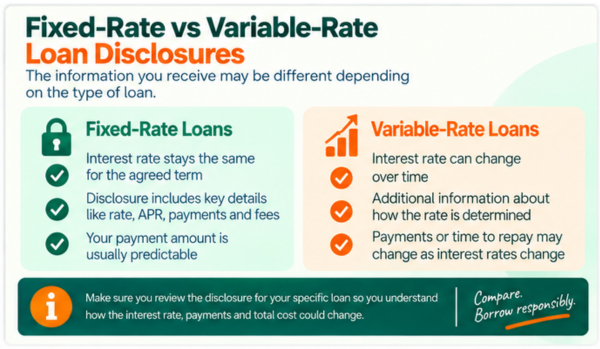
Why Knowing Your Credit Score Matters

Updated January 2026

Your credit score is one of the most important numbers in your financial life — it can affect your ability to rent an apartment, qualify for a car loan, or even get a credit card. The good news? Getting your free credit report Canada is quick, safe, and easy through FatCat Loans.

If you’re working toward better credit, here’s our complete guide on how to improve your credit score in Canada.

By checking your report, you’ll know where you stand financially, spot errors that could hurt your score, and take steps toward better credit health. Not sure how often you should review it? Here’s how often you should check your credit report based on your goals and risk level.

In this guide, we’ll walk you through how to access your free credit report with FatCat Loans and what to do once you have it.

Get your free credit report with FatCat Loans here.

What Is a Credit Report (and Why It’s Important)?

A credit report is a detailed summary of your borrowing history. It includes:

  • Your credit accounts (like loans and credit cards)
  • Payment history and missed payments
  • Credit limits and balances
  • Public records (like bankruptcies or collections)

If you notice accounts you don’t recognize, your credit report can help you catch fraud early — here’s how to protect yourself from identity theft in Canada.

Credit reporting agencies — Equifax and TransUnion — use this data to calculate your credit score, a three-digit number between 300 and 900 that lenders use to determine your creditworthiness.

The higher your score, the better your chances of getting approved for loans, mortgages, or credit cards — and at lower interest rates.

How to Get a Free Credit Report Canada Through FatCat Loans

At FatCat Loans, we believe every Canadian deserves access to their credit information without paying fees or going through complicated steps.

Here’s how you can get your free credit report today:

Step 1: Visit FatCat Loans

Go to the FatCat Loans platform and select the “Free Credit Report” option. This feature allows you to securely access your personal credit information in just minutes.

Step 2: Complete Your Information

You’ll provide a few basic details — your name, date of birth, address, and identification number — to verify your identity safely.

Your information is encrypted and kept 100% confidential.

Step 3: View Your Free Credit Report Canada Instantly

Once verified, you’ll see your full credit report and score. It includes:

  • Your total credit accounts
  • Payment history
  • Current balances
  • Score range and rating

You can download your report for personal reference or revisit it anytime to track your progress.

Step 4: Get Tailored Loan Options

After viewing your credit report, FatCat Loans can instantly match you with loan offers that fit your profile — whether that’s personal loans, bad credit loans, or debt consolidation loans.

This means you’ll know exactly what loan options are realistic based on your score — no guesswork, no unnecessary credit checks.

The Benefits of Getting Your Free Credit Report Canada

Benefit Description
💳 Understand Your Financial Standing Know exactly where your credit score stands before applying for a loan.
🧾 Spot and Fix Errors Identify inaccuracies or fraudulent accounts quickly.
💰 Save on Interest A better credit score can qualify you for lower loan rates.
📈 Track Your Progress See how responsible borrowing improves your score over time.
🔒 Secure and Private FatCat Loans uses advanced encryption to keep your data safe.

Checking your credit doesn’t hurt your score — it’s considered a soft inquiry. If you’re comparing lenders or applying for credit soon, it’s worth understanding soft credit checks vs hard credit checks in Canada.

What to Do If Your Credit Score Is Low

If your free credit report shows a lower score than expected, don’t panic — it can be improved.

Here are a few quick ways to boost your credit health:

  • Pay bills on time: Payment history makes up 35% of your score.
  • Keep credit use below 30%: Don’t max out your credit cards.
  • Avoid multiple loan applications: Too many “hard inquiries” can temporarily lower your score.
  • Consider a small personal loan: Responsible repayment can help rebuild your credit faster.

Once your score starts improving, the next step is keeping it stable — here are practical habits to protect your credit score from dropping.

If you want a simple step-by-step plan you can follow right away, use our Raise Credit Score Fast Checklist.

Explore personal or bad credit loan options through FatCat Loans to start rebuilding today.

Why Choose FatCat Loans for Your Free Credit Report Canada

FatCat Loans isn’t just another lending site — it’s your all-in-one financial partner.

Here’s why Canadians trust FatCat Loans to manage their credit journey:
Fast, secure credit report access
Personalised loan matches based on your credit profile
No fees or hidden charges for checking your report
Trusted Canadian lenders with transparent terms

Once you know your score, FatCat Loans helps you take the next step — from understanding your credit to finding loans that fit your budget.

Get your free credit report by clicking here with FatCat Loans.

Frequently Asked Questions (FAQs)

How often can I check my credit report for free?

You can request your free credit report Canada anytime through FatCat Loans — it’s updated regularly to reflect your latest financial data.

Will checking my credit hurt my score?

No. It’s a soft inquiry, meaning it has no impact on your credit score.

How long does it take to get my report?

Just a few minutes! Once your identity is verified, your report is available instantly.

What if I find an error on my report?

Contact the credit bureau (Equifax or TransUnion) directly to dispute any incorrect information.

Can I apply for a loan after checking my report?

Absolutely. Once you know your credit standing, FatCat Loans can help you compare personal, bad credit, or debt consolidation loans to suit your needs.

Conclusion: Know Your Credit, Control Your Future

Getting your free credit report Canada is the first step toward smarter financial decisions — and it’s never been easier. With FatCat Loans, you can access your credit report instantly, track your score, and find loan options that match your current situation.

Knowledge is power — and understanding your credit today puts you in control of your financial tomorrow.

Credit improvements aren’t instant, but progress adds up — here’s how long it takes to raise your credit score in Canada depending on your situation.

👉 Check your free credit report now through FatCat Loans and start building a stronger financial future with confidence.

Disclosure:  This article is for informational purposes only and does not constitute financial advice. Loan terms, rates, and eligibility vary by lender and province. FatCat Loans is a loan comparison platform, not a lender. Always review lender agreements carefully before accepting a loan.

Loan Options Canada: 4 Common Types of Loans You Can Choose From

Explore the main loan options available in Canada — from flexible personal loans and bad-credit loans to debt consolidation and fast online loans. This guide helps you understand how each works, when to use them, and how to choose the right borrowing solution for your financial needs.

Understanding Your Loan Options in Canada

Whether you’re covering emergency expenses, consolidating debt, or funding a big purchase, knowing your loan options Canada can help you make smarter financial decisions.
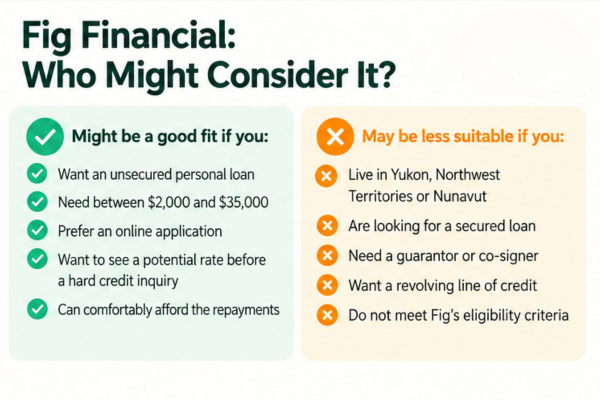
At FatCat Loans, we help Canadians compare and apply for trusted loans online — safely, quickly, and with lenders who understand your unique situation.

In this guide, we’ll explore four of the most common types of loans in Canada, how each one works, and which might be right for you.

1. Personal Loans — The Most Flexible Option

A personal loan is one of the most versatile financial products available. It’s typically an unsecured loan, meaning you don’t need to put up any collateral like a car or property.

When to Use a Personal Loan

  • Home improvements or renovations
  • Major purchases (furniture, appliances, travel)
  • Medical or dental expenses
  • Covering unexpected bills

Why Canadians Choose Personal Loans

  • Fixed interest rate and repayment term
  • Predictable monthly payments
  • Competitive interest rates for borrowers with good credit

💡 Tip: Even if your credit isn’t perfect, some lenders offer personal loans with flexible terms — check your options on FatCat Loans to compare rates and approval criteria.

2. Bad Credit Loans — For Borrowers Rebuilding Credit

If you’ve been turned down by banks or have a low credit score, bad credit loans may be the best option. These loans are designed for Canadians who need financial help while working on improving their credit profile.

When to Consider a Bad Credit Loan

  • You have missed payments or defaults on your credit report
  • You’re rebuilding credit after job loss or financial hardship
  • You need emergency funds quickly but can’t qualify through a bank

Why Bad Credit Loans Work

  • Lenders look at affordability, not just your score
  • Flexible approval criteria
  • Opportunity to rebuild credit with consistent repayments

💡 Pro Tip: Pay on time and in full — each successful payment helps improve your credit score, opening doors to lower interest rates later.

3. Debt Consolidation Loans — Simplify Your Payments

If juggling multiple debts feels overwhelming, a debt consolidation loan can help you combine everything into one easy monthly payment.

When to Choose a Debt Consolidation Loan

  • You carry multiple credit card balances or short-term borrowing.
  • You’re struggling to manage high-interest balances
  • You want to simplify payments into one lower-rate loan

The Benefits

  • One payment instead of several
  • Reduced interest costs over time
  • Easier budgeting and stress-free repayment

💡 Example: Suppose you owe $8,000 across three credit cards at 22% interest. A consolidation loan at 13% could save you hundreds of dollars per year — while improving your credit through steady repayments.

4. Online Loans — For Fast, Short-Term Cash

When emergencies strike, you don’t always have time to wait for a bank approval. Online loans offer fast access to funds — often within hours of applying.

Best For

  • Urgent car repairs
  • Emergency travel
  • Medical expenses or utility bills

Key Benefits

  • Online approval within minutes
  • No paperwork or branch visits
  • Funds deposited directly into your account

While online loans are convenient, they usually have shorter repayment terms. Always borrow responsibly — and only what you can afford to repay.

Comparing the 4 Main Loan Options in Canada

Loan Type Best For Approval Time Credit Requirements
Personal Loan General expenses 1–2 days Good to fair credit
Bad Credit Loan Rebuilding credit Same day–2 days Flexible
Debt Consolidation Loan Combining debts 1–3 days Fair to good credit
Instant Loan Emergency cash Minutes to hours Moderate

No matter which option fits you best, FatCat Loans helps Canadians connect with legitimate, NCR-compliant lenders offering transparent terms and fast approval times.

How to Choose the Right Loan Option

Before applying, ask yourself:

  • How much do I really need to borrow?
  • Can I comfortably afford the monthly payments?
  • Is my goal short-term (emergency) or long-term (debt relief)?

💡 Tip: Compare multiple offers through FatCat Loans — our platform lets you find the right lender based on your income, credit, and needs, all in one place.

What to Do If You’re Declined for a Loan

If your application isn’t approved, don’t panic — it happens to many borrowers. You can:

  • Check for errors on your credit report
  • Try a smaller loan amount
  • Explore bad credit loans or online loans
  • Reapply after improving your debt-to-income ratio

We even have a full guide on this — check out our blog “What to Do If Your Loan Has Been Declined” for expert tips.

View loan options Canada online with FatCat Loans

Frequently Asked Questions (FAQs)

What’s the easiest type of loan to get in Canada?

Usually, instant or bad credit loans are the easiest to qualify for — especially through online lenders.

What loan offers the lowest interest rates?

Typically, personal loans or secured loans (backed by assets) have lower rates than short-term options.

Can I get a loan with bad credit?

Yes! Visit our bad credit loans page to explore flexible options designed for all credit types.

How fast can I get the money?

Depending on the lender, you can receive funds within hours for instant loans, or 1–3 business days for personal or consolidation loans.

Are online loans safe in Canada?

Absolutely — as long as you apply through licensed, reputable platforms like FatCat Loans.

Conclusion: Choose the Loan That Fits Your Financial Goals

Understanding your loan options Canada empowers you to make confident borrowing decisions — whether it’s for emergencies, debt management, or rebuilding your credit.

At FatCat Loans, we make comparing and applying simple. With access to trusted Canadian lenders, you can get matched to the best loan type for your situation — fast, safely, and online.

👉 Apply now at FatCat Loans to explore the top loan options in Canada and take the next step toward financial freedom.

Disclosure:  This article is for informational purposes only and does not constitute financial advice. Loan terms, rates, and eligibility vary by lender and province. FatCat Loans is a loan comparison platform, not a lender. Always review lender agreements carefully before accepting a loan.

Loan Declined Canada: What to Do Next and How to Get Approved

Getting a loan declined in Canada can be stressful, but it doesn’t have to be the end of the road. This guide explains common reasons applications are rejected — like low credit scores, high debt-to-income ratios, or missing information — and offers practical steps to review your credit, improve your profile, and find better-suited lenders to secure approval next time.

When Your Loan Gets Declined — What It Really Means

Getting a message that your loan was declined Canada can be stressful — especially when you need funds for something important like car repairs, bills, or debt repayments. But here’s the good news: a declined loan doesn’t mean you’re out of options or that your financial future is over.

In many cases, loan rejections in Canada are temporary — often caused by small issues like missing documents, a short credit history, or a high debt-to-income ratio. Once you understand why it happened, you can take simple steps to turn that “no” into a “yes.”

At FatCat Loans, we help Canadians who’ve experienced a loan declined find alternative lenders offering flexible, fair, and fast approval options — even with less-than-perfect credit.

1. Understand Why Your Loan Was Declined

Before reapplying anywhere, it’s important to figure out what went wrong. Common reasons for loan rejection include:

  • Low credit score (often below 600)
  • High debt-to-income ratio — lenders worry about repayment ability
  • Unstable employment history
  • Missing or inaccurate information on your application
  • Too many recent credit applications
  • Insufficient income for the requested amount

💡 Tip: Lenders are required by law to tell you why your loan was declined. If they don’t, ask for a written explanation — it’s your right.

If your credit score is the problem, you can still qualify for options like bad credit loans through trusted lenders on FatCat Loans.

2. Check Your Credit Report for Errors

Mistakes on your credit report can easily cause a loan declined Canada situation. Request your free annual credit report from:

Get a copy of your free credit report here.

Review it for:
✅ Incorrect late payments
✅ Accounts that don’t belong to you
✅ Wrong balances or credit limits

If you find errors, file a dispute immediately — correcting them can improve your credit score within weeks.

3. Don’t Apply Again Right Away

It’s tempting to apply somewhere else immediately after a decline, but that can hurt your credit further. Every “hard inquiry” can lower your score slightly.

Instead, wait at least 30–60 days, review what went wrong, and make improvements before reapplying.

💡 In the meantime, use pre-qualification tools on FatCat Loans — they run soft checks that don’t impact your credit score.

4. Consider a Smaller Loan Amount

Sometimes, your application is declined because the requested loan amount is too high based on your income or debt ratio.

Try applying for a smaller amount, or explore flexible options like:

A smaller loan shows lenders that you’re realistic and responsible about borrowing within your means.

5. Improve Your Credit Score Before Reapplying

You don’t need a perfect score to get approved — but even small improvements can make a big difference. Here’s how:

  • Pay all bills on time (especially credit cards).
  • Keep credit card balances below 30% of your limit.
  • Avoid closing old accounts (they boost your credit age).
  • Check for and remove any collections or errors.

If your score is improving but still not ideal, consider applying for bad credit loans — designed specifically for borrowers working to rebuild their credit.

6. Reduce Your Debt-to-Income Ratio

Lenders want to see that your existing debts don’t eat up too much of your income. Aim for a debt-to-income ratio under 40%.

Here’s how to lower it:

  • Pay down credit cards aggressively.
  • Avoid new credit applications.
  • Consider a debt consolidation loan to combine multiple debts into one lower-interest payment.

Not only does this improve your ratio — it also makes managing your monthly budget easier.

7. Explore Alternative Lenders

If traditional banks have declined your application, don’t give up. Alternative or private lenders often have more flexible approval criteria.

Through FatCat Loans, you can compare multiple lenders offering:

  • Personal loans (secured & unsecured)
  • Bad credit loans
  • Instant approval loans
  • Debt consolidation options

These lenders look at your current affordability — not just your credit history.

8. Add a Co-Signer (If Possible)

Adding a co-signer with good credit can dramatically improve your approval chances and lower your interest rate.

Just be sure your co-signer understands the risk — they’ll be legally responsible for repayment if you can’t make payments.

9. Show Proof of Stability

Lenders value reliability. Improve your application by demonstrating:
Consistent income (via recent pay stubs)
Stable address history (at least 6–12 months)
Lower spending habits (bank statements help show responsible financial behaviour)

These details can help you get approved, especially when applying through platforms like FatCat Loans that match borrowers to lenders based on affordability, not perfection.

10. Reapply Confidently — with the Right Lender

Once you’ve addressed the issues that caused the decline, you can reapply — this time strategically.

Instead of applying blindly across multiple sites, visit FatCat Loans to:

  • Compare trusted, licensed lenders across Canada.
  • Get matched in minutes with offers suited to your income and credit.
  • Apply online 24/7 with a fast, secure process.

Apply at FatCat Loans if you have had a loan declined Canada.

Frequently Asked Questions (FAQs)

Does being declined for a loan hurt my credit?

A single loan decline usually has little impact on your credit score. However, the hard credit inquiry associated with an application may cause a small, temporary dip. Multiple applications within a short period can add up and negatively affect your score.

Can I get a loan after being declined?

Yes. Many Canadians are approved after a decline by improving their financial profile or applying with lenders that use different approval criteria. Platforms like FatCat Loans help match borrowers with lenders that may accept applicants who were declined elsewhere.

How long should I wait before reapplying for a loan?

It’s generally best to wait 30 to 60 days before reapplying. During this time, you can improve your chances by reducing outstanding debt, making on-time payments, or correcting errors on your credit report.

Can I still get a loan with bad credit?

Yes. Some lenders specialize in bad credit loans and focus more on income, employment stability, and affordability than credit score alone. These options can also support credit rebuilding when managed responsibly.

Should I consider a short-term loan?

Short-term, high-cost loans should generally be a last resort for emergency situations. They often come with very high fees and effective interest rates. Comparing alternatives such as personal loans or installment loans can help you find safer, more affordable options.

Conclusion: A Declined Loan Isn’t the End of the Road

Getting a loan declined in Canada can feel discouraging, but it’s just a bump — not a dead end. With the right steps, you can rebuild your financial profile, improve your credit score, and get approved next time.

At FatCat Loans, we make that process easier. Our platform connects you to trusted Canadian lenders offering personal, bad credit, and debt consolidation loans designed to fit your situation.

👉 Apply now at FatCat Loans — and take your next step toward financial confidence today.

Disclosure:  This article is for informational purposes only and does not constitute financial advice. Loan terms, rates, and eligibility vary by lender and province. FatCat Loans is a loan comparison platform, not a lender. Always review lender agreements carefully before accepting a loan.

Credit Counselling Canada: How It Helps You Regain Financial Control

Explore credit counselling in Canada — what it is, how it works, and how certified counsellors can help you manage debt, budget better, and create a plan to improve your financial health. Learn key benefits, common services, and how to choose the right provider for your needs.

Why Canadians Are Turning to Credit Counselling

If your debt feels overwhelming, you’re not alone. Across Canada, rising living costs, inflation, and record-high credit card interest have pushed thousands of households into financial stress. The positive news? Credit Counselling Canada programs can help you regain control, reduce monthly payments, improve budgeting habits, and work toward financial stability – without filing for bankruptcy.

At FatCat Loans, we understand that every borrower’s situation is unique. That’s why we connect Canadians to trusted debt-relief options – from consolidation loans to professional credit counselling – so you can choose the path that fits your goals.

To compare multiple relief strategies, visit our Debt Relief & Consolidation Canada guide.

What Is Credit Counselling Canada?

Credit Counselling Canada refers to professional financial guidance designed to help individuals manage debt, rebuild credit, and develop strong money-management skills.

Certified credit counsellors assist by:

  • Reviewing your full financial situation
  • Creating a realistic monthly budget
  • Providing financial education and credit coaching
  • Negotiating lower interest rates with creditors
  • Helping you enter a structured repayment program

Unlike bankruptcy or consumer proposals, credit counselling focuses on education, empowerment, and long-term financial improvement.

How Credit Counselling Works in Canada

Here’s what you can expect:

1. Free Initial Consultation

Meet online or in person with a certified counsellor to assess your income, debts, expenses, and financial challenges.

2. Financial Review & Budget Support

The counsellor helps you design a realistic spending plan and understand your options – including consolidation loans, repayment plans, or alternative solutions.

3. Debt Management Plan (DMP)

If appropriate, the counsellor can negotiate with your creditors to lower or eliminate interest and combine debts into one affordable monthly payment.

4. Education & Ongoing Support

You’ll receive guidance on rebuilding credit, reducing reliance on borrowing, and maintaining long-term financial health.

Many credit counselling organizations in Canada are non-profit – meaning their goal is to help, not profit from your debt.

Top Benefits of Credit Counselling Canada

Benefit Why It Matters
Lower Interest Rates Counsellors can often negotiate reduced or zero interest on unsecured debts.
Simplified Payments Combine multiple payments into one easy monthly plan.
Avoid Bankruptcy Protect your credit rating and assets while paying down debt.
Professional Guidance Get advice from certified financial experts.
Rebuild Your Credit Consistent payments through a DMP can improve your score over time.
Financial Education Learn budgeting, credit use, and money management skills that last a lifetime.

Credit Counselling vs. Debt Consolidation Loans

While both help with debt, they work differently.

Feature Credit Counselling Debt Consolidation Loan
How It Works Counsellor negotiates with creditors to reduce interest and create a payment plan You borrow a new loan to pay off existing debts
Impact on Credit Minimal (may show as “managed” accounts) Slight drop initially, improves with repayment
Who It’s Best For Those with multiple unsecured debts & high interest Borrowers with stable income & fair credit
Key Benefit Education & support Simplifies payments under one loan

If you prefer a structured loan instead, compare options in our Consolidation Loans Canada guide.

Who Should Consider Credit Counselling?

Credit counselling may be right for you if you:

✅ Struggle to make minimum payments
✅ Carry multiple high-interest credit cards
✅ Receive collection calls or past-due notices
✅ Want to avoid bankruptcy or consumer proposals
✅ Need guidance building a sustainable budget
✅ Feel overwhelmed and unsure where to start

Even if debt isn’t severe yet, early counselling can prevent larger financial issues later.

Credit Counselling and Your Credit Score

Not significantly – and often positively over time.

  • Your accounts may be reported as “managed,” but this is far less damaging than missed payments or insolvency.
  • Making consistent payments through a DMP may improve your credit score.
  • Learning better financial habits helps protect future borrowing power.

For borrowers looking to rebuild responsibly, explore personal or bad credit loans after completing counselling.

Alternatives to Credit Counselling

If counselling isn’t the right fit, consider these alternatives:

  • Debt consolidation loans – Combine multiple debts under one low-interest loan.
  • Consumer proposals – Legally reduce unsecured debts through a Licensed Insolvency Trustee.
  • Personal loans – For short-term or one-time expenses.
  • Budget coaching or financial planning – Great for improving long-term money management.

Each option has pros and cons – compare them before choosing the best path for your situation.

How to Find Trusted Credit Counselling in Canada

Look for organizations that:

✅ Are accredited non-profits, such as Credit Counselling Canada
✅ Employ certified counsellors (AFCC, CAIRP, or equivalent)
✅ Provide transparent fees, timelines, and processes
✅ Never promise “instant credit repair” or guaranteed results

For objective government guidance, visit the Financial Consumer Agency of Canada.

Check here if you need credit counselling Canada.

Frequently Asked Questions (FAQs) – Credit Counselling & Debt Management

Is credit counselling free in Canada?

Many non-profit credit counselling agencies in Canada offer free initial consultations to review your financial situation. If you enroll in a Debt Management Plan (DMP), there may be a small monthly administrative fee, which is usually included in your repayment plan and disclosed upfront.

How long does credit counselling take?

The counselling session itself may take one to two hours. If you proceed with a Debt Management Plan, repayment programs typically last three to five years, depending on the amount of debt and agreed-upon payment terms.

Can credit counselling stop collection calls?

In many cases, yes. Once creditors agree to participate in your Debt Management Plan, they usually stop collection calls and instead work directly with the credit counselling agency while you make scheduled payments.

Can I still apply for loans while in credit counselling?

Possibly. Some lenders may approve loans based on income stability and affordability, but access to new credit is often limited during a Debt Management Plan. Approval depends on the lender’s policies and your overall financial profile.

Does credit counselling eliminate debt?

No. Credit counselling does not erase or forgive debt. Instead, it helps you repay what you owe in a more structured and affordable way, often by reducing interest rates and consolidating payments into one monthly amount.

Final Thoughts:  Is Credit Counselling Canada Right for You?

Credit Counselling Canada is one of the most supportive, educational, and affordable ways to regain financial stability. Whether you’re overwhelmed by credit cards or simply want expert budgeting guidance, counselling can help you take control, reduce stress, and move toward a debt-free future.

Ready to Explore Your Next Step?

At FatCat Loans, we connect Canadians to trusted debt-relief solutions – including credit counselling and consolidation-friendly lenders.

✅ Compare debt solutions confidently
✅ Access helpful financial tools & guidance
✅ Make an informed, stress-free decision

Apply or explore support options today – and take back control of your financial future.

Disclosure:  This article is for informational purposes only and does not constitute financial advice. Loan terms, rates, and eligibility vary by lender and province. FatCat Loans is a loan comparison platform, not a lender. Always review lender agreements carefully before accepting a loan.

Secured Loans Canada: A Complete Guide to Borrowing with Confidence

Understanding secured loans in Canada can help you access credit with lower interest and flexible terms. This guide explains how secured loans work, common types of collateral, the benefits and risks, and tips for finding the right option for your financial situation.

What Are Secured Loans Canada and How Do They Work?

If you’re exploring borrowing options and want lower interest rates or higher loan limits, secured loans Canada may be the right fit. These loans are backed by collateral—such as a home, car, or investment—which reduces lender risk and improves your approval chances, even with less-than-perfect credit.

At FatCat Loans, we connect Canadians with licensed lenders offering secured and unsecured borrowing options. Whether you’re consolidating debt, renovating your home, or financing a major purchase, secured loans can provide affordable and flexible financing.

This guide explains how secured loans work, who qualifies, the benefits, risks, and how to apply.

What Are Secured Loans Canada?

A secured loan is a type of financing backed by collateral—an asset you own that holds financial value. If the borrower fails to repay, the lender may claim the asset to recover losses.

Common examples of secured loans in Canada include:

  • Home equity loans
  • Auto title loans
  • Secured personal loans
  • GIC- or RRSP-secured loans
  • Secured lines of credit

Because lenders assume less risk, secured loans often include:

  • Lower interest rates
  • Higher borrowing limits
  • Longer repayment timelines
  • More flexible approval requirements

For unsecured alternatives, explore Personal Loans Canada.

Secured Loans Canada vs. Unsecured Loans: Key Differences

Feature Secured Loans Unsecured Loans
Collateral Required Yes No
Interest Rates Lower Higher
Loan Amounts Higher (up to $100K+) Lower (up to $50K)
Approval Speed Moderate Fast
Credit Requirements More flexible Depends heavily on credit
Risk Asset can be repossessed No asset risk

If you’re comparing the two, read our guide: Secured vs Unsecured Loans Canada.

How to Apply for Secured Loans Canada

Applying for a secured loan is straightforward. Most lenders follow this process:

  1. Choose Your Collateral
    Homes, cars, investments, or savings accounts are most common.
  2. Determine Your Loan Amount
    Consider your purpose—renovations, debt consolidation, business funding, etc.
  3. Compare Lenders
    Use FatCat Loans to get matched with lenders offering competitive secured loan rates in Canada.
  4. Submit an Application
    Provide personal, financial, and collateral information.
  5. Sign the Agreement
    Review the APR, repayment term, fees, and collateral conditions before accepting.

To compare loan options easily, visit FatCat Loans.

Who Qualifies for Secured Loans Canada?

Approval requirements vary, but most lenders expect borrowers to:

  • Be at least 18 and a Canadian resident
  • Show proof of income
  • Provide verifiable collateral
  • Demonstrate ability to repay
  • Maintain active banking information

Even borrowers with poor or limited credit history may qualify due to collateral security. If you prefer unsecured borrowing, explore Bad Credit Loans Canada.

Benefits of Secured Loans Canada

Benefit Why It Matters
Lower Interest Rates Reduce borrowing costs
Higher Loan Limits Finance large purchases
Flexible Terms Easier budgeting
Credit-Building Potential Improve your credit score
Accessible for Fair Credit Collateral supports approval

Many Canadians use secured loans to consolidate debt—learn more at Debt Consolidation Loans Canada.

Risks of Secured Loans in Canada

Secured loans are beneficial, but borrowers should understand potential drawbacks:

  • Failure to repay may lead to asset repossession
  • Appraisal or administrative fees may apply
  • Missed payments impact your credit score
  • Longer terms may increase total interest costs

Always assess your long-term repayment ability before borrowing.

For guidance, review government consumer lending resources at the Financial Consumer Agency of Canada.

Alternatives to Secured Loans Canada

If using collateral isn’t ideal, consider:

Choosing the right option depends on loan size, urgency, credit score, and repayment timeline.

Most Common Uses for Secured Loans Canada

Borrowers typically use secured loans for:

  • Home repairs or improvements
  • Vehicle purchases or refinancing
  • Debt consolidation
  • Investment or business startup
  • Education costs
  • Major life events

If you’re consolidating debt, see Credit Card Debt Consolidation Canada.

Apply for secured loans Canada with FatCat Loans.

Frequently Asked Questions (FAQs)

What can be used as collateral for secured loans Canada?

Common examples include homes, vehicles, investments, or savings accounts.

Do secured loans affect my credit score?

Yes — paying on time helps build credit; missed payments hurt it.

Can I get a secured loan with bad credit?

Many lenders accept applicants with weaker credit if strong collateral is provided.

How long does approval take?

Typically 24–72 hours, depending on asset verification and lender requirements.

Where can I compare secured loan lenders in Canada?

Visit FatCat Loans to get matched instantly with trusted lenders.

Conclusion: Is a Secured Loan Right for You?

Secured loans Canada offer affordable borrowing with lower rates, higher loan limits, and flexible repayment options—making them ideal for Canadians with collateral and predictable income. As long as payments are made on time, secured loans can be one of the most cost-effective financing solutions available.

If you’re ready to compare lenders and secure the best rates, start your application today through FatCat Loans.

Apply now and find the right secured loan for your financial goals.

Disclosure:  This article is for informational purposes only and does not constitute financial advice. Loan terms, rates, and eligibility vary by lender and province. FatCat Loans is a loan comparison platform, not a lender. Always review lender agreements carefully before accepting a loan.

Consumer Proposal Canada: Guide to Debt Relief

Debt can feel overwhelming, but a Consumer Proposal in Canada may offer a practical path forward. This article explains how consumer proposals work, who they’re for, how they affect your credit, which debts are included, and how they can stop collection calls while helping you protect your income and assets.

How a Consumer Proposal Canada Can Help You Start Fresh

If debt feels overwhelming, you’re not alone — thousands of Canadians each year search for realistic, long-term financial solutions. A Consumer Proposal Canada offers a legal way to reduce unsecured debt, protect your income and assets, and avoid bankruptcy while rebuilding your financial future.

At FatCat Loans, we recognize that every financial situation is different. Some borrowers qualify for consolidation loans or personal loans to regain control, while others benefit from filing a consumer proposal when debt becomes unmanageable.

To understand all available relief options, visit our Debt Relief & Consolidation Canada resource.

What Is Consumer Proposal Canada?

A Consumer Proposal Canada is a formal, legally binding agreement between you and your creditors that allows you to repay a reduced portion of what you owe. It must be filed through a Licensed Insolvency Trustee (LIT) under Canada’s Bankruptcy and Insolvency Act.

Once filed, a consumer proposal:

  • Stops interest on unsecured debts
  • Halts collection calls and lawsuits
  • Prevents wage garnishment
  • Consolidates multiple debts into one structured monthly payment

Unlike bankruptcy, a proposal allows you to keep your home, vehicle, and other assets — as long as payments remain current.

For an objective government overview, visit the Office of the Superintendent of Bankruptcy Canada.

Who Qualifies for a Consumer Proposal Canada?

You may be eligible if you:

✅ Are insolvent — unable to pay debts as they become due
✅ Owe less than $250,000 in unsecured debt (excluding mortgage)
✅ Are a Canadian resident with steady income
✅ Want to avoid bankruptcy but still need formal debt relief

If your debt is smaller and income stable, a Consolidation Loans Canada solution may be more suitable and less impactful on credit.

Step-by-Step: How a Consumer Proposal Canada Works

Free Consultation With a Licensed Insolvency Trustee

The trustee reviews your finances and recommends appropriate solutions — including whether a consumer proposal is the best option.

Proposal Creation

You and your LIT determine an affordable repayment amount — usually 20–70% of your total unsecured debt.

Filing the Proposal

Once filed, all collection activity, interest charges, and legal actions must stop immediately.

Creditor Vote

Creditors have 45 days to accept or reject. If the majority (by dollar value) vote yes, the proposal becomes legally binding on all creditors.

Make Payments

You make one fixed monthly payment for up to five years, and your LIT distributes funds to creditors.

Completion & Certificate of Full Performance

Once paid, your remaining eligible debt is discharged — giving you a financial reset.

If your debt is temporary or short-term, a personal loan may resolve issues faster without filing a proposal.

Advantages of a Consumer Proposal Canada

Benefit Why It Matters
Keep Your Assets Maintain ownership of your car and home if payments are current.
Stop Interest All included debts freeze interest from the filing date.
One Affordable Payment Simplifies multiple debts into one predictable amount.
Creditor Protection Stops wage garnishments and legal action immediately.
Credit Rebuilding Potential Offers a structured path to recovery versus bankruptcy.

A proposal provides structure, protection, and relief — which can be life-changing for deeply indebted Canadians.

Disadvantages to Consider

Before filing, understand the drawbacks:

❌ Negative credit rating (R7) for up to 3 years after completion
❌ Missed payments may cause proposal annulment
❌ Must pay fees to Licensed Insolvency Trustee (included in payments)
❌ Secured debts — like mortgages & car loans — are not included
❌ Public record under the Bankruptcy and Insolvency Act

If you want relief without credit impact, consider consolidation or counselling first.

Consumer Proposal Canada vs Debt Consolidation Loans

Feature Consumer Proposal Debt Consolidation Loan
Legal Process Filed via a Licensed Insolvency Trustee Arranged through a lender or broker
Credit Impact R7 (moderate damage) Less severe, if paid responsibly
Keeps Assets? Yes Yes
Interest Charges Stopped on unsecured debts Lower interest, still applies
Who It’s Best For Deep debt, legal protection needed Manageable debt, stable income

Not sure which applies? Read our Consolidation Loans Canada guide for comparison.

Life After a Consumer Proposal: Rebuilding Credit

Completing a proposal isn’t the end — it’s a fresh financial beginning.

To rebuild credit:

✅ Request updated credit reports
✅ Dispute any incorrect records
✅ Apply for a secured credit card
✅ Pay bills on time — every time
✅ Keep balances low and avoid new debt
✅ Build savings gradually

When ready, FatCat Loans can help you explore responsible bad credit loan options to strengthen your credit profile further.

Alternatives to a Consumer Proposal Canada

If a proposal isn’t the right fit, consider:

Debt Consolidation Loan

Ideal for manageable debt and steady income.

Credit Counselling

Helpful for interest reduction without legal filing.

Bankruptcy

A last-resort option when insolvency is severe.

Short-Term or Emergency Loans

Useful for temporary financial gaps — use responsibly.

Before choosing, compare interest, total repayment cost, and long-term credit impact.

A guide to how a consumer proposal Canada can help.

Frequently Asked Questions (FAQs) About Consumer Proposal Canada

How long does a consumer proposal last?

Typically 3–5 years, depending on repayment terms.

Does it affect my credit score?

Yes, R7 rating, but long-term recovery is possible with good habits.

Are collection calls required to stop?

Yes, immediately upon filing.

Can I pay off a proposal early?

Yes, and doing so may speed up credit rebuilding.

What debts are included?

Credit cards, short-term loans, lines of credit, personal loans, some tax debts.

Do I lose my home or vehicle?

Not if payments on secured debts are current.

Final Thoughts:  Is a Consumer Proposal Canada Right for You?

A Consumer Proposal Canada can offer a structured, legal, and affordable solution for Canadians facing overwhelming unsecured debt. It protects assets, reduces repayment amounts, and provides breathing room — but it’s not the only option.

Before filing, explore all solutions — from consolidation loans to credit counselling — so you can make the most informed choice.

At FatCat Loans, we help Canadians compare trusted lenders and debt-relief options with confidence, clarity, and support.

👉 Compare lenders today — take the first step toward financial freedom.

Disclosure:  This article is for informational purposes only and does not constitute financial advice. Loan terms, rates, and eligibility vary by lender and province. FatCat Loans is a loan comparison platform, not a lender. Always review lender agreements carefully before accepting a loan.

Financial Tips Canada: Simple Ways to Manage Your Money

Smart financial habits matter more than ever as living costs rise across Canada. This article shares practical financial tips Canadians can use to budget better, save consistently, manage credit wisely, and build long-term financial stability before turning to borrowing.

Why Smart Financial Habits Matter More Than Ever

Managing money well is one of the most powerful skills you can develop — and that’s why finding reliable financial tips Canada can make a real difference in your everyday life. With living costs rising across the country, from groceries to gas, learning how to manage your money smartly helps you stay prepared for life’s surprises. Whether you’re in Toronto, Vancouver, or Halifax, building strong financial habits now will pay off in the long run.

At FatCat Loans, we help Canadians access personal loans, bad credit loans, and debt consolidation options safely and responsibly. But before borrowing, it’s important to master the basics — budgeting, saving, and making smarter credit decisions.

That’s why we’ve gathered these 10 helpful financial tips Canada readers can use to save more, spend wisely, and take control of their financial future.

1. Build a Budget — and Actually Stick to It

It sounds simple, but few people truly track where their money goes. Start by listing your income and monthly expenses, then separate your needs from your wants.

💡 Tip: Use budgeting apps like Mint or You Need a Budget (YNAB) to keep track of spending automatically.

Having a clear budget makes it easier to identify where you can save — and where you might need a little extra help from a personal loan.

2. Create an Emergency Fund

Unexpected expenses — like car repairs, vet bills, or medical costs — can quickly throw your finances off track. That’s why an emergency fund is essential.

Aim to save at least three to six months’ worth of living expenses. If that feels impossible right now, start small — even $50 a week can grow quickly.

If you face an emergency before your fund is ready, consider a short-term loan as a last resort to cover urgent costs responsibly.

3. Avoid Living Paycheque to Paycheque

According to Statistics Canada, nearly half of Canadians struggle to cover unexpected expenses. The best way to break this cycle? Automate your savings.

Set up automatic transfers to a savings account every time you get paid. Even $25–$100 per pay period builds momentum and financial confidence.

4. Monitor Your Credit Score Regularly

Your credit score impacts everything from loan approvals to rental applications. Check it regularly using free tools from Borrowell, Credit Karma, or Equifax Canada.

If your score needs improvement, focus on:

  • Paying bills on time
  • Keeping credit card balances below 30% of your limit
  • Avoiding too many loan applications

For those rebuilding their credit, our bad credit loans page offers options that can help strengthen your profile.

5. Consolidate High-Interest Debt

If you have multiple credit cards or loans with high interest rates, you could save money by consolidating them into a single, lower-rate loan.

A consolidation loan simplifies payments and helps you pay off debt faster — freeing up more cash for savings.

6. Be Cautious with “Buy Now, Pay Later” Offers

While convenient, these services can easily lead to overspending. Always read the fine print and understand what happens if you miss a payment.

💡 Remember: interest-free doesn’t mean risk-free. Late fees can add up fast.

7. Borrow Responsibly — Only When Necessary

Loans can be a useful tool when used wisely. Whether it’s for emergency expenses, car repairs, or home improvements, make sure the loan fits comfortably within your budget.

At FatCat Loans, we make it easy to compare multiple offers from trusted lenders — ensuring you always find a responsible borrowing option that fits your needs.

8. Build Credit by Paying on Time

Consistency is key to improving your credit. Set reminders, automate payments, or align your due dates with the day you get paid to avoid missed payments.

Timely payments don’t just protect your credit score — they also help you qualify for better loan rates in the future.

9. Cut Back on Subscriptions and Small Expenses

Many Canadians spend hundreds per year on subscriptions they barely use — streaming, fitness apps, delivery services, and more.

Audit your monthly subscriptions and cancel what you don’t need. Redirect those savings to your emergency fund or debt payments.

10. Keep Learning About Money

Financial literacy is an ongoing journey. Read personal finance blogs about financial tips Canada, listen to podcasts, and follow credible Canadian money experts.

Small steps — like understanding your credit, learning about investments, and staying informed — can help you make better decisions long term.

Bonus Tip: Plan for Tax Season Early

Don’t wait until April to think about your taxes. Keep receipts, claim eligible deductions, and use free CRA-approved software to file on time.

If you expect a refund, plan how to use it wisely — pay off debt, grow your savings, or invest in your future.

Looking for helpful financial tips through FatCat Loans?

Conclusion: Stay Smart, Stay Secure, Stay Ahead

Managing your money doesn’t have to feel overwhelming. By following these financial tips Canada, you can take control of your finances, reduce stress, and prepare for the future.

And when you do need a helping hand, FatCat Loans is here to connect you with trusted lenders across Canada — safely, quickly, and responsibly.

👉 Ready to take charge of your finances? Explore our loan options today at FatCat Loans — where smart borrowing meets financial confidence.

Frequently Asked Questions (FAQs)

How can I improve my financial health with financial tips Canada?

Start by budgeting, paying bills on time, and saving regularly. Tracking spending and building an emergency fund also helps.

What’s a good credit score in Canada?

A score above 660 is considered good. The higher your score, the better your loan and credit options.

Should I use a loan to pay off debt?

Yes, if it lowers your overall interest and simplifies repayments. Check our consolidation loans page for options.

How much should I save each month?

Experts suggest saving at least 10–20% of your income if possible. Even small, consistent contributions add up.

Are online loans in Canada safe?

Absolutely — as long as you borrow from licensed, reputable lenders like those available on FatCat Loans.

✅ Your financial health matters. Take the first step today — compare trusted lenders and apply safely through FatCat Loans.

Disclosure:  This article is for informational purposes only and does not constitute financial advice. Loan terms, rates, and eligibility vary by lender and province. FatCat Loans is a loan comparison platform, not a lender. Always review lender agreements carefully before accepting a loan.

Benefits of Online Personal Loans Canada: Fast & Flexible

Online personal loans are becoming a popular alternative to traditional bank borrowing in Canada. This article explains why more Canadians are choosing online personal loans, how they work, and how digital platforms make comparing and applying faster, easier, and more transparent.

Why Canadians Are Switching to Online Personal Loans

In recent years, online personal loans Canada have surged in popularity. With digital banking and fintech growth, Canadians now prefer the speed, transparency, and convenience of online borrowing over traditional in-person bank loans.

From emergency expenses to consolidating debt, personal loans have become a go-to financial solution. What makes them even better? You can now compare, apply, and get approved — all online with trusted platforms like FatCat Loans.

What Are Online Personal Loans Canada?

Understanding How They Work

Online personal loans are unsecured financial products that allow you to borrow money without pledging collateral. You fill out an online form, verify your details, and receive funds directly in your bank account once approved.

Secured vs. Unsecured Online Loans

  • Secured loans require collateral (e.g., car, home).
  • Unsecured loans rely on your income, employment, and credit score — most online personal loans fall under this category.

Online platforms in Canada have made this process paperless, fast, and transparent, ideal for modern borrowers.

Read more about personal loans here.

Key Benefits of Online Personal Loans Canada

1. Quick and Hassle-Free Applications

Applying takes minutes — no need for branch visits or long waits. With just a few clicks, you can complete your application and upload documents online.

2. Fast Approvals — Often the Same Day

Some lenders offer same-day approval and funding, ensuring you can cover urgent expenses without delay.

3. Access for All Credit Types

From excellent credit to rebuilding credit, online lenders cater to everyone. Some even offer no credit check options, helping those with limited history.

4. Transparent Terms and No Hidden Fees

Reputable lenders disclose all costs upfront. When comparing through FatCat Loans, you’ll see interest rates, loan terms, and fees clearly.

5. Lower Interest Rates Compared to Paycheck Loans

Personal loans are a safer and cheaper alternative to paycheck loans, which often come with predatory rates.

6. Use Funds for Any Purpose

Pay off debt, cover car repairs, or finance a wedding — lenders don’t restrict how you use your loan.

7. Better Loan Comparison Opportunities

Platforms like FatCat Loans allow borrowers to compare multiple offers side-by-side, helping you pick the best deal for your needs.

8. Privacy and Data Security

Online lenders in Canada use bank-grade encryption to secure your personal data — keeping your financial information safe.

9. Accessible Anywhere in Canada

Whether you live in Toronto, Calgary, Vancouver, or Montreal, you can access online personal loans from any device.

10. Digital Documentation and Easy Repayments

No paperwork. No long queues. Loan agreements and repayments are managed digitally for ultimate convenience.

Comparing Online Personal Loan Providers in Canada

FatCat Loans: Canada’s Trusted Loan Comparison Website

FatCat Loans helps Canadians find, compare, and apply for the best online personal loans across multiple lenders in one place. It’s free, fast, and secure — and ensures you always get the best possible rate.

Major Banks vs. Online Lenders

Feature Banks Online Lenders
Application Time 1–3 days 5–10 minutes
Approval Speed 2–5 days Same day possible
Accessibility Branch visits 100% online
Minimum Credit Score High Flexible
Fees Often higher Transparent

Who Qualifies for an Online Personal Loans Canada?

Basic Eligibility Criteria

  • Must be a Canadian resident
  • Age 18 or older
  • Have a valid bank account

Employment and Income Requirements

Most lenders require proof of employment or stable income, such as pay stubs or tax returns.

Credit Score Considerations

A good credit score increases your approval odds, but FatCat Loans features lenders who serve all credit profiles, including low or no credit.

Step-by-Step Guide: How to Apply for Online Personal Loans Canada

Step 1: Compare Loan Offers via FatCat Loans

Start by visiting FatCat Loans. Enter your details and compare lenders side-by-side.

Step 2: Choose Your Preferred Lender

Pick the lender offering the best rates and repayment terms for your financial situation.

Step 3: Submit Documents and Get Approved

Upload your ID and income proof — most lenders respond within hours.

Step 4: Receive Your Funds

Once approved, funds are deposited directly into your account, often the same day.

Common Mistakes to Avoid When Applying for Online Personal Loans Canada

  • Ignoring APRs: Always compare interest rates and fees.
  • Applying everywhere: Too many applications can hurt your credit.
  • Skipping lender verification: Only use trusted platforms like FatCat Loans.

Apply for online personal loans Canada with this button.

FAQs About Online Personal Loans Canada

Are online personal loans Canada safe?

Yes. Licensed lenders and comparison platforms like FatCat Loans follow strict Canadian financial regulations.

How fast can I receive my funds?

Some lenders offer same-day deposits, while others may take 1–2 business days.

Can I apply with bad credit?

Yes. Many online lenders cater to low-credit borrowers or offer no credit check options.

Are there fees to use FatCat Loans?

No, the service is completely free for borrowers.

Can I repay early without penalties?

Most lenders allow early repayment without extra charges, but always confirm the terms.

Do online lenders operate in all provinces?

Yes, online personal loans are available in Ontario, Alberta, BC, Quebec, and across Canada.

Conclusion: Apply Smarter with FatCat Loans

Online personal loans in Canada are revolutionizing how Canadians borrow. Whether you’re consolidating debt, managing emergencies, or improving cash flow, online options offer speed, flexibility, and transparency.

By comparing offers through FatCat Loans, you can ensure you’re getting the best deal with trusted lenders — all in one place.

Ready to take control of your finances?

👉 Apply with FatCat Loans today to compare top online personal loan offers in Canada, find your best rate, and apply in minutes — no stress, no hidden fees.

Disclosure:  This article is for informational purposes only and does not constitute financial advice. Loan terms, rates, and eligibility vary by lender and province. FatCat Loans is a loan comparison platform, not a lender. Always review lender agreements carefully before accepting a loan.

Fast Loans Canada: A Smarter Way to Borrow

When unexpected expenses arise, fast loans can provide quick financial relief. This guide explains how fast loans in Canada work, who they’re best suited for, and what working Canadians should know before applying.

Securing Fast Loans Canada

Updated February 2026

Unexpected expenses don’t wait for pay day. A car repair, medical bill, or sudden home expense can appear out of nowhere – leaving you scrambling. For working Canadians aged 30 and above, fast loans Canada can be the bridge between stress and stability.

At FatCat Loans, we specialize in helping full-time employed Canadians get the money they need – quickly, responsibly, and securely. This guide explains everything you should know before applying.

What Are Fast Loans Canada?

Fast loans are short-term personal loans designed for speed and convenience. Unlike traditional bank loans that require appointments, credit checks, and lengthy approval processes, a fast loan can often be applied for and approved entirely online.

At FatCat Loans, borrowers can:

  • Apply 24/7 online
  • Receive an instant decision
  • Access funds as soon as the same day

This makes fast loans ideal for employed Canadians who need quick financial relief without the hassle of paperwork.

Unlike payday loans, fast loans through platforms like FatCat Loans are designed with clearer terms, structured repayment schedules, and a focus on responsible borrowing. They are intended for short-term needs, not recurring debt cycles.

How Do Fast Loans Canada Work?

When you apply for fast loans Canada, you submit a short online form with your basic personal and employment details. FatCat Loans reviews your application to verify income and eligibility – not just your credit score.

Once approved, funds are transferred directly to your bank account. You then repay the loan over a set term through automatic payments.

Typical process:

  1. Complete an online application – takes about 5 minutes.
  2. Instant decision – know immediately if you qualify.
  3. Get funds – many receive money within 24 hours.
  4. Repay responsibly – fixed payments on a schedule that suits your pay cycle.

How Fast Can You Get a Fast Loan in Canada?

Speed is the primary benefit of fast loans in Canada. Many lenders prioritise quick decisions and rapid funding for eligible borrowers.

  • Application: Completed online in minutes
  • Approval: Often instant or same-day
  • Funding: Frequently deposited within hours or by the next business day

While funding speed can vary by bank and province, fast loans are among the quickest ways for employed Canadians to access short-term financial support.

Who Qualifies for a Fast Loans Canada?

FatCat Loans focuses on full-time employed Canadians who have steady income and a valid bank account.

Basic eligibility checklist:

  • 18 years or older
  • Employed full-time (or consistent income)
  • Canadian resident
  • Active chequing account

Having poor or average credit isn’t necessarily a deal-breaker – your employment and repayment ability matter more.

Benefits of Fast Loans Canada for Working Canadians

If used wisely, fast loans in Canada can be a convenient financial tool.

1️⃣ Speed and Convenience

You can apply anytime, anywhere – no physical paperwork or branch visits required.

2️⃣ Flexibility

Borrow only what you need. Many Canadians use fast loans for small emergencies such as vehicle repairs or utility bills.

3️⃣ Transparency

With FatCat Loans, there are no hidden fees or confusing clauses. Every cost and term is clearly outlined before you commit.

Common Uses for Fast Loans Canada

Fast loans aren’t just for emergencies – they’re also used for smart cash flow management:

  • Covering bills before the next paycheque
  • Paying for car maintenance or appliance repairs
  • Managing medical or dental expenses
  • Handling unexpected travel costs
  • Avoiding NSF (non-sufficient funds) bank fees

Responsible borrowing means using loans for needs, not wants.

Comparing Fast Loans and Traditional Bank Loans

Traditional bank loans can be difficult to obtain quickly, especially for smaller amounts. Banks often require strong credit and collateral, while fast-loan lenders like FatCat Loans assess real-world factors such as employment stability.

Feature Bank Loan Fast Loan (FatCat Loans)
Application Process In-person 100% online
Approval Time Days or weeks Minutes
Credit Requirements High Moderate
Funding Speed 3–5 days Same-day possible
Ideal For Large purchases Short-term needs

Loan Amounts & Interest Rates for Fast Loans in Canada

Fast loan amounts in Canada typically range from $500 to $5,000, depending on income, employment stability, province, and lender criteria.

Interest rates vary by lender and loan structure. Because fast loans prioritise speed and accessibility, rates may be higher than traditional bank loans. Borrowers should always review the APR, total repayment amount, and payment schedule before accepting an offer.

Choosing the smallest amount you need — and repaying on time — helps keep borrowing costs manageable.

How to Apply for Fast Loans Canada

Applying through FatCat Loans is quick and secure.

Step-by-step guide:

  1. Visit the secure online application page.
  2. Enter your employment and income details.
  3. Review and accept the transparent loan terms.
  4. Receive an instant decision.
  5. Get funds directly deposited into your account.

Responsible Borrowing Tips

A fast loan can help you handle financial bumps, but borrowing responsibly is key.

Tips from FatCat Loans:

  • Only borrow what you truly need.
  • Make sure repayment fits within your budget.
  • Avoid rolling over loans unnecessarily.
  • Read all terms carefully before accepting.

When managed wisely, short-term borrowing can protect your credit — not harm it.

Fast loans should be used for short-term financial needs, not ongoing expenses or long-term debt solutions.

The FatCat Loans Difference

Here’s what sets us apart in Canada’s online lending space:

  • Fast approvals for full-time employed borrowers
  • Transparent costs – no hidden charges
  • Secure digital platform
  • Canadian-based support team
  • Commitment to responsible lending

Provincial Availability

FatCat Loans proudly serves:

  • Ontario
  • Alberta
  • British Columbia
  • Quebec
  • Maritime provinces (Nova Scotia, New Brunswick, PEI, Newfoundland & Labrador)

This national reach ensures Canadians everywhere have access to fair, fast financial solutions.

Why Employment Matters More Than Credit

Traditional lenders heavily emphasize credit scores, but FatCat Loans understands that a stable job says more about reliability than a number. By prioritizing income stability, we open opportunities for more Canadians to access credit when needed.

Fast Loans in Canada: The Bottom Line

Fast loans should serve as a safety net, not a long-term fix. Used properly, they can give working Canadians the breathing room they need during tight moments.

FatCat Loans combines speed with integrity — ensuring you understand every detail before you borrow.

Apply for fast loans Canada

Frequently Asked Questions (FAQs) About Fast Loans Canada

Are fast loans Canada safe?

Yes, when you choose licensed, transparent lenders like FatCat Loans that follow provincial regulations.

Do I need good credit?

Not necessarily. Employment and steady income are the most important factors.

How much can I borrow?

It depends on your income and eligibility. FatCat Loans offers flexible amounts suited to your situation.

When will I get the funds?

Many customers receive money on the same day their loan is approved.

Can I apply anywhere in Canada?

Yes, FatCat Loans serves all major provinces, including Ontario, Alberta, BC, Quebec, and the Maritimes.

Are fast loans the same as payday loans?

No. Fast loans are short-term personal loans with structured repayment schedules, while payday loans are typically due in full on your next paycheque. Fast loans often offer more flexibility and transparency.

Ready to Apply for Fast Loans Canada?

If you’re a full-time employed Canadian who needs quick funds, FatCat Loans makes it simple.

👉 Apply Now to see how fast you could get approved today.

Disclosure:  This article is for informational purposes only and does not constitute financial advice. Loan terms, rates, and eligibility vary by lender and province. FatCat Loans is a loan comparison platform, not a lender. Always review lender agreements carefully before accepting a loan.

FatCat Loans No Hidden Fees Canada – Transparent Lending You Can Trust

Hidden fees and unclear loan terms can leave borrowers frustrated and uncertain. This article explains what “no hidden fees” really means in Canada, why transparency matters, and how FatCat Loans helps protect borrowers from unexpected costs.

No Hidden Fees Canada

Transparency is rare in lending. Hidden fees, confusing small print, and unclear repayment terms often leave borrowers frustrated and uncertain. That’s why FatCat Loans no hidden fees Canada has become a key differentiator in the Canadian short-term lending market. FatCat Loans believes every borrower deserves full clarity — no surprises, no hidden charges, no misleading fine print.

This article explores what “no hidden fees” really means, why transparency matters, how FatCat Loans protects you from unexpected costs, and what makes their process one of the most trusted in Canada.

What Does “No Hidden Fees Canada” Really Mean?

A hidden fee is any cost not clearly disclosed before a borrower signs an agreement. It could be buried in fine print, appear later in repayment, or be disguised as an administrative charge.

FatCat Loans’ Approach to Transparency

FatCat Loans no hidden fees Canada means:

  • Every cost is presented upfront before you apply.
  • You can review all fees, interest, and repayment details on-screen.
  • You get an electronic agreement showing total repayment amount — nothing more, nothing less.

No vague “processing” or “service” fees. No mid-loan surprises. Just clear, upfront pricing and easy-to-read terms.

Why Transparent Lending Matters in Canada

Canadians deserve financial products that are simple and honest. Transparent lending:

  • Builds trust between borrower and lender.
  • Helps borrowers make informed decisions.
  • Reduces stress and confusion during repayment.
  • Protects customers under provincial lending laws that require disclosure.

When you see FatCat Loans no hidden fees Canada, it means your lender is meeting not just the letter of the law but the spirit of fairness.

FatCat Loans No Hidden Fees Canada – Key Benefits

Benefit Description
Full Cost Disclosure Every fee and repayment total displayed upfront.
Simple Loan Agreements Plain language, no legal jargon or buried clauses.
Flexible Repayment Clear schedule so you know exact due dates.
Trustworthy Partnership FatCat Loans works only with licensed Canadian lenders.
No Surprises Your repayment total never changes after approval.

Each of these commitments reinforces the brand promise behind FatCat Loans no hidden fees Canada — that you can borrow with confidence.

How FatCat Loans Keeps Costs Clear

1. Transparent Application Process

Before submitting an application, you’ll see:

  • Loan amount options
  • Total repayment amount
  • Expected schedule of payments
  • All applicable fees

The system calculates everything automatically so you can decide if the loan fits your budget before clicking “Submit.”

2. Digital Agreement Breakdown

After approval, your digital loan agreement restates all details — nothing hidden in fine print. FatCat Loans ensures you can read, review, and sign electronically at your own pace.

3. No Additional Processing Fees

Unlike some lenders that charge “document” or “admin” fees, FatCat Loans doesn’t add extra charges after approval. The amount you agree to repay is final.

4. Clear Customer Support

If you ever have questions, FatCat Loans’ team explains terms in plain language. They believe that if a fee can’t be easily explained, it shouldn’t exist.

Understanding Common Hidden Fees (and How FatCat Loans Avoids Them)

Typical Hidden Fee Type What Other Lenders Might Do FatCat Loans Policy
Processing Fee Add a small “document” fee after approval Never charged
Late Disclosure Fee Reveal total cost only after signing All fees shown before you commit
Account Maintenance Monthly “service” fee hidden in contract No recurring maintenance fees
Early Repayment Fee Charge penalty for paying off early Often allows early repayment at no cost
Refinancing Fee Extra cost for loan extension All extension terms disclosed upfront

This transparency model ensures FatCat Loans no hidden fees Canada stays true to its promise: complete clarity from start to finish.

What You See Before You Commit

FatCat Loans makes it easy to understand your loan in advance. Here’s what appears clearly on screen before you agree:

Information Displayed Why It Matters
Loan Amount Requested Lets you see total borrowing upfront
Repayment Schedule Confirms timing of payments
Fees & Interest Rate Full disclosure before signing
Total Repayment Amount Shows complete obligation
Support Contact Info Available for clarification anytime

By showing all of this before you commit, FatCat Loans ensures transparency and peace of mind.

How FatCat Loans Builds Trust Through Clarity

FatCat Loans’ approach goes beyond compliance — it’s about empowering borrowers.

Easy-to-Read Agreements

No complex wording. Every clause is written in plain English, so you know exactly what you’re agreeing to.

Instant Access to Information

Your repayment schedule, total costs, and due dates are visible in your account dashboard 24/7.

Customer-First Culture

FatCat Loans believes borrowing should reduce stress, not add it. Their commitment to no hidden fees helps maintain that trust.

How FatCat Loans Compares to Less Transparent Lenders

Feature FatCat Loans Typical Lender
Full fee disclosure upfront ✅ Yes ❌ Often partial
Early repayment penalties ❌ No ✅ Common
Simple digital agreement ✅ Yes ❌ Complex legal terms
Transparent customer support ✅ Yes ❌ Limited help
Hidden admin/processing fees ❌ Never ✅ Sometimes applied

When Canadians search “FatCat Loans no hidden fees Canada,” they’re looking for exactly this kind of clarity and honesty.

Responsible Borrowing and Transparency

Transparency doesn’t only protect customers — it promotes responsible borrowing.
When you know your full cost upfront, you can:

  • Borrow only what you truly need
  • Budget your repayments confidently
  • Avoid unnecessary financial stress
  • Strengthen your credit by repaying on time

FatCat Loans supports responsible use of credit by helping you make informed, confident decisions.

Clear costs with FatCat Loans no hidden fees Canada

Frequently Asked Questions (FAQ)

What does “no hidden fees Canada” mean at FatCat Loans?

It means every fee and repayment term is disclosed before you agree to the loan. There are no surprise costs later.

Are there any service or setup fees?

No. FatCat Loans never charges administrative or account setup fees.

Can I repay early without penalty?

Yes, in most cases you can repay early without additional charges.

How do I know my total repayment amount?

The total amount, including all fees, appears clearly on your screen before you confirm your application.

Is FatCat Loans regulated in Canada?

Yes. FatCat Loans only works with licensed Canadian lenders and adheres to provincial lending laws.

Pros and Cons of FatCat Loans No Hidden Fees Canada

Pros ⚠️ Cons
Total cost transparency Short-term nature means higher per-dollar cost than long-term credit
No administrative or surprise fees Not available in every province
Easy-to-read agreements Requires steady income to qualify
24/7 customer support Borrowers must manage repayment schedule carefully
Honest communication Smaller maximum loan amounts

Even the “cons” are manageable with responsible use — which FatCat Loans actively supports through education and clear guidance.

How to Apply for a Transparent Loan with FatCat Loans

Step Action
1 Visit FatCat Loans’ secure online portal
2 Select your province and loan amount
3 Review all fees and repayment terms shown upfront
4 Complete the short application form
5 Receive an instant decision
6 Sign your agreement electronically
7 Receive funds via e-Transfer in minutes

Before you sign, you’ll see every cost and repayment amount. That’s the FatCat Loans no hidden fees Canada guarantee.

Responsible Use Tips

Tip Why It Helps
Review all terms carefully Understand your full repayment obligation
Borrow within your budget Ensures stress-free repayment
Set reminders for due dates Avoids missed payments
Contact support if unsure FatCat Loans will explain any detail

Transparency plus responsibility equals smarter borrowing.

Final Thoughts for No Hidden Fees Canada

With FatCat Loans no hidden fees Canada, borrowers get the honesty and simplicity they deserve. Every cost, every term, every repayment date is presented upfront — no confusion, no surprises.

FatCat Loans proves that transparency and trust can go hand-in-hand with convenience and speed.

If you’re ready to experience a clear, simple, and responsible way to borrow, look no further.

👉 Apply Now Through FatCat Loans for No Hidden Fees Canada

Visit FatCat Loans, choose your province, review all clearly displayed costs, and apply online in minutes.

With FatCat Loans no hidden fees Canada, you’ll always know exactly what you’re agreeing to — because honesty is just good business.

Disclosure:  This article is for informational purposes only and does not constitute financial advice. Loan terms, rates, and eligibility vary by lender and province. FatCat Loans is a loan comparison platform, not a lender. Always review lender agreements carefully before accepting a loan.

iCash Online Loan Canada: How It Works, Costs & Alternatives

Unexpected expenses can happen at any time. This in-depth review explains how iCash online loans in Canada work, who qualifies, how quickly funds are delivered, what the costs are, and how FatCat Loans helps borrowers apply with confidence.

iCash Online Loan Canada

Financial surprises can strike at any time — a car repair, an unexpected bill, or a medical expense. When that happens, iCash online loan Canada is one of the fastest and most trusted ways to access quick funds.

This in-depth review explains how iCash works, what you need to qualify, how much it costs, and how FatCat Loans can help you apply confidently and get approved faster.

iCash Online Loans in Canada: What Borrowers Should Know

iCash is a Canadian lender that provides online short-term loan options to individuals who need quick access to funds. Many Canadians searching for iCash loans or an iCash personal loan are looking for fast approval, simple applications, and funding that can help cover expenses between paycheques.

An iCash online loan is often considered when timing is the main issue — for example, when bills are due before income arrives or when unexpected expenses come up. As with most short-term lending products, the overall cost depends on how long the loan is carried and how quickly it is repaid.

It’s important for borrowers to understand that short-term loans can differ significantly in fees, repayment structures, and flexibility. This is why many Canadians compare iCash with other online loan options before making a decision.

Apply for fast online loans in Canada with iCash

What Is iCash Online Loan Canada?

iCash online loan Canada is a digital lending service offered by iCash.ca, a licensed Canadian lender specializing in instant online loans. Applications are 100% online, with approvals and e-Transfer funding often completed within minutes.

Key Features Overview

Feature Details
Loan Amount Range $100 – $1,500
Funding Speed Instant approval & e-Transfer within minutes
Availability 24/7, including weekends & holidays
Credit Requirements Accepts all credit types
Repayment Options 1–3 installments (varies by province)
Application Method Fully online – no branch visits
Supported Provinces ON, BC, AB, MB, NB, NS, PEI

Essentially, iCash provides fast, flexible cash access for short-term financial needs — all online, anytime.

Why Choose iCash Online Loan Canada?

1. Fast and Simple

You can complete an iCash application in minutes here on FatCat Loans, receive an instant decision, and get cash deposited by e-Transfer almost immediately.

2. 24/7 Access

iCash operates all day, every day — even on weekends and holidays. This makes iCash online loan Canada ideal for emergencies that can’t wait.

3. Accessible to All Credit Types

You don’t need perfect credit to qualify. iCash evaluates your income and ability to repay, not just your credit history. FatCat Loans can help strengthen your application.

4. Transparent Fees

Every term, cost, and repayment date is clearly shown before you sign. Both iCash and FatCat Loans emphasize honesty and responsible lending.

5. Flexible Repayment Options

Most provinces allow repayment across 1–3 installments, helping you manage short-term expenses without strain.

Eligibility, Terms & Fees for iCash Online Loan Canada

Before applying, it’s important to know who qualifies and what the loan entails.

Who Can Apply

Requirement Description
Age 18+ (19+ in some provinces)
Residency Must be a Canadian resident
Income Stable income for at least 3 months (approx. $800/month minimum)
Bank Account Active Canadian bank account with pre-authorized debit
Contact Info Valid email address and mobile number

Loan Amounts and Repayment

Loan Amount Range Repayment Schedule Early Repayment
$100 – $1,500 1–3 installments (varies by province) Often allowed with no penalty

Fees and Cost Transparency

Loan Example Approx. Fee (varies by province) Repayment Plan
$100 $14 – $17 1–3 installments
$500 $70 – $85 1–3 installments
$1,000 $140 – $170 1–3 installments

FatCat Loans ensures you see all details upfront so you understand the total cost before you commit.

How iCash Loans Work and What They Cost

iCash loans are a form of online short-term lending that provides quick access to funds for Canadians who need money between paycheques or for unexpected expenses. While the process can be faster and more accessible than traditional bank loans, it’s important to understand how the loan works and what it costs before applying.

Most iCash applications begin with a straightforward online form where you provide basic personal information and financial details. iCash will assess your eligibility based on that information and, if approved, you may receive a loan offer with a specified amount, fee structure, and repayment schedule.

The cost of an iCash loan typically includes a fee charged upfront or rolled into the amount you must repay. Unlike traditional personal loans where interest is calculated over a longer term, short-term loan costs can appear higher over a shorter period. The exact fees and repayment terms depend on the loan amount, your credit profile, and provincial regulations.

Repayment usually happens in a single payment or over a short series of payments. Because of this structure, it’s important to consider whether you can repay the loan on time to avoid additional costs. Making timely repayments helps avoid rollover fees or additional charges that can increase the total cost of borrowing.

Understanding how the process works and what the fees are helps you decide whether an iCash loan is the right option for your financial situation.

Apply for an iCash online loan in Canada.

How FatCat Loans Helps You Apply for iCash Online Loan Canada

FatCat Loans simplifies the process of applying for an iCash loan by providing expert guidance, clear instructions, and customer support from start to finish.

Step-by-Step Application Support

Step Action
1 Visit FatCat Loans and select “iCash Online Loan Canada.”
2 Confirm eligibility and choose your province.
3 Select a loan amount and repayment term.
4 Complete the short online application.
5 Receive an instant decision.
6 Sign your agreement electronically.
7 Receive funds via e-Transfer in minutes.

Why Apply Through FatCat Loans?

  • Faster approvals through guided applications.
  • Transparent explanations of fees and terms.
  • Real support from a Canadian team that helps you borrow responsibly.

With FatCat Loans, you can access iCash quickly and confidently.

Real User Reviews of iCash Online Loan Canada

“I applied at night and had my e-Transfer before morning — amazing service!”

“Everything was explained clearly. iCash helped me out when I needed funds fast.”

Most reviewers praise iCash’s quick approval times, transparent process, and helpful customer service.

FAQs About iCash Online Loan Canada

Can I apply with bad credit?

Yes. iCash bases approval on income and repayment ability rather than credit score alone.

How quickly can I receive my funds?

Funds are typically sent via e-Transfer within minutes after approval.

How much can I borrow?

You can borrow between $100 and $1,500, depending on your eligibility.

Are there hidden fees?

No — iCash provides full fee transparency before you sign.

What if I can’t repay on time?

Contact iCash immediately to discuss your options. FatCat Loans can help you plan repayments responsibly.

Is iCash a legitimate loan provider in Canada?

iCash is a Canadian lender that offers online loan products. As with any lender, borrowers should review the loan terms, fees, and repayment obligations carefully before applying to ensure the product fits their financial situation.

Is an iCash loan the same as a personal loan?

Not exactly. iCash loans are generally considered short-term lending products, while personal loans often offer longer repayment terms and more predictable monthly payments. The right option depends on how quickly the funds need to be repaid and the borrower’s financial goals.

Are there alternatives to iCash loans?

Yes. Many Canadians compare iCash with other online personal loans, installment loans, or bad credit loans. Comparing options can help borrowers find different repayment structures or terms that better match their needs.

Can I apply for an online loan with bad credit?

Some online lenders consider applications from borrowers with lower credit scores. Approval criteria and loan terms vary, so it’s important to compare lenders and understand the total cost of borrowing before committing.

Pros and Cons of iCash Online Loan Canada

Pros ⚠️ Cons
Instant approval and funding Short repayment periods
24/7 availability Maximum $1,500 limit
Accepts all credit types Fees higher than long-term loans
Transparent terms Only available in select provinces
100% online process Requires budgeting discipline

This visual summary helps readers compare at a glance and improves search snippet visibility.

Responsible Borrowing Tips for iCash Online Loan Canada

Tip Why It Helps
Borrow only what you need Keeps repayments manageable
Set reminders for due dates Avoids late fees
Don’t take multiple short-term loans Prevents debt overlap
Use FatCat Loans for guidance Ensures responsible borrowing

FatCat Loans promotes mindful borrowing to keep your finances on track.

Final Thoughts

iCash online loan Canada offers Canadians a quick, flexible, and transparent way to access funds when unexpected expenses arise. With instant approval, e-Transfer funding, and easy eligibility, it’s a top choice for fast online financing.

When you apply through FatCat Loans, you gain personalized support, expert help, and a smoother experience — from start to funding.

Apply for an iCash online loan in Canada,

Apply Now Through FatCat Loans

Get instant access to iCash Loans by applying here with FatCat Loans today.

Get funded quickly, borrow responsibly, and get back on track today — with FatCat Loans and iCash.

Disclosure:  This article is for informational purposes only and does not constitute financial advice. Loan terms, rates, and eligibility vary by lender and province. FatCat Loans is a loan comparison platform, not a lender. Always review lender agreements carefully before accepting a loan.

Top Canadian Lender Reviews 2026: Best Loan Companies

Choosing the right lender in Canada can be overwhelming. This guide summarizes FatCat Loans’ top lender reviews across banks and online platforms, helping Canadians compare trusted options and make informed borrowing decisions.

Introduction to the Top Canadian Lender Reviews for 2026

Updated January 2026

Finding the right lender in Canada can feel overwhelming. Between banks, credit unions, and dozens of online loan platforms, it’s easy to get lost in the details. That’s why reading lender reviews before applying is essential.

At FatCat Loans, we review, compare, and connect Canadians with trusted lenders nationwide — saving you time, research, and potentially hundreds in interest. In this guide, we summarize our top lender reviews across all major categories, from big banks to online lenders, so you can make an informed choice that fits your financial goals.

Tip: You can start comparing instantly on our Personal Loans or Online Loans pages.

Why Lender Reviews Matter

Not all loans are created equal — and neither are the lenders behind them. Reliable lender reviews help you:

✅ Compare real-world interest rates and repayment terms

✅ Understand approval speed and customer satisfaction

✅ Identify lenders that specialize in your situation (bad credit, quick approval, etc.)

✅ Avoid hidden fees or predatory terms

The best lender is the one that balances affordability, transparency, and flexibility — and that’s what our reviews are designed to uncover.

Overview: Top Canadian Lenders (2026)

Lender Loan Range (CAD) APR Range Best For Funding Time
RBC Royal Bank $5,000 – $50,000 7% – 13% Prime borrowers, personal loans 1–3 days
TD Bank $2,000 – $50,000 8% – 14% Home improvement, flexible repayment 1–5 days
Scotiabank $3,000 – $75,000 7% – 13% Large loans, top-up features 1–3 days
BMO $5,000 – $40,000 7.5% – 12.5% Debt consolidation 2–4 days
CIBC $3,000 – $50,000 8% – 14% Fixed or variable options 1–3 days
Fairstone Financial $500 – $50,000 9.9% – 35% Moderate credit borrowers Same day possible
Spring Financial $500 – $35,000 12.99% – 46.96% Bad credit, installment loans Same day
Mogo $500 – $35,000 9.9% – 46.96% Fintech users, credit monitoring Instant
SkyCap Financial $500 – $10,000 12.99% – 39.99% Small short-term loans 1 day
FatCatLoans.ca $500 – $50,000 From 6.99% Loan comparison and lender matching Instant pre-approval

1. Big Bank Lender Reviews

RBC Royal Bank

RBC offers some of the lowest personal loan rates for Canadians with strong credit. Their reputation and customer service make them a go-to choice for traditional lending.

  • Pros: Excellent terms for prime borrowers; flexible repayment periods.
  • Cons: Limited flexibility for lower credit scores.

TD Bank

TD Bank provides various secured and unsecured loan options, especially for homeowners or those consolidating debt.

  • Pros: Competitive interest rates, flexible payment deferral options.
  • Cons: Approval may take longer than digital lenders.

Scotiabank, BMO, and CIBC

Each major bank offers competitive products, but processes are often more formal and documentation-heavy than online alternatives. However, they offer reliability, branch support, and transparency.

See our Low-Interest Personal Loans in Canada guide for rate comparisons across these top banks.

2. Online and Alternative Lender Reviews

Online lenders dominate the fast-approval space, offering Canadians flexible access to funds.

Fairstone Financial

With decades of experience, Fairstone remains one of Canada’s most recognized alternative lenders.

  • Loan Range: $500 – $50,000
  • Rates: 9.9% – 35%
  • Best For: Borrowers who prefer a mix of in-branch and online service

Thinking about borrowing from Fairstone? Our detailed Fairstone review explains their rates, approval process, and what to expect before applying.

Spring Financial

A fully digital lender offering fast installment and personal loans.

  • Loan Range: $500 – $35,000
  • Rates: 12.99% – 46.96%
  • Best For: Quick access, moderate or lower credit scores
  • Bonus: Option for secured or unsecured loans

If you’re considering Spring Financial, read our in-depth Spring Financial review to learn about interest rates, eligibility requirements, fees, and how their loan products work.

Mogo

Mogo combines lending with credit monitoring and budgeting tools.

  • Pros: Instant approvals, great for tech-savvy borrowers
  • Cons: Higher rates for lower credit bands

If you’re comparing lenders, see our Mogo loan review to understand typical rates, the approval process, and how the products work.

SkyCap Financial

A smaller lender ideal for short-term needs.

  • Rates: 12.99% – 39.99%
  • Best For: Fast, smaller loan amounts with quick funding

Comparing personal loan providers? Check out our SkyCap Financial review for a breakdown of rates, approval criteria, fees, and how their loans compare to other Canadian lenders.

FatCat Loans — The Smarter Way to Compare Lenders

Unlike traditional lenders, FatCat Loans isn’t a direct lender — we’re a loan comparison platform that connects you with multiple Canadian lenders in one place, to help you to secure a loan quickly and easily.

  • Loan Range: $500 – $50,000
  • APR: Starting from 6.99%
  • Approval Time: Instant online pre-qualification
  • Best For: Canadians wanting the best rate without multiple applications

Why Choose FatCat Loans:

  • One quick form = multiple offers
  • Safe, no-obligation comparison
  • Works for all credit types (including bad credit)

Learn more about how it works on our Personal Loans and Bad Credit Loans pages.

3. Credit Union and Regional Lender Reviews

Credit unions are often overlooked but can offer strong community-based lending and lower fees.

Credit Union Average APR Best Feature
Meridian Credit Union 7% – 11% No prepayment penalties
Vancity 7.5% – 12% Sustainability-focused lending
Alterna Savings 8% – 12% Flexible loan top-ups
Coast Capital 8% – 13% Strong local support

These lenders tend to prioritize personal relationships but may require membership or specific regional eligibility.

4. Comparing Online vs Traditional Lenders

Feature Online Lenders (e.g., FatCatLoans) Traditional Banks
Approval Speed Same-day or instant pre-approval 1–5 business days
Credit Requirement More flexible Strict
Process 100% online Paper-heavy or branch visits
Ideal For Quick cash, lower credit Established borrowers
Transparency Full rate comparison Limited to single lender

Need money fast? Check our Online Loans page to get matched in minutes.

5. What to Look for in Lender Reviews

When comparing lender reviews, consider these points:

  • Interest rates and APR: Focus on total cost, not just monthly payment.
  • Loan terms: Shorter terms cost less overall but increase monthly obligations.
  • Fees: Origination, processing, and prepayment fees add up.
  • Customer service: Reviews highlight how responsive a lender is.
  • Flexibility: Look for deferral options or early repayment features.
  • Reputation: Check the lender’s licensing, BBB rating, and history.

At FatCat Loans, we review all these factors so you don’t have to dig through the fine print.

FAQs: Lender Reviews in Canada

What are lender reviews?

They’re independent summaries of lenders’ products, interest rates, and user experiences to help borrowers make smarter decisions.

Are online lenders safe?

Yes — as long as they’re licensed in Canada. Platforms like FatCat Loans only work with verified and regulated lenders.

Can I get approved with bad credit?

Yes. Many partners accessible via FatCat Loans specialize in flexible credit criteria.

What’s the difference between a direct lender and a comparison site?

Direct lenders issue funds themselves. Comparison sites like FatCat Loans let you view offers from multiple lenders without multiple credit checks.

How fast can I get approved?

Some lenders approve same-day through FatCat Loans. Banks typically take several days.

Conclusion

With so many loan providers in Canada, reading thorough lender reviews helps you make smarter financial choices. Whether you’re after a personal loan, a debt consolidation loan, or bad-credit financing, comparing options side-by-side ensures you secure the best deal.

FatCat Loans  makes this process easy — bringing transparency, convenience, and access to trusted lenders across Canada.

Looking for the best lender for your needs?

👉 Visit FatCat Loans and click Get My Quote to compare multiple Canadian lenders in minutes.

No stress. No surprises. Just fast, fair loan options that work for you.

Disclosure:  This article is for informational purposes only and does not constitute financial advice. Loan terms, rates, and eligibility vary by lender and province. FatCat Loans is a loan comparison platform, not a lender. Always review lender agreements carefully before accepting a loan.

Personal Loans for Medical Expenses Canada: Fast Financing

Personal loans for medical expenses in Canada offer fast, flexible funding for treatments, dental work, and unexpected health costs. Learn how to qualify, compare rates, and choose the best option.

Personal Loans for Medical Expenses in Canada

Unexpected healthcare costs—from dental work and physiotherapy to cosmetic procedures—can strain any budget. Personal loans for medical expenses in Canada help you access treatment sooner with predictable monthly payments. This guide explains how medical loans work, how to qualify, what they cost, and how to avoid pitfalls—so you can focus on your health.

Exploring payment options for a specific procedure like hair restoration? See Hair Transplant Installments Canada. For general borrowing, start at Personal Loans.

What Are Personal Loans for Medical Expenses?

These are unsecured personal loans used to fund out-of-pocket medical costs: dental implants, orthodontics, fertility, vision, surgery deductibles, mental health support, and more. Approval is based on credit, income, and affordability, not the specific treatment.

Common Use Cases

  • Dental & orthodontics (implants, braces, crowns)
  • Cosmetic & elective procedures (e.g., hair transplant, PRP)
  • Rehab & therapy (physio, chiropractic, counseling)
  • Fertility & maternity support
  • Assistive devices not fully covered

Pros & Cons

Pros

  • Quick access to care
  • Fixed monthly payments
  • Potentially lower APR than credit cards
  • No collateral required

Cons

  • Interest adds to total cost
  • Approval may be harder with weak credit
  • Fees may apply (origination, late)

If credit is a concern, review Bad Credit Loans for alternative routes.

How Medical Personal Loans Work

  1. Estimate costs with your provider (get an itemized quote).
  2. Compare offers across banks, credit unions, and online lenders.
  3. Apply with proof of income, ID, and banking details.
  4. Review your terms (APR, fees, prepayment policy).
  5. Receive funds and pay your provider; then repay monthly.

Typical Medical Expense Categories & Funding Notes

Category Typical Range (CAD) Notes
Dental Implants $3,000 – $7,000+ each Multi-stage; ask about package pricing
Orthodontics $4,000 – $8,000 Often 12–24 month treatment
Cosmetic / Hair $4,000 – $15,000+ Consider Hair Transplant Installments
Fertility $10,000 – $20,000+ Multiple cycles may be needed
Vision (LASIK) $2,000 – $5,000 Per both eyes; clinic promos common

How to Qualify (and Improve Terms)

  • Credit profile: Pay on time, reduce card balances before applying.
  • DTI & income: Lower your monthly obligations; provide clear income proof.
  • Loan sizing: Borrow only what you need; shorter terms reduce total interest.
  • Rate shopping: Compare multiple lenders via FatCat Loans to avoid overpaying.
  • Add a co-applicant if needed to improve approval odds.

Example Repayment on Medical Loans

(Illustrative only)

Loan APR Term Monthly Total Interest
$6,000 10.99% 24 mo ~$281 ~$734
$12,000 12.49% 36 mo ~$401 ~$1,451
$15,000 9.49% 48 mo ~$377 ~$2,101

Alternatives to Personal Loans for Medical Expenses

  • In-house clinic plans: Some providers offer interest-free short-term plans.
  • Lines of credit: Potentially lower rates; variable interest.
  • Savings + partial financing: Reduces borrowing cost.
  • Payment timing: Split procedures to stagger expenses where clinically appropriate.

Considering broader cost control? See Low-Interest Loans in Canada to minimize APR and total interest.

Cost & Risk Tips

  • Confirm all fees (origination, late, NSF).
  • Check prepayment rules—many allow early payoff without penalties.
  • Avoid “optional add-ons” unless you truly need them.
  • Keep an emergency buffer so health bills don’t snowball into revolving debt.

FAQs: Personal Loans for Medical Expenses in Canada

Are medical personal loans different from standard personal loans?

They’re typically standard unsecured loans used for healthcare costs, but some lenders brand them for medical use.

How fast can I get funds?

Some online lenders fund within 24–48 hours after approval—use Online Loans to compare.

Can I get approved with fair or poor credit?

Possibly—rates may be higher. Explore Bad Credit Loans to see flexible options.

Will my provider accept loan payments?

Usually you receive funds into your bank, then pay the clinic directly—confirm payment methods in advance.

Is a line of credit better than a loan?

If costs are uncertain or ongoing, a line of credit can be flexible. For a single known expense, a fixed-rate loan keeps payments predictable.

Conclusion

Personal loans for medical expenses in Canada can bridge the gap between needed care and your budget. By comparing offers, borrowing only what you need, and choosing a sensible term, you’ll keep costs under control while prioritizing your health.

Ready to explore lenders? Start at Personal Loans and click Get My Quote to compare medical financing options from trusted Canadian lenders today.

Low-Interest Loans Canada: How to Qualify and Save

Learn how to qualify for low-interest loans in Canada and save on borrowing costs. Discover credit score tips, lender comparisons, and smart strategies to secure better rates.

Low-Interest Loans Canada

Finding low-interest loans Canada can meaningfully reduce the total cost of borrowing—especially if you’re consolidating debt or funding a big purchase. In this guide, you’ll learn how rates are set, what lenders look for, and practical steps to secure the best terms. We’ll also point you to helpful resources and lending options through FatCat Loans so you can borrow confidently.

Looking for general borrowing options? Start with our Personal Loans page. If your credit needs work, check Bad Credit Loans. Prefer quick online applications? Visit Online Loans.

What Are Low-Interest Loans Canada?

A low-interest personal loan charges a below-market APR compared with typical unsecured loan rates. These loans are often fixed-rate with predictable monthly payments, making them ideal for debt consolidation, major purchases, or cash-flow smoothing.

Why aim for low APR?

  • Lower monthly payment for the same term
  • Less total interest paid over the life of the loan
  • Faster payoff if you keep payments higher than the minimum

How Lenders Decide Your Rate

To qualify for low-interest personal loans in Canada, lenders commonly assess:

  • Credit score & history (on-time payments, utilization)
  • Debt-to-income (DTI) ratio
  • Employment & income stability
  • Loan amount & term
  • Existing relationship with the lender (sometimes)

What Affects Your Rate (At a Glance)

Factor Why It Matters What To Do
Credit Score Signals risk level Pay on time, reduce balances
DTI Ratio Measures affordability Lower other payments first
Term Length Longer terms can cost more Choose the shortest affordable term
Loan Amount Bigger loans = higher perceived risk Borrow only what you need
Collateral Secured loans can be cheaper Consider if acceptable risk

Where to Find Low-Interest Personal Loans in Canada

  • Banks/Credit Unions: Competitive for strong credit profiles.
  • Online lenders via FatCat Loans: Fast, convenient, and broad acceptance criteria—see Online Loans.
  • Special offers or secured options: HELOCs or secured loans may offer lower rates, but involve collateral risk.

How to Qualify for the Best Rates

  1. Polish your credit: Pay down revolving balances below 30% utilization.
  2. Tidy your DTI: Clear small debts before applying.
  3. Shorten the term: Lower APR + shorter term can slash total interest.
  4. Compare multiple quotes: Use marketplaces like FatCat Loans to view options side-by-side.
  5. Avoid add-ons you don’t need: Insurance and extras can inflate your APR.

Sample Low-Interest Repayment Scenarios

(Illustrative only)

Loan APR Term Monthly Total Interest
$10,000 8.99% 36 mo ~$318 ~$1,448
$10,000 12.99% 36 mo ~$338 ~$2,168
$10,000 8.99% 60 mo ~$208 ~$2,480

Considering a medical procedure? See our companion guide Personal Loans for Medical Expenses in Canada.

Smart Uses for Low-Interest Loans

  • Debt consolidation (replace high-interest cards)
  • Major purchases (appliances, education, moving)
  • Emergency cushion (only if you have a payoff plan)

Mistakes to Avoid

  • Chasing the lowest monthly at the expense of total interest
  • Skipping prepayment policy checks
  • Not comparing multiple lenders
  • Borrowing more than you need

FAQs: Low-Interest Loans Canada

What credit score do I need?

Higher is better (e.g., 680+), but lenders also weigh income, DTI, and history. Improve score and compare quotes.

Are online loans legit for low rates?

Yes—many reputable online lenders compete on rate. Start at Online Loans to compare safely.

Can I get a low-interest loan with bad credit?

It’s harder, but you might find fair rates if other factors are strong. Explore Bad Credit Loans for options.

Fixed vs variable rate—what’s best?

Most borrowers prefer fixed for predictability; variable can be cheaper initially but may rise.

Will prepayment penalties apply?

Many lenders allow early payoff without fees—always check your agreement.

Conclusion

Securing low-interest loans Canada is about preparation and comparison. Improve your credit profile, right-size your term, and compare multiple offers to capture meaningful savings.

Ready to compare rates? Visit Personal Loans  and click Get My Quote to explore low-interest options from trusted Canadian lenders today.

Disclosure:  This article is for informational purposes only and does not constitute financial advice. Loan terms, rates, and eligibility vary by lender and province. FatCat Loans is a loan comparison platform, not a lender. Always review lender agreements carefully before accepting a loan.

Personal Loan Comparison Canada (2026): Compare Top Options

This guide helps Canadians compare personal loan options by interest rate, approval speed, and credit requirements. Learn how personal loan comparisons work, whether bad credit is accepted, and how to choose the right loan for your financial needs.

Personal Loan Comparison Canada

Updated January 2026

Finding the right loan shouldn’t feel like guesswork — but for many Canadians, it does. With rising interest rates and hundreds of lending options, choosing a loan without comparing offers can cost you more than you think. That’s why a Personal Loan Comparison Canada approach is essential in 2026. Reviewing terms, interest rates, fees, and eligibility before borrowing can help you save money and avoid financial stress.

If you’re considering borrowing, FatCat Loans makes comparison simple by helping Canadians explore and match with trusted lenders based on their financial profile.

What Is a Personal Loan?

A personal loan is a fixed amount of money borrowed from a lender and repaid in monthly installments over a set term. Unlike mortgages or auto loans, personal loans aren’t tied to a specific purchase, giving borrowers flexibility — whether they’re consolidating debt, covering emergencies, funding home upgrades, or paying medical expenses.

Loan amounts typically range from $500 to $50,000, with repayment terms between 6 and 84 months. Rates can be fixed or variable, depending on the lender.

For more loan basics, visit our Personal Loans Canada page.

Personal Loan Comparison Canada: Why It Matters

Two loans can look identical — same amount, same term — but differ drastically in cost. That’s because factors like APR, fees, and repayment terms influence the total you’ll repay.

Comparing personal loans helps you:

✅ Avoid paying unnecessary interest
✅ Understand total borrowing costs
✅ Reduce risk of predatory lending
✅ Find loans that match your credit and income
✅ Borrow confidently — not blindly

According to the Financial Consumer Agency of Canada, borrowers should always compare at least three lenders before applying.

Types of Personal Loans in Canada

When performing a Personal Loan Comparison Canada, you’ll encounter several loan types:

✅ Unsecured Personal Loans

No collateral required — approval is based on credit, income, and debt history.

✅ Secured Personal Loans

Backed by assets (home, vehicle, investments); lower interest but higher risk if you default.

✅ Debt Consolidation Loans

Used to merge multiple debts into one structured payment — often at a lower interest rate. Learn more in our Consolidation Loans Canada guide.

✅ Bad Credit Loans

Designed for borrowers with lower credit scores but may include higher APRs or fees.

Understanding which type suits your situation is key before comparing offers.

What Affects Personal Loan Rates in Canada?

Interest rates vary based on:

  • Credit score
  • Income stability
  • Debt-to-income ratio
  • Loan term length
  • Whether the loan is secured or unsecured
  • The lender’s risk assessment

To see where you stand, check your credit file through TransUnion Canada or Equifax.

Key Factors to Evaluate When Comparing Loans

✅ APR (Annual Percentage Rate)

APR reflects interest + mandatory fees — making it the best comparison metric.

✅ Loan Term

Shorter terms = higher monthly payments but less total interest.
Longer terms = lower monthly payments but more interest paid over time.

✅ Fees

Watch for:

  • Origination fees
  • NSF charges
  • Late payment penalties
  • Early repayment fees

✅ Eligibility Requirements

Lenders may consider:

  • Employment history
  • Minimum income
  • Canadian residency
  • Credit score threshold

✅ Funding Speed

Banks may take several days, while online lenders can approve and fund within 24 hours.

How to Compare Personal Loans Effectively

1️⃣ Determine how much you need — and why
2️⃣ Check your credit score
3️⃣ Create a budget and find your ideal monthly payment
4️⃣ Request pre-qualification quotes (soft credit check)
5️⃣ Compare APR, term length, and total borrowing cost
6️⃣ Read reviews, fine print, and repayment policies
7️⃣ Apply only when confident — too many applications hurt credit

For easy comparison, visit FatCat Loans to get matched with lenders in minutes.

When a Personal Loan May Not Be the Best Option

Consider alternatives if:

  • You only need a small, short-term amount
  • You have access to a low-interest HELOC
  • You can pay off your balance within a 0% balance transfer promo
  • Your debt situation requires structured relief — see Credit Counselling Canada

Choosing the right borrowing method is part of financial empowerment.

Tips to Get the Best Personal Loan Rate in Canada

✅ Improve your credit before applying
✅ Pay down outstanding debt
✅ Compare at least 3–5 lenders
✅ Avoid unnecessary loan add-ons or insurance
✅ Borrow only what you truly need
✅ Choose the shortest repayment term you can comfortably afford

Learn about Personal Loan Comparison Canada with FatCat Loans.

FAQs — Personal Loan Comparison Canada

Do personal loan comparisons affect my credit score?

No — comparing pre-qualified offers uses soft checks and won’t impact your credit.

Can I get approved with bad credit?

Yes — some lenders specialize in Bad Credit Loans Canada, though rates may be higher.

What is a good interest rate for a personal loan in Canada?

Borrowers with strong credit may qualify for single-digit APRs, while others may receive higher rates.

How fast can I get a personal loan?

Online lenders may fund same-day, while banks usually take 2–7 business days.

Can I use a personal loan to consolidate debt?

Yes — many borrowers use personal loans for consolidation. Learn more in Pay Off Credit Card Debt Loans Canada.

Conclusion

A thoughtful Personal Loan Comparison Canada strategy can save you money, reduce borrowing stress, and help you choose a loan that truly fits your financial goals. With countless lenders, terms, and rates available across Canada, comparing before applying gives you power — not pressure.

Whether you’re managing debt, financing a purchase, or planning ahead, FatCat Loans makes it simple to explore personal loan options tailored to your needs.

👉 Visit FatCat Loans today to compare offers and start borrowing smarter — confidently, securely, and without the guesswork.

Disclosure:  This article is for informational purposes only and does not constitute financial advice. Loan terms, rates, and eligibility vary by lender and province. FatCat Loans is a loan comparison platform, not a lender. Always review lender agreements carefully before accepting a loan.

Compare Quick Personal Loans in Canada 2026

This guide explains how to compare quick personal loans in Canada for 2026, including interest rates, approval speed, eligibility requirements, and lender options. Learn how to choose the right loan for emergencies, debt consolidation, or major expenses without overpaying.

How to Compare Quick Personal Loans in Canada 2026

Updated January 2026

In 2026, finding a quick personal loan in Canada that suits your financial needs can feel overwhelming with so many lenders and options available. Whether you need funds for an emergency, debt consolidation, or a major purchase, understanding the landscape is essential when you compare quick personal loans in Canada and make an informed decision. This guide compares the top quick personal loan options in Canada for 2026, highlighting key factors like interest rates, approval times, and eligibility requirements. For personalized loan solutions, visit FatCatLoans.ca to explore tailored financing options.

What Are Quick Personal Loans?

Quick personal loans are unsecured loans designed to provide fast access to funds, often with same-day or next-day approval. Unlike traditional bank loans, these loans prioritize speed and flexibility, making them ideal for urgent financial needs. They typically range from $500 to $50,000, with repayment terms spanning 6 months to 5 years. Lenders assess your credit score, income, and debt-to-income ratio to determine eligibility, but many now offer options for those with less-than-perfect credit.

Top Quick Personal Loan Options in Canada for 2026

Below, we compare some of the best quick personal loan providers in Canada, focusing on their rates, terms, and unique features. For a detailed breakdown of lenders, check out our personal loan comparison page.

1. FatCatLoans.ca

  • Interest Rates: 5.99%–29.99% APR
  • Loan Amount: $1,000–$50,000
  • Repayment Terms: 6 months–5 years
  • Approval Time: As fast as 1 hour
  • Key Features: FatCat Loans connects borrowers with a network of trusted lenders, offering competitive rates and flexible terms. Their online application is streamlined, and they cater to a wide range of credit profiles, including bad credit. Apply now for a hassle-free experience.
  • Best For: Borrowers seeking fast approval and customized loan options.

2. Borrowell

  • Interest Rates: 6.99%–34.99% APR
  • Loan Amount: $1,000–$35,000
  • Repayment Terms: 1–5 years
  • Approval Time: Within 24 hours
  • Key Features: Borrowell offers free credit score monitoring alongside personal loans, making it a great choice for those looking to improve their credit while borrowing. Their platform is user-friendly, with transparent terms.
  • Best For: Credit-conscious borrowers who want to track their financial health.

3. Mogo

  • Interest Rates: 9.9%–46.96% APR
  • Loan Amount: $500–$35,000
  • Repayment Terms: 1–5 years
  • Approval Time: Same-day approval possible
  • Key Features: Mogo emphasizes eco-friendly lending and offers a mobile app for easy loan management. They also provide options for those with lower credit scores, though rates may be higher.
  • Best For: Tech-savvy borrowers prioritizing convenience.

4. Spring Financial

  • Interest Rates: 9.99%–46.96% APR
  • Loan Amount: $500–$15,000
  • Repayment Terms: 9 months–4 years
  • Approval Time: Within 24 hours
  • Key Features: Spring Financial focuses on helping Canadians build credit while offering quick loans. Their “The Foundation” program is ideal for those with no credit history.
  • Best For: Newcomers or those rebuilding credit.

For a side-by-side comparison of these lenders and more, visit our loan comparison tool.

Factors to Consider When Choosing a Quick Personal Loan

When comparing quick personal loans, it’s essential to evaluate the following factors to ensure you’re getting the best deal:

  1. Interest Rates: Rates vary widely based on your credit score and lender. Fixed-rate loans offer predictability, while variable rates may fluctuate. Always compare APRs to understand the true cost of borrowing.
  2. Approval and Funding Speed: If you need cash urgently, prioritize lenders with same-day or next-day funding. FatCat Loans, for instance, offers approvals in as little as one hour.
  3. Eligibility Requirements: Some lenders require a minimum credit score (e.g., 600), while others cater to bad credit borrowers. Check requirements before applying to save time.
  4. Fees and Penalties: Look for hidden fees like origination fees, prepayment penalties, or late payment charges. Transparent lenders like those on FatCatLoans.ca clearly outline all costs.
  5. Repayment Flexibility: Choose a lender that offers flexible terms to match your budget. Shorter terms mean higher monthly payments but lower interest over time, while longer terms reduce monthly costs but increase total interest.

Compare quick personal loans in Canada with FatCat Loans.

Pros and Cons of Quick Personal Loans

Pros

  • Fast Access to Funds: Ideal for emergencies, with some lenders offering same-day funding.
  • No Collateral Required: Unsecured loans don’t put your assets at risk.
  • Flexible Use: Use funds for anything—medical bills, home repairs, or debt consolidation.
  • Options for All Credit Types: Many lenders, including those on FatCat Loans, cater to borrowers with poor or no credit.

Cons

  • Higher Interest Rates: Quick loans often come with higher rates than traditional loans, especially for bad credit borrowers.
  • Short Repayment Terms: Some loans require repayment within months, leading to high monthly payments.
  • Risk of Debt Cycle: Borrowing without a repayment plan can lead to financial strain.

How to Apply for a Quick Personal Loan

Applying for a quick personal loan in Canada is straightforward, especially with platforms like FatCat Loans. Follow these steps:

  1. Check Your Credit Score: Knowing your score helps you target lenders that match your profile.
  2. Compare Lenders: Use tools like the FatCat Loans comparison page to find the best rates and terms.
  3. Gather Documents: Prepare proof of income, ID, and bank details for a smoother application process.
  4. Submit Application: Most lenders offer online applications with quick responses. FatCat Loans connects you with multiple lenders in one application.
  5. Review Offers: Compare loan offers based on rates, terms, and fees before accepting.

Tips for Getting the Best Loan Deal

  • Improve Your Credit Score: Pay down existing debt and avoid late payments to boost your score before applying.
  • Borrow Only What You Need: Smaller loans reduce interest costs and monthly payments.
  • Shop Around: Platforms like FatCat Loans make it easy to compare multiple lenders at once.
  • Read the Fine Print: Understand all terms, including fees and penalties, to avoid surprises.
  • Consider a Co-Signer: If your credit is poor, a co-signer with good credit can secure better rates.

Why Choose FatCat Loans?

FatCat Loans stands out in 2026 as a trusted platform for comparing and applying for quick personal loans. Their network of lenders offers competitive rates, fast approvals, and options for all credit types. Whether you’re consolidating debt or covering unexpected expenses, their user-friendly interface and transparent terms make the process seamless. Start your journey to financial flexibility by visiting FatCat Loans today.

Conclusion

Quick personal loans in Canada for 2026 offer a lifeline for those needing fast cash, but choosing the right lender is crucial. By comparing rates, terms, and eligibility criteria, you can find a loan that fits your budget and goals. Platforms like FatCat Loans simplify the process by connecting you with trusted lenders in minutes. Explore your options, apply with confidence, and take control of your finances today.

Ready to find the perfect loan? Visit FatCat Loans.ca to compare and apply for quick personal loans tailored to your needs.

FAQs — How to Compare Quick Personal Loans in Canada (2026)

What is considered a “quick” personal loan in Canada?

A quick personal loan is typically one where you can apply online, get a decision the same day (sometimes within minutes), and receive funds by e-Transfer or direct deposit within 24–48 hours.

Can I compare quick personal loans in Canada without hurting my credit score?

Yes. Many lenders and comparison platforms allow you to view estimates or pre-qualified options using a soft credit check, which does not affect your score. A hard credit check usually happens only after you accept an offer and move forward.

What interest rate should I expect for a quick personal loan in 2026?

Rates vary widely based on credit score, income, and lender type. Borrowers with strong credit may qualify for lower APRs, while bad credit borrowers may see higher rates. Always compare APR (not just the advertised rate) to understand the true cost.

How fast can I get funded after I’m approved?

Some online lenders can fund the same day, but many fund within 1–2 business days. Timing depends on when you apply, how quickly your documents are verified, and your bank’s processing time.

What do I need to apply for a quick personal loan?

Most lenders ask for: government-issued ID, proof of income (pay stubs or bank statements), basic employment details, and a Canadian bank account for direct deposit.

Can I get a quick personal loan with bad credit in Canada?

Yes—some lenders work with lower credit scores, but rates may be higher. If you’re comparing options, focus on total repayment cost, not just approval speed.

What fees should I watch for when comparing personal loans?

Look for origination fees, late payment fees, NSF fees, and prepayment penalties (if any). A lender can advertise a decent rate but still be expensive once fees are included.

Is a quick personal loan a good idea for debt consolidation?

It can be, especially if you’re replacing higher-interest debt (like credit cards) with a lower-rate fixed payment. The key is choosing a loan with a lower overall cost and avoiding new debt while you repay it.

Disclosure:  This article is for informational purposes only and does not constitute financial advice. Loan terms, rates, and eligibility vary by lender and province. FatCat Loans is a loan comparison platform, not a lender. Always review lender agreements carefully before accepting a loan.

Dental Plans in Canada: Coverage, Costs & How to Fill the Gaps

Dental plans in Canada can lower the cost of routine and major dental care, but coverage limits and exclusions can leave gaps. This guide explains typical costs, coverage, and how to manage out-of-pocket expenses.

Dental Plans in Canada

Dental plans in Canada help make routine and major dental care more affordable — but understanding what’s covered, what’s excluded, and how annual limits work can be confusing. Whether you have employer-sponsored dental insurance, a private plan, or no coverage at all, knowing how dental insurance works in Canada can help you avoid unexpected bills and plan ahead for treatment costs.

If your dental plan leaves a balance after coverage, there are ways to manage the remaining cost — which we’ll discuss later in this guide.

How Dental Plans in Canada Work

Dental plans Canada generally operate on a shared-cost model: the insurer pays a portion of the bill, and you pay the rest through co-payments or deductibles.

Key components include:

  • Annual maximums: Many plans cover up to $1,000–$1,500 per year.
  • Coverage percentages: Often 80% for basic care and 50% for major procedures.
  • Waiting periods: Especially common in private plans (3–6 months for major work).
  • Eligibility rules: Some plans exclude pre-existing conditions or major procedures like implants.
  • Preferred provider networks: You may get higher coverage with “in-network” dentists.

What Is the Difference Between Dental Insurance and Dental Payment Plans?

Dental insurance is a regulated insurance product that shares costs between you and the insurer through deductibles, co-payments, and annual maximums. A dental payment plan, on the other hand, is typically an arrangement with a dentist or third-party lender to spread out payments over time.

Understanding this difference helps you evaluate whether you need additional coverage or simply a structured way to pay for treatment.

Types of Dental Plans in Canada

1. Group / Employer Dental Plans

Often the most comprehensive, with lower premiums and better coverage.

2. Individual or Private Dental Plans

Ideal for Canadians without workplace benefits.

3. Association or Group-Based Plans

Available through alumni groups, unions, and professional organizations.

4. Supplemental Dental Riders

Add-on coverage to private health insurance plans.

What Dental Plans Typically Cover (and Don’t)

Often Covered

  • Exams, X-rays, and cleanings
  • Fillings and simple extractions
  • Preventive services (fluoride, sealants)
  • Some periodontal work

Most dental plans in Canada follow this structure:

  • 80–100% coverage for preventive care
  • 70–80% for basic restorative procedures
  • 40–60% for major procedures

Often Not Covered or Limited

  • Implants, crowns, and bridges beyond a % limit
  • Orthodontics (unless add-on coverage)
  • Cosmetic dentistry (whitening, veneers)
  • Pre-existing or untreated conditions
  • Procedures during waiting periods

Cost Differences Across Provinces

Dental costs (and therefore out-of-pocket expenses) vary due to provincial fee guides.

For example:

  • Ontario and BC often have higher dental fees.
  • Rural or remote areas may have fewer providers and higher travel costs.

For average cost comparisons, refer to your province’s dental association fee guide (e.g., Ontario Dental Association Fee Guide).

How Annual Maximums Impact Major Dental Work

Most dental plans in Canada have annual maximums between $1,000 and $1,500. If you require implants, crowns, or orthodontics, your coverage may only pay a portion of the total cost.

Some Canadians strategically split treatment across two calendar years to maximize benefits if their plan resets annually.

Tips to Maximize Your Dental Insurance Benefits

1. Know Your Plan Details

Understand your deductible, annual limits, exclusions, and waiting periods.

2. Time Major Procedures Strategically

If your benefits reset yearly, consider splitting multi-step treatments across two benefit years.

3. Get Pre-Approval

Ask for written confirmation before expensive procedures.

4. Use In-Network Providers

If your plan has a preferred network, staying within it reduces your share of the bill.

5. Compare Quotes

Different clinics bill differently – it pays to shop around.

6. Combine With Government Programs

For example, Healthy Smiles Ontario helps eligible families reduce dental costs.

7. Plan Ahead for Remaining Costs

If your plan does not fully cover a procedure, consider budgeting in advance, using an HSA, or exploring structured payment options.

When Insurance Isn’t Enough: How to Cover the Shortfall

Even strong dental plans in Canada can leave gaps due to annual maximums or limited coverage for major work. To bridge the gap, consider:

    • In-office payment plans
    • Health Spending Accounts (HSAs)
    • Third-party dental financing
    • Personal loans

If you want to compare structured loan options, visit our guide on Dental Loans in Canada.

Apply here for a loan to help cover dental plans in Canada.

Frequently Asked Questions (FAQs) About Dental Plans in Canada

Is dental insurance mandatory in Canada?

No. Many Canadians pay out-of-pocket or use financing options.

Can I claim dental expenses on taxes?

Yes. Many dental costs qualify under CRA’s medical expense tax credit.

Does dental insurance cover cosmetic work?

Generally no – whitening and veneers are usually excluded.

What are waiting periods for dental plans in Canada?

New plans often require you to wait 3–6 months before using major service coverage.

What should I do if dental plans in Canada don’t cover what I need?

You can negotiate with your dentist, seek provincial programs, or use a dental loan via FatCat Loans.

Conclusion: Managing Dental Plans in Canada Effectively

Dental plans in Canada offer valuable coverage, but most won’t pay for everything. Understanding how your plan works – and knowing where to turn when coverage falls short – helps you manage dental costs more confidently.

If you need help covering out-of-pocket dental expenses, you can compare personal loan options through FatCat Loans and find flexible, affordable financing so you can focus on your health – not the bill.

Introduction to easyfinancial: What Canadian Borrowers Should Know

This easyfinancial review explains how the lender works, who it’s best for, typical loan costs, and whether easyfinancial is a legitimate option for Canadian borrowers.

easyfinancial Review Canada: What You Need to Know

Updated April 2026

When unexpected expenses arise—such as urgent home repairs, medical bills, or debt consolidation needs—many Canadians discover that traditional banks are not always an option, especially if their credit history is less than perfect. In these situations, alternative lenders like easyfinancial are often considered.

Founded in 2006, easyfinancial is a non-prime lending company and a subsidiary of goeasy Ltd., a publicly traded Canadian company listed on the Toronto Stock Exchange (TSX: GSY). With more than 200 physical locations across Canada and an online application platform, easyfinancial focuses on providing installment loans to borrowers who may not qualify for conventional bank financing.

This guide provides a balanced, educational overview of easyfinancial’s loan products, eligibility requirements, advantages, risks, and borrower considerations—so you can decide whether it fits your financial situation.

This easyfinancial review reflects publicly available information and borrower experiences through 2025.

Who Is easyfinancial?

easyfinancial operates as part of goeasy Ltd., a Canadian financial services company that specializes in non-prime lending. The lender serves over one million customers nationwide and offers both in-branch and online access, excluding Quebec due to provincial regulations.

Unlike short-term, high-cost lenders, easyfinancial offers installment loans with longer repayment terms and reports payment history to Canada’s credit bureaus. This structure is designed to help borrowers manage payments more predictably and potentially rebuild credit over time.

According to goeasy Ltd.’s public disclosures, easyfinancial focuses on borrowers with limited access to traditional credit, including:

  • Canadians with fair or poor credit
  • Newcomers or self-employed workers
  • Borrowers recovering from past financial hardship

easyfinancial operates under the same consumer borrowing protections outlined by the Government of Canada, which set rules around disclosure, lending practices, and borrower rights.

easyfinancial Loan Types, Terms, and Options

easyfinancial offers installment loan products only and does not provide credit cards or savings accounts.

1. Unsecured Personal Loans

  • Loan amounts: $500 to $20,000
  • APR range: 29.99% to 35%
  • Terms: 9 to 84 months
  • No collateral required

These loans are commonly used for emergency expenses, debt consolidation, or essential purchases.

2. Secured Installment Loans

  • Loan amounts: $15,000 to $150,000
  • APR range: 9.99% to 25.99%
  • Terms: Up to 240 months
  • Secured against home equity or other assets

Secured loans offer lower interest rates but carry the risk of collateral loss if payments are missed.

How easyfinancial Loans Work

easyfinancial loans are structured as fixed-payment installment loans. Borrowers receive a lump sum and repay it through regular payments (weekly, bi-weekly, or monthly).

Key Features

  • No origination or prepayment penalties
  • Payments reported to Equifax and TransUnion
  • Optional loan protection insurance (not mandatory)
  • Automatic payment setup with some flexibility

According to the Financial Consumer Agency of Canada, borrowers should always review the APR—not just the interest rate—when comparing loan costs.

Eligibility Requirements

easyfinancial evaluates applications based on affordability, not just credit score.

Typical requirements include:

  • At least 18 years old
  • Canadian resident (excluding Quebec)
  • Minimum income of approximately $1,000 per month
  • Active chequing account
  • Proof of income and identification

Applicants often receive a decision the same day, with funding typically within 24 hours after approval.

Borrowers who are rebuilding their credit may also want to review other bad credit loan options in Canada before committing to a high-interest loan.

Advantages of easyfinancial

easyfinancial may be suitable for some borrowers because it offers:

  • Access to credit for non-prime borrowers
  • Fixed repayment schedules that support budgeting
  • Credit bureau reporting that may help rebuild credit
  • Nationwide branch network with in-person support
  • No upfront fees or prepayment penalties

For borrowers who need time to repay and cannot qualify for traditional bank loans, installment lending may be a safer option than high-cost short-term products.

Understanding how installment loans work in Canada can help borrowers decide whether this type of structured repayment fits their budget.

Who easyfinancial May Be a Good Fit For

  • Borrowers with fair or poor credit who cannot qualify at banks
  • Canadians who need predictable installment payments instead of short-term loans
  • Borrowers looking to rebuild credit through reported payments

Who May Want to Consider Alternatives

  • Borrowers with good credit who qualify for lower bank APRs
  • Anyone seeking the lowest possible borrowing cost
  • Borrowers uncomfortable with higher long-term interest expenses

Potential Risks and Drawbacks

While easyfinancial is a legitimate lender, its products come with important considerations.

Higher Borrowing Costs

Unsecured loan APRs start near the upper limit of regulated consumer lending in Canada. Over long terms, total repayment costs can be significantly higher than the original loan amount.

For example, a $10,000 unsecured loan at an APR near 35% repaid over several years can result in total repayments significantly higher than the original amount borrowed. Reviewing the total cost—not just the monthly payment—is essential.

Fees for Missed Payments

Missed or returned payments may result in NSF or late fees, and late payments can negatively impact your credit score.

Consumer Complaints

Public review platforms show mixed feedback. While many borrowers report positive in-branch experiences, others cite concerns related to:

  • High interest costs
  • Collection practices
  • Communication issues

Consumers are encouraged to review contracts carefully and compare alternatives before committing.

How easyfinancial Compares to Other Lenders

Feature easyfinancial Banks Short-Term Lenders
Credit Requirements Flexible Strict Very minimal
APR Range High Low–Moderate Extremely high
Repayment Term Months–Years Months–Years Days–Weeks
Credit Reporting Yes Yes Often no
Risk Level Moderate–High Low Very High

Borrowers with stronger credit may benefit from reviewing how traditional personal loans compare before choosing a non-prime lender.

Is easyfinancial Safe and Legitimate?

easyfinancial is a regulated Canadian lender and part of a publicly traded company. It uses standard security measures to protect personal information and complies with provincial consumer lending laws.

However, legitimacy does not equal affordability. Borrowers should:

  • Review loan agreements carefully
  • Confirm total repayment amounts
  • Ensure payments fit their budget

Borrowers can also verify easyfinancial’s licensing and consumer protections through provincial regulators or the Financial Consumer Agency of Canada.

How to Apply for an easyfinancial Loan

Applications can be submitted:

  • Online through easyfinancial’s website
  • In person at a local branch

The process typically includes:

  1. Completing an application
  2. Providing income and identity verification
  3. Reviewing loan terms
  4. Accepting or declining the offer

Before applying, it can be helpful to compare other loan options to understand how rates, terms, and eligibility differ across lenders.

FAQs — easyfinancial Loans in Canada

Is easyfinancial a legitimate lender in Canada?

Yes. easyfinancial is a Canadian lender that operates under provincial consumer lending laws and is owned by goeasy Ltd., a publicly traded company on the Toronto Stock Exchange. While legitimate, its loans are typically higher cost than traditional bank loans.

Can I get an easyfinancial loan with bad credit?

Yes. easyfinancial accepts applicants with fair or poor credit and places greater emphasis on income and affordability than credit score alone. Approval is not guaranteed and depends on individual circumstances.

Does easyfinancial report payments to credit bureaus?

Yes. easyfinancial reports loan payments to both Equifax and TransUnion. Making payments on time may help rebuild credit, while missed payments can negatively affect your credit profile.

How quickly does easyfinancial provide funding?

Many borrowers receive a decision the same day, and approved funds are often deposited within 24 hours. Timing may vary based on verification and banking hours.

Are easyfinancial loans expensive compared to other options?

Unsecured easyfinancial loans generally carry higher interest rates than traditional bank personal loans. Borrowers who qualify for lower-cost alternatives may want to compare options before accepting an offer.

What happens if I miss a payment with easyfinancial?

Missing a payment may result in late or NSF fees and could negatively impact your credit score. Repeated missed payments may lead to collection activity. Borrowers should contact the lender as soon as possible if payment issues arise.

Conclusion: Is easyfinancial Right for You?

easyfinancial can be a viable option for Canadians who need access to credit and cannot qualify through traditional lenders. Its installment loan structure and credit reporting may offer benefits compared to short-term, high-cost alternatives.

However, due to higher interest rates, it is best viewed as a secondary or last-resort option rather than a first choice. Borrowers who qualify for lower-cost loans elsewhere should explore those alternatives first.

Making an informed decision—and borrowing only what you can comfortably repay—is essential.

Disclosure:  This article is for informational purposes only and does not constitute financial advice. Loan terms, rates, and eligibility vary by lender and province. FatCat Loans is a loan comparison platform, not a lender. Always review loan agreements carefully before accepting any offer.

Nyble Review 2026: Pros & Cons

Thinking about Nyble? Our 2026 review breaks down the real pros, cons, fees, and who this 0% credit line is best for.

Nyble Review Canada: What You Need to Know

Updated April 2026

Starting from scratch with credit can feel like trying to climb a mountain with no gear—especially in Canada, where everything from renting an apartment to snagging a decent phone plan hinges on that three-digit number. If you’re a newcomer, rebuilding after a rough patch, or just dipping your toes into financial responsibility, Nyble steps in as a fresh-faced helper in the fintech world. Launched in 2022 by Fincentify Inc., this Toronto-based app promises to build your credit the easy way: with a zero-interest line of credit, free score monitoring, and optional perks that don’t break the bank. By 2026, they’ve hooked tens of thousands of users with their no-fuss approach, but with a max borrow of $250 and a $11.99/month membership for the good stuff, is it a game-changer or just another app in the sea of cash advances?

Nyble is a Canadian credit-building app that offers a 0% line of credit (often $30–$250) and reports eligible repayment activity to Equifax to help build credit history.

In this review, we’ll unpack Nyble’s toolkit—from their credit-building line to membership bells and whistles—and get real about what works, what doesn’t, and how it stacks up for everyday Canadians. If you’re eyeing a way to boost your Equifax score without the sting of high-interest loans, read on to see if Nyble deserves a spot on your phone.

Key Features and Benefits of Nyble

Nyble offers a free zero-interest credit-building line up to $250, with no credit check required, and reports eligible payments to Equifax; Nyble says eligible users may raise their Equifax Risk Score 2.0 by an observed average of ~36 points in 3 months (results vary).

Free credit score access and monitoring, plus alerts for debt changes; optional $11.99/month membership unlocks instant funding, unemployment/disability protection, and reward points for financial wins.

App-based and fully digital, with bank-level 4096-bit encryption and no data sharing without consent—secure and Canadian-made, serving all provinces.

Glowing reviews: 4.8/5 on Trustpilot from 8,500+ reviews, with users praising easy approvals and credit gains, though some gripe about slow limit increases and membership surprises.

No hard fees beyond optional membership, but late payments ding your score—great for disciplined users, less so for the forgetful.

Apply for a $30-$250 credit line at 0% with Nyble

Nyble at a glance (Canada, 2026)

  • What it is: a 0% credit-building line (not a traditional personal loan)
  • Typical limit: $30–$250 (may increase with on-time repayment history)
  • Cost: 0% interest; optional membership fee for faster funding/extra perks
  • Credit impact: activity can be reported to Equifax Canada (on-time helps; late can hurt)
  • Best for: newcomers, thin-file, rebuilding credit, small cash flow gaps (not big emergencies)

Nyble Company Background

Nyble burst onto the scene in 2022 as a homegrown Canadian solution for people tired of being locked out of credit due to a thin file or past mistakes. Founded by Fincentify Inc. in Toronto, the company focuses on demystifying credit building without the predatory feel often associated with high-cost, short-term lending. By 2026, it had grown to serve tens of thousands of users, emphasizing accessibility—no prior credit history required and everything managed through a sleek app available on iOS and Android.

Unlike big banks that demand pristine scores, Nyble targets newcomers, gig workers, and rebuilders with tools that feel more like a supportive coach than a stern banker. Their tagline—”Your financial tomorrow starts here”—isn’t just fluff; it’s backed by partnerships with Equifax for real-time reporting. Available nationwide, it’s a quick download away, but remember, it’s more about steady progress than instant big bucks. If you’re starting at zero or hovering below 600, Nyble could be the gentle nudge you need.

How Nyble Stands Out in Financial Services

Nyble isn’t chasing the high-rollers; it’s laser-focused on the underserved, making it a breath of fresh air in Canada’s fintech landscape. Where traditional credit builders might charge interest or require deposits, Nyble’s zero-interest line lets you borrow small ($30-$250) and repay on your terms, with every on-time payment pinged to Equifax for that sweet score bump.

Nyble says eligible users may raise their Equifax Risk Score 2.0 by an observed average of ~36 points over 3 months (results vary; late payments can hurt). And because there’s no hard credit pull, your score typically isn’t impacted during signup.

Their app’s a standout too—intuitive dashboard for tracking scores, debt alerts, and even reward points for smart habits like timely pays. Security? Top-tier with 4096-bit encryption (beefier than most banks’ 256-bit) and PCI compliance, plus a privacy policy that keeps your data yours—no selling to shady third parties. In 2026, with rising identity theft worries, that “made in Canada for Canadians” ethos resonates, especially amid economic squeezes. Support’s via chat or email, responsive but not 24/7, and they’ve got that optional membership for extras like job-loss protection. It’s not flashy, but for steady credit gains without debt traps, Nyble feels refreshingly honest.

Types of Services Offered by Nyble

Nyble keeps it lean and mean, zeroing in on credit health rather than a smorgasbord of loans. No massive personal loans here, but that’s the point—it’s about building foundations. Core freebies include:

Zero-Interest Credit Builder Line: Borrow $30-$250 (based on your income and habits) with no interest or fees. Use it for small emergencies, repay over time (bi-weekly or monthly), and watch payments report positively to Equifax.

Credit Score Monitoring: Free, unlimited access to your Equifax Risk Score 2.0 and full report, with real-time alerts for changes in balances or inquiries.

Reward Points System: Earn points for on-time payments and good decisions, redeemable for perks like higher limits or cashback—membership accelerates this.

Optional Membership ($11.99/month): Instant transfers (vs. 1-3 days free), protection against involuntary unemployment/disability (covers your balance), and priority support. Cancel anytime, no strings.

It’s not a full lending suite—if you need $1,000+, check our personal loans page for bigger players. Nyble shines for micro-building, like covering a $50 bill to kickstart your history.

Key Features and Terms of Nyble Credit Lines

Nyble’s credit line is straightforward: zero interest means you repay exactly what you borrow, with no hidden APR creep. Limits start low—typically $30 to $50 for new users—and increase with consistent, on-time payments, with some users reporting limits of up to $250 after three to six months. Repayment is flexible: borrowers choose their draw amount, set repayment dates around their pay schedule, and repay through automatic debit from a linked bank account (Some account types may not be supported—confirm in-app during bank linking). There’s no upfront credit check, but Nyble reviews bank activity to assess income stability, with a minimum net monthly income of around $800 commonly recommended, though not explicitly stated.

Reporting hits Equifax monthly—on-time boosts your score, late dings it hard (and might pause access). Funding: 1-3 business days free, instant with membership. No prepay penalties, but missed payments could lead to collections if ignored. The app lets you simulate draws and track progress, with tips in their finance hub. Pro: Builds real history fast. Con: Caps at $250, so it’s a starter tool, not a lifeline for big hits.

Is Nyble a Loan or a Line of Credit? (Important)

Many people search “Nyble loan” or “Nyble loans”, but Nyble functions more like a small, revolving credit-building line than a typical installment personal loan.

  • With a personal loan, you usually receive a larger lump sum and repay it over months/years with interest.
  • With Nyble, you access a small credit limit (often $30–$250), repay what you use, and the main goal is credit history building—not large-scale borrowing.
    Bottom line: If you need $1,000+, longer repayment terms, or fixed-rate borrowing, a traditional personal loan is usually the better fit.

Advantages of Choosing Nyble

For credit newbies or rebuilders, Nyble’s a quiet hero. Signup’s a snap—link your bank, get approved in minutes without a score hit, and start building immediately. That average 36-point jump in three months? Users on Trustpilot swear by it: “Started at 520, now 610 after four months—easy payments made it painless,” one wrote. The zero-interest hook means no debt spiral, and free monitoring keeps you in the loop without Equifax fees.

Membership’s a steal at $11.99 if you want instant cash or job protection—covers up to your balance if life’s curveballs hit. With 4.8/5 from 8,500+ reviews, folks rave about friendly support (“Chat resolved my limit issue same day”) and the app’s no-BS interface. No data sharing builds trust, and earning points for habits like early pays feels rewarding, not gimmicky. In 2026’s gig economy, where steady income’s spotty, Nyble’s flexibility (accepts EI, pensions) is a win. Pair it with our credit score boost strategies for faster gains.

Potential Drawbacks to Consider

Nyble’s not without bumps. That $250 cap? Fine for coffee emergencies, but useless for car repairs— one Reddit user griped, “Great for building, but I needed $300 for tires; back to square one.” Limit increases are glacial; reviews mention months of perfect pays for just $20 bumps, frustrating impatient types. Membership’s “optional,” but instant funding and protections are locked behind it—some felt baited, with one Trustpilot rant: “Signed up free, then upsold hard; $11.99 hit before I blinked.”

Late payments report negatively, potentially tanking your score more than helping, and no phone support means chat/email waits during peaks. Not ideal for high-debt folks—it’s a builder, not a debt consolidator. A few complaints on BBB echo data glitches or slow refunds, though rare. If you’re in a real crunch, compare via our personal loan comparison guide to avoid over-relying on micro-limits.

Interest Rates and Fees Comparison

Zero interest across the board—no APR worries, just repay principal. No origination or late fees explicitly, but misses could trigger collections (and score hits). Membership’s the only recurring: $11.99/month for premiums, vs. free basics. Example: Borrow $100, repay $100 over two months—total cost $0 free, or instant for membership prorate.

Compared to peers like Bree (which has a similar $250 cap but relies on optional tip-based fees) or KOHO (which operates more like an overdraft and may involve interest), Nyble stands out for its transparent cost structure. Some short-term lending apps can carry extremely high effective APRs, making Nyble a more attractive option for credit building. That said, for larger borrowing needs, providers like Fairstone—with secured loans around 19.99%—offer greater scale. In Ontario, interest rate caps don’t apply to Nyble since it charges no interest, but borrowers should still do the math: the free tier works well for gradual credit building, while paid membership may suit more urgent needs. Tools on our site can help compare installment loan options up to $50,000.

Nyble costs (typical):

  • Interest: 0%
  • Standard funding: free (may take 1–3 business days)
  • Faster funding / extras: membership fee (varies by plan)
  • Late fees: none advertised, but late repayment can still harm credit if reported

Nyble Alternatives (When Nyble Isn’t Enough)

Nyble is built for small limits + credit building. You may want an alternative if you need:

  • More than $250 (larger emergency or consolidation need)
  • Longer repayment terms (months vs next payday cycle)
  • Different funding speed/cost structure

Practical decision guide:

  • Need bigger amounts → compare options through the FatCat Loans lender network if you need larger loan amounts with more structured repayment.
  • Need fast emergency cash → compare regulated instant/online loan options

Safety and Legitimacy of Nyble

Nyble is a Canadian fintech product; it’s not a bank. Always verify terms in-app and review Nyble’s legal disclosures.  That 4096-bit encryption and PCI compliance scream secure, with constant monitoring and no third-party data shares (your consent or bust).

How Nyble Can Help (or Hurt) Your Credit

Because Nyble’s activity may be reported to Equifax, it can influence your credit profile in a real way. Here’s how to use it responsibly:

  • On-time payments can help build payment history (the most important scoring factor in most models).
  • Missed/late payments may also be reported, which can damage your score and make future borrowing harder.
  • Keeping usage low and paying early can reduce risk and build a positive pattern.

Safe-use rule: Only draw what you can repay comfortably. If you’re already behind on bills or juggling multiple high-interest debts, consider budgeting help or a structured repayment plan before adding any new obligation.

Reviews back it: Trustpilot reviews are generally positive, but like any fintech app, experiences vary—especially around membership expectations and limit increases. Reddit’s povertyfinance threads nod to it as a credit union alternative, though some warn of membership auto-enroll. Still, verify apps before linking banks. For bad-credit peace, it’s trustworthy; cross-check with our bad credit loans guide.

How to Apply for Credit with Nyble

Quick Eligibility Checklist (Canada)

You’re generally a fit for Nyble if you:

  • Are 18+ (age of majority in your province)
  • Have an active Canadian bank account (for deposits/repayment)
  • Have recurring income (employment or eligible benefits)
  • Can maintain enough balance to avoid missed payments/NSFs

How Nyble works (simple):

  1. Create an account and verify identity
  2. Connect your bank account for income/affordability review
  3. Get approved for a small limit
  4. Draw what you need (free delivery or faster with membership)
  5. Repay on schedule to build a positive history

Tip: If your income is irregular, use the smallest draw and set repayments for the day after your pay hits—this reduces missed-payment risk.

Getting in’s effortless: Download the app or hit nyble.com/signup. Link your bank (income verification auto-scans), provide ID/email/phone—no docs uploaded. Approval in minutes: $30-$250 based on habits. Draw funds, set payments, and go.

Basics: 18+, Canadian resident, active bank with income. Free tier funds in 1-3 days; membership instant. Pro tip: Start small, pay early for quick limit bumps. Before diving, snag a quote via Get My Quote for broader views.

Apply for a $30-$250 credit line at 0% with Nyble

How We Reviewed Nyble (Our Method)

To keep this review accurate and useful, our editorial team assessed:

  1. publicly available product details (limits, costs, funding speed)
  2. user-reported experiences and common complaints patterns
  3. security and privacy signals disclosed by the company
  4. suitability risks for borrowers (late-payment impact, affordability)

Important: This article is for education only and isn’t financial advice. Always confirm terms inside the app/website before enrolling or paying for any membership.

Nyble Login: How to Access Your Account

If you’re trying to find Nyble login, use Nyble’s official sign-in page inside the app or their web portal.

Common login fixes:

  • Use the same email/phone you registered with
  • Reset password if you changed devices
  • If the app loads slowly, update the app and retry on Wi-Fi
  • If you suspect fraud, change your password and contact Nyble support immediately

Security note: Avoid logging in from links in unsolicited emails/texts—type the site manually or use the app.

Conclusion

Nyble’s a smart 2026 pick for Canadians bootstrapping credit—zero-interest lines, free monitoring, and score-boosting reports make it a low-risk entry point, especially with stellar reviews and ironclad security. It’s not for big emergencies, but for steady rebuilds, the pros (ease, no fees, real gains) eclipse cons like low caps. If you’re committed to on-time pays, it could unlock better loans down the line.

Explore more on our site for your fit.

Apply for a $30-$250 credit line at 0% with Nyble

Frequently Asked Questions

Can I Use Nyble with Bad or No Credit?

Yes—they don’t check scores, just income stability. Perfect for starting fresh; payments build positive history fast.

What Happens if I Miss a Payment?

It reports to Equifax, potentially lowering your score. Contact support quick for adjustments; no extra fees, but access might pause.

How Quickly Can I Access Funds with Nyble?

1-3 days free, instant with $11.99 membership. Approvals are minutes, draws anytime via app.

Is Nyble a loan?

Nyble works like a small 0% credit-building line rather than a traditional installment personal loan. Many people call it a “Nyble loan,” but it’s typically a small limit designed to build credit history.

Does Nyble do a credit check?

Nyble generally doesn’t use a hard credit pull to sign up. Approval is typically based on banking/income stability. Terms can change, so confirm inside the app.

Does Nyble report to Equifax or TransUnion?

Nyble positions itself as a credit-building product that reports to Equifax Canada for eligible activity. If reporting is important to you, verify inside your Nyble dashboard.

How do I find Nyble login?

Use the Nyble app sign-in or the official web portal. Avoid login links from unsolicited messages; type the site manually or use the app.

Can Nyble hurt my credit score?

If late/missed payments are reported, they can harm your score. Only borrow what you can repay on time.

Sources & verification (January 2026): Nyble product pages (plans/credit-building), Nyble login portal, and third-party review references (e.g., Trustpilot).

Spring Financial Review: What Canadian Borrowers Should Know

A clear, educational overview of Spring Financial in Canada, including how its loans work, who they may suit, potential risks, and what to consider before applying.

Spring Financial

When unexpected expenses arise—such as urgent car repairs or unplanned medical bills—many Canadians look for quick access to credit. For borrowers who don’t qualify for traditional bank loans, online lenders like Spring Financial are often part of the conversation.

Founded in 2014 and headquartered in Vancouver, Spring Financial operates as a fully online lending platform focused on Canadians with fair, poor, or limited credit history. The company offers personal loans and credit-building products designed to provide access to credit while helping borrowers improve their financial profiles over time.

This guide provides a balanced, educational overview of Spring Financial, including how its loans work, who they may be suitable for, potential drawbacks, and what borrowers should consider before applying.

Quick Answer: Is Spring Financial Right for You?

Spring Financial can be a practical option for Canadians with fair, poor, or limited credit who want an online installment loan or a credit-building program. Costs and eligibility vary, so it’s best to compare alternatives and confirm the total cost of borrowing before accepting an offer.

Who Is Spring Financial?

Spring Financial is a Canadian financial services company that specializes in non-prime consumer lending. Since launching in 2014, the company reports having served hundreds of thousands of Canadians across most provinces, excluding Quebec, Saskatchewan, New Brunswick, and Nova Scotia due to regulatory limitations.

Is Spring Financial Available Across Canada?

Spring Financial is available in many Canadian provinces, but it does not currently operate in Quebec, Saskatchewan, New Brunswick, or Nova Scotia due to regulatory limitations. Availability can also vary by product.

Unlike traditional banks, Spring Financial does not operate physical branches. All applications, approvals, and account management are handled online or through phone and chat support. This digital-first approach appeals to borrowers who value speed, convenience, and flexible eligibility requirements.

Spring Financial primarily serves:

  • Borrowers with fair or bad credit
  • Canadians rebuilding credit
  • Self-employed individuals or those with non-traditional income
  • Borrowers receiving government benefits who meet income criteria

Compare Spring Financial with other loan options

How Spring Financial Fits Into the Canadian Lending Landscape

Spring Financial positions itself between high-cost, short-term lending options and traditional bank personal loans. While its interest rates may be higher than standard bank financing, they are generally lower and more structured than many short-term products that require lump-sum repayment.

Installment loans like those offered by Spring Financial use fixed repayment schedules, which can make budgeting easier for borrowers compared to short-term lending.

For borrowers unfamiliar with this structure, understanding how installment loans work for Canadian borrowers can help clarify whether this type of loan is appropriate before comparing lenders.

Loan Products Offered by Spring Financial

Spring Financial offers a small number of focused lending products rather than a broad financial catalogue.

What Products Does Spring Financial Offer?

Spring Financial offers unsecured personal loans (cash funding) and a credit-building program (Foundation) designed to help borrowers build payment history. The best option depends on whether you need funds now or want a structured way to improve credit.

Unsecured Personal Loans

  • Loan amounts typically range from $500 to $35,000
  • Repayment terms generally range from 6 to 84 months
  • Interest rates vary by borrower profile and affordability
  • No collateral required

These loans are commonly used for emergency expenses, debt consolidation, or large one-time costs.

The Foundation Credit-Building Program

Spring Financial also offers a structured credit-building program known as Foundation.

Instead of receiving funds upfront, participants make regular payments over 12 months. These payments are held as savings and reported to the credit bureaus. At the end of the program, participants receive the accumulated savings while having built a positive payment history.

This option is often considered by borrowers focused specifically on improving credit rather than accessing immediate cash.

Key Features and Loan Terms

Spring Financial loans are designed to prioritize accessibility and flexibility.

Typical Requirements

Borrowers generally must:

  • Be at least 18 years old
  • Live in an eligible Canadian province
  • Earn a minimum monthly income (around $1,000)
  • Have an active Canadian bank account
  • Bank account / banking history
  • Government ID
  • Proof of income
  • Employment details or benefit statements

Credit score requirements vary, and approval is often based more on affordability than credit history alone.

Does Spring Financial Check Credit?

Depending on the product and application, Spring Financial may review credit information as part of its decision process. However, approvals are often based more on income and affordability than credit score alone.

Repayment & Fees

  • Fixed payment schedules (bi-weekly or monthly)
  • No prepayment penalties
  • Missed or returned payments may result in a fee
  • Payments are reported to credit bureaus

The Financial Consumer Agency of Canada explains that borrowers should always review the annual percentage rate (APR) to understand the true cost of a loan, as APR includes interest and mandatory fees.

Cost checklist” (what to confirm before accepting)

  • APR
  • Total repayable
  • Payment frequency
  • Any origination/admin fees (if applicable)
  • NSF/returned payment fees
  • Whether credit reporting is included and to which bureau(s) (if disclosed)

Advantages of Choosing Spring Financial

Spring Financial may appeal to borrowers who:

  • Need fast access to funds
  • Have difficulty qualifying for traditional bank loans
  • Want a fully online application process
  • Are actively trying to rebuild credit

Many borrowers highlight:

  • Quick application and approval timelines
  • Helpful customer support through phone, chat, or text
  • Clear repayment schedules
  • Credit-reporting benefits when payments are made on time

For borrowers working to improve their credit profile, reviewing practical ways to build or improve credit in Canada can help maximize the benefit of any installment loan.

Potential Drawbacks to Consider

Despite its accessibility, Spring Financial may not be the best option for every borrower.

  • Borrowers who qualify for prime rates
  • Borrowers who can’t commit to a fixed schedule
  • Borrowers needing immediate cash but considering Foundation

Higher Interest Rates

Interest rates can be significantly higher than those offered by banks or credit unions, especially for borrowers with weaker credit profiles. Over longer terms, this can substantially increase total repayment costs.

How Much Does a Spring Financial Loan Cost?

The total cost depends on your interest rate, loan term, and any applicable fees. Longer terms can increase total repayment costs even if payments feel manageable. Always review APR and the total amount repayable before accepting a loan.

Limited Availability

Spring Financial does not operate in every province, which limits access for some Canadians.

Credit-Building Program Limitations

While the Foundation program can help build payment history, it does not provide immediate funds and may not suit borrowers facing urgent expenses.

Borrowers with strong credit may benefit from comparing how traditional personal loans compare in Canada before choosing a non-prime lender.

Is Spring Financial Legitimate?

Is Spring Financial Legit?

Spring Financial is a registered Canadian business that operates under provincial consumer lending regulations in the provinces where it offers products. Borrowers should still review loan terms carefully, including APR and total repayment costs, to confirm affordability.

Spring Financial is a registered Canadian business and operates under provincial consumer lending regulations. It uses industry-standard security measures to protect personal and financial information.

Legitimacy, however, does not automatically mean affordability. Borrowers are encouraged to:

  • Review loan agreements carefully
  • Understand total repayment amounts
  • Ensure payments fit comfortably within their budget

For additional consumer protections, borrowers can review consumer borrowing rules outlined by the Government of Canada, which explain lender disclosure obligations and borrower rights.

How to Apply for a Loan With Spring Financial

The application process is entirely online:

  1. Choose a loan or credit-building option
  2. Submit income and identity information
  3. Review loan terms if approved
  4. Accept or decline the offer

How Quickly Can You Receive Funds from Spring Financial?

Funding timelines depend on verification and banking hours. Some approved borrowers receive funds the same business day, while others receive funding within 1–2 business days.

Before applying, many borrowers find it helpful to compare online loan options available in Canada to better understand how rates and terms differ across lenders.

Compare Spring Financial with other loan options

Alternatives to Spring Financial

  • Bank/credit union personal loans (lower APR if eligible)
  • Secured loans (if borrower has collateral)
  • Credit-builder products (if goal is credit)
  • Other installment lenders (compare total cost)

Conclusion: Is Spring Financial Right for You?

Who Spring Financial Is Best For (and Who Should Consider Alternatives)

Spring Financial is best for borrowers who cannot qualify for lower-cost bank financing and prefer an online installment loan with predictable payments. Borrowers with strong credit should compare traditional personal loans first, as they may qualify for significantly lower rates.

Spring Financial can be a practical option for Canadians who need access to credit and cannot qualify through traditional lenders. Its installment loan structure and credit-building options may offer advantages over short-term, high-cost borrowing.

However, due to higher interest rates, it is generally best viewed as a secondary option, rather than a first choice for borrowers who qualify for lower-cost financing elsewhere.

Making an informed decision—and borrowing only what you can comfortably repay—remains the most important factor.

FAQs — Spring Financial

Can I get a Spring Financial loan with bad credit?

Yes. Spring Financial works with borrowers who have fair or poor credit, focusing primarily on income and affordability rather than credit score alone.

Does Spring Financial check credit?

Depending on the product and application, Spring Financial may review credit information as part of its decision process. Approvals are often based more on income and affordability than credit score alone.

How quickly can funds be received?

Some borrowers receive funds the same business day, while others may receive funding within one to two business days. Timing depends on verification and banking hours.

Does Spring Financial help build credit?

On-time payments are reported to credit bureaus, which may help improve your credit history over time.

What loan products does Spring Financial offer?

Spring Financial offers unsecured personal loans and a credit-building program called Foundation. Product availability, amounts, and terms can vary by province and borrower profile.

How much does a Spring Financial loan cost?

The total cost depends on your interest rate, loan term, and any applicable fees. Longer terms can increase total repayment costs, so borrowers should always review APR and the total amount repayable before accepting a loan.

Is Spring Financial available across Canada?

Spring Financial is available in many Canadian provinces, but it does not currently operate in Quebec, Saskatchewan, New Brunswick, or Nova Scotia due to regulatory limitations. Availability can also vary by product.

What happens if I miss a payment or cannot repay on time?

Missed or returned payments may result in a fee and can negatively affect your credit depending on the loan terms and credit reporting. Borrowers should contact the lender as soon as possible if they expect difficulty repaying.

Disclosure:  This article is for informational purposes only and does not constitute financial advice. Loan terms, rates, and eligibility vary by lender and province. FatCat Loans is a loan comparison platform, not a lender. Always review lender agreements carefully before accepting a loan.

iCash Review 2026: Pros & Cons

This 2026 iCash review breaks down how the online lender works, including eligibility, costs, pros and cons, and what Canadian borrowers should consider before applying. It also explores common questions, repayment expectations, and alternative loan options for those comparing short-term online lending services.

Introduction to iCash Loans

Updated February 2026

When you’re hit with an unexpected bill or need a quick cash boost to bridge a short-term gap, finding a reliable lender can make all the difference. iCash has carved out a spot as one of Canada’s go-to options for short-term online loans, especially for people who want everything handled digitally without paperwork or long waits. Operating across most provinces, the company has built a reputation for speed and simplicity since launching in 2016. Still, like any lender, it’s important to weigh the pros alongside the potential drawbacks before moving forward.

In this review, we’ll dig into iCash’s offerings, from their instant e-Transfer loans to customer perks, and break down the pros, cons, and everything in between. Whether you’re dealing with bad credit or just need funds fast, we’ll help you decide if iCash fits your needs in 2026.

iCash Canada – Quick Facts (2026)

Before diving deeper, here’s a quick snapshot of what iCash Canada offers:

  • Loan amounts: $100 – $1,500
  • Funding speed: As fast as 2 minutes via Interac e-Transfer
  • Availability: 24/7 online (excluding Quebec)
  • Credit check: No traditional hard credit check
  • Best for: Emergency expenses, bad credit borrowers, fast access to cash
  • Founded: 2016
  • Platform: Website + mobile app

This summary helps borrowers quickly decide whether iCash aligns with their needs before reviewing the details below.

Note: iCash is not available in Quebec.

Quick Answer: Is iCash Legit in Canada?

Yes—iCash is a real Canadian payday/short-term loan brand that operates through icash.ca. Like any payday lender, the bigger question isn’t just “is it legit?”—it’s whether the total cost and short repayment timeline fit your budget. Always confirm you’re on the official site and review the full cost of borrowing before accepting funds.

Fast takeaway: Payday loans in Canada are regulated and lenders must be licensed in the provinces where they operate. The federal/provincial framework also limits what can be charged per $100 borrowed. (More below.)

Apply for fast online loans in Canada with iCash

How to Verify iCash is Licensed (and Avoid Lookalike Scams)

Before you borrow from any online payday lender, confirm you’re dealing with a licensed business in your province. Canada’s consumer protection guidance recommends verifying licensing and avoiding lenders operating from outside Canada.

5-step safety checklist

  1. Use the official site only: type icash.ca directly into your browser (avoid random ads and lookalike domains).
  2. Check provincial licensing tools: many provinces/territories provide a way to confirm whether a payday lender is licensed.
  3. Confirm the full cost of borrowing: review the total repayment amount and the exact dates before you accept.
  4. Never pay upfront fees: legitimate lenders don’t require “insurance” or deposits to release funds.
  5. Keep proof: save your agreement and repayment schedule in case of disputes.

Official resource: The Financial Consumer Agency of Canada (FCAC) explains payday loan rules, licensing, and what to ask a lender.

Where to check third-party reviews

  • Trustpilot: useful for volume and patterns (e.g., customer service / speed complaints).
  • Better Business Bureau (BBB): useful for complaints history and how disputes are handled.

Key Highlights

iCash specializes in instant online short-term loans of up to $1,500, with funds delivered via Interac e-Transfer in as little as two minutes. The service is available 24/7 across Canada, excluding Quebec.

No documents needed—just apply online or via their app for an instant decision, even with bad credit.

Earn up to 12% cashback on repaid loans, plus access to free credit reports and financial tools.

High customer satisfaction with a 4.9/5 rating from thousands of reviews and over 700,000 app downloads.

Transparent fees with no hidden charges, but expect higher costs typical of short-term loans—always compare rates.

Who Typically Uses iCash Canada?

Based on borrower trends and feedback, iCash is commonly used by Canadians who:

  • Need fast funds for unexpected bills
  • Have bad or limited credit history
  • Work freelance, gig, or hourly jobs
  • Prefer a fully online, no-paperwork process
  • Can repay the loan within a short timeframe

What Is iCash and Why Are There So Many Different Searches?

Many Canadians searching online for iCash come across variations like iCash.ca, i cash reviews, or even misspellings such as icadh, icasj, or icash. These searches all typically refer to the same lender — iCash, a Canadian company that offers short-term online loan products.

Because iCash operates entirely online, most borrowers first encounter the brand through search results or recommendations. This can lead to spelling variations and confusion, especially for first-time borrowers trying to verify whether iCash is legitimate.

This review focuses specifically on iCash in Canada, how the service works, and what borrowers should know before applying.

Is iCash the Same as iCash.ca?

Yes. iCash operates through its official website at icash.ca. Searches for “iCash” and “iCash.ca” generally refer to the same Canadian lender.

What Is iCash and How Does It Work?

iCash is a Canadian-owned lender that’s all about making borrowing straightforward and stress-free. Founded in 2016, they’ve grown quickly by focusing on digital-first services, serving over half a million customers nationwide. Unlike traditional banks or in-person pay day spots, iCash operates entirely online, letting you apply from your phone or computer anytime, day or night. They’re available in provinces like Alberta, Ontario, British Columbia, Manitoba, New Brunswick, Nova Scotia, and PEI, but skip Quebec due to local regulations.

What started as a simple solution for quick cash has evolved into a full suite of tools, including loans, cashback rewards, and even free credit monitoring. They’re women-owned and emphasize diversity and inclusion, which adds a nice touch to their brand. If you’re tired of faxing documents or waiting in line, iCash aims to be your hassle-free alternative.

Is iCash Available in Quebec?

No. Due to provincial regulations, iCash does not currently offer loans to residents of Quebec.

How iCash Stands Out in Financial Services

In a crowded market of online lenders, iCash differentiates itself with a laser focus on speed, security, and user perks. For starters, their approval process is fully automated—no human review means instant decisions, even at 3 a.m. on a Sunday. iCash operates through a fully digital platform and uses automated approval systems to deliver fast decisions.

Another standout is their commitment to transparency and customer benefits. Unlike some lenders who bury fees in fine print, iCash lays everything out upfront. Plus, they offer extras like cashback on repayments and a free, unlimited credit score tool that doesn’t ding your report. Their app has racked up over 700,000 downloads, making it easy to manage loans on the go. In 2026, with more Canadians turning to digital finance, iCash’s 24/7 availability and no-document policy really shine, especially for gig workers or those with irregular income.

Types of Services Offered by iCash

iCash keeps things simple, sticking mainly to short-term loans rather than a buffet of financial products. Here’s what they bring to the table:

Instant Online Short-Term Loans: Their core offering allows borrowers to access between $100 and $1,500 for unexpected expenses such as car repairs or urgent bills. Repayment is typically spread over one to three installments across a few weeks, with flexible schedules aligned to your pay cycle.

Cash Advances via App: Similar to their loans but optimized for mobile, with e-Transfer funding in minutes.

Free Credit Report Access: Unlimited checks on your credit score and report through their platform, powered by TransUnion—no impact on your score.

Member Benefits: Cashback up to 12% on fully repaid loans, referral rewards, and financial advice in their Personal Finance Hub.

These services are geared toward quick fixes, not long-term borrowing. If you need bigger amounts, check out our personal loans page for options up to $50,000.

Key Features and Terms of iCash Loans

iCash loans are designed for short-term borrowing. Loan amounts range from $100 to $1,500, with repayment typically structured in one to three installments. Costs vary by province and are regulated under local payday-loan rules, commonly expressed as a fee per $100 borrowed (for example, $14 per $100 in provinces such as Ontario and British Columbia). Because these loans are short-term, the equivalent APR can appear high when annualized.

No credit check in the traditional sense; they focus on your income stability (at least $800/month net) and bank activity. Approvals are instant, and funds hit via Interac e-Transfer in 2-5 minutes. Terms are short—typically 7-62 days depending on your plan. Pre-authorized debits handle repayments automatically, and early payoff saves on interest with no penalties.

One cool feature: Their cashback program lets you earn back up to 12% on borrowing costs after full repayment, which can add up if you’re a repeat user. Just remember, these aren’t for ongoing debt—use them sparingly.

Does iCash Canada Check Credit?

iCash does not rely on traditional credit score checks for approval. Instead, decisions are primarily based on income consistency and recent banking activity, which allows some borrowers with bad or limited credit to qualify.

How Much Does an iCash Loan Actually Cost?

While iCash is transparent about its pricing, short-term loans are still expensive compared to traditional bank products.

For example:

  • Borrowing $300 may cost around $45 in fees depending on your province
  • Borrowing $500 may cost around $75
  • Repaying early can reduce total borrowing costs
  • Cashback rewards can partially offset fees for repeat borrowers

Because costs vary by province, borrowers should always review the full loan agreement before accepting funds.

How Much can iCash Charge Per $100 in 2026? (Canada Rules)

In Canada, payday loan pricing is regulated and lenders must disclose the full cost of borrowing. In many provinces, the maximum cost is commonly shown as $14 per $100 borrowed (for example, Ontario’s regulation sets a prescribed limit of $14 per $100 advanced).

  • Ontario: prescribed maximum cost of borrowing is $14 per $100.
  • British Columbia: Consumer Protection BC explains the maximum as $14 per $100 borrowed and shows how this translates into APR on a 14-day loan.
  • Federal guidance: The Financial Consumer Agency of Canada explains how payday loans work, what they cost, and what to ask a lender.

Sources: Ontario regulation and Consumer Protection BC guidance are linked in the references section below.

Cost examples (easy math)

Borrow If cost is $14 per $100 Total repayment (example)
$300 $42 $342
$500 $70 $570
$1,500 $210 $1,710

Why the APR looks “crazy high” on payday loans

Payday loans are short-term (often measured in days). When a short-term fee is converted into an annual percentage rate (APR), it can look extremely high. That doesn’t make the dollar fee “hidden”—it’s just how APR math works on very short timelines. Always compare offers using the total repayment amount (principal + fees) on your actual repayment date.

Advantages of Choosing iCash

There’s plenty to like about iCash if speed is your priority. First off, the application is a breeze—no scanning documents or waiting for business hours. Many borrowers choose iCash for its 24/7 online application and fast e-Transfer funding. Their 24/7 availability is a lifesaver for night owls or emergency situations.

Bad credit? No big deal. They approve based on income, not history, helping folks rebuild with on-time payments reported to bureaus. The cashback and free credit tools add real value—cashback can help offset some borrowing costs for repeat borrowers who repay on time. Plus, with over 76,700 positive reviews averaging 4.9/5 (at the time of writing), customer satisfaction is sky-high. No hidden fees mean what you see is what you get, and their app’s user-friendly interface beats clunky websites.

For those in tough spots, iCash’s inclusivity (accepting government benefits) and quick funding make it a solid choice over slower banks. If bad credit’s an issue, pair this with tips from our bad credit loans guide.

Apply for fast online loans in Canada with iCash

iCash Canada vs Other Short-Term Loan Options

When comparing iCash to other short-term lenders in Canada, a few differences stand out:

Feature iCash Payday Stores Personal Loans
Approval speed Minutes Same day 1–5 days
Credit check Minimal Minimal Yes
Loan amounts Up to $1,500 Up to $1,500 Up to $50,000
Cost High High Lower
Best for Emergencies Emergencies Planned expenses

Potential Drawbacks to Consider

No lender’s perfect, and iCash has its downsides. The biggest? High costs. Short-term loans like these come with steep APRs—think 400%+—which can trap you in a cycle if not repaid quickly. Fees per $100 borrowed add up, especially if you extend or miss payments.

Limited to $1,500 max, so it’s not ideal for bigger needs like home repairs. Not available in Quebec, and they don’t accept KOHO accounts for debits, which might frustrate some users. While approvals are easy, that low barrier can lead to overborrowing if you’re not careful.

Customer service is generally responsive, though some reviews mention occasional delays. As a short-term, high-cost lending option, it’s best suited for one-off needs rather than ongoing borrowing habits. Always crunch numbers; our personal loan comparison guide can help spot cheaper alternatives.

What Happens If You Can’t Repay an iCash Loan on Time?

If you cannot repay on time, it’s important to contact iCash as soon as possible. Missed payments may result in additional fees, NSF charges, and potential credit reporting. Extensions may be available in some cases.

Who iCash May Be a Good Fit For (and Who Should Look Elsewhere)

Based on borrower feedback and common use cases, iCash may be suitable for Canadians who:

  • Need fast access to a smaller loan amount
  • Prefer an entirely online application process
  • Have limited credit history or past credit challenges
  • Are comfortable with short-term repayment timelines

However, iCash may not be the best option for everyone. Borrowers who need larger loan amounts, longer repayment terms, or more predictable monthly payments may want to compare other options before committing.

In those cases, alternatives such as a personal loan or installment loan may provide more flexibility and longer repayment schedules, depending on eligibility.

Can You Get an iCash Loan with Bad Credit?

Yes. iCash is designed for borrowers with bad or limited credit. Approval decisions focus more on income stability than credit history, making it accessible to Canadians who may not qualify for traditional loans.

Interest Rates and Fees Comparison

iCash’s rates are province-specific, aligning with caps to keep things fair. In Ontario, it’s about $14 per $100 for a 14-day loan, because these loans are short-term, the equivalent APR can appear very high when annualized. Costs vary by province under payday-loan regulations and are expressed as a fee per $100 borrowed.

Compared to competitors like Money Mart or Cash Money, iCash is competitive—often lower fees and no extras for e-Transfers. But versus bank personal loans (under 20% APR), it’s pricier due to the short term. No origination or late fees upfront, but NSF charges apply if debits bounce.

In 2026, with inflation still biting, these rates feel steep, but the convenience justifies it for many. Shop around—use our tools to compare up to $50K options and potentially save big.

How Much Does an iCash Loan Cost?

iCash loan fees vary by province and are typically shown as a cost per $100 borrowed. In provinces where the limit is $14 per $100, a $500 loan would cost about $70 in fees over 14 days. Your exact cost depends on your province and repayment date.

How to Apply for a Loan with iCash

Applying couldn’t be simpler—three steps and you’re done. Head to icash.ca or download the app (App Store/Google Play). Select your amount ($100-$1,500) and installments (1-3), then fill in basics: name, address, phone, email, income source (min $800/month net), and bank details.

No docs needed; their system verifies automatically. Get an instant decision—if approved, sign digitally. Funds e-Transfer in 2 minutes, 24/7. Requirements: 18+ (19+ in some provinces), Canadian resident in eligible areas, steady income for 3 months, online banking with debit capability.

Pro tip: Apply mid-pay cycle to align repayments. Before committing, compare via Get My Quote for better deals.

How Fast Is iCash Approval and Funding?

Most iCash applications receive an instant decision. Once approved, funds are typically sent by Interac e-Transfer within 2–5 minutes, including evenings, weekends, and holidays.

How Long Does iCash Take to Approve?

Many applications receive a quick decision, and funding can be sent by Interac e-Transfer shortly after approval. Delays can happen due to bank verification, mismatched details, or e-Transfer delivery issues, so always double-check your info.

Common reasons approval/funding takes longer

  • Name/address mismatch with banking profile
  • Income deposits are irregular or too recent to verify
  • Bank account flags (new account, frequent NSF, unusual activity)
  • e-Transfer notification delays (email/SMS or spam filtering)

Tip: Apply using your main chequing account where your pay or benefits are deposited. This usually makes verification smoother.

What to Consider Before Applying for iCash

Before applying for any short-term loan, including iCash, borrowers should:

  • Confirm they can repay on time
  • Understand the full cost of borrowing
  • Avoid using loans for ongoing expenses
  • Consider lower-cost alternatives if available

Using short-term loans responsibly reduces the risk of long-term financial strain.

Conclusion

iCash may be suitable for borrowers who need fast, short-term funding and understand the cost structure. Pros outweigh cons for short-term needs, but high rates mean it’s not for everyone. If speed is your priority and you can repay on time, iCash may be an option to compare—just confirm total cost and repayment dates before accepting.

Weighing options? Explore our full range for tailored fits.

How we Researched this iCash Review

FatCat Loans is a loan comparison platform, not a direct lender. For this review, we focused on:

  • Primary sources (official lender pages for product terms and calculators)
  • Official consumer guidance on payday loans (rules, licensing, and borrower questions)
  • Independent review platforms for common themes in borrower feedback

Important: Payday loans are high-cost, short-term products. They may be useful for one-off emergencies, but they can become expensive if used repeatedly or rolled over. If you need longer repayment and lower cost, consider installment loans or personal loans instead.

Apply for fast online loans in Canada with iCash

Frequently Asked Questions

Can I Get an iCash Loan with Bad Credit?

Yes, absolutely. iCash doesn’t base approvals solely on credit scores—they look at income and stability. Even with poor history, if you meet basics, you’re likely good. On-time payments may be reported to credit bureaus, which can help improve credit over time.

What Happens if I Can’t Repay on Time?

Contact them ASAP. They offer extensions in some cases, but fees apply. Missed payments hit your credit and incur NSF charges. Better to plan ahead or explore flexible options elsewhere.

How Quickly Can I Receive the Loan Amount?

Lightning fast—2-5 minutes post-approval via e-Transfer. Apply anytime; no waiting for bank hours.

Is iCash the same as iCash.ca?

Yes. iCash operates through its official website at icash.ca. Searches for “iCash” and “iCash.ca” generally refer to the same lender.

Why are there different spellings like “i cash” or “icash.”?

Many online searches use spacing, punctuation, or misspellings when looking for iCash reviews. These searches usually still refer to the same company.

Are iCash reviews generally positive?

Reviews vary, as they do with most lenders. Some borrowers appreciate the speed and convenience, while others focus on cost and repayment terms. Reading multiple reviews can help set realistic expectations.

Are there alternatives to iCash?

Yes. Depending on your needs, other online personal loans or installment loans may offer different repayment structures or loan amounts.

Disclosure: This article is for informational purposes only and does not constitute financial advice. Loan terms, rates, and eligibility vary by lender and province. FatCat Loans is a loan comparison platform, not a lender. Always review lender agreements carefully before accepting a loan.

Does iCash Canada check credit?

iCash does not rely on traditional credit score checks. Instead, approvals are based on income consistency and banking activity.

How fast is iCash approval?

Most applications receive an instant decision, with funding sent within minutes after approval.

Is iCash available in Quebec?

No. Due to provincial regulations, iCash does not currently operate in Quebec.

Can iCash help rebuild credit?

On-time repayments may be reported to credit bureaus, which can help improve credit over time.

Is iCash a payday loan or an installment loan?

iCash is best understood as a short-term loan provider. Repayment may be split into multiple payments, but the pricing structure is still similar to payday-style lending—so always review the total cost and the exact repayment dates before accepting.

What provinces is iCash available in?

Availability can change, so confirm directly on iCash’s website and your province’s licensing tools. iCash is not available in Quebec.

Does iCash do a credit check?

Many payday lenders rely more on income and banking activity than a traditional “bank-style” credit decision. If a credit check is performed, confirm whether it’s soft or hard before applying.

Can iCash call my employer?

Some lenders may verify employment. If that’s a concern, review the privacy policy and application disclosures before submitting your details.

What happens if my payment bounces (NSF)?

If a pre-authorized debit fails, you may face NSF charges from your bank and fees permitted by your province’s payday loan rules. Contact the lender immediately to discuss options.

Can you cancel a payday loan in Canada?

Some provinces provide a short “cooling-off” or cancellation window. Check your province’s consumer protection rules and your agreement details.

How do I make a complaint about a payday lender?

Start with the lender’s complaint process, then escalate to your provincial consumer protection body if needed. FCAC’s payday loan guide links out to provincial resources.

What are lower-cost alternatives to iCash?

If you can wait longer for funding, personal loans and installment loans often have lower APRs and longer terms. You can compare offers using FatCat Loans to see what you qualify for.

Quick Personal Loans Ontario: Same-Day Funding Up to $50,000

Quick personal loans in Ontario provide fast access to cash for emergencies, unexpected expenses, or short-term financial gaps. This guide explains how same-day funding works, who qualifies, and how to compare lenders for fast approval in Toronto, Ottawa, and beyond.Navigating financial surprises in Ontario can feel overwhelming, especially when you need cash fast for things like home repairs, medical bills, or even that unexpected trip. Whether you’re in the hustle of Toronto or the quieter pace of Ottawa, quick personal loans in Ontario are a lifeline for many Canadians facing short-term cash crunches. In 2026, with rising costs everywhere, having access to instant funding up to $50,000 without endless paperwork is more important than ever. If you’re searching for reliable options, you’ve landed in the right spot. Let’s break down how to snag quick personal loans in Ontario, compare top lenders like Fairstone and easyfinancial, and get you on the path to fast approval.

Quick Personal Loans in Ontario: What to Know

Updated April 2026

Navigating financial surprises in Ontario can feel overwhelming, especially when you need cash fast for things like home repairs, medical bills, or even that unexpected trip. Whether you’re in the hustle of Toronto or the quieter pace of Ottawa, quick personal loans Ontario are a lifeline for many Canadians facing short-term cash crunches. In 2026, with rising costs everywhere, having access to instant funding up to $50,000 without endless paperwork is more important than ever. If you’re searching for reliable options, you’ve landed in the right spot. Let’s break down how to snag quick personal loans in Ontario, compare top lenders like Fairstone and easyfinancial, and get you on the path to fast approval.

How Quick Personal Loans Work in Ontario

Quick personal loans in Ontario offer up to 50000 with funding as fast as the same day, perfect for emergencies in Toronto or Ottawa. → Lenders like Fairstone and easyfinancial specialize in flexible terms, even for those with less-than-perfect credit. → Online applications make the process simple—no need to visit a branch, and decisions often come in minutes. → Compare rates starting from around 19.99% for secured loans to ensure you’re getting the best deal without hidden fees. → Building or rebuilding credit is a bonus, as timely repayments can boost your score over time.

How to Get a Quick Personal Loan in Ontario

Personal loans have always been a go-to for Canadians needing a lump sum without tying it to a specific purchase, like a car or home. But in 2026, the “quick” part is what sets these apart. These are unsecured or secured loans designed for speed—think instant approvals and funds hitting your account within 24-48 hours. In Ontario, where life moves fast, especially in big cities like Toronto, this means you can cover rent hikes, vehicle breakdowns, or even consolidate high-interest debt without skipping a beat.

What makes them “quick”? It’s all about streamlined online processes. No more faxing documents or waiting weeks for bank approvals. Lenders now use digital verification, pulling your credit info and employment details in real-time. For amounts up to $50,000, terms typically range from 6 to 60 months, giving you breathing room on repayments. Just remember, while unsecured loans don’t require collateral, secured ones (like those backed by your home equity) often come with lower rates but added risk if you default.

If you’re new to this, start by checking your credit score—it’s free through sites like Equifax or TransUnion. A score above 660 opens more doors, but don’t worry if it’s lower; options exist, as we’ll cover next.

Top Lenders for Instant Cash in Toronto and Ottawa

When it comes to quick loans in Ontario, not all lenders are created equal. We’ve zeroed in on Fairstone and easyfinancial, two popular choices for their accessibility and speed. But we’ll also touch on how platforms like FatCat Loans can help you compare them side by side for the best fit.

Fairstone: Reliable and Flexible Options

Fairstone has been a staple for Ontario borrowers, offering personal loans from $500 up to $60,000. Their secured loans shine with interest rates ranging from 19.99% to 25.99%, and terms stretching from 36 to 120 months—great if you own property and want lower payments. Unsecured options are available too, though rates might climb higher based on your credit.

Approval times? Often within hours, with funds deposited the next business day. In Toronto or Ottawa, you can apply online or hit one of their branches for a personal touch. Eligibility is straightforward: be a Canadian resident, have steady income, and a bank account. They cater to various credit profiles, making them a solid pick for those rebuilding after tough times. One drawback? Their maximum unsecured loan tops out lower than some competitors, so if you need more, secured is the way.

easyfinancial: High Limits for Bigger Needs

On the other hand, easyfinancial steps up for those eyeing larger amounts, with loans from $500 to $20,000 unsecured, and up to a whopping $150,000 if secured. Rates start at 29.99%, but you can snag a 2% discount with autopay—small wins add up. Terms run from 9 to 84 months, giving flexibility for monthly budgets.

Their claim to fame is speed: pre-approvals in minutes and same-day funding in many cases. Perfect for Ottawa folks dealing with winter heating bills or Toronto residents facing transit strikes. Requirements mirror Fairstone’s—proof of income, ID, and a chequing account—but they emphasize helping with bad credit through their “credit building” programs. Watch out for the higher starting rates, though; they’re often called out as predatory in online forums, so crunch the numbers on total interest.

Comparing the Two: Which Wins for You?

Side by side, Fairstone edges out on lower rates for secured loans (19.99% vs. easyfinancial’s 29.99%), but easyfinancial pulls ahead on maximum amounts if you go secured. Both offer online apps, but Fairstone might feel more established with over 200 branches across Canada. In 2026 reviews, users praise Fairstone for transparency and easyfinancial for sheer speed during emergencies.

Not sure where to start? That’s where comparing through a service like ours comes in handy. At FatCat Loans, we connect you with multiple lenders, including these two, to find the lowest rates without multiple credit pulls hurting your score. Check out our personal loans page for more details on how we simplify the hunt.

Apply for quick personal loans Ontario with FatCat Loans.

How to Apply Online for Fast Funding

Ready to dive in? The application process for quick personal loans in Ontario is easier than ever in 2026. Here’s a step-by-step guide to get you funded fast:

  1. Assess Your Needs: Figure out how much you need—up to $50,000—and what you can afford monthly. Use online calculators to estimate payments.
  2. Gather Documents: Have your SIN, proof of income (like pay stubs), and bank details ready. For secured loans, property info helps.
  3. Compare Options: Don’t apply blindly. Use tools to shop rates from Fairstone, easyfinancial, and others. Our comparison guide can point you in the right direction.
  4. Apply Digitally: Head to the lender’s site or through a aggregator. Fill in basics—takes about 10 minutes—and get a decision almost instantly.
  5. Get Funded: Once approved, sign electronically, and watch for funds in your account, often within 24 hours.

Pro tip: Applying mid-week can speed things up, as weekends might delay verifications. If bad credit is an issue, explore our bad credit loans options for tailored advice.

Tips for Success and Avoiding Pitfalls

To make the most of your quick loan, focus on repayment from day one. Set up autopay to avoid late fees and potentially lower your rate. Also, borrow only what you need—$50,000 sounds great, but extra means more interest.

Watch for red flags like upfront fees or lenders pushing you beyond your means. In Ontario, regulations cap interest at 60% APR, but always read the fine print. If you’re in Toronto or Ottawa, local credit unions like FirstOntario might offer competitive alternatives with rates under 10% for strong credit.

Building credit? These loans can help if managed well. Check out our post on raising your credit score quickly for more strategies.

Frequently Asked Questions About Quick Personal Loans in Ontario

How fast can I get a quick personal loan in Ontario?

Many lenders offer same-day or next-business-day funding. Approval speed depends on your income verification, application time, and bank processing.

Can I get a quick personal loan in Ontario with bad credit?

Yes. Lenders like Fairstone and easyfinancial work with borrowers who have less-than-perfect credit, though interest rates may be higher.

How much can I borrow with a quick personal loan in Ontario?

Most quick personal loans range from $500 up to $50,000, depending on your income, credit profile, and whether the loan is secured.

Do quick personal loans require collateral?

Not always. Many quick personal loans are unsecured, but secured options may offer lower interest rates by using assets such as home equity.

Will a quick personal loan help build my credit?

Yes. Making on-time payments can help improve your credit score over time, while missed payments may negatively affect it.

Wrapping It Up: Secure Your Cash Today

Quick personal loans in Ontario for 2026 are all about convenience and speed, whether you’re eyeing Fairstone’s reliability or easyfinancial’s high limits. With up to $50,000 available instantly in Toronto or Ottawa, there’s no reason to let financial hiccups derail your plans. Compare wisely, apply online, and get back to what matters.

Ready to take the next step? Get My Quote now and see personalized options tailored to your situation. Fast funding is just a click away—don’t wait for tomorrow’s emergency.

Disclosure:  This article is for informational purposes only and does not constitute financial advice. Loan terms, rates, and eligibility vary by lender and province. FatCat Loans is a loan comparison platform, not a lender. Always review lender agreements carefully before accepting a loan.

Manage Short-Term Loans in Canada – Smart & Responsible Borrowing

Managing Short-Term Loans in Canada

Taking out a short-term loan can be a helpful solution in an emergency—but only if you know how to manage short-term loans in Canada correctly. By understanding your budget, comparing terms, and planning repayments, you can use short-term financing responsibly without allowing it to become a financial burden.

Why You Should Manage Short-Term Loans in Canada Carefully

Short-term loans are designed for immediate needs. To manage short-term loans in Canada well, you must recognise they typically have higher costs and shorter terms. Taking control early gives you confidence and peace of mind. At FatCat Loans we emphasise transparency, regulated practices and education to help Canadians borrow responsibly.

Step 1: Set a Budget to Manage Short-Term Loans in Canada

Before you borrow, it’s important to see if you can afford the repayments. To manage short-term loans in Canada you should:

  • Ensure repayments do not exceed about 20–25 % of your monthly income.
  • Factor in all your regular obligations such as rent, utilities, food and insurance.
  • Know exactly why you’re borrowing and how you’ll pay it back.

Step 2: Understand Loan Terms to Successfully Manage Short-Term Loans in Canada

Proper knowledge of loan terms is vital to manage short-term loans in Canada without unexpected costs. When comparing lenders:

  • Check the APR (annual percentage rate) – what you’ll truly pay.
  • Review the repayment schedule: weekly, bi-weekly or monthly.
  • Ask about fees and penalties: late payment, early repayment, licence/regulation of lender.
  • Make sure you’re dealing with licensed, regulated lenders in your province.

Step 3: Borrow Only When Necessary to Manage Short-Term Loans in Canada

To manage short-term loans in Canada responsibly, ask yourself: is this borrowing essential, or is it covering ongoing expenses? Alternatives may be better:

  • Building or using an emergency fund.
  • Talking to your bank about lower-cost options.
  • Reducing discretionary expenses until your crisis passes.

Step 4: Make On-Time Payments to Manage Short-Term Loans in Canada

Late payments can derail your plan to manage short-term loans in Canada:

  • Set reminders or automate payments.
  • If you’re having trouble, contact your lender early—many offer extensions or flexible plans.
  • On-time payments support your credit history and future borrowing options.

Step 5: Monitor Credit & Long-Term Health to Manage Short-Term Loans in Canada

Ongoing credit management plays a big role in how you manage short-term loans in Canada:

  • Check your credit report and score at least once a year via free services like Equifax or TransUnion.
  • Use short-term borrowing as a temporary tool—not a permanent solution.
  • When handled well, short-term loans can help maintain stability, not stress.

How FatCat Loans Supports Responsible Borrowing

At FatCat Loans we believe that being able to borrow doesn’t mean you should borrow without care. To help you manage short-term loans in Canada we provide:

  • Transparent fees and repayment terms.
  • Licensed and regulated operations across Canada.
  • A streamlined online application process with clear information.
  • Educational resources to help you make informed decisions.

➡ If you’re looking into short-term financing, check out our personal loans Canada page for affordable options.

FAQs

What does it mean to manage short-term loans in Canada responsibly?

It means borrowing only what you need, understanding the terms, ensuring repayments fit your budget, and avoiding cycles of debt.

How soon should I pay back a short-term loan in Canada?

Most short-term loans have shorter terms—often under one year. Plan to pay them off quickly so as to minimise interest and fee costs.

What happens if I miss a payment on a short-term loan in Canada?

Late payments can incur fees, increase interest, and damage your credit score. It may also lead to collection actions.

Can short-term loans help improve my credit in Canada?

Yes—if you borrow wisely and repay on time, it reflects positively on your credit behaviour. But mis-management can do the opposite.

What else can I do instead of relying on short-term loans in Canada?

Consider building an emergency fund, speaking to your bank about lower-cost borrowing, or working with a credit-counselling service for long-term planning.

Conclusion

Learning to manage short-term loans in Canada wisely means making decisions that protect your financial future—not just meeting a short-term need. By budgeting carefully, understanding terms, borrowing selectively, and staying on top of payments, you can use short-term loans as a tool—not a trap.

💡 Ready to Borrow Responsibly?

At FatCat Loans, we connect you with trusted Canadian lenders and guide you through responsible borrowing practices tailored to managing short-term loans in Canada.
✅ Transparent, regulated lenders
✅ Clear terms and fast application
✅ Tools to help you make the right decision

👉 Apply Now and Manage Your Short-Term Loan Responsibly

Short-Term Personal Loans Canada: How They Work & When to Use

Short-Term Personal Loans in Canada

Short-term personal loans are becoming a popular option for Canadians looking for fast and reliable financial support. Whether you’re dealing with an unexpected expense, an emergency repair, or a temporary cash-flow gap, these loans offer quicker access to funds than traditional bank financing — without the extreme costs or rigid repayment structures associated with certain high-fee, short-duration lending products.

Short-term personal loans are designed to be clear, predictable, and more consumer-friendly. With transparent fees, structured repayment schedules, and protection under Canadian lending regulations, they offer a safer path when you need financial support quickly. For more information, explore our personal loan options in Canada to compare available borrowing solutions.

This guide explains everything you need to know about short-term personal loans in Canada: how they work, what to expect, how to choose a reputable lender, and how to borrow responsibly.

What Are Short-Term Personal Loans?

Short-term personal loans are small to mid-sized loans created to help Canadians cover urgent or temporary financial needs without locking into a long-term commitment. These loans typically feature:

  • fast approval times
  • clear repayment schedules
  • flexible credit considerations
  • transparent fees
  • manageable short-term durations

Common uses include:

  • medical expenses
  • auto repairs
  • emergency travel
  • unexpected bills
  • bridging temporary income gaps
  • household emergencies

Short-term personal loans are offered by licensed lenders that follow Canadian lending regulations, making them a safer and more stable option compared to high-fee, ultra-short repayment lending services.

If you’re exploring borrowing options, you can compare products through our personal loan options in Canada.

How Short-Term Loans Work in Canada

Short-term personal loans prioritize speed, clarity, and responsible repayment. Here’s how they typically operate:

1. Loan Terms

Short-term personal loans usually come with repayment timelines between:

  • 30 and 90 days, or
  • up to 6 months, depending on the lender

This gives borrowers adequate time to budget and repay without pressure from extremely short repayment windows.

2. Interest Rates & Fees

Reputable lenders provide:

  • full APR disclosure
  • transparent fee breakdown
  • clearly written repayment terms
  • no hidden or surprise charges

Understanding how rates impact total repayment is important. The FCAC provides guidance on how interest rates affect loan payments to help borrowers compare loan types safely.

3. Credit Requirements

Short-term personal lenders may consider a variety of factors, including:

  • income and employment
  • banking history
  • credit profile
  • repayment ability

Many lenders offer options for borrowers with different credit ratings.

If you’re evaluating options with longer terms, you can also review installment loan alternatives.

4. Licensing & Regulatory Oversight

Short-term lenders in Canada must adhere to provincial consumer protection rules, which require:

  • transparent cost disclosure
  • ethical collection practices
  • honest advertising
  • fair lending standards

Choosing a licensed lender greatly reduces the risk of excessive fees or unfair practices.

Short-Term Personal Loans vs. High-Fee Ultra-Short-Term Loans

Short-term personal loans are often compared to extremely short-term, high-fee lending products — but the differences are significant.

Short-Term Personal Loans Offer:

✔ Longer repayment schedules
✔ Reasonable, predictable installment payments
✔ Lower total borrowing costs
✔ Clear terms and transparent fee structures
✔ Consumer protections under law
✔ More flexible qualification options

Urban Cash-Advance / High-Fee Short-Duration Loans Typically Feature:

✘ Extremely short repayment windows
✘ Higher overall borrowing costs
✘ Fees that accumulate quickly
✘ Limited affordability assessment
✘ Higher risk of repeat borrowing

This is why many Canadian borrowers choose short-term personal loans as a safer, more responsible option.

You can explore alternatives by checking our installment loan options.

How to Choose a Reputable Short-Term Lender in Canada

Selecting the right lender makes all the difference. Look for:

Licensed & Regulated Providers

Provincial licensing ensures compliance and consumer protection.

Transparent Costs

A trustworthy lender will provide:

  • full APR
  • schedule of payments
  • no hidden fees
  • a clear repayment plan

Positive Reviews and Trust Signals

Look for lenders with strong online reputations, verified reviews, or recognized industry standing.

Flexible Payment Options

The best lenders allow:

  • multiple repayment methods
  • early repayment without penalties
  • payment schedules suited to your income cycle

For guidance, the FatCat Loans resource on short-term personal loans in Canada helps borrowers compare trusted lenders and learn how these loans work. You can also review Canadian consumer loan guidelines to understand your rights when borrowing.

You can also visit the Personal Loan FAQ for answers about eligibility, repayment terms, and more.

Who Should Consider a Short-Term Personal Loan?

Short-term personal loans can be helpful for Canadians who:

  • need funds quickly
  • want a safer option than high-fee, short-duration loan products
  • don’t qualify for traditional bank financing
  • prefer predictable repayment terms
  • require a small to mid-size loan amount
  • want the convenience of applying entirely online

These loans are designed for temporary financial gaps — not long-term, ongoing borrowing.

Borrowing Responsibly: How to Avoid Financial Strain

Responsible use is key to keeping short-term loans helpful and manageable. Follow these best practices:

Borrow Only What You Can Comfortably Repay

Avoid taking more than you need.

Review Total Loan Cost Before Signing

Understand your repayment plan and total cost before committing.

Avoid Repeated Borrowing

Short-term loans are designed for temporary needs, not repeated financial strain.

Track Your Budget

Monitor spending to prevent recurring cash shortages.

You can learn more in our responsible borrowing in Canada guide.

Apply with FatCat Loans for Short-Term Personal Loans in Canada.

Benefits of Short-Term Personal Loans in Canada

Short-term loans offer several advantages when managed properly:

  • fast approval and quick funding
  • flexible credit requirements
  • transparent terms
  • safer structures than high-fee, ultra-fast repayment products
  • fully online application options
  • predictable payment schedules

For many Canadians, these loans provide a dependable safety net during unexpected financial challenges.

Frequently Asked Questions About Short-Term Personal Loans in Canada

What qualifies as a short-term personal loan in Canada?

A short-term personal loan typically has a repayment period ranging from 30 days to several months. These loans are designed for temporary financial needs and come with clear terms and structured payments.

Can I get a short-term loan with fair or poor credit?

Yes. Many lenders assess more than just your credit score, including income, banking history, and ability to repay. Some lenders provide short-term personal loans for a wide range of credit profiles.

How quickly can I receive funds?

Many licensed lenders can provide same-day or next-day funding once approved. Online applications often speed up the process.

What are common reasons Canadians use short-term personal loans?

Common uses include emergency repairs, medical expenses, travel needs, unexpected household bills, or temporary gaps in income.

Are short-term personal loans regulated in Canada?

Yes. Licensed lenders must follow provincial lending rules that ensure consumer protection, transparent fees, and fair collection practices. Borrowing from regulated lenders helps you avoid high-fee, unsafe lending products.

What should I look for in a reputable short-term lender?

Choose lenders that are licensed, have clear terms, provide transparent fees, and offer reasonable repayment schedules. Online reviews and industry reputation can also help guide your decision.

Can I repay a short-term personal loan early?

Many lenders allow early repayment without penalties, helping you save on interest. Always check terms before signing.

How much can I borrow with a short-term personal loan?

Loan amounts vary, but many lenders offer options ranging from a few hundred dollars to several thousand, depending on qualification and provincial limits.

Are short-term personal loans safer than ultra-short-term cash advance products?

Yes. Short-term personal loans typically offer longer repayment periods, predictable installments, and lower overall borrowing costs — all of which reduce the risk of financial strain.

How do I apply for a short-term personal loan?

Most lenders offer quick online applications. You’ll typically need ID, proof of income, and basic financial information. FatCat Loans helps you compare licensed lenders in minutes.

Conclusion: Why Short-Term Personal Loans Are a Smart Choice

Short-term personal loans in Canada offer a practical, transparent, and safe solution when you need fast financial support. By understanding how these loans work, comparing licensed lenders, and borrowing responsibly, you can navigate urgent expenses without unnecessary risk.

If you’re ready to explore options, you can start your application for a short-term personal loan online today and borrow with confidence.

Navigate Christmas with Personal Loans in Canada

Christmas Personal Loans Canada

Ah, Christmas in Canada – the twinkling lights on snow-covered streets, the smell of pine trees and fresh-baked tourtière, and that ever-present buzz of excitement mixed with a dash of financial stress. It’s also the time when many people start searching for ways to manage holiday expenses, like Christmas personal loans Canada that can help make the season a little brighter. Let’s be real: the holidays can hit your wallet hard. With gifts for the kids, family gatherings that seem to multiply like rabbits, and maybe even a last-minute trip to see relatives out east, it’s no wonder many of us end up scrambling.

According to recent reports, Canadians are planning to spend an average of about $1,675 on gifts, travel, and entertainment this holiday season – that’s down 10% from last year, but still a hefty chunk of change amid rising costs everywhere. If you’re feeling the pinch, you’re not alone. But here’s a thought: what if a personal loan could help smooth things out without turning you into Scrooge?

At FatCat Loans, we’ve seen first hand how the festive season can throw even the most organized budgets for a loop. That’s why we’re diving into how personal loans tailored for Canadians can make this Christmas merry and bright – without the post-holiday regret. We’ll cover the basics, the benefits, and some practical tips to get you through. And if you’re ready to explore options, check out our personal loans page for more details.

The Holiday Spending Reality Check

Picture this: You’ve got your list – toys for the nieces and nephews, a new outfit for the office party, and don’t forget the turkey and all the trimmings. Before you know it, those “little” expenses add up. Economic uncertainty isn’t helping; surveys show nearly half of Canadians are tightening their belts this year due to inflation and job worries. It’s tempting to max out credit cards, but that can lead to sky-high interest rates and a January hangover that’s worse than too much eggnog.

Enter Christmas personal loans in Canada. Unlike credit cards, which often come with variable rates that can climb unpredictably, these personal loans offer a fixed interest rate and a set repayment schedule. This means you borrow a lump sum – say, $1,000 to $10,000, depending on your needs – and pay it back over months or years in manageable installments. For holiday expenses, this can be a game-changer, letting you spread the cost without derailing your New Year’s resolutions.

Of course, not all loans are created equal. In Canada, regulations ensure lenders like us at FatCat Loans provide transparent terms, but it’s smart to shop around. When exploring Christmas personal loan options in Canada, opt for unsecured personal loans that don’t require collateral, making them accessible even if you don’t own a home.

Benefits of Using a Christmas Personal Loans Canada for Christmas Cheer

So, why choose a personal loan over dipping into savings or charging everything? Here are a few reasons that might resonate, especially during the holidays:

  1. Quick Cash When You Need It Most: The application process is often straightforward and online – no need to trek to a bank in a blizzard. At FatCat Loans, approvals can happen fast, sometimes within hours, so you can snag those Black Friday deals or book flights before prices spike. Perfect for unexpected costs, like a car repair right before your road trip to Grandma’s.
  2. Fixed Rates for Peace of Mind: With interest rates typically lower than credit cards (think 5-36% APR depending on your credit), you’ll know exactly what you’re paying each month. This predictability helps avoid the shock of ballooning balances come January.
  3. Flexibility for Your Festive Plans: Use the funds for whatever holiday magic you need – gifts, decorations, travel, or even hosting a big family dinner. It’s not earmarked like a car loan, so you’re in control. Plus, building a positive repayment history can boost your credit score for future borrowing.
  4. Stress Relief in a Busy Season: The holidays should be about joy, not juggling bills. A loan can alleviate that immediate pressure, letting you focus on creating memories. As one of our clients shared last year, “It turned what could have been a frugal flop into a family feast we still talk about.”

But a word of caution: Borrowing should be a last resort after budgeting. Track your expenses with apps or a simple spreadsheet, and aim to borrow only what you can repay comfortably.

Christmas loans Canada up to $50,000

How to Get a Christmas Personal Loans Canada This Holiday Season

Ready to jingle all the way to approval? Here’s a step-by-step guide tailored for Canadians:

  • Check Your Credit: Pull your free credit report from Equifax or TransUnion. A score above 660 opens more doors, but don’t worry – options exist for lower scores too.
  • Compare Lenders: Look for reputable Canadian providers with clear terms. At FatCat Loans, we specialize in flexible personal loans with no hidden fees, and our team is here to guide you.
  • Gather Documents: You’ll need ID, proof of income (like pay stubs), and bank details. It’s simpler than you think.
  • Apply Online: Head to our application page – it takes minutes. Once approved, funds can hit your account quickly.
  • Repay Responsibly: Set up auto-payments to avoid late fees, and if possible, pay extra to save on interest.

Remember, provincial rules vary – for example, in Ontario, the max cost of borrowing is regulated to protect consumers. Always read the fine print.

Wrapping It Up: Make This Christmas Merry, Not Monetary Mayhem

Christmas is about connection, not consumption, but a little financial help can go a long way in keeping the spirit alive. If a Christmas personal loan in Canada fits your situation, it could be the boost you need to enjoy the season without sacrifice. At FatCat Loans, we’re committed to helping Canadians navigate these moments with ease and transparency.

If you’re curious about how we can tailor a loan to your holiday needs, visit FatCat Loans to learn more about our story, or dive into other helpful reads on our blog. And if now’s the time, why not apply today? Here’s to a holiday filled with warmth, laughter, and zero financial frostbite. Happy holidays!

Personal Loan Calculator Canada 2026: Estimate Rates & Payments Free

A personal loan calculator in Canada helps you estimate monthly payments, interest costs, and repayment timelines before you borrow. This guide explains how loan calculators work in 2026, what factors affect your rates, and how to use estimates to make smarter borrowing decisions.

Personal Loan Calculator Canada 2026

Updated January 2026

Navigating personal finances in 2026 can feel like a juggling act, especially with rising costs for everything from home repairs to unexpected medical bills. Whether you’re planning a big purchase or just need some breathing room, a personal loan might be the flexible solution you’re looking for. But before diving in, it’s smart to estimate your rates and monthly payments upfront. That’s where a personal loan calculator can help — giving you a clear picture of what to expect before you borrow.

In this guide, FatCat Loans breaks down how to estimate your personal loan costs in Canada this year, understand key factors that affect your payments, and make confident financial decisions without any hidden fees or commitments. If you’re ready to explore loan options tailored to your needs, check out our personal loans page for more details.

Key Highlights on a Personal Loan Calculator

  • Get a clear picture of your potential monthly payments without spending a dime using free tools and simple formulas.
  • Stay updated on 2026 personal loan rates in Canada, which are hovering between 6% and 24% depending on your credit and lender.
  • Understand how factors like credit score and loan term impact your rates and repayments.
  • Learn the difference between fixed and variable rates to choose what’s best for your budget.
  • Discover easy steps to apply for a personal loan through trusted Canadian lenders like FatCat Loans.

What is a Personal Loan Calculator?

A personal loan calculator Canada is essentially a simple online tool that helps you figure out what your loan might cost based on a few key inputs: the amount you want to borrow, the interest rate, and the repayment term. It’s like a crystal ball for your finances, showing estimated monthly payments and total interest over time.

These calculators are widely available for free from major banks and financial sites across Canada. For instance, you can try one from RBC Royal Bank or Scotiabank’s version. They’re user-friendly – just plug in your numbers and hit calculate. No sign-ups required, making it a quick way to shop around without committing.

Tip: Always use multiple calculators to compare results, as slight differences in assumptions (like compounding frequency) can affect the output.

Why Estimate Rates and Payments in 2025?

With the Bank of Canada potentially adjusting rates throughout 2025, personal loan interest could see some shifts. Right now, average rates for unsecured personal loans in Canada range from about 6% for those with excellent credit to upwards of 24% for higher-risk borrowers. By estimating ahead, you avoid surprises and can budget more effectively.

Plus, in a year where inflation might still be lingering, knowing your payments helps you decide if a loan fits your lifestyle. Whether it’s consolidating debt or funding a vacation, getting these numbers early empowers you to make informed choices. If you’re curious about current options, our installment loans might offer similar flexibility.

Current Personal Loan Rates in Canada for 2025

Based on the latest data from major lenders, here’s a snapshot of what to expect:

  • Big Banks (like RBC, CIBC, TD): Fixed rates often start around 7-10% for prime borrowers, but can climb to 15-20% if your credit isn’t top-tier. Variable rates tie to the prime rate, currently at about 4.7%, plus a margin.
  • Alternative Lenders: These can go higher, up to 35% max by law, but often provide faster approval for those with fair credit.
  • Projections for 2025: Economists suggest possible rate cuts if the economy cools, potentially lowering borrowing costs mid-year. Keep an eye on the Bank of Canada’s announcements for updates.

Remember, your personal rate depends on individual factors – more on that below. For personalized quotes, starting an application with us at FatCat Loans is a great next step; visit our personal loans section.

How to Estimate Your Loan Payments Manually Without an Online Personal Loan Calculator Canada

Don’t want to rely solely on online tools? You can crunch the numbers yourself using a basic formula for monthly payments on an amortizing loan:

Monthly Payment = [P × r × (1 + r)^n] / [(1 + r)^n – 1]

Where:

  • P = Principal (loan amount)
  • r = Monthly interest rate (annual rate divided by 12)
  • n = Number of payments (loan term in months)

Example Calculation

Say you borrow $10,000 at 8% annual interest over 3 years (36 months).

  • r = 0.08 / 12 = 0.006667
  • (1 + r)^n = (1.006667)^36 ≈ 1.269
  • Monthly Payment = [10,000 × 0.006667 × 1.269] / [1.269 – 1] ≈ $313.36

Over the term, you’d pay about $1,281 in interest. Easy, right? This method gives you control and works offline with a calculator or spreadsheet.

Tip: Factor in any fees, as they can bump up your effective rate (APR).

Key Factors Affecting Your Loan Rates in 2026

Your final rate isn’t random – lenders look at several things:

Credit Score: Aim for 660+ for the best deals; below that, rates rise. Check yours for free via Equifax or TransUnion.

Income and Debt Ratio: Stable income and low debt-to-income (under 40%) help.

Loan Amount and Term: Shorter terms often mean lower rates but higher payments.

Secured vs. Unsecured: Collateral (like a car) can slash rates by 2-5%.

By improving these, you could save hundreds. For more on secured options, read our blog on secured vs. unsecured loans in Canada.

Fixed vs. Variable Interest Rates

Choosing between fixed and variable rates is crucial for predictability.

Fixed Rates: Locked in for the term, great if rates are expected to rise. Payments stay steady, aiding budgeting.

Variable Rates: Fluctuate with the prime rate, potentially saving money if cuts happen in 2026, but riskier if rates climb.

Most personal loans default to fixed, but weigh your risk tolerance.

Learn how to use a personal loan calculator Canada with FatCat Loans.

How to Apply for a Personal Loan with a Personal Loan Calculator Canada

Ready to move forward? Here’s a straightforward process:

1. Assess Your Needs

Figure out how much you need and why. Use the estimation methods above to ensure affordability.

2. Check Your Credit

Pull reports from Equifax or TransUnion to spot issues.

3. Compare Lenders

Shop around for rates – don’t forget alternative providers like us for quicker approvals.

4. Submit Your Application

Online apps are fast; provide ID, income proof, and bank details. At FatCat Loans, it’s hassle-free – start your loan application here.

Approval can take hours to days, with funds often deposited quickly.

Managing Your Loan Effectively with Personal Loan Calculator Canada

Once approved, stay on top:

→ Set up auto-payments to avoid late fees.

→ Pay extra when possible to reduce interest.

→ If hardship hits, contact your lender early for options like deferrals.

Frequently Asked Questions About Personal Loan Calculators in Canada

How accurate is a personal loan calculator in Canada?

A personal loan calculator provides an estimate based on the numbers you enter, such as loan amount, interest rate, and term. Actual loan offers may vary depending on lender fees, your credit profile, and final approval terms.

Does using a personal loan calculator affect my credit score?

No. Using a personal loan calculator does not involve a credit check and has no impact on your credit score.

What information do I need to use a personal loan calculator?

You typically need the loan amount, estimated interest rate, and repayment term. Some calculators also allow you to adjust payment frequency to better match your budget.

Can a personal loan calculator help me compare lenders?

Yes. By entering different rates and terms, you can compare estimated monthly payments and total interest costs across lenders before applying.

Are personal loan calculator results guaranteed?

No. Calculator results are estimates only. Final loan terms depend on lender approval, credit score, income, and other financial factors.

Should I use a calculator before applying for a personal loan?

Yes. Using a personal loan calculator helps you understand affordability, avoid overborrowing, and choose a loan that fits your financial situation.

Conclusion: Why Tools like Personal Loan Calculator Canada are Important

Estimating personal loan rates and payments in Canada for 2026 doesn’t have to be complicated or costly. With tools like a Personal Loan Calculator Canada, you can get a clearer picture of your borrowing power and plan ahead with confidence. Whether interest rates rise or hold steady, understanding your options helps you stay in control of your finances. At FatCat Loans, we’re here to guide you every step of the way with transparent, competitive personal loans designed to fit your life and goals.

Ready to get started? Explore our personal loans today and take that first step toward financial freedom.

Disclosure:  This article is for informational purposes only and does not constitute financial advice. Loan terms, rates, and eligibility vary by lender and province. FatCat Loans is a loan comparison platform, not a lender. Always review lender agreements carefully before accepting a loan. 

No Credit Check Loans in Canada: Guaranteed Approval Claims Explained

No credit check loans are often misunderstood. This guide explains how they work in Canada, what ‘guaranteed approval’ claims really mean, and safer alternatives to explore.

No Credit Check Loans Canada

If you’re struggling with poor or limited credit, getting approved for traditional financing can feel impossible. That’s why many Canadians search for no credit check loans in Canada — borrowing options that may place less emphasis on a traditional hard credit inquiry and more focus on income and affordability.

This article explains how no credit check loans typically work in Canada and, importantly, clarifies common claims around “guaranteed approval.”
If you’re looking to compare available loan options or check eligibility, you can review details on the FatCat Loans no credit check loans service page.

What Are No Credit Check Loans in Canada?

In Canada, the term no credit check loans usually refers to loan options where lenders may not rely primarily on a traditional hard credit check when reviewing an application.

Instead, many lenders consider factors such as:

  • Income and pay consistency
  • Employment or benefit stability
  • Bank account activity
  • Overall ability to repay

These options are often explored by borrowers with poor credit, limited credit history, or recent financial challenges.

How No Credit Check Loans Typically Work

While requirements vary by lender, the general process often includes:

  1. Submitting an online request
  2. Verifying identity and income details
  3. Reviewing loan terms and repayment schedules
  4. Accepting an offer that fits your budget

Approval criteria, funding timelines, and repayment terms depend entirely on the lender and your financial profile. For a breakdown of how lender matching works, visit the page explaining how no credit check loans work in Canada.

Guaranteed Approval No Credit Check Loans in Canada — What to Know

Many people search for no credit check loans guaranteed approval in Canada, but it’s important to understand what this language really means.

No legitimate lender can guarantee approval for every borrower. Approval always depends on meeting certain criteria, such as income level and affordability. When lenders advertise “guaranteed approval,” they are often referring to high-approval options, not unconditional approval.

Borrowers should be cautious of any company that promises guaranteed approval without reviewing basic financial information or requests upfront fees — these are common warning signs of scams.

Common Types of No Credit Check Loan Options

Short-Term Borrowing Options

Some no credit check loans are designed for short-term needs and smaller amounts. These options may help cover brief financial gaps, but repayment periods are shorter and costs can add up if extended.

Installment Loans Without Traditional Credit Checks

Installment loans allow borrowers to repay over time through scheduled weekly, bi-weekly, or monthly payments. For many people, structured repayment makes budgeting easier. You can learn more about installment loan options available in Canada if longer repayment terms are important to you.

Emergency Borrowing Options

Emergency loan options are sometimes used for unexpected expenses such as car repairs or urgent household costs. Our guide to emergency personal loan options in Canada explains how these differ from longer-term borrowing.

Advantages of No Credit Check Loan Options

Some borrowers consider these loans because they:

  • May be accessible with poor or limited credit
  • Are often faster than traditional bank loans
  • Focus more on income and affordability than credit score
  • Can include structured repayment options

Potential Drawbacks to Consider

Before borrowing, it’s important to understand possible downsides:

  • Interest rates may be higher due to lender risk
  • Loan terms and fees vary widely between providers
  • Borrowing more than needed can increase financial strain

To better understand interest rates, fees, and total repayment costs, the Financial Consumer Agency of Canada provides guidance on understanding the cost of borrowing and how to compare loan offers responsibly.

Typical Eligibility Requirements

Although criteria vary by lender, many no credit check loan providers require:

  • Proof of regular income
  • An active Canadian bank account
  • Valid government-issued identification
  • Canadian residency
  • Meeting the age of majority in your province

Tips for Choosing a Safer Loan Option

When comparing lenders, keep the following in mind:

  • Compare total repayment cost, not just approval speed
  • Look for clear, transparent loan terms
  • Avoid any lender requesting upfront fees
  • Borrow only what fits comfortably within your budget

If improving your credit profile is part of your long-term plan, our guide on how to improve your credit score in Canada outlines practical steps that may help over time.

Alternatives to No Credit Check Loans

Depending on your situation, other options may be worth exploring:

  • Secured personal loans
  • Credit union lending programs
  • Borrowing from family or friends
  • Existing lines of credit

Borrowers who prefer predictable monthly payments may want to review installment loan options in Canada as an alternative.

Apply for no credit check loans Canada with FatCat Loans.

Frequently Asked Questions

Can people with bad credit qualify for no credit check loans?
In some cases, yes. Many lenders focus on income and affordability rather than credit score alone.

How quickly are decisions made?
Decision times vary by lender and applicant profile.

Can these loans affect my credit later?
While a hard credit check may not be used initially, missed payments can still impact your credit if reported.

Final Thoughts

No credit check loan options can be useful in certain situations, but they are not the right solution for everyone. Understanding how they work, what “guaranteed approval” really means, and what alternatives exist can help you make a more informed decision.

If you’re ready to compare eligibility requirements, lender criteria, and repayment structures, you can explore available options through the no credit check loans service page on FatCat Loans.

Disclosure: This article is for informational purposes only and does not constitute financial advice. Loan terms, rates, and eligibility vary by lender and province. FatCat Loans is a loan comparison platform, not a lender. Always review lender agreements carefully before accepting a loan.

Personal Loans Canada: A Practical Guide to Borrowing Confidently

Personal Loans Canada

Unexpected expenses happen — a car breakdown, medical bill, or urgent home repair. When savings aren’t enough, personal loans Canada can offer fast, structured financial support. These loans provide a lump sum with a predictable repayment schedule, helping Canadians manage costs without relying on high-interest credit cards or other high-cost short-term borrowing options.

This guide explains how personal loans work in Canada, who they’re for, common uses, and how to apply responsibly.

What Are Personal Loans Canada?

Personal loans Canada are installment loans offered by banks, credit unions, and licensed online lenders. You borrow a fixed amount and repay it over time — usually through monthly payments that include interest.

Most personal loans in Canada are:

  • Unsecured — no collateral required
  • Fixed rate — your interest rate doesn’t change
  • Time-based — repayment terms generally range from 6 to 60 months

At FatCat Loans, Canadians can be matched with lenders offering personal loans between $250 and $50,000, depending on eligibility.

Common Uses for Personal Loans in Canada

Canadians turn to personal loans for many reasons, including:

  • Debt consolidation

If you’re considering using a personal loan to combine multiple high-interest balances, learn how debt consolidation loans in Canada can simplify repayment and reduce interest costs.

  • Home repairs or upgrades
  • Education or training
  • Vehicle expenses
  • Emergency bills
  • Family or life events

Because funds aren’t restricted, you choose how and where to use them — as long as it fits your financial goals.

Looking specifically to combine multiple debts? Explore our guide to debt consolidation loans.

Key Features of Personal Loans Canada

When comparing personal loan options, consider:

✅ Loan Amounts

Most lenders offer funding from $1,000 to $50,000, depending on income and credit history.

✅ Interest Rates

Rates vary based on:

  • Credit score
  • Income level
  • Debt-to-income ratio
  • Loan term

Borrowers with stronger credit may qualify for lower interest rates.

✅ Repayment Terms

Shorter terms = higher monthly payments, less total interest
Longer terms = lower payments, more interest paid overall

Choose a payment schedule that fits comfortably into your budget.

✅ No Collateral Required

Because most personal loans are unsecured, you don’t risk losing a home or vehicle — unlike secured loans.

If you’re interested in collateral-backed borrowing, see our secured loans Canada guide.

Who Qualifies for Personal Loans in Canada?

Each lender sets their own criteria, but most require:

  • Canadian residency
  • Age 18+
  • Proof of income
  • Active bank account
  • Government-issued ID

Some lenders work with borrowers who have lower credit scores by considering income stability instead of credit history.

For guidance on borrowing responsibly, the Government of Canada offers consumer loan resources to help Canadians make informed decisions.

Need flexible approval? Visit our bad credit loans Canada page.

How to Apply for Personal Loans Canada

The application process is usually quick and fully online:

  1. Calculate the amount you need — avoid over-borrowing.
  2. Review your income, expenses, and monthly budget.
  3. Check your credit report for accuracy.
  4. Compare offers from multiple licensed lenders.
  5. Submit your application with supporting documents.
  6. Review loan terms carefully before signing.

Many lenders provide same-day or next-day funding.

Pros and Cons of Personal Loans Canada

✅ Advantages

  • Predictable monthly payments
  • Flexible loan amounts and uses
  • No collateral required
  • Faster approval than traditional financing

❌ Considerations

  • Interest costs increase total repayment
  • Missed payments affect credit score
  • Not ideal for non-essential spending

Borrow only what you need — and only when it supports your financial well-being.

Alternatives to Personal Loans Canada

Depending on your situation, other options may work better:

  • Line of credit
  • HELOC
  • Savings or emergency funds
  • Credit union small-loan programs
  • Debt consolidation services

Comparing choices ensures you choose the most affordable path.

Apply for personal loans Canada with FatCat Loans.

Frequently Asked Questions — Personal Loans Canada

What is considered a good personal loan interest rate in Canada?

Anything between 6.99% and 12.99%, depending on your credit profile.

Can I get a personal loan in Canada with bad credit?

Yes — many alternative lenders approve fair or poor credit applicants. Compare options through FatCat Loans.

How fast can I get approved?

Some lenders offer same-day decisions and funding.

Will applying hurt my credit score?

Pre-qualification typically uses a soft check. Formal applications may show a hard inquiry.

Is a bank or online lender better?

Banks offer lower rates for strong credit; online lenders offer speed, convenience, and flexible approvals.

Final Thoughts

Personal loans Canada can be a useful financial tool when used wisely. They provide structure, predictability, and access to funds when life gets expensive — helping you better manage short-term or unexpected costs.

Before applying, review your budget, compare lenders, and make sure repayment fits comfortably into your financial plan.

Ready to Explore Your Loan Options?

FatCat Loans connects Canadians with trusted, licensed lenders offering transparent terms and flexible loan amounts — with no obligation and no impact on your credit score.

Take control of your finances today — compare trusted Canadian lenders through FatCat Loans. It’s fast, secure, and designed to match you with the right loan for your needs.

Disclosure:  This article is for informational purposes only and does not constitute financial advice. Loan terms, rates, and eligibility vary by lender and province. FatCat Loans is a loan comparison platform, not a lender. Always review lender agreements carefully before accepting a loan.

Moving Loans Canada – Fast Funding for Your Relocation

Moving Loans Canada

Moving to a new home is an exciting milestone, but the costs can add up quickly. That’s where moving loans Canada come into play. These loans are designed to help Canadians handle relocation-related expenses — from hiring movers, renting a truck, to buying packing supplies — so you can focus on settling in rather than stressing about money.

What Are Moving Loans Canada?

Moving loans Canada are typically a type of unsecured personal loan tailored for relocation needs. You don’t need collateral like a home or car. Instead, approval is based on your income, credit history and ability to repay. These loans allow you to cover a range of moving-expenses with a single lump sum.

➡ For other borrowing needs, you might also want to look at our personal loans Canada page.

Benefits of Moving Loans Canada

Versatility

You can use moving loans Canada for:

  • Hiring professional movers
  • Renting trucks or storage units
  • Buying boxes, tape, bubble wrap
  • Travel expenses for your move
  • Furniture or initial home-setup costs

Quick Access to Funds

Many lenders offering moving loans Canada will approve your application quickly — sometimes within 1-2 business days — so that you can access funds soon after you decide to move.

Simplified Payments

Instead of juggling multiple bills (movers, storage, packing), a loan lets you consolidate everything into one monthly payment. That simplifies budgeting and keeps things manageable.

How to Choose the Right Moving Loans Canada

When you’re searching for moving loans Canada, keep these criteria in mind:

  • Transparent terms: Ensure there are no hidden fees or confusing fine-print.
  • Competitive interest rates: Lower rates mean lower overall cost.
  • Flexible repayment options: Choose a term and payment schedule that fits your budget.
  • Reputable lender: Make sure the lender is regulated and trustworthy in Canada.

Steps to Apply for a Moving Loan in Canada

1. Gather Documentation

Prepare the usual items: government-issued ID (passport or driver’s licence), proof of income (pay stubs, bank statements), and any relevant details of your move.

2. Estimate Your Loan Needs

Use an online calculator or budget sheet to determine how much you’ll need for the move, and what your monthly repayments might look like. This helps you borrow responsibly.

3. Submit Your Application

Complete the application form for moving loans Canada, supplying accurate information to avoid delays. Respond promptly if the lender asks for more documentation.

Pros & Cons of Moving Loans Canada

Advantages

  • Immediate access to funds for your move
  • Flexible use for contractors, truck rentals, supplies
  • Consolidated payment means easier budgeting

Disadvantages

  • Interest costs: If your credit is less than perfect, you may face higher rates
  • Risk of increasing debt: Taking a loan adds financial obligations
  • Credit impact: Late or missed payments can hurt your credit score

Repayment Strategies for Moving Loans Canada

To get the most out of moving loans Canada, consider these strategies:

  • Stick to a budget: Ensure the loan repayment fits into your monthly income without strain
  • Automate payments: Set up automatic transfers to avoid missing due dates
  • Communicate with your lender: If you run into difficulty after your move, reach out early to discuss options or adjustments

Check out how to apply for moving loans Canada with FatCat Loans.

FAQs – Moving Loans Canada

What credit score do I need to qualify for moving loans Canada?

It depends on the lender. Many lenders consider your income and employment in addition to credit. Even if your score isn’t perfect, you may still qualify.

How quickly can funds be available after applying for a moving loan in Canada?

Some lenders approving moving loans Canada may release funds in 1-2 business days, depending on documentation and banking.

Can I use a moving loans Canada for any relocation expense?

Yes — moving loans Canada are usually flexible and can cover moving services, truck rental, storage, packing supplies, then setting up in the new home.

Conclusion

Relocating doesn’t have to mean financial stress. With moving loans Canada, you have access to funds designed to help smooth your transition — so you can focus on settling in. Select a reliable lender, understand your loan terms, plan your repayment strategy and move with confidence.

💡 Ready to Apply?

At FatCat Loans, we connect you with trusted Canadian lenders offering moving loans in Canada — fast, flexible, and designed to fit your budget.
✅ Quick online application
✅ Funds accessed early
✅ Flexible repayment options

👉 Apply Now for Moving Loans Canada and support your move with the right financing.

How to Cover Living Expenses With Student Loans in Canada

Student loans don’t always cover the full cost of living. If you’re short on funds for rent, food, or other student expenses, a personal loan can help bridge the gap.

How to Cover Living Expenses With Student Loans in Canada

Updated February 2026

While tuition is often the focus when thinking about higher education financing, many students face significant living cost pressures too. That’s why living expenses are a crucial part of the student financing equation in Canada. These loans help bridge the gap between tuition and the full cost of student life — including rent, groceries, and transportation — enabling you to focus on your studies rather than financial stress.

What Are Student Loans for Living Expenses?

Student loans for living expenses refer to funding that goes beyond tuition and mandatory fees to help cover everyday costs like rent, groceries, and transportation. In Canada, both government student aid programs and some private lenders recognise that living expenses are a significant part of the total cost of post-secondary education.

For example, living and related non-tuition costs are explicitly listed as “allowable costs” under many provincial student aid programs.
When you apply for student aid or loans, consider that you’re not just financing your coursework — you’re financing your life while you learn.

Why Student Loans Matter for Living Expenses

  • Comprehensive budgeting: Many students underestimate living costs. For instance, the requirement for proof of financial support for international students lists living expenses as a separate figure from tuition.
  • Avoiding working overload: If you try to work too much while studying to cover living costs, your academic performance may suffer. Having access to funding for “student loans living expenses” can reduce the pressure.
  • Reducing debt-trap risk: By borrowing consciously for living expenses, you avoid relying solely on high-interest credit cards or emergency loans that can lead to deeper debt.

What Living Costs Can Student Loans Cover?

When using student loans to help with living expenses, the types of costs typically included are:

  • Rent or on-campus housing
  • Groceries and meal plans
  • Utilities, internet, and phone bills
  • Local transportation (bus pass, train, or vehicle expenses)
  • Course-related supplies (sometimes calculated separately)
  • Other reasonable day-to-day student expenses

For example, StudentAid BC includes shelter, food, transportation, and miscellaneous personal costs as part of its living allowance assessment.

When applying for funding, it’s important to separate tuition and mandatory fees from everyday living costs in your budget. This helps you determine how much additional support you may need beyond tuition coverage.

How Much Do Students Need for Living Expenses in Canada?

Living costs depend heavily on your city and housing situation. Students in major cities like Toronto or Vancouver often face much higher rent than those studying in smaller towns.

Creating a realistic monthly budget for rent, food, transportation, and utilities can help you avoid borrowing more than necessary.

Important Note About Student Loans

Government student loans in Canada are offered through federal and provincial student aid programs, not private comparison websites. If you need funding beyond government aid, some students explore personal loans, credit lines, or alternative financing options depending on eligibility.

How to Apply for Student Loans for Living Expenses in Canada

1. Calculate Your Living Cost Needs

Before borrowing for “student loans living expenses”, list your estimated monthly housing, food, transport and other living-costs. Compare this against your income, savings and grants.

2. Complete the Student Aid Application

In Canada, federal and provincial loan programmes include living expense allowance in the funding calculation.

3. Complement with Private or Supplemental Loans

If your student aid doesn’t fully cover living costs, you may consider a private student line of credit or loan. Be sure the terms address how much you’re borrowing for the living portion.

4. Understand Repayment and Impact

When using student loans for living expenses, remember that this funding must be repaid — usually after you finish school or drop below full-time enrollment. Plan your budget accordingly.

Pros & Cons of Student Loans Living Expenses

Pros

  • Provides funding beyond tuition to support full student life.
  • Reduces need to over-work and supports academic focus.
  • Recognised in Canadian student aid regimes as a legitimate expense.

Cons

  • More borrowing means more repayment later.
  • If you don’t manage the budget well, you may still have shortfalls.
  • Living expense borrowing can result in a higher overall cost if interest rates or repayment terms aren’t favourable. While using student loans to cover living expenses can be helpful, it should be approached carefully — it’s a financial tool, not a free pass to overspend.

Tips for Managing Student Loans for Living Expenses

  • Set a realistic budget for your semester including all living cost categories.
  • Prioritise your borrowing: cover essential living costs first before non-essentials.
  • Consider part-time work or a student line of credit for flexibility, rather than high-interest short-term loans.
  • Keep track of all your living expense borrowings separately to monitor how much of your debt is for tuition vs lifestyle.
  • If you need funding beyond government student aid, you can compare personal loan options through FatCat Loans to explore flexible borrowing solutions.

Find out more about student loans for living expenses in Canada with FatCat Loans.

FAQs – Student Loans Living Expenses

Can student loans be used for living expenses in Canada?

Yes — Canadian student loans and aid programs recognise living costs (housing, food, transportation) as part of your need assessment.

Will student loans for living expenses increase my debt significantly?

Potentially yes — borrowing more to cover living costs increases the principal you must repay after school. It’s important to borrow only what you need. Student loans living expenses should be treated with as much care as tuition loans.

When do I have to start repaying loans that covered living expenses?

Typically, repayment for Canadian student loans begins once your study period ends (or you drop below full-time), often with a grace period (e.g., six months).

What if I still can’t cover my living expenses after loans?

You should explore additional supports — grants, bursaries, part-time work, or reducing non-essential costs. Avoid borrowing more than you can comfortably repay.

Are there limits to how much I can get for living expenses in student loans?

Yes — each province and the federal programme have caps and allowable cost calculations. For example, living allowances vary by student situation and province.

Conclusion

For many students, tuition is only part of the financial story. The real challenge often lies in the everyday costs of student life. That’s why “student loans living expenses” matter. By understanding how these loans work, budgeting carefully, borrowing consciously, and repaying thoughtfully, you can ensure your student life is supported — without compromising your future financial health.

Need Help Covering Living Costs?

If government student aid doesn’t fully cover your rent, groceries, or transportation, some students consider personal loans or installment loans to help bridge the gap.

FatCat Loans is a loan comparison platform — not a student loan provider — but we help Canadians compare personal loan options that may be used for education-related expenses.

👉 Compare personal loan options through FatCat Loans to find a repayment plan that fits your budget.

Funeral Expense Loans in Canada (How to Pay When You Have No Money)

Funeral costs can be overwhelming, especially when money is tight. This guide explains how funeral expense loans in Canada work and what options are available if you need funds quickly.

Funeral Expense Loans Canada

Updated February 2026

Losing a loved one is never easy — emotionally or financially. In Canada, funeral costs can quickly add up, leaving families struggling to pay for arrangements they weren’t prepared for. From basic services to burial or cremation fees, the total amount can come as a shock. That’s where funeral expense loans Canada can help. These loans provide fast relief and flexibility when savings or life insurance fall short, allowing families to focus on honouring their loved one rather than worrying about immediate costs.

Understanding Funeral Expenses in Canada

Funeral expenses in Canada vary widely based on location, type of service, and personal preferences. A simple cremation may cost around $2,000, while a traditional funeral with burial can exceed $15,000 once you factor in the funeral home, transportation, viewing, casket, cemetery fees, and memorial items. For a deeper look at typical costs and what they include, you can refer to the Financial Consumer Agency of Canada’s funeral planning guide.

Many Canadians don’t have cash on hand for these sudden costs, and even families with insurance may face delays in payouts. When immediate funds aren’t available, a funeral loan can bridge the financial gap and allow arrangements to proceed.

What If You Have No Money for a Funeral?

If you don’t have savings available, you’re not alone. Many Canadian families are caught off guard by funeral expenses and may not have immediate access to cash. In these situations, it’s important to understand all available options before deciding to borrow.

Possible sources of emergency funeral funding include:

  • Canada Pension Plan (CPP) Death Benefit: A one-time payment (up to $2,500) may be available to eligible survivors.
  • Life insurance payouts: These can help cover funeral costs, though processing times may vary.
  • Funeral home payment plans: Some providers allow installment arrangements.
  • Provincial social assistance programs: Low-income families may qualify for basic funeral coverage.
  • Crowdfunding or community support: Platforms like GoFundMe are sometimes used to offset costs.

If these options are not available or sufficient, funeral expense loans in Canada may provide fast access to funds when arrangements cannot wait.

What Are Funeral Expense Loans?

Funeral expense loans are unsecured personal loans designed to cover funeral-related costs when immediate funds are unavailable. Because they are unsecured, borrowers typically do not need to provide collateral, and approval can often be completed quickly online.

You can use these loans for:

  • Funeral home services
  • Cremation or burial
  • Caskets, urns, and memorial items
  • Transportation and preparation costs
  • Ceremony or celebration-of-life expenses
  • Travel for family members
  • Any other immediate costs tied to the funeral process

Key Benefits of Funeral Expense Loans in Canada

  • Funeral loans offer several advantages during a stressful time:
    • Fast approval and quick funding (often within 24–48 hours), which helps families move forward without delay.
    • Flexible repayment plans that can be tailored to your budget.
    • No collateral required, making them accessible for most borrowers.
    • Use the funds however needed, without restrictions from lenders.

➡ Learn more about flexible installment loans on FatCat Loans.

How to Apply for Funeral Expense Loans Canada

Applying for a funeral expense loan in Canada is straightforward and typically completed online. Here’s how to make the process as smooth as possible:

Step 1: Estimate Your Funeral Expenses

Write down all expected costs — funeral home services, cremation or burial options, transportation, and items such as flowers or memorial cards. Having a rough total helps you avoid borrowing more than necessary.

Step 2: Compare Canadian Lenders for Funeral Loans

Research lenders offering funeral expense loans Canada. Look closely at interest rates, loan terms, customer reviews, and any additional fees. The right lender should be transparent and fair.

Step 3: Prepare Required Documents for Your Loan Application

Most lenders require government ID, proof of income, and an outline of estimated funeral costs. Having these ready speeds up the process.

Step 4: Submit and Receive Funds Quickly

Once approved, many lenders deposit money directly into your bank account — often within one business day. This allows you to pay funeral homes promptly.

Step 5: Review Funeral Loan Repayment Terms Carefully

Take time to understand the full repayment schedule, interest rate (APR), and whether the lender offers early-payment options. Being informed helps you manage long-term financial obligations.

Alternatives to Funeral Expense Loans Canada

Before taking out a loan, consider other ways to reduce or cover costs:

  • Life insurance or pre-paid funeral plans
  • Provincial funeral assistance programs
  • Payment plans offered directly by funeral homes
  • Crowdfunding or community support
  • Savings or contributions from family members

These options may lessen the amount you need to borrow, or help you avoid borrowing entirely.

➡ See our online loans for other short-term options.

Pros and Cons of Funeral Expense Loans in Canada

Pros Cons
Quick access to funds Interest and fees increase total cost
No collateral required Missed payments can affect credit
Helps arrange services promptly Adds to overall debt load

When considering a funeral loan, balance the immediate need with the long-term financial impact.

Example: Funeral Loan Repayment Costs

If you borrow $8,000 to cover funeral costs at 10% APR over 3 years, your estimated monthly payment would be approximately $258 per month. The total repayment amount would be around $9,300.

Shorter repayment terms reduce interest costs, while longer terms lower monthly payments but increase total repayment.

Tips for Choosing the Best Funeral Expense Loans Canada

  • To ensure you’re selecting a reliable option:
    • Compare at least three Canadian lenders.
    • Review the APR, fees, and repayment terms.
    • Borrow only the amount you need.
    • Choose lenders known for transparency and customer support.
    • Avoid offers that seem “too good to be true,” as they may hide high fees or unclear conditions.

➡ Concerned about credit? Visit our bad credit loans page to see your options.

Click here to find out more about funeral expense loans Canada with FatCat Loans.

Funeral Expense Loans Canada: Common Questions (FAQ)

Can I get funeral expense loans Canada with bad credit?

Yes. Many lenders offer options for borrowers with fair or poor credit, although rates may be higher.

How quickly can I receive funds?

Some lenders approve and release money within 24 hours, making them ideal for urgent expenses.

Do funeral expense loans cover all funeral costs?

Yes. You can use the funds for any part of funeral planning — from basic services to travel, cremation, or ceremony arrangements.

Conclusion – Finding the Right Funeral Expense Loan in Canada

Dealing with loss is never easy, but funeral expense loans Canada can help you manage unexpected costs and focus on what truly matters — honouring your loved one. Take time to compare lenders, understand your repayment terms, and choose an option that fits your financial situation.

Need Help Covering Funeral Costs?

If savings, insurance, or government assistance don’t fully cover funeral expenses, you may consider comparing personal loan options to bridge the gap. FatCat Loans is a loan comparison platform that helps Canadians review loan options from trusted lenders.

Take a moment to compare your options and choose a repayment plan that fits your financial situation.

Honeymoon Loan Canada: How to Finance Your Dream Honeymoon Smartly

Your dream honeymoon doesn’t have to wait. Learn how a honeymoon loan in Canada can help you finance your trip responsibly, compare options, and borrow smartly without starting married life in financial stress.

Honeymoon Loan Canada

Updated February 2026

Your wedding day may be one of the biggest moments of your life — but your honeymoon is the celebration that follows it. After covering venue deposits, catering, and other wedding costs, many couples find their savings running low. A honeymoon loan in Canada can help spread the cost of your trip into manageable monthly payments, so you can travel confidently without draining your emergency fund.

Important: A honeymoon loan is a form of unsecured debt. While it can provide flexibility, it also increases your financial obligations after your wedding. Before borrowing, review your monthly budget, emergency savings, and long-term goals to ensure the payments fit comfortably within your lifestyle.

What Is a Honeymoon Loan?

A honeymoon loan is a type of unsecured personal loan used to cover travel-related expenses after your wedding. It can help pay for flights, accommodations, excursions, and travel insurance, allowing couples to spread the cost over time instead of relying on high-interest credit cards.

Typical uses include:

  • Flights and transportation
  • Hotel or resort stays
  • Honeymoon packages and tours
  • Dining and activities
  • Travel insurance and gifts

Honeymoon loans fall under the category of unsecured personal loans, meaning they don’t require collateral. Lenders approve them based on your income, credit score, and repayment ability.

Why Canadians Choose Honeymoon Loans

Planning a honeymoon can easily cost thousands. Couples turn to honeymoon financing options for flexibility and control.

Key benefits:

  • Fixed payments: Predictable monthly installments make budgeting easier.
  • Lower rates than credit cards: Personal loans often come with lower interest rates.
  • Fast approval: Many online lenders offer same-day or next-day approval.
  • Freedom to choose: Spend the loan on your honeymoon your way — no restrictions.

If you want to compare interest rates or lenders, check out Compare Quick Personal Loans in Canada 2025 for a deeper look at loan options.

How Honeymoon Loans Work

Understanding how a personal loan for a honeymoon functions helps you make smarter financial decisions.
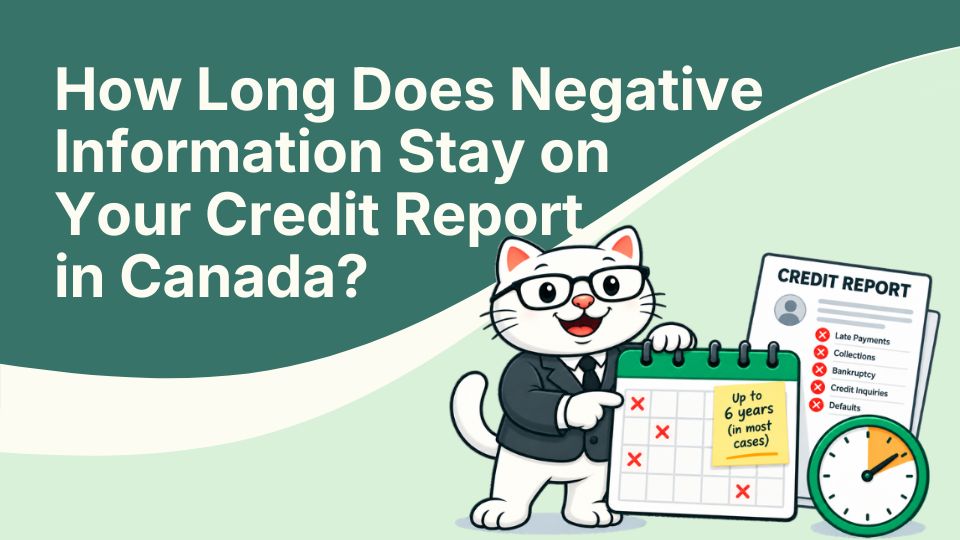
  1. Apply Online: Provide basic information (income, employment, credit score).
  2. Select Loan Amount: Decide how much you need for your honeymoon plans.
  3. Loan comparison platforms such as FatCat Loans allow you to review multiple lender offers in one place, making it easier to compare rates and repayment terms before committing.
  4. Review and Accept Terms: Check the interest rate, repayment term, and fees.
  5. Receive Funds: Once approved, funds are typically deposited within 24–48 hours.
  6. Start Repayments: Monthly payments begin after funding — usually fixed for 12–60 months.

How Much Should You Borrow for Your Honeymoon?

When deciding your honeymoon loan amount, balance dream and practicality.

Destination Type Estimated Cost (CAD) Example Loan Range
Domestic trip (Banff, PEI) $2,000–$4,000 $1,500–$5,000
Caribbean or Mexico getaway $4,000–$7,000 $3,000–$8,000
Europe or Asia adventure $6,000–$12,000 $5,000–$15,000
Luxury package or cruise $10,000+ $8,000–$20,000

According to wedding industry surveys in Canada, the average honeymoon can range from $4,000 to $10,000 depending on destination and season. International travel, premium resorts, and peak-season bookings can significantly increase costs.

Costs vary significantly depending on season, destination, and currency exchange rates, which can impact Canadian travelers booking international trips.

To stay financially responsible, choose a loan that fits comfortably within your budget and repayment ability.

Example: Honeymoon Loan Repayment Costs

If you borrow $7,000 for a honeymoon at 9% APR over 3 years, your estimated monthly payment would be approximately $222 per month. The total repayment cost would be around $8,000.

Shorter repayment terms reduce total interest paid, while longer terms lower your monthly payment but increase overall cost. Always compare the total repayment amount — not just the monthly payment.

Remember: Even a relatively small loan can cost significantly more over time due to interest. Always review the Annual Percentage Rate (APR), total repayment amount, and any origination or administrative fees before accepting an offer.

How to Qualify for a Honeymoon Loan in Canada

Most lenders offering honeymoon financing options require:

  • Canadian residency and age 18+
  • Regular income or employment
  • Credit score above 600 (some lenders accept lower)
  • Valid bank account for deposit and repayment

If you’re concerned about approval, you can explore Bad Credit Personal Loans in Canada to understand alternative pathways.

Tips for Managing Your Honeymoon Loan Wisely

Taking out a personal loan for a honeymoon is exciting — but it’s important to manage it smartly.

  • Set a realistic budget: Avoid borrowing beyond what you can repay comfortably.
  • Compare interest rates: Small differences can save hundreds over time.
  • Pay on time: Builds credit and avoids late fees.
  • Consider early repayment: If your lender allows, this reduces total interest.
  • Track all honeymoon expenses: Helps ensure you stay within your loan amount.

Find out a Honeymoon Loan Canada can help with FatCat Loans.

Travel Risks and Financial Planning Considerations

When financing travel, consider potential risks such as flight cancellations, medical emergencies abroad, or unexpected travel restrictions. Travel insurance is strongly recommended, especially for international destinations.

Factor insurance costs into your total loan amount to avoid relying on credit cards later.

Alternatives to a Honeymoon Loan

Before committing, consider these options:

  • Save in advance: Delay your trip a few months to build funds.
  • Use travel rewards: Redeem credit card points for flights or hotels.
  • Mini-moon: Opt for a shorter local getaway first, with a longer trip later.
  • Gift registries for travel: Many couples now use online honeymoon registries for guests to contribute.

Still, for many couples who want to travel right after the wedding, a honeymoon loan Canada remains the most convenient option.

Should You Finance Your Honeymoon?

While financing can make travel possible sooner, it’s important to weigh emotional excitement against long-term financial impact. Ask yourself:

  • Do we have an emergency fund separate from this loan?
  • Can we comfortably afford the monthly payment?
  • Would delaying the trip by a few months reduce how much we need to borrow?

For some couples, saving first may be the better choice. For others, structured monthly payments may offer flexibility without financial strain.

When a Honeymoon Loan May Not Be the Right Choice

Financing a honeymoon isn’t ideal in every situation. You may want to reconsider borrowing if:

  • You do not have an emergency fund covering 3–6 months of expenses.
  • Your wedding has already stretched your budget significantly.
  • You expect major upcoming expenses (moving, home purchase, job transition).
  • The monthly payment would strain your finances.

In these cases, delaying travel or planning a smaller getaway may be a more financially responsible decision.

Pros and Cons of Honeymoon Loans

Pros Cons
Access funds instantly Must repay monthly
Lower rates than credit cards Interest adds to total trip cost
Fixed payments for stability May require good credit
No collateral required Some lenders charge origination fees

Weighing these helps you decide whether a honeymoon loan Canada is right for you.

Comparing Honeymoon Loan Options

Choosing the right loan is about more than just approval — it’s about interest rates, repayment flexibility, and transparency. FatCat Loans is a loan comparison platform that helps Canadians review personal loan offers from trusted lenders in one place.

By comparing multiple options, you can choose financing that fits your honeymoon budget and long-term financial plans.

Always compare at least two or three lenders before accepting an offer to ensure competitive rates and transparent terms.

Frequently Asked Questions About Honeymoon Loan Canada

Does taking a honeymoon loan affect my credit score?

Yes. Applying for a loan may trigger a credit inquiry. Making on-time payments can help build credit, while missed payments can lower your score.

Are there fees associated with honeymoon loans?

Some lenders charge origination fees, administrative fees, or early repayment penalties. Always review the full loan agreement before signing.

Can I repay my honeymoon loan early?

Many lenders allow early repayment without penalty, but this varies. Confirm prepayment terms in writing before accepting the loan.

Final Thoughts

Your honeymoon should be memorable — not stressful. With careful planning and the right honeymoon loan Canada, you can experience the trip of a lifetime while keeping your finances healthy. Compare lenders, read terms carefully, and borrow responsibly.

Ready to Explore Your Options?

If you decide that financing makes sense for your situation, take time to compare lenders carefully. Review interest rates, repayment terms, and any fees before signing.

Visit FatCat Loans to compare personal loan options and see which offers align with your honeymoon plans and budget.

Hair Transplant Financing Canada: How to Afford It

Hair transplants can be costly, but financing can make them more manageable. Learn about costs, monthly payment options, and how to compare hair transplant financing in Canada.

Hair Transplant Financing Canada

Hair loss can affect more than just your appearance — it can impact your confidence and quality of life. Fortunately, modern hair transplant procedures offer lasting results. But these treatments can be expensive, leaving many Canadians wondering how to pay for them. That’s where hair transplant financing Canada options come in.

In this guide, we’ll explain how hair transplant financing Canada works, what options are available, how to find affordable plans, and what to consider before applying. Whether you’re just exploring your options or ready to move forward with a hair restoration procedure, this article will help you make an informed decision.

How Hair Transplant Financing Works in Canada

Hair transplant financing in Canada usually works like an unsecured personal loan. Once approved, you receive a lump sum that can be used to pay your clinic, and you repay the loan through fixed monthly payments over a set term.

Most lenders offer repayment terms ranging from 6 to 60 months. Your interest rate and approval odds depend on your credit score, income, and overall affordability.

Understanding Hair Transplant Costs in Canada

Before exploring hair transplant financing, it helps to know what drives the cost of these procedures.

Average Hair Transplant Costs

Hair transplants in Canada typically cost between $4,000 and $15,000, depending on factors such as:

  • The clinic’s location and reputation
  • The surgeon’s experience and credentials
  • The number of grafts required (more grafts = higher cost)
  • The technique used — FUE (Follicular Unit Extraction) or FUT (Follicular Unit Transplantation)
  • Additional treatments or follow-ups

FUE vs FUT Hair Transplant Costs in Canada

FUE (Follicular Unit Extraction) is usually more expensive because it is more time-intensive and requires advanced equipment. FUT (Follicular Unit Transplantation) is sometimes cheaper, but may involve a more noticeable linear scar.

The right option depends on your hair loss pattern, donor area, and the clinic’s recommendations.

Typical breakdown:

  • Small session (1,000 grafts): ~$3,500–$5,000
  • Medium session (2,000 grafts): ~$6,000–$9,000
  • Large session (3,000–4,000+ grafts): ~$10,000–$15,000+

Because most insurance plans don’t cover cosmetic procedures, hair transplant financing Canada can make these treatments more accessible.

Example: Hair Transplant Monthly Payment Breakdown

If you finance a $8,000 hair transplant over 36 months at 12% APR, your estimated monthly payment would be approximately $266 per month.

If you finance $12,000 over 48 months, monthly payments could range from $280 to $400+ depending on interest rate and credit score.

Always compare the total repayment amount before choosing a financing plan.

What Is Hair Transplant Financing Canada?

Hair transplant financing in Canada refers to loans or structured payment plans that allow you to pay for your procedure over time instead of covering the full cost upfront.

Common Financing Types:

  1. Medical loans: Personal loans offered by banks, online lenders, or partners like FatCat Loans.
  2. Clinic payment plans: Some clinics offer in-house financing with zero or low interest for qualified applicants.
  3. Credit card financing: A flexible option if you can secure a low-interest promotional rate.
  4. Healthcare-specific financing companies: Specialized lenders that focus on cosmetic and medical procedures.

Benefits of Hair Transplant Financing Canada

A hair restoration financing plan can help you regain your confidence while managing your budget responsibly.

1. Affordable Monthly Payments

Instead of paying thousands upfront, you can divide the total into predictable installments that fit your budget.

2. Quick Access to Treatment

No need to delay your procedure due to lack of savings — many lenders approve funds in 24–48 hours.

3. Flexible Loan Amounts

Borrow between $1,000 and $20,000, depending on your needs and clinic costs.

4. Build or Improve Credit

Timely loan repayments can help strengthen your credit score.

5. Transparent Terms

With reputable lenders, you’ll know your exact interest rate, monthly payment, and total cost upfront — no hidden fees.

Where to Get Hair Transplant Financing in Canada

There are multiple ways to access hair transplant financing Canada options, depending on your financial situation. Hair transplant financing is also commonly grouped under cosmetic procedure loans. For a broader overview of medical and cosmetic financing, read our guide to Plastic Surgery Financing Canada.

1. Personal Loans via FatCatLoans

Through FatCat Loans, Canadians can connect with verified lenders offering personal loans tailored for medical procedures — including hair transplants. You can compare rates, terms, and lenders all in one place.

Explore related resources:

2. In-House Payment Plans

Some clinics partner with third-party financing providers or offer their own monthly payment programs. These plans may come with 0% interest for short terms or small processing fees.

Important: Some clinic financing programs advertise 0% interest, but may charge high interest retroactively if payments are missed or the balance is not paid off within the promotional period. Always review the terms carefully before signing.

3. Bank or Credit Union Loans

Traditional financial institutions often offer personal loans with competitive rates if you have good credit and stable income.

4. Medical Financing Companies

Providers like MediCard or Beautifi specialize in medical and cosmetic procedure loans — including hair transplants.

How to Qualify for Hair Transplant Financing Canada

Most lenders will assess the following:

  • Credit score: 600+ preferred, but some lenders accept lower.
  • Employment and income: Proof of steady income helps demonstrate repayment ability.
  • Debt-to-income ratio: Lenders look for manageable overall debt.
  • Loan amount and term: Determines monthly payment size.

Tip: If you have poor credit, you can still apply through comparison sites like FatCat Loans , which can connect you with lenders offering flexible approval requirements.

Hair Transplant Financing Canada for Bad Credit

If you have bad credit, you may still qualify for hair transplant financing through alternative lenders. Approval may depend more heavily on your income, employment stability, and debt-to-income ratio rather than credit score alone.

If your credit score is low, consider applying with:

  • a smaller loan amount
  • a longer repayment term to reduce monthly payments
  • a co-signer (if available)

Comparing multiple lenders through FatCat Loans can help you avoid overly expensive terms.

How to Apply for Hair Transplant Financing Canada

  1. Estimate total procedure cost.
  2. Compare loan options online.
  3. Check your eligibility and interest rate.
  4. Submit your application with required documents.
  5. Review your loan agreement carefully.
  6. Receive funds and schedule your procedure.

Most online lenders offer fast approval and same-day deposits — making the process convenient and stress-free.

Hair transplant loans up to $50,000

Tips for Managing Hair Transplant Financing Wisely

  • Set a clear budget: Know exactly how much your procedure and aftercare will cost.
  • Avoid over-borrowing: Only finance what’s necessary for your treatment.
  • Compare multiple lenders: Even a 1% interest difference can save hundreds.
  • Read terms carefully: Check for fees, penalties, and prepayment options.
  • Make payments on time: Protects your credit and builds lender trust.

By managing your hair transplant financing Canada carefully, you can achieve great results without unnecessary financial strain.

Alternatives to Hair Transplant Financing Canada

If you’d rather not take out a loan, here are some alternatives:

  • Save gradually: Set aside a monthly amount toward the procedure.
  • Partial payment + financing combo: Pay part upfront, finance the rest.
  • Use home equity line of credit (HELOC): Lower interest, but requires home ownership.
  • Non-surgical treatments: PRP therapy or laser therapy as interim steps.

Each option depends on your personal financial situation and desired timeline.

How to Choose a Reputable Hair Transplant Clinic in Canada

When financing a hair transplant, make sure you choose a licensed clinic with experienced surgeons. Ask about graft counts, technique used, follow-up support, and whether the clinic provides a written treatment plan and quote before you commit.

Risks to Consider Before Financing a Hair Transplant

While hair transplant financing Canada offers flexibility, you should weigh these potential risks:

  • Interest accumulation: Over time, interest increases the total cost.
  • Credit impact: Missed payments can lower your score.
  • Overextending budget: Borrow only what you can repay comfortably.

The key is to approach financing as a tool — not a burden.

Why Choose FatCat Loans for Hair Transplant Financing Canada

At FatCat Loans, we make it simple to compare loan options for your hair restoration procedure. We connect Canadians to trusted lenders that offer competitive rates and flexible repayment plans — even if you have less-than-perfect credit.

By using our platform, you can quickly find a hair transplant financing Canada solution that fits your goals and budget.

Frequently Asked Questions About Hair Transplant Financing Canada

How much does a hair transplant cost in Canada?

Hair transplant procedures typically range from $4,000 to $15,000 depending on the clinic, technique, and number of grafts. That’s why many patients explore hair transplant financing Canada to manage these costs.

Can I get hair transplant financing in Canada with bad credit?

Yes. Some lenders that partner with FatCat Loans consider applicants with fair or bad credit. You may face higher interest rates but can still qualify for financing.

Is a hair transplant covered by insurance in Canada?

Usually not. Because it’s considered a cosmetic procedure, insurance doesn’t cover it. That’s where hair transplant financing Canada becomes a useful option.

How long does loan approval take?

Many lenders offer instant or same-day approval. Once approved, funds are typically available within 24–48 hours.

What is the best way to finance a hair transplant in Canada?

The best way depends on your credit and budget. Online personal loans through FatCat Loans often provide flexible terms, quick funding, and competitive rates.

Can I finance a hair transplant with monthly payments?

Yes. Many lenders and medical financing providers offer monthly payment plans that allow you to spread the cost over 12 to 60 months, depending on approval and interest rate.

Can I pay off my hair transplant loan early?

Many lenders allow early repayment without penalties, but terms vary. Always confirm prepayment rules in your loan agreement.

Conclusion

Hair restoration can be a life-changing decision — and with accessible hair transplant financing Canada, it doesn’t have to be financially overwhelming. From personal loans to clinic payment plans, there are multiple ways to achieve your confidence goals while keeping costs under control.

Ready to explore your financing options? Compare hair transplant financing offers through FatCat Loans to find a monthly payment plan that fits your budget. Click Get My Quote to review trusted lenders and take the next step toward your hair restoration goals.

Credit Card Debt Consolidation Canada: Smart Strategy for Canadians

Credit card debt consolidation in Canada helps simplify multiple high-interest balances into one manageable payment, often at a lower rate. This guide explains how consolidation works, the available options, and what Canadians should consider before choosing a path toward becoming debt-free.

Credit Card Debt Consolidation Canada

Updated January 2026

Managing multiple credit cards with high interest rates can feel overwhelming – especially when balances grow faster than payments. Credit Card Debt Consolidation Canada provides a practical solution by combining several credit card balances into one manageable payment, often at a lower interest rate.

For Canadians seeking clarity, control, and a structured path toward becoming debt-free, consolidation may be a smart and strategic financial move.

To explore other debt relief options available nationwide, visit our Debt Relief & Consolidation Canada resource.

What Is Credit Card Debt Consolidation Canada?

Credit Card Debt Consolidation Canada refers to the process of merging two or more credit card balances into a single loan, payment, or structured repayment program. Instead of juggling several statements, due dates, fees, and rates, you make one predictable monthly payment.

Consolidation may involve:

  • A personal consolidation loan
  • A line of credit
  • A home equity loan or HELOC (for homeowners)
  • A nonprofit debt management program
  • A balance transfer credit card

The primary goal is to simplify repayment – and ideally reduce borrowing costs.

How Credit Card Debt Consolidation Canada Works

Credit card debt consolidation in Canada typically follows one of these approaches:

1. Personal Consolidation Loan

Take out a fixed-rate personal loan and use the funds to pay off multiple credit cards.

Best for: Canadians with steady income and fair-to-good credit.

2. Line of Credit

Use a revolving line of credit – often lower interest than credit cards – to pay off balances.

Best for: People comfortable with variable interest rates.

3. Home Equity Loan or HELOC

Borrow against your home equity to consolidate debt at a lower rate.

Best for: Homeowners – but risk involves securing debt against your property.

4. Debt Management Program (DMP)

Work with a nonprofit credit counsellor to combine payments and potentially reduce interest.

Best for: Borrowers struggling to qualify for new credit.

5. Balance Transfer Credit Card

Move multiple balances onto a single promotional low-rate or 0% APR card.

Best for: Short-term repayment and strong credit profiles.

No matter which option you choose, evaluate interest costs, fees, and repayment timelines before committing.

Benefits of Credit Card Debt Consolidation

Here’s why many Canadians explore consolidation:

One Monthly Payment

Reduce budgeting stress and avoid missed due dates.

Potential Lower Interest Rates

Replacing 19–29% credit card rates with a lower consolidation loan may save thousands in interest.

Faster Debt Payoff

Structured repayment schedules encourage discipline and progress.

Predictable Budgeting

Fixed payments support long-term financial planning.

Mental Relief

Financial clarity helps reduce stress and regain control.

For many Canadians, consolidation is the turning point toward healthier money habits.

Risks & Things to Consider with Credit Card Debt Consolidation Canada

Before applying for Credit Card Debt Consolidation Canada, consider the potential downsides:

Longer Repayment Terms

Lower payments may stretch repayment – increasing total interest paid.

Approval Requirements

Many lenders require acceptable credit, stable income, and manageable debt ratios.

Risk of Re-Borrowing

Keeping old credit cards open may lead to new debt – worsening the problem.

Not Debt Forgiveness

Consolidation organizes debt – it doesn’t eliminate it.

Secured Debt Risks

Using home equity places your property at risk if payments fall behind.

For unbiased financial guidance, the Financial Consumer Agency of Canada provides government-backed educational resources on managing debt.

Step-by-Step Guide to Credit Card Debt Consolidation Canada

Follow this practical roadmap:

  1. List all credit card balances, rates & minimum payments
  2. Check your credit score and income
  3. Determine how much you need to consolidate
  4. Compare lenders, tools, and consolidation methods
  5. Review APR, repayment term, loan fees & total borrowing cost
  6. Apply – provide proof of income, ID, banking & debt info
  7. Use funds ONLY to pay off credit cards
  8. Create a repayment plan & stick to it
  9. Avoid accumulating new credit card debt
  10. Build emergency savings to prevent future reliance on credit

Using an online debt calculator from major Canadian banks can help estimate costs and savings.

Learn more about Credit Card Debt Consolidation Canada with FatCat Loans.

Alternatives to Credit Card Debt Consolidation Canada

If consolidation isn’t the right fit, consider:

Nonprofit Credit Counselling

A structured repayment program with potential interest reduction.

HELOC or Home Equity Loan

Low-interest option for qualified homeowners – but secured against your property.

Balance Transfer Card

Short-term relief if you can repay quickly.

DIY Debt Repayment Strategies

Use the debt avalanche (highest interest first) or debt snowball (smallest balance first).

Debt Relief or Consumer Proposal

For those unable to repay – requires licensed guidance.

➡ You may also explore personal loans in Canada through FatCat Loans if you want a loan-based consolidation solution.

Who Is Credit Card Debt Consolidation Canada Best For?

It may be ideal if you:

✅ Have multiple high-interest credit cards
✅ Want one monthly payment
✅ Can qualify for a lower rate
✅ Have reliable income
✅ Are committed to not taking on new debt
✅ Need budgeting structure and accountability

FAQs:  Credit Card Debt Consolidation Canada

Does consolidation hurt my credit score?

Short term, you may see a small dip. Long term, on-time payments may improve your score.

Can I consolidate credit card debt with bad credit?

Options exist, but rates may be higher – or a debt management program may be more suitable.

How long does consolidation take to pay off?

Most repayment terms range from 2–7 years, depending on amount and lender.

Should I close my old credit cards after consolidating?

It can prevent re-borrowing – but may temporarily impact your credit score.

Final Thoughts – Is Credit Card Debt Consolidation Canada Right for You?

When approached responsibly, Credit Card Debt Consolidation Canada can simplify your finances, reduce interest, and help you pay off debt strategically. The key is understanding your full financial picture, comparing options, and committing to repayment without accumulating new balances.

With the right plan – becoming debt-free is possible.

Ready to Take the Next Step?

At FatCat Loans, we help Canadians explore and compare consolidation-friendly lenders with clarity and confidence.

✅ Access trusted Canadian lending partners
✅ Simple application process
✅ No guesswork – just informed choices

Apply now for a consolidation-friendly loan and simplify your credit card debt today.

Disclosure:  This article is for informational purposes only and does not constitute financial advice. Loan terms, rates, and eligibility vary by lender and province. FatCat Loans is a loan comparison platform, not a lender. Always review lender agreements carefully before accepting a loan.

Pay Off Credit Card Debt Loans Canada: Consolidate & Save

Pay Off Credit Card Debt Loans Canada

Struggling to juggle multiple high-interest credit cards each month? You’re not alone. Thousands of Canadians face rising balances with interest rates reaching 29.99%. The good news — Pay Off Credit Card Debt Loans Canada can simplify repayment, lower borrowing costs, and help you finally get ahead financially.

In this guide, we’ll break down how these loans work, who qualifies, the different types available, and how much you could save. You’ll also find expert tips, lender comparisons, internal resources, and practical strategies to help you manage debt more confidently.

To explore additional debt-relief options, visit our Debt Relief & Consolidation Canada hub.

Understanding Credit Card Debt in Canada

Credit cards are convenient — but they also carry some of the highest consumer interest rates in the country. When balances pile up, making only minimum payments can keep you in debt for years.

Average Credit Card Debt Snapshot (2025)

Category Average Balance (CAD) Average Interest Rate
General credit card debt $3,500 19.99% – 24.99%
Retail or store cards $2,100 25.99% – 29.99%
Consolidated loans (personal) 8.99% – 12.99%

High interest means most of your monthly payment goes toward interest — not principal. By switching to Pay Off Credit Card Debt Loans Canada, Canadians can reduce interest and pay down balances faster.

For debt education and consumer protection resources, visit the Financial Consumer Agency of Canada.

What Are Pay Off Credit Card Debt Loans Canada?

Pay Off Credit Card Debt Loans Canada — also called consolidation loans — are personal loans designed to eliminate multiple credit card balances at once. Instead of managing several cards, you combine them into one structured loan with a single monthly payment.

How They Work:

  1. Apply for a personal or consolidation loan
  2. Receive approved funds
  3. Use them to pay off your credit cards in full
  4. Make one predictable payment toward the new loan

Not sure whether consolidation or another option is better? Visit our Consolidation Loans Canada guide.

Benefits of Pay Off Credit Card Debt Loans Canada

Lower Interest Rates
Personal loan APRs often range from 6% to 12%, far below typical credit card rates.

One Monthly Payment
Simplify budgeting by replacing multiple due dates with one fixed payment.

Clear Debt-Free Timeline
Loan terms are predictable — usually 1–7 years — so you’ll know exactly when debt will be gone.

Potential Credit Score Improvement
Lower credit utilization + on-time payments = stronger credit profile.

Reduced Stress & Financial Clarity
Managing a single payment feels more achievable and organized.

Types of Pay Off Credit Card Debt Loans Canada

Loan Type Best For Typical APR Range Where to Get It
Personal Loan Most borrowers 6% – 12% Banks, credit unions, FatCat Loans
Secured Loan Homeowners 5% – 9% HELOCs, home equity loans
Online Installment Loan Fast approval 8% – 20% Online lenders
Debt Consolidation Loan Multiple debts 7% – 15% Banks & consolidation lenders

Each type has pros and cons — compare carefully before applying.

To compare lender options instantly, explore Personal Loans Canada.

How Pay Off Credit Card Debt Loans Canada Save You Money

Example Scenario

Loan Scenario Balance APR Monthly Payment Total Interest (3 yrs)
Credit card debt $10,000 19.99% $367 $3,223
Personal loan $10,000 8.99% $320 $1,520
Savings $1,703 less interest

By switching to a lower-interest loan, Canadians can save significantly while paying less each month.

How to Apply for Pay Off Credit Card Debt Loans Canada

  1. Gather your credit card balances and statements
  2. Check your credit score and income
  3. Compare loan terms, APRs, and fees
  4. Apply online or through a lender
  5. Pay off your credit cards immediately once funded

Most applications take minutes and require employment verification and ID.

Tips for Managing Debt After Consolidation

✅ Avoid reusing paid-off cards — unless for small, controlled purchases
✅ Automate monthly payments
✅ Track spending through budgeting apps
✅ Build an emergency fund
✅ Review your credit report quarterly

Consistency is key to long-term financial progress.

Alternatives to Pay Off Credit Card Debt Loans Canada

If a consolidation loan isn’t the right fit, consider:

Balance Transfer Credit Cards

0% promotional periods can help — if you pay off the balance in time.

Debt Management Plans

Non-profit agencies negotiate lower rates and combine payments.

Home Equity Loans or HELOCs

Lower interest but secured against your home — proceed cautiously.

Consumer Proposal

For severe debt, legally reduce what you owe.

Compare structured relief options in our Credit Counselling Canada guide.

Common Mistakes to Avoid

❌ Continuing to use credit cards after consolidation
❌ Applying to multiple lenders at once
❌ Ignoring interest rates and fees
❌ Choosing the longest loan term without cost comparison
❌ Borrowing more than needed

Choosing wisely ensures long-term financial success.

Eligibility Criteria for Pay Off Credit Card Debt Loans Canada

Requirement What Lenders Expect
Credit Score 600+ preferred
Income Steady, verifiable
Debt-to-Income Ratio Ideally under 40%
Loan Amount $1,000 – $50,000
Residency Must be Canadian

If your credit needs improvement, visit our Bad Credit Loans resource for flexible options.

Learn how to Pay Off Credit Card Debt Loans Canada with FatCat Loans.

FAQs — Pay Off Credit Card Debt Loans Canada

How do these loans help?

They combine multiple balances into one lower-interest loan — saving money and simplifying repayment.

Will my credit score drop?

Slightly at first — but it typically improves with consistent payments.

Can I qualify with bad credit?

Yes — some lenders available through FatCat Loans support fair or damaged credit profiles.

How fast can I get approved?

Some online lenders offer same-day funding.

Should I choose secured or unsecured?

Secured loans may have lower rates but require collateral — weigh risks carefully.

Final Thoughts — Should You Choose Pay Off Credit Card Debt Loans Canada?

Using Pay Off Credit Card Debt Loans Canada can help you break free from high-interest debt, simplify monthly payments, and create a clear path toward financial freedom. When paired with disciplined budgeting and responsible borrowing, consolidation loans can accelerate your journey toward financial stability.

Ready to Take Action?

At FatCat Loans, we help Canadians compare trusted lenders offering consolidation-friendly loan options — quickly and confidently.

✅ Simple online pre-qualification
✅ Transparent loan comparisons
✅ No obligation — just clarity

Get your customized loan quote today and start paying off credit card debt smarter.

Compare HELOC Rates Canada: Find the Best Home Equity Line of Credit

Compare HELOC rates in Canada and learn how lenders set pricing, what affects your rate, and how to find the best home equity line of credit for your needs.

Comparing HELOC Rates In Canada

As a Canadian homeowner, tapping into your home’s equity can be a smart move—but only if you understand and compare HELOC rates Canada carefully. A home equity line of credit (HELOC) offers flexibility, lower interest than many unsecured loans, and access to large funds when you need them. But the rate you get depends on several variables—so comparing HELOC rates Canada should be your first step. In this guide, we’ll explore how HELOCs work in Canada, what drives the interest rate, how to compare offers, and what to avoid. We’ll also link you to related borrowing options at FatCatLoans.ca so you can decide the best path for your financial needs.

If you’re exploring other borrowing tools, check our pages: Home Equity Loans and Personal Loans.

Understanding HELOCs in Canada

What is a HELOC?

A HELOC—or home equity line of credit—is a revolving credit facility secured by the equity in your home. In Canada, homeowners use HELOCs for renovations, debt consolidation, or major purchases. The key feature: you borrow against the value of your home, pay interest only on what you use, and often have flexibility in repayment.

Why HELOC Rate Comparison Matters

Because HELOCs are variable-rate products, the interest you pay depends on your lender’s prime rate plus margin. By comparing HELOC rates Canada, you can lock in better terms, reduce costs, and select features that suit your borrowing plan.

How HELOC Rates Canada Are Determined

When analysing HELOC rates Canada, it’s important to understand the factors that influence the APR you’ll receive.

  • Bank of Canada policy rate: Changes to the benchmark rate affect lenders’ prime rates and thus HELOC costs.
  • Loan-to-Value (LTV) ratio: The higher the percent of your home’s value you borrow, the higher the rate tends to be.
  • Credit score: Strong credit often unlocks better margins on top of prime.
  • Borrower’s income and debt: Lenders factor in your debt-to-income ratio when setting your rate.
  • Special features: Some HELOCs offer fixed-rate conversion, offset account, or interest-only periods—these can affect the quoted rate.

Key Factors Impacting HELOC Rates Canada

Factor Effect on Rate What You Can Do
Bank of Canada’s policy rate Higher policy rate → higher HELOC rate Time borrowing when rates are lower
LTV ratio Higher LTV → higher margin Use only part of your equity or wait to reduce LTV
Credit score & history Strong credit → better margin Pay bills on time, reduce credit card balances
Income & debt-to-income Higher debt → higher risk margin Lower other debts before applying
Product features (fixed rate conversion, redraw, etc.) More features may increase rate Choose only the features you need

Typical HELOC Rates in Canada

Here are sample ranges of HELOC rates Canada based on different borrower profiles and terms (illustrative only).

Sample HELOC Rate Ranges

Borrower Profile LTV Ratio Typical Rate (Prime + Margin) Description
Excellent credit, low LTV ≤ 60% Prime + 0.25% – 0.75% Premium rate for high-quality borrowers
Good credit, moderate LTV 60%–80% Prime + 0.75% – 1.50% Standard rate for typical borrowers
Fair credit, high LTV 80%–90% Prime + 1.50% – 3.00% Elevated rate reflecting risk

Note: Canadian prime rate currently sits at (example) 7.20%. So Prime + 1.00% would equal 8.20%. Always check the current rate.

Comparing HELOC Rates Canada: Step by Step

1. Gather quotes from multiple lenders

Different banks and credit unions offer varying minimum margins and special features. Use these quotes to compare actual rate you’d pay.

2. Compare features as well as rate

A slightly higher rate may be worth it if the HELOC offers fixed-rate conversion, no early-repayment penalties, or a redraw option.

3. Check non-rate costs

Fees like appraisal, legal, annual maintenance, or inactivity fees can add up. These should roll into your cost comparison of HELOC rates Canada.

4. Use the product strategically

HELOCs are best used for medium-to-long-term access to funds—not for short-term borrowing unless you have a plan. The variable rate means future payments could rise.

When to Use a HELOC in Canada

A HELOC makes sense for:

  • Home renovations or repair that boost home value
  • Debt consolidation—moving high-interest debt into lower-interest secured borrowing
  • Large purchases you want to spread over time
  • Future-proofing your finances with access to liquidity

If you’re instead seeking short-term borrowing and want fixed payments, you may also explore Personal Loans or Consolidation Loans.

Benefits and Risks of HELOCs

Benefits

  • Lower interest compared with unsecured debt
  • Interest is often tax-deductible (if used for investment or business in some cases)
  • Flexible withdrawal and repayment options
  • Ability to convert part of the balance to fixed rate

Risks

  • Variable interest means payments can rise
  • Your home is the collateral—default risks foreclosure
  • Over-borrowing can trap you in long repayment periods
  • Fees and conditions may vary widely

Understanding both sides of the equation is essential when you’re comparing HELOC rates Canada.

How to Qualify for a Competitive HELOC Rate in Canada

Here’s what lenders look for when pricing your HELOC:

  • Home equity (appraised value minus outstanding mortgage)
  • Low existing mortgage balance or strong repayments history
  • Satisfactory credit score (often 650+ for best rates)
  • Stable and sufficient income
  • Low debt-to-income ratio
  • Good property type and location (prime real estate often qualifies)

If you don’t qualify for the best rates right now, improving your credit and paying down your first mortgage can help you obtain more favourable HELOC rates Canada later.

Alternatives to HELOCs in Canada

If a HELOC isn’t right for your scenario, consider:

  • Fixed-rate Home Equity Loan – less flexible but interest rate locked.
  • Personal Loan – unsecured, fixed payment term—visit our Personal Loans page.
  • Cash-out Refinancing – replace mortgage with larger one and pull equity; bigger costs and resets amortisation.
  • Secured Line of Credit – smaller access amount, but can cost more.

Choosing the right structure helps ensure that the HELOC rates Canada you end up with are truly aligned to your long-term goals.

Mistakes to Avoid When Comparing HELOC Rates Canada

  • Focusing only on the rate and ignoring fees
  • Assuming “lowest rate” means best product—features matter too
  • Using HELOC for short-term spending without repayment plan
  • Ignoring your borrowing strategy—for example, mixing fixed-rate conversion without understanding costs
  • Forgetting to track and manage variable interest payments

Frequently Asked Questions About HELOC Rates Canada

What is a typical HELOC rate in Canada?

Typical HELOC rates Canada currently range from about Prime + 0.25% to Prime + 3.00%, depending on LTV, credit and features.

Can I fix the interest rate on a HELOC?

Yes—many Canadian lenders offer a partial fixed-rate conversion within a HELOC or the option to convert a portion of the balance to fixed terms.

How often does the HELOC rate change?

Since the rate is linked to Prime, it can change whenever the lender adjusts prime, often in response to changes in the Bank of Canada policy rate.

Are HELOC payments interest-only?

Often yes—initially you may only pay interest, though the principal remains outstanding. This helps flexibility but can extend debt indefinitely.

Should I compare HELOC rates Canada before deciding?

Absolutely. As we’ve shown, margins and features vary significantly. Comparing multiple lenders lets you choose the best overall package—rate, term, features—for your needs.

Conclusion

Comparing HELOC rates Canada is a smart move for any homeowner looking to access equity and borrow cost-effectively. By understanding how rates are set, comparing offers, tracking fees, and aligning with your borrowing strategy, you give yourself the best chance of securing a favourable product. Whether you need funds for renovation, consolidation or flexibility, a HELOC can be powerful when used wisely.

Ready to compare your HELOC options? Visit Home Equity Loans or explore Personal Loans for alternatives—and click Get My Quote at FatCat Loans to get connected with trusted Canadian lenders offering competitive HELOC rates Canada today.

HELOC vs Personal Loan Canada: Which Borrowing Option Fits You?

Choosing between a HELOC and a personal loan in Canada comes down to cost, risk, and repayment predictability. This guide compares interest rates, flexibility, and how rate changes can affect your payments—so you can pick the option that best fits your budget and goals.

Choosing between a HELOC and a personal loan in Canada depends on home equity, repayment preference, and risk tolerance. HELOCs use home equity and offer variable access, while personal loans provide fixed payments and terms. Reviewing personal loan requirements in Canada helps determine which option fits your situation.

HELOC vs Personal Loan Canada

If you’re a Canadian homeowner facing a major expense, navigating the choice between a HELOC vs personal loan Canada can feel overwhelming. On one hand, a Home Equity Line of Credit (HELOC) taps into your home’s value and offers flexibility. On the other, a personal loan delivers a fixed-term, fixed-payment solution without collateral. This article dives into the key differences, benefits, risks and suitability of each. By comparing HELOC vs personal loan Canada, you’ll gain clarity on which option can support your financial goals responsibly.

Looking for borrowing alternatives? Explore our Personal Loans page or check Home Equity Loans for other secured options.

What Does “HELOC vs Personal Loan Canada” Mean?

When debating HELOC vs personal loan Canada, you’re essentially choosing between two very different borrowing structures:

  • HELOC (Home Equity Line of Credit): a revolving credit line secured by your home’s equity.
  • Personal Loan: an unsecured loan (in most cases) with a set amount, fixed term and fixed payments.

Each has unique features, advantages and considerations. To choose wisely, you must understand how both work in the Canadian context.

How a HELOC Works in Canada

A HELOC vs personal loan Canada comparison begins by understanding the mechanics of a HELOC:

  • You apply to your lender and they determine a credit limit, usually a percentage of your home’s equity.
  • You borrow only what you need (up to the limit) and pay interest on the amount drawn.
  • Rate is often variable, tied to the lender’s prime rate plus a margin.
  • Payments may be interest-only during a draw period, then shift to principal & interest.
  • Because your home acts as collateral, you generally receive lower interest rates than unsecured products.

HELOC Key Features

Feature Typical HELOC Characteristic What to Note
Collateral Secured by home’s equity Failure to repay = risk to home
Interest Rate Variable (Prime + margin) Rate may rise if prime increases
Repayment Minimum interest-only or amortisation Prolonged interest-only may extend debt
Flexibility High: withdraw, repay, redraw Discipline needed to avoid overspending
Best Use Ongoing, flexible or large expenses Not ideal for short, fixed-term borrowing

How a Personal Loan Works in Canada

When you compare HELOC vs personal loan Canada, you also need to assess the personal loan route:

  • You apply and borrow a fixed amount, credited to your account once approved.
  • You repay in equal monthly payments over a set term (e.g., 1–5 years).
  • Interest is usually fixed (or sometimes variable) and you’re not using your home as collateral (for unsecured loans).
  • Rates tend to be higher than a secured HELOC but lower than many credit cards.
  • Suited for one‐time costs with a clear repayment plan.

Personal Loan Key Features

Feature Typical Personal Loan Characteristic What to Note
Collateral Usually unsecured Stronger credit required
Interest Rate Fixed or variable Predictable payments if fixed
Repayment Equal monthly payments Discipline needed, but paid off by end date
Flexibility Lower than HELOC Amount and term are set
Best Use Defined one-time needs Not ideal when you need revolving access

Comparing HELOC vs Personal Loan Canada

Now let’s directly compare HELOC vs personal loan Canada across key dimensions:

Comparison Factor HELOC Personal Loan
Purpose & Use Ideal for flexible, ongoing access Best for defined one-time expense
Interest Rate Often lower due to security, but variable Typically higher, fixed rate means stability
Repayment Terms Revolving or interest-only draw period Fixed term and fixed payments
Collateral Home equity used as security Usually unsecured (unless a secured personal loan)
Risk Exposure Home at risk if default No home security, but credit impact if default
Suitability Large-scale projects, renovation, ongoing cash flow Debt consolidation, major purchase, clearly defined cost

Which Option Should You Choose?

Choose a HELOC when you:

  • Own significant home equity and are comfortable with variable interest.
  • Need access to funds over time (e.g., phased home renovation or ongoing tuition).
  • Want lower rates and are disciplined about borrowing.

Choose a Personal Loan when you:

  • Have a definite cost (e.g., medical bill, appliance purchase, wedding) and want predictable payments.
  • Prefer not to secure the loan against your home.
  • Are okay with a slightly higher rate but value certainty.

Benefits of HELOC and Personal Loans (Canada)

Benefits of HELOC

  • Potentially lower interest rate due to collateral.
  • Access funds repeatedly.
  • Flexibility in repayment during draw phase.

Benefits of Personal Loan

  • Fixed rate means payment predictability.
  • No collateral (if unsecured).
  • Easier to budget and pay off in full.

Risks and Considerations

Risks of HELOC

  • Variable interest rates: Payments may escalate.
  • Home is used as security: Risk of losing property on default.
  • May tempt overspending due to easy access.

Risks of Personal Loan

  • Rates are usually higher than secured borrowing.
  • Fixed payment means less flexibility in lean months.
  • If you default, unsecured loans still harm credit and may lead to collections.

How to Qualify and Secure Better Terms

When comparing HELOC vs personal loan Canada, these factors influence approval and terms:

  • Credit Score & History – Stronger credit opens better options.
  • Debt-to-Income Ratio (DTI) – Lower DTI improves terms.
  • Property Value & Equity (for HELOC) – Higher equity = lower risk to lender.
  • Loan Amount & Term – Smaller amount or shorter term = better rate.
  • Employment & Income Stability – Increases lender confidence.

Pro tip: If you don’t yet qualify for ideal HELOC terms, you can check unsecured personal loans via our Personal Loans page and revisit HELOC when equity or credit improves.

Use Cases: HELOC vs Personal Loan Canada

HELOC Use Cases

  • Multi-stage home renovation over 2–5 years.
  • Debt consolidation when you want access over time.
  • Emergency fund cushion you can draw on as needed.

Personal Loan Use Cases

  • A fixed-cost expense like a wedding, medical bill or car purchase.
  • Consolidating several credit cards into one predictable payment.
  • One-time investment with clear budget and payoff plan.

Cost Comparison Example

Let’s illustrate by comparing cost for a $30,000 project using both options.

Borrowing Option Loan Type Amount Rate Term Estimated Monthly Payment
HELOC Variable $30,000 Prime + 0.75% (e.g., 8%) Open ~$200 (interest only)
Personal Loan Fixed $30,000 9.99% 5 years ~$638

Interpretation:

  • HELOC gives lower initial payment but rate may rise; no fixed payoff.
  • Personal loan has higher payment but you know when it ends.

Steps to Decide Between HELOC vs Personal Loan Canada

  1. Define your need: Ongoing/flexible or fixed amount?
  2. Check your equity & credit: If you own >20% and have strong credit, HELOC may be viable.
  3. Get quotes: Compare HELOC margins and personal loan APRs.
  4. Consider repayment ability: Can you manage variable payments (HELOC) vs fixed payments?
  5. Map out risk & reward: Balance potential savings vs security impact.
  6. Choose product, apply, and monitor: Once approved, use responsibly and track repayments.

Internal Links to Related Resources

FAQs: HELOC vs Personal Loan Canada

Can I convert a HELOC to a personal loan?

Yes, some lenders allow you to convert your outstanding HELOC balance into a fixed-rate personal loan—helpful for locking in repayments.

Which has lower interest: HELOC or personal loan?

Generally, HELOCs offer lower initial interest due to collateral, but the variable nature means personal loans may be safer for long‐term fixed cost planning.

Is my home at risk with a personal loan?

Only if the personal loan is secured against your property. Unsecured personal loans do not use your home as collateral.

Can I borrow more with a HELOC than a personal loan?

Potentially yes, depending on your home equity. But you must be cautious—borrowing too much increases risk.

What happens if interest rates rise on a HELOC?

Your monthly payment may increase (especially if you’re making interest-only payments), leading to higher total cost or delayed payoff.

Conclusion

Deciding between HELOC vs personal loan Canada depends on your personal situation, financial goals and risk tolerance. If you’re comfortable with variable interest and leveraging your home’s equity for flexibility, a HELOC may serve you well. If you prefer fixed payments, no collateral risk, and a clear payoff timeline, a personal loan might be better. Use the tables above to compare features, match your use case, and check our internal links for additional borrowing options.

Ready to explore your options? Visit Personal Loans or Home Equity Loans now and click Get My Quote to compare trusted Canadian lenders today. Decide wisely between HELOC vs personal loan Canada and take control of your borrowing.

Disclosure:  This article is for informational purposes only and does not constitute financial advice. Loan terms, rates, and eligibility vary by lender and province. FatCat Loans is a loan comparison platform, not a lender. Always review lender agreements carefully before accepting a loan.

Home Equity Loan Canada: What You Need to Know Before Borrowing

Learn how home equity loans work in Canada, current rate considerations, qualification requirements, and the risks to understand before borrowing against your home.

Home Equity Loan Canada

If you’re a Canadian homeowner looking to access funds for renovations, debt consolidation or a major purchase, a home equity loan Canada could be a powerful borrowing solution. Using the equity built up in your home, a home equity loan allows you to tap into that value with potentially lower interest rates than unsecured borrowing. But it also carries risks—since your home is used as collateral. This guide walks you through everything you need to know about home equity loan Canada: how it works, when it makes sense, how much you can borrow, how to qualify, and what to watch out for.

Whether you’re exploring various borrowing tools or comparing alternatives, you’ll also find helpful internal links to related loan pages on our site—like our Personal Loans page or our Home Equity Line of Credit (HELOC) content—for a full view of your options.

What Exactly Is Home Equity Loan Canada?

A home equity loan Canada (sometimes called a second mortgage or equity-take-out loan) is a one-time loan secured by your home’s equity. Unlike a revolving line of credit (like a HELOC), you receive a lump-sum payment and repay it in fixed monthly instalments of principal and interest over a set term.

Key features of home equity loans in Canada:

  • Secured by your home: Your property acts as collateral, which typically allows lower interest rates than unsecured borrowing.
  • Fixed amount: You borrow a specific amount up front rather than draw on a credit line.
  • Fixed-term repayment: Payments are scheduled until the loan is fully repaid.
  • Interest rate: Often higher than your primary mortgage, but lower than credit cards and some unsecured loans.

In short: a home equity loan Canada offers borrowing power using your home’s value—but you need to understand the commitments.

How Much Can You Borrow with a Home Equity Loan Canada?

Before diving in deeper, it’s critical to know how your maximum loan amount is calculated.

Typical Borrowing Limits for Home Equity Loan Canada

Factor Typical Limit Notes
Loan-to‐Value (LTV) Up to ~80% of your home’s value Many lenders cap combined mortgages + equity loan at ~80%.
Existing mortgage balance Subtracted from allowable equity Example: Home value $500k minus remaining mortgage $300k = $200k available equity
Credit & income Affects how much you can borrow Strong credit may permit closer to max limit
Fees & closing costs Reduce net amount borrowed Expect appraisal, legal, origination costs

Example scenario:
Home value = $400,000
Outstanding mortgage = $150,000
Lender allows up to 80% LTV = $320,000
Available equity = $320,000 – $150,000 = $170,000 maximum loan

While you may borrow up to $170k in this example, you should only take what you need and can afford to repay.

Why Choose a Home Equity Loan Canada?

There are several reasons Canadians opt for a home equity loan Canada—but each must be weighed carefully.

✅ Benefits

  • Lower interest rate: Because your home secures the loan, lenders view it as lower risk, enabling better rates compared with unsecured debt.
  • Predictable repayments: You know your monthly payment and repayment end date — easier for budgeting.
  • Large borrowing potential: Access to bigger sums than many unsecured loans or lines of credit.
  • Use flexibility: You can use the loan for renovations, debt consolidation, investment, major purchases or other purposes.

⚠️ Risks and drawbacks

  • Home as collateral: Failure to repay puts your property at risk of foreclosure.
  • Closing/Setup costs: Appraisal, legal fees, origination fees can add up.
  • Higher rate than primary mortgage: Even though better than unsecured debt, your home equity loan may still cost more than your first mortgage.
  • Reduced financial flexibility: Ties up your home equity—less buffer for future needs.

Given these pros and cons, a home equity loan Canada can be excellent—but only when used appropriately.

Home Equity Loan Canada vs Other Alternatives

When considering a home equity loan Canada, you should compare with other borrowing tools—especially a HELOC or an unsecured personal loan.

Comparing Borrowing Options

Borrowing Option Type Interest Repayment Structure Collateral Used
Home Equity Loan Lump sum one-time loan Often fixed rate Fixed monthly payments Home equity (secured)
HELOC (Home Equity Line of Credit) Revolving line of credit Variable rate Interest-only or variable payments Home equity (secured)
Unsecured Personal Loan Lump sum loan Higher rate Fixed monthly payments None (unsecured)

When comparing options:

  • Choose home equity loan Canada when you need a known, fixed amount and repayment term.
  • Choose HELOC when you want flexibility and borrow over time.
  • Choose a personal loan when you want no collateral and smaller amount.

For more on HELOCs, see our article on Compare HELOC Rates Canada.

How to Qualify for a Home Equity Loan Canada

To secure a home equity loan Canada, lenders typically assess the following:

  • Home ownership & equity: Sufficient built-up equity and stable property value.
  • Credit score: Strong credit helps secure better terms; very weak credit may limit options.
  • Income & employment: Proof of steady income and job security.
  • Debt-to-income (DTI) ratio: Low overall debt relative to income preferred.
  • Property type & location: Some non-standard homes may be harder to finance or have higher rates.

Preparing your finances before applying can improve your chances of obtaining favourable rates and terms.

Smart Uses for a Home Equity Loan Canada

Here are some of the best ways Canadians use a home equity loan Canada—when matched with mindful planning.

  • Home renovations/upgrades: Improvements that increase home value.
  • Debt consolidation: Replacing higher-interest debt like credit cards with lower-rate secured debt.
  • Major purchases: Tuition, large travel, second property seed money.
  • Investment purposes: Some borrowers use equity for investment—but must understand risk and tax implications.

Mistakes to Avoid When Using a Home Equity Loan Canada

  • Borrowing more than you need or repay comfortably.
  • Using the loan for lifestyle spending instead of value-adding use.
  • Ignoring the risk of variable rates (if applicable) or collateral implications.
  • Not comparing lender fees, terms and repayment flexibility.
  • Failing to factor closing costs into your borrowing decision.

Cost Scenarios: Home Equity Loan Canada

Let’s look at an example to illustrate typical costs.

Example: Borrow $100,000 via home equity loan Canada, fixed rate 7%, term 10 years.

  • Monthly payment ≈ $1,161
  • Total interest over term ≈ $39,320

How that compares to unsecured debt: If the same amount borrowed via a personal loan at 12% for 10 years:

  • Monthly payment ≈ $1,432
  • Total interest ≈ $71,840

By choosing a home equity loan Canada with lower rate and using it to replace higher-cost debt, you could save over $30,000 in interest in this scenario.

Steps to Apply for a Home Equity Loan Canada

  1. Determine how much equity you have: home value minus mortgage balance.
  2. Define how much you need and what for—use for a defined purpose.
  3. Shop around for lenders, compare rates, fees, terms and features (use our Home Equity Loans page).
  4. Gather documents: appraisal, proof of income, credit history, home ownership.
  5. Review the contract carefully: interest rate, term, fees, collateral implications.
  6. Borrow and budget: Set up automatic payments and keep track of your repayment plan.

Home Equity loans in Canada up to $50,000

Frequently Asked Questions About Home Equity Loan Canada

What is the minimum equity required?

Most lenders expect at least 15-20% equity in your home, but approval requirements vary.

Can I use a home equity loan for any purpose?

Generally yes. You can use the funds for home improvements, debt consolidation, major purchases or investment—just be clear on the risks.

Is the interest on a home equity loan tax-deductible in Canada?

Interest is only tax-deductible if the loan is used for investment income-generating purposes—not for personal use or primary residence renovation in most cases.

What happens if home values decline after I borrow?

If you’ve borrowed close to your maximum equity limit and your home value falls, you could face reduced borrowing capacity or risks in resale scenarios.

Can I switch or refinance a home equity loan later?

Yes—you may be able to refinance or convert your home equity loan to a HELOC or different product, but costs and eligibility apply.

Conclusion

A home equity loan Canada can be a smart way to access your home’s value, borrow larger sums at lower interest and tackle major financial plans. But it’s not without risk—your home is collateral, and you must budget carefully for repayment. By comparing options, knowing your equity, preparing your finances and aligning your borrowing with your goals, you can use a home equity loan Canada as a tool for progress rather than burden.

Ready to explore your options? Visit our Home Equity Loans page at FatCat Loans, click Get My Quote, and compare trusted lenders offering home equity loan Canada solutions today. Take the next step toward smarter borrowing with confidence.

Transfer Credit Card Debt Loan: Save on Interest

Transfer Credit Card Debt Loan

If you’re struggling to manage multiple credit card balances, you’re not alone—many Canadians carry high-interest credit card debt that grows faster than they can pay it off. A transfer credit card debt loan could be the solution you need.

By consolidating several credit card balances into one fixed-payment loan, you can simplify your finances, lower your interest costs, and focus on becoming debt-free faster.

In this guide, we’ll explore how a transfer credit card debt loan works, its benefits and drawbacks, and what to look for when comparing lenders. You’ll also find internal links to related pages on FatCatLoans.ca, FAQs, and practical examples to help you choose wisely.

Want to compare rates right now? Visit our Personal Loans or Consolidation Loans pages to get started.

What Is a Transfer Credit Card Debt Loan?

A transfer credit card debt loan—sometimes called a debt consolidation loan—is a personal loan you use to pay off multiple credit card balances at once.

Here’s how it works:

  1. You apply for a loan equal to your total credit card balance.
  2. You use that loan to pay off all your credit cards.
  3. You’re left with a single monthly payment—usually at a lower interest rate.

This method doesn’t erase your debt overnight, but it makes repayment easier and cheaper. Instead of juggling several high-interest cards, you’ll have one predictable payment schedule with a clear payoff date.

Why Canadians Choose a Transfer Credit Card Debt Loan

1. Lower Interest Rates

Credit cards can carry annual interest rates of 19% to 29% or higher. A personal loan used to transfer your card debt might offer rates from 6% to 12%, saving you thousands.

2. One Simple Payment

Instead of keeping track of multiple due dates, you only need to make one monthly payment.

3. Predictable Timeline

A fixed-term loan (often 2–5 years) provides a clear end date—helping you plan your financial future.

4. Improved Credit Score

Paying off revolving credit card balances can reduce your credit utilization ratio and improve your credit score over time.

💡 Pro Tip: Learn more about lowering rates and improving approval chances in our Low-Interest Personal Loans in Canada guide.

Average Credit Card vs Loan Comparison

Type Interest Rate (APR) Monthly Payment on $10,000 (3 years) Total Interest Paid
Credit Card 19.99% $370 $3,320
Personal Loan (Debt Transfer) 9.99% $323 $1,628
Savings $1,692 less interest!

As shown above, a transfer credit card debt loan can nearly halve your total interest costs and make monthly payments more manageable.

How to Transfer Credit Card Debt to a Loan

Follow these steps to make the process smooth:

  1. Add up your total credit card balances.
    Know exactly how much you owe before applying.
  2. Check your credit score.
    Higher scores can unlock lower interest rates.
  3. Compare lenders.
    Use trusted platforms like FatCat Loans to view multiple offers at once.
  4. Apply for a personal loan.
    Provide proof of income, ID, and debt information.
  5. Use the loan to pay off all credit cards.
    Once approved, clear all your card balances in full.
  6. Close or freeze old cards if needed.
    Prevent new charges from piling up again.
  7. Start fresh with one payment.
    Focus on paying your new loan on time every month.

Where to Get a Transfer Credit Card Debt Loan

There are several options for Canadians seeking a transfer credit card debt loan:

Option Typical APR Range Best For Where to Learn More
Bank or Credit Union 7% – 12% Strong credit borrowers Local branches
Online Lenders 8% – 20% Fast approval and flexible options Online Loans
Consolidation Loan Providers 8% – 18% Those managing multiple debts Consolidation Loans
Secured Loan (Home Equity) 5% – 9% Homeowners with equity Home Equity Loans

Each option has its advantages—banks may offer better rates, while online lenders provide quicker access and more lenient criteria.

Who Qualifies for a Transfer Credit Card Debt Loan?

Eligibility can vary, but most lenders will look for:

  • Credit score of 600+ (some accept lower)
  • Stable income and employment history
  • Debt-to-income ratio under 40%
  • Canadian residency and age 18+

If your credit score isn’t ideal, check out our Bad Credit Loans guide to learn about flexible alternatives.

When a Transfer Credit Card Debt Loan Makes Sense

A transfer credit card debt loan is ideal when:

  • You have multiple high-interest credit cards.
  • You can qualify for a lower fixed-rate loan.
  • You’re disciplined enough not to use credit cards again.
  • You want one clear, predictable monthly payment.

It may not be right for you if your credit score is too low or if you’re at risk of accumulating new card debt after consolidation.

Common Mistakes to Avoid

  • Continuing to use credit cards after consolidation.
  • Choosing the longest term available just for smaller payments (you’ll pay more interest overall).
  • Not comparing lenders — rates and fees can vary widely.
  • Ignoring setup or origination fees when comparing costs.
  • Missing payments on your new loan — it can undo your progress.

Tips for Success After Transferring Credit Card Debt

  1. Create a budget to stay on top of your new loan.
  2. Set up autopay to avoid missing payments.
  3. Build an emergency fund to prevent new borrowing.
  4. Track your progress using online tools or apps.
  5. Celebrate milestones — every payment gets you closer to financial freedom.

Still comparing borrowing types? See our HELOC vs Personal Loan Canada article to understand secured vs unsecured options.

Transfer Credit Card Debt Loan vs Balance Transfer Card

Feature Debt Transfer Loan Balance Transfer Credit Card
Interest Rate 6% – 12% (fixed) 0% intro (then 19%+)
Payment Term Fixed term (1–7 years) Varies by card issuer
Monthly Payment Predictable Can fluctuate
Approval Based on income and credit Based on credit alone
Best For Long-term payoff Short-term promotional savings

Key takeaway:
Balance transfer cards can work for short-term fixes—but if you need a longer repayment period and a structured plan, a transfer credit card debt loan is usually smarter.

Real-Life Example

Scenario:

  • Total credit card debt: $15,000
  • Credit card APR: 19.99%
  • Loan APR: 8.99%
  • Term: 48 months

Results:

  • Old total interest (cards): ~$6,700
  • New total interest (loan): ~$2,900
  • Savings: $3,800
  • Monthly payment: Drops from ~$600 to ~$375

That’s the power of transferring your credit card debt into a structured, low-rate loan.

Frequently Asked Questions About Transfer Credit Card Debt Loan

Can I transfer multiple credit cards into one loan?

Yes. That’s the main goal of a transfer credit card debt loan — to consolidate multiple balances into one simpler loan.

Will applying for a debt transfer loan affect my credit score?

A small temporary dip may occur when you apply, but over time, paying down your balances consistently can improve your credit score.

Can I get approved if I have bad credit?

Possibly. Some lenders specialize in helping Canadians consolidate debt with fair or poor credit. Explore our Bad Credit Loans page for more options.

Are there fees to watch for?

Some lenders charge origination or processing fees (typically 1%–5%). Always check the fine print before accepting an offer.

How quickly can I get a loan?

Many online lenders offer approvals within 24–48 hours—especially when applying through FatCat Loans.

Conclusion

A transfer credit card debt loan can be the lifeline you need to break free from high-interest balances. It simplifies your finances, lowers costs, and gives you a fixed plan toward financial stability.

By comparing lenders, managing your new loan responsibly, and resisting the urge to use credit cards again, you can finally make real progress toward a debt-free life.

Ready to get started? Visit FatCat Loans and click Get My Quote to compare transfer credit card debt loan offers from trusted Canadian lenders today.

Simplify your payments. Save on interest. Take control of your debt—starting now.

Debt Consolidation Loans Canada (2026): Compare & Save

Consolidation loans in Canada allow borrowers to combine multiple debts into one manageable monthly payment, often at a lower interest rate. This guide explains how consolidation loans work, who qualifies, the benefits and risks, and how Canadians can use debt consolidation strategically to regain financial control.

Consolidation Loans Canada

Updated January 2026

Managing multiple debts — from credit cards to personal lines of credit — can be stressful, confusing, and expensive. Consolidation Loans Canada provide a structured solution by combining several high-interest balances into one organized monthly payment, often at a lower interest rate. For many Canadians, this leads to simplified finances, improved budgeting, and faster debt repayment.

This 2026 guide explains how Consolidation Loans Canada work, who qualifies, benefits, risks, application steps, and alternatives — so you can confidently choose the right financial path.

To learn more about Canadian debt solutions, visit our Debt Relief & Consolidation Canada guide for a full breakdown of options, eligibility, and comparisons.

Quick definition: what a consolidation loan is (and isn’t)

A consolidation loan is a new personal loan used to pay off several existing unsecured debts at once. Instead of multiple balances and due dates, you end up with one loan, one payment, and one repayment timeline.

What it isn’t: consolidation doesn’t “erase” debt, and it isn’t the same as debt forgiveness, a consumer proposal, or bankruptcy. You’re still repaying what you owe — just in a simpler structure that can be easier to manage.

If you’re also comparing ongoing borrowing options, a personal line of credit can work differently than a consolidation loan. See our guide: personal line of credit vs credit card

What Are Consolidation Loans Canada?

Consolidation Loans Canada are personal loans specifically used to merge multiple unsecured debts into a single loan. Instead of juggling several bills and due dates, you make one predictable monthly payment.

These loans typically consolidate:

  • Credit card balances
  • Personal loans
  • Retail or store credit cards
  • Personal lines of credit
  • Short-term or installment loans
  • Overdue bills or other unsecured debts

The goal is simplicity — and ideally, savings.

How Consolidation Loans Canada Work

Here’s the typical process for securing Consolidation Loans Canada:

  1. List your existing debts — balances, interest rates, and payments.
  2. Compare lenders to find competitive consolidation loan rates.
  3. Apply and provide documentation, such as income and ID.
  4. Receive loan approval and funds, based on credit and affordability.
  5. Use the new loan to pay off multiple existing debts.
  6. Make one monthly payment toward the consolidation loan until paid off.

How do consolidation loans work in real life? A simple example

Let’s say you’re currently making three payments:

• Credit card: $3,500 balance at a high interest rate
• Store card: $1,200 balance
• Personal line of credit: $4,000 balance

You’re paying different due dates and (often) different interest rates. A consolidation loan combines those balances into one new loan amount (example: $8,700 plus any applicable lender fees). You then make one monthly payment to the new loan.

The goal is usually one or more of the following:
• reduce your total monthly payments (better cash flow)
• secure a lower overall cost of borrowing (less interest over time)
• create a clear end date so the debt actually gets paid off

Important: the “best” consolidation loan isn’t always the lowest monthly payment. A longer term can lower the payment but raise the total interest paid.

If approved at a lower interest rate or shorter term, you may pay off debt sooner and spend less on interest overall.

Benefits of Consolidation Loans Canada

One monthly payment instead of multiple bills
Potentially lower interest rates, depending on credit profile
Predictable payments with a fixed term and schedule
Reduced financial stress and clutter
Improved ability to budget and plan ahead
May protect or improve credit, if payments remain on time

For borrowers committed to repayment, consolidation can provide structure and momentum toward becoming debt-free.

When consolidation is a smart move (and when it usually isn’t)

Consolidation tends to work best when:
• you can qualify for a rate that’s meaningfully lower than your current average
• you have steady income and can commit to on-time payments
• you plan to stop adding new debt while you repay the consolidation loan

Consolidation may not be the best fit if:
• your budget is already stretched and you’d rely on credit again immediately
• your debts are mostly secured (like a mortgage) — consolidation loans are usually for unsecured balances
• you’re facing severe hardship (in that case, debt relief options may be more appropriate)

If you’re actively rebuilding credit while trying to borrow responsibly, you may also want to review: improving your credit score.

Risks & Considerations With Consolidation Loans Canada

While helpful, Consolidation Loans Canada aren’t ideal for everyone:

Approval may require good credit, stable income, or low debt ratios
Longer repayment terms may increase total interest paid
Continuing to use credit cards can create more debt
Consolidation does not erase debt — it reorganizes it
Upfront fees or penalties may apply, depending on lender

To avoid falling back into debt, many borrowers pause or limit credit card use during repayment.

For additional government guidance on managing debt and evaluating consolidation, the Financial Consumer Agency of Canada offers unbiased education and resources.

Consolidation loan checklist (before you accept an offer)

Before you accept any consolidation loan, confirm these items in writing:

  1. Total cost of borrowing: total interest + any fees over the full term
  2. APR vs interest rate: APR includes certain fees and reflects the true cost
  3. Term length: shorter terms usually cost less overall, but payments are higher
  4. Prepayment rules: confirm you can pay extra or pay off early without penalty
  5. Funding method: will the lender pay your creditors directly or deposit to your account?
  6. Reporting: does the lender report payments to a credit bureau? (this can help build positive history if you pay on time)

For consumer guidance on borrowing costs, affordability, and avoiding high-risk offers, this is a helpful reference: Financial Consumer Agency of Canada.

How to Apply for Consolidation Loans Canada

To improve your chances of approval and lower rates:

  1. Check your credit score and report for accuracy.
  2. Calculate how much debt you want to consolidate.
  3. Compare lenders in Canada — banks, credit unions, online lenders, and loan marketplaces.
  4. Review APR, term length, fees, and total cost.
  5. Apply and submit supporting documents, such as proof of income.
  6. Use loan funds responsibly — directly pay off outstanding debts.
  7. Stick to a repayment plan and avoid new debt during the term.

Tip: Many lenders offer pre-qualification with a soft credit check — helpful before applying, to avoid your credit score from being affected.

Documents you’ll typically need (so you don’t get delayed)

To keep the process moving, have these ready:

• Government ID
• Proof of income (pay stubs, benefits statements, or bank deposits)
• Proof of address
• List of debts (balances, lenders, and account numbers if the new lender pays creditors directly)
• Recent bank statements (sometimes requested to verify affordability)

Being prepared can speed up verification and funding.

What lenders look at for a credit consolidation loan in Canada

Most lenders evaluate the same core areas when deciding approval and pricing:

• Income and stability: consistent pay is a major factor
• Debt-to-income ratio: how much of your income is already committed to debt payments
• Credit profile: score, late payments, utilization, collections, and recent inquiries
• Banking history: NSF patterns and overdraft frequency can matter
• Loan purpose and amount requested: lenders price risk differently depending on the total amount

Tip: if your credit is recovering, you may still qualify — but the interest rate could be higher. If that’s your situation, compare options carefully and prioritize lenders that clearly disclose the total cost up front.

If your credit score is lower, some lenders still offer consolidation options by focusing more on income and affordability rather than credit history. In these cases, comparing bad credit loans alongside consolidation loans can help you understand realistic approval terms and total borrowing costs.

Balance Transfer Credit Cards

Useful for short-term repayment if you qualify for low or 0% promotional interest.

Debt Management Programs

Non-profit credit counselling agencies may negotiate lower interest rates.

Personal Line of Credit

Flexible borrowing — but rates can fluctuate.

Secured Consolidation Loan

Collateral (like a vehicle or savings) may secure better rates.

Debt Relief, Consumer Proposal, or Bankruptcy

For severe financial hardship — requires licensed insolvency guidance.

The best option depends on your credit, income, goals, and repayment ability.

Quick answers: consolidation loans in Canada

Here are the questions Canadians ask most often when comparing consolidation options:

• How do consolidation loans work?
They replace multiple unsecured balances with one new loan and one payment schedule.

• Will consolidation hurt my credit?
Applying can cause a small temporary dip from an inquiry, but consistent on-time payments can help over time.

• Can I consolidate debt with bad credit?
Sometimes, yes — but rates may be higher. Compare total cost carefully, not just payment size.

If you want an “in plain English” budgeting framework while paying down debt, the 50/30/20 rule is a good companion: 0/30/20 budgeting method.

Find out more about Consolidation Loans Canada with FatCat Loans.

FAQs – Consolidation Loans Canada

What credit score do I need for consolidation loans in Canada?

It depends on the lender. Some require a good credit score to get competitive interest rates, while others may offer higher-rate consolidation loans to borrowers with moderate credit.

Will consolidating my debt lower the total cost?

Only if the new loan offers a lower interest rate and you repay it steadily. If the rate is higher or the term is much longer, you may end up paying more interest.

Can I still use my credit cards after consolidating?

Yes, but doing so without discipline can lead to new debt on your cards while your consolidation loan remains. Best practice: stop using cards or freeze them until the loan is paid.

How long will it take to pay off a consolidation loan?

Terms vary widely. It could be anywhere from 2 to 7 years or more depending on the amount, rate and your payment ability. Example calculators show 24-60 months typical.

Is debt relief or consolidation the same as bankruptcy?

No. Consolidation loans mean you still repay the debt (via a new loan). Bankruptcy means legal insolvency. Choose the solution based on your financial health and advice.

Final Thoughts on Consolidation Loans Canada

For Canadians overwhelmed by multiple payments, high interest, and financial stress, Consolidation Loans Canada can be a strategic way to regain control. By merging debts into one affordable monthly payment — and committing to responsible repayment — borrowers can simplify their finances and work toward long-term financial stability.

Ready to Explore Consolidation Loans Canada?

At FatCat Loans, we help Canadians compare trusted lenders offering competitive consolidation loan options — quickly, safely, and confidently.

✅ Tailored solutions for Canadian borrowers
✅ Simple and transparent loan-matching process
✅ Supportive guidance every step of the way

Apply now for Consolidation Loans Canada and start simplifying your debt today.

Disclosure:  This article is for informational purposes only and does not constitute financial advice. Loan terms, rates, and eligibility vary by lender and province. FatCat Loans is a loan comparison platform, not a lender. Always review lender agreements carefully before accepting a loan.

Private Student Loans Caribbean: For Medical & Degree Programs

Studying medicine or earning a degree in the Caribbean can be a life-changing opportunity — but funding isn’t always straightforward. When federal aid falls short, some students explore private financing or personal loan options to help cover tuition and living costs.

Private Student Loans Caribbean

Updated February 2026

Studying abroad in the Caribbean can be a rewarding path—but it also comes with significant costs. For many Canadian students attending universities or medical schools in the Caribbean, private student loans Caribbean become a realistic financing solution. These loans fill the gap when federal or provincial student aid doesn’t apply, especially for offshore or international-style programs. This article explains what financing options may be available, how private education loans work, and what Canadian borrowers should consider before taking on large international student debt.

FatCat Loans is a loan comparison platform, not a student loan provider, but some borrowers explore personal loan options to help cover education-related costs.

If you need financing beyond government student aid, you may also want to explore personal loans or bad credit loan options depending on eligibility.

What Are Private Student Loans Caribbean?

The term private student loans Caribbean refers to non-government loans used by Canadian (or other international) students who attend institutions in the Caribbean region—whether medical schools, undergraduate universities or other professional programmes. Because many Caribbean-based universities don’t qualify for Canadian federal or provincial student loan programmes, private borrowing often becomes necessary.

Key characteristics:

  • Lender: Commercial banks or specialised private student loan providers.
  • Amount: Varies widely depending on tuition, living costs, length of study.
  • Term & repayment: Fixed or variable interest, sometimes with deferred repayment during studies (depending on lender).
  • Eligibility: Typically includes credit check, co-signer requirement, proof of enrolment in a recognised Caribbean institution.

Why Canadian Students Use Private Student Loans Caribbean

Canadian borrowers may choose a private student loans Caribbean route for several reasons:

  • Federal Canadian student loan programs may not cover offshore Caribbean institutions or may have eligibility restrictions.
  • Limited availability of Canadian loans or lines of credit for non-Canadian designated schools.
  • Large tuition or living-cost gap for Caribbean programmes—especially for medical schools or international-style universities.
  • Desire to attend a specialty programme (e.g., Caribbean medical school) where fewer domestic options exist.

By opting for private student loans Caribbean, students can unlock access—but must also understand the risks, costs and repayment commitments.

Cost & Interest Rate Overview

Before applying for private student loans Caribbean, it’s important to underscore cost differences and interest-rate considerations compared to Canadian federal/provincial student loans.

Cost Comparison – Caribbean Programme vs Canadian Domestic Programme

Programme Type Tuition + Living Estimate Typical Canadian Student Aid Access Need for Private Student Loans Caribbean?
Caribbean medical or offshore programme CAD $250,000+ over full programme Federal/provincial aid may not apply fully High – private loans often required
Canadian MD/Undergraduate domestic CAD $80,000–$120,000 full cost Full access to federal/provincial loans + grants Lower – fewer private loans needed

Interest Rate & Terms Comparison

Loan Type Collateral/Co-signer Typical APR Range* Repayment Term
Canadian federal/provincial student loan No collateral ~3%–6% subsidised while studying 10–25 years
Private student loan Caribbean Co-signer or collateral often required ~7%–15%+ depending on credit 5–15 years typical
*Indicative only; actual rates vary widely.

Given the higher cost and potentially higher interest of private loans, comparing options and minimising borrowing is essential when considering private student loans Caribbean.

Important Note for Canadian Students

Private loans for Caribbean schools are not the same as Canadian government student loans. Most provincial and federal programs have strict eligibility rules for international institutions. Before borrowing privately, confirm whether your school qualifies for any Canadian student aid and speak with your financial aid office to understand your options.

How to Compare & Choose Private Student Loans Caribbean

1. Confirm your institution’s eligibility

Ensure your Caribbean university is recognised and eligible for private student loans. Some lenders require a recognised institution list.

2. Check interest rates, fees & repayment terms

Look beyond the headline rate — what fees apply? Will repayments be deferred? Are you required to start payments while studying?

3. Co-signer or collateral

Many lenders offering private student loans Caribbean require a Canadian co-signer or some form of security. Ensuring this ahead of time avoids surprises.

4. Compare loan amounts vs actual need

Only borrow what you must. Consider living costs, tuition increases, and future debt burden. Use budgeting tools and estimate total debt at graduation.

5. Review repayment strategy

Ask: When will repayments start? Are interest-only payments required initially? What if you don’t immediately secure employment?

6. Explore other assistance

Scholarships, grants or income-contingent support could reduce the amount you need to borrow. See if your Caribbean school offers merit-based aid.

Eligibility Criteria for Private Student Loans Caribbean

Lenders offering private student loans Caribbean typically evaluate the following criteria:

Requirement Points to Consider
Canadian citizenship or permanent residency Many lenders focus on Canadian borrowers or require Canadian co-signer
Accepted enrolment & proof of registration Your Caribbean institution must be recognised
Credit score & history Stronger credit = better rates
Co-signer or collateral Often required for international or offshore programmes
Future earning potential Particularly important for medical schools and professional programmes

If you have weaker credit, consider alternative borrowing avenues or smaller loan amounts to minimise risk.

Benefits & Risks of Private Student Loans Caribbean

✅ Benefits

  • Access to financing when other loans aren’t available
  • Ability to pursue high-value or niche programmes abroad
  • Flexibility when approved — you control where to study

⚠️ Risks

  • Higher interest and total debt compared to domestic loans
  • Requirement of co-signer or collateral increases risk
  • Limited subsidy or forgiveness compared with some government loans
  • Repayment begins possibly sooner or under heavier burden if you don’t secure employment quickly

Is Caribbean Medical School Worth the Cost?

Caribbean medical schools can be a strong option for students who are committed to practicing medicine and have a realistic plan for residency and long-term income. However, the total cost of attendance is often significantly higher than studying domestically, and private borrowing can create a heavy repayment burden after graduation.

Before taking out large loans, estimate your total debt, expected income after graduation, and the time it may take to secure stable employment.

How Much Will You Need to Borrow?

Let’s estimate what a Canadian student going to a Caribbean medical school might borrow via private student loans Caribbean.

  • Tuition & fees: CAD $200,000
  • Living expenses (4 years): CAD $60,000 ($15,000 per year)
  • Books, travel, board: CAD $40,000
    Total: CAD $300,000

If you borrow $300,000 at 9% interest over 10 years:

  • Monthly payment ≈ Approximately CAD $3,800 (estimate only)
  • Total cost ≈ CAD $456,000
    Key takeaway: Large borrowing demands a solid repayment plan and strong future earnings.

Alternatives to Private Student Loans Caribbean

If you’re hesitant about committing to a large private student loans Caribbean balance, consider alternatives:

  • Domestic Canadian institutions: Reduces borrowing need.
  • Study in Canada and transfer later: Minimises offshore cost burden.
  • Scholarships/Grants: Many Caribbean schools offer them—worth investigating.
  • Part-time work or summer income: Can reduce loan size.
  • Smaller loans + savings: Don’t borrow full estimated cost if you can save or reduce expenses.

Common Mistakes to Avoid

  • Borrowing full maximum limit without assessing actual need
  • Not factoring in interest accrual during study period
  • Ignoring co-signer risk—if you default, they’re liable
  • Choosing longest term available just to keep payments low (may cost much more interest)
  • Failing to confirm the school’s eligibility for private loans

Learn how to apply for private student loans in the Caribbean with FatCat Loans.

Frequently Asked Questions about Private Student Loans Caribbean

Can Canadian federal student loans be used for Caribbean schools?

Not always. Some Caribbean institutions aren’t eligible. That’s why many Canadians rely on private student loans Caribbean.

Do lenders require a Canadian co-signer for Caribbean school loans?

Yes, many private lenders offering loans for Caribbean programmes require a co-signer or collateral due to additional risk.

What interest rates can I expect?

Rates vary, but private student loans for Caribbean programmes often fall in the 7%–15%+ range, depending on credit, insurer and plan.

When does repayment start?

Repayment terms vary—some require interest payments during study, others defer until graduation, but that may increase accrued interest.

Is it a good idea to borrow so much for Caribbean medical school?

It can be—but only if you have strong future earning potential, a realistic plan and understand the total cost. Borrowing large sums via private student loans Caribbean should be a well-informed decision.

Conclusion

Choosing to attend a Caribbean programme opens exciting opportunities—but the financing side matters just as much. Private student loans Caribbean are a valid borrowing route, yet they require careful comparison, strong eligibility and a clear repayment plan. Weigh the benefits and risks, follow the guidance above, explore alternative funding, and ensure you borrow only what you’ll be comfortable repaying.

Need financing beyond government student aid? Some Canadian students explore personal loans or alternative financing options to help cover education-related expenses. FatCat Loans is a loan comparison platform that helps Canadians review personal loan options from trusted lenders.

👉 Compare personal loan options through FatCat Loans to explore funding solutions that fit your budget.

Graduate Student Loans Canada: How to Fund Your Advanced Studies

Explore how graduate student loans in Canada work, compare government and private options, and learn how to fund your advanced degree with confidence.

Graduate Student Loans Canada

Pursuing a graduate degree can open up exciting career opportunities — but it often comes with a high price tag. That’s why many Canadians consider graduate student loans Canada options to help cover tuition, living costs, and research expenses. In this guide you’ll learn about government and private loan opportunities, how to qualify, how to manage your borrowing smartly, and how to compare alternatives. Use this information to secure the best financing for your graduate studies in Canada.

If you’re also exploring non-loan options or alternate funding, check out our pages: Personal Loans and Bad Credit Loans for flexible alternatives.

What Are Graduate Student Loans Canada?

“Graduate student loans Canada” refers to the financing options available to students pursuing postgraduate degrees (like masters or Ph.D.) in Canada. These loans may originate from federal or provincial governments, or from private lenders when public funding doesn’t fully cover costs.

Key points about graduate student loans Canada:

  • They can help fund tuition, research, living expenses, books and supplies.
  • Government-backed loans often have favourable terms (interest-free while studying, grace periods) but may not cover everything.
  • Private lenders fill in the gap when government aid falls short.
  • It’s critical to understand the terms, interest rates, repayment start dates and total borrowing amounts.

Funding Options for Graduate Student Loans Canada

When you’re looking into “graduate student loans Canada,” you’ll typically explore three main routes: government loans, scholarships/grants, and private student loans.

Government-Backed Loans

Federal and provincial student loan programs offer primary support for graduate students. For example:

  • The federal Canada Student Loan Program (CSLP) provides financial aid and may offer interest-free status while enrolled full-time.
  • Provincial programs such as Ontario Student Assistance Program (OSAP), StudentAid BC and Alberta Student Aid support graduate funding in their jurisdictions.

These programs often have favourable terms but may not fully cover all costs of graduate study—especially if your program is expensive, your institution is abroad, or you need additional living support.

Scholarships & Grants

Before taking on debt, you should explore scholarships and grants—because these don’t need to be repaid. Some options:

  • National merit-based scholarships like the Canada Graduate Scholarships (CGS) for Masters and PhD students.
  • University-specific graduate awards.
  • Online databases such as ScholarshipsCanada or Yconic to search for available opportunities.

Private Student Loans and Supplement Funding

When public funding and scholarships cannot fully meet your costs, you may turn to private lending. For graduate students, these are the “graduate student loans Canada” you’ll want to compare carefully:

  • Interest rates are typically higher than government loans.
  • Terms may vary in when repayment begins (during study, after, or with a grace period).
  • Might require a co-signer or strong credit history.
  • Use cases: bridging gaps, covering expensive programs, or managing living costs.

How Much Can You Borrow? Typical Costs for Graduate Student Loans Canada

Graduate study often involves not just tuition but also living expenses, research costs, and extensions. Understanding likely borrowing amounts helps you plan smartly.

Typical Cost Breakdown

Cost Component Approximate Canadian Cost* Notes
Tuition & fees (2-year Masters) CA$20,000 – CA$40,000 Varies widely by institution & program
Living expenses (per year) CA$15,000 – CA$25,000 Housing, food, transport, supplies
Research/fieldwork & other costs CA$5,000 – CA$10,000 Labs, travel, data collection
Estimated total cost CA$40,000 – CA$75,000+ May be higher for PhD or special programs

*Ballpark figures for planning purposes.
If your funding falls short, “graduate student loans Canada” may bridge the gap — but borrowing wisely is essential.

Private Loan Terms Example

Loan Amount Rate* Term Monthly Payment Estimate
CA$50,000 8.99% 10 years ~CA$636
CA$75,000 10.99% 12 years ~CA$662
CA$100,000 9.49% 15 years ~CA$918

*Example rates for illustration. Actual rates vary by borrower profile and lender.
These examples show how “graduate student loans Canada” can translate into significant repayment commitments — plan accordingly.

How to Qualify for Graduate Student Loans Canada

To increase your chances of approval and better terms, consider these eligibility factors:

  • Enrollment in an approved graduate program: Lenders or public loan offices will check that your program qualifies for funding.
  • Canadian residency or citizenship (or eligible status) may be required for public loans—private lenders may have other criteria.
  • Credit history & co-signer: Especially for private “graduate student loans Canada,” a strong credit score or co-signer helps.
  • Repayment plan readiness: Be realistic about your post-graduate income and how much debt you’ll carry.
  • Existing debt load: A high debt-to-income ratio may limit private loan eligibility.

If your credit history is challenged, you may explore options on our Bad Credit Loans page for alternative solutions.
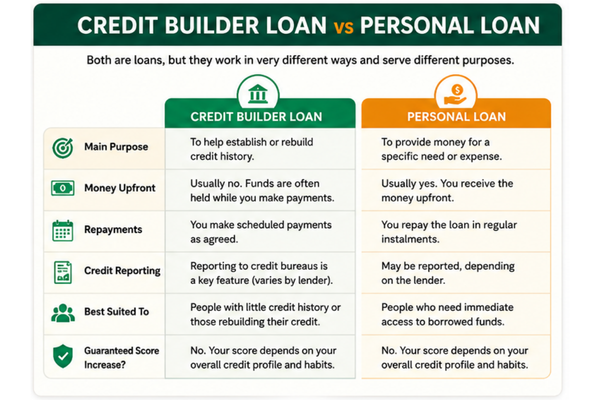
Smart Strategies for Borrowing Graduate Student Loans Canada

1. Borrow only what you need

Because graduate student loans in Canada can accumulate fast, borrow conservatively. Use scholarships, part-time work and assistantships to minimize debt.

2. Understand when repayment begins

Some loans begin repayment while you’re still studying; others let you defer until after graduation. Know your terms before borrowing.

3. Plan for income expectations

If you’re pursuing a degree that may not yield high income soon, your “graduate student loans Canada” strategy should include realistic budgeting and avoidance of excess debt.

4. Consider loan consolidation after graduation

If you took multiple loans or plan to consolidate, you may explore options like our Consolidation Loans page for combining “graduate student loans Canada” balances into one repayment plan.

5. Manage finances while studying

Use part-time jobs, research assistantships, or teaching assistant roles to reduce borrowing. Also track expenses and build budgeting habits early.

Risks to Consider Before Taking Graduate Student Loans Canada

  • Higher borrowing amounts than expected: Graduate programs often exceed initial cost estimates.
  • Variable interest rates (for private loans) can increase payments.
  • Delayed entry into the workforce or lower earnings than projected can lead to repayment strain.
  • Collateral or co-signer risk: If your loan is secured or backed by someone else, repayment defaults can impact others.
  • Opportunity cost of debt: Carrying large debt can delay other financial goals (home purchase, starting a family, etc.).

Understanding these risks helps you treat “graduate student loans Canada” not just as a funding source—but as a long-term financial commitment.

Graduate loans Canada up to $50,000

Frequently Asked Questions About Graduate Student Loans Canada

Are graduate student loans Canada available for any graduate program?

Not always. Government loans typically require programs to be eligible and your university to be recognized. Private lenders may have stricter criteria.

Can international students get graduate student loans Canada?

International students usually can’t access Canadian government loans. Some private lenders may allow it but often require Canadian co-signers.

What’s the difference between federal and private loans for graduate school?

Federal loans often come with lower rates and more favourable terms (grace periods, income-based repayment). Private loans (the “graduate student loans Canada” in the private market) fill in gaps but usually cost more.

How long will I have to repay a graduate student loan?

Repayment terms vary—commonly 5–15 years for private loans in Canada, depending on amount borrowed and lender terms.

Can I consolidate multiple graduate student loans in Canada?

Yes, you can look into consolidation or refinancing options post-graduation.

Conclusion

Navigating graduate student loans Canada is a critical step for any advanced-degree aspirant in Canada. While funding your learning is an investment in your future, it’s important to borrow with strategy, compare your options, and manage your debt responsibly. By using government loans where possible, supplementing with private funding only when needed, and planning for repayment from day one, you’ll set yourself up for financial success after graduation.

Ready to explore your financing options? Visit FatCat Loans and click Get My Quote to compare trusted lenders supporting “graduate student loans Canada.” Make smart borrowing decisions and fund your graduate studies with confidence today.

Financing U.S. Universities from Canada: Loans & Options

Canadian students can still finance U.S. universities through government student aid, scholarships, and private loans. This guide explains the key funding options available and how to choose the right mix for your education goals.

Canadian Student Loans US Schools

Updated February 2026

Studying in the United States can be an exciting step for many Canadians. American universities offer excellent programs, global networks, and life-changing opportunities. However, the cost of studying abroad can be high. Thankfully, there are many ways to manage these expenses. Canadians studying in the United States may be eligible for certain federal and provincial student aid programs, depending on the school. When government funding isn’t enough, some students explore private student lines of credit or personal loans to bridge the gap.

These include federal and provincial loans, scholarships, and private lenders that support Canadians who want to study in the U.S.

FatCat Loans is a loan comparison platform, not a student loan provider, but some borrowers compare personal loan options when additional funding is required.

This guide explains each option in simple terms. You’ll learn how to apply, how to combine aid, and how to find extra funding so you can study without financial stress.

1. What Are Canadian Student Loans US Schools?

Canadian student loans US schools programs are designed for Canadians who attend approved universities in the United States. They help cover tuition, housing, travel, and other school expenses.

These programs are available from several sources. For example, federal loans come from the Government of Canada. Provincial aid is offered by programs like OSAP and StudentAid BC. In addition, private banks and online lenders provide student lines of credit for those who need more support.

Because each option has different terms, it’s important to compare carefully. Doing so helps you borrow only what you need and choose the loan that fits your goals.

2. Provincial Programs Offering Canadian Student Loans US Schools

Many provinces make it possible for Canadians to receive student loans while studying in the U.S. These programs recognize select American universities. Therefore, always check if your school is approved before applying.

Provincial Programs That Support Canadian Student Loans US Schools

Province Program Eligible for U.S. Schools? Key Benefits
Ontario Ontario Student Assistance Program (OSAP) ✅ Yes Offers both grants and loans for designated U.S. schools
British Columbia StudentAid BC ✅ Yes Combines loans, grants, and bursaries
Alberta Alberta Student Aid ✅ Yes Provides funding for full-time study abroad
Saskatchewan Student Financial Assistance ✅ Yes Includes federal + provincial support
Nova Scotia NS Student Assistance ✅ Yes Offers loans and non-repayable grants

Because these programs vary, always review the eligibility rules before applying. Furthermore, make sure to apply early, as funding is limited each year.

🔗 Tip: You can confirm your school’s status by visiting your province’s student aid website. Doing this first saves time and prevents mistakes in your Canadian student loans US schools application.

3. Federal Canadian Student Loans US Schools

The Canada Student Loans Program (CSLP) also helps Canadians study at designated American universities. This federal program often works alongside your provincial loan.

Main Advantages

  • No interest while you study full-time
  • Six-month grace period after graduation
  • Option for income-based repayment
  • Choice of fixed or variable interest rates

In addition, you can apply for federal and provincial funding together. This simplifies the process because one application covers both programs. As a result, you save time and reduce paperwork.

4. Scholarships and Grants for Canadian Student Loans US Schools

Scholarships and grants reduce how much you need to borrow. They can make a big difference, especially if you study in a high-cost U.S. program.

Popular Scholarships for Canadians Studying in the U.S.

Scholarship Who Can Apply Source Award Amount
Canada-U.S. Fulbright Program Graduate students Government of Canada & U.S. Up to US $25,000
Canada Graduate Scholarships (CGS) Masters and PhD Federal government $17,500–$35,000
University Merit Awards Academic excellence U.S. universities Varies by school
RBC, TD, Scotiabank Awards Canadian students Private sector $1,000–$20,000

Because scholarships are competitive, it’s best to apply early. In addition, combining scholarships with Canadian student loans US schools means you’ll need to borrow less, which keeps future payments manageable.

5. Private Canadian Student Loans

When government aid doesn’t cover your total cost, private loans can fill the gap. These are often faster to access and come with flexible repayment terms.

Private Lenders Supporting Canadian Student Loans US Schools

Lender Loan Range Interest Rates Repayment Options
RBC Royal Bank Up to $80,000 Prime + 1%–3% Pay interest while in school
Scotiabank Up to $100,000 Prime + 0.5%–3% Start repayment after graduation
TD Canada Trust $5,000 – $60,000 Prime + 2%–4% Flexible terms available
BMO $5,000 – $50,000 7%–12% Choose fixed or variable rates

Some students also explore personal loan comparison platforms if they need additional funding beyond student lines of credit.

Because private loans can vary, always compare offers before applying. Moreover, check for fees or early payment penalties.

6. Comparing Canadian Student Aid for US Schools vs U.S. Federal Loans

It’s helpful to understand how Canadian and American loans differ before choosing your funding path.

Feature Canadian Student Loans (US Schools) U.S. Federal Loans
Eligibility Canadian citizens or PRs U.S. citizens only
Interest Rates Lower, fixed or prime-linked Often variable, higher
Grace Period 6 months after graduation Depends on program
Income-Based Repayment Yes Limited availability
Currency CAD USD
Co-signer Needed Sometimes Often required

Because Canadian loans are often more flexible, they’re a better choice for most students. In addition, repayment options are clearer, and interest rates tend to stay lower.

Currency & Exchange Rate Considerations

Studying in the United States means most expenses are billed in U.S. dollars. Exchange rate fluctuations can increase your effective tuition cost over time. Students borrowing in Canadian dollars should plan for potential currency shifts when budgeting for tuition and living expenses.

7. How to Apply for Canadian Student Loans to US Schools

Applying for these programs is simple when you stay organized and plan ahead.

  1. Confirm your school’s eligibility. Check the government’s list of approved universities.
  2. Apply through your province. Use portals like OSAP or StudentAid BC.
  3. Gather your documents. Collect proof of citizenship, admission letters, and income records.
  4. Apply early. Start 4–6 months before classes begin to ensure funding arrives on time.
  5. If government aid and bank student lines of credit do not fully cover your costs, you may explore private lending options or personal loans depending on eligibility.

Because timing is crucial, applying early prevents delays and guarantees funds are ready before your first semester begins.

8. Documents Required for Canadian Student Loans US Schools

Gathering documents ahead of time makes the process smoother.

Checklist:

  • Canadian passport or birth certificate
  • Proof of residency for your province
  • Admission confirmation from a U.S. university
  • Recent financial information
  • Co-signer details (if needed)

Keep scanned copies in a secure folder. This saves time if you need to reapply or submit updates later.

9. Managing Canadian Student Loans Wisely

Good planning helps you avoid financial stress while studying abroad.

  • Borrow less whenever possible. Small loans mean smaller payments later.
  • Create a monthly budget. Track spending and adjust as needed.
  • Watch exchange rates. Currency changes can affect your total costs.
  • Pay interest early. Even small payments now can reduce long-term debt.
  • Explore part-time work. Many campuses offer assistantships or tutoring jobs.

Because small choices add up, responsible borrowing today means financial freedom tomorrow.

Frequently Asked Questions About Canadian Student Loans to US Schools

Can Canadians apply for U.S. federal loans?

No. U.S. loans are only for American citizens. Canadians must use Canadian student aid for U.S. schools programs.

Do all U.S. universities qualify for Canadian aid?

Not all. Only designated schools approved by the Government of Canada are eligible.

How much can I borrow?

Amounts depend on your province, income, and study program. Government aid can reach up to $210 per week of study.

Do I need a co-signer for private loans?

Yes, often. Lenders may ask for one if you have limited credit history.

When does repayment start?

Usually six months after graduation, though private lenders may differ.

Apply button for $50,000 Loan

Conclusion

Need funding beyond government student aid? Some Canadians explore personal loans or alternative financing to help bridge tuition and living expense gaps. FatCat Loans is a loan comparison platform that allows you to review personal loan options from trusted lenders.

👉 Compare personal loan options to see what may be available based on your profile.

Student Loans for Trade Schools in Canada (Apprenticeships)

Trade school and apprenticeships can lead to strong careers — but training costs money. Here’s how Canadian student loans and grants can help fund skilled trades education.

Student Loans for Trade Schools

Updated February 2026

The increasing demand for skilled workers in Canada has made trade schools an appealing alternative to traditional colleges. With over 700,000 skilled trade job vacancies projected by 2028, these programs offer a pathway to stable, well-paying careers.

However, like any educational pursuit, trade schools come with costs, from tuition to tools and materials. Thankfully, student loans can help make trade school more affordable. This guide covers funding options, application processes, and tips for financing your education effectively.

Trade programs are typically shorter than university degrees, but they still involve tuition, certification fees, books, safety equipment, and specialized tools. In some cases, students must relocate temporarily for block training. Understanding all potential costs helps you determine how much funding you may need before starting your program.

Key Highlights for Trade School Student Loans

→ Trade school loans are accessible through federal, provincial, and private sources.
→ Federal aid requires program accreditation and citizenship/residency status.
→ Private loans can fill funding gaps, but they may have higher interest rates.
→ Explore grants and scholarships first to minimize debt.→ A repayment strategy should align with your expected post-graduation income.

How Much Does Trade School Cost in Canada?

Trade school costs vary depending on the program and province. On average:

  • Tuition: $3,000–$10,000 per year
  • Tools & equipment: $500–$5,000+ depending on trade
  • Certification & exam fees: $100–$500
  • Living expenses during training blocks: varies by location

Apprentices in Red Seal trades may attend in-class technical training in shorter blocks, which can temporarily reduce income during that period.

Understanding Student Loans for Trade Schools in Canada

In Canada, financial aid for trade school is available through federal, provincial, and private sources. These loans cover tuition and other essential expenses.

Federal and Provincial Loans

The Canada Student Loans Program (CSLP) is the cornerstone of government-funded financial aid. Eligible students can access low-interest loans with favourable repayment terms. The amount of funding available through federal and provincial programs depends on your financial need, program length, and province of residence. Check your provincial student aid website for the most up-to-date limits.

Canada Apprentice Loan (CAL)

The Canada Apprentice Loan offers interest-free loans of up to $4,000 per period of technical training for registered apprentices in Red Seal trades. Funds are available during in-school training blocks, helping apprentices manage living expenses while temporarily off the job.

Repayment typically begins six months after completion of training.

Provinces also offer targeted programs to support workforce development. For example, Alberta’s Apprenticeship Training Award offers up to $1,500 to eligible apprentices in financial need.

Eligibility Criteria

To qualify for federal or provincial loans, applicants must:

→ Be a Canadian citizen, permanent resident, or protected person.

→ Enrol in an accredited trade school or apprenticeship program.

For apprentices, the Canada Apprentice Loan provides interest-free funding during Red Seal trade training, easing the financial burden of certification.

Private Loans for Trade Schools

When government aid falls short, private loans bridge the gap. Banks and credit unions offer tailored loan products, though they often come with higher interest rates and stricter repayment conditions.

What to Look for in Private Loans

When exploring private loans, prioritize:

Interest Rates: Fixed rates offer stability, while variable rates may fluctuate.

Loan Terms: Assess repayment flexibility and deferment options.
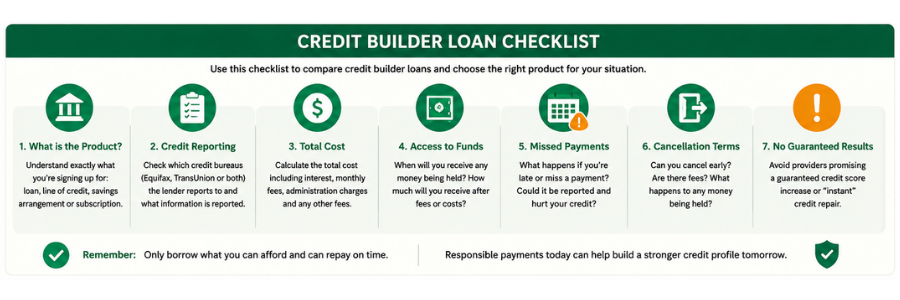
Additional Costs: Watch for fees like origination charges.

When Government Aid Isn’t Enough

Some trade students may need additional funding for tools, transportation, or living expenses during training. In those cases, students sometimes explore personal loans or installment loans to cover short-term gaps.
FatCat Loans is not a student loan provider, but it allows Canadians to compare personal loan options that may be used for education-related expenses depending on eligibility.

Apply button for loans up to $50,000

Applying for Trade School Loans

Follow these steps to secure funding:

  1. Start with government loans: Apply via the National Student Loans Service Centre.
  2. Research provincial aid: Check programs like the Ontario Student Assistance Program (OSAP) or BC Student Aid.
  3. Consider private loans: Compare rates, terms, and lender reviews before applying.

Ensure you have essential documents like proof of enrolment and government-issued ID to streamline the application process.

Example: Borrowing for Trade School

If you borrow $8,000 at 9% interest over 5 years:

Monthly payment ≈ $166
Total repaid ≈ $9,960

Choosing shorter repayment terms can reduce total interest costs.

Conclusion

Trade schools provide a practical route to in-demand careers, and student loans can help make this path accessible. With funding options ranging from government programs to private lenders, students can find solutions that suit their financial needs. Prioritize accredited programs and weigh loan terms carefully to build a stable financial future.

Frequently Asked Questions

Are private loans worth considering for trade school funding?

Private loans can supplement government aid, but they often have higher interest rates. Exhaust scholarships and grants first.

Do all trade schools qualify for federal loans?

No, only accredited programs are eligible. Verify your school’s status before applying.

Can I get funding for trade school tools?

Yes. Some provincial programs include tool grants, and apprentices may qualify for tax deductions on required tools.

Are apprenticeship grants still available in Canada?

Grant programs may change over time. Check Government of Canada apprenticeship incentives for the most up-to-date information.

Can I use a personal loan for trade school?

Personal loans may be used for education expenses depending on lender terms. Always compare rates and repayment conditions before borrowing.

Conclusion

Trade school can lead to stable, well-paying careers in high-demand industries across Canada. By combining federal aid, provincial support, apprenticeship funding, and—if necessary—carefully chosen private financing, you can reduce financial stress and focus on building valuable skills.

Borrow only what you need, understand your repayment obligations, and take advantage of grants and interest-free options whenever possible.

Need additional funding beyond government programs? You can compare personal loan options through FatCat Loans to explore flexible financing solutions.
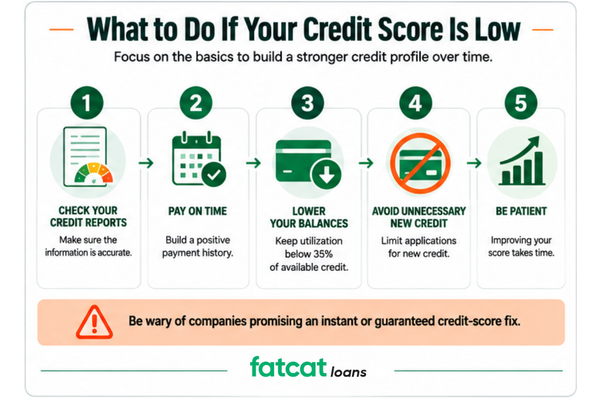
Loans for International Schools: Study Without Financial Stress

Studying abroad is exciting — but financing it can be challenging. Learn how loans for international schools can help cover tuition and living costs so you can focus on your education, not financial stress.

Loans for International Schools

Updated February 2026

Studying abroad can be a life-changing experience, offering access to top universities, international career opportunities, and unique academic programs. However, the cost of tuition, housing, travel, and currency exchange rates can make international education expensive for Canadians.

That’s why many students explore loans for international schools to help cover tuition and living costs while studying outside Canada. Depending on the country and institution, funding options may include provincial student aid, scholarships, student lines of credit, and private financing.

This guide explains how Canadians can finance international schools, what loan options are available, and what to consider before borrowing.

Key Takeaways About Financing International Schools

  • Canadians may qualify for provincial and federal student aid if their international school is designated.
  • Private student loans can fund education and living expenses abroad.
  • Eligibility and requirements differ by lender.
  • Loans without a co-signer are available but rare.
  • Understanding repayment terms and interest rates is crucial.
  • Researching and comparing options ensures better choices.

What Counts as an International School?

For Canadian students, an international school typically refers to a university, college, or professional program located outside Canada. This could include studying in the United States, the United Kingdom, Australia, Europe, Asia, or the Caribbean.

International programs often come with additional costs beyond tuition, including travel, visas, and higher living expenses depending on the city and country.

How Much Does Studying Abroad Cost?

The cost of international education depends on the country, school, and program type. In addition to tuition, students should plan for housing, food, transportation, travel, and insurance.

  • Tuition: $10,000–$60,000+ per year (depending on country and program)
  • Housing: $800–$2,500+ per month
  • Flights and travel: $1,000–$4,000 per year
  • Student visa and immigration fees: varies by country
  • Health insurance: $500–$2,000+ per year

Because most expenses are billed in foreign currency (USD, GBP, EUR, AUD), exchange rates can significantly impact the total cost over time.

Financing Options for Canadians Studying at International Schools

Canadian students financing education abroad typically rely on a combination of government student aid, scholarships, student lines of credit, and private loans. The right option depends on your province, your school’s eligibility status, and whether you have access to a co-signer or established credit history.While many international institutions do not qualify for Canadian government student loans, some designated schools may still be eligible depending on the program and province.

Can Canadians Use Government Student Loans for International Schools?

In some cases, yes. Canadian students may still qualify for provincial and federal student aid if their international school is considered a designated or approved institution. Each province maintains its own eligibility list, so it’s important to confirm whether your school qualifies before applying.

Programs such as OSAP (Ontario), StudentAid BC, and Alberta Student Aid may offer funding for select international universities and professional programs. If your school is not approved, you may need to rely on private financing or alternative borrowing options.

Before applying, visit your provincial student aid website and search the designated school list to confirm eligibility.

Government Student Loans vs Private Loans for International Schools

Federal Student Loans

Canadian government student loans are typically limited to Canadian citizens and permanent residents, and eligibility depends on whether the international school is designated. These loans offer benefits like:

  • Lower fixed interest rates.
  • Flexible repayment options.
Private Student Loans

Private loans can help Canadians cover tuition and living costs when government aid and scholarships are not enough. These loans often come with higher interest rates than government programs and may require a co-signer.

  • Higher interest rates than federal loans.

  • Both fixed and variable rate options.
  • Additional requirements, such as proof of enrolment and a co-signer.

Some lenders, like Prodigy Finance, specialize in loans without co-signers but often impose higher interest rates or stricter terms.

Student Lines of Credit for Studying Abroad

Some Canadian banks offer student lines of credit that can be used to help fund international education. These are commonly used for professional programs such as medicine, dentistry, law, and graduate studies.

Student lines of credit often require a co-signer, especially for younger borrowers without established credit history. Depending on the lender, you may only be required to pay interest while in school, with full repayment beginning after graduation.

Eligibility Criteria for Loans for International Schools

Loan eligibility depends on the lender, but financing international education often requires:

  • Proof of enrolment at an eligible institution
  • Canadian citizenship or permanent residency
  • Proof of income or a co-signer (depending on the lender)
  • Acceptable credit history (or a co-signer with strong credit)

While a co-signer is usually necessary, certain lenders waive this requirement for select applicants.

Can You Get a Loan Without a Co-Signer?

In many cases, lenders require a co-signer for international school financing because students may have limited credit history or income. However, some specialized lenders offer loans without co-signers for certain programs, especially graduate-level degrees.

For example, lenders like Prodigy Finance may offer international education loans without a co-signer, but approval requirements can be strict and interest rates may be higher.

Apply for help with loans for international schools at FatCat Loans.

Navigating the Loan Application Process

Follow these steps to streamline your loan application:

  1. Research Lenders: Evaluate interest rates, terms, and eligibility.
  2. Confirm School Eligibility: Ensure your institution qualifies for loans.
  3. Submit Documentation: Provide financial records, proof of enrolment, and other essentials.
  4. Await Approval: Review loan terms upon approval.

Required Documentation for Loans for International Schools

Typical documentation includes:

  • School enrolment proof.
  • Academic transcripts.
  • Financial documents, such as bank statements.

Currency and Exchange Rate Risk

One major challenge of studying abroad is that tuition and living expenses are often charged in foreign currency. Even if you borrow in Canadian dollars, a weaker Canadian dollar can increase your real cost over time.

To avoid financial surprises, build a buffer into your budget and consider exchange rate fluctuations when calculating how much you need to borrow.

Repayment Plans and Interest Rates

Repayment Terms

Lenders often provide a grace period post-graduation, allowing students to secure employment before repayments start. Note that interest typically accrues during this period.

Interest Rates

Interest rates influence the total loan cost. Options include:

Fixed Rates: Ideal for predictable budgeting.

Variable Rates: These may offer lower initial costs but can fluctuate.

Example: Cost of Borrowing for International School

If you borrow $20,000 to help cover tuition and living expenses and repay it over 5 years at 11% APR, your estimated monthly payment would be approximately $435 per month.

Always compare interest rates, repayment terms, and total repayment cost before choosing a financing option.

Conclusion

Securing loans for international schools requires planning, budgeting, and careful comparison. By exploring scholarships, confirming whether your school qualifies for Canadian student aid, and reviewing private loan options, you can reduce financial stress and focus on your studies.

If government funding and scholarships don’t fully cover your education costs, some Canadians explore personal loans or alternative financing to bridge the gap.

Always borrow conservatively and prioritize scholarships and government student aid first before taking on private debt.

FatCat Loans is a loan comparison platform, not a student loan provider, but it helps Canadians compare personal loan options that may be used for education-related expenses.

Learn more about loans for international schools available to Canadians with FatCat Loans.

Frequently Asked Questions About Loans for International Schools

Can Canadians get loans for international schools without a co-signer?

Yes, some specialized lenders may offer loans without a co-signer for certain international programs (especially graduate degrees). However, these loans often have stricter approval requirements and higher interest rates.

What expenses do loans for international schools typically cover?

These loans cover tuition, housing, books, and other essentials.

Can Canadians use OSAP or provincial loans for international schools?

Sometimes. Many provinces offer student aid for approved international institutions, but eligibility depends on your program and whether the school is designated. Always check your province’s approved school list before applying.

Do loans for international schools cover living expenses?

Yes. Many private lenders and financing options allow you to borrow enough to cover housing, food, transportation, and other living costs in addition to tuition.

🎓 Need help covering international school expenses? Compare personal loan options through FatCat Loans to explore flexible financing solutions.

Bathroom Renovation Loans Canada: How to Finance Your Dream Remodel

Bathroom renovation loans in Canada can help you finance your remodel without draining savings. Learn your best borrowing options, costs to expect, and how to choose the right loan for your renovation budget.

Bathroom Renovation Loans Canada

Is your bathroom overdue for a makeover, but the cost is a hurdle? Bathroom renovation loans Canada can help you bring your vision to life without overstretching your finances. From personal loans to home equity lines of credit (HELOCs), Canadians have access to diverse financing solutions tailored for home improvement projects. Here’s how you can fund your bathroom upgrade smartly and affordably.

Key Takeaways for Bathroom Renovation Loans Canada

→ Bathroom renovations can increase the value of your home in Canada.

→ Financing options like personal loans, lines of credit, and home equity loans make upgrades affordable.

→ Assessing interest rates, terms, and your financial situation is key to finding the right option.

→ This guide outlines the top bathroom renovation loan options in Canada.


Understanding Bathroom Renovation Loans Canada

Bathroom renovations are a high-impact improvement, boosting both your comfort and property value. Yet, costs can quickly escalate depending on the project’s scope. Thankfully, various financing options can make your dream bathroom attainable.

Common Financing Options

Personal Loans: Lump-sum loans with fixed terms and predictable monthly payments.

Lines of Credit: Flexible funds for ongoing or unforeseen expenses.

Home Equity Loans: Lower interest loans secured by your home’s equity.

Selecting the right option depends on your renovation scale and financial circumstances.

Apply for Bathroom Renovation Loans Canada through FatCat Loans.

Budgeting for Your Bathroom Renovation

Before diving into renovations, establish a clear budget. Include key costs such as:

→ Materials (tiles, fixtures, counters).

→ Contractor fees.

→ Permits or inspections.

→ A contingency fund for surprises.

Get multiple quotes to compare costs and avoid overspending. Remember, quality renovations not only enhance your space but also increase your home’s resale value.

Bathroom Renovation Loans Canada Options

1. Personal Loans

Personal loans are ideal for those seeking straightforward terms and predictable payments.

Advantages:

→ Fixed interest rates for consistent payments.

→ No collateral required.

Considerations:

→ Requires good credit and stable income for favourable terms.

→ Higher interest rates compared to secured loans.

2. Home Equity Lines of Credit (HELOC)

HELOCs let you borrow against your home’s equity, offering flexibility for phased or large renovations.

Advantages:

→ Lower interest rates.

→ Borrow and repay as needed.

Considerations:

→ Requires collateral (your home).

Variable interest rates may increase over time.

3. Lines of Credit

Lines of credit are great for smaller or incremental renovations without tapping into home equity.

Advantages:

→ Borrow only what you need.

→ Pay interest only on the borrowed amount.

Considerations:

→ Higher interest rates than HELOCs.

For budgeting tips, check out our Tips to Improve Your Credit Score blog.

Benefits of Bathroom Renovation Loans

Spread Costs Over Time: Manageable monthly payments make renovations feasible without a large upfront investment.

Increase Home Value: Updated bathrooms enhance resale value and appeal.

Modern Comfort: Turn your bathroom into a relaxing, functional retreat.

Conclusion

A bathroom renovation loan can turn your vision into reality while keeping costs manageable. With options like personal loans, HELOCs, and lines of credit, you can find the financing that suits your project. Plan your budget, research loan terms, and explore the possibilities for your dream bathroom—one smart step at a time.

Frequently Asked Questions About Bathroom Renovation Loans Canada

What’s the best financing option for bathroom renovations?

Personal loans work for mid-sized projects, while HELOCs suit larger renovations backed by home equity.

Can I use a credit card for bathroom renovations?

You can, but credit cards often carry high-interest rates and are better for smaller, short-term costs.

How do I qualify for a renovation loan?

Most lenders require good credit, proof of income, and a manageable debt-to-income ratio.

🛁 Ready to start your bathroom remodel? Compare personal loan options in Canada through FatCat Loans and find affordable financing that fits your budget.

Window Replacement Financing Canada: Smart Solutions for Homeowners

Explore window replacement financing options in Canada and find smart, affordable solutions to upgrade your home without straining your budget.

Window Replacement Financing Options in Canada

Window Replacement Financing Canada helps homeowners manage the cost of upgrading to energy-efficient windows while improving their home’s comfort and value.

Replacing your home’s windows is one of the best ways to boost energy efficiency, enhance curb appeal, and reduce long-term utility bills – but the upfront expense can be a challenge.

That’s why FatCat Loans offers flexible financing options, making it easier for Canadians to invest in quality window replacements without financial stress.

How Much Does Window Replacement Cost in Canada?

In Canada, the cost of replacing windows typically ranges from $300 to $1,500 per window, depending on size, materials, and installation complexity. Full home window replacement projects can cost anywhere from $5,000 to $20,000+.

  • Basic vinyl windows: $300–$800 per window
  • Energy-efficient upgrades: $800–$1,500+ per window
  • Installation costs: Vary based on labour and accessibility

If upfront costs are a concern, many homeowners explore personal loan options in Canada to spread payments over time.

Key Financing Options for Window Replacement in Canada

  • Learn practical ways to finance window replacement projects in Canada.
  • Discover government rebates, grants, and payment plans tailored for home improvements.
  • See how energy-efficient windows can lower long-term expenses.
  • Explore budgeting strategies and tips for selecting reliable installers.

Best Ways to Finance Window Replacement in Canada

Homeowners in Canada have several financing options depending on their budget and credit profile:

  • Personal loans: Fixed monthly payments with predictable terms
  • Installment loans: Flexible repayment options for larger renovation costs
  • Contractor financing: Offered directly by window companies
  • Home equity financing: Lower rates if you have sufficient equity

Compare installment loan options in Canada to find a solution that fits your budget and timeline.

Government Rebates and Grants for Window Replacement in Canada

Canadian homeowners may qualify for rebates and incentives when upgrading to energy-efficient windows. Programs vary by province but can significantly reduce overall costs.

  • Canada Greener Homes Grant: Offers rebates for eligible energy-efficient upgrades
  • Provincial programs: Additional incentives may be available depending on your location
  • Energy Star rebates: Encourages high-efficiency window installations

Learn more about available government rebates for windows in Canada to maximize your savings.

Why Replace Your Windows?

Energy Efficiency Saves Big

Older windows are often a significant source of energy loss, resulting in higher utility bills. Upgrading to energy-efficient windows helps keep your home comfortable year-round while lowering heating and cooling expenses.

Did you know?
Switching to energy-efficient windows can reduce heat loss by up to 30%.

Maximize Long-Term Value

Modern windows aren’t just a functional upgrade — they’re an investment. Features such as triple glazing and low-emissivity coatings boost comfort while minimizing wear and tear over time.

Boost Resale Appeal

If you’re planning to sell, new windows improve curb appeal and market value. Buyers often prioritize homes with recent energy-efficient upgrades.

Budget-Friendly Window Replacement Financing Options

1. Cash Payments

Using savings is the simplest way to avoid interest charges. Consider setting aside a dedicated renovation fund.

2. Flexible Payment Plans

Many Canadian window companies offer financing to spread costs into manageable monthly payments. Look for 0% or low-interest options.

3. Government Rebates and Grants

The Canada Greener Homes Grant offers

rebates for Energy Star-certified windows
.You may qualify for up to $250 per window.


Looking for Window Replacement Financing Canada options? Check out FatCat Loans.

Preparing for Window Replacement

  • Assess Your Needs: Look for drafts, condensation, or stuck windows.
  • Plan Your Budget: Get estimates from multiple contractors.
  • Choose Energy-Efficient Models: Prioritize Energy Star certification.

Best Times to Replace Windows

Spring and fall are ideal seasons. Contractors may offer discounts during off-peak periods.

Finding the Right Installer

  • Check Credentials: Ensure the installer is licensed and insured.
  • Compare Quotes: Get at least three quotes.
  • Read Reviews: Look for verified customer feedback.

Is Window Replacement Financing Worth It?

Financing window replacement can be a smart decision if it helps you upgrade to energy-efficient windows sooner and reduce long-term utility costs. However, it’s important to compare interest rates, repayment terms, and total borrowing costs before committing.

If you need flexible financing, explore bad credit loan options in Canada if your credit score is less than ideal.

Frequently Asked Questions

Can you finance window replacement in Canada?

Yes, many Canadian homeowners finance window replacement through personal loans, installment loans, contractor payment plans, or home equity financing. The best option depends on your budget, credit profile, and how quickly you want to complete the upgrade.

How much does window replacement cost in Canada?

Window replacement costs in Canada typically range from $300 to $1,500 per window, depending on the size, frame material, energy-efficiency features, and installation complexity. Full-home projects can cost significantly more.

Are there government rebates for new windows in Canada?

Yes, some homeowners may qualify for rebates or incentives for installing eligible energy-efficient windows. Available programs vary by province and may also include federal or utility-based incentives.

Is window replacement financing worth it?

Window replacement financing can be worth it if it helps you spread out upfront costs, improve energy efficiency sooner, and manage cash flow more comfortably. It is important to compare rates, terms, and total borrowing costs before choosing a financing option.

What is the best way to pay for new windows?

The best way to pay for new windows depends on your financial situation. Paying cash avoids interest, while financing can make larger projects more manageable through fixed monthly payments. Some homeowners also combine rebates with financing to reduce total costs.

Can I get window financing with bad credit in Canada?

Some lenders and financing platforms may still offer window replacement financing to borrowers with bad credit, although rates and terms may differ. Comparing multiple options can help you find a solution that fits your budget.

Conclusion: Upgrade Smarter

Upgrading to energy-efficient windows enhances comfort, boosts value, and lowers energy costs.

With FatCat Loans, finding flexible Window Replacement Financing Canada homeowners can trust is simple.

Don’t wait — apply today and upgrade without financial stress.